

African Three-banded Plover \ Charadrius tricollaris
(زقزاق ثلاثي الحزام الأفريقي)
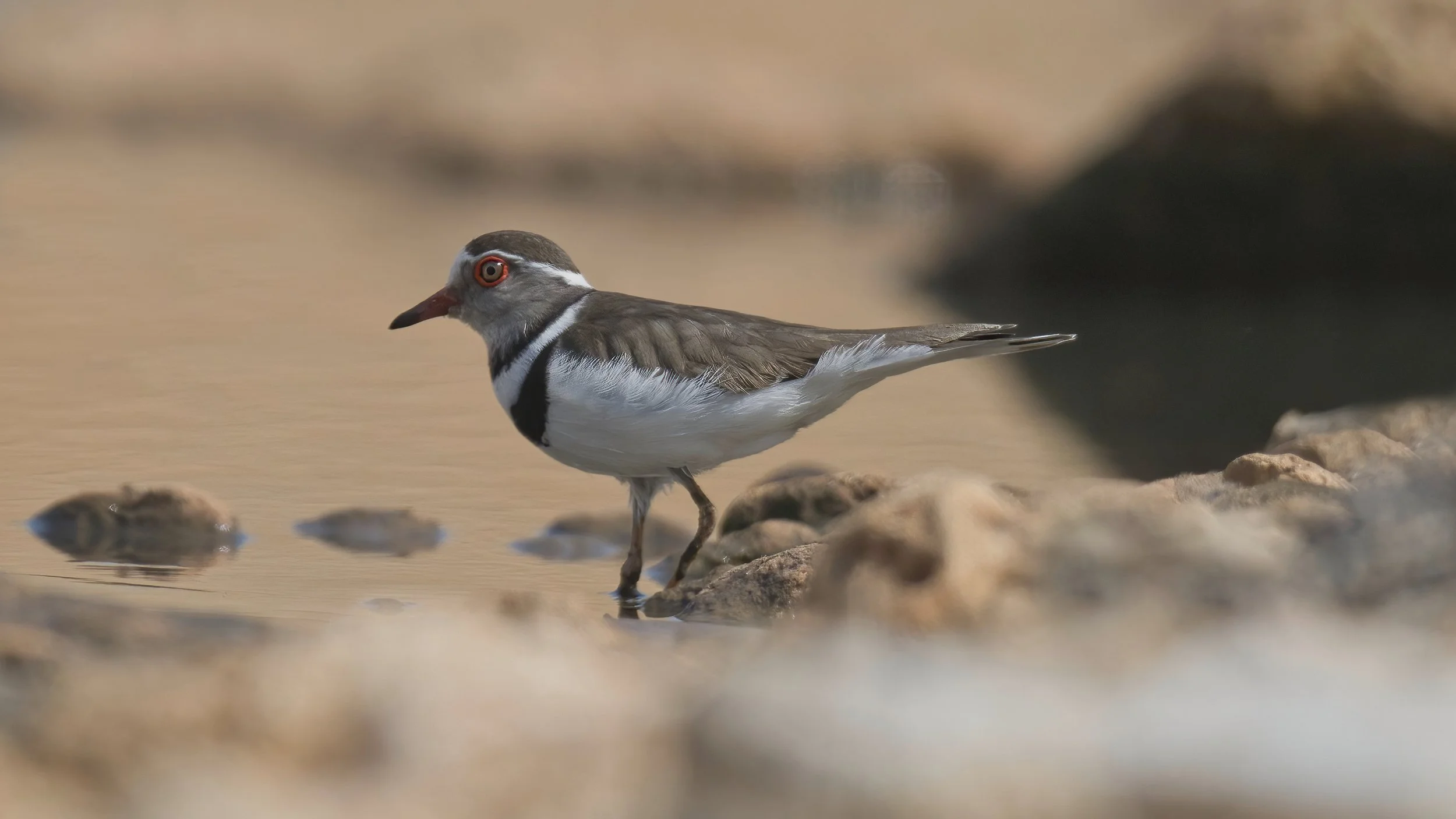
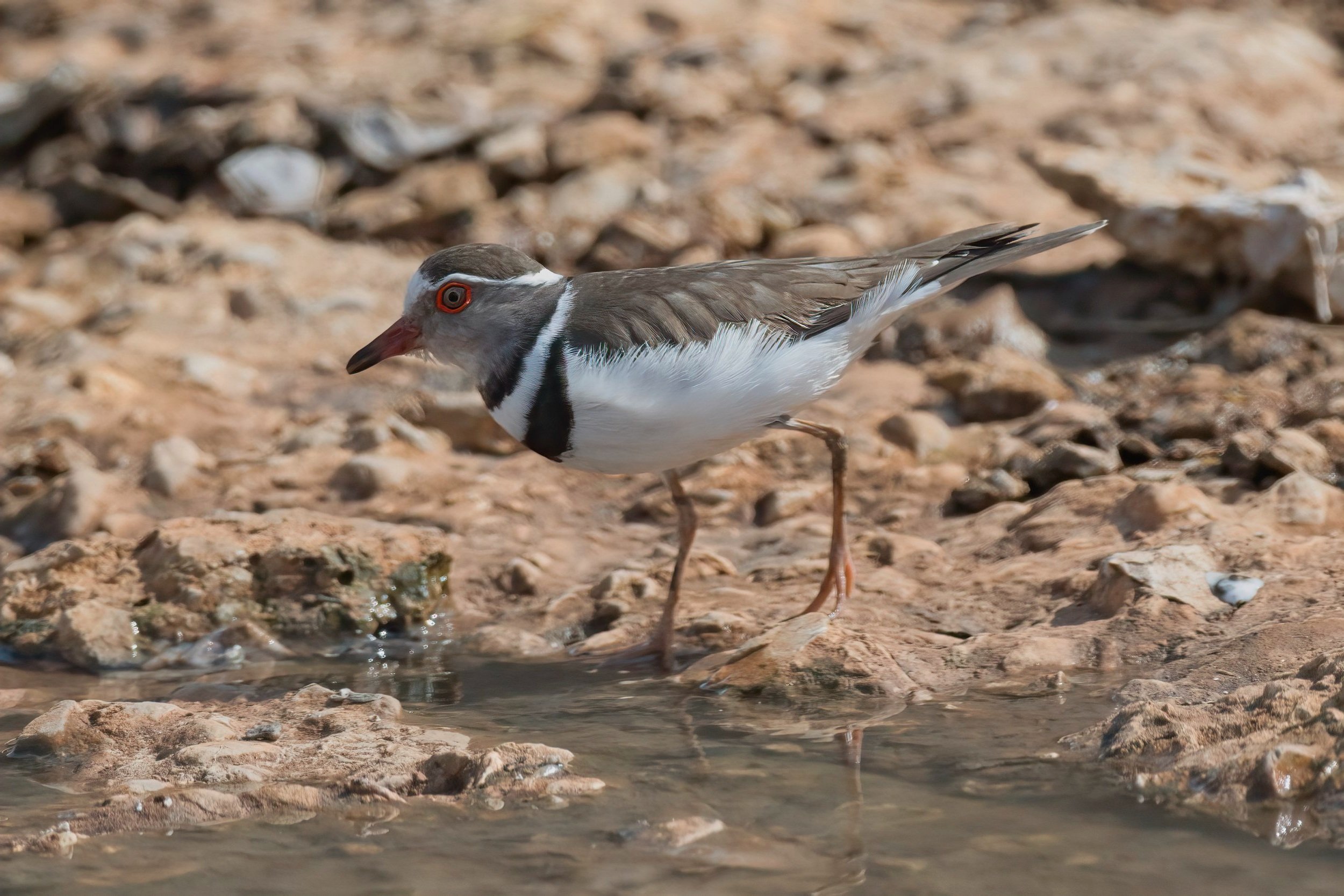
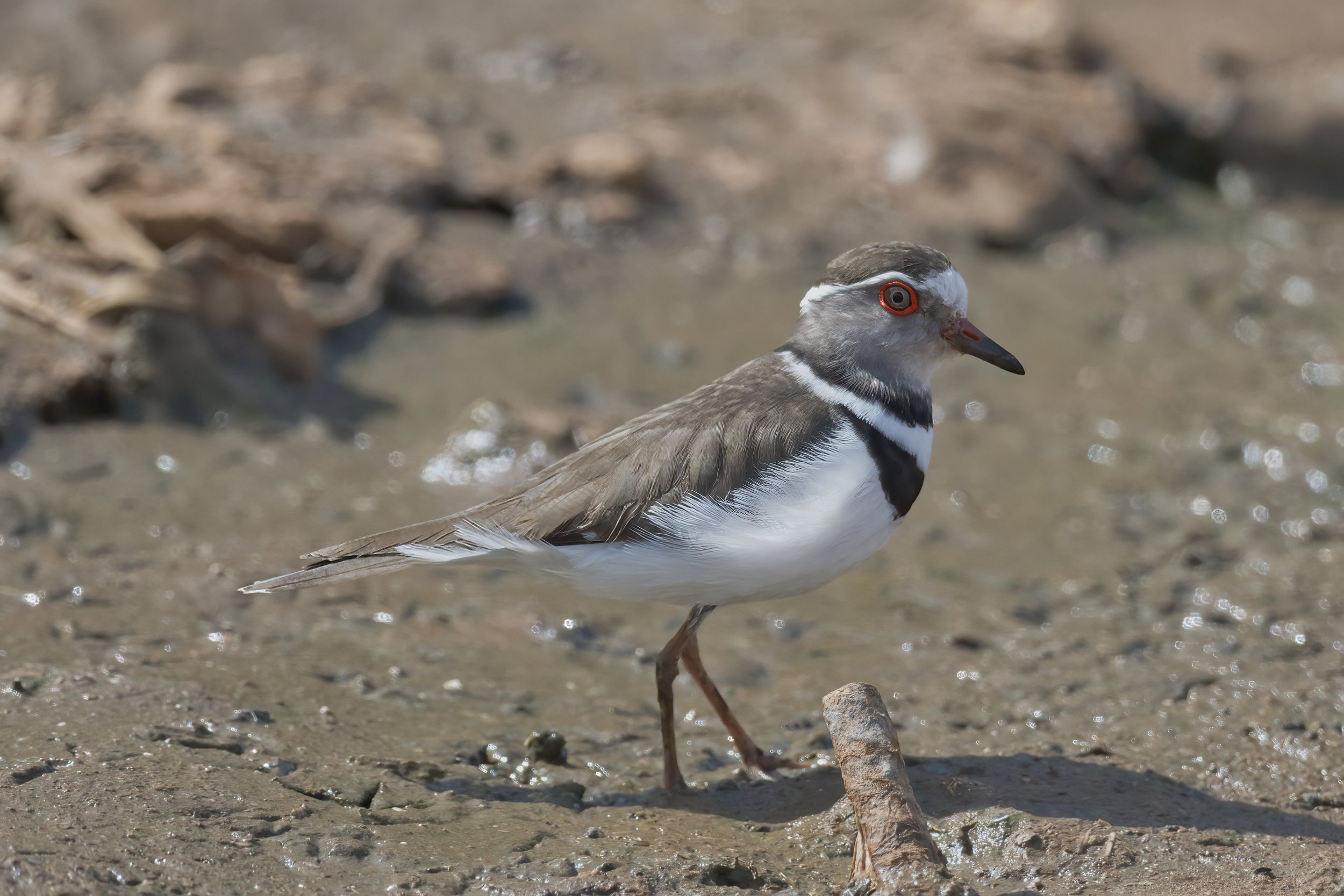
The African Three-banded Plover (Charadrius tricollaris) is a small, distinctive wader native to sub-Saharan Africa and Madagascar, typically inhabiting inland wetlands, riverbanks, and lake shores. Characterized by its unique plumage, it features two black breast bands separated by a white band, a black crown, white supercilia, and an orange-red orbital ring. This species is generally resident and sedentary within its range, making its appearance in Lebanon particularly noteworthy.en.wikipedia.org
In March 2023, the African Three-banded Plover was recorded in Lebanon for the first time by birdwatcher Michel Sawan. This observation marked a significant addition to the country's avifauna, as the species had not been previously documented in the region. The record was officially noted in the ornithological journal Sandgrouse . The sighting underscores the importance of continuous monitoring and documentation of bird species in Lebanon, contributing valuable data to the understanding of migratory patterns and species distribution.osme
الزقزاق الإفريقي ثلاثي الأطواق هو طائر خواض صغير ومميز موطنه الأصلي أفريقيا جنوب الصحراء الكبرى ومدغشقر، ويعيش عادةً في الأراضي الرطبة الداخلية، وضفاف الأنهار، وحواف البحيرات. يتميز بريشه الفريد، حيث يحمل شريطين أسودين على الصدر يفصل بينهما شريط أبيض، مع قمة رأس سوداء، وحاجب أبيض واضح، وحلقة حول العين بلون برتقالي مائل إلى الأحمر. يُعد هذا النوع في الغالب مقيمًا وغير مهاجر ضمن نطاقه، مما يجعل ظهوره في لبنان أمرًا لافتًا بشكل خاص
في مارس 2023، تم تسجيل الزقزاق الإفريقي ثلاثي الأطواق في لبنان لأول مرة بواسطة مراقب الطيور ميشال صوان. وقد شكّل هذا الرصد إضافة مهمة إلى قائمة الطيور في البلاد، إذ لم يكن هذا النوع موثقًا سابقًا في المنطقة. وتم توثيق هذا التسجيل رسميًا في المجلة العلمية المتخصصة بعلم الطيور. وتؤكد هذه المشاهدة أهمية الاستمرار في مراقبة وتوثيق أنواع الطيور في لبنان، لما لذلك من دور في توفير بيانات قيّمة تساعد على فهم أنماط الهجرة وتوزيع الأنواع

Other Species
-
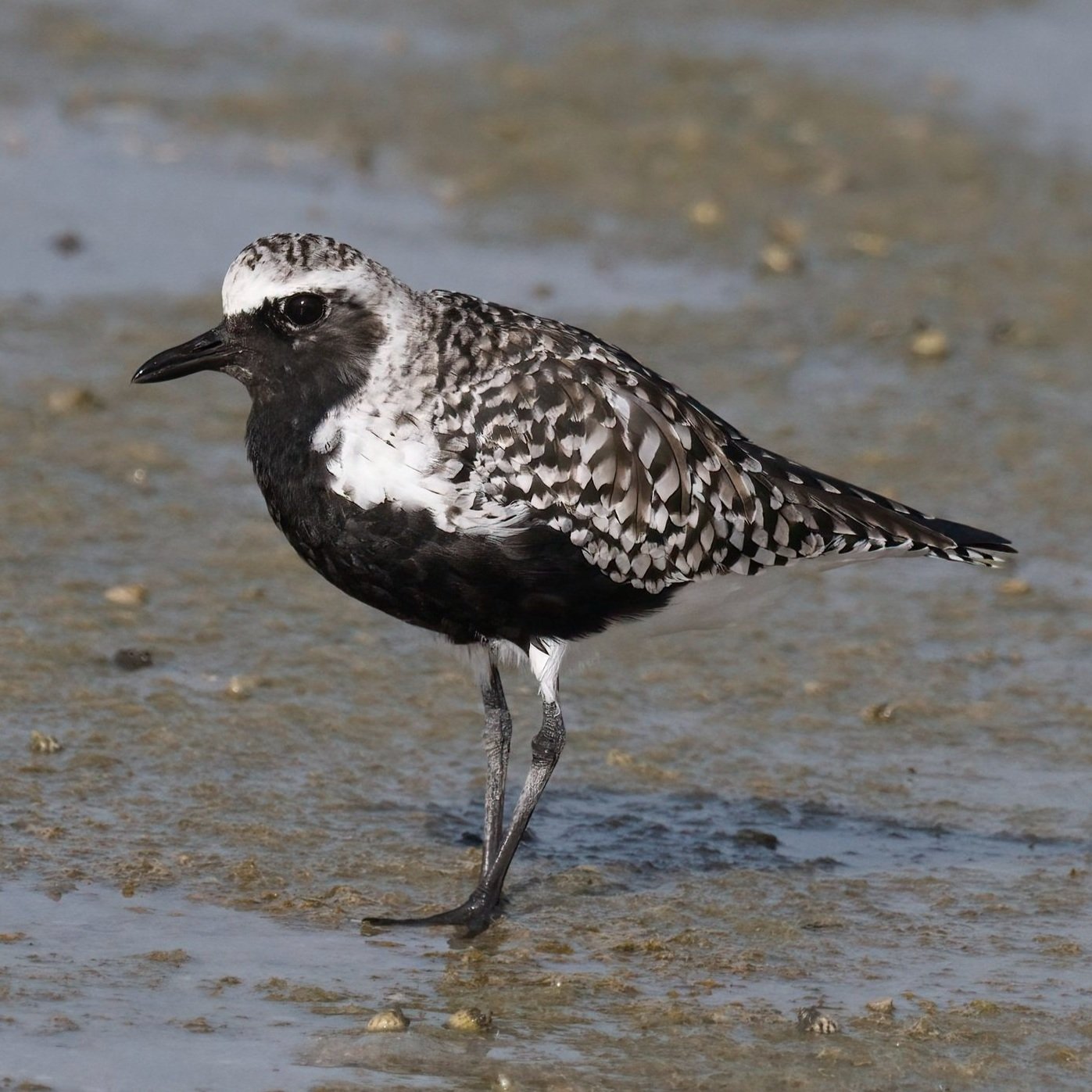
Grey Plover (Pluvialis squatarola)
-
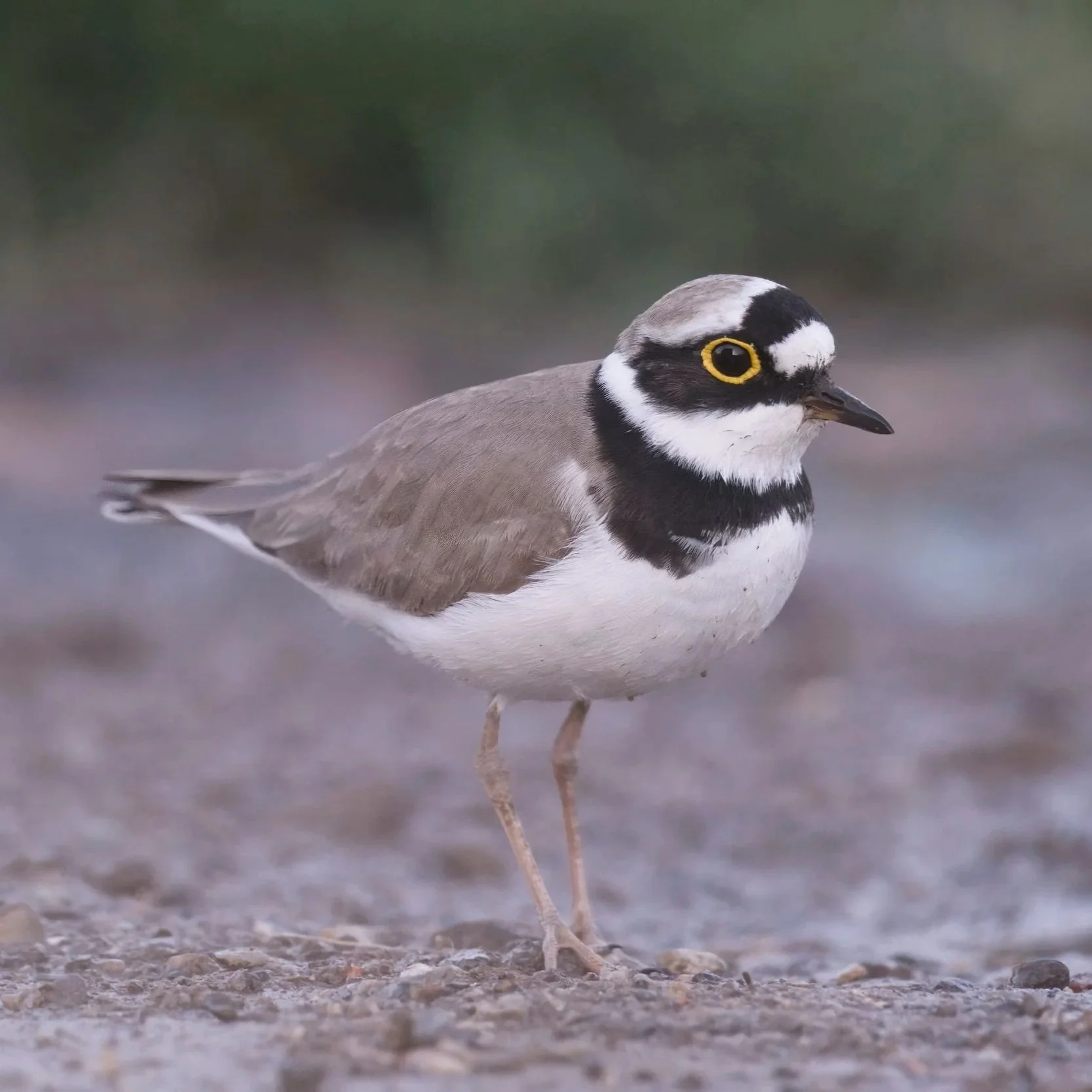
Little Ringed Plover (Charadrius dubius)
-
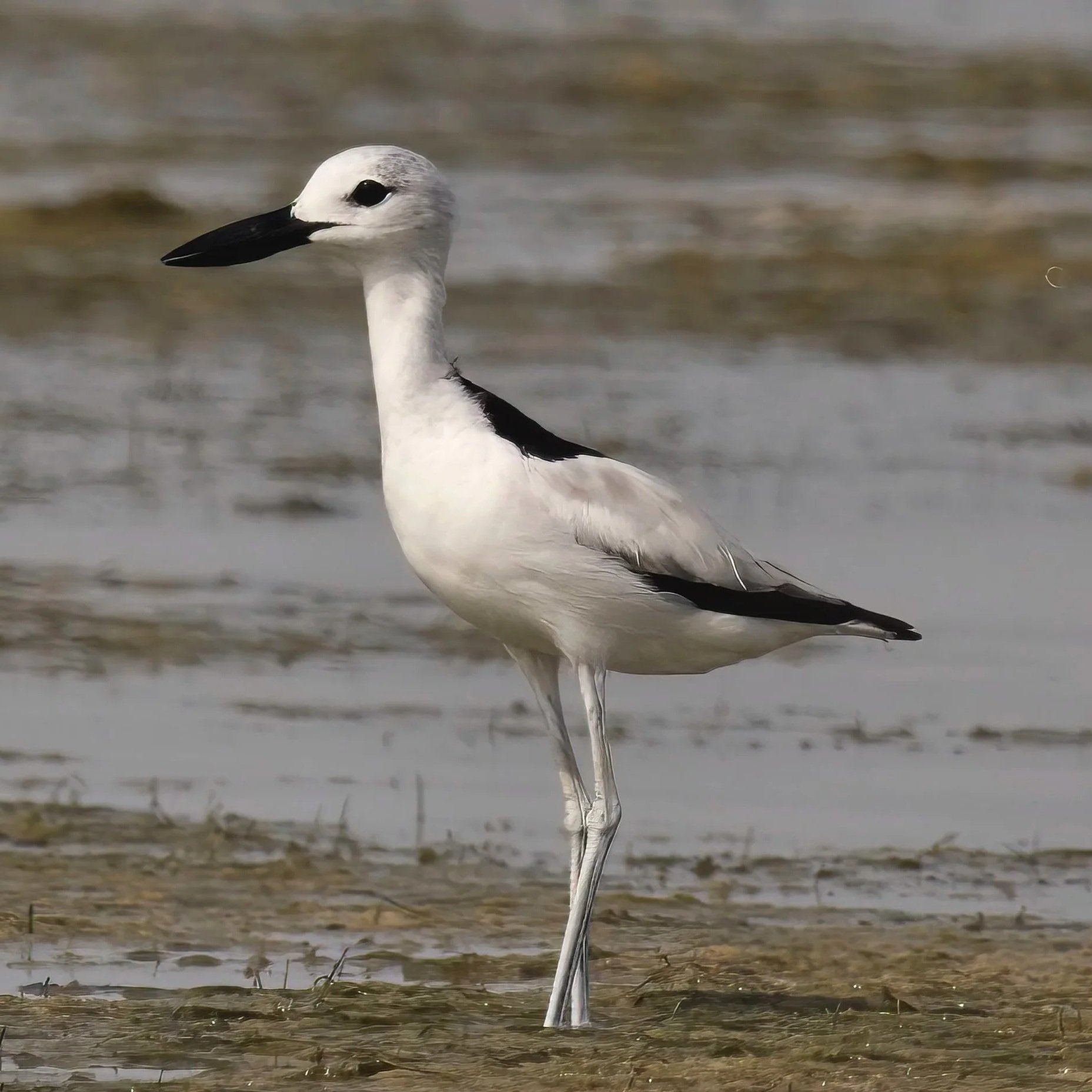
Crab Plover (Dromas ardeola)
-
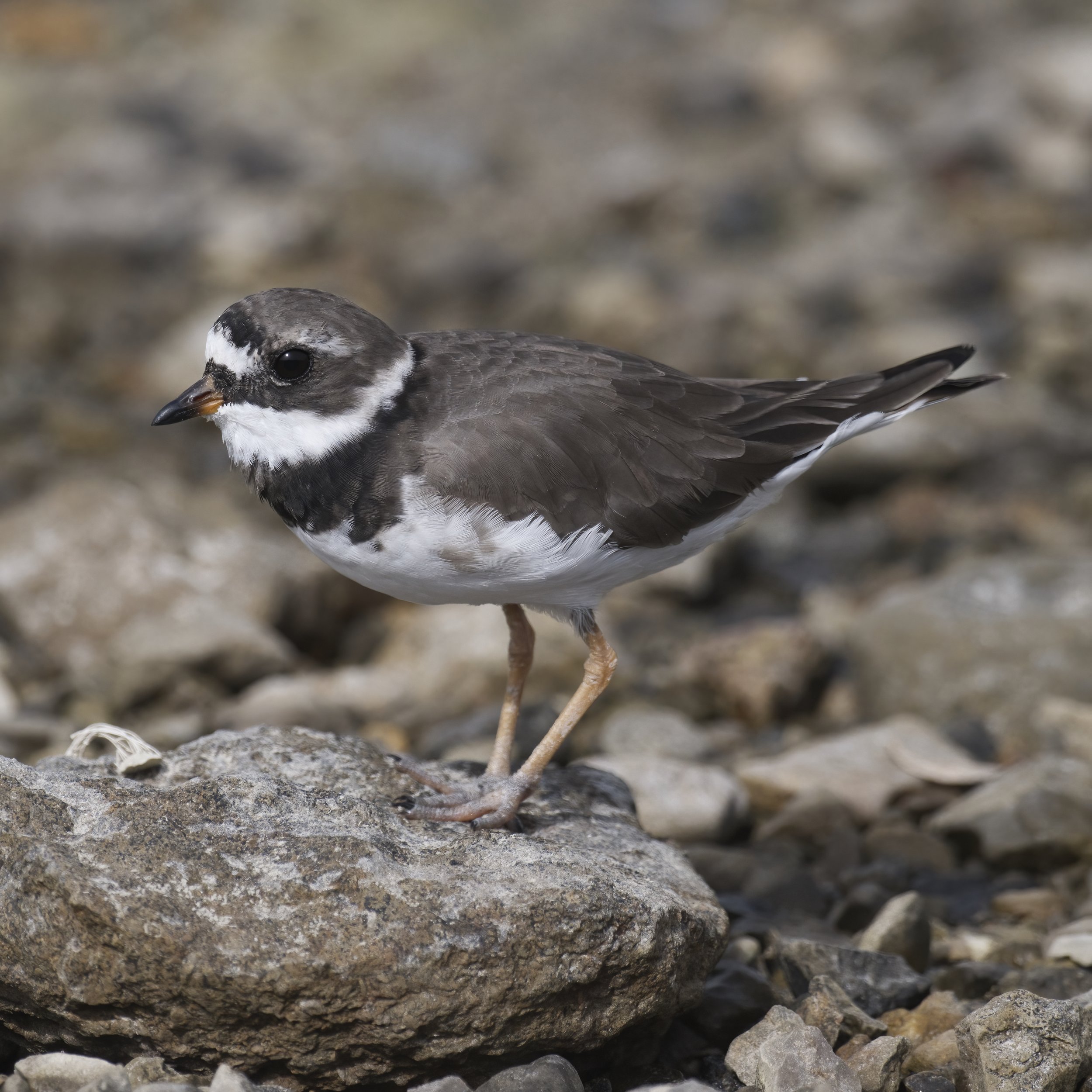
Common Ringed Plover (Charadrius hiaticula)