Reviving Syria’s Wildlife: A Dream Long Deferred / إحياء الحياة البرية في سوريا: حلم مؤجل آن أوانه
For years, I’ve been documenting Lebanon’s wildlife — raising awareness, supporting conservation, and even holding a major exhibition that was displayed for months across several of the country’s most important nature reserves. Since moving to the UAE, I’ve continued on the same path. Today, if you search online for wildlife information about Lebanon or the UAE, my website often appears among the top results on Google.
But as a Syrian national, it has always pained me that I couldn’t do the same for my own country. In the Syria I left behind, simply holding a camera could lead to serious trouble — arrest, kidnapping, or worse. Now that the country is completely liberated from the old regime, the idea of going back is growing stronger every day. I want to return. I want to take part in the effort to protect and revive Syria’s wildlife — to put it back on the map with world-class photography and documentation.
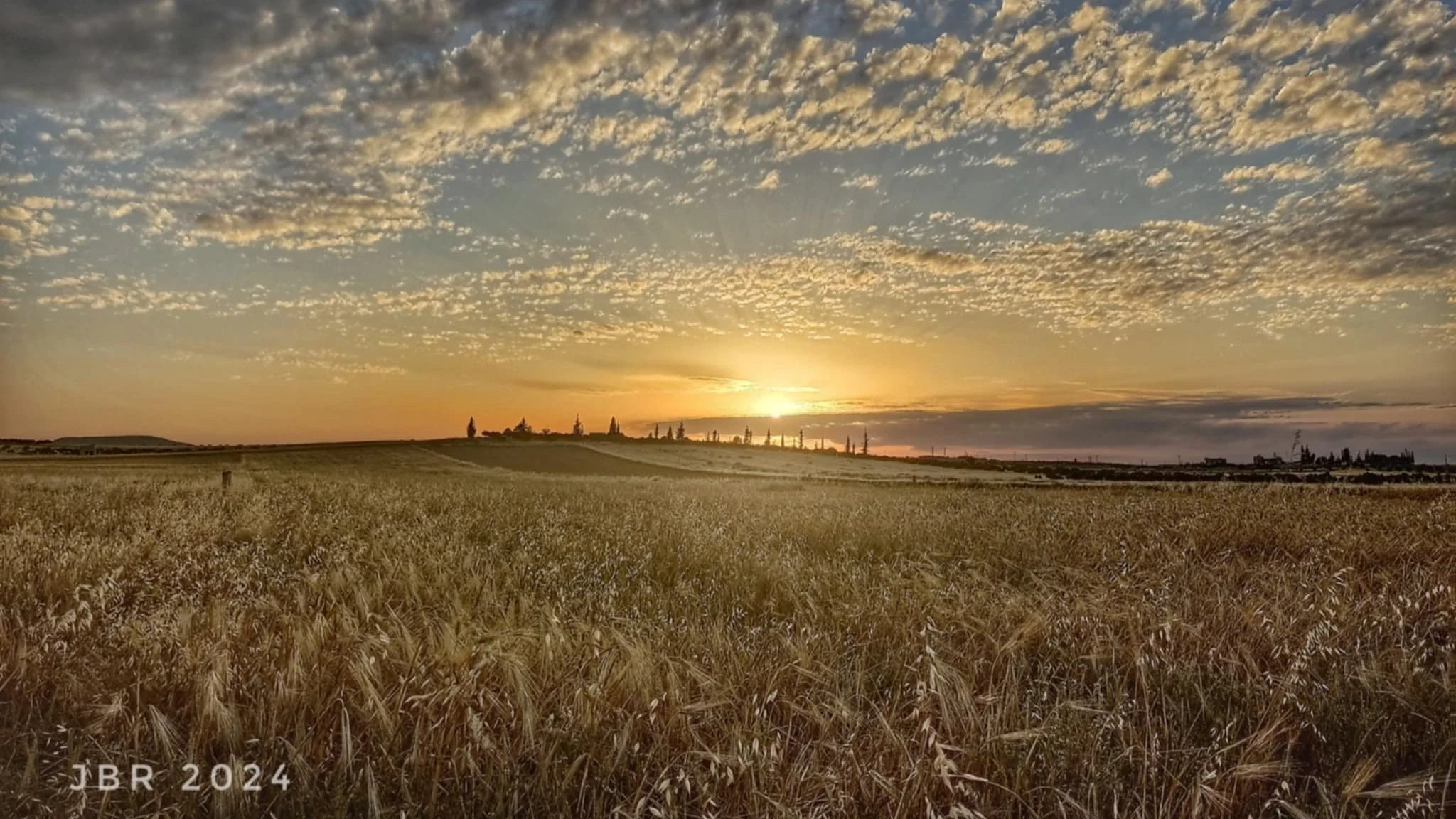
Photo By: Ehab Jabr
Compared to Lebanon, which boasts 15 official nature reserves, Syria has only 6. Years of war and instability have made it nearly impossible to maintain or develop effective wildlife conservation efforts. Just before the conflict, Syria was home to a rare population of the endangered Northern Bald Ibis — a bird so unique that researchers and birdwatchers from around the world came to catch a glimpse. Sadly, these efforts collapsed with the war. Yet, Syria continues to surprise us. Every few months, a new and rare discovery is made — like the Small Indian Mongoose, which was first recorded in 2022, Eurasian Otter which was also first recorded in 2021.
What struck me most during my research was how little the internet has to offer when it comes to Syrian wildlife: very few images (most of moderate quality), limited information, and only a handful of names consistently appear. This silence is not due to a lack of biodiversity, expertise, or effort — but rather a lack of funding, public awareness, and governmental support.
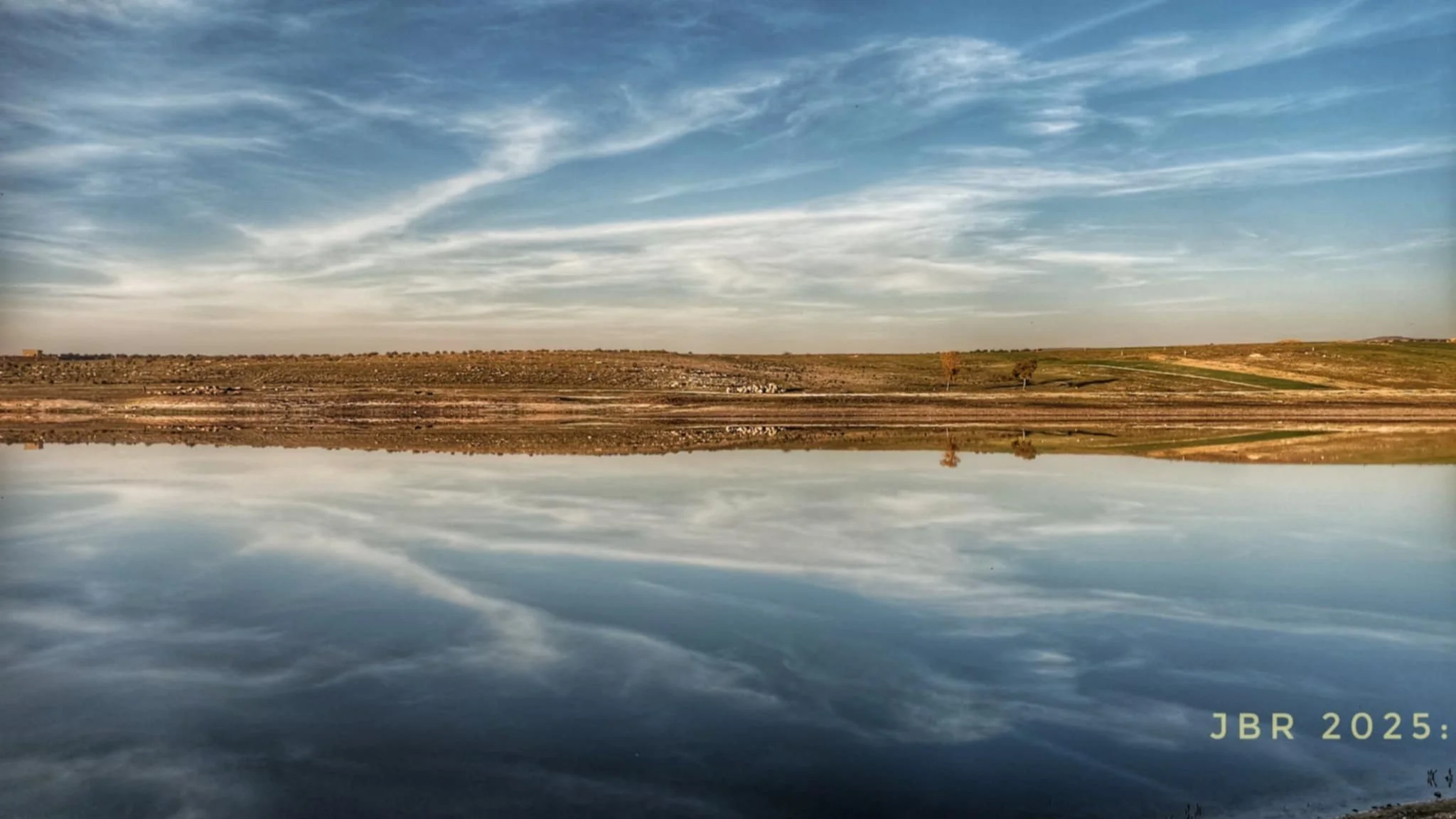
Photo By: Ehab Jabr
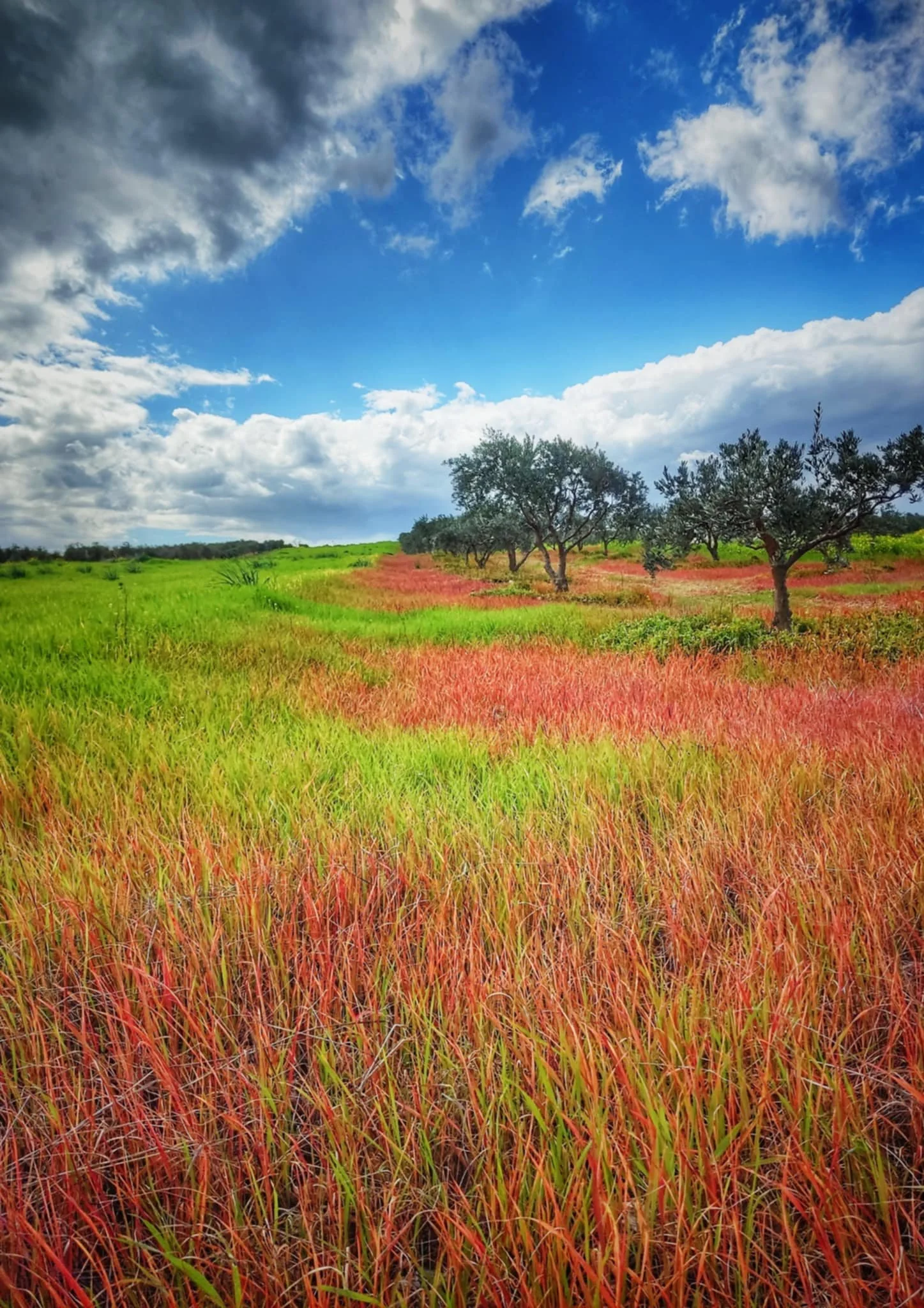
Photo By: Ehab Jabr
I don’t think I need to explain why wildlife is important to us as human beings — that part is obvious. But from a business and economic perspective, healthy and protected wildlife can also become a vital source of income for a country. Through eco-tourism, internationally funded scientific research projects, and the development of wildlife photography destinations with proper hides and infrastructure, local communities can benefit from more jobs and sustainable growth. Countries like Poland and Spain earn millions of dollars annually from these kinds of activities. There’s no reason Syria should be left behind.
Reviving Syria’s wildlife sector is not without serious challenges. One of the most immediate threats is unregulated hunting, which remains widespread due to a lack of enforcement and awareness. Species that were once relatively common are now in decline, and endangered species are at even greater risk of disappearing altogether.
Another major issue is the state of existing wildlife reserves. Many protected areas have been damaged or neglected during the years of war and are in desperate need of rehabilitation. Infrastructure is often lacking, borders of reserves are poorly marked, and conservation management plans are either outdated or nonexistent.
Funding is perhaps the largest barrier. Serious wildlife research, habitat restoration, and environmental education all require financial investment — something that has been extremely scarce in Syria for over a decade. Without support from governmental bodies or international organizations, most conservation projects remain dreams rather than reality.
Furthermore, although security has improved in many regions, a safe and supportive atmosphere for environmental work is not yet fully established. Carrying a camera or GPS in the wrong place can still raise suspicion, and field researchers may be met with mistrust or even harassment in some areas.
Lastly, awareness remains critically low. Many people in Syria are simply unaware of the biodiversity around them or the value of protecting it. Conservation is often not seen as a priority in the face of economic hardship, and environmental education is virtually absent from schools and local media.
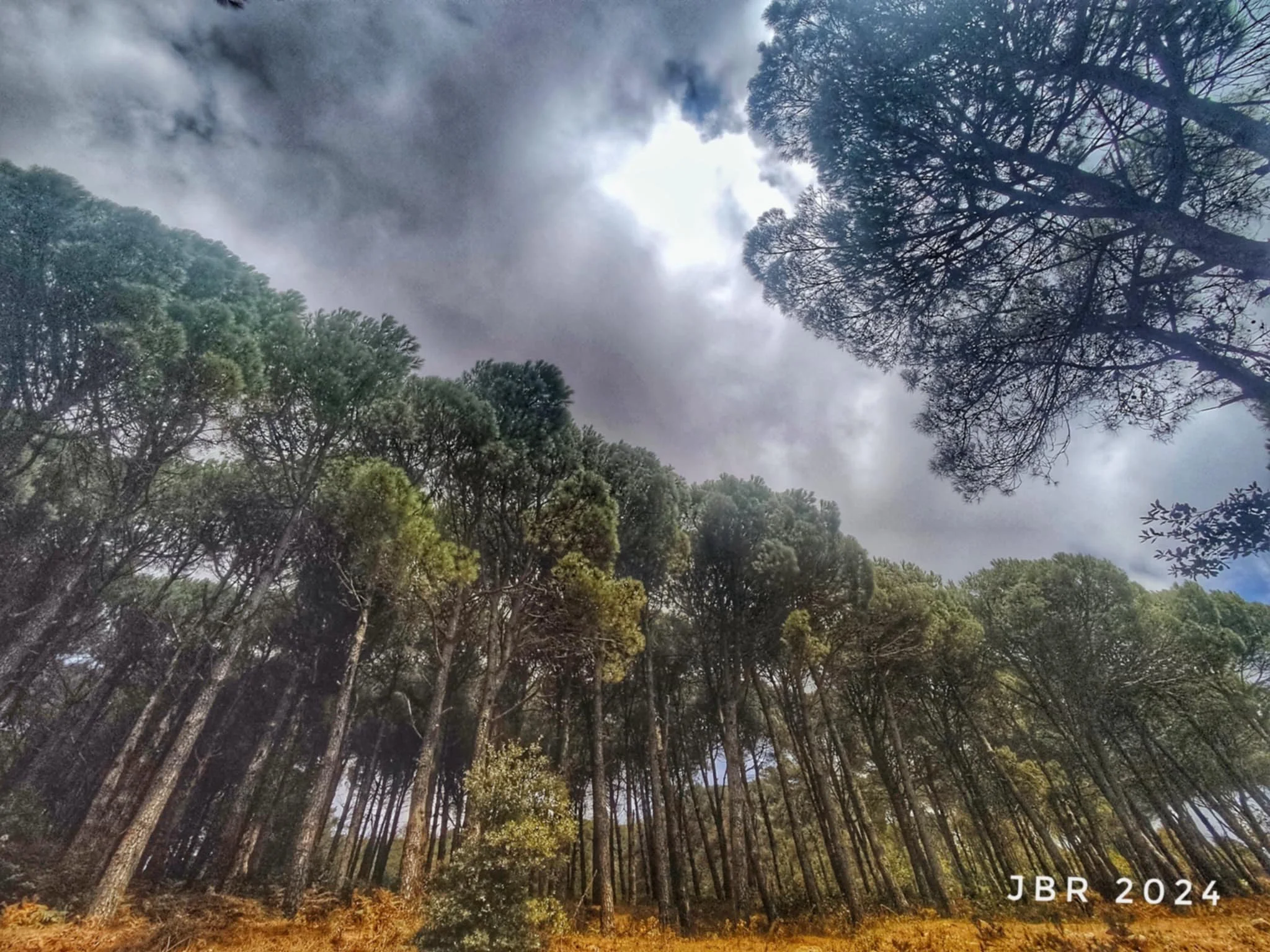
Photo By: Ehab Jabr
Despite these significant challenges, I remain deeply hopeful and committed to the future of Syria’s wildlife. The rich biodiversity and natural heritage of my homeland deserve to be celebrated, protected, and shared with the world. By combining international expertise, local knowledge, and renewed community engagement, we can rebuild Syria’s conservation efforts from the ground up.
With patience, perseverance, and the right support, Syria can reclaim its place on the global map of wildlife conservation and eco-tourism. My mission is to contribute to this revival—not only through photography and documentation but by inspiring others to recognize the value of nature and join in protecting it. Together, we can ensure that future generations inherit a Syria where wildlife thrives alongside its people, becoming a source of pride, hope, and sustainable prosperity.
لسنواتٍ عديدة، كنتُ أُوثّق الحياة البرية في لبنان — أُعزز الوعي، وأدعم جهود الحفظ، وحتى نظّمت معرضًا كبيرًا عُرض لعدة أشهر في عدة محميات طبيعية مهمة في البلاد. ومنذ انتقالي إلى الإمارات، واصلت نفس المسيرة. اليوم، إذا بحثتَ على الإنترنت عن معلومات عن الحياة البرية في لبنان أو الإمارات، غالبًا ما يظهر موقعي الإلكتروني ضمن النتائج الأولى على جوجل
لكنني، كسوري الجنسية، كان يؤلمني دائمًا أنني لم أستطع القيام بالمثل لبلدي. في سوريا التي تركتها خلفي، مجرد حمل كاميرا كان قد يؤدي إلى مشاكل خطيرة — اعتقال، اختطاف، أو ما هو أسوأ. والآن، بعد أن تحررت البلاد بالكامل من النظام القديم، تتزايد فكرة العودة يومًا بعد يوم. أريد أن أعود. أريد أن أشارك في الجهد الرامي إلى حماية وإحياء الحياة البرية في سوريا — لأعيدها إلى الخريطة من خلال تصوير وتوثيق عالمي المستوى
تصوير ايهاب جبر
مقارنةً بلبنان التي تضم 15 محمية طبيعية رسمية، لا تمتلك سوريا سوى 6 محميات فقط. سنوات الحرب وعدم الاستقرار جعلت من شبه المستحيل المحافظة على جهود حفظ الحياة البرية أو تطويرها بشكل فعّال. قبل الصراع مباشرة، كانت سوريا موطنًا لتجمع نادر من طائر أبو قردان الشمالي المهدد بالانقراض — طائر فريد لدرجة أن الباحثين وعشاق مراقبة الطيور من مختلف أنحاء العالم كانوا يأتون لرؤيته. للأسف، انهارت هذه الجهود مع اندلاع الحرب. ومع ذلك، تستمر سوريا في مفاجأتنا. كل بضعة أشهر يتم اكتشاف نوع نادر وجديد — مثل النمس الهندي الصغير، الذي تم تسجيله لأول مرة عام 2022 كلب الماء الذي تم تسجيله لأول مرة عام 2021
ما لفت انتباهي أكثر خلال بحثي هو قلة المعلومات على الإنترنت عن الحياة البرية في سوريا: صور قليلة جدًا (معظمها بجودة متوسطة)، معلومات محدودة، وقلة من الأسماء تظهر بشكل متكرر. هذا الصمت ليس بسبب نقص في التنوع البيولوجي أو الخبرة أو الجهد — بل بسبب نقص التمويل، والوعي العام، والدعم الحكومي
تصوير ايهاب جبر
تصوير ايهاب جبر
لا أعتقد أنني بحاجة لشرح أهمية الحياة البرية لنا كبشر — هذا واضحٌ جدًا. لكن من منظور اقتصادي وتجاري، يمكن للحياة البرية الصحية والمحافظة عليها أن تكون مصدر دخل حيوي للدولة. من خلال السياحة البيئية، والمشاريع العلمية الممولة دوليًا، وتطوير وجهات تصوير الحياة البرية مع مراصد وبنية تحتية مناسبة، يمكن للمجتمعات المحلية الاستفادة من فرص عمل أكثر ونمو مستدام. دول مثل بولندا وإسبانيا تحقق ملايين الدولارات سنويًا من هذه الأنشطة. لا سبب يجعل سوريا تُترك خلف الركب
إحياء قطاع الحياة البرية في سوريا ليس خاليًا من التحديات الكبيرة. أحد التهديدات المباشرة هو الصيد غير المنظم، الذي لا يزال واسع الانتشار بسبب ضعف الرقابة وقلة الوعي. أنواع كانت شائعة نسبيًا أصبحت الآن في تراجع، والأنواع المهددة بالانقراض معرضة لخطر الاختفاء تمامًا
قضية أخرى مهمة هي حالة المحميات الطبيعية القائمة. العديد من المناطق المحمية تضررت أو أُهملت خلال سنوات الحرب وتحتاج بشدة إلى إعادة تأهيل. البنية التحتية غالبًا ما تكون مفقودة، وحدود المحميات غير واضحة، وخطط إدارة الحفظ إما قديمة أو غير موجودة
التمويل هو ربما أكبر عائق. البحوث الجادة في الحياة البرية، وترميم المواطن الطبيعية، والتعليم البيئي كلها تحتاج إلى استثمارات مالية — وهو أمر نادر جدًا في سوريا منذ أكثر من عقد. بدون دعم من الجهات الحكومية أو المنظمات الدولية، تبقى معظم مشاريع الحفظ مجرد أحلام لا تتحقق
علاوة على ذلك، رغم تحسن الأوضاع الأمنية في مناطق كثيرة، لم يتأسس بعد جو آمن وداعم للعمل البيئي بشكل كامل. حمل كاميرا أو جهاز تحديد المواقع في أماكن معينة قد يثير الشكوك، وقد يواجه الباحثون الميدانيون مضايقات في بعض المناطق
وأخيرًا، لا يزال الوعي منخفضًا للغاية. كثير من الناس في سوريا ببساطة غير مدركين للتنوع البيولوجي حولهم أو قيمة حمايته. الحفظ غالبًا لا يُعتبر أولوية في ظل الصعوبات الاقتصادية، والتعليم البيئي يكاد يكون غائبًا في المدارس ووسائل الإعلام المحلية
تصوير ايهاب جبر
رغم هذه التحديات الكبيرة، أنا ما زلتُ متفائلًا ومُلتزمًا بمستقبل الحياة البرية في سوريا. التنوع البيولوجي الغني والتراث الطبيعي لوطني يستحقان أن يُحتفى بهما، ويُحفظا، ويُشاركا مع العالم. من خلال دمج الخبرات الدولية، والمعرفة المحلية، وتجديد المشاركة المجتمعية، يمكننا إعادة بناء جهود الحفظ في سوريا من الأساس
بالصبر والمثابرة والدعم المناسب، يمكن لسوريا أن تستعيد مكانتها على الخريطة العالمية لحفظ الحياة البرية والسياحة البيئية. مهمتي أن أُساهم في هذا الإحياء — ليس فقط من خلال التصوير والتوثيق، بل بإلهام الآخرين للاعتراف بقيمة الطبيعة والانضمام إلى حمايتها. معًا، يمكننا ضمان أن ترث الأجيال القادمة سوريا تزدهر فيها الحياة البرية جنبًا إلى جنب مع سكانها، لتصبح مصدر فخر وأمل ونمو مستدام