How to Achieve the Impossible
Spending two uninterrupted hours with a wild bird of prey sounds impossible. It isn’t.
It’s the result of planning, coordination, and quiet teamwork — the kind that never appears in the photo but defines whether the photo ever happens at all.
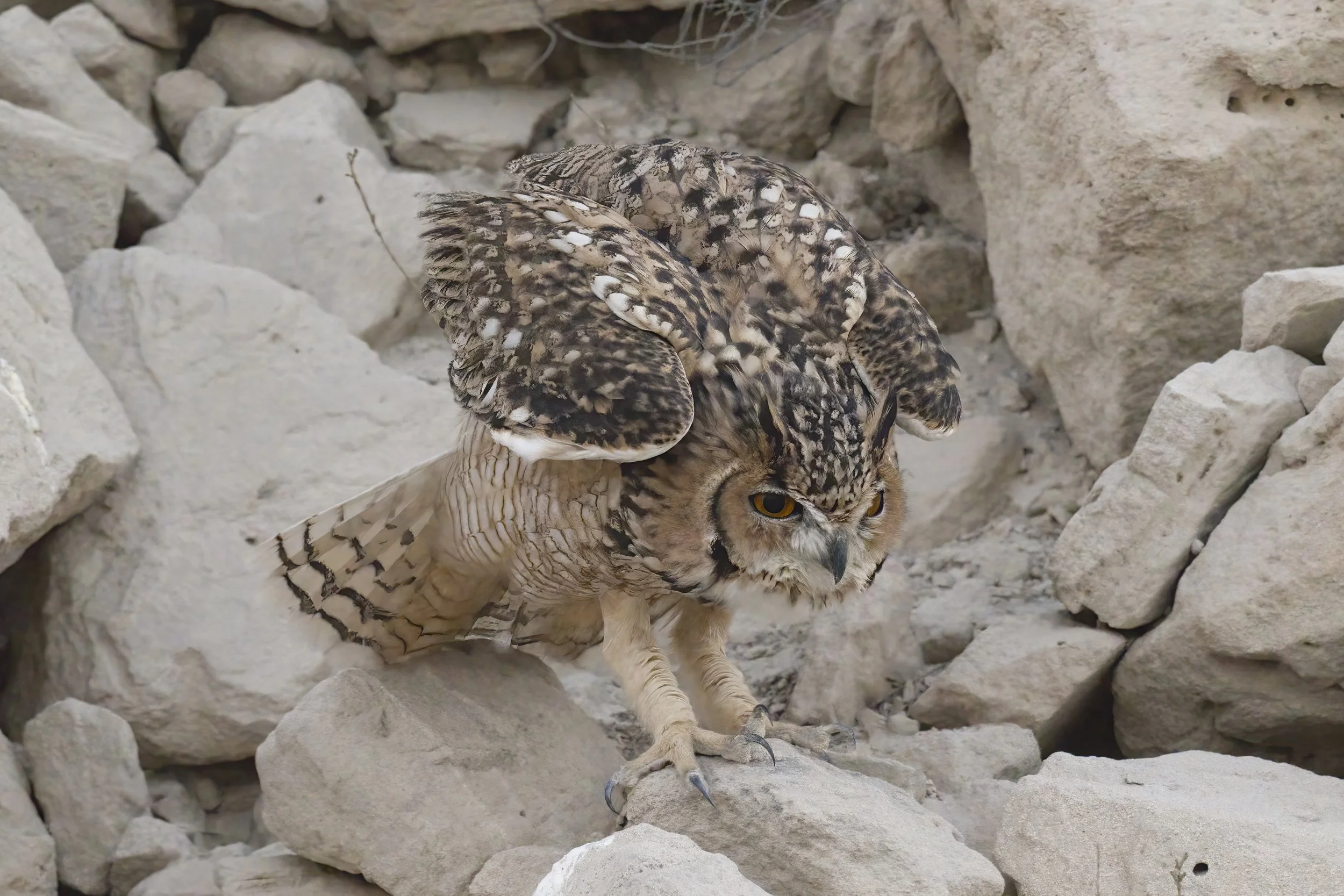
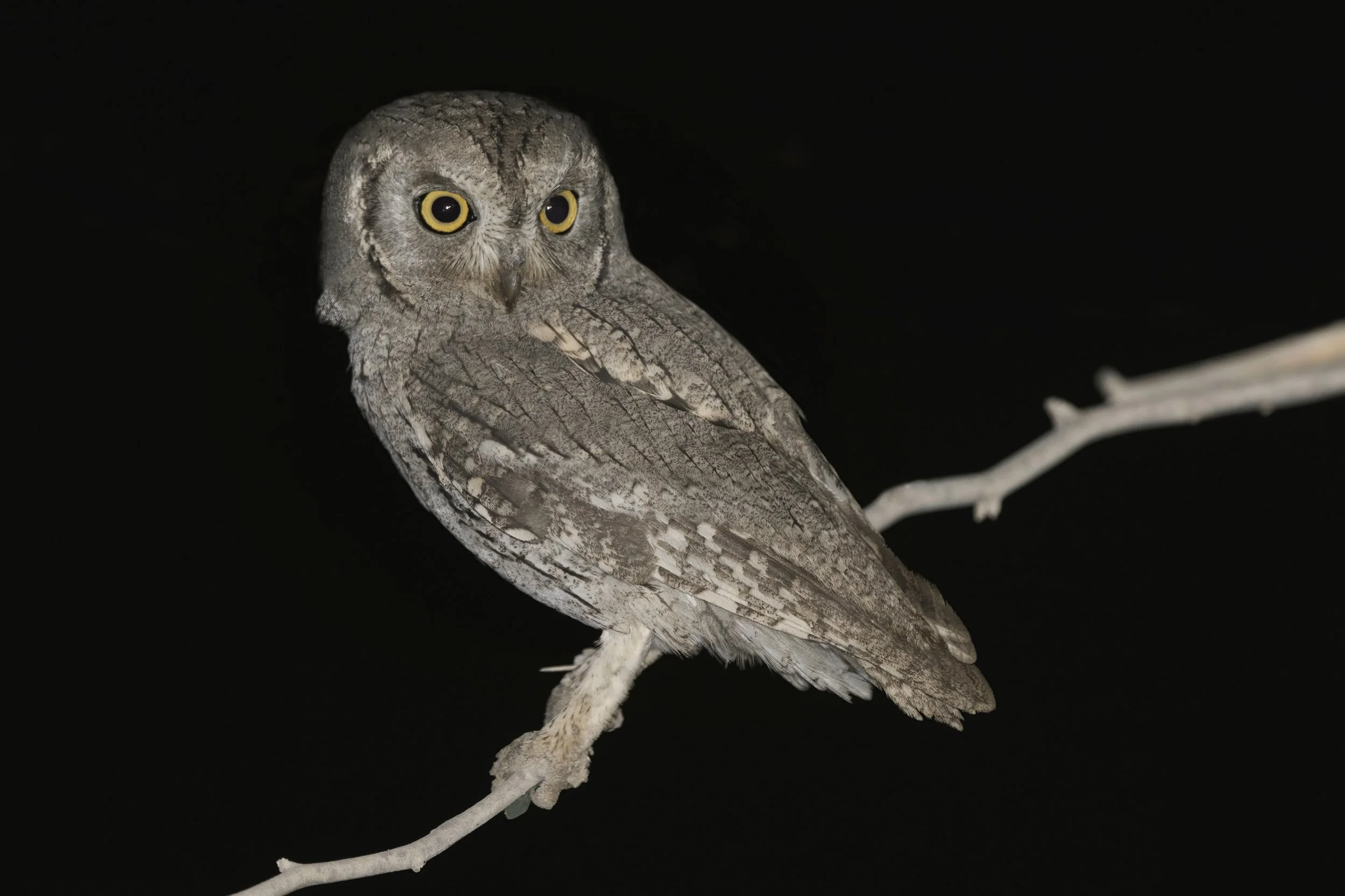
Between October and November 2025 — in less than a month, 24 days to be exact — I photographed four of the UAE’s most elusive birds of prey: the Pharaoh Eagle-Owl (10 Oct), Osprey (18 Oct), Little Owl (25 Oct), and Pallid Scops Owl (3 Nov). Each session lasted close to two hours, made possible by research, field knowledge, and a team of six working silently behind the scenes. Most photographers spend entire seasons to photograph these four species — or to collect such encounters across years.
None of this was by chance. It began long before pressing the shutter — with scouting, reading landscapes, and understanding behavior. Every site was studied: light direction, terrain, and the reason a bird chose that particular place. Sometimes, I’d visit several times without taking a single shot, just to observe and learn.
When the time finally comes, everything depends on stillness. Staying calm, respecting distance, and allowing the bird to decide what happens next. The goal isn’t to get closer — it’s to make the bird comfortable enough to forget you’re even there. That’s when the magic begins: natural behavior, unguarded moments, the story unfolding on its own terms.
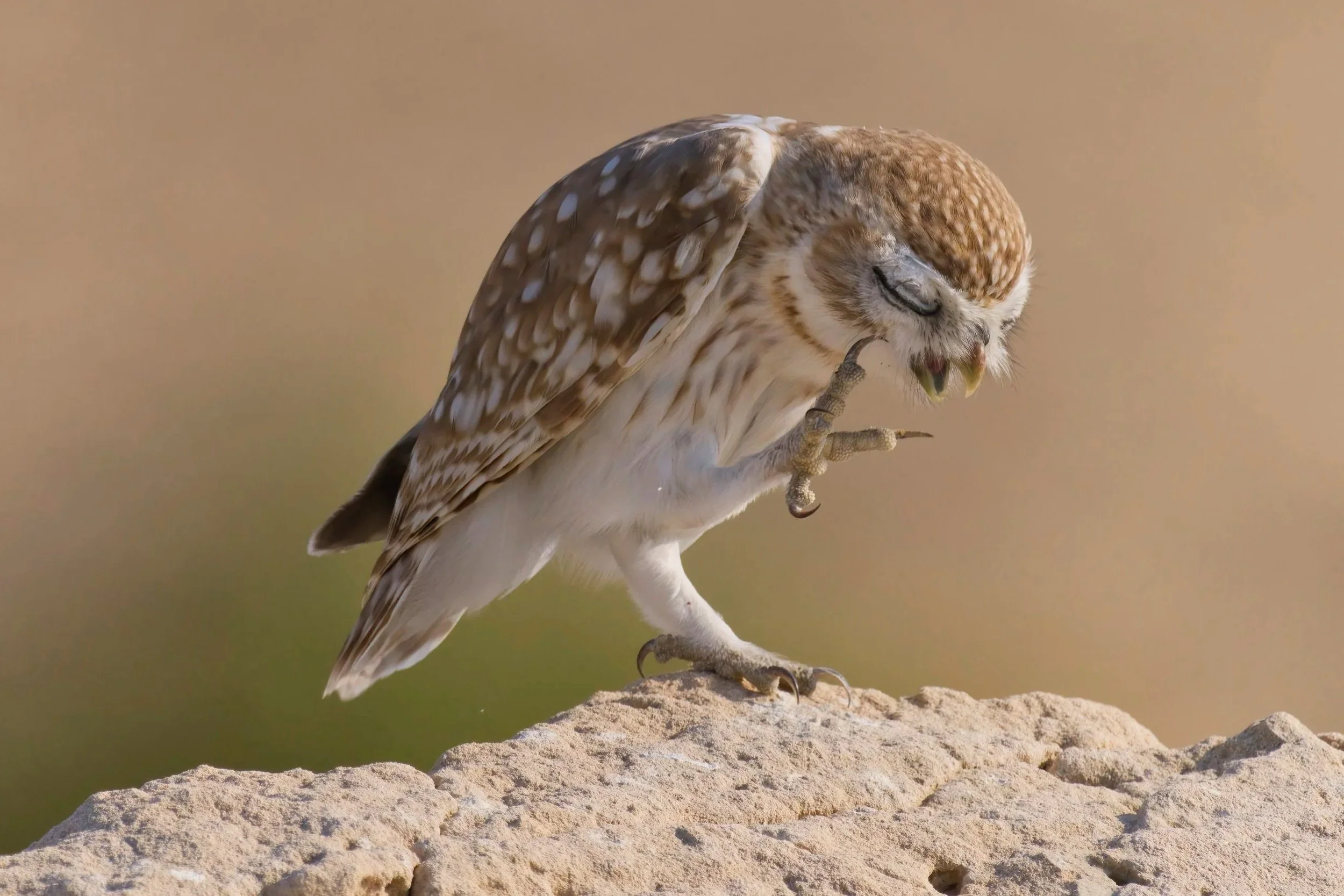
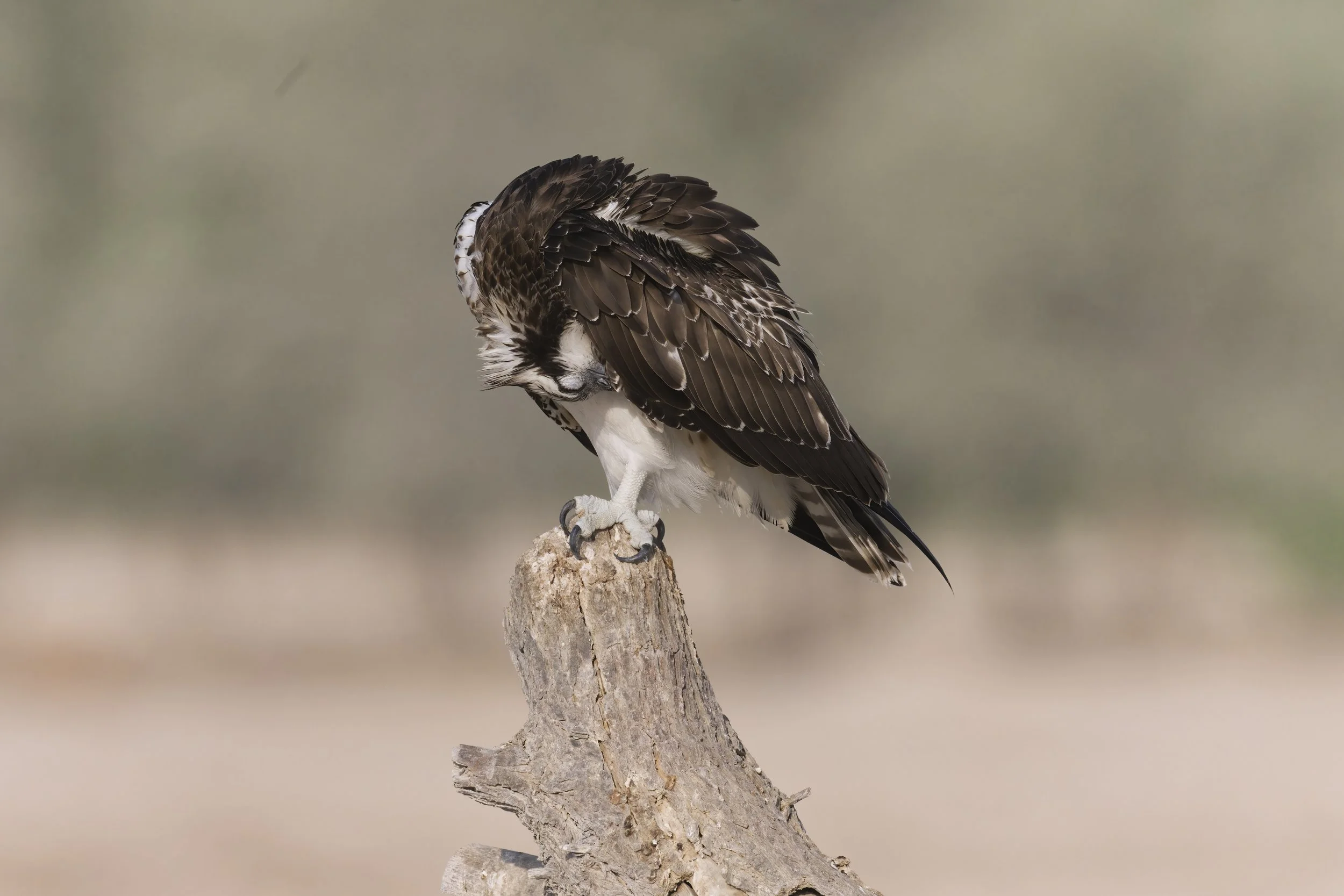
Each of these sessions produced thousands of frames, but only a few carry what truly matters — the authenticity that comes from trust. Achieving that requires patience, restraint, and a quiet respect for life in its natural rhythm.
Wildlife photography often appears effortless — a single frame capturing grace and precision. But behind that frame is structure, teamwork, and discipline. The camera is just the final tool; the real work happens long before it’s lifted to your eye.
Achieving the impossible in the wild isn’t about technology or chance. It’s about humility — the willingness to slow down, listen, and let nature lead. When you earn that moment, the photograph becomes more than an image. It becomes proof that patience still matters in a world that moves too fast.