

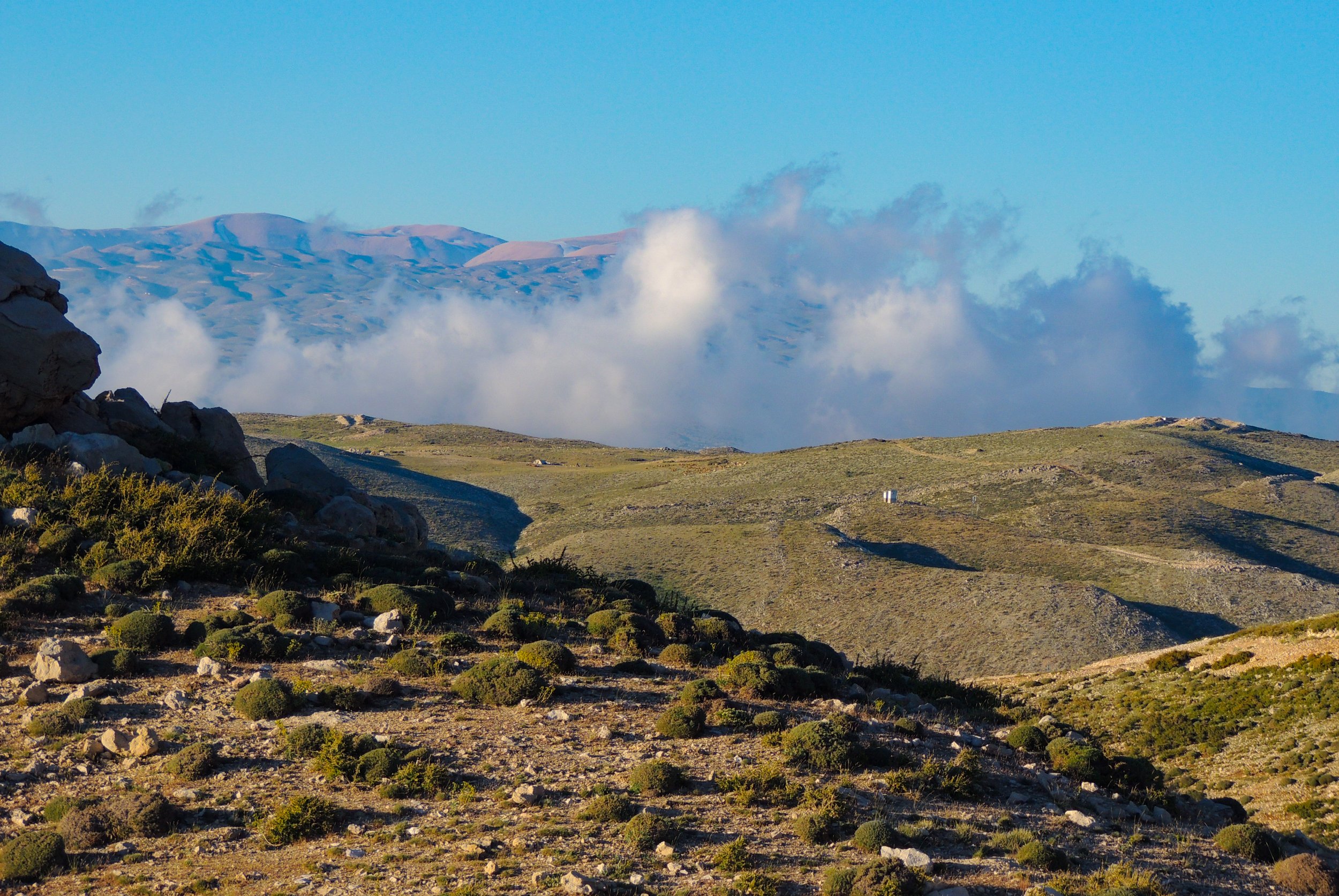
By Rami Khashab
“Lebanon’s unique geographic position and varied climate have created an exceptional diversity of habitats and wildlife within a remarkably small area. However, many native species are in steady decline due to habitat loss, human activity, and limited environmental awareness.
One of my core goals is to raise local and international awareness about Lebanon’s wildlife—particularly herpetofauna (reptiles and amphibians)—to support conservation efforts, protect these species as vital components of Lebanon’s ecosystems, and challenge long-standing myths and superstitions surrounding them.
For over 10 years, I have worked closely with Lebanon’s native herpetofauna through sea turtle conservation, reptile rescue and rehabilitation, field research, and biodiversity data collection aimed at filling critical knowledge gaps. I am also actively involved in environmental education and public outreach, delivering awareness programs in schools, scout groups, and environmental organizations to promote coexistence and conservation..”
Herpetological Wonders of Lebanon
-
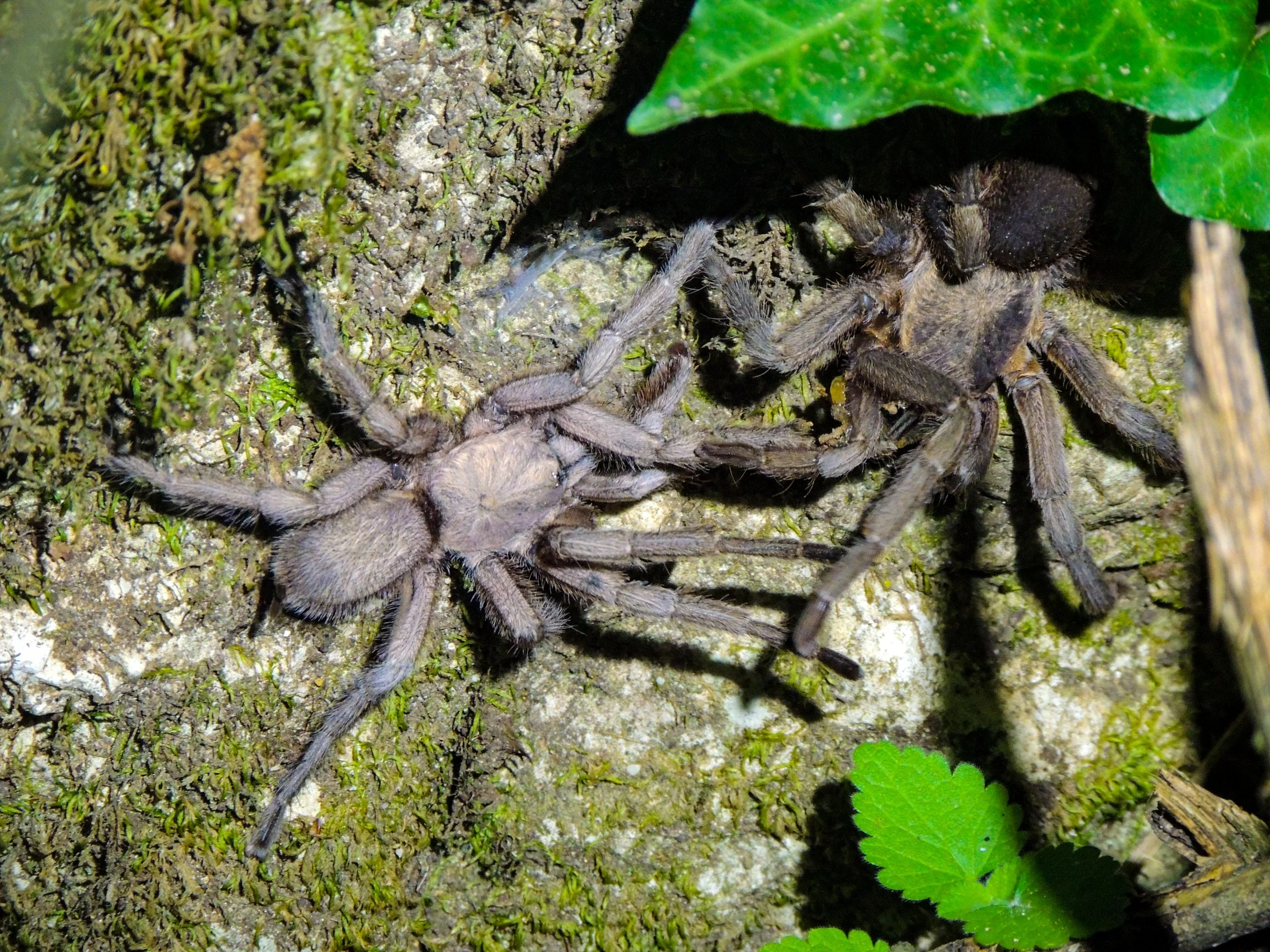
Black Tarantula
(Chaetopelma olivaceum)
-
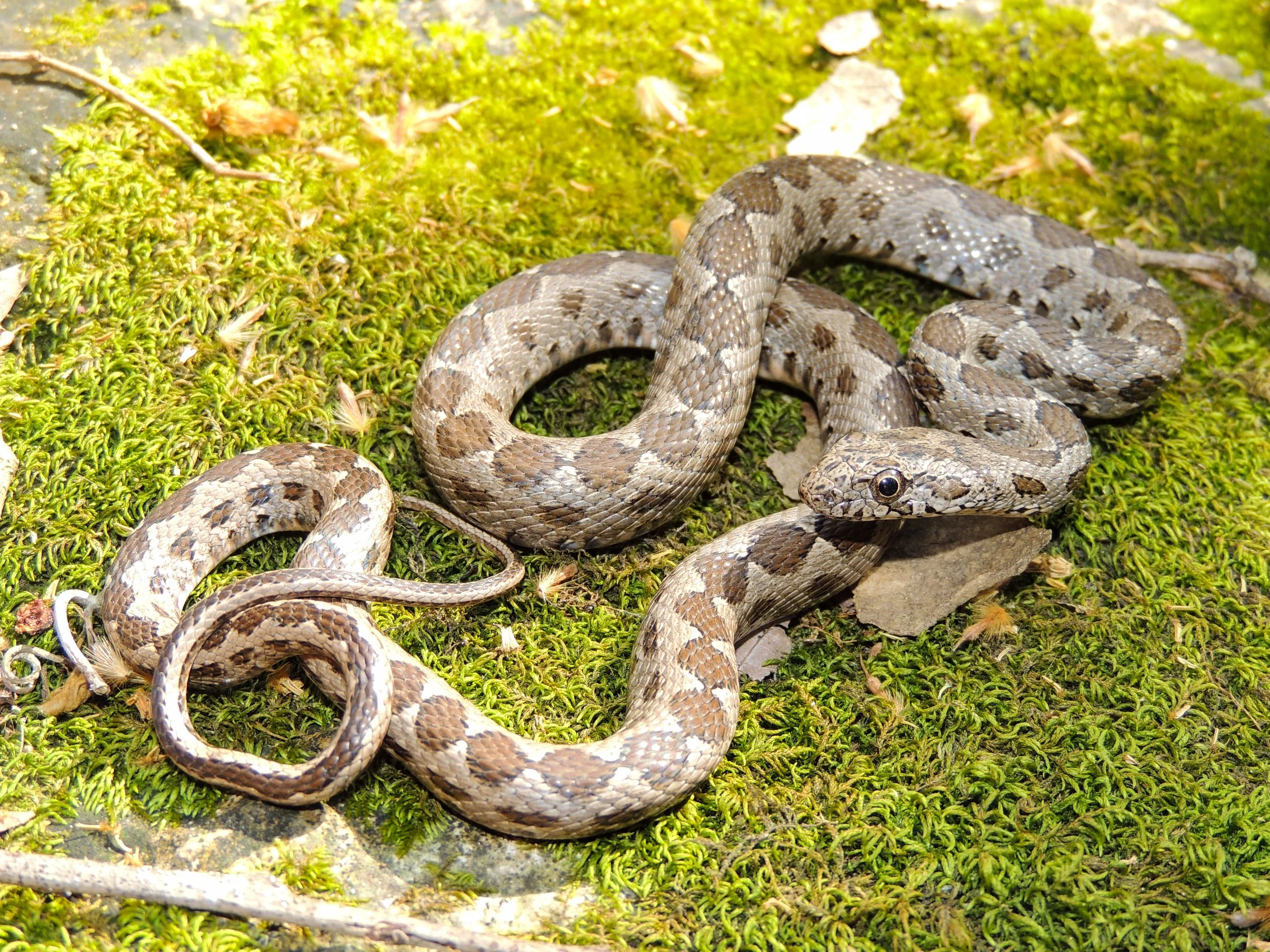
Coin-marked Snake
(Hemorrhois nummifer)
-
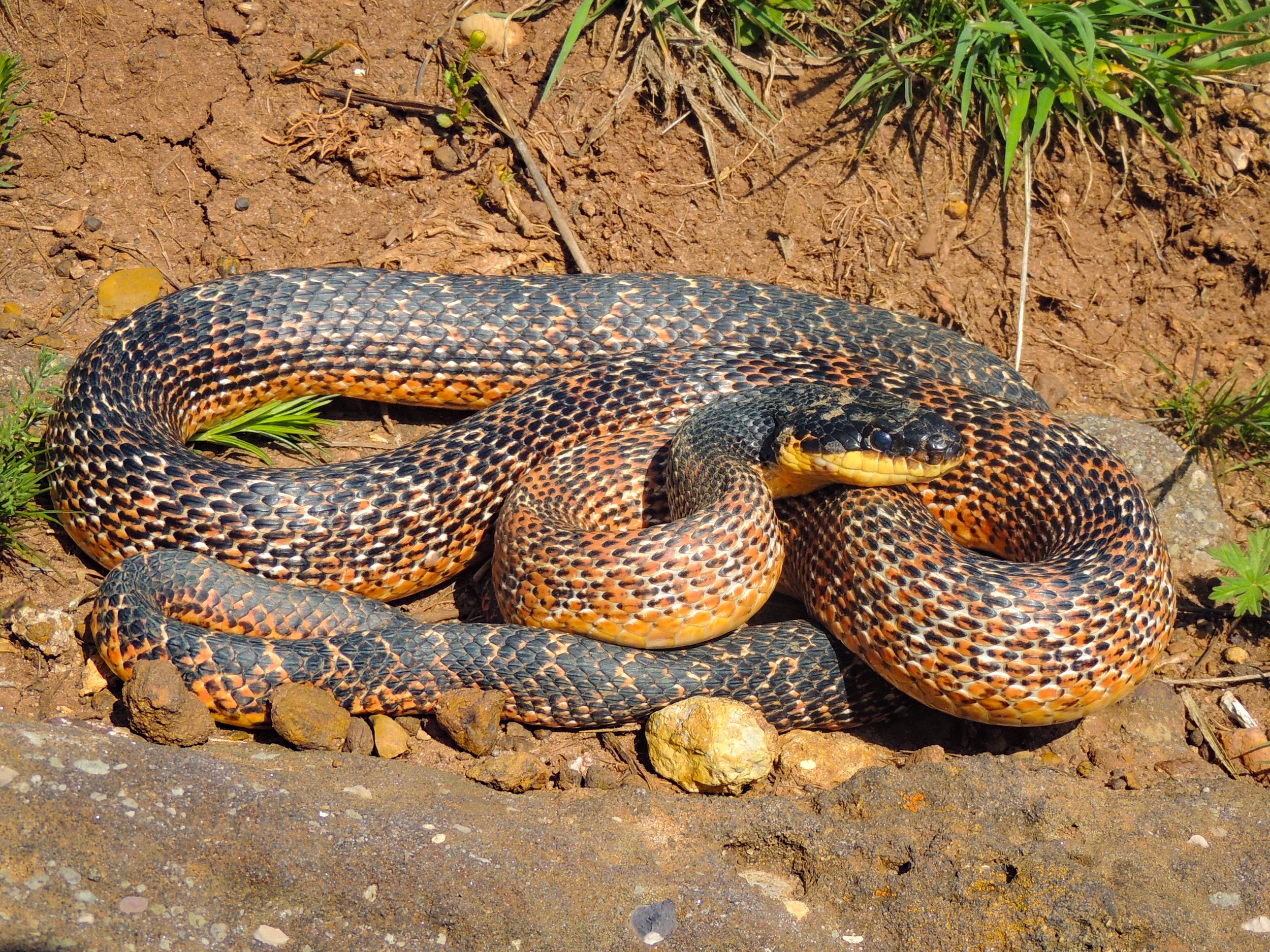
Levant Rat Snake
(Elaphe druzei)
-
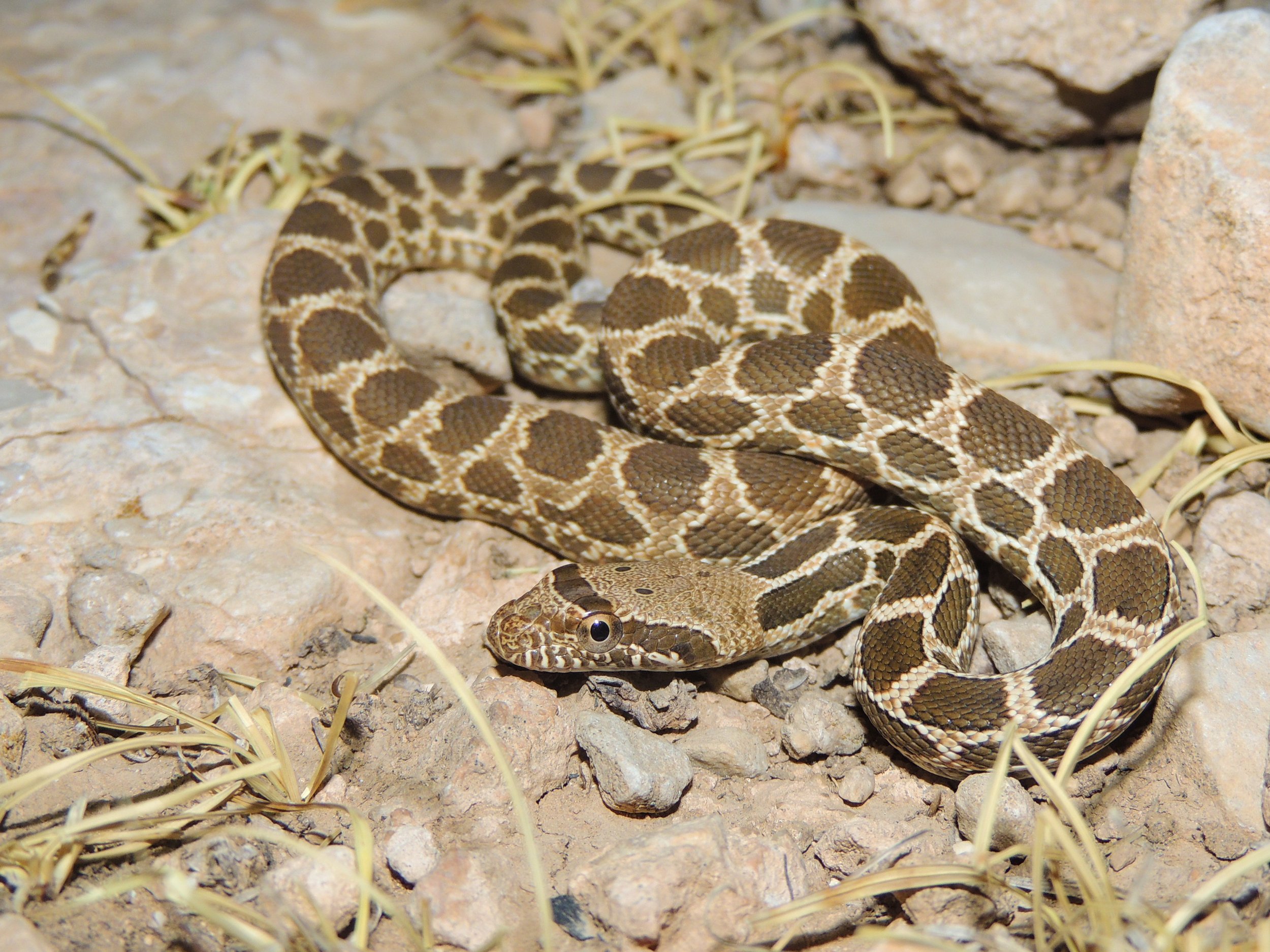
Diadem Snake
(Spalerosophis diadema)
-
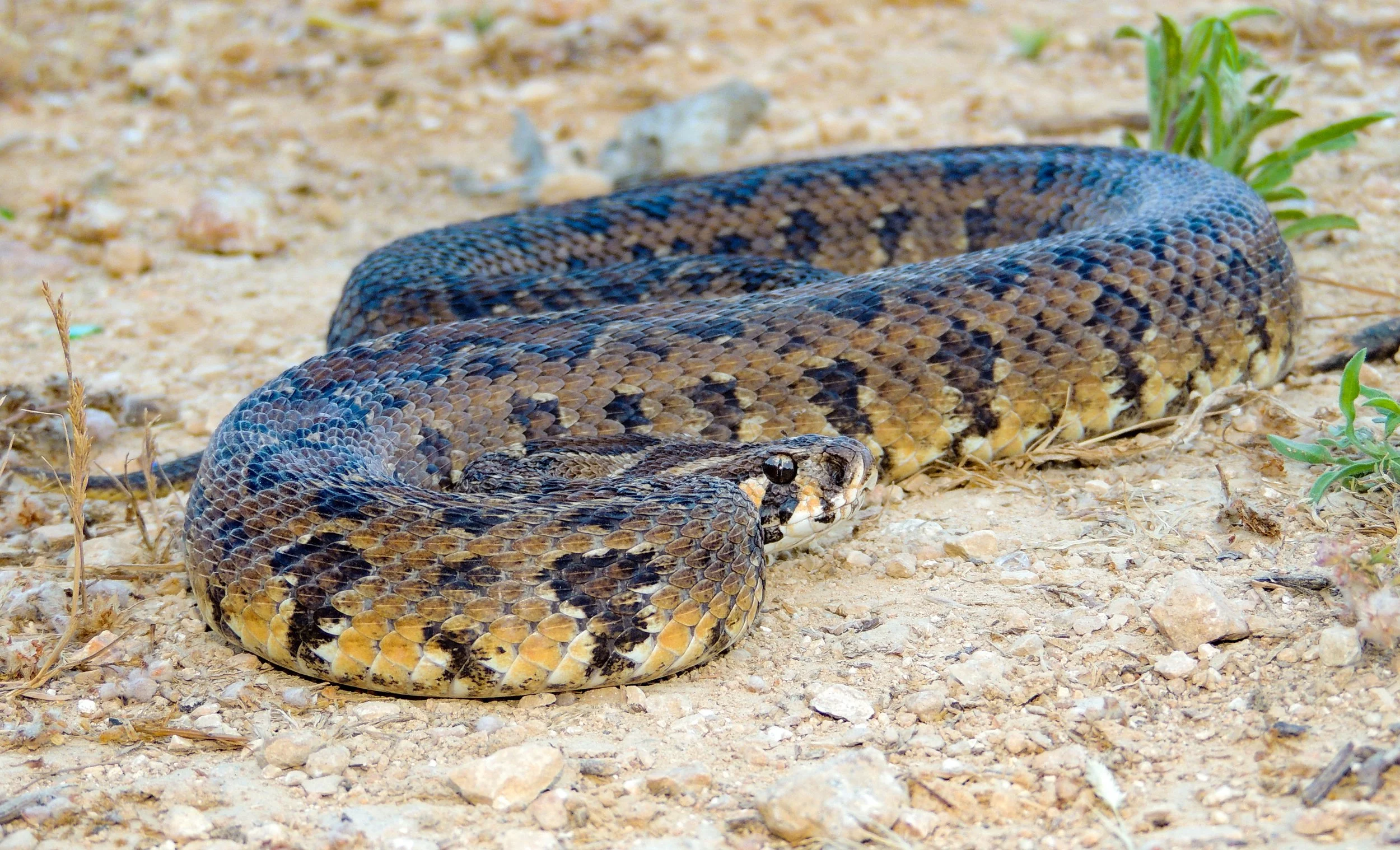
Palestine Viper
(Daboia palaestinae)
-
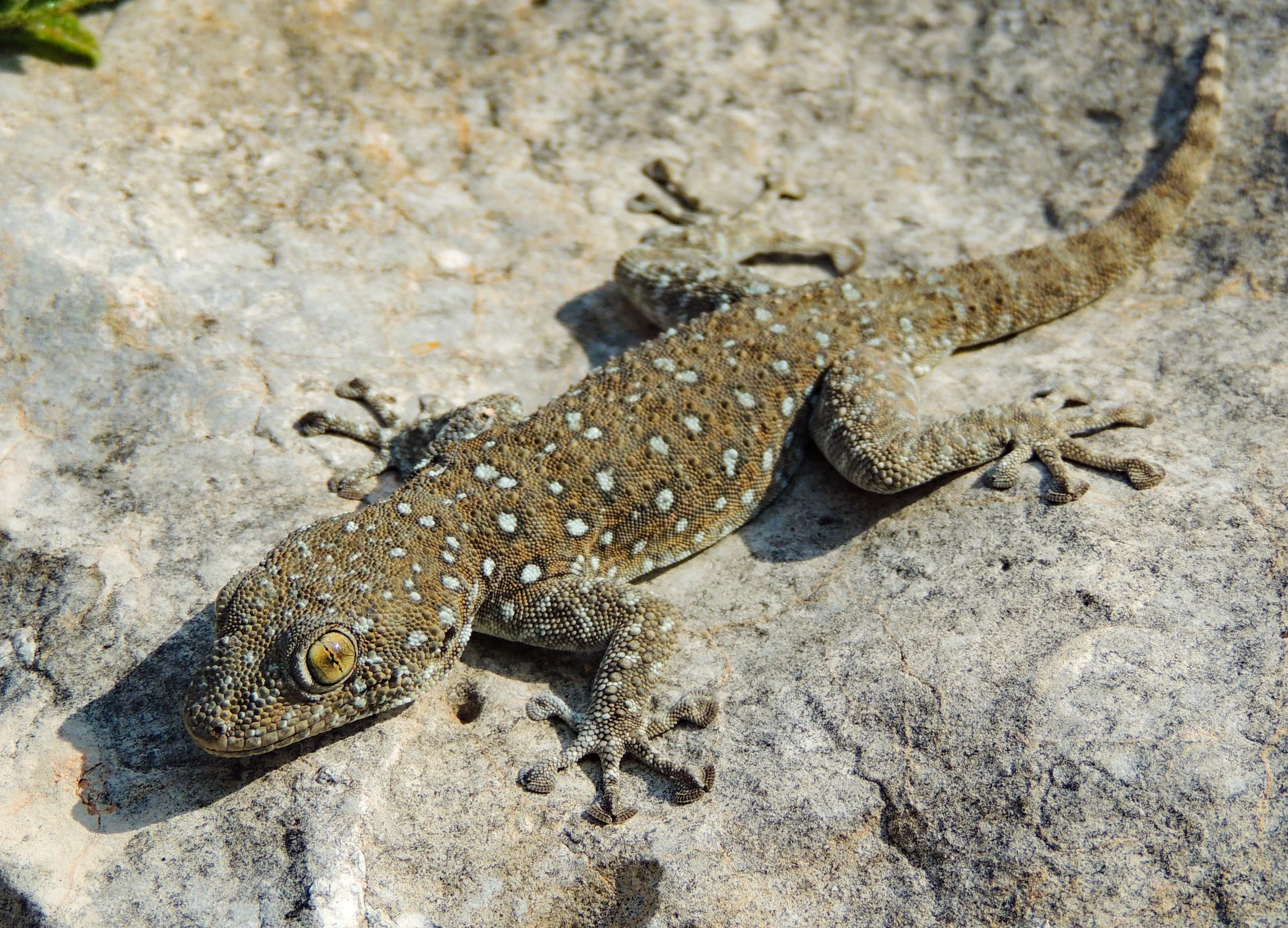
Levant Fan-fingered Gecko
(Ptyodactylus puiseuxi)
-
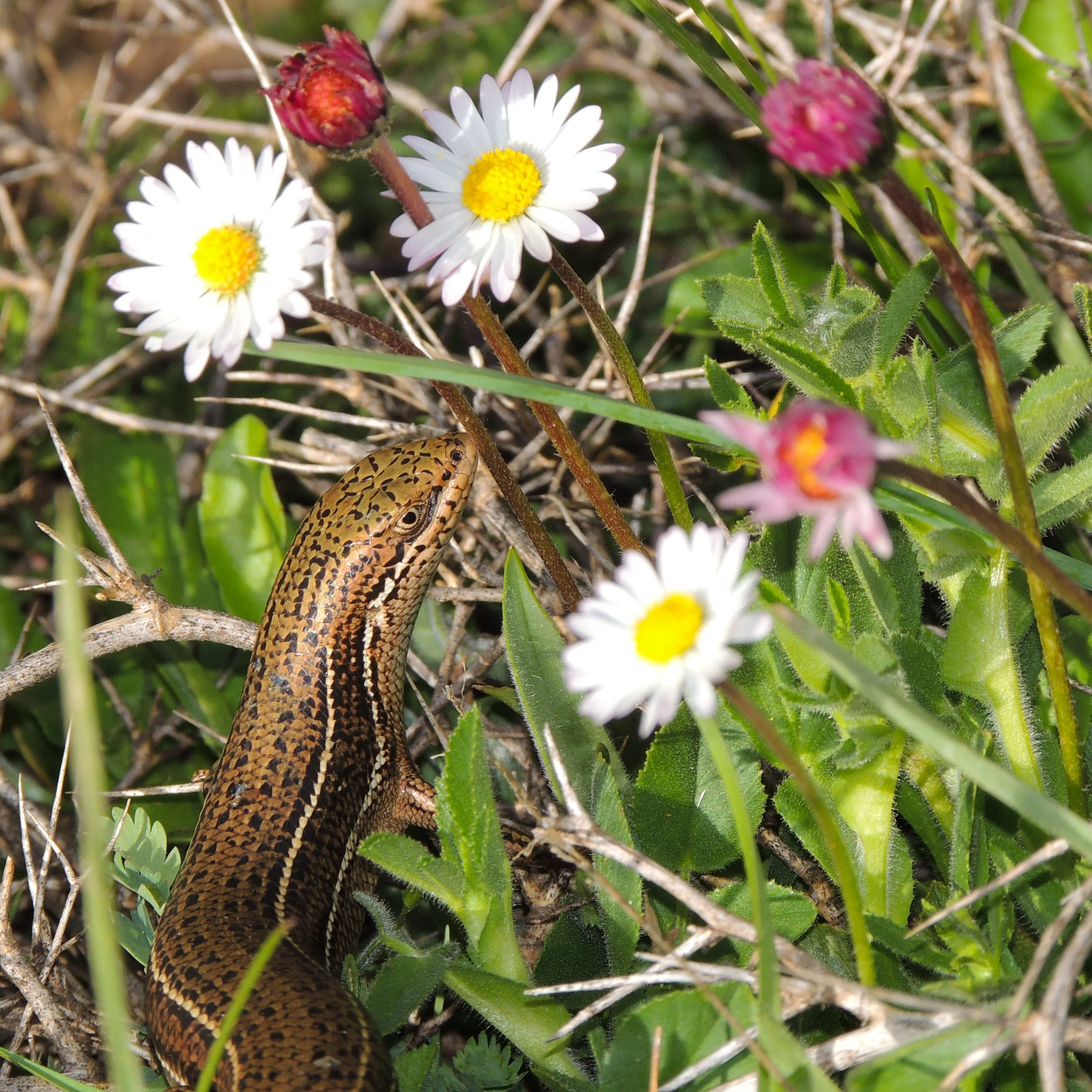
Bridled Skink
(Heremites vittatus)
-
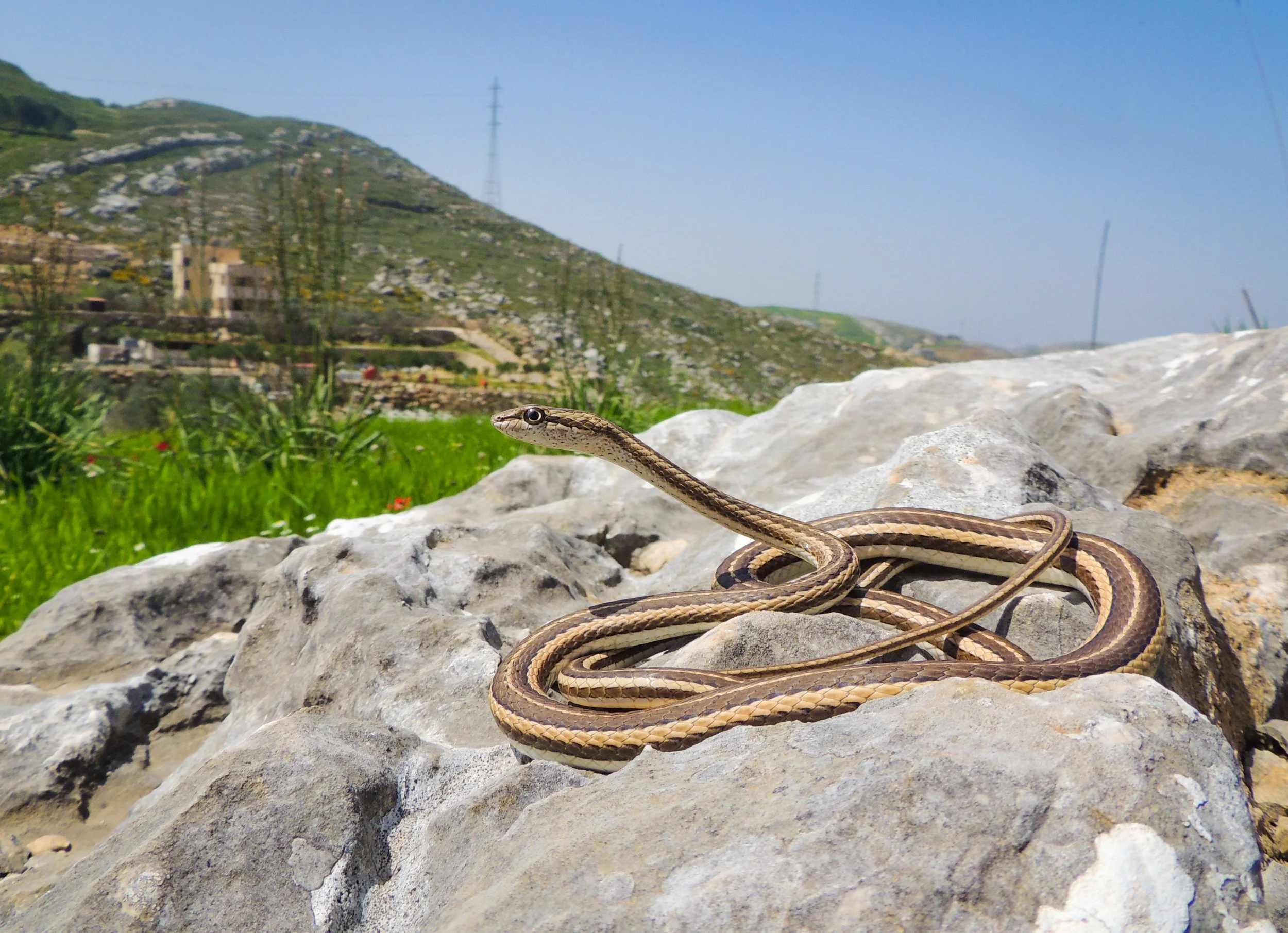
Schokari Sand Racer
(Psammophis schokari)
-

Lebanon Mountain Viper
(Montivipera bornmuelleri)
-
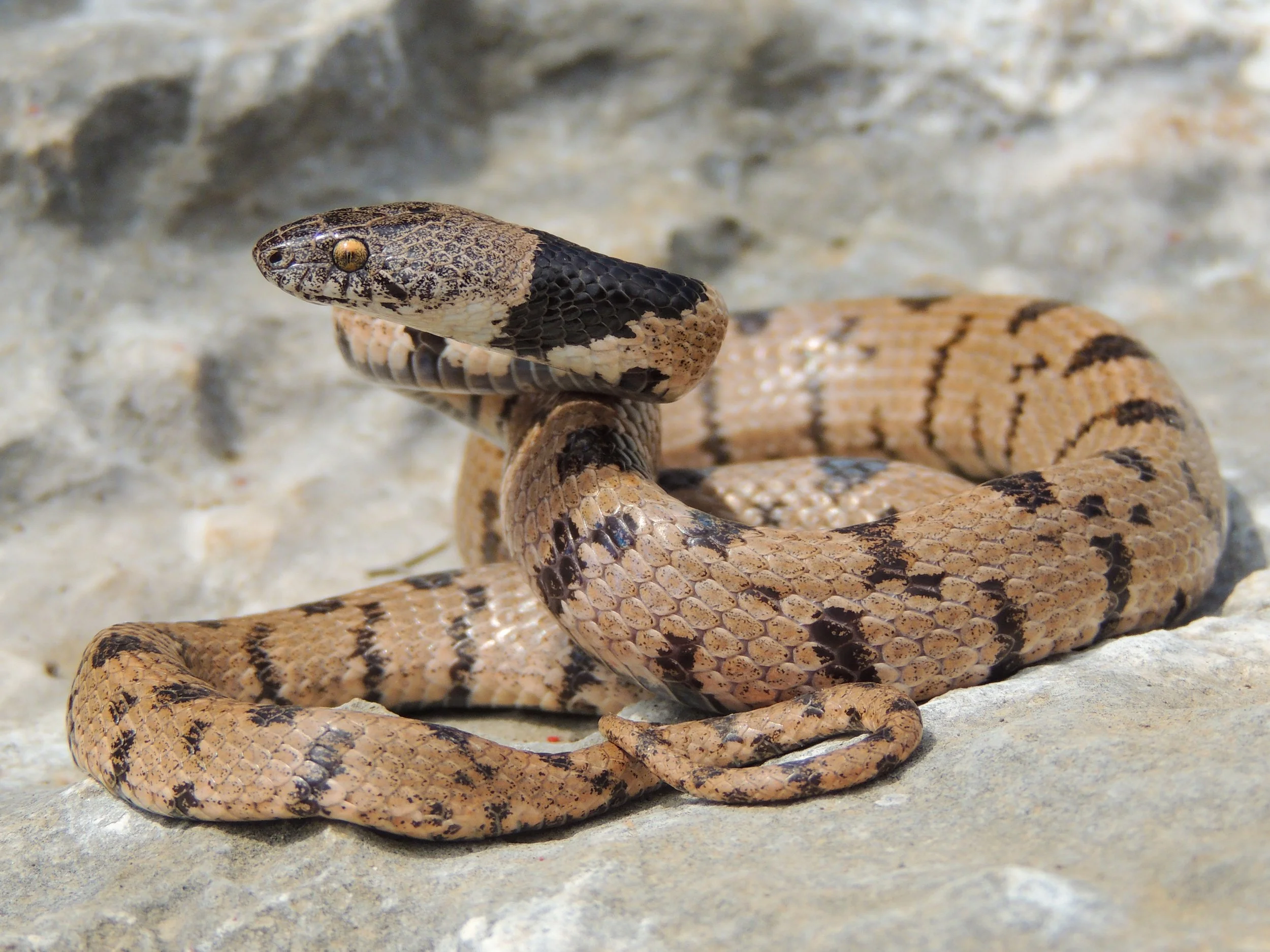
Mediterranean Cat Snake
(Telescopus fallax syriacus)
-
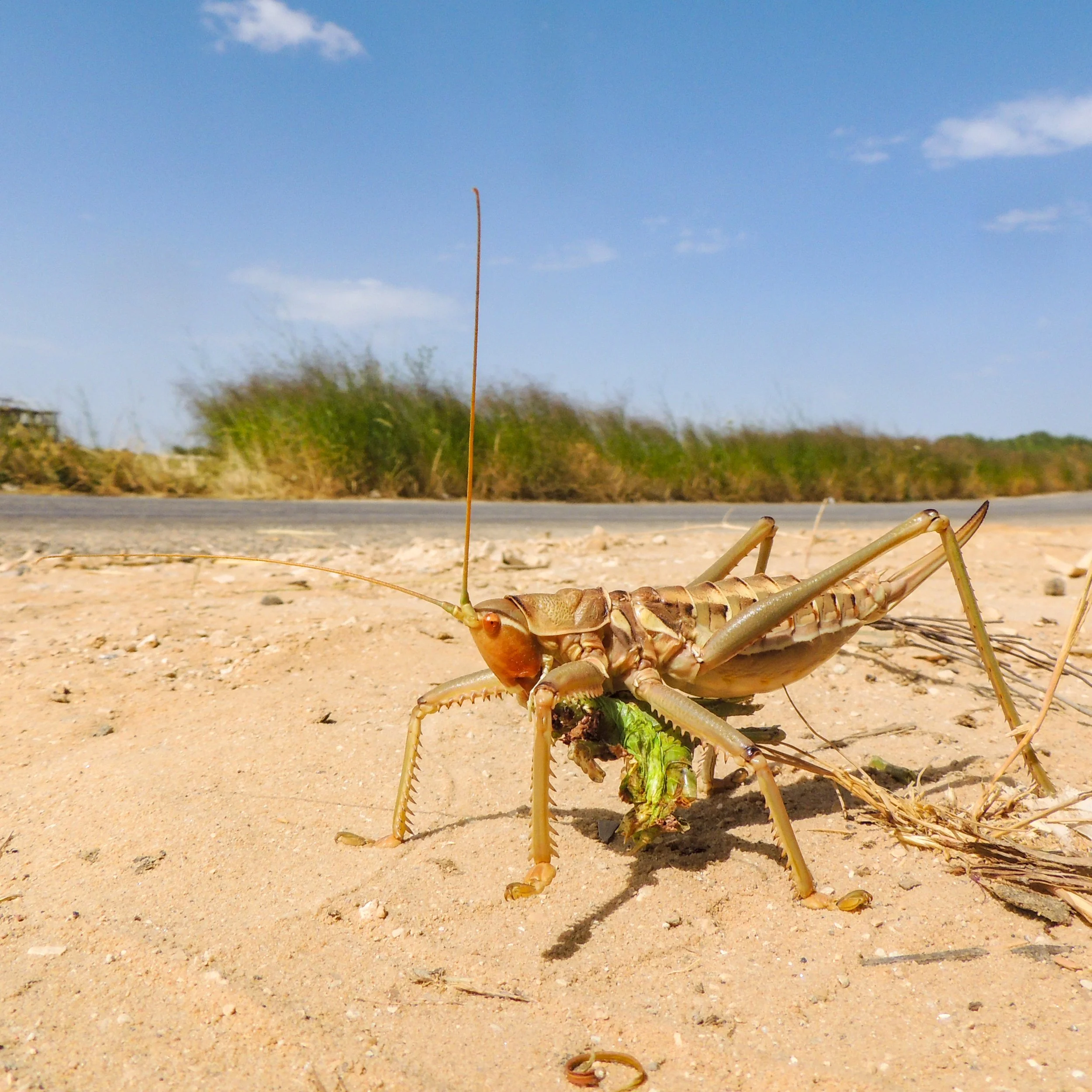
Predatory Bush Cricket
(Saga pedo)
-
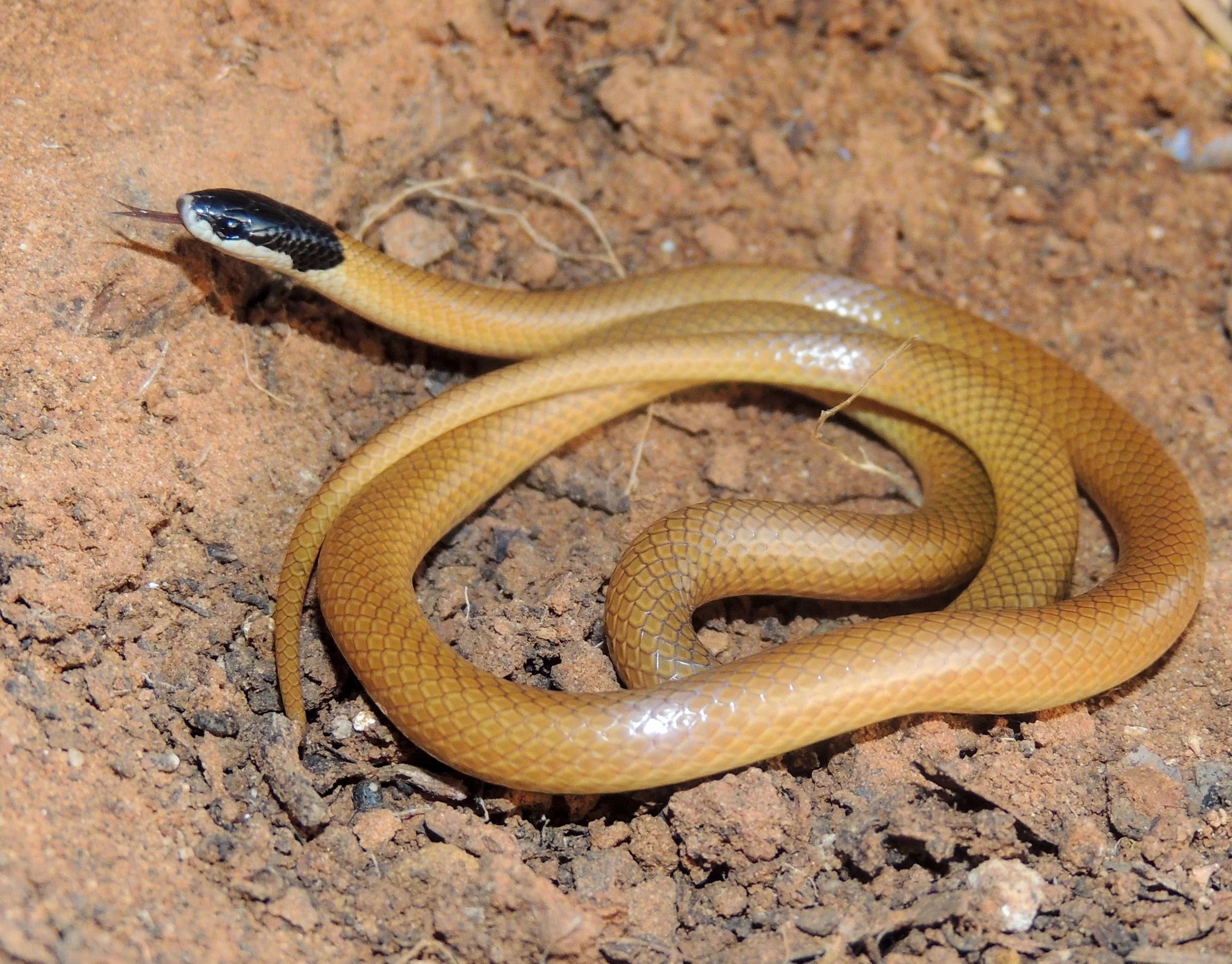
Palestinian Kukri Snake
(Rhynchocalamus melanocephalus)
-
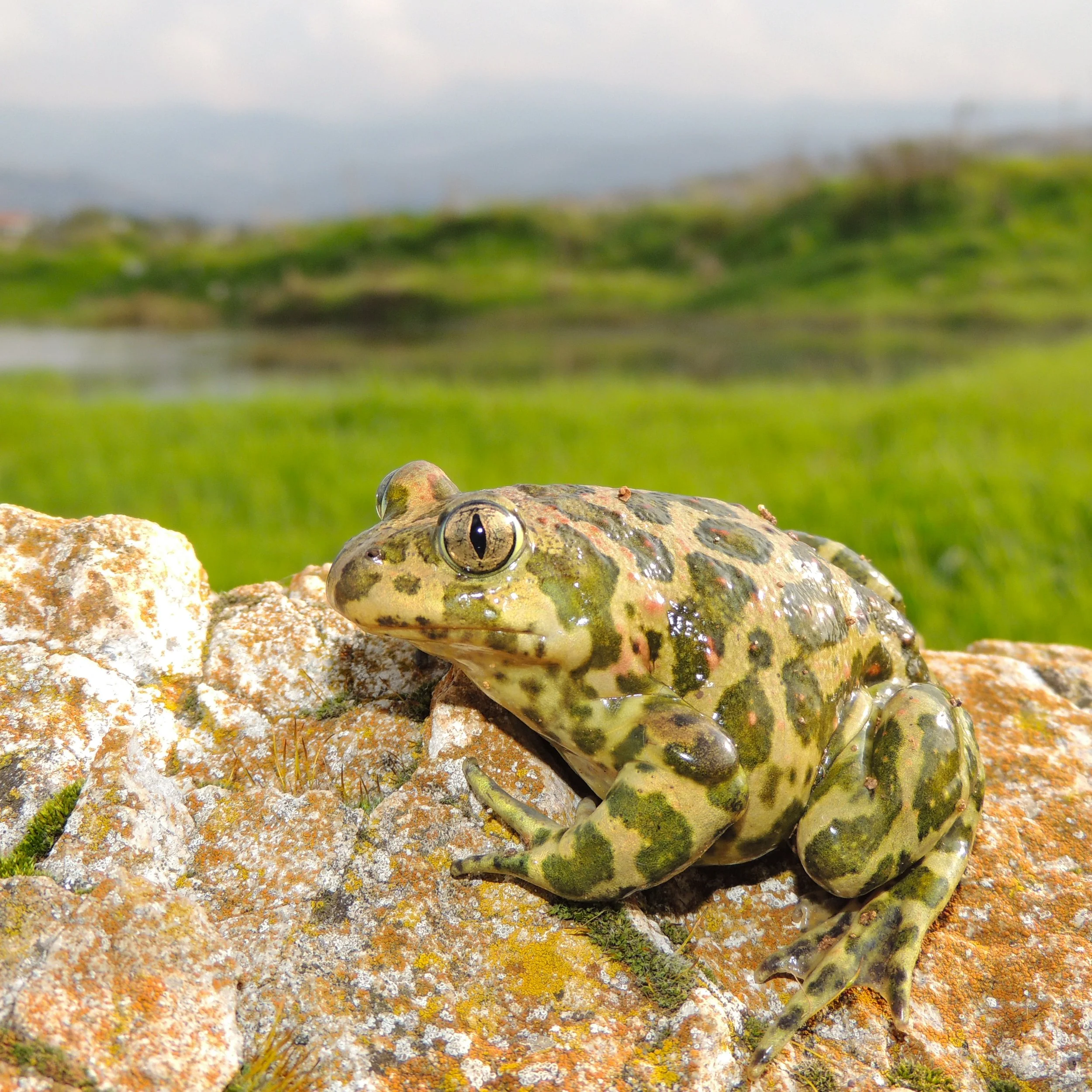
Syrian Spadefoot
(Pelobates syriacus)
-
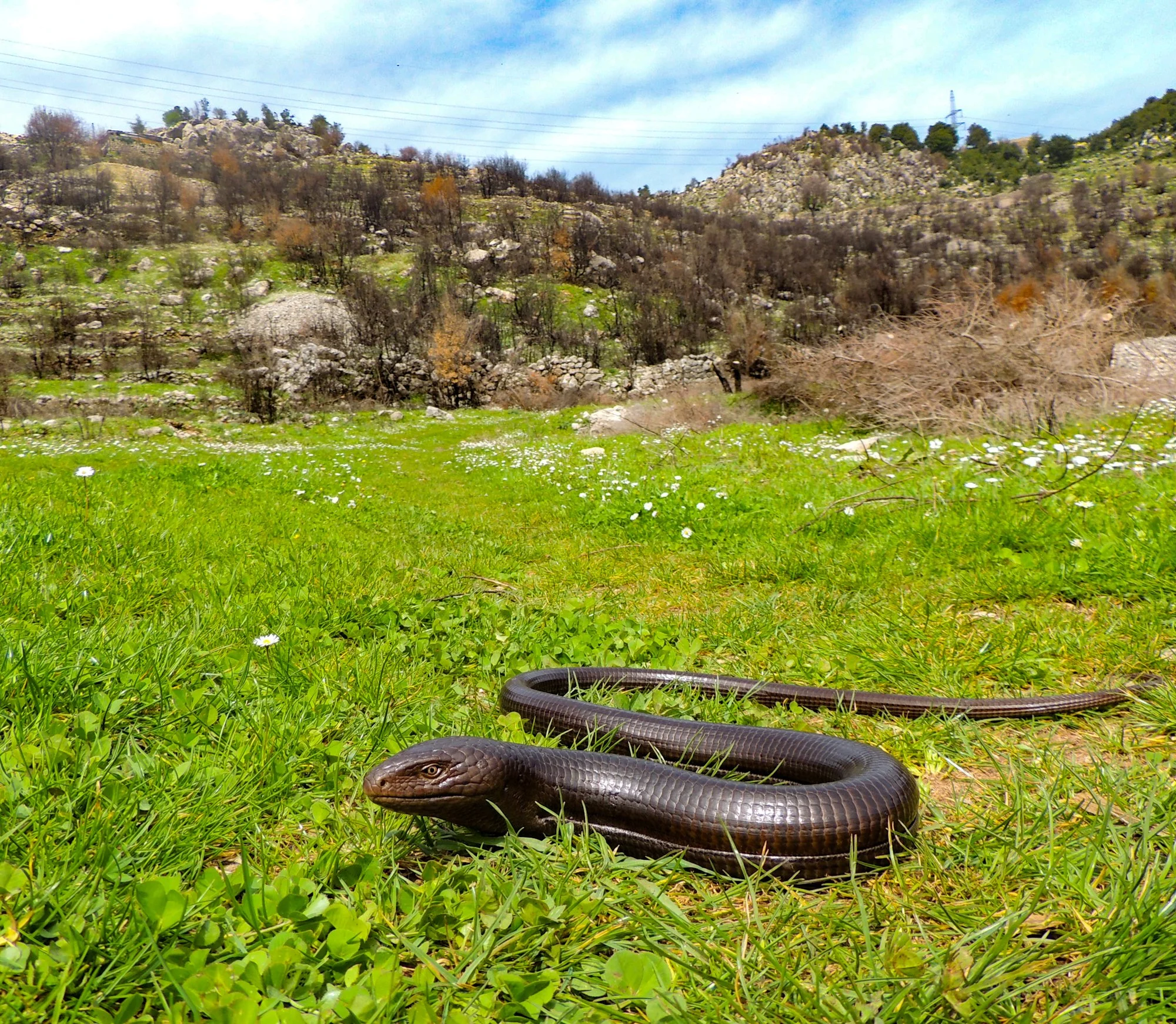
Sheltopusik
(Pseudopus apodus)