

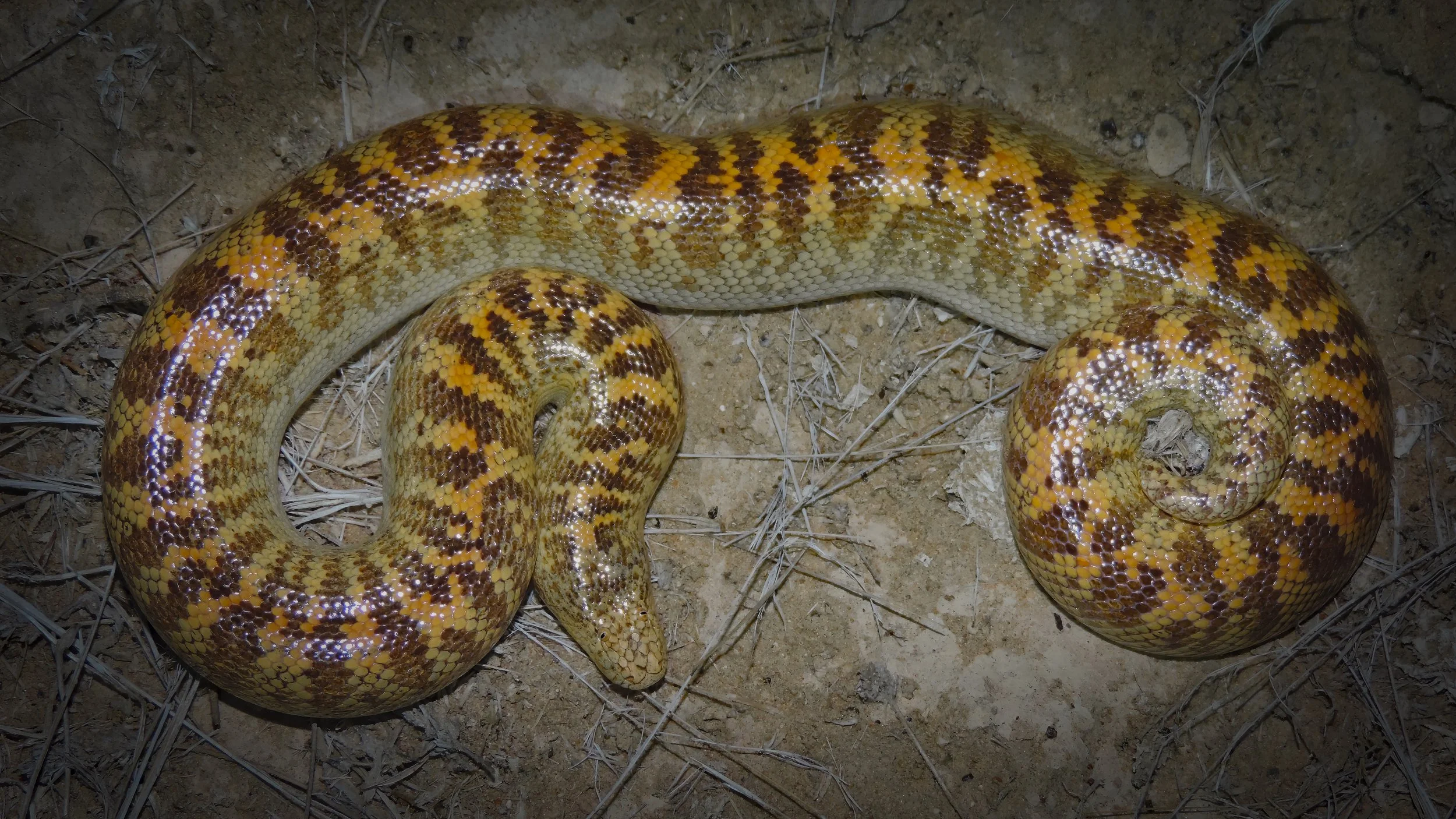
The Arabian Sand Boa (Eryx jayakari) inhabits sandy deserts and dune systems where loose, soft substrates allow for efficient burrowing. It is most commonly found in areas with fine sand, low vegetation cover, and stable dune formations, though it may also occur in sandy plains and transitional desert zones. This species spends much of its life partially or fully buried beneath the surface, using the sand both as concealment and as protection from extreme temperatures. Its habitat preference reflects a high degree of specialization for arid environments, where survival depends on camouflage, thermoregulation, and access to small desert prey species.
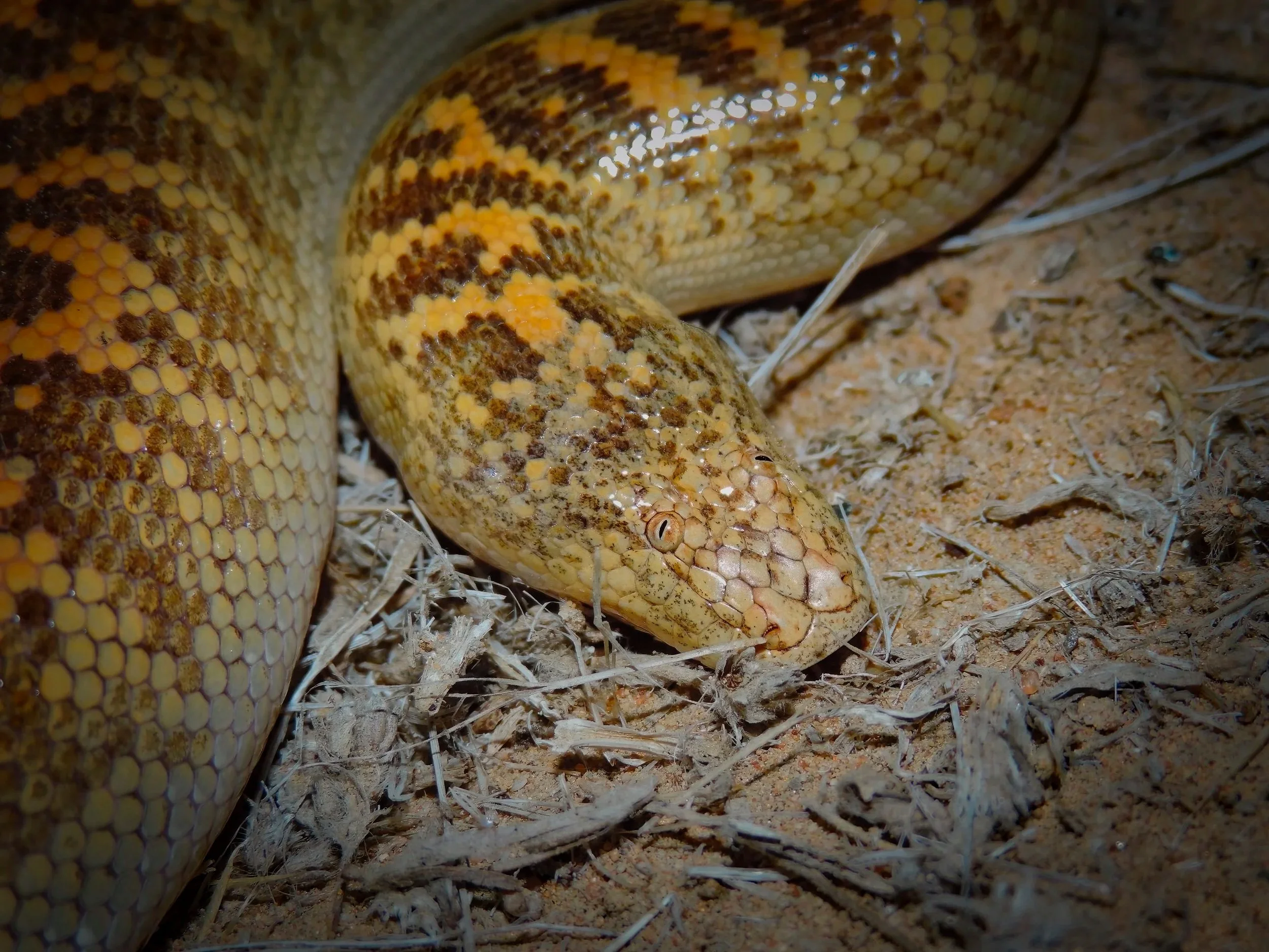
Habitat
Photo credit: Rami Khashab
The Arabian Sand Boa (Eryx jayakari) is a small, stout-bodied snake with a cylindrical shape perfectly adapted for life beneath loose sand. Its scales are smooth and glossy, reducing friction while burrowing. The head is small and not clearly distinct from the neck, giving the body a uniform appearance, while the eyes are positioned slightly upward, allowing it to remain mostly buried with only the eyes exposed. Coloration typically ranges from pale sandy beige to light brown, often marked with darker irregular blotches that enhance camouflage against desert substrates. The tail is short and blunt, sometimes resembling the head — a defensive adaptation that can confuse predators.
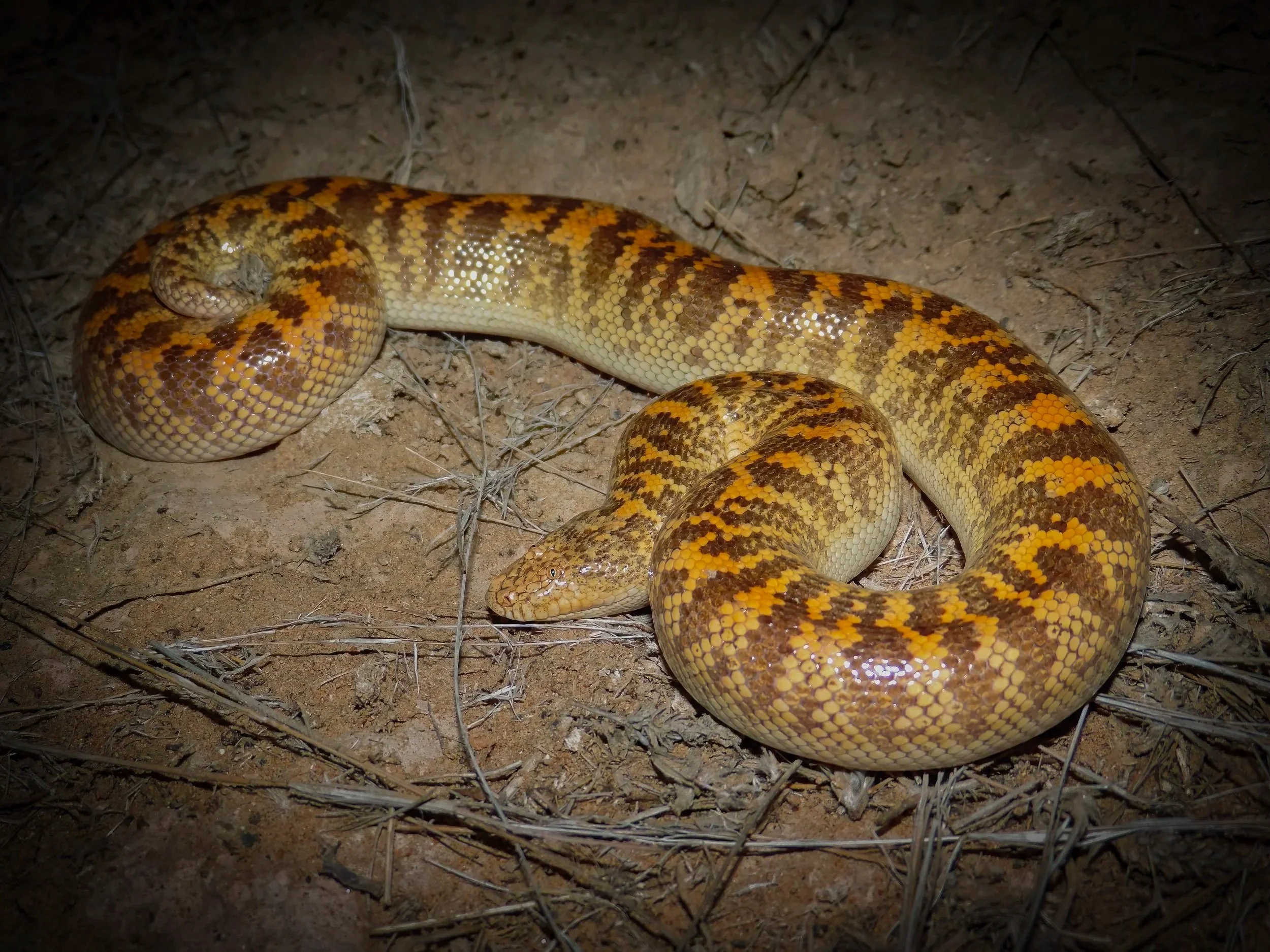
Physical Characteristics
Photo credit: Rami Khashab
Hunting Habits
An ambush predator that relies on concealment rather than speed. It typically buries itself beneath loose sand with only its eyes exposed, remaining motionless as it waits for prey to pass within striking distance. Once a small lizard or rodent moves close enough, the boa launches a short, rapid strike and immediately grips the prey. Being a constrictor, it subdues its catch by coiling its body around it before swallowing it whole.
Primarily nocturnal, the species takes advantage of cooler desert temperatures and increased prey activity after sunset. Its hunting strategy reflects the quiet efficiency of desert life — patience, camouflage, and precise timing.
Venom Details
Non-venomous. It belongs to the family Boidae, a group of constricting snakes that subdue prey through muscular pressure rather than venom. When hunting, it relies on ambush and quickly grasps small prey such as lizards or rodents, using its body to constrict and immobilize them before swallowing.
Although it may hiss or attempt to escape if disturbed, it poses no venomous threat to humans. Its primary defense mechanisms are camouflage, burrowing, and remaining motionless to avoid detection.
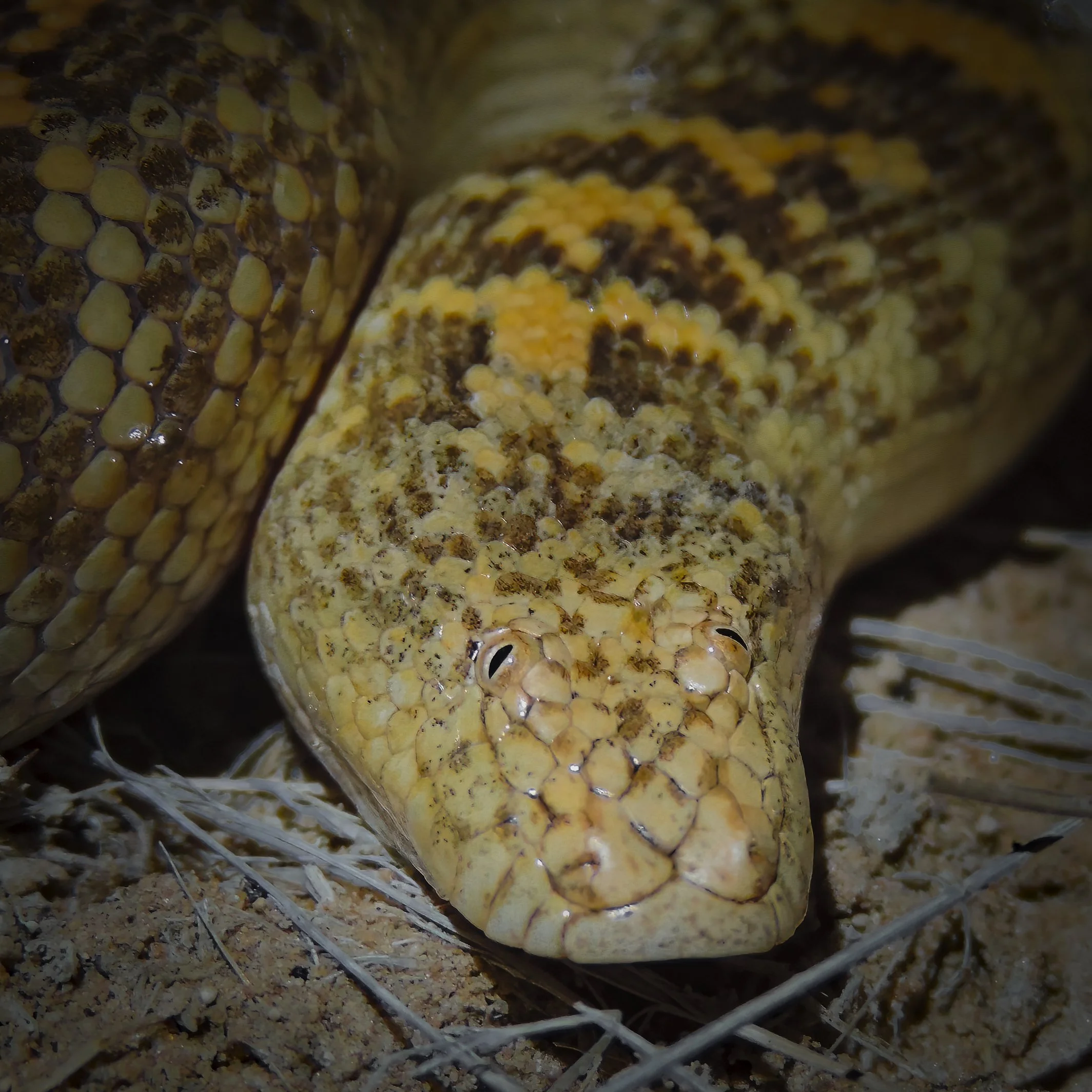
Photo credit: Rami Khashab