

African Sacred Ibis \ Threskiornis aethiopicus
(أبو منجل المقدس الأفريقي)
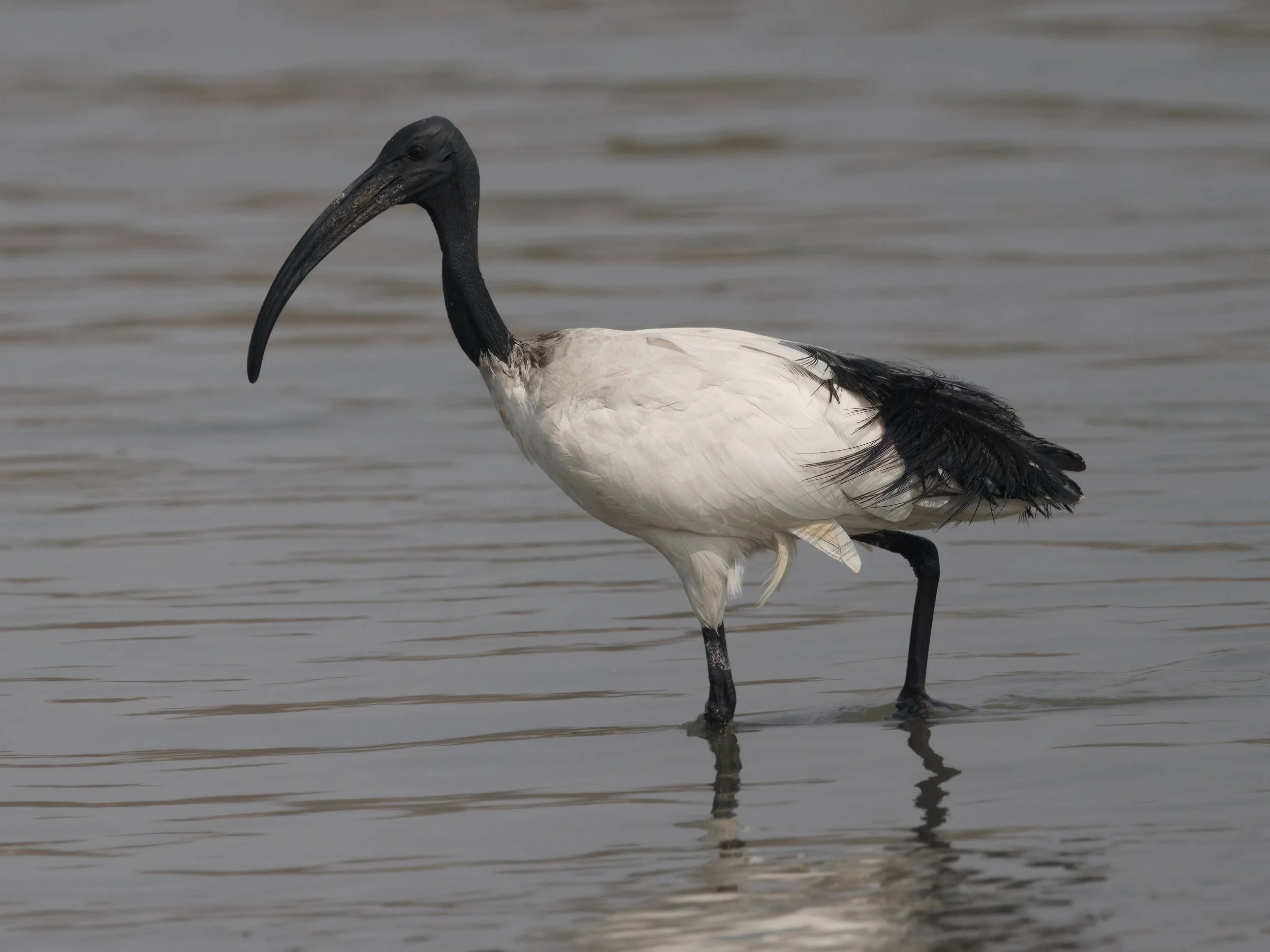
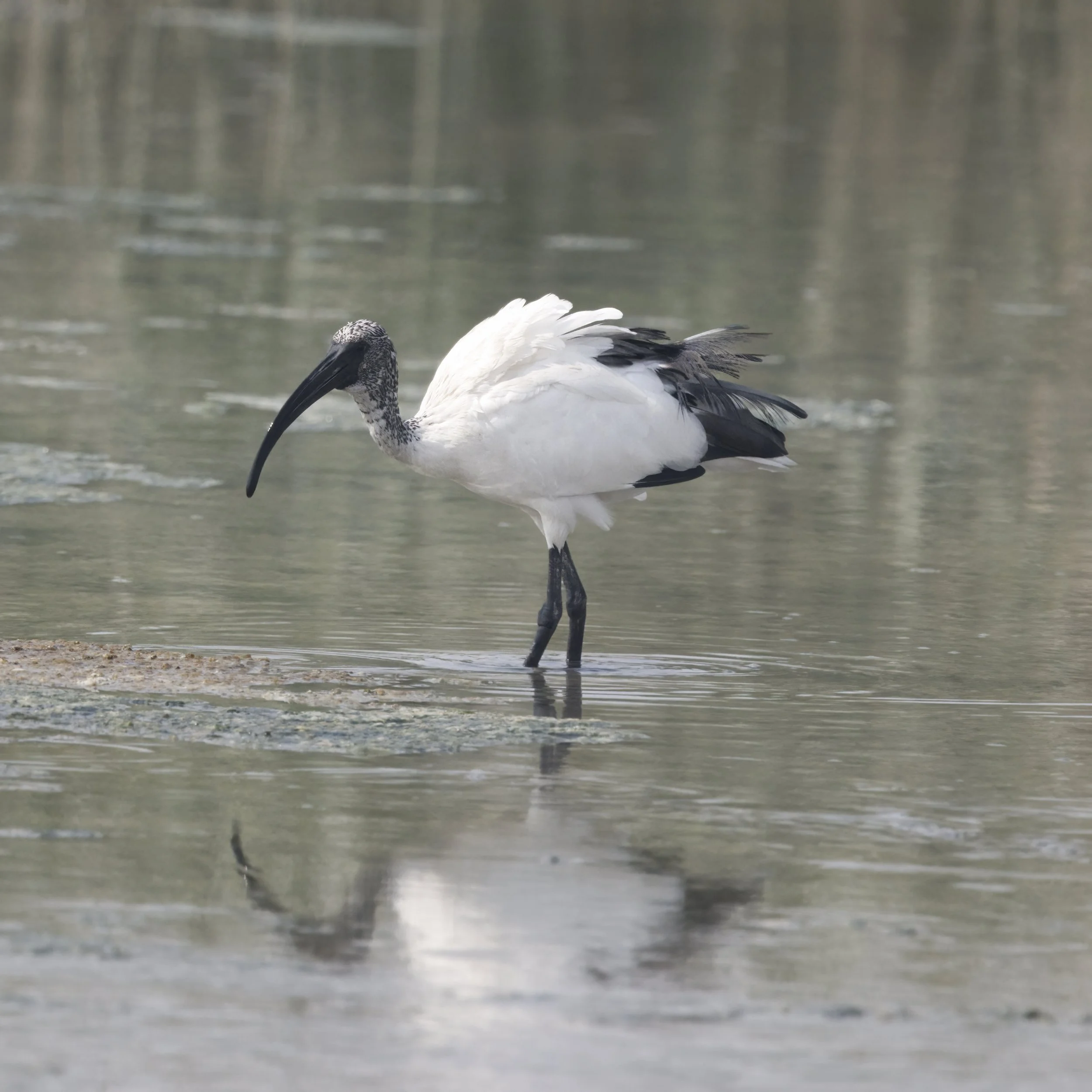
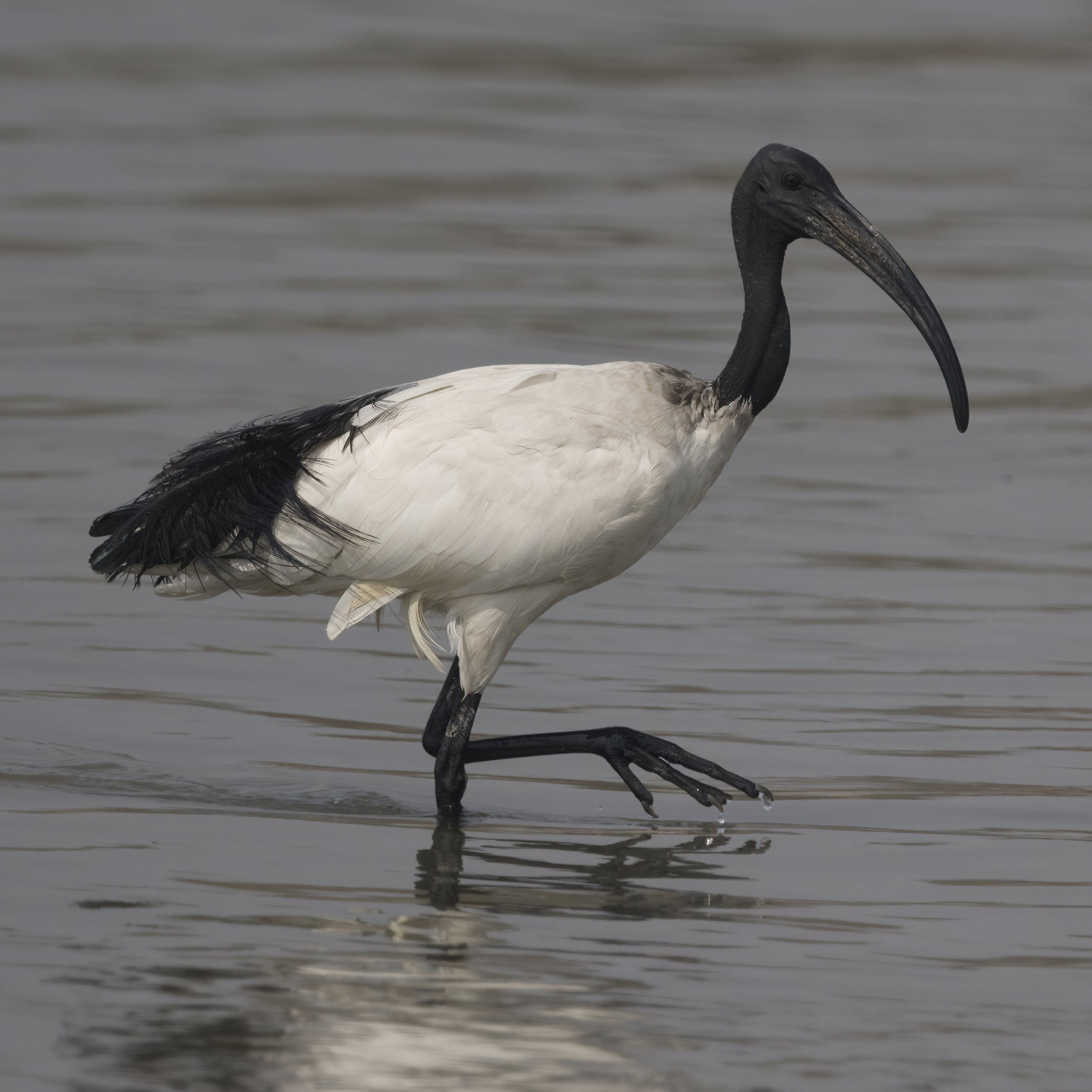
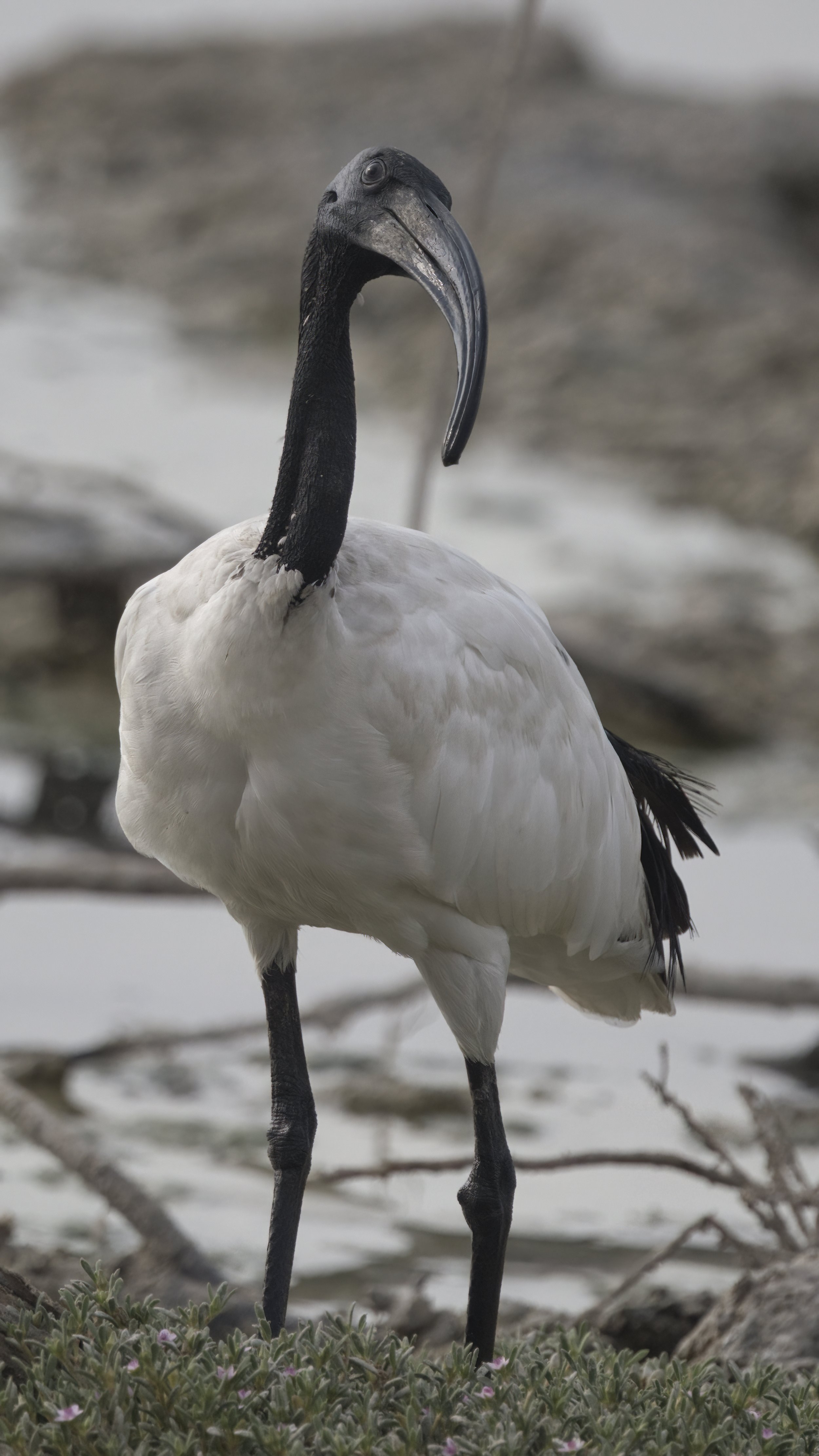
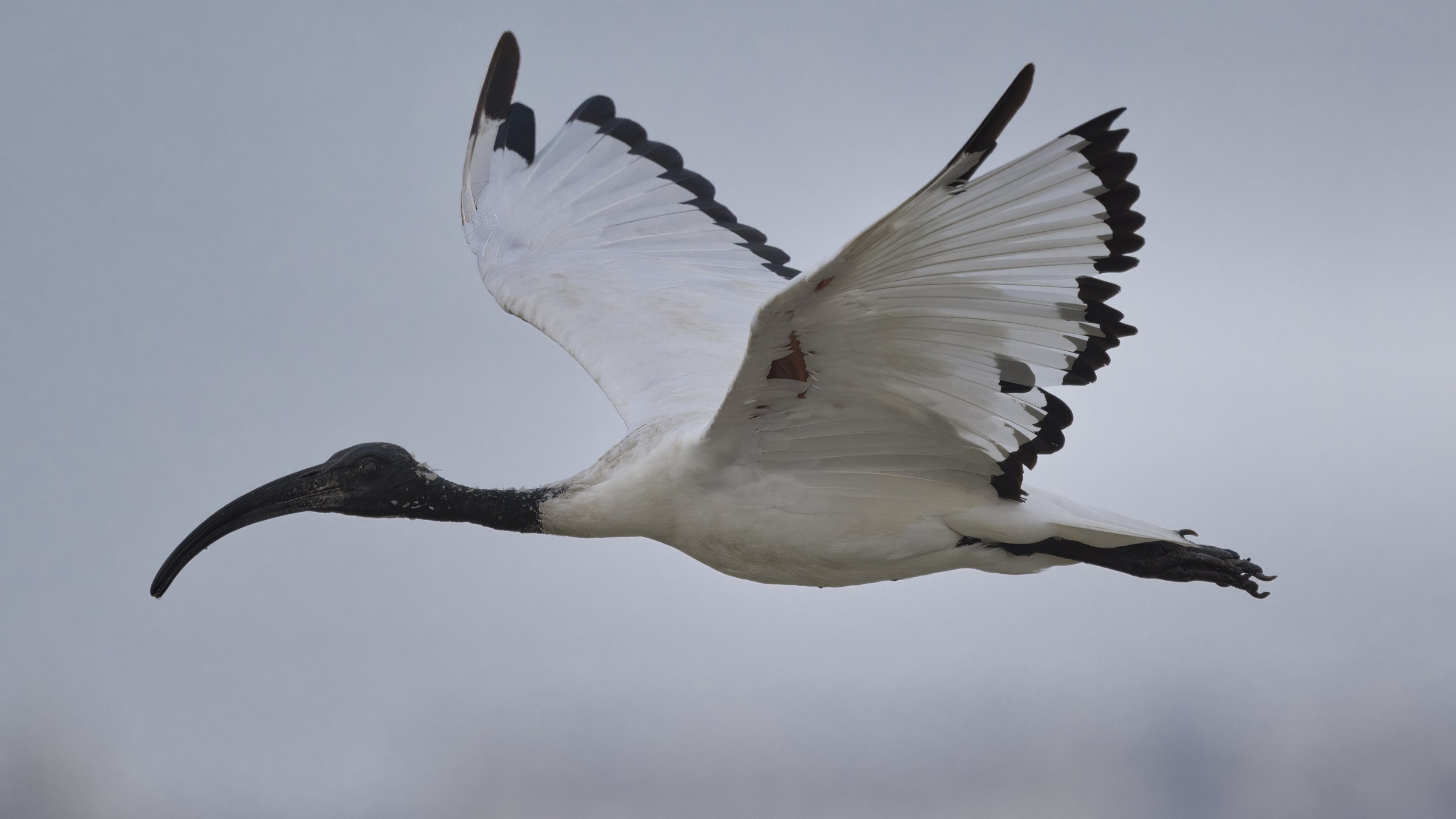
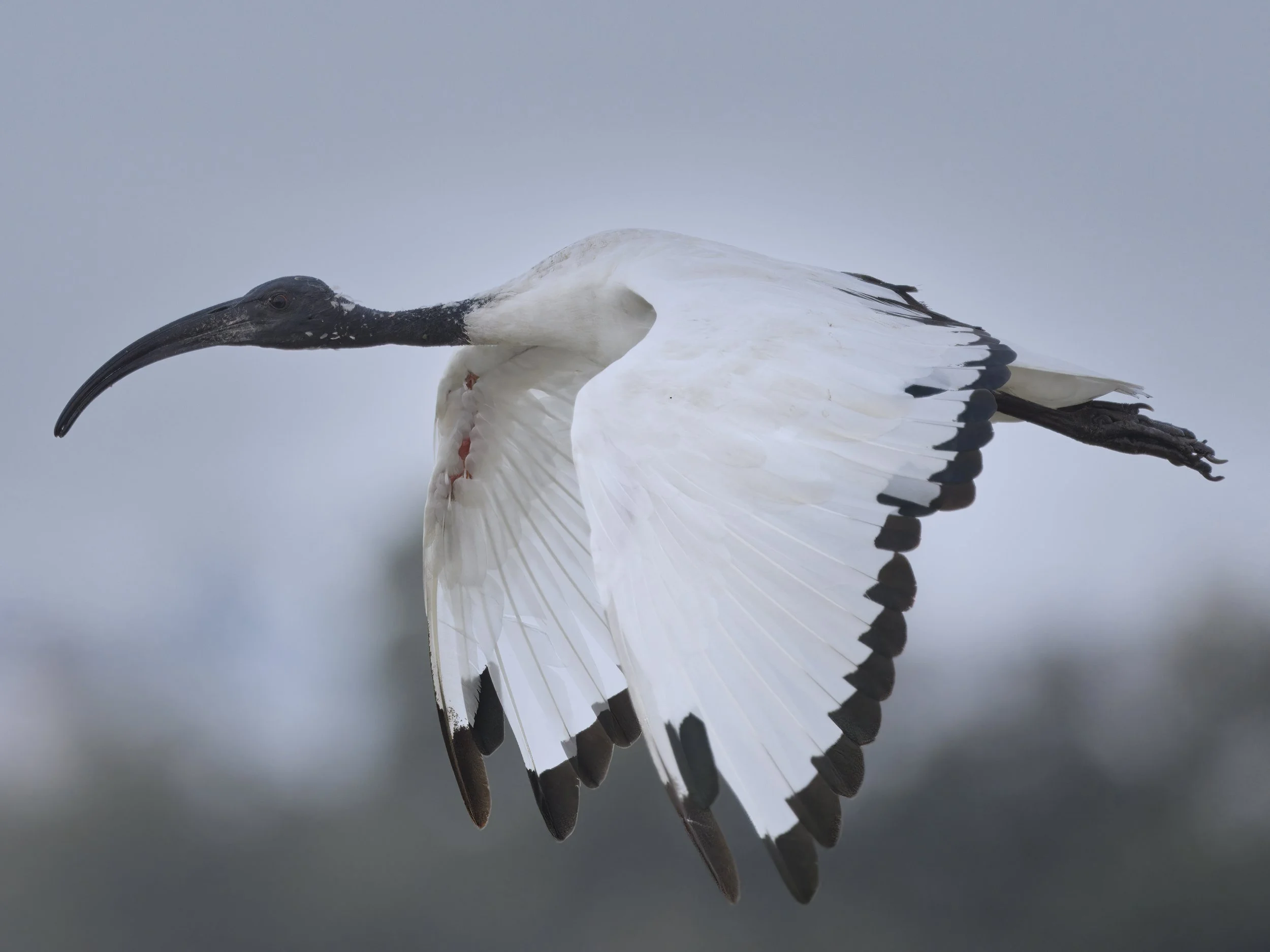
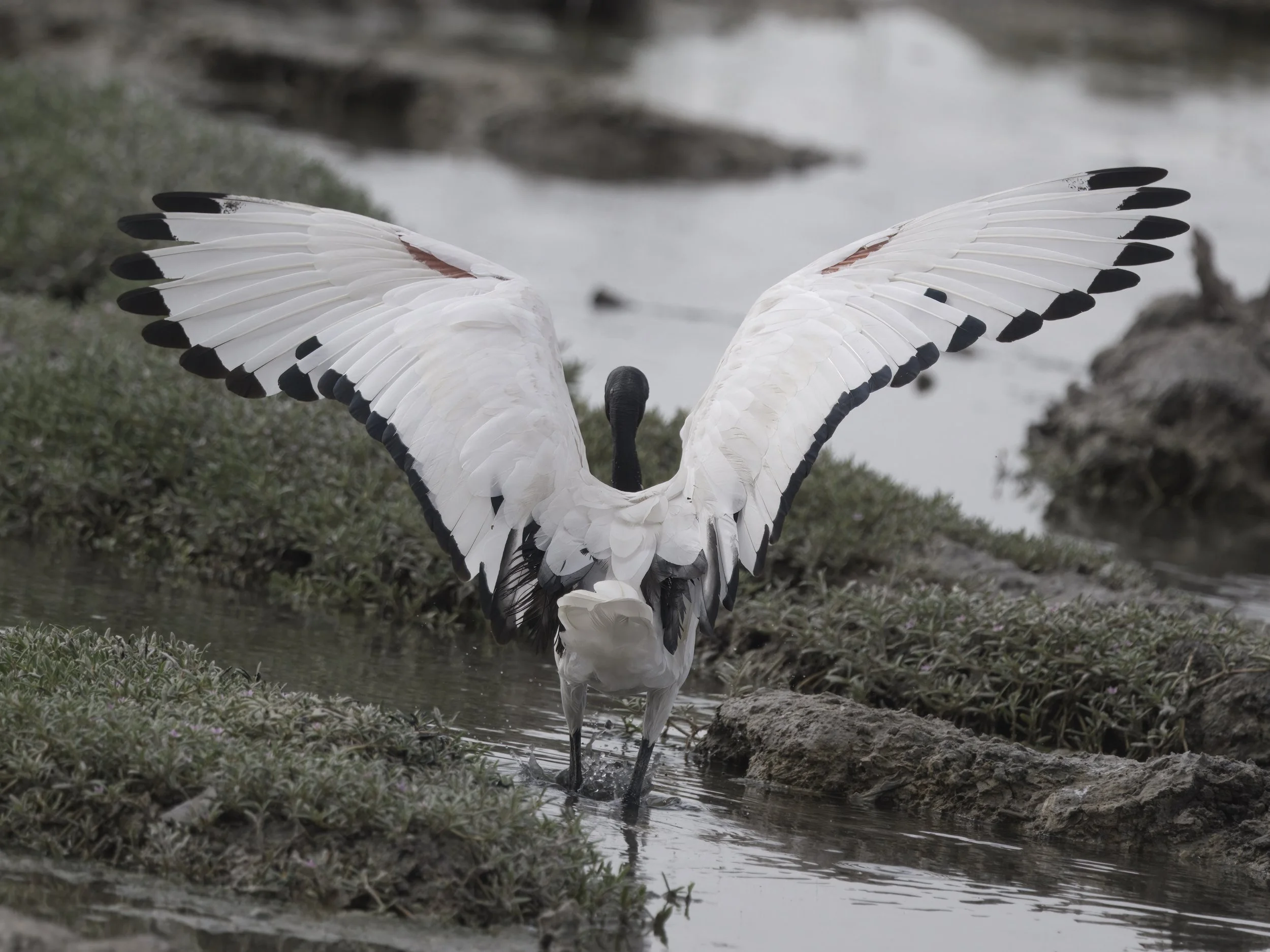
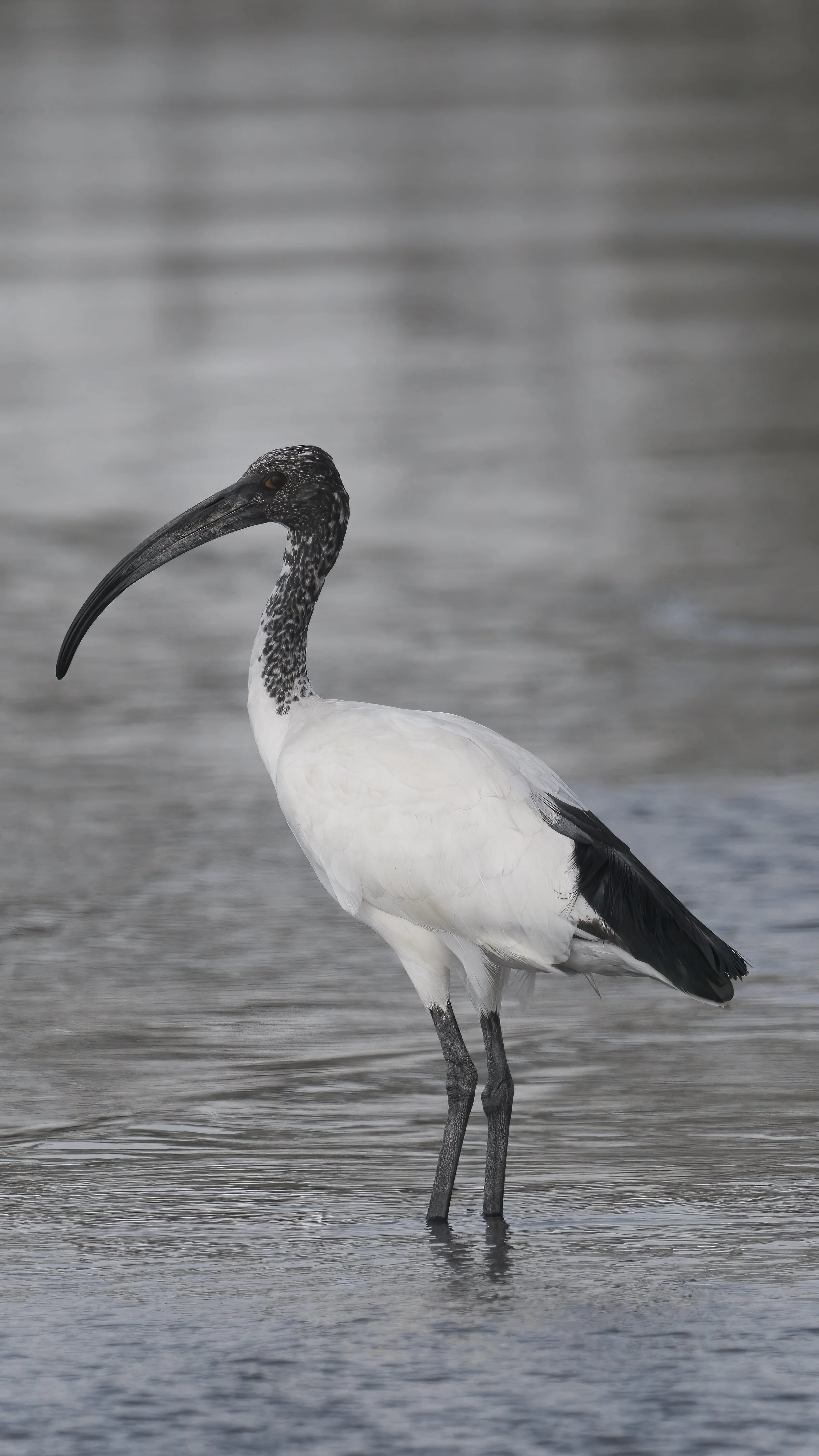
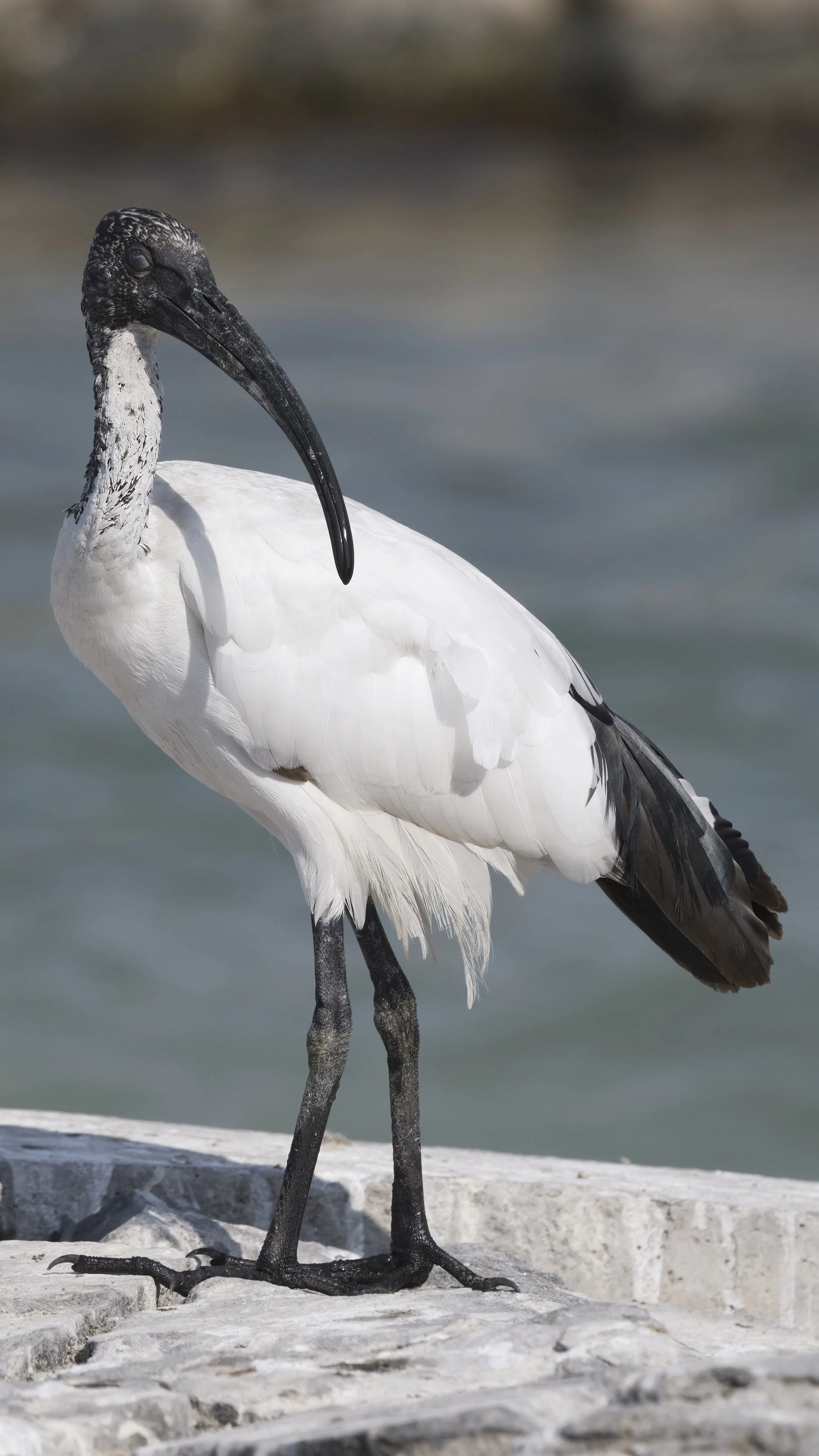
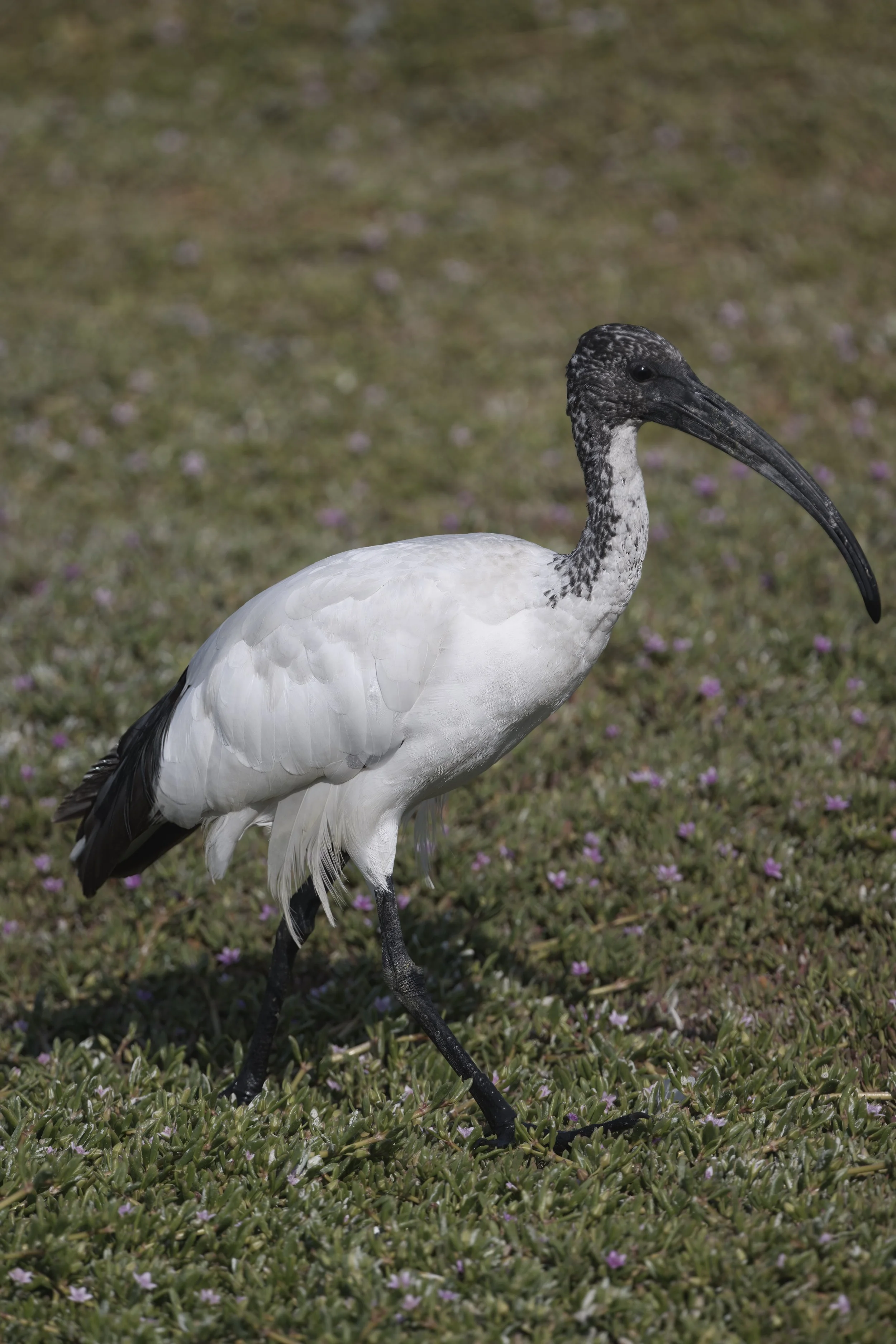
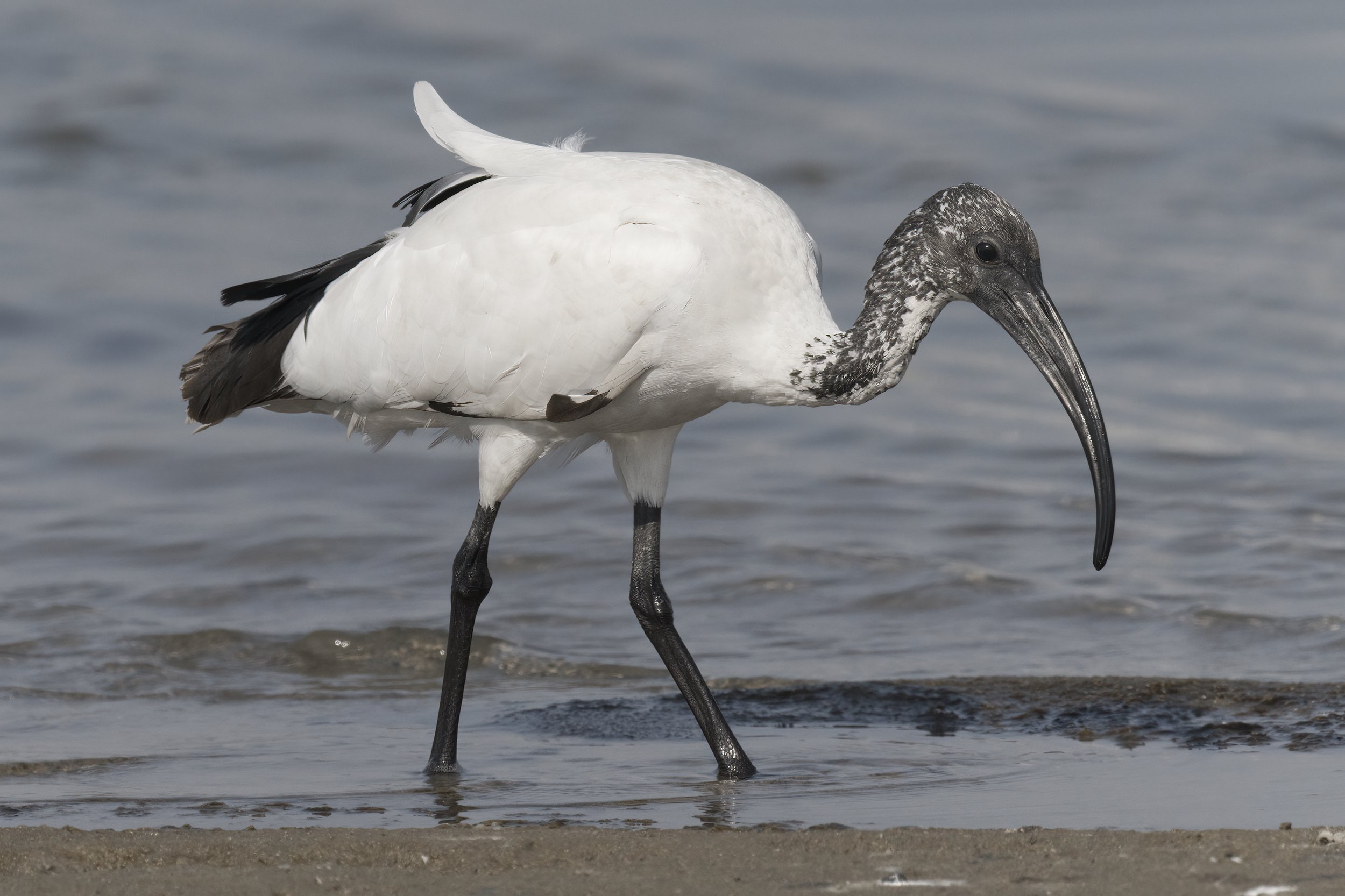
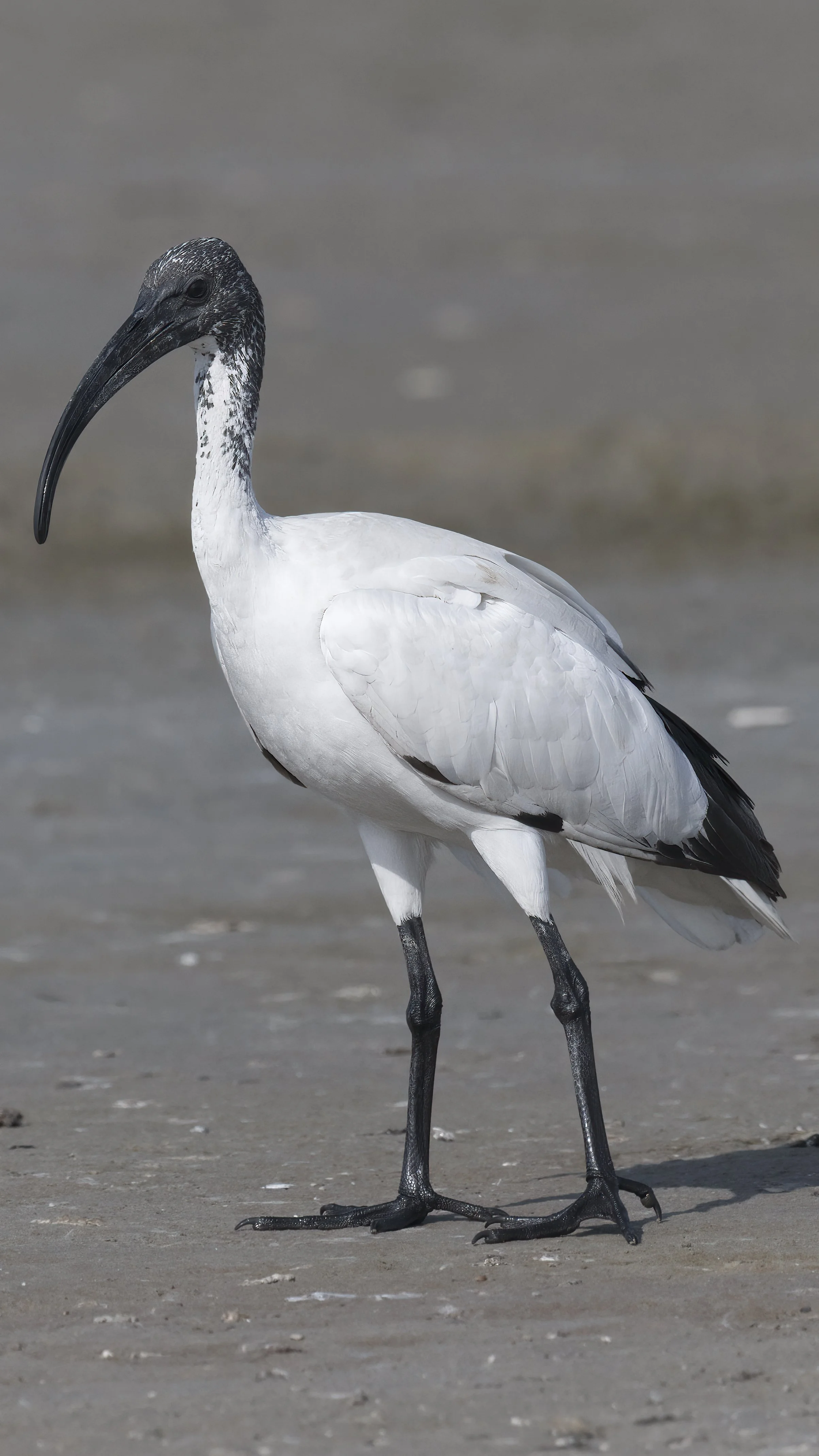
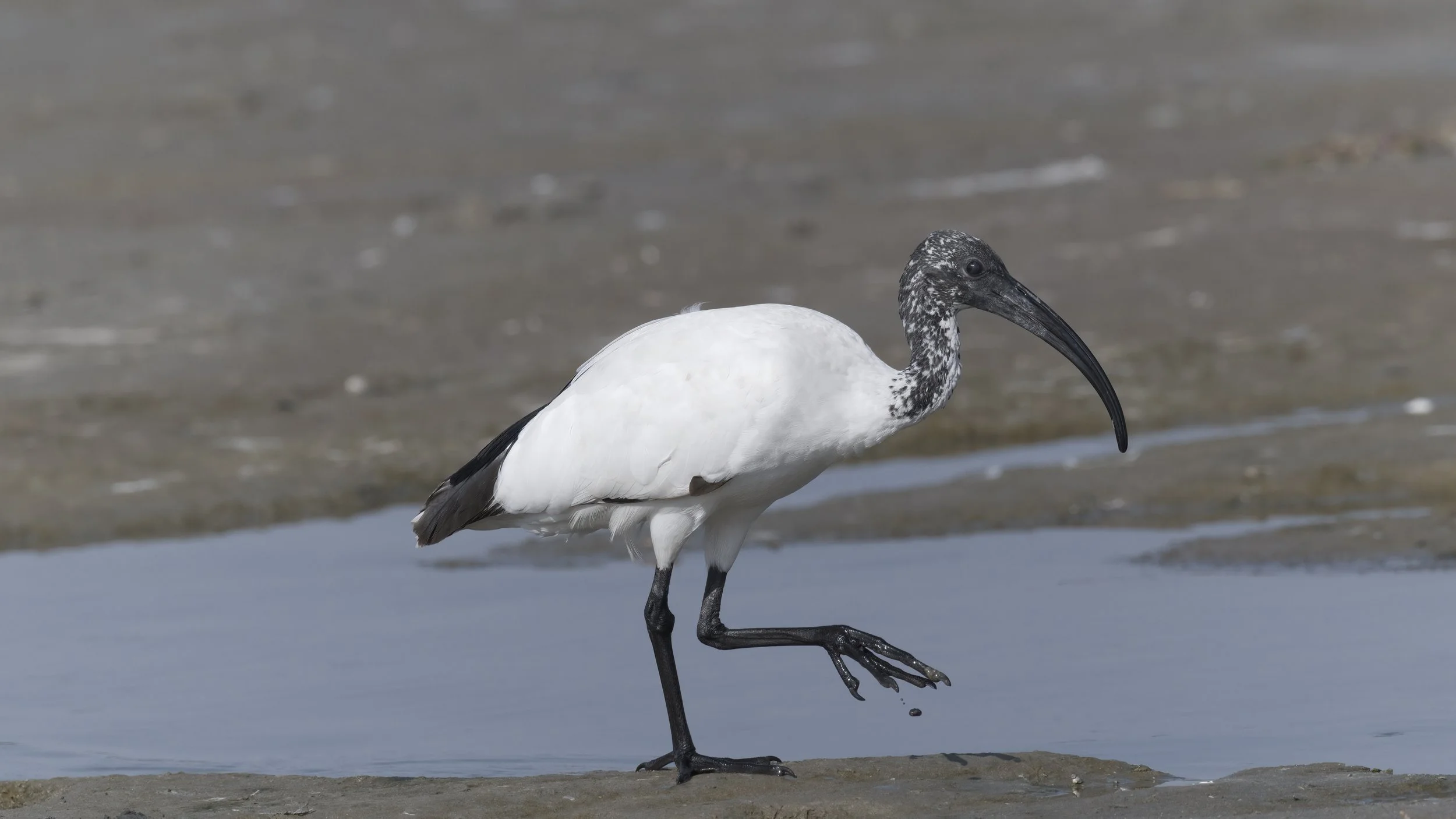
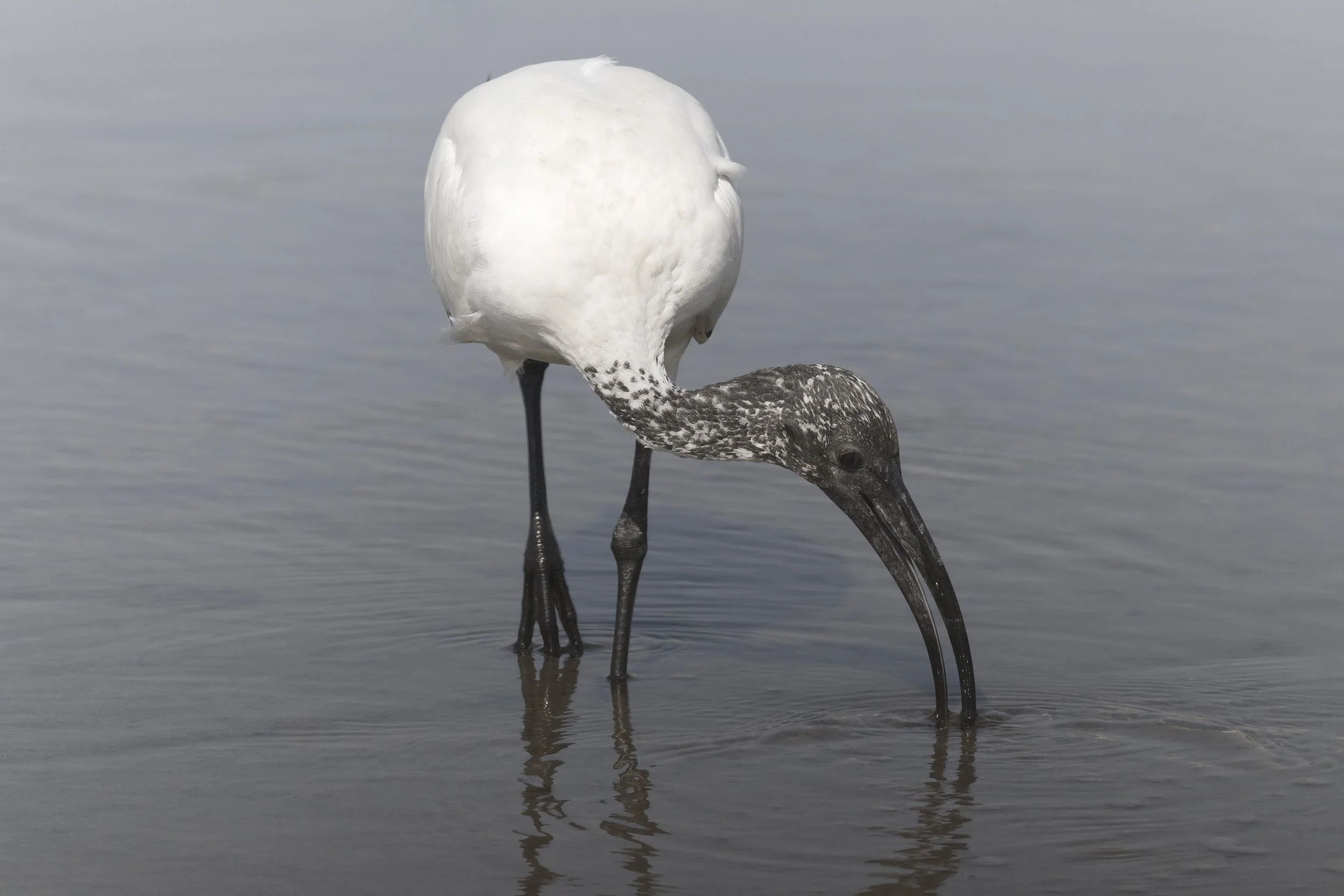
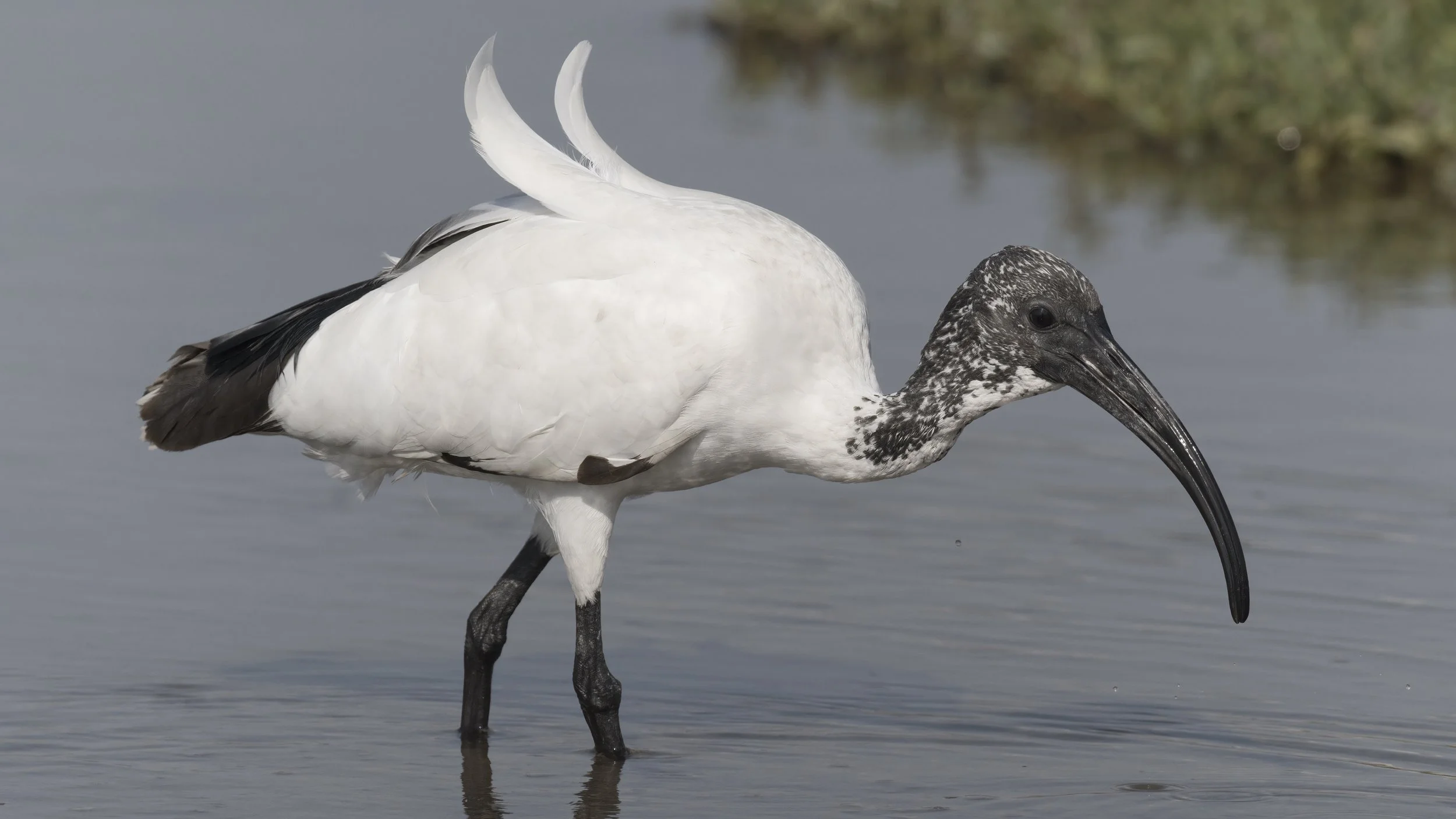
The African Sacred Ibis (Threskiornis aethiopicus) is a medium-sized wading bird found across sub-Saharan Africa, as well as in parts of the Middle East and Madagascar. Measuring around 65–89 cm (26–35 inches) in length, with a wingspan of 112–124 cm (44–49 inches), and weighing between 1 and 1.5 kg (2.2–3.3 lbs), the African Sacred Ibis is easily recognizable by its stark black and white plumage. Its body is mostly white, while its head and neck are bare and black, giving it a distinctive appearance. The bird’s long, downward-curved black bill is perfectly adapted for probing into mud and soft soil to find food.
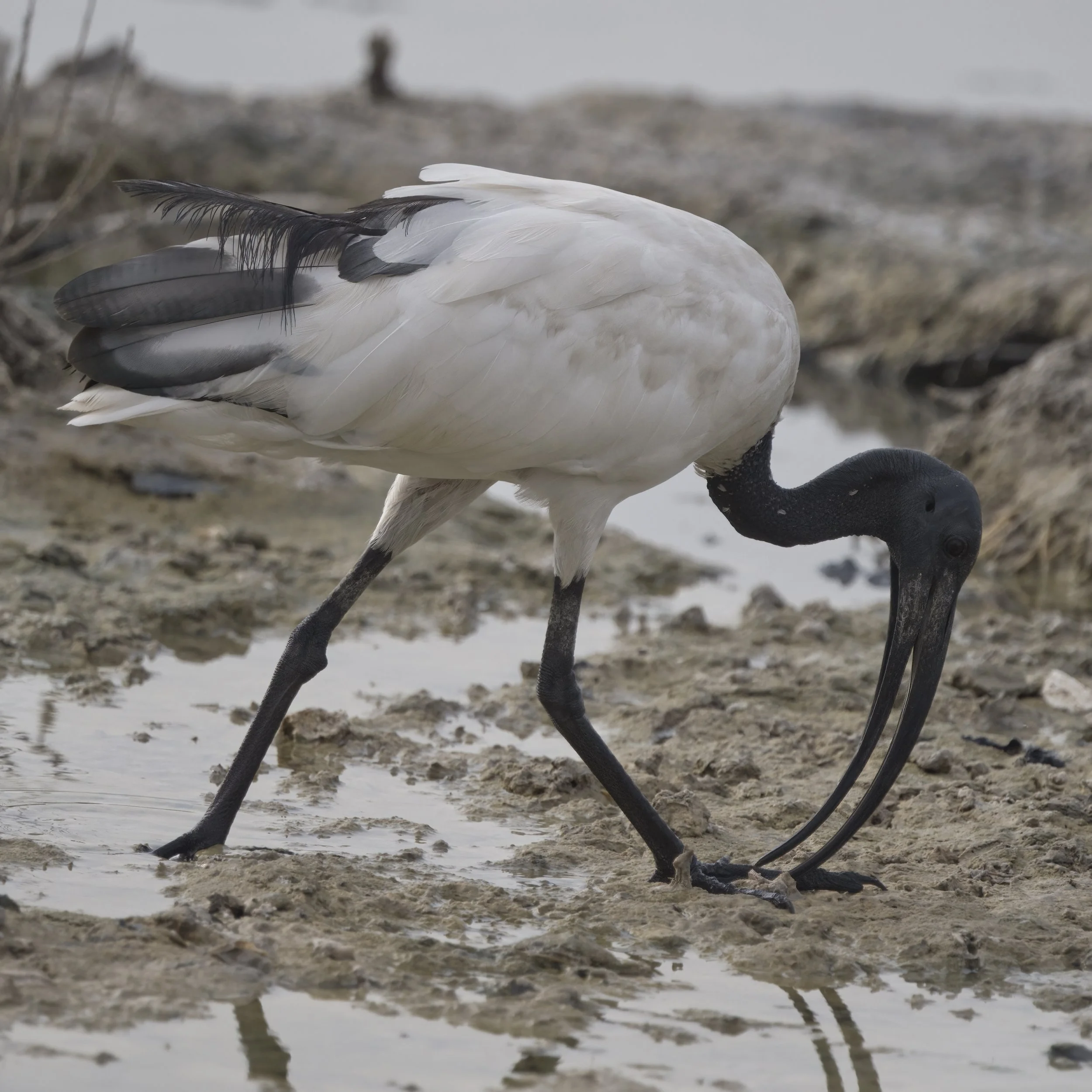
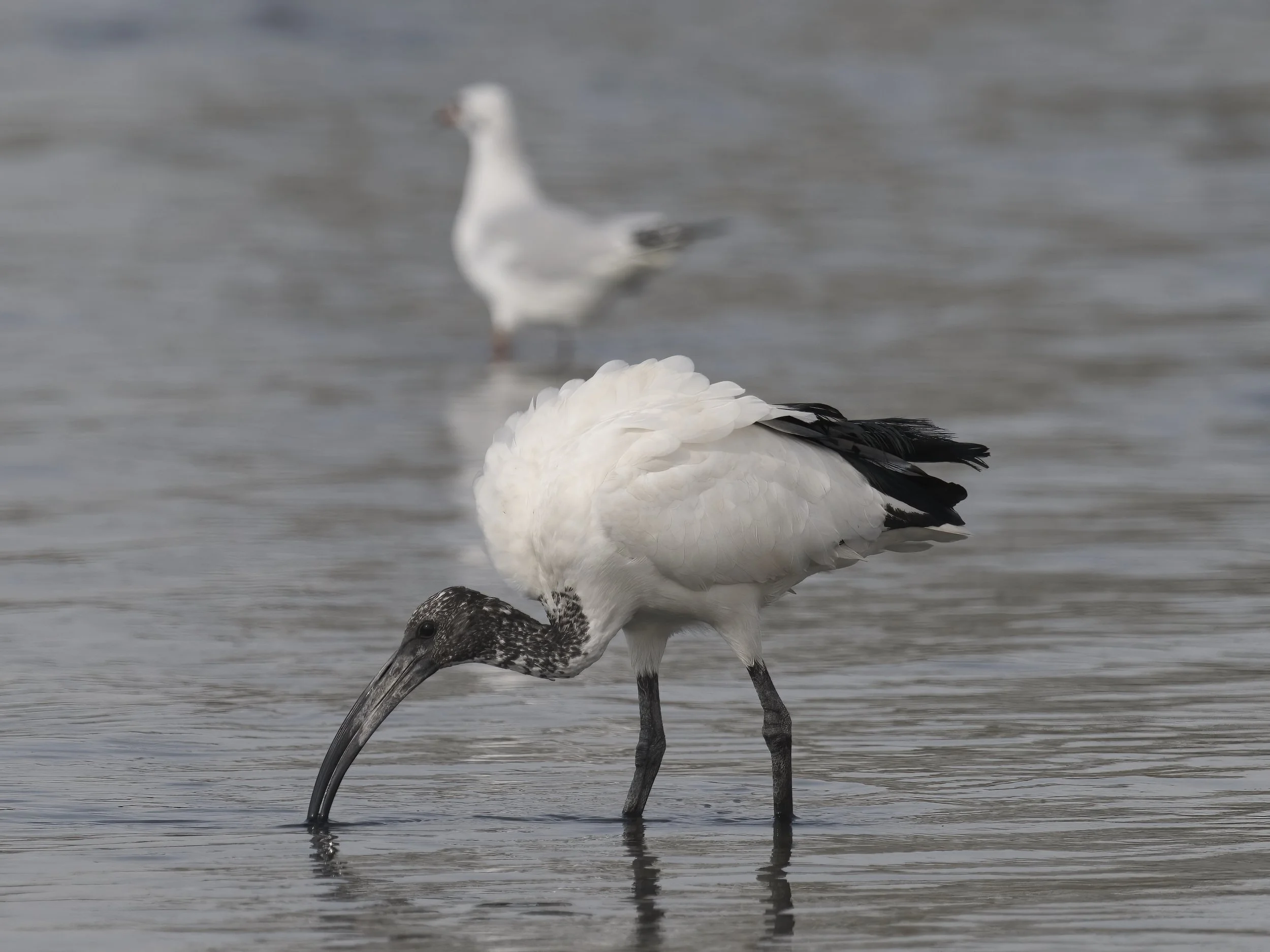
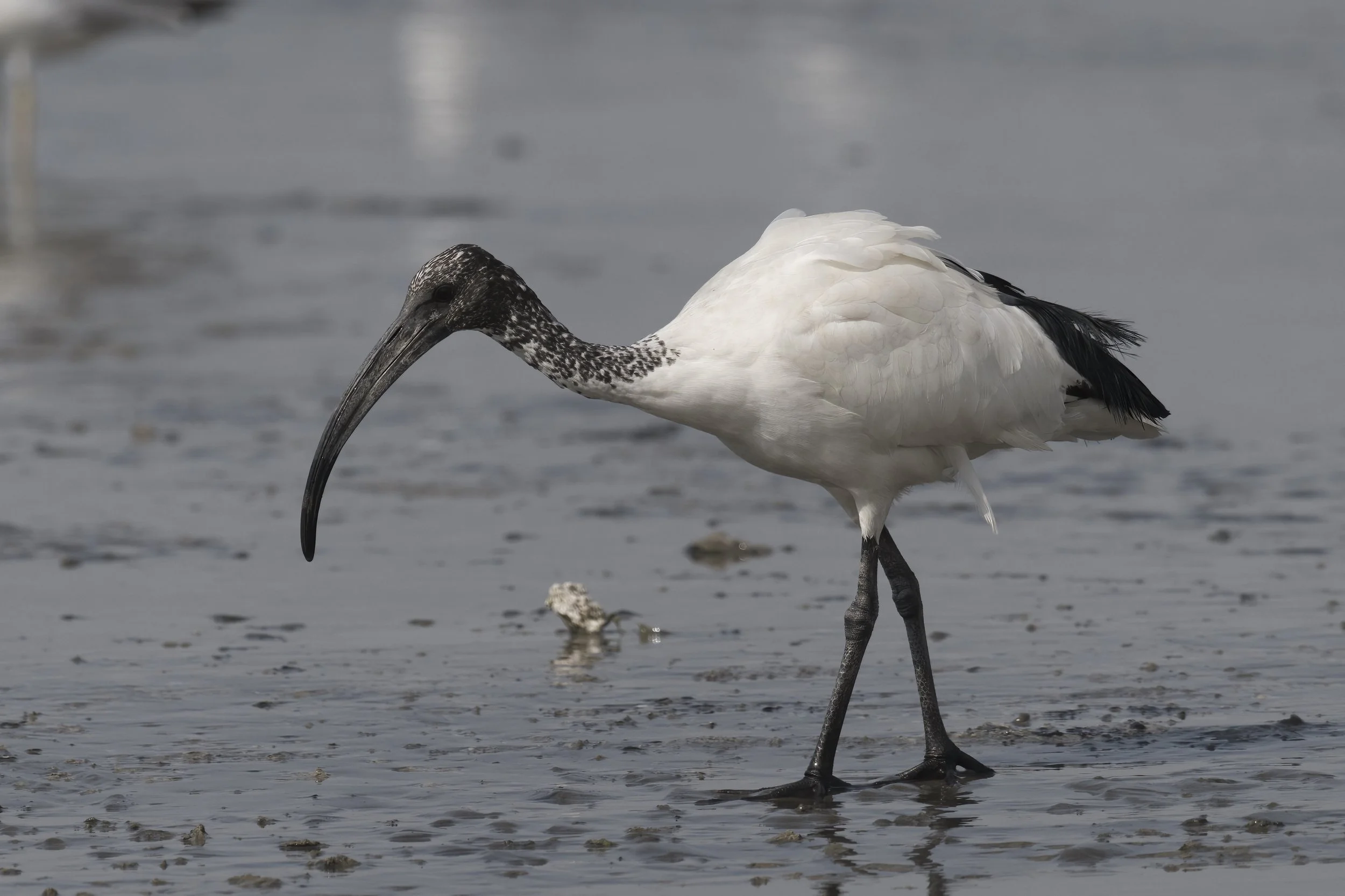
The African Sacred Ibis is commonly found in wetlands, swamps, lakes, and riverbanks, although it is also known to inhabit coastal lagoons and tidal mudflats. Its diet is diverse and opportunistic, consisting of fish, frogs, small invertebrates, insects, and even carrion. The bird uses its curved bill to search for food in the mud, often seen foraging in groups, where it plays a role in controlling populations of various aquatic species.
In ancient Egypt, the African Sacred Ibis was revered as a symbol of the god Thoth, associated with wisdom and knowledge. Due to this cultural significance, it was often depicted in art and even mummified. Today, however, the bird’s range is much wider, and it has adapted to various habitats, including agricultural fields and urban areas where food is plentiful.
These birds are highly social, nesting in colonies that can number in the thousands, often alongside other waterbirds such as herons, spoonbills, and storks. They build large nests from sticks and reeds, usually in trees or reed beds near water, and both parents share the responsibility of incubating eggs and feeding the chicks. Though generally common, the African Sacred Ibis faces threats from habitat loss and pollution in some regions. Nonetheless, its adaptability has allowed it to thrive in many parts of its range, even in human-altered environments.
أبو منجل المقدّس الإفريقي هو طائر خوّاض متوسط الحجم ينتشر في أنحاء أفريقيا جنوب الصحراء، إضافة إلى أجزاء من الشرق الأوسط ومدغشقر. يبلغ طوله حوالي 65–89 سم، مع باع جناحين يتراوح بين 112–124 سم، ويزن ما بين 1 إلى 1.5 كغ. يتميز بسهولة بفضل تباين ألوانه بالأبيض والأسود؛ فجسمه أبيض في معظمه، بينما الرأس والعنق عاريان باللون الأسود، مما يمنحه مظهرًا مميزًا. كما يمتلك منقارًا طويلًا أسود اللون ومنحنيًا إلى الأسفل، مهيأً بشكل مثالي للبحث في الطين والتربة الرطبة عن الغذاء
يتواجد أبو منجل المقدّس الإفريقي عادةً في الأراضي الرطبة والمستنقعات والبحيرات وضفاف الأنهار، كما يمكن أن يوجد في البحيرات الساحلية والسهول الطينية المدّية. نظامه الغذائي متنوع وانتهازي، حيث يتغذى على الأسماك والضفادع واللافقاريات الصغيرة والحشرات، وحتى الجيف أحيانًا. يستخدم منقاره المنحني للبحث عن الطعام في الطين، وغالبًا ما يُشاهد وهو يتغذى ضمن مجموعات، حيث يلعب دورًا في التحكم في أعداد العديد من الكائنات المائية
في مصر القديمة، كان هذا الطائر مقدسًا ويُعتبر رمزًا للإله تحوت، المرتبط بالحكمة والمعرفة. وبسبب هذه الأهمية الثقافية، كان يُصوَّر كثيرًا في الفن، بل وكان يُحنَّط أيضًا. أما اليوم، فقد توسع نطاق انتشاره بشكل كبير، وتمكن من التكيف مع بيئات متنوعة، بما في ذلك الأراضي الزراعية والمناطق الحضرية حيث يتوفر الغذاء
تُعد هذه الطيور اجتماعية للغاية، إذ تعشش في مستعمرات قد تضم آلاف الأفراد، غالبًا إلى جانب طيور مائية أخرى مثل البلشونات وأبو ملعقة واللقالق. تبني أعشاشًا كبيرة من الأغصان والقصب، عادةً في الأشجار أو بين النباتات القريبة من الماء، ويتشارك الأبوان في حضانة البيض وإطعام الفراخ. ورغم أنه يُعتبر نوعًا شائعًا عمومًا، إلا أنه يواجه تهديدات في بعض المناطق نتيجة فقدان الموائل والتلوث. ومع ذلك، فإن قدرته العالية على التكيف مكنته من الاستمرار والازدهار في العديد من البيئات، حتى تلك المتأثرة بالنشاط البشري



Other Species
-

Eurasian Spoonbill (Platalea leucorodia)
-
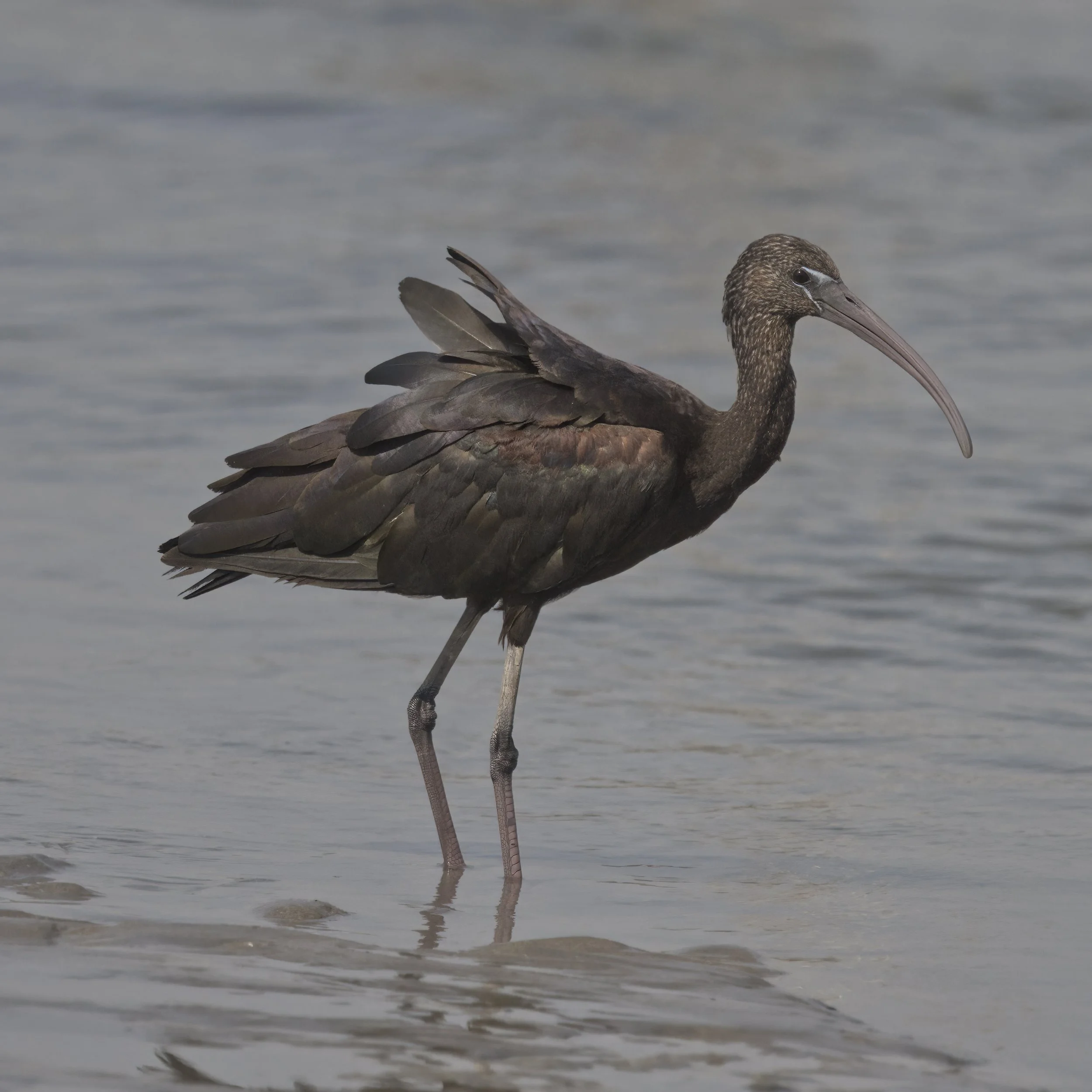
Glossy Ibis (Plegadis falcinellus)
-
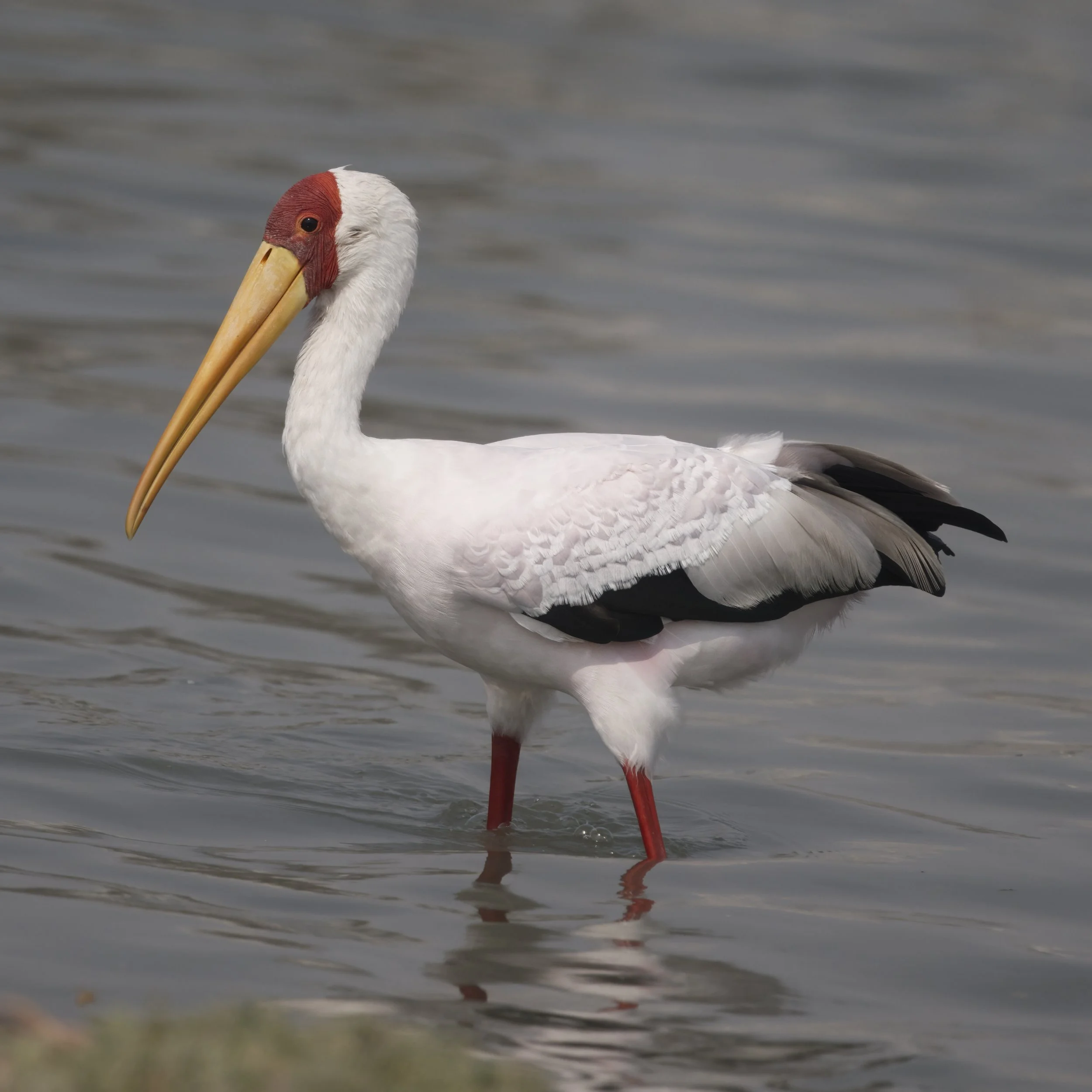
Yellow-billed Stork (Mycteria ibis)
-
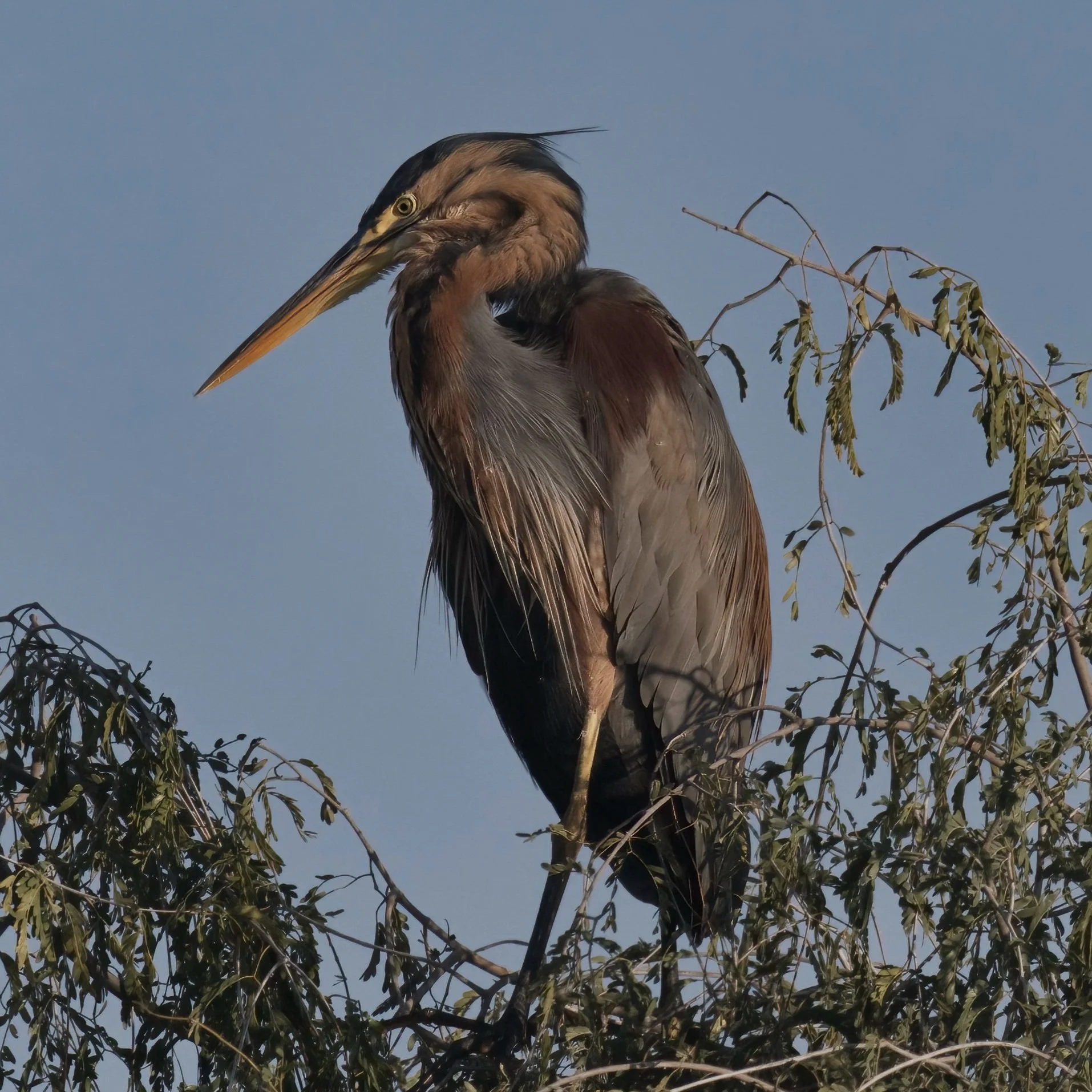
Purple Heron (Ardea purpurea)