The Ethics of Nest Photography: When the Image Must Come Second
There are moments in wildlife photography that feel more intimate than others. A bird in flight, a predator on the move, or a rare species appearing for a few seconds can all create powerful images. But photographing birds near a nest, a burrow, or a sheltered breeding site carries a different weight. It is not only a photographic opportunity. It is a responsibility.
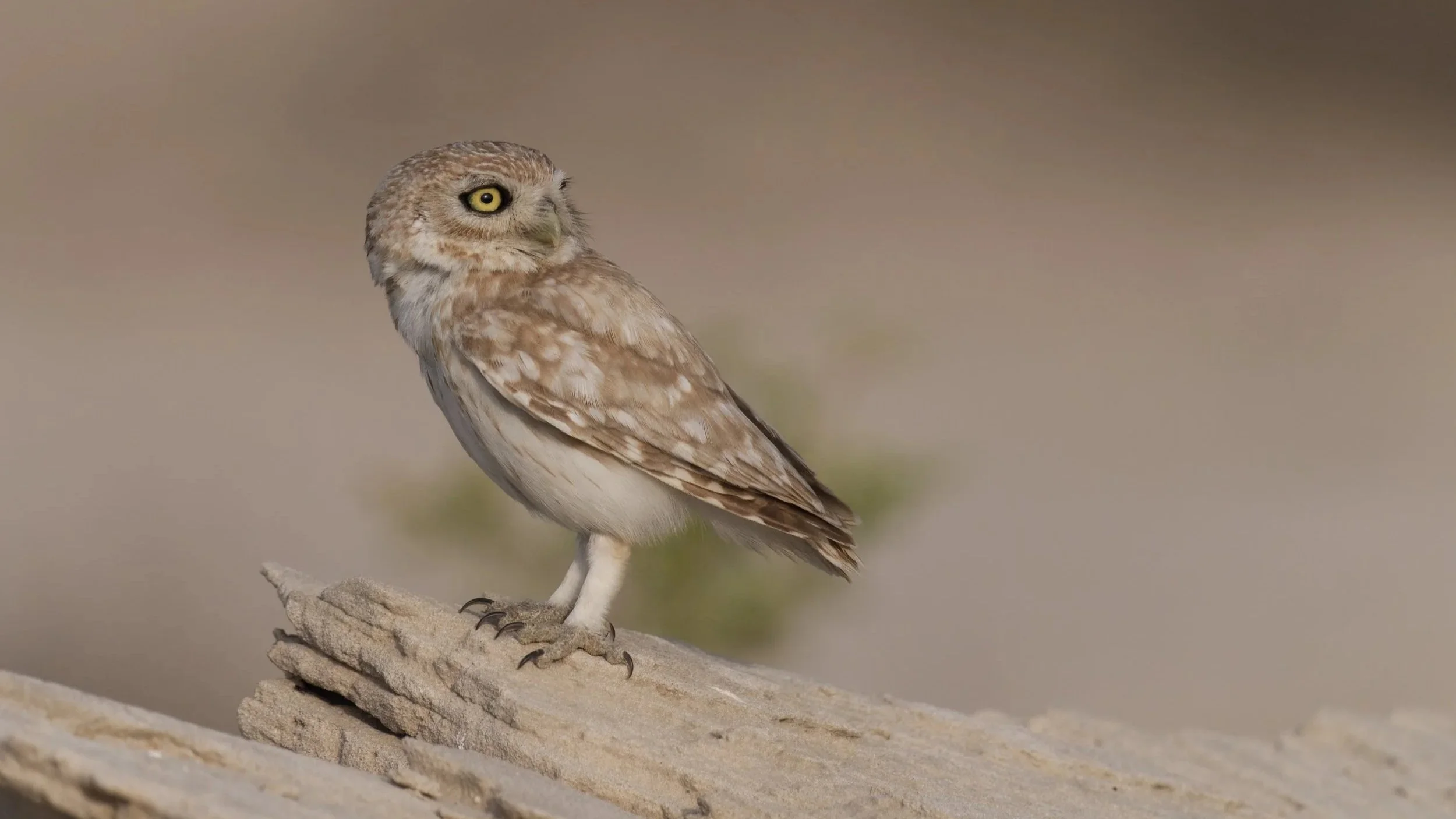
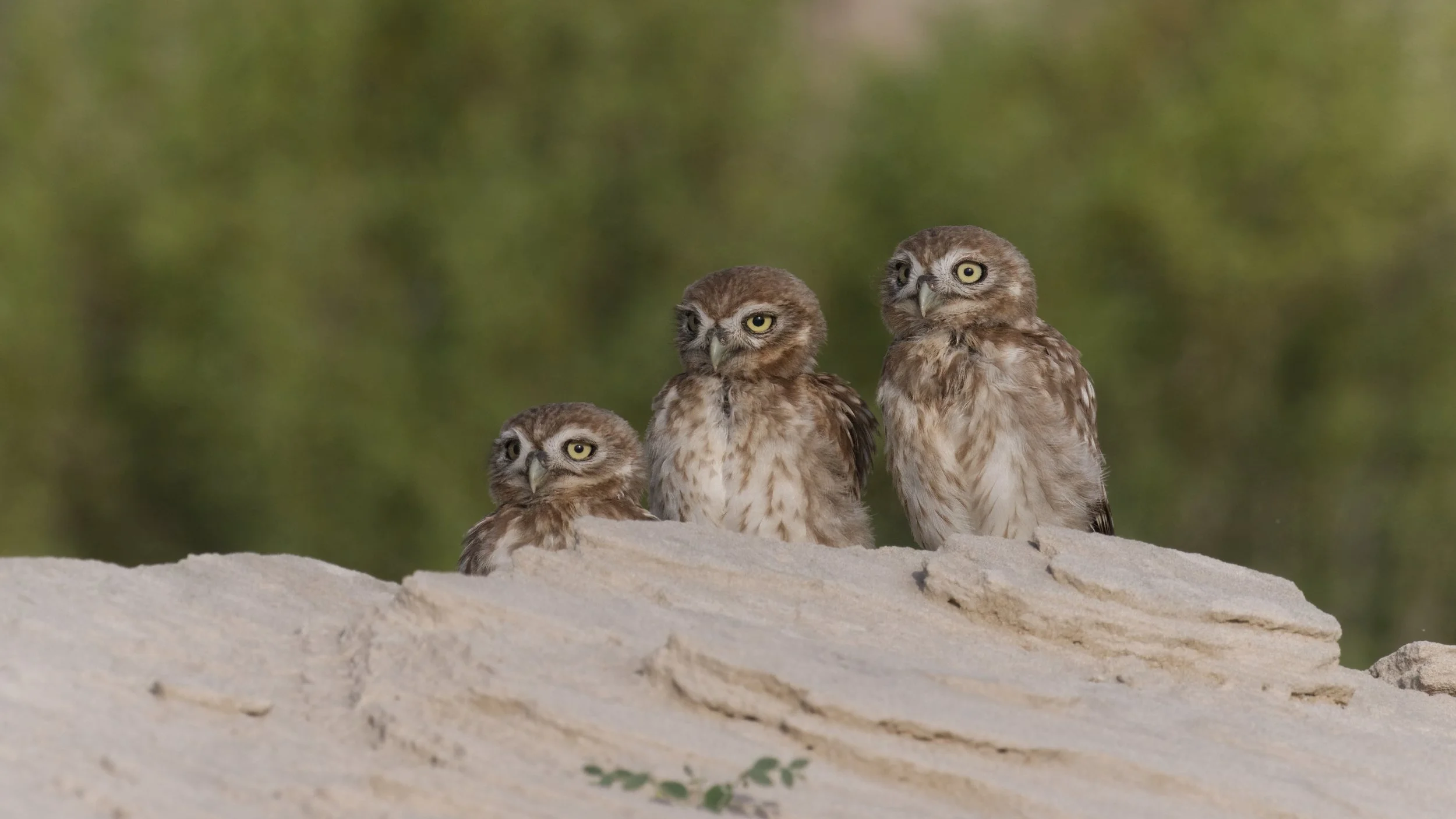
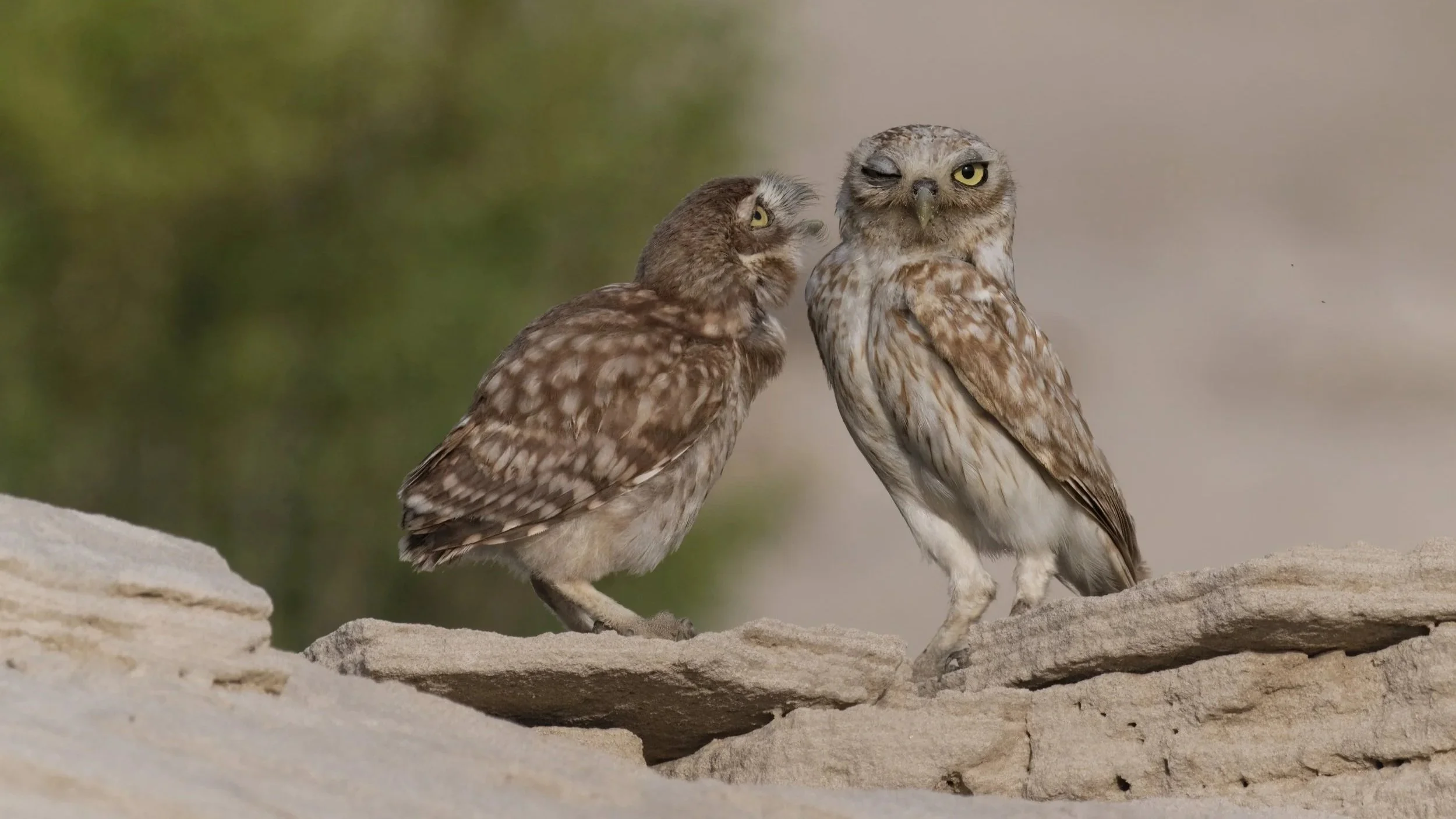
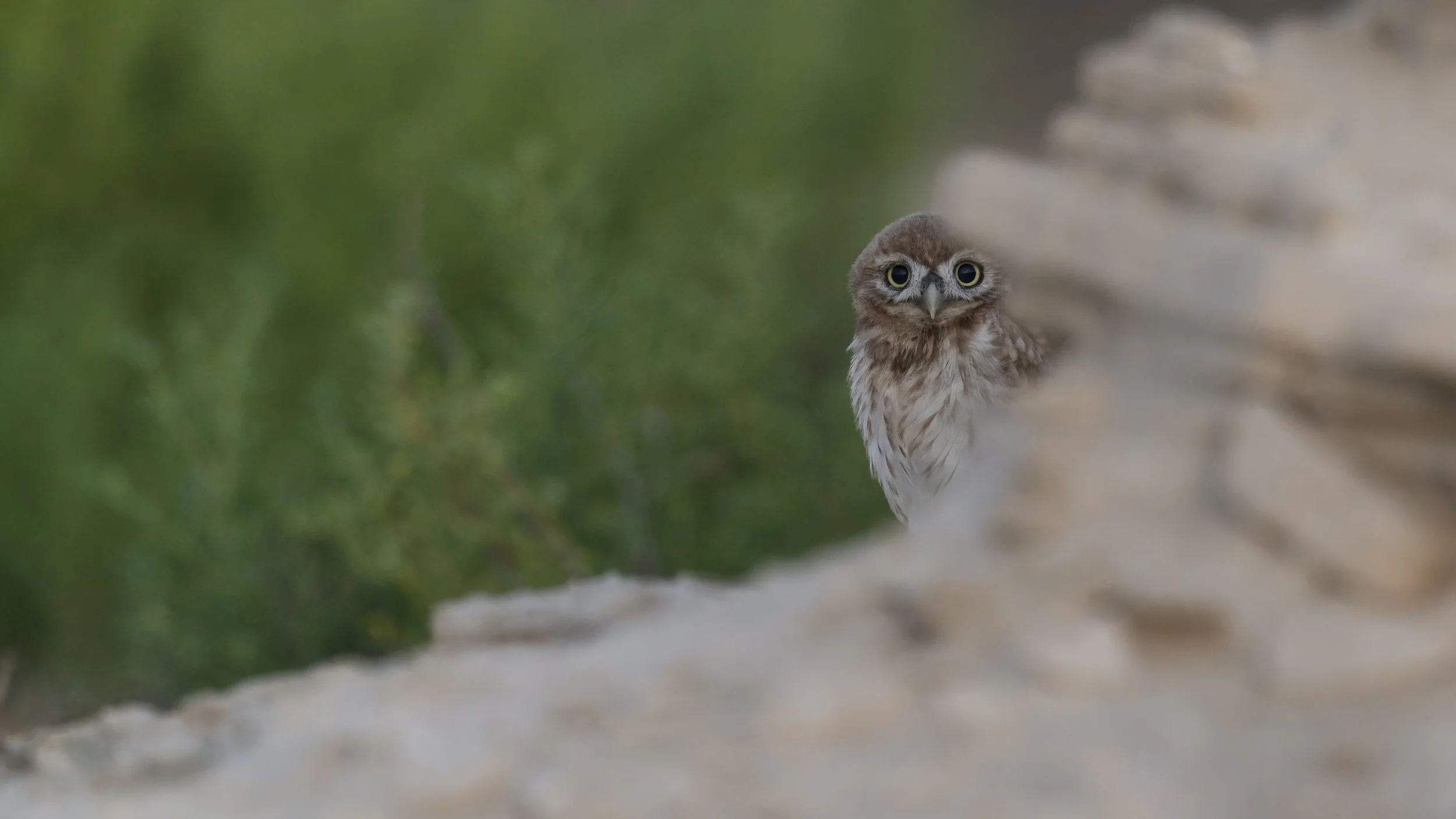
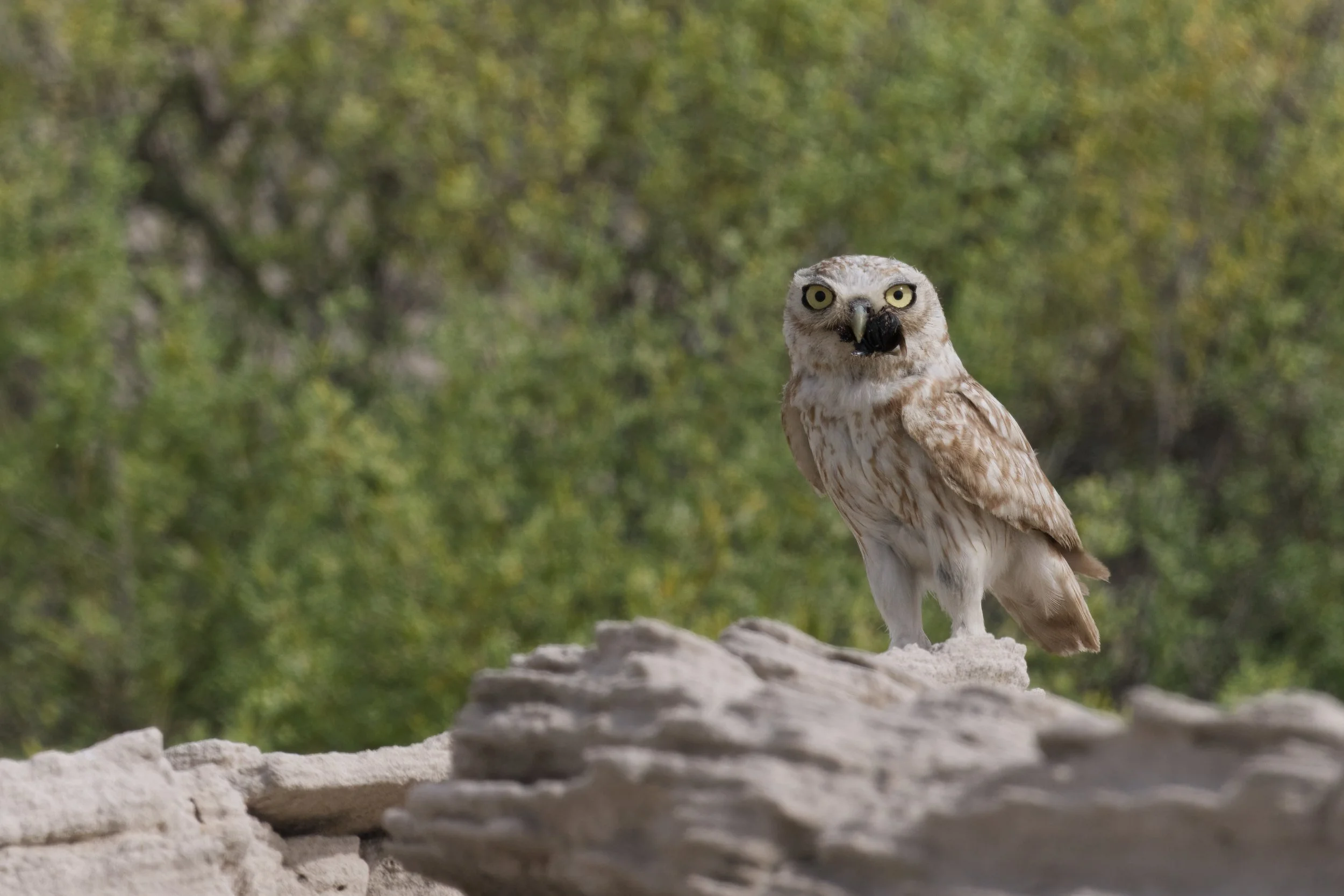
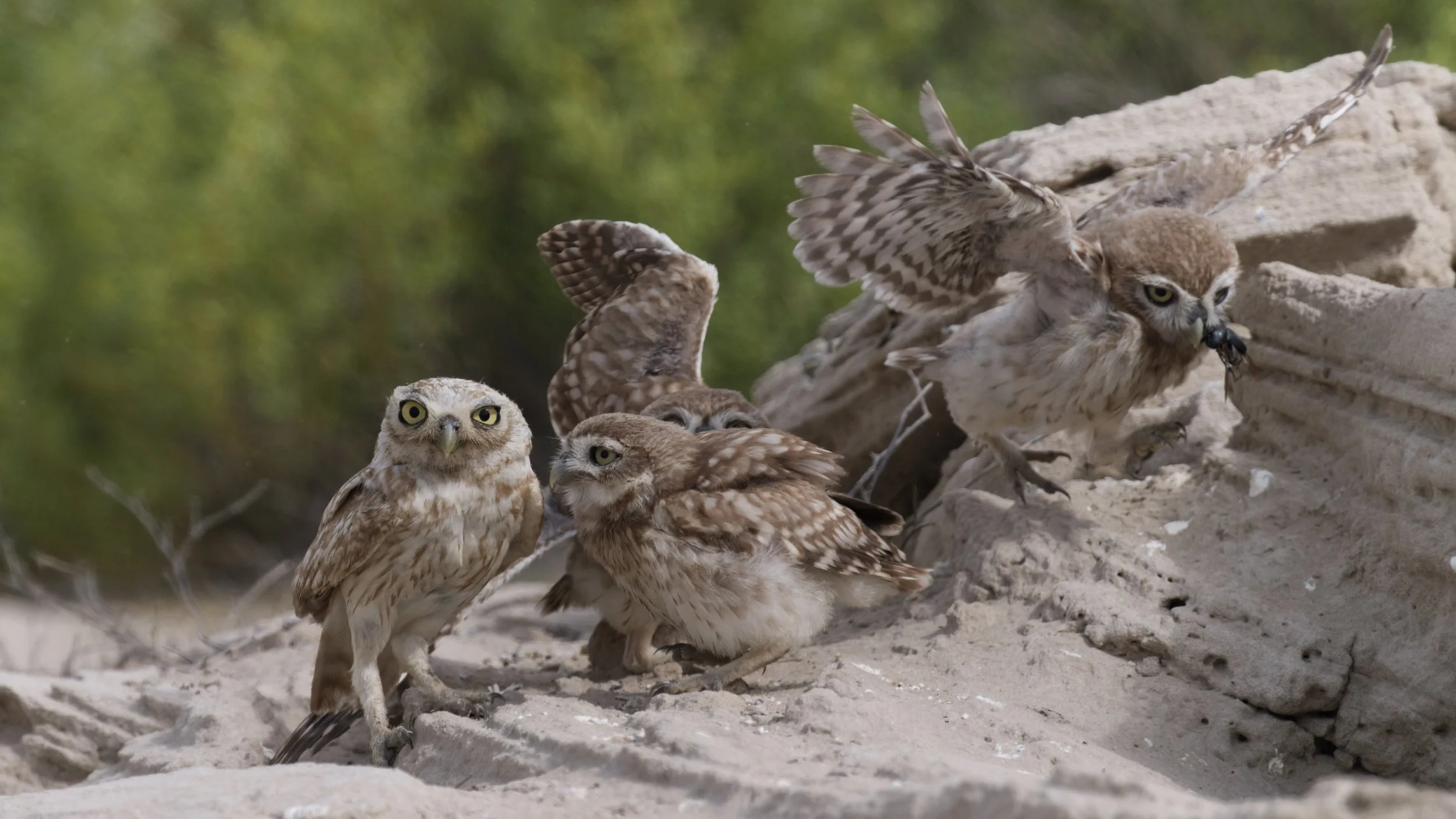
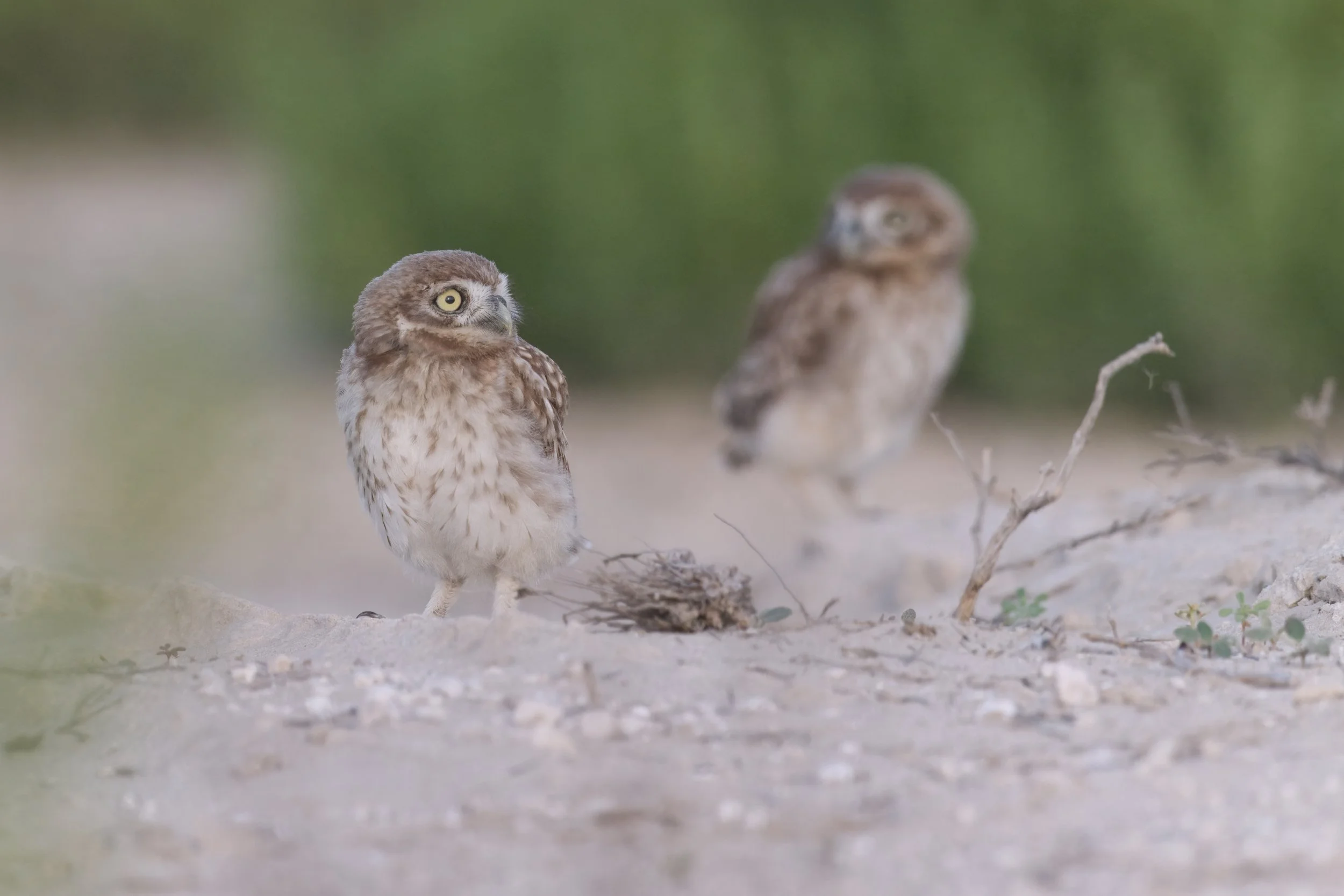
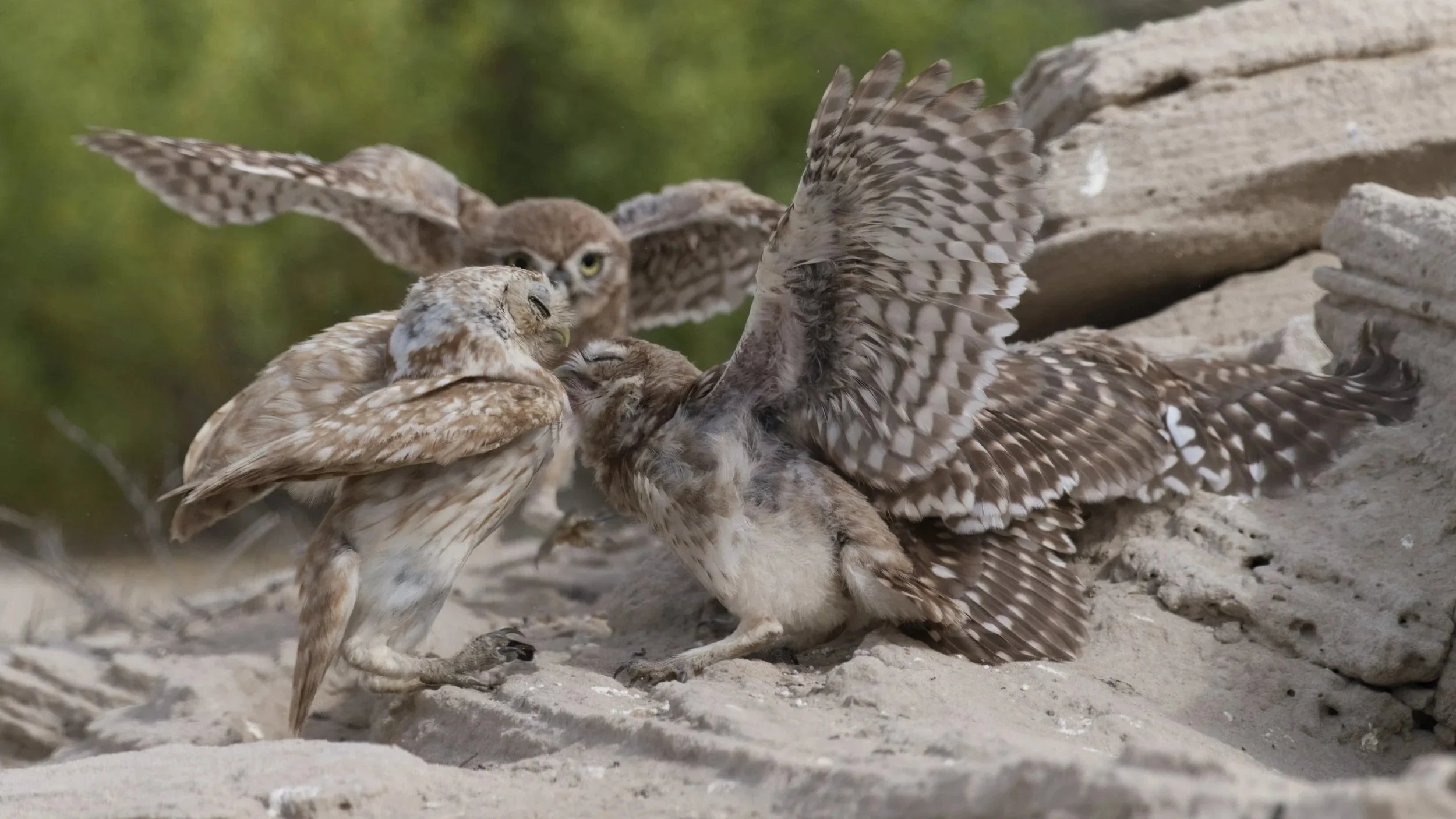
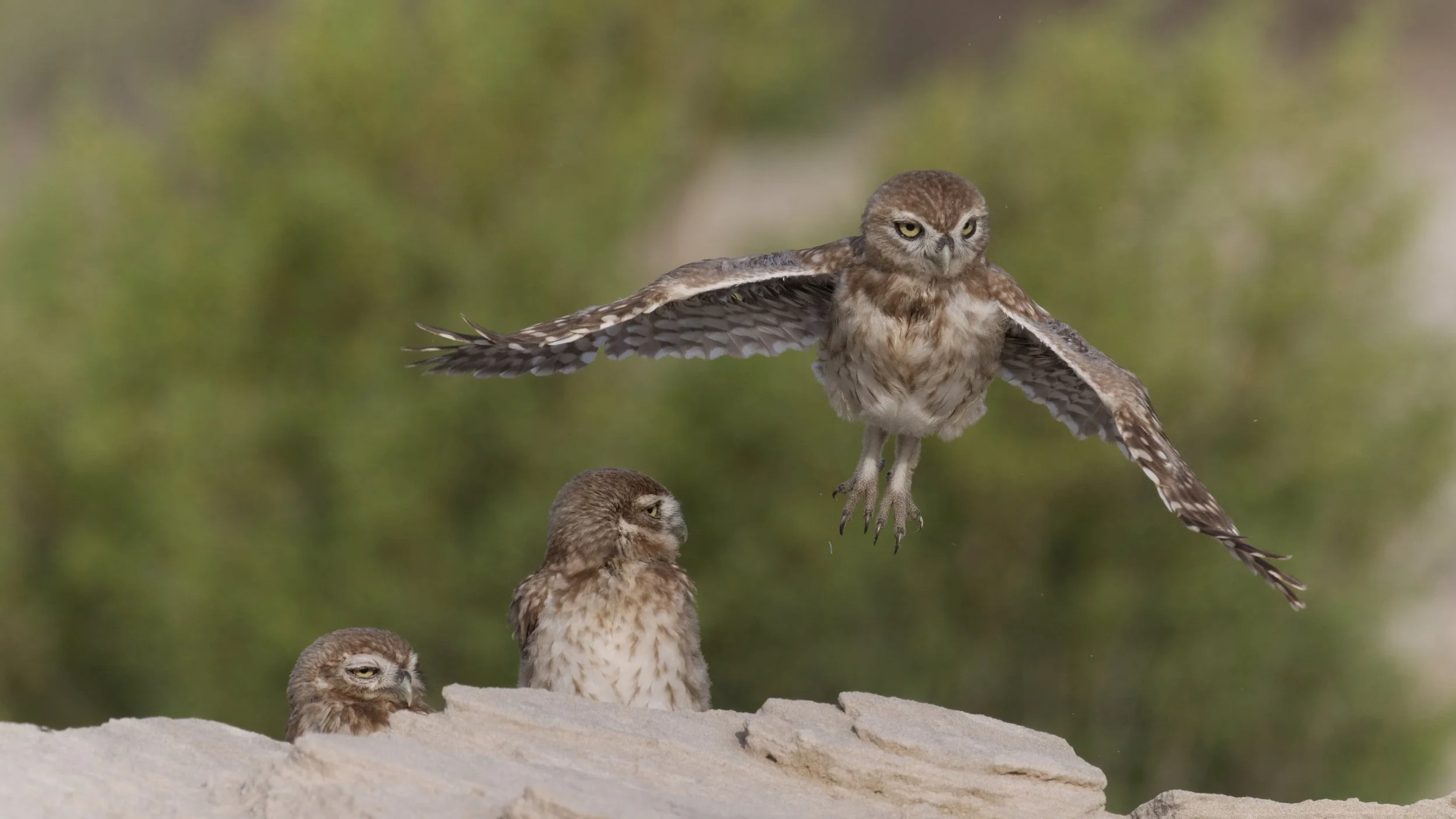
These young Little Owls were photographed in a natural setting where the structure of the land itself formed part of their refuge. The eroded shapes of the ground, the small cavity, the exposed rock, and the movement of the owlets all tell a story of early life, vulnerability, and adaptation. They also remind us that nesting sites are not ordinary wildlife locations. They are survival spaces.
A nest is not simply where a bird is found. It is where eggs are protected, where young birds are fed, where adults invest energy, and where the next generation depends on concealment, timing, and safety. For this reason, nest photography must always begin with one principle: the welfare of the bird comes before the image.
Is Nest Photography Even Legal?
Before discussing technique or field ethics, there is an important question every photographer should ask: is it legal to photograph this nest in the first place?
In some countries, photographing active nests, disturbing breeding birds, approaching protected species, or sharing information about sensitive nesting sites can be restricted or even illegal. The rules vary depending on the country, the species, the level of protection, the location, and whether the activity is considered disturbance. Some protected areas also have their own regulations, even when national laws are less specific.
This means that nest photography is not only a matter of personal judgment. It may also be a matter of law. A photographer should always check the relevant wildlife regulations, protected-area rules, permit requirements, and species protections before attempting to photograph any active nest, burrow, cavity, or breeding site.
Legal permission, however, should never be treated as the final ethical line. Something can be allowed and still be harmful if done carelessly. The law may define the minimum requirement, but ethical fieldwork should aim higher: no disturbance, no exposure, no manipulation, and no risk to the birds.
Why Nests Are Different
Many birds tolerate a distant observer when they are feeding, resting, or passing through an open habitat. Nesting birds, however, are tied to one location. They cannot simply move away without risk. Adults may delay feeding if they feel watched. Young birds may freeze, crouch, or expose themselves at the wrong moment. A photographer who stays too long or approaches too closely can unintentionally create pressure, even when the birds do not appear visibly panicked.
This is what makes nest photography ethically sensitive. The danger is not always dramatic or obvious. Sometimes disturbance looks like silence. An adult waiting away from the nest. A chick remaining still for too long. A parent changing its route. A bird watching the photographer instead of behaving naturally. These small signs matter.
Distance Is Part of the Photograph
A strong nest-related image should not depend on closeness. It should depend on patience, fieldcraft, and respect for the subject. Long lenses, careful positioning, and remaining still can allow natural behavior to continue without forcing the photographer into the birds’ private space.
In ethical wildlife photography, distance is not a weakness. It is part of the story. It means the bird was given room to behave normally. It means the photographer accepted the limits of the situation. It means the image was earned without taking something away from the subject.
The most meaningful photographs are often those where the animal continues its life as if the photographer was never there.
Never Change the Scene
Nest sites are rarely clean or perfect. There may be rocks, branches, shadows, dry grass, cavities, uneven light, or distracting foregrounds. But these elements are not obstacles to be removed. They are part of the bird’s chosen protection.
Ethical nest photography means never moving chicks, never clearing vegetation, never opening a cavity, never removing shade, never touching the nest, and never changing the structure of the site to improve a composition. A messy frame is better than a disturbed bird. A partially hidden subject is better than an exposed one. A natural photograph is more valuable than a controlled image that risks harm.
The environment around a nest is not a studio. It is part of the nest.
Natural Behavior Should Never Be Forced
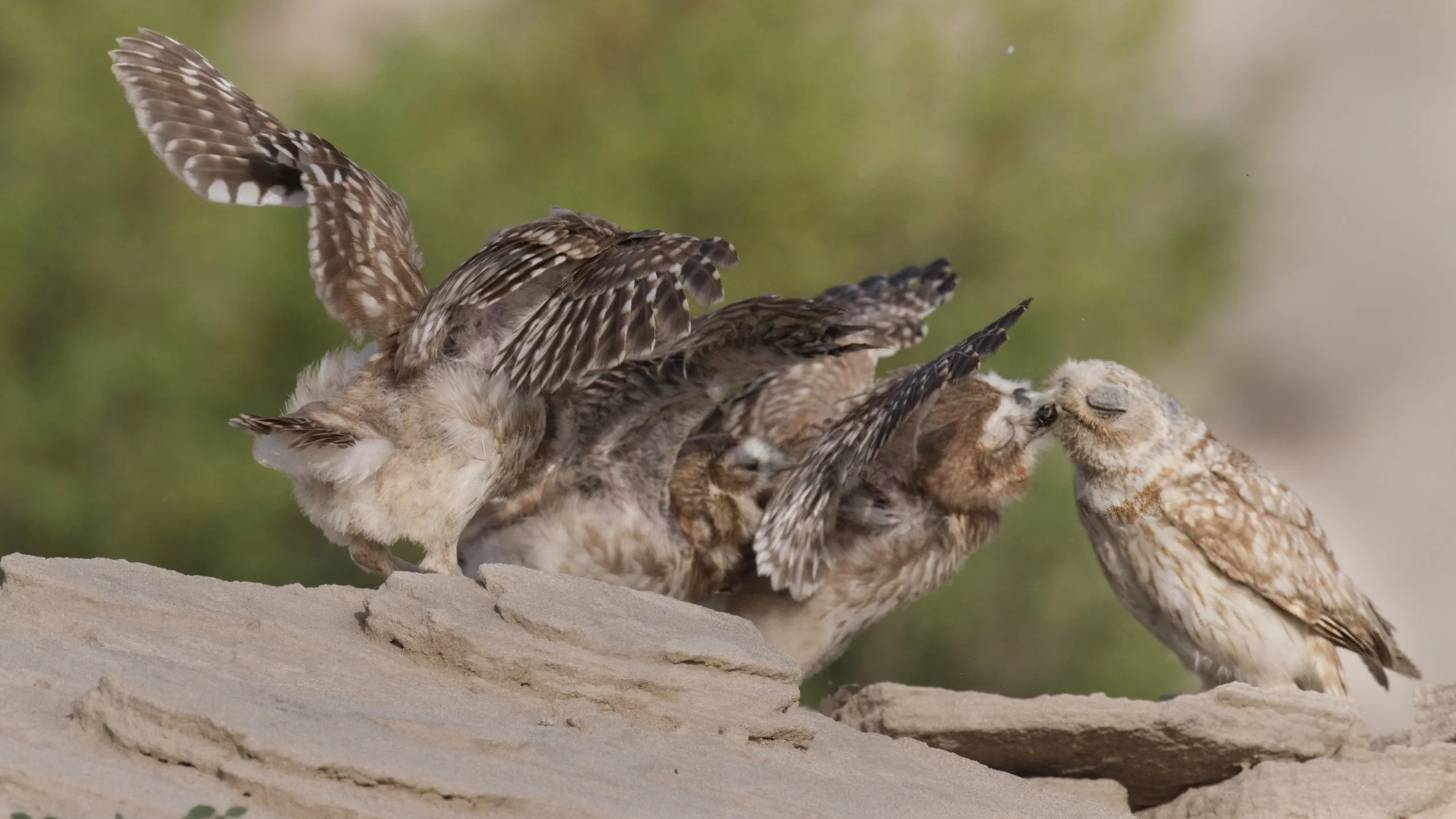
Some of the most powerful images near nesting sites are not portraits, but behavior. Young birds testing their wings. Siblings interacting. Adults returning with food. Juveniles stepping out of shelter for the first time. These moments carry emotional and documentary value because they are real.
But they must never be created by pressure. A photographer should never flush birds, use calls, bait a nest area, clap, whistle, throw objects, shake branches, or move closer just to create action. If the behavior happens naturally from a safe distance, it can be documented. If the behavior happens because the birds are reacting to the photographer, the image has already crossed a line.
Wildlife photography should record behavior, not manufacture it.
Protecting the Location
One of the most important parts of nest photography ethics happens after the photograph is taken. A nesting site should never be publicly exposed through exact locations, GPS tags, recognizable landmarks, repeated site descriptions, or behind-the-scenes content that allows others to identify the place.
Even if one photographer behaves responsibly, sharing a location can attract people who may not understand the sensitivity of the site. More visitors can mean more footsteps, more disturbance, more attention from predators, and more pressure on the birds.
For sensitive breeding species, protecting the location is part of protecting the image’s subject. The story can be shared without revealing the place.
Knowing When to Leave
Ethical photography also means knowing when the session must end. If adults stop approaching, if alarm calls increase, if young birds become tense, if they crouch or retreat repeatedly, if they stare continuously at the photographer, or if the scene begins to feel different because of our presence, it is time to leave.
Leaving early is not a missed opportunity. It is part of responsible fieldwork.
The best photographers are not only those who know when to press the shutter. They are also those who know when not to.
The Role of the Wildlife Photographer
Wildlife photography has the power to create awareness. A single image of a young owl, a parent feeding its chicks, or a hidden nest in a natural cavity can help people understand that wildlife is not distant or abstract. It is present, fragile, and often closer to us than we realize.
But awareness should never come at the cost of the subject. The purpose of wildlife photography is not to take from nature, but to help others see what deserves respect.
For this reason, every nest photograph should ask a quiet question: did the bird remain safe after the image was made?
If the answer is uncertain, the photograph was not worth it.
Final Thought
Nest photography is not about how close we can get. It is about how carefully we can witness a fragile moment without changing its outcome.
In the Little Owl family photographed for this story, distance was the most important decision. I used an 800mm lens with a 1.4x teleconverter, which allowed me to remain well outside their space while still documenting the scene. I also positioned myself at a side angle from the nest entrance, rather than directly in front of it. This meant the owlets could choose whether to show themselves or remain hidden. They still had control over their shelter, their movement, and their visibility.
My aim was to minimize my impact and remain a distant observer, not to impose my presence on the nest. I stayed for around three hours, quietly observing from a very good distance, and photographed only what the birds naturally gave me. When the session ended, I left — and I never returned for a retake.
That choice matters. Around nests, the goal should never be to keep going back until the perfect frame appears. The goal is to document responsibly, reduce pressure, protect the location, and leave the birds with their routine intact.
A young bird at the entrance of a nest, a parent returning with food, or siblings testing their wings are powerful scenes because they belong to the birds first. As photographers, our role is to document without pressure, to protect the location, and to leave no trace of our presence except the image itself.
The photograph matters — but the life behind it matters more.