Herping With Respect: The Ethics of Wildlife Encounters After Dark
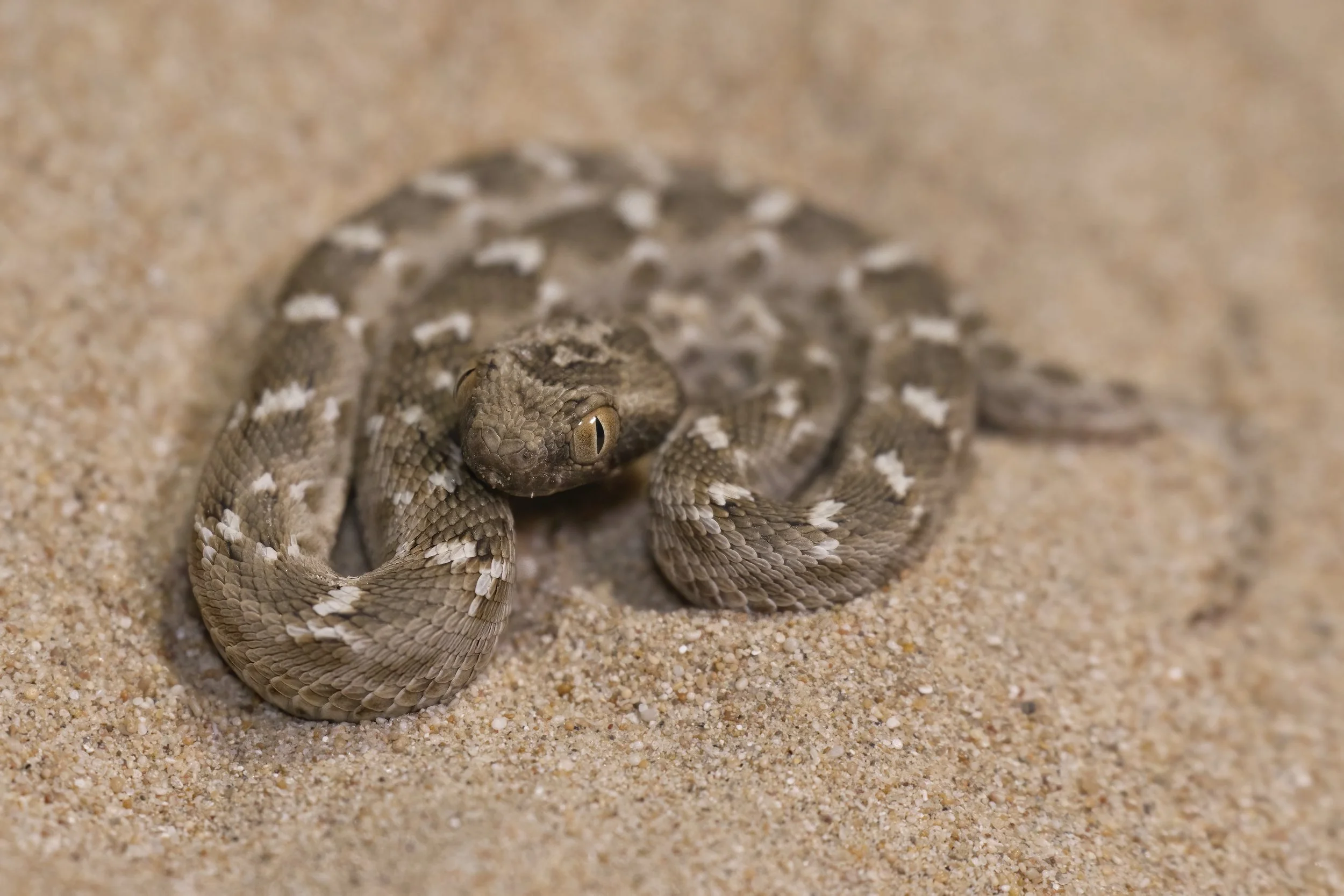
Herping season in the UAE opens a door to a side of the desert that many people never see. After sunset, the landscape changes. The heat begins to drop, the sand cools, and species that remain hidden during the day begin to move quietly through the night.
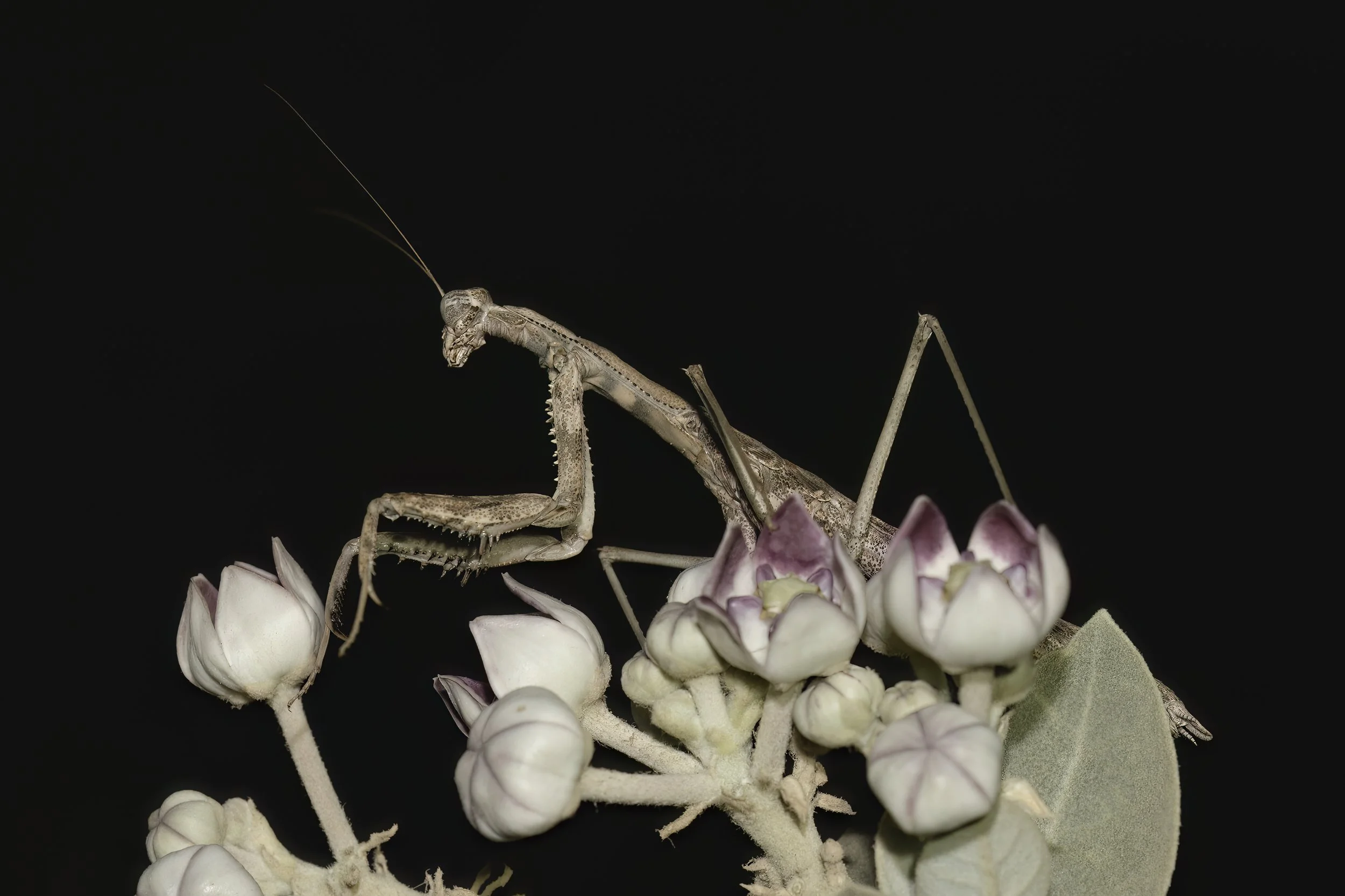
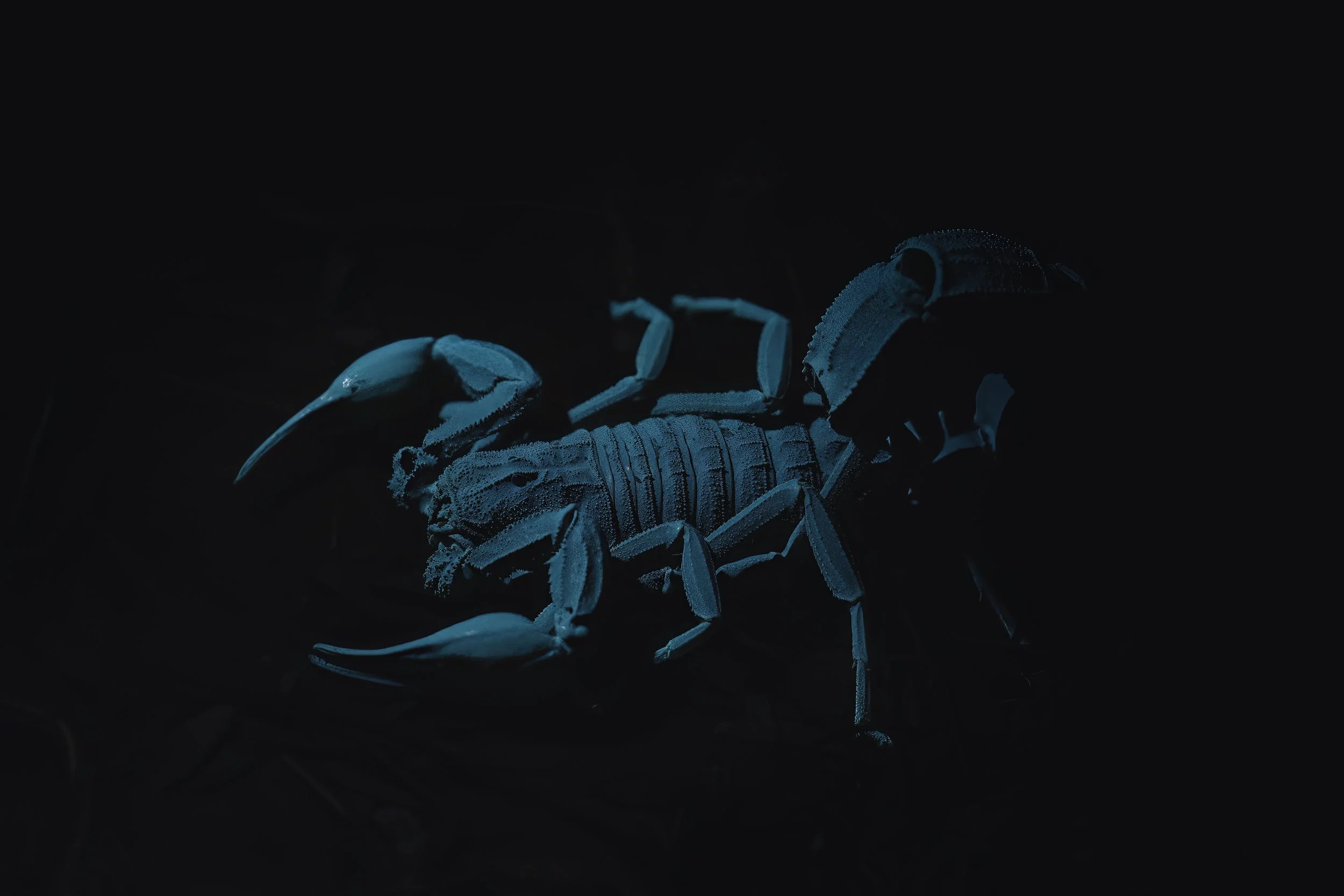
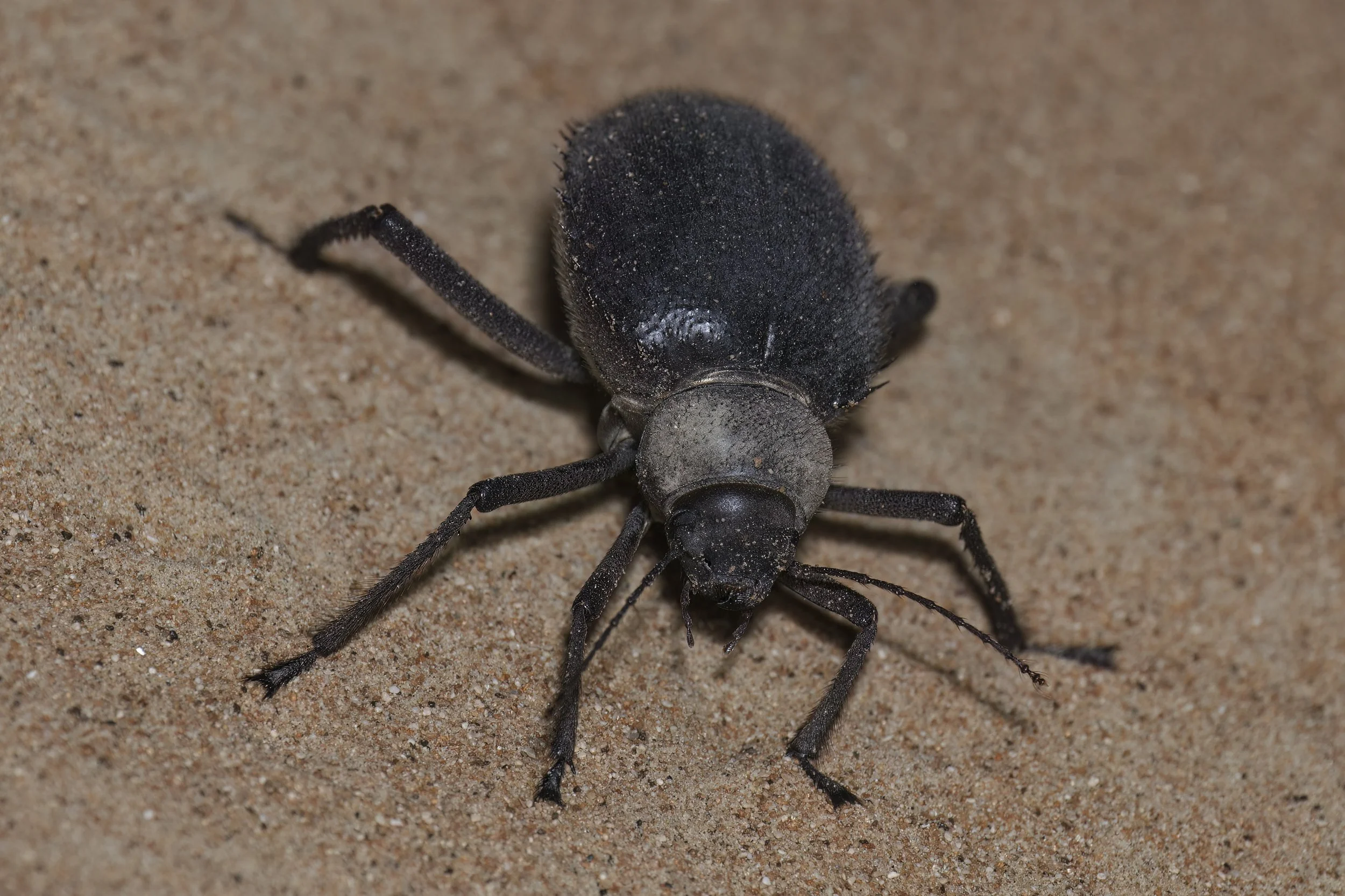
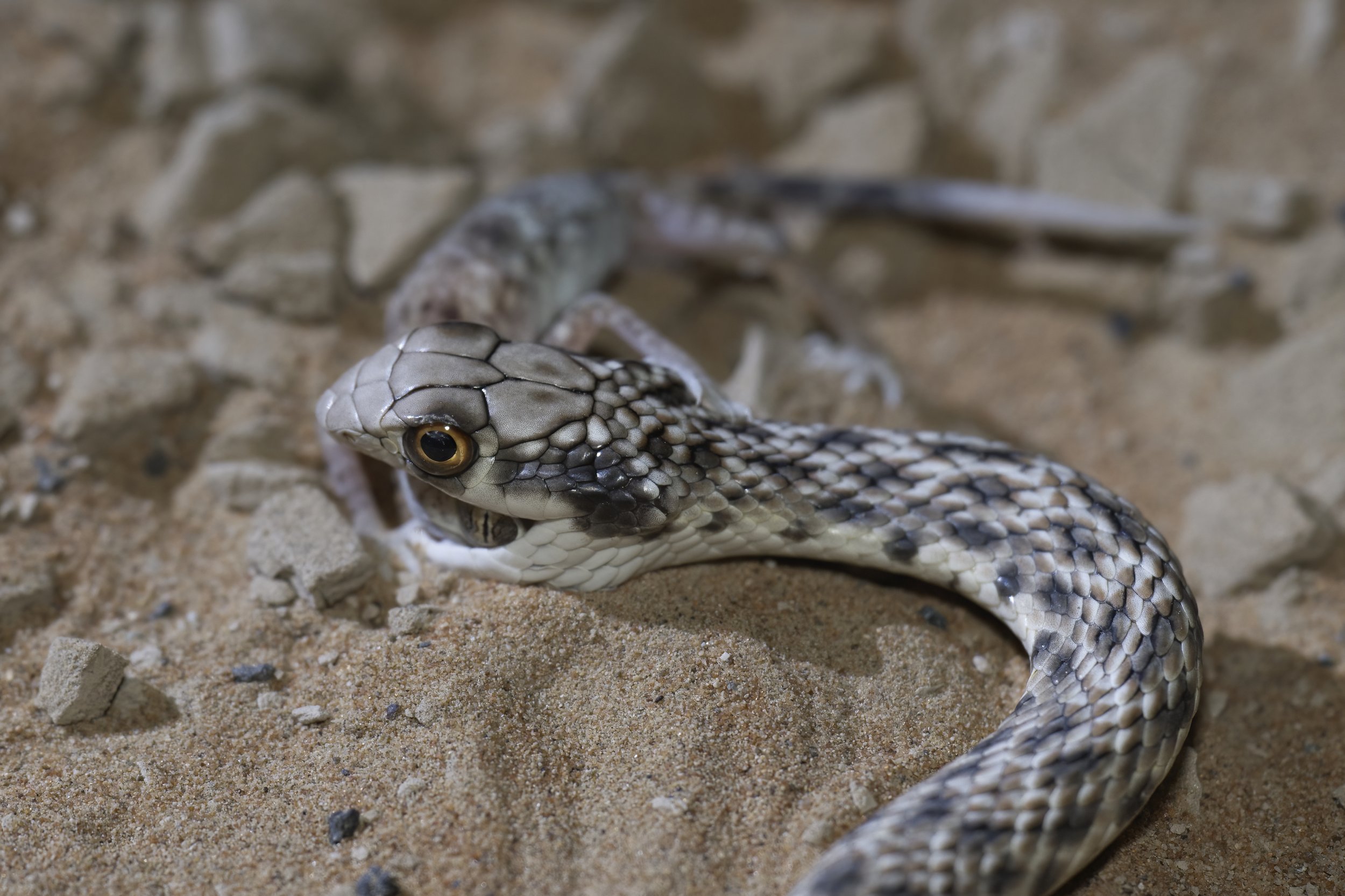
For many people, this is the first time they understand that the desert is not empty. It is alive with reptiles, geckos, snakes, lizards, insects, tracks, burrows, and small movements that only reveal themselves when we slow down and look carefully.
Recently, after one of our herping trips, a client shared these words:
“We left every animal we found the same way we found it, and as a fellow conservationist and wildlife lover, that is something extra and very important. It should be applied by more people.”
These words matter because ethical herping is not only about finding wildlife. It is about how we behave once we find it.
Herping Is a Privilege, Not a Performance
Reptiles and nocturnal wildlife are often misunderstood. Many people fear snakes, overlook geckos, or think of desert species as dangerous or unimportant. In reality, these animals are part of a delicate system. They control insects and small prey, feed larger predators, and survive in some of the harshest conditions in the region.
When we enter their world at night, we are visitors.
That means the goal should never be to force an interaction, stage a dramatic photograph, move an animal without reason, or keep it exposed for too long. The real reward is to witness natural behavior without changing it.
A good herping experience should end with one simple result: every animal remains safe, respected, and able to continue its night as naturally as possible.
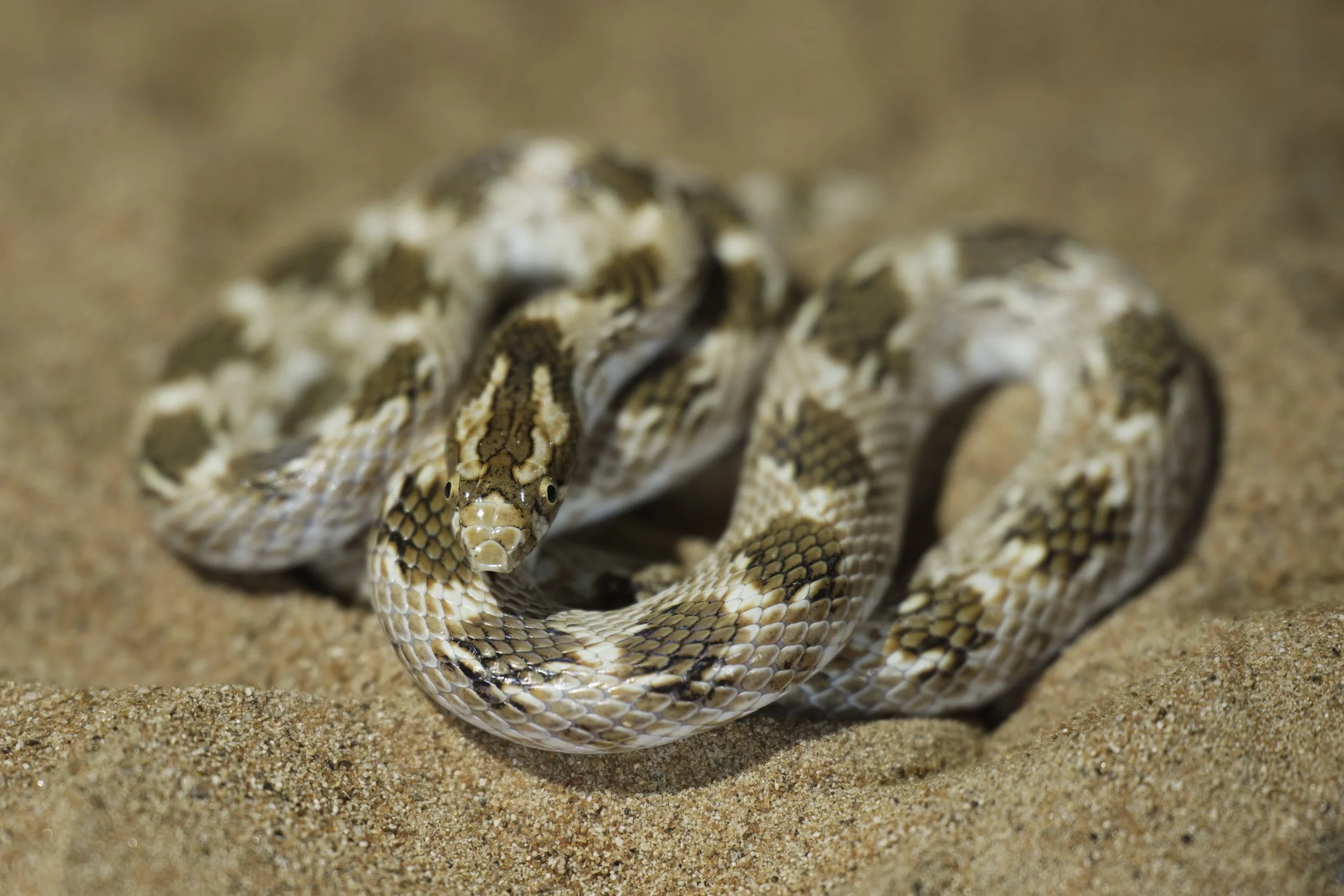
Hands-Off by Default
One of the most important principles in ethical herping is to keep wildlife untouched whenever possible.
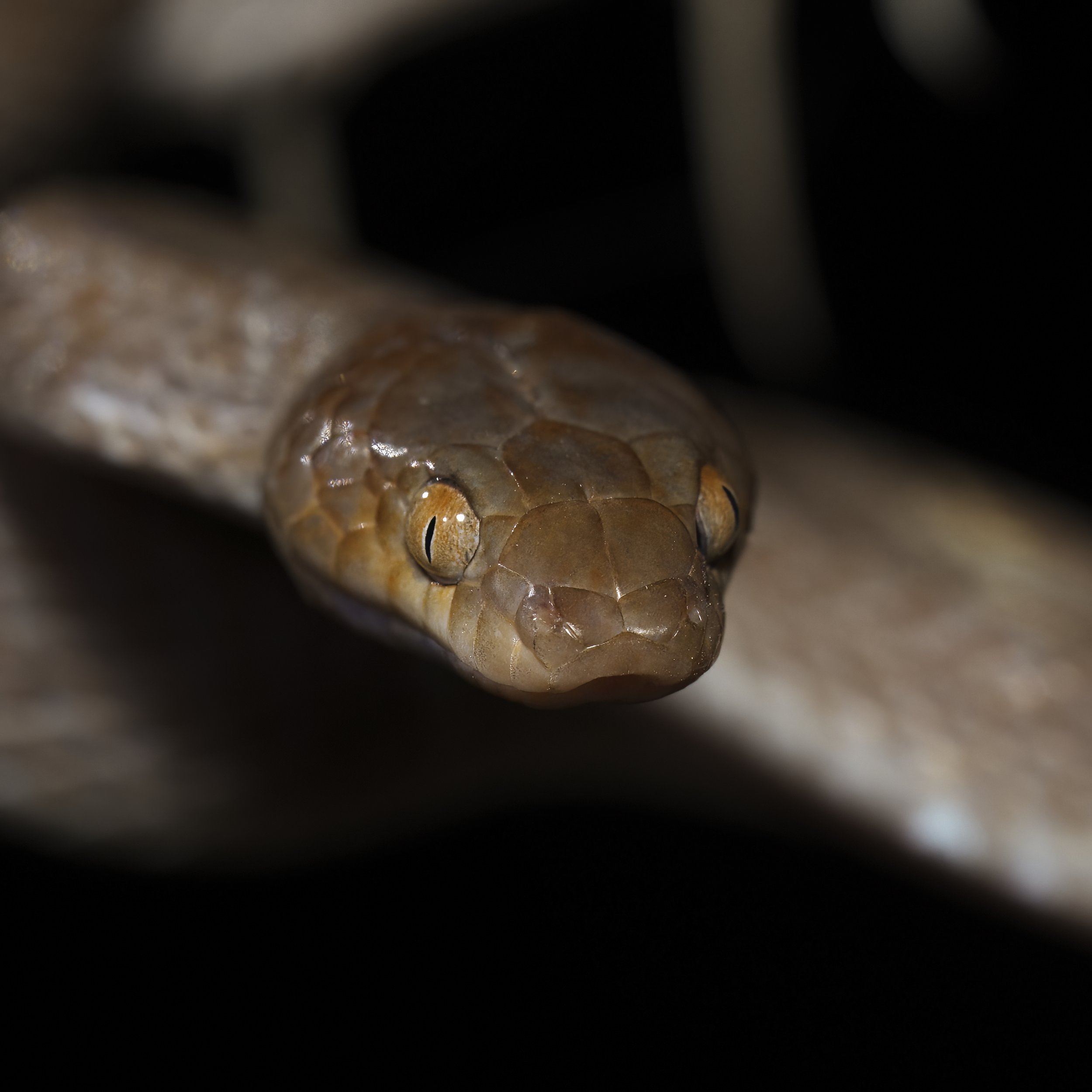
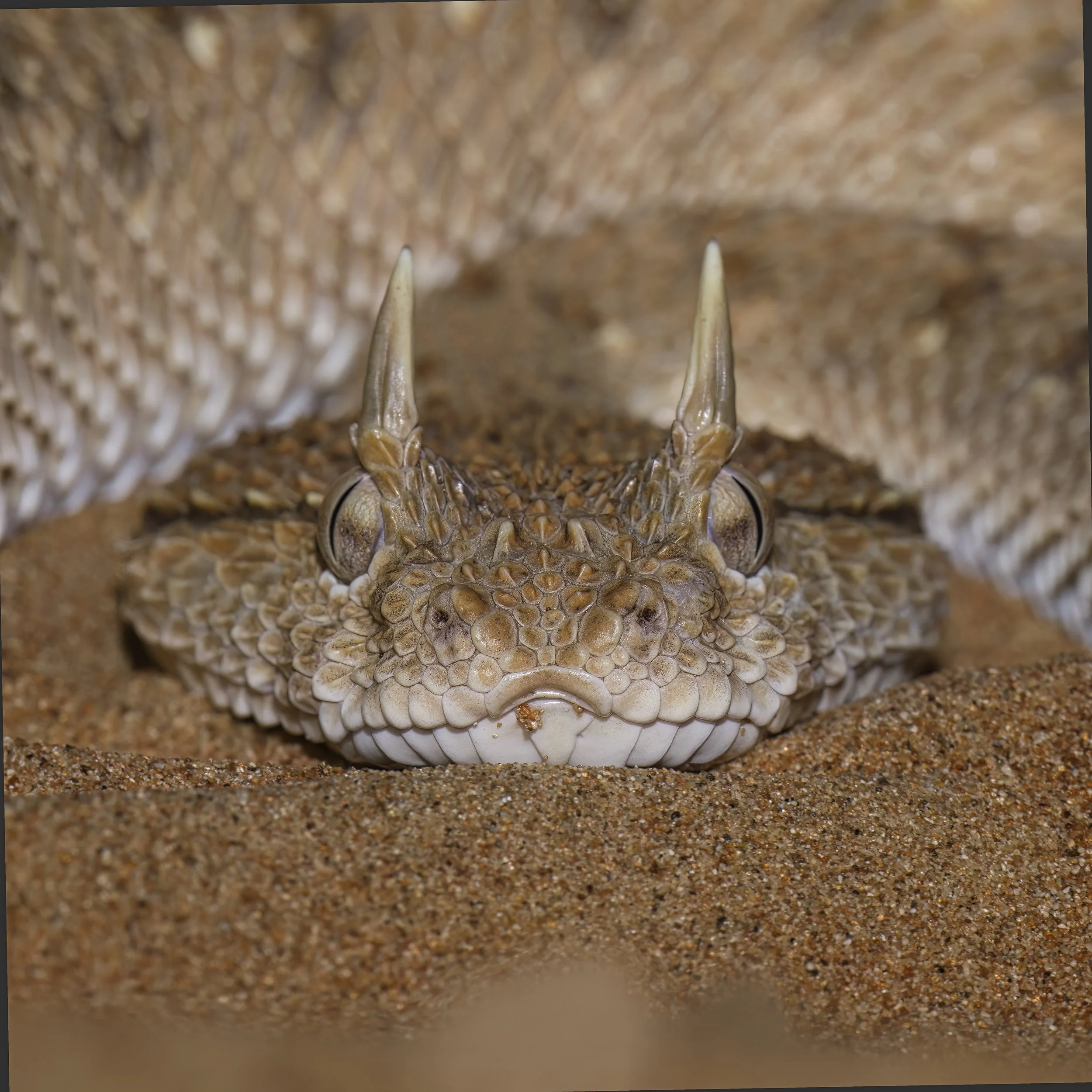
In most situations, the best approach is simple: observe, photograph, explain, and leave the animal exactly where it was found. Reptiles should never be handled for entertainment, staged photographs, curiosity, or to create a more dramatic experience.
However, ethical fieldwork also includes education. Many people arrive with fear, especially toward snakes and reptiles. In some and carefully judged situations, very limited contact may help someone understand that these animals are not monsters, but living species that deserve respect.
Even then, touching is never the main goal. It must only happen when the species, situation, and safety conditions allow it, and it should be brief, calm, and focused on learning rather than excitement. The animal’s welfare always comes first.
Our main approach remains hands-off. We observe, explain, and respect the animal’s space. If contact happens, it is not for a photo or a performance. It is only used as a controlled educational moment to replace fear with understanding.
For us, the best herping experience is not one where people control wildlife. It is one where they leave with more respect for it.
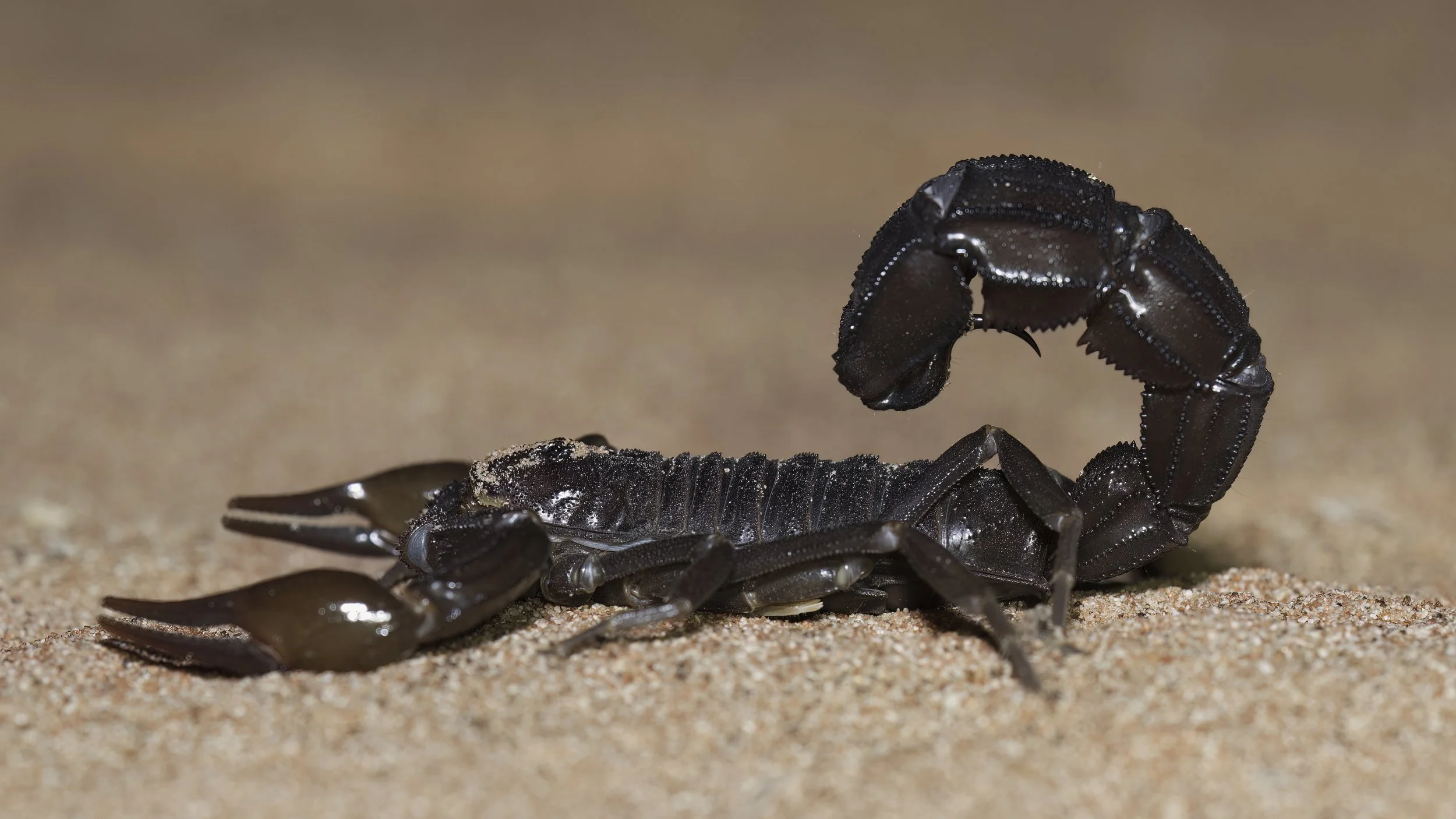
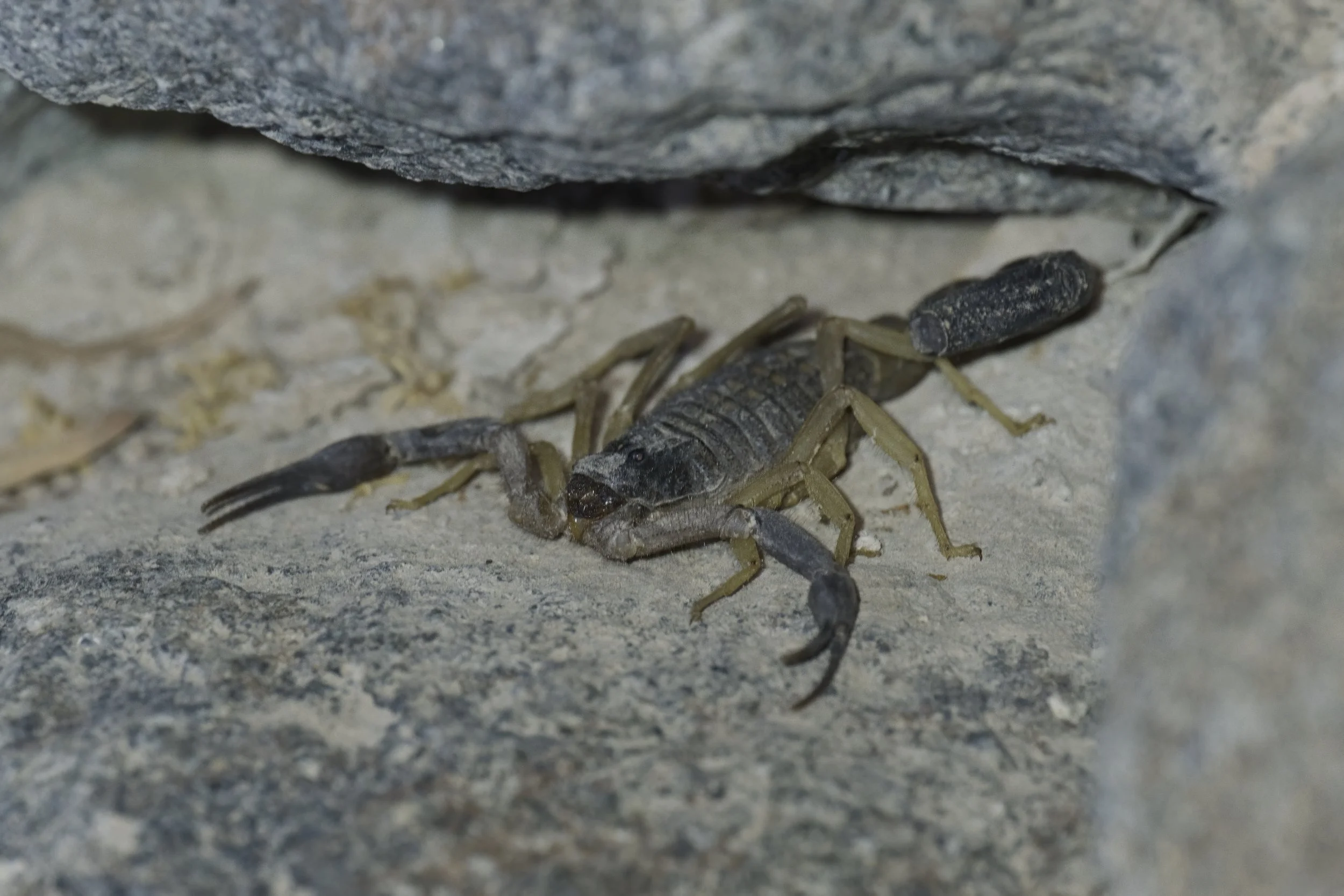
Never Force a Reaction
A responsible wildlife encounter should never depend on forcing an animal to react.
Some people try to make snakes open their mouths for a dramatic photo, or disturb geckos so they lick their eyes for the camera. This kind of behavior is not ethical. It may look interesting in a photograph, but it is no longer natural behavior. It is a reaction caused by pressure.
Wildlife should not be provoked, stressed, or manipulated to create content.
A snake opening its mouth, a gecko licking its eye, a lizard freezing in place, or any defensive reaction should not be treated as a performance. These are living animals responding to stress, pressure, or disturbance.
At 360 Photography Nature, we do not blow on, corner, pressure, or provoke animals to create reactions for photographs. If a behavior happens naturally, we may document it carefully from a respectful distance. If it does not happen, we accept the moment as it is.
The best wildlife photography is not about making an animal do something. It is about having the patience to witness what the animal does naturally.
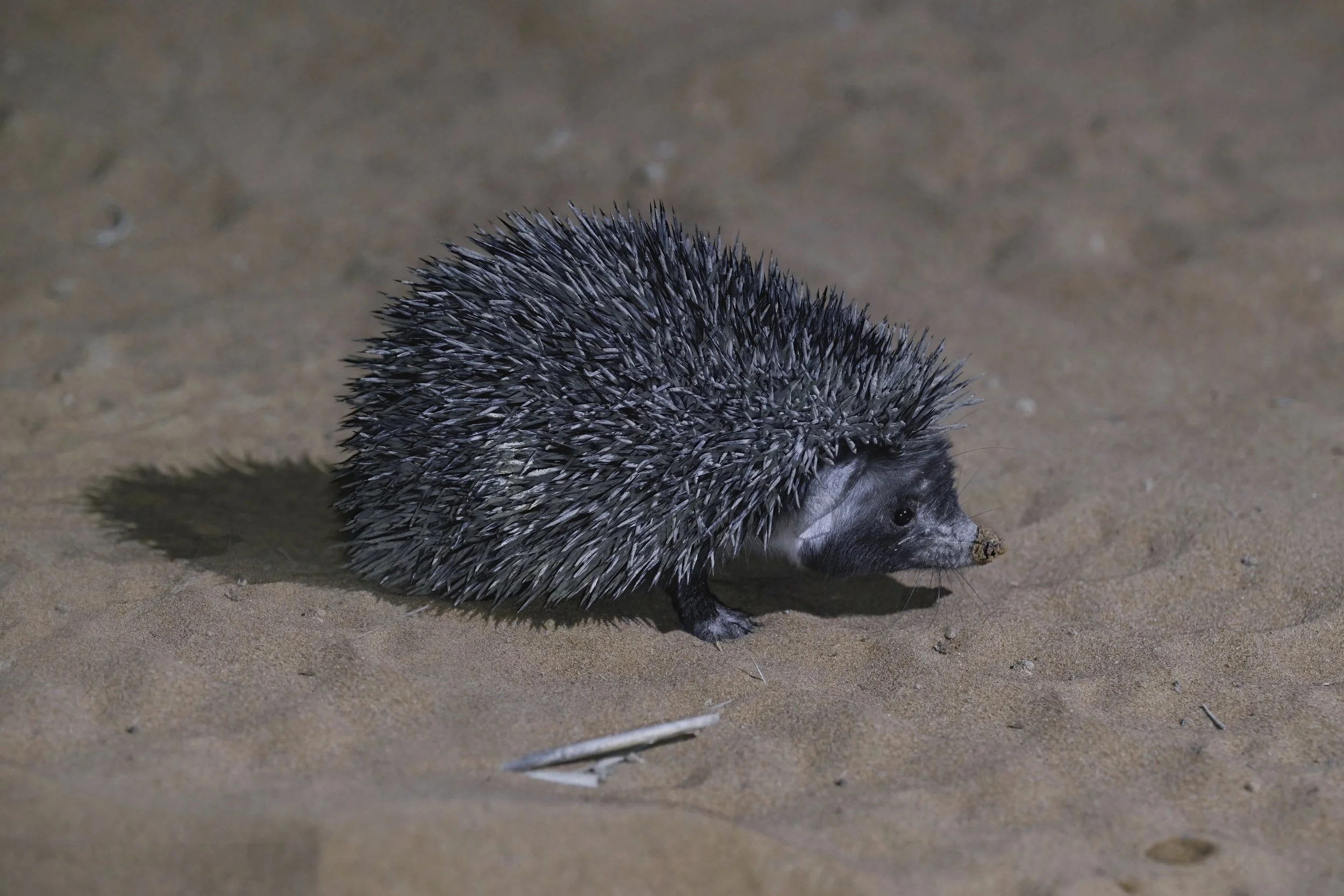
Keep Photography Time Short
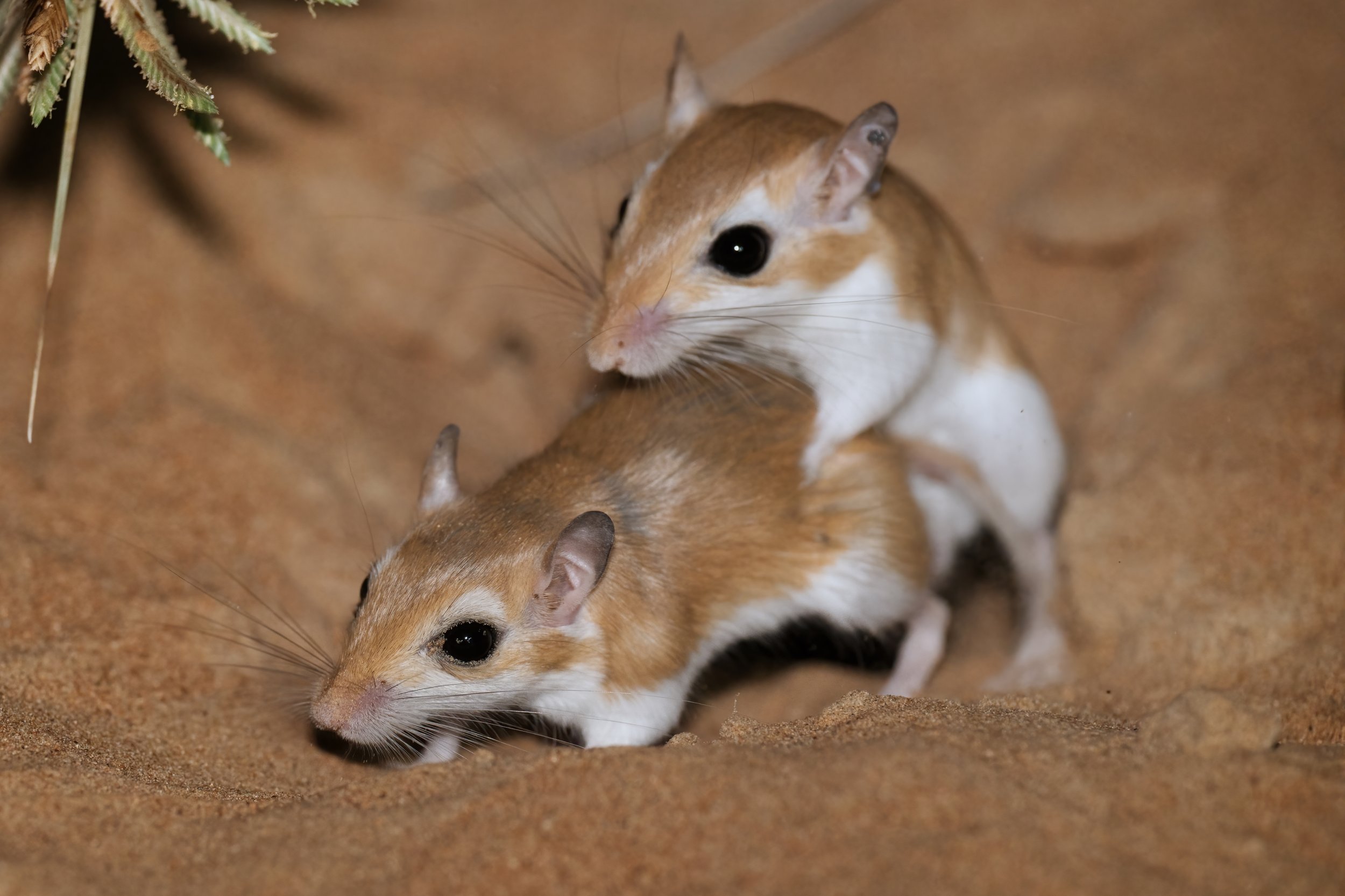
Finding a rare or beautiful species can be exciting, especially for photographers. But excitement should never become pressure on the animal.
Extended photography sessions can keep an animal exposed for too long, delay its movement, interrupt hunting, or increase stress. Night wildlife often has a narrow window of activity. Every minute matters.
A responsible photographer takes a few careful images, watches the animal’s behavior, and knows when to stop.
Sometimes the best ethical decision is to lower the camera and simply watch.
Do Not Disturb Feeding, Hunting, or Natural Behavior
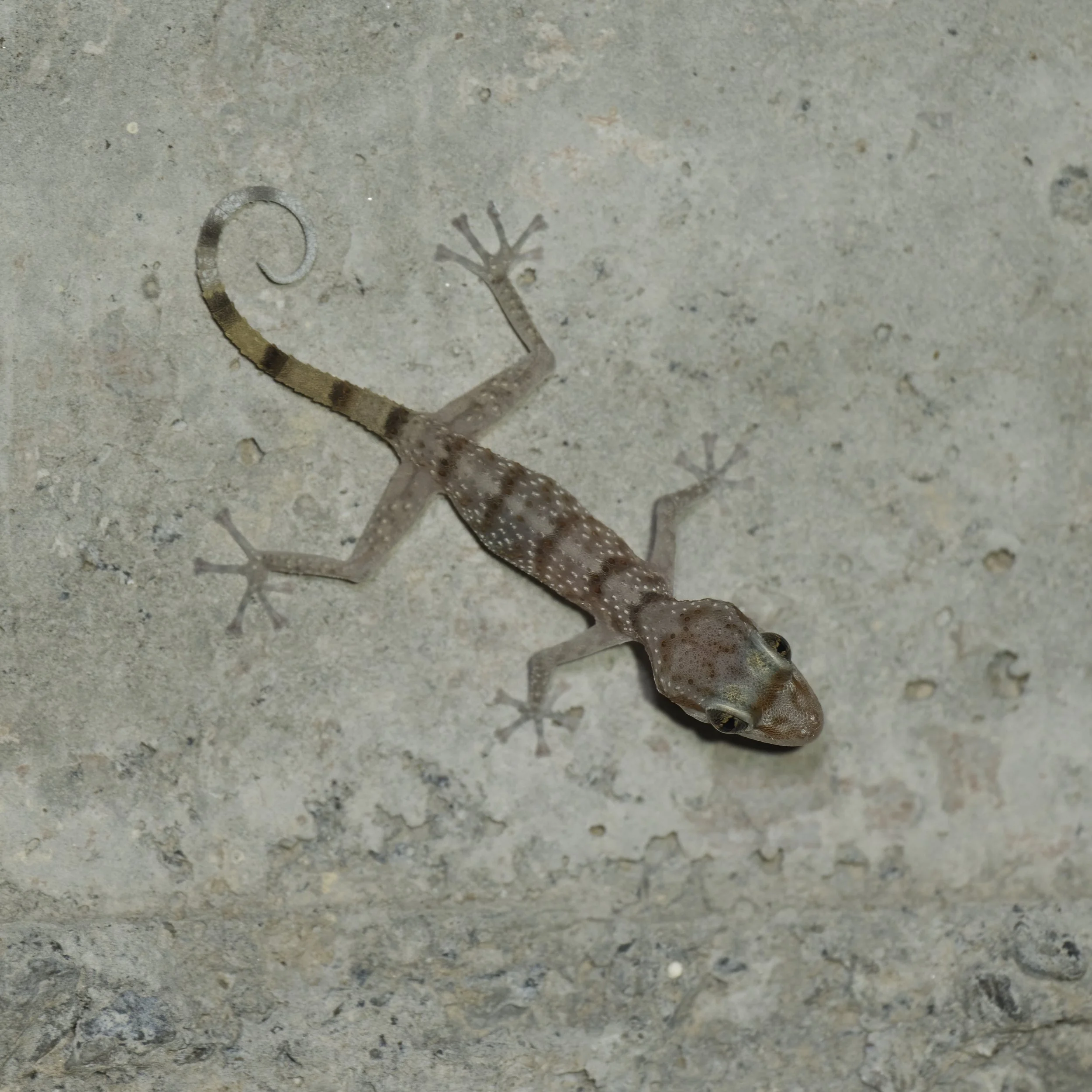
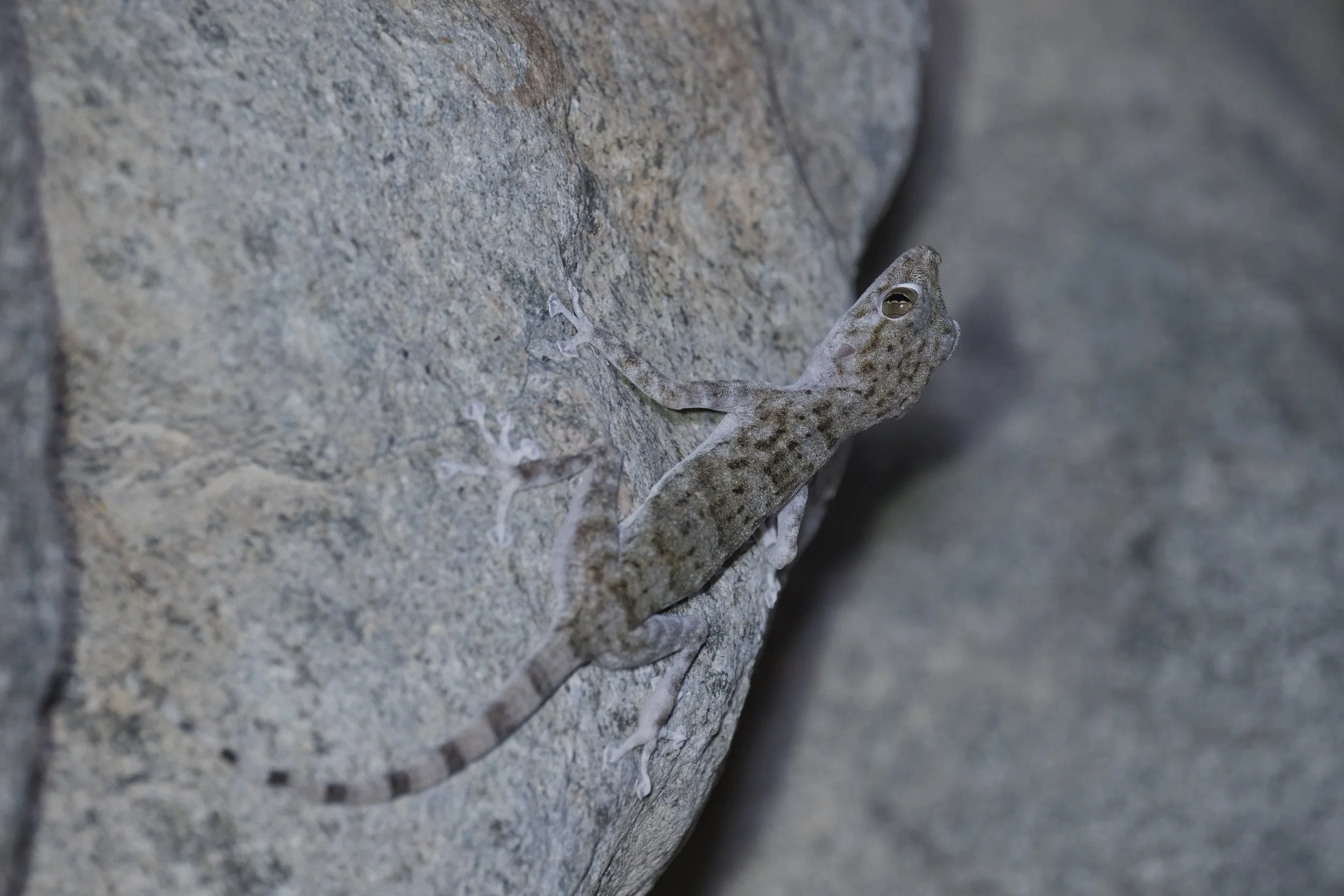
One of the most important moments to avoid interference is when an animal is eating, hunting, mating, shedding, hiding, or entering a burrow.
These are not moments to approach closely or create pressure.
If a snake is hunting, a gecko is feeding, or a reptile is focused on prey, moving too close can disturb the behavior and cost the animal energy or a successful meal. In the desert, energy is not wasted. Survival depends on timing, patience, and precision.
Wildlife photography should document behavior, not disrupt it.
Respect Shelter, Burrows, and Hiding Places
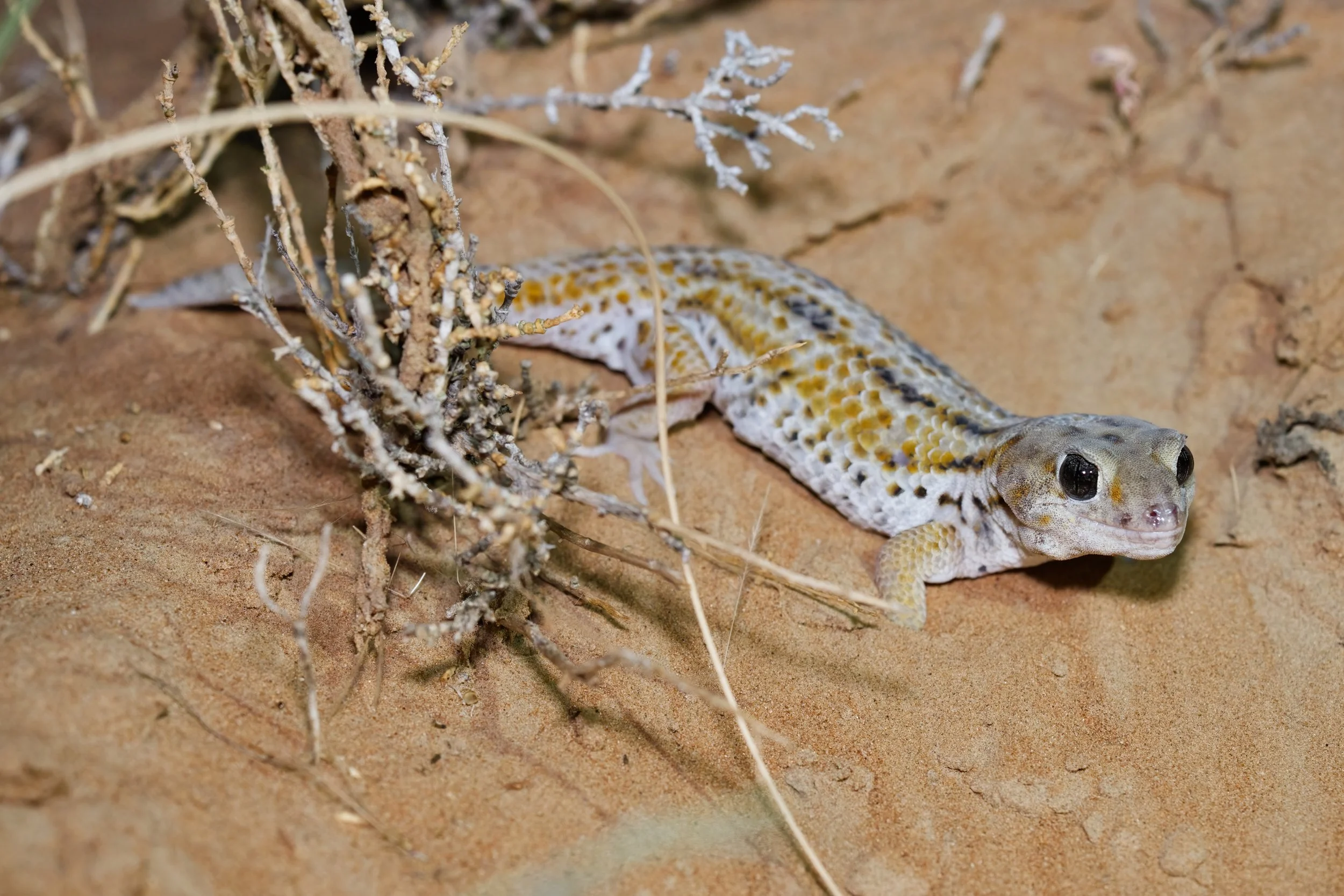
Many desert species survive by staying hidden. Burrows, rock crevices, shrubs, and shaded areas are not just background elements. They are part of the animal’s survival system.
Ethical herping means avoiding damage to shelters and leaving the habitat as it was found. Rocks, logs, natural cover, and hiding places should not be carelessly disturbed. The habitat deserves the same respect as the animal.
When we protect the shelter, we protect the species.
Light, Noise, and Group Pressure Matter
Herping often happens at night, which means artificial light is part of the experience. But light should be used carefully.
Strong lights, repeated flashing, loud voices, sudden movements, and too many people surrounding one animal can create unnecessary stress. A calm approach is always better: slow movement, low pressure, quiet observation, and enough distance for the animal to continue behaving naturally.
The best herping trips are not rushed. They are quiet, focused, and respectful.
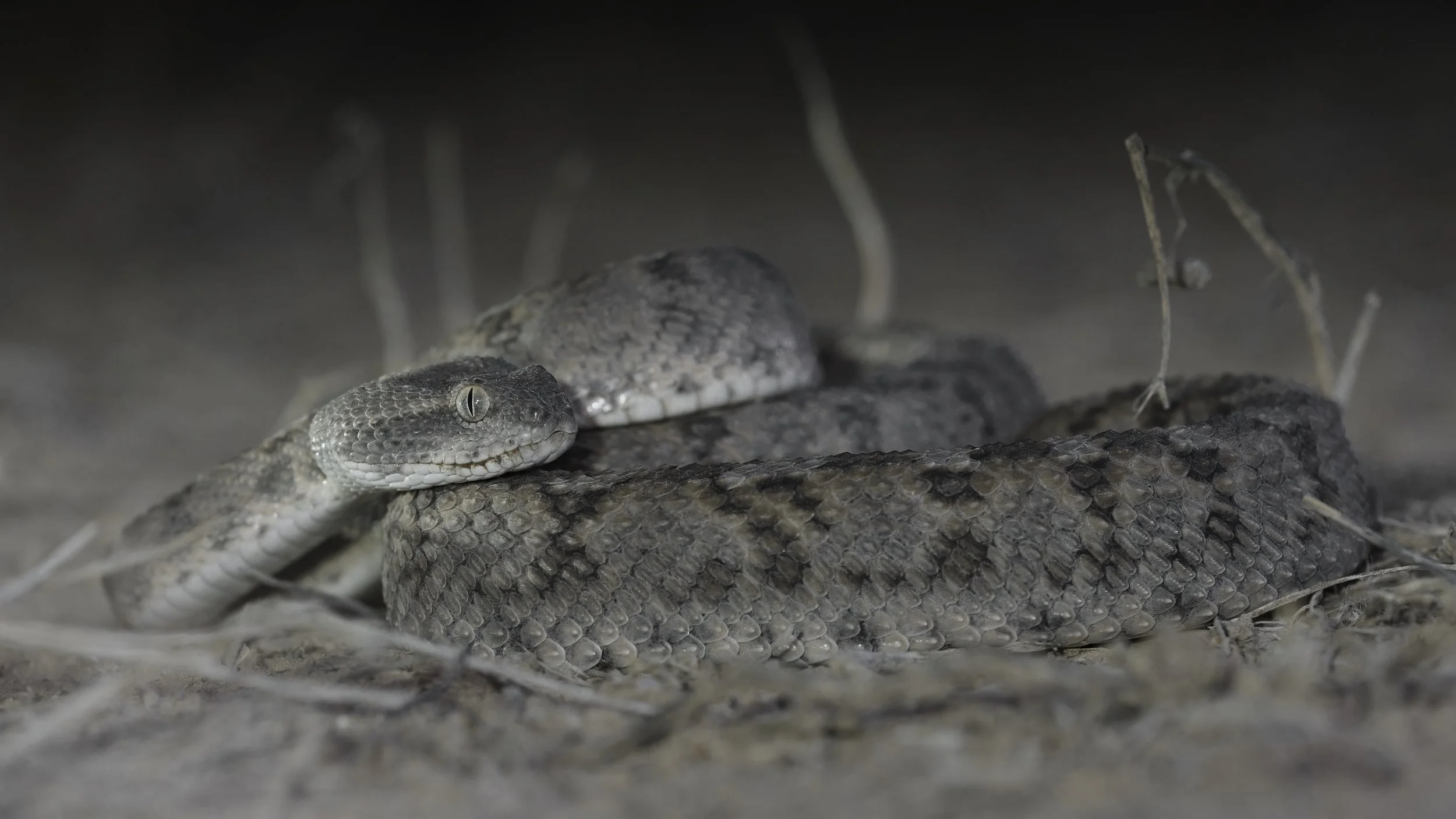
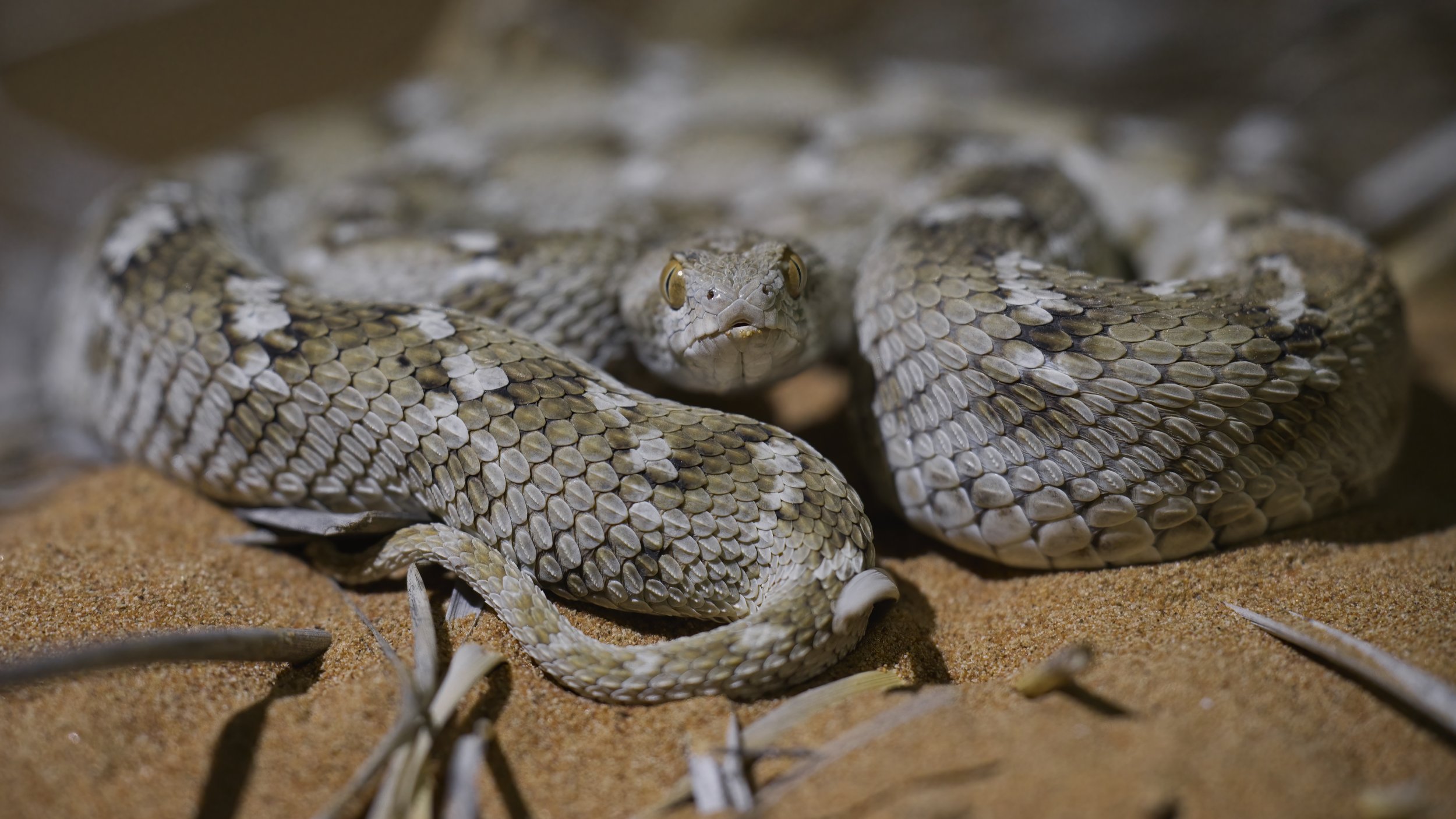
Ethical Herping Builds Better Experiences
Ethics do not make the experience weaker. They make it stronger.
When people see wildlife behaving naturally, they understand it better. They learn that snakes are not monsters, geckos are not ordinary wall creatures, and the desert is not empty land. They begin to see the hidden life of the UAE with more respect.
This is the real value of herping.
It is not about collecting sightings.
It is not about chasing photographs.
It is not about proving control over wildlife.
It is about entering the field with patience, knowledge, and responsibility.
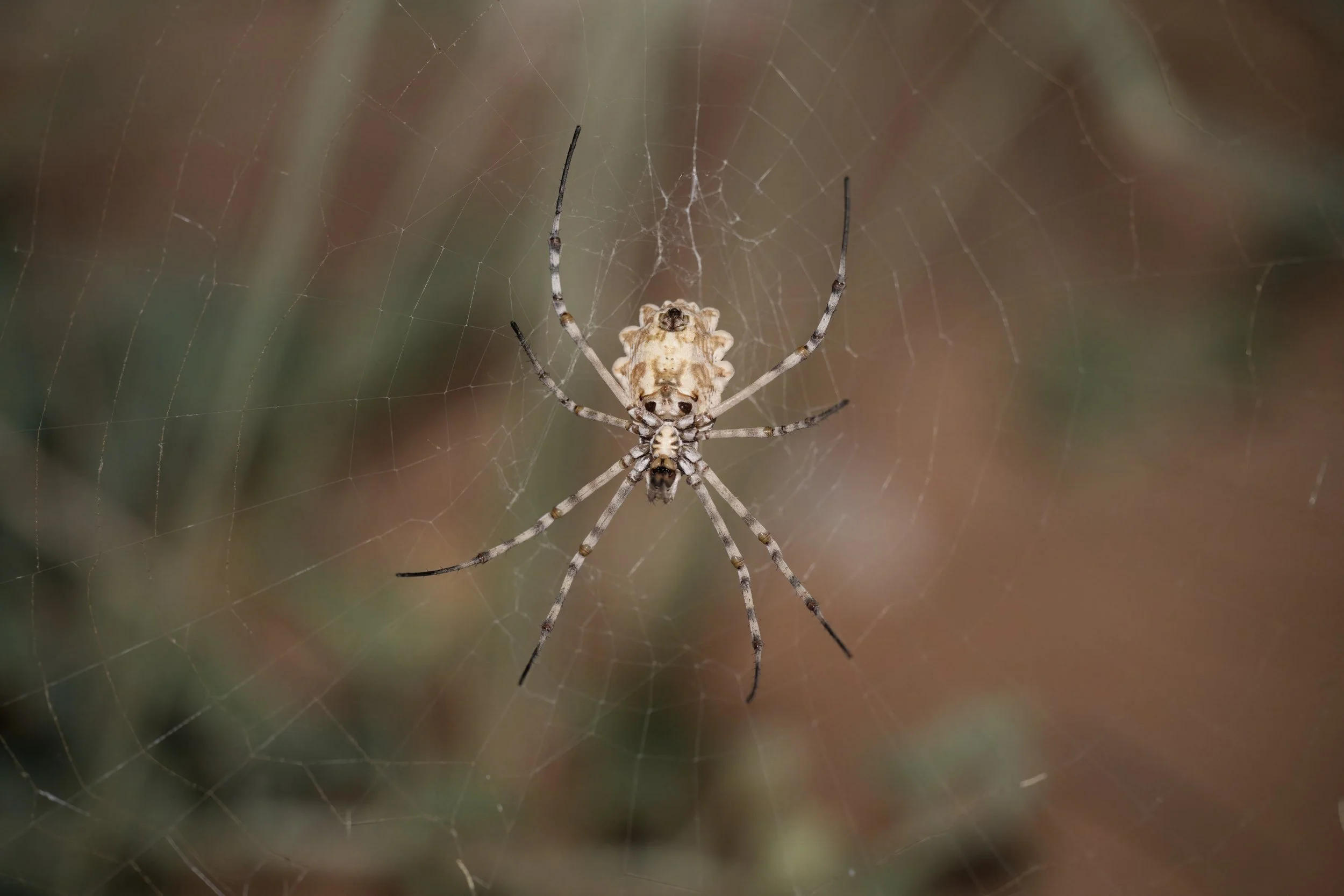
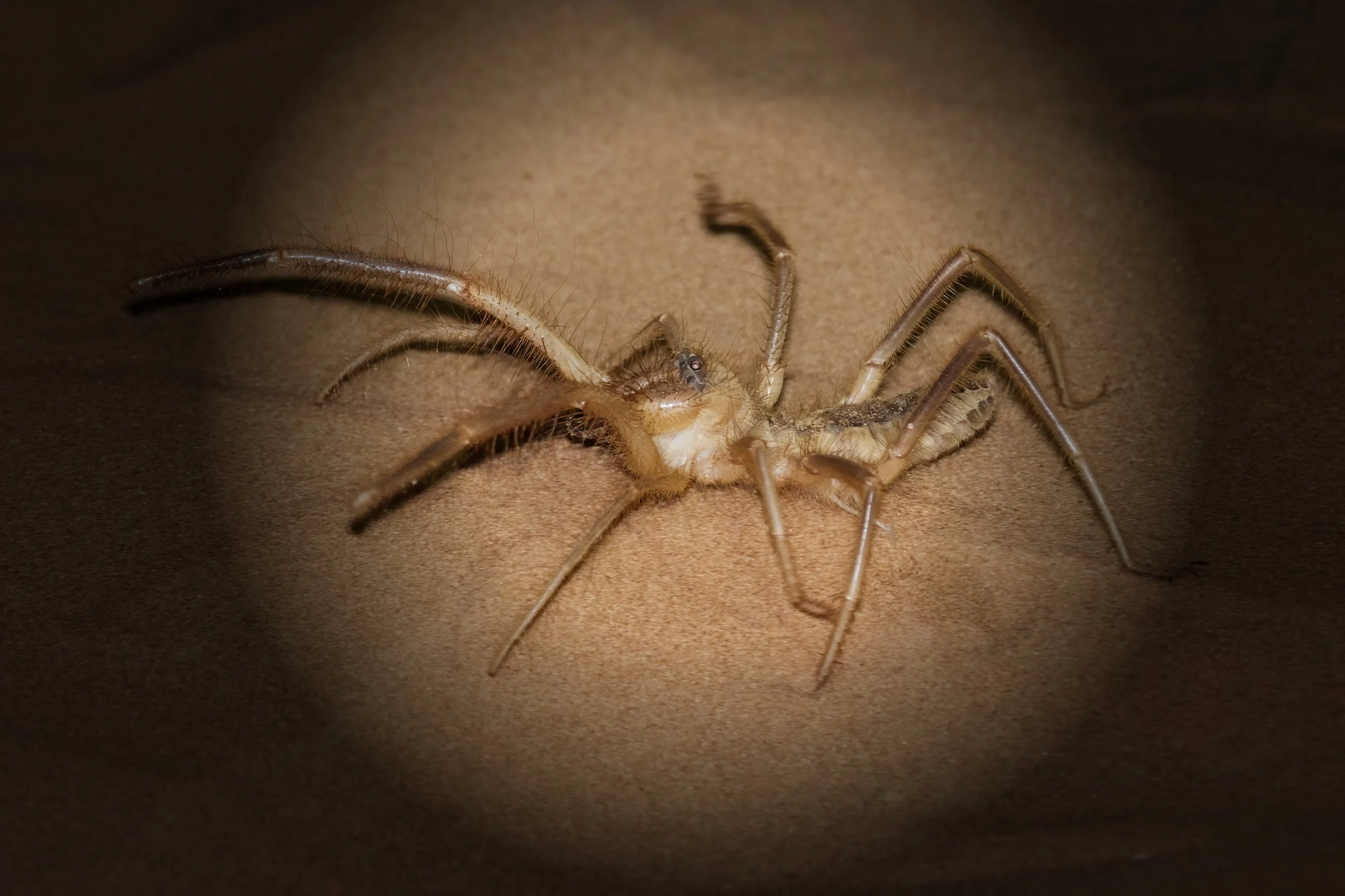
Education Before Judgment
Not every bad practice comes from bad intention.
Some people touch, move, or provoke animals simply because they have never been taught another way. They may have seen others doing it, copied what they found online, or believed that controlling an animal is normal in wildlife photography.
This is why education matters.
Ethical herping is not about judging people. It is about raising the standard. When people understand that blowing on a gecko, forcing a snake to open its mouth, relocating an animal for a photo, or keeping it exposed for too long can cause stress, many will choose a better approach.
Most people care once they understand the impact.
Our role is to show that there is another way: slower, calmer, more respectful, and better for both the animal and the experience.
The more we teach, the more wildlife benefits.
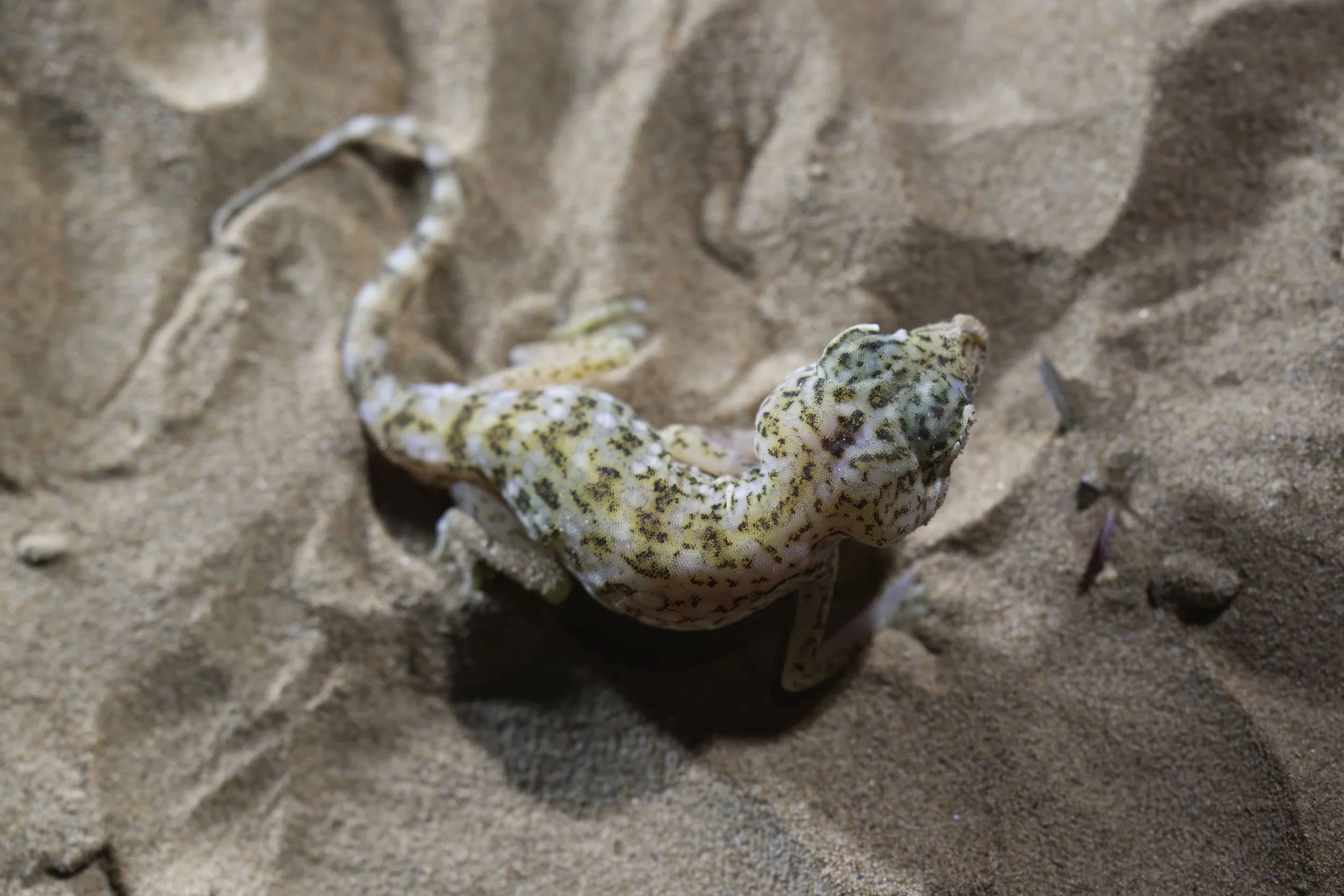
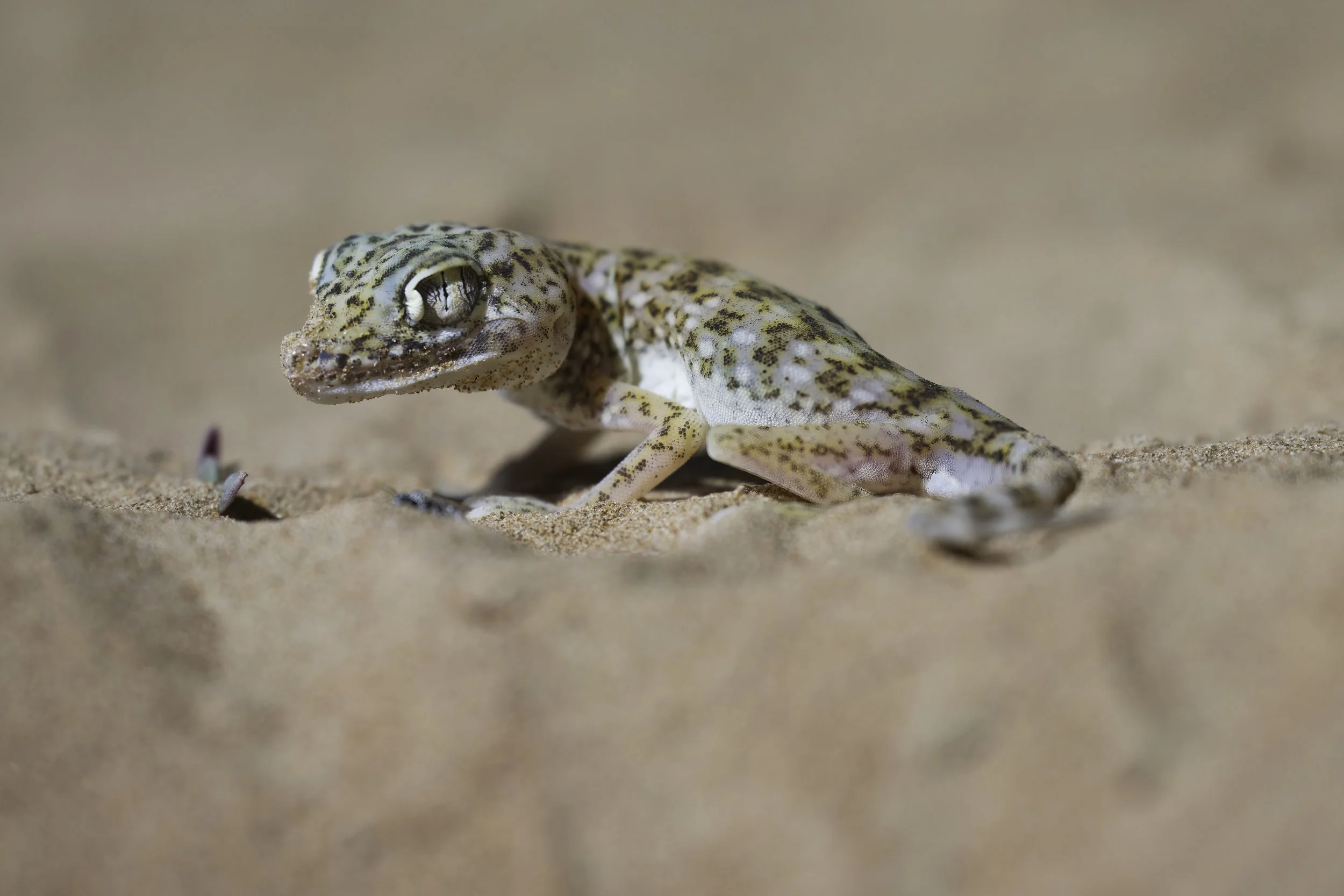
Our Approach at 360 Photography Nature
At 360 Photography Nature, every guided herping trip is built around ethical field practice.
We search carefully, observe quietly, explain the behavior and habitat of each species, and keep the well-being of the animal as the first priority. We believe education can replace fear, but only when it is done with care, respect, and responsibility.
Our goal is to help people experience UAE wildlife in a way that is educational, memorable, and ethical.
We do not believe wildlife should be disturbed for a photograph. We believe the best encounters happen when the animal remains wild, natural, and respected.
The desert has its own rhythm.
Our job is not to control it.
Our job is to slow down enough to see it.
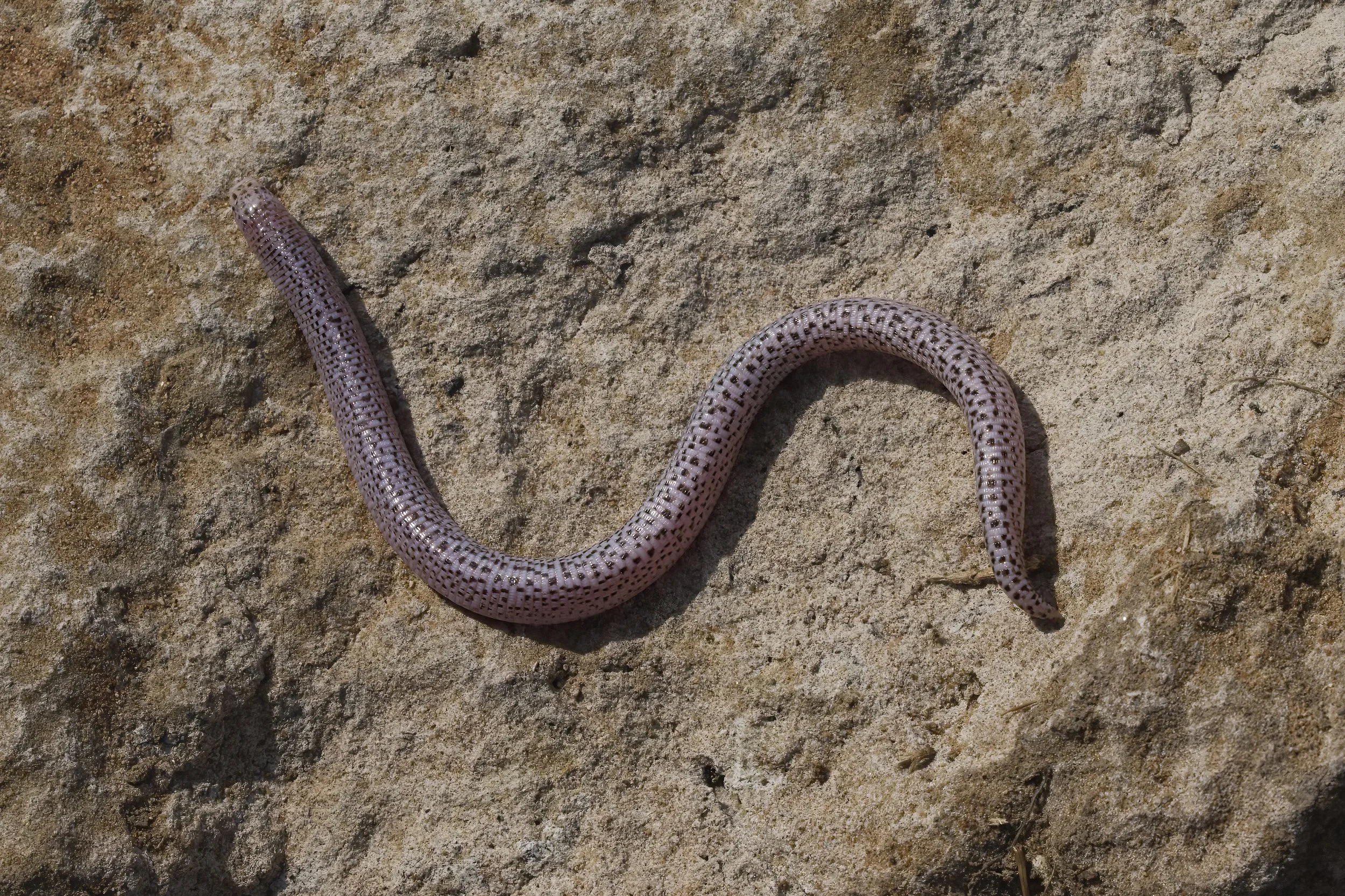
Book an Ethical Herping Experience
For those who want to discover the hidden wildlife of the UAE, our herping trips offer a rare chance to experience the desert after dark with a field-based, ethical approach.
You will learn how to look for signs, understand habitats, recognize species, and observe reptiles and nocturnal wildlife responsibly.
Explore. Learn. Protect.
That is the foundation of every trip.