
When the Desert Wakes: A Night of Herping in the UAE
Many people don’t realize just how alive forests are at night. For me, the nighttime forest is overwhelming—in the best way. It’s filled with movement and sound: owls calling in the distance, mammals large and small rustling in the dark, and the soft presence of reptiles, amphibians, and invertebrates all around.
The desert, surprisingly, is no different.
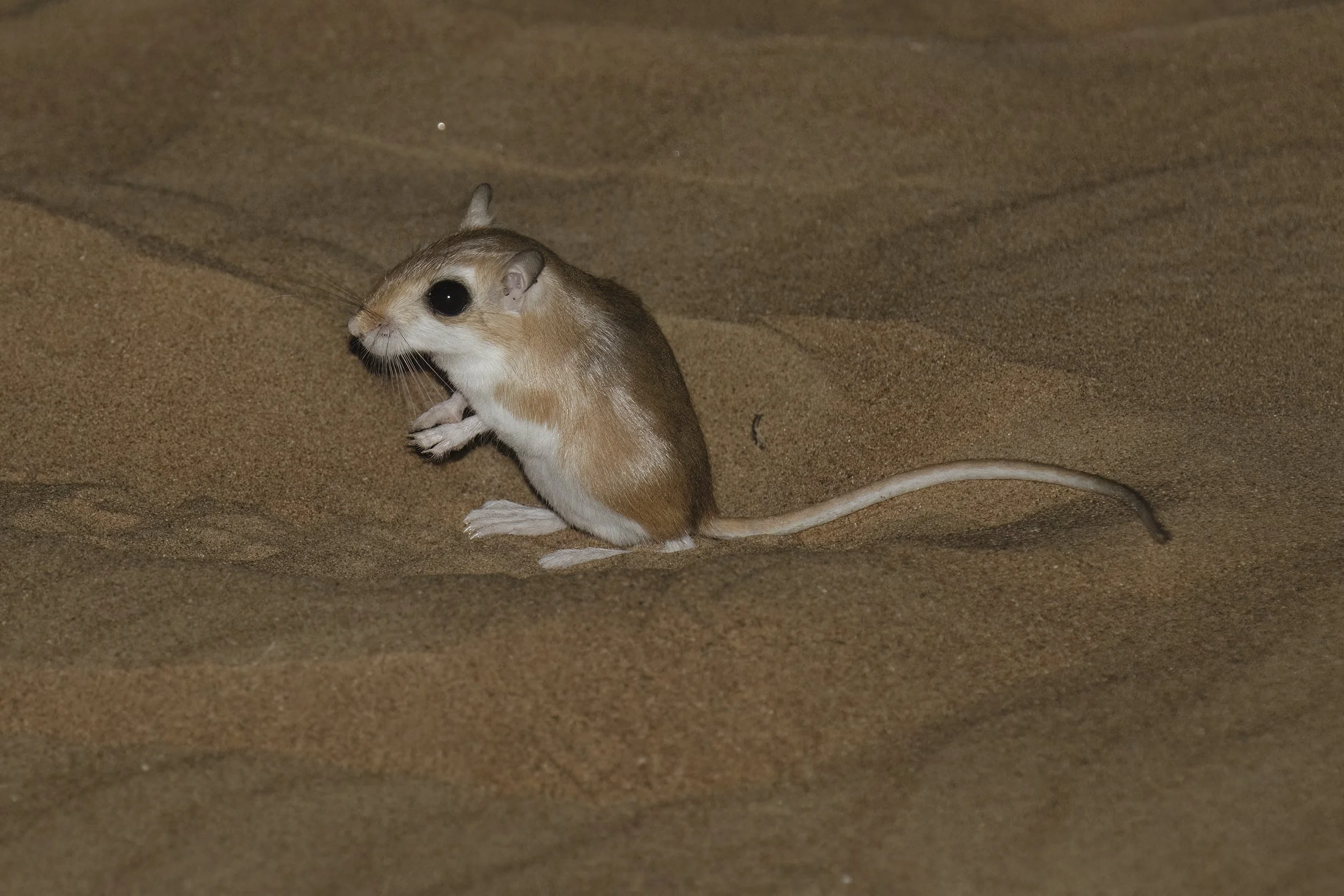
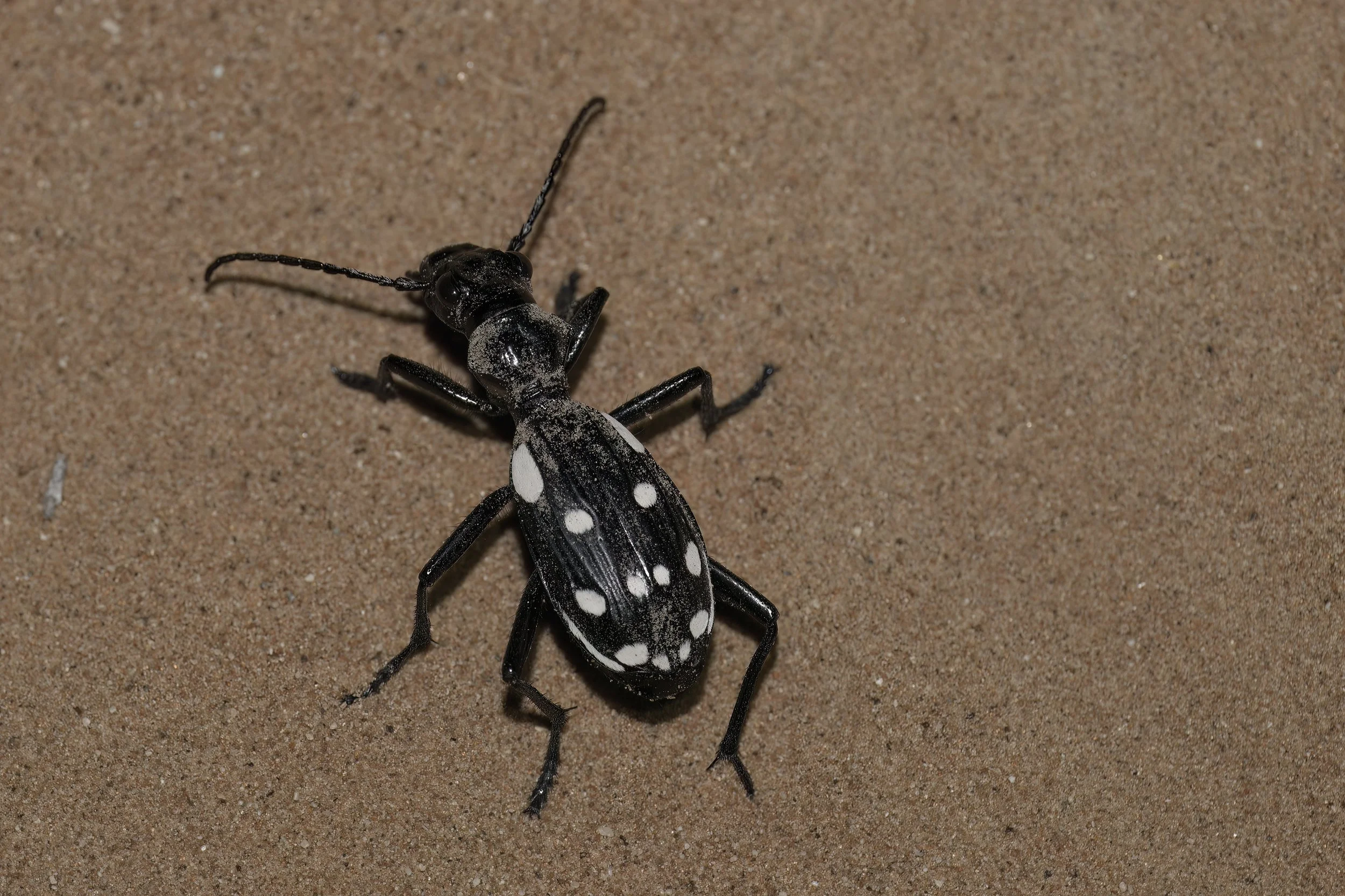
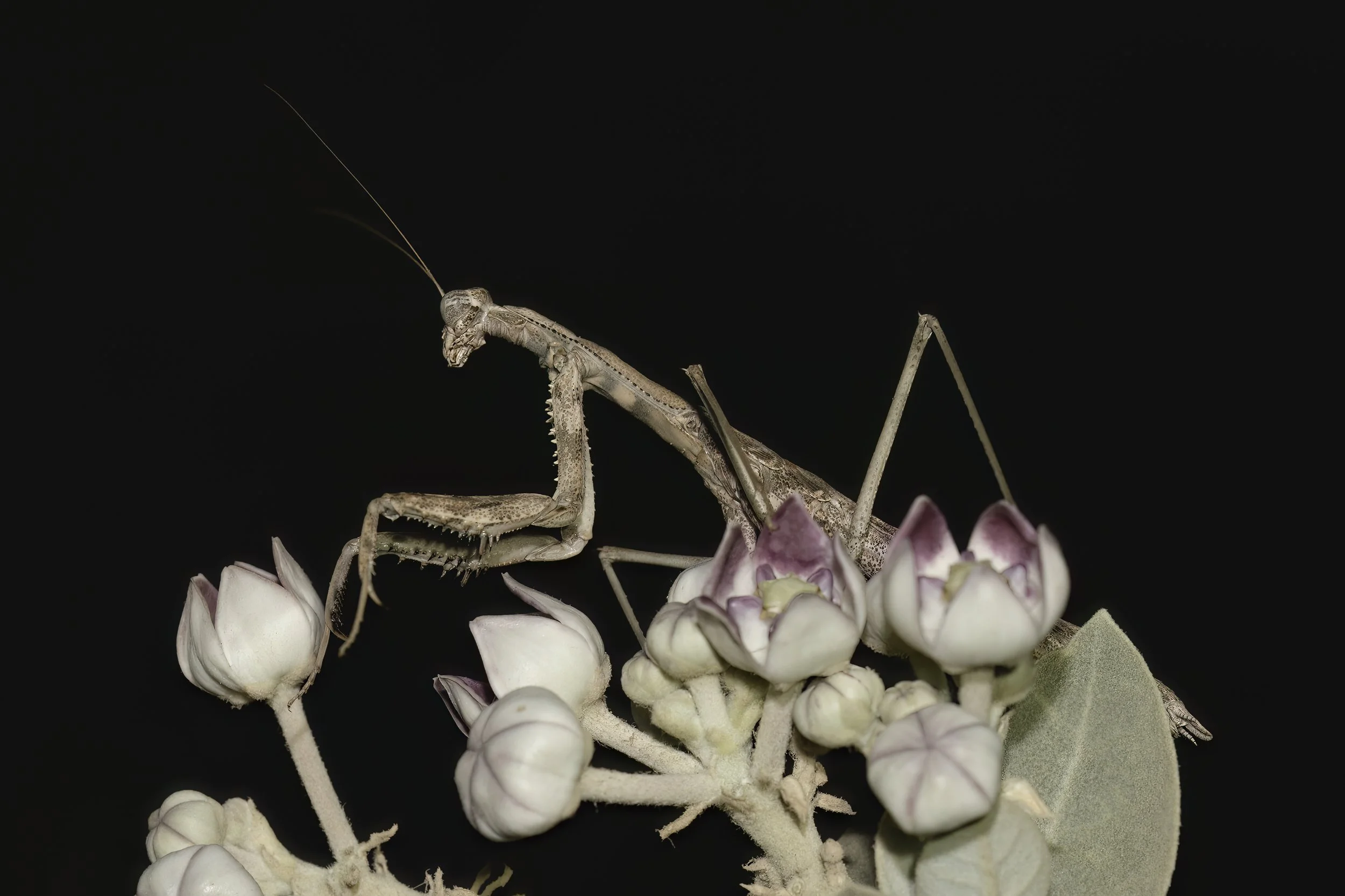
On my first herping trip into the UAE desert, I quickly learned just how active it becomes after dark. During the day, most desert species remain hidden—burrowed under sand, tucked beneath rocks, or resting in the shade—waiting for the cooler night to emerge.

I learned some hard truths fast: using a headlamp was nearly impossible, as every insect in the area decided to fly directly into my face. Walking on the dunes was physically demanding. The fine sand found its way into everything, clinging to gear like metal to a magnet. You can’t sit just anywhere, either—many creatures bury themselves just beneath the surface. And even though it was night, the temperature was still 36°C. The heat, combined with the effort of climbing dunes, meant I needed far more water than expected.
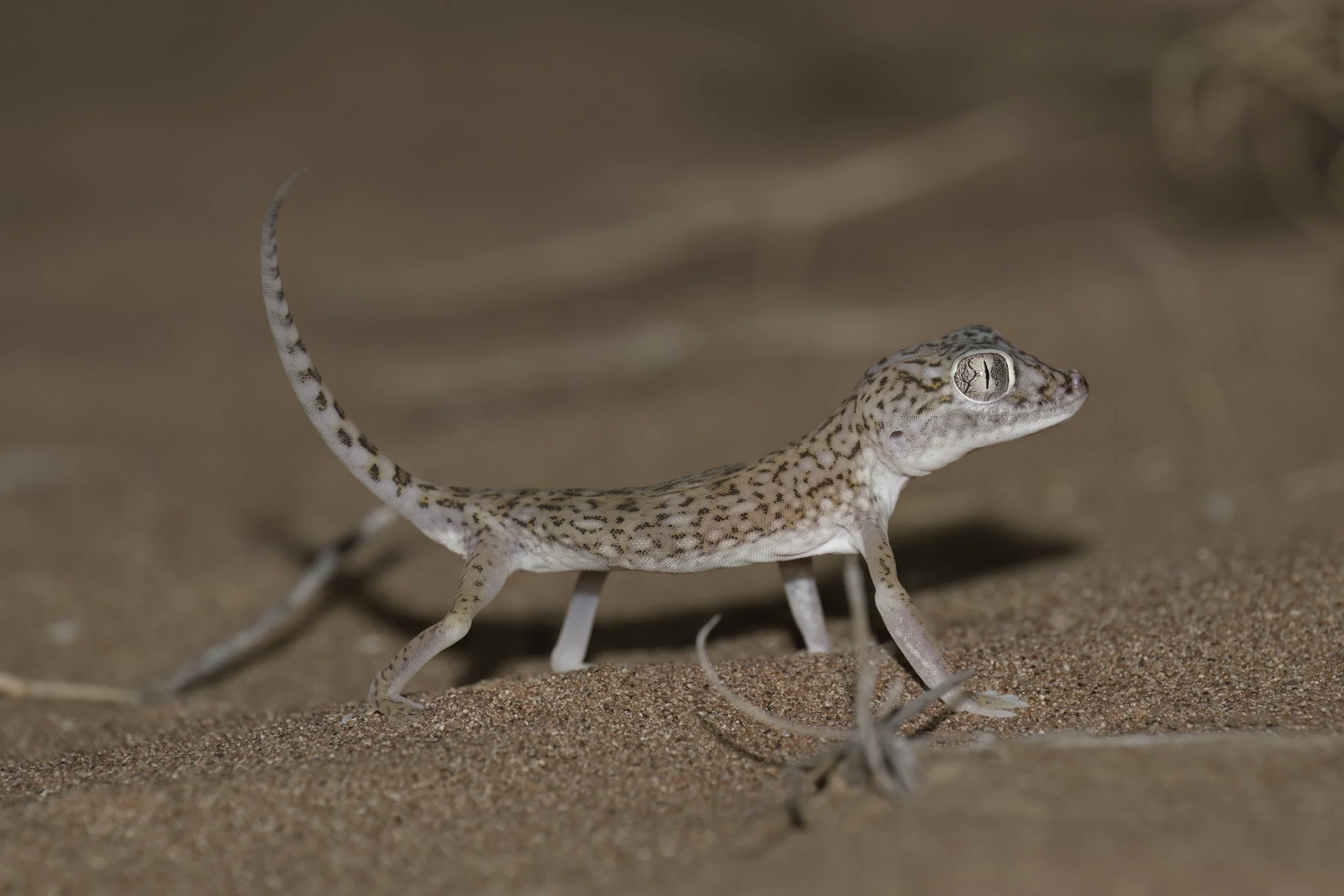
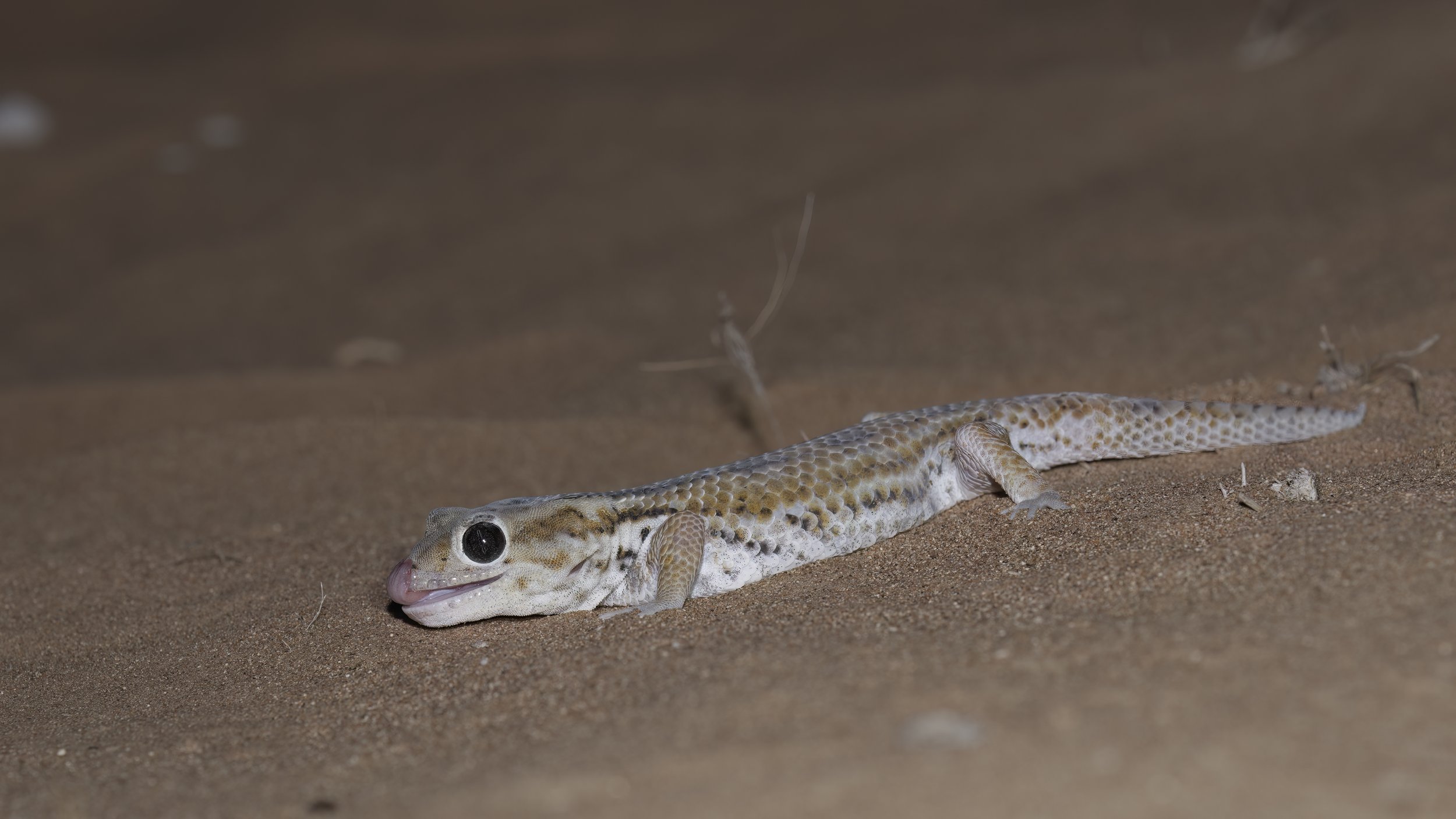
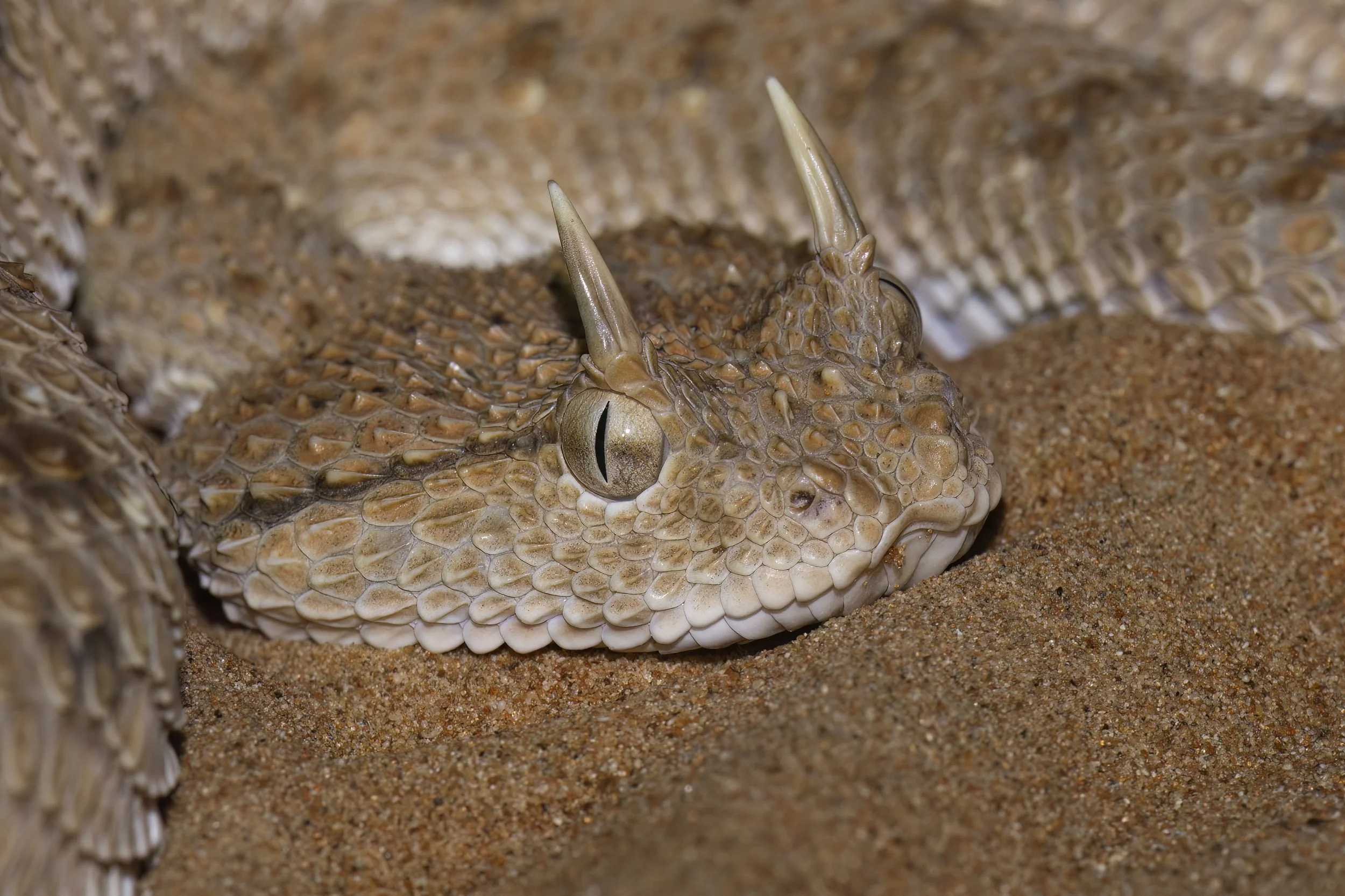
After spending about 30 minutes adjusting, I began to appreciate the stillness. Unlike the forest’s chorus of life, the desert is dead silent—but that doesn’t mean it’s lifeless. Quite the opposite. In just three hours, we encountered two snakes, three scorpions, and several geckos from different species. The silence may be deceiving, but the desert at night is alive, wild, and full of hidden encounters.