

Camel Spider (عنكبوت الجمل) \ Galeodes arabs
Endangered **
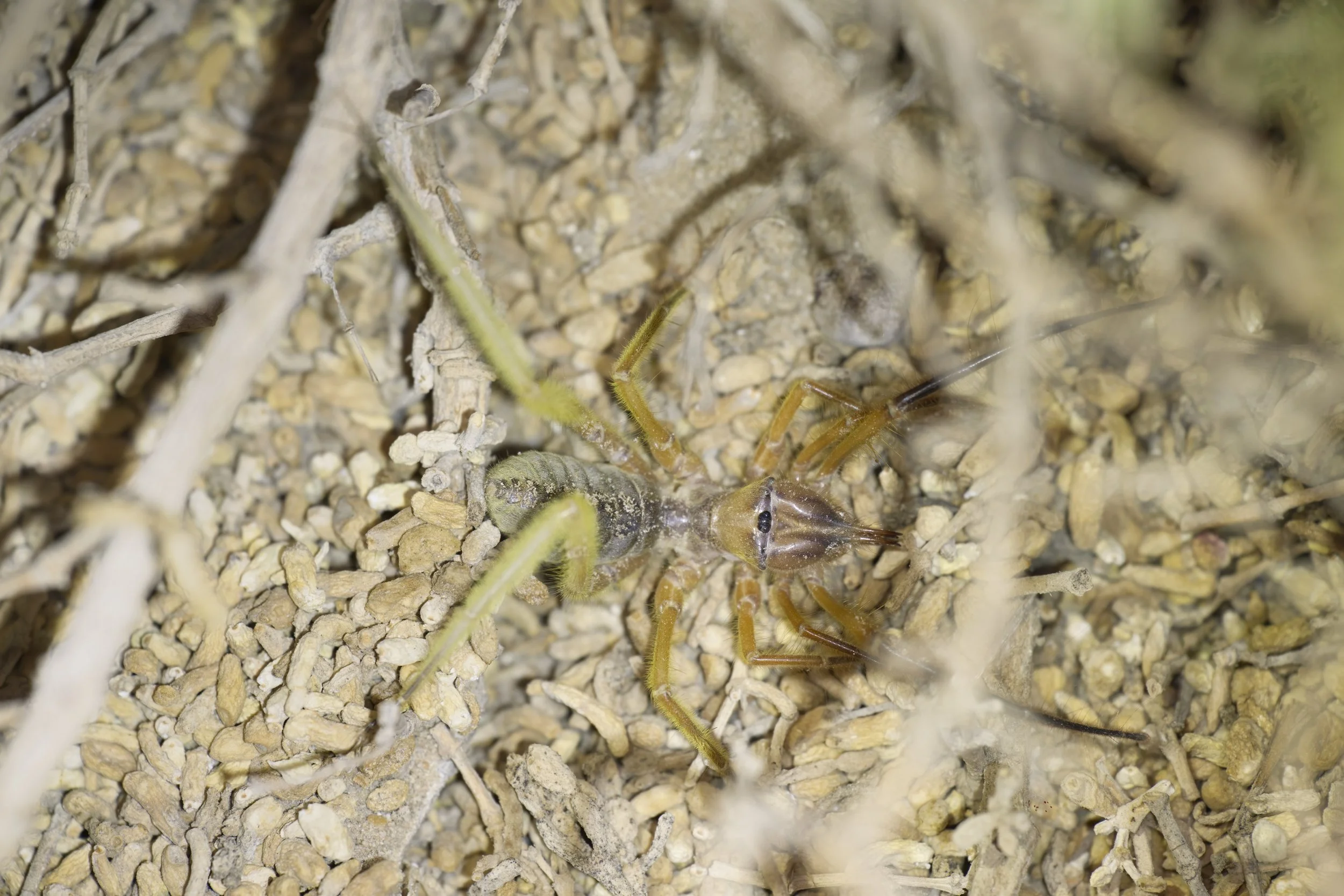
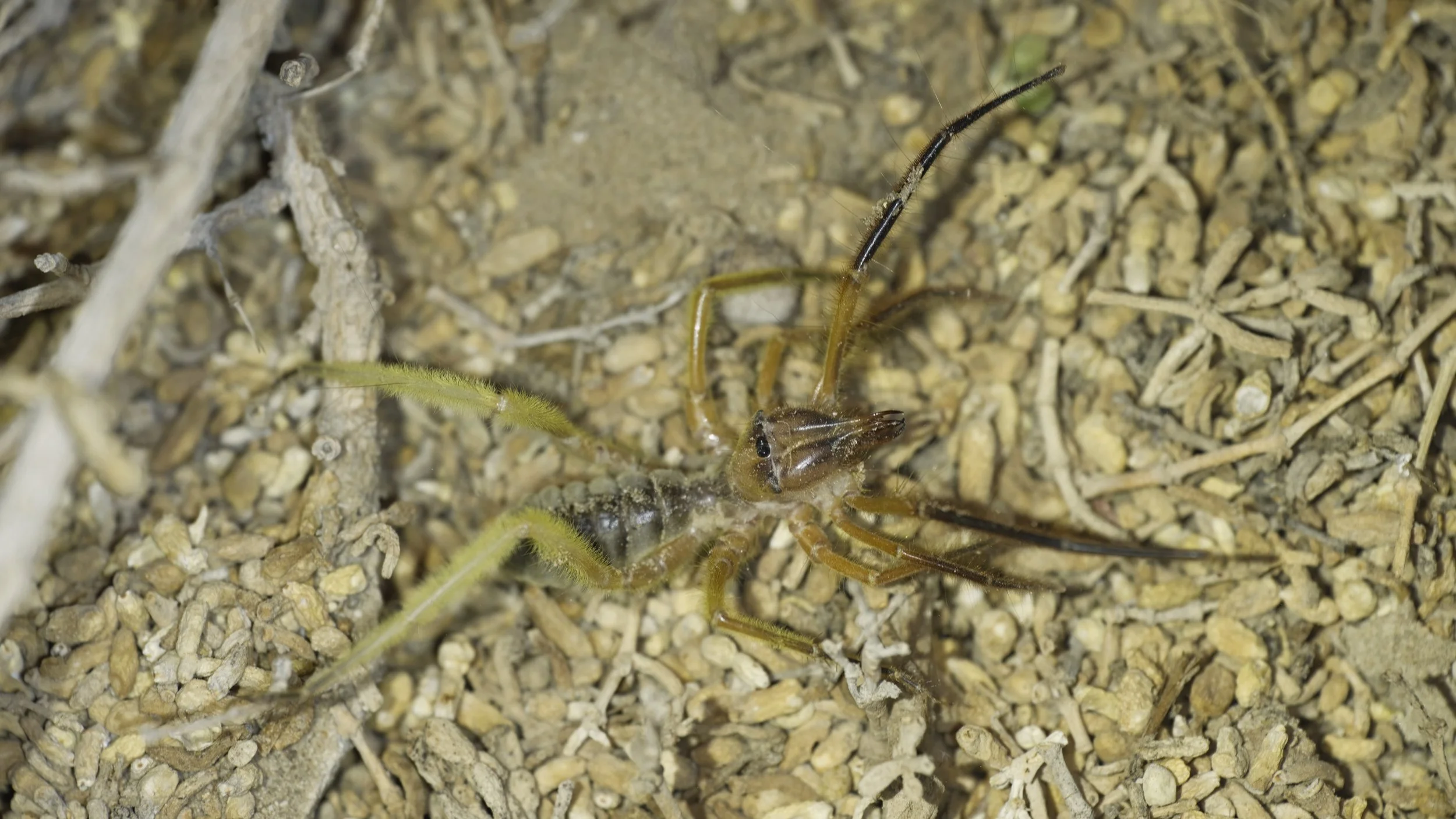
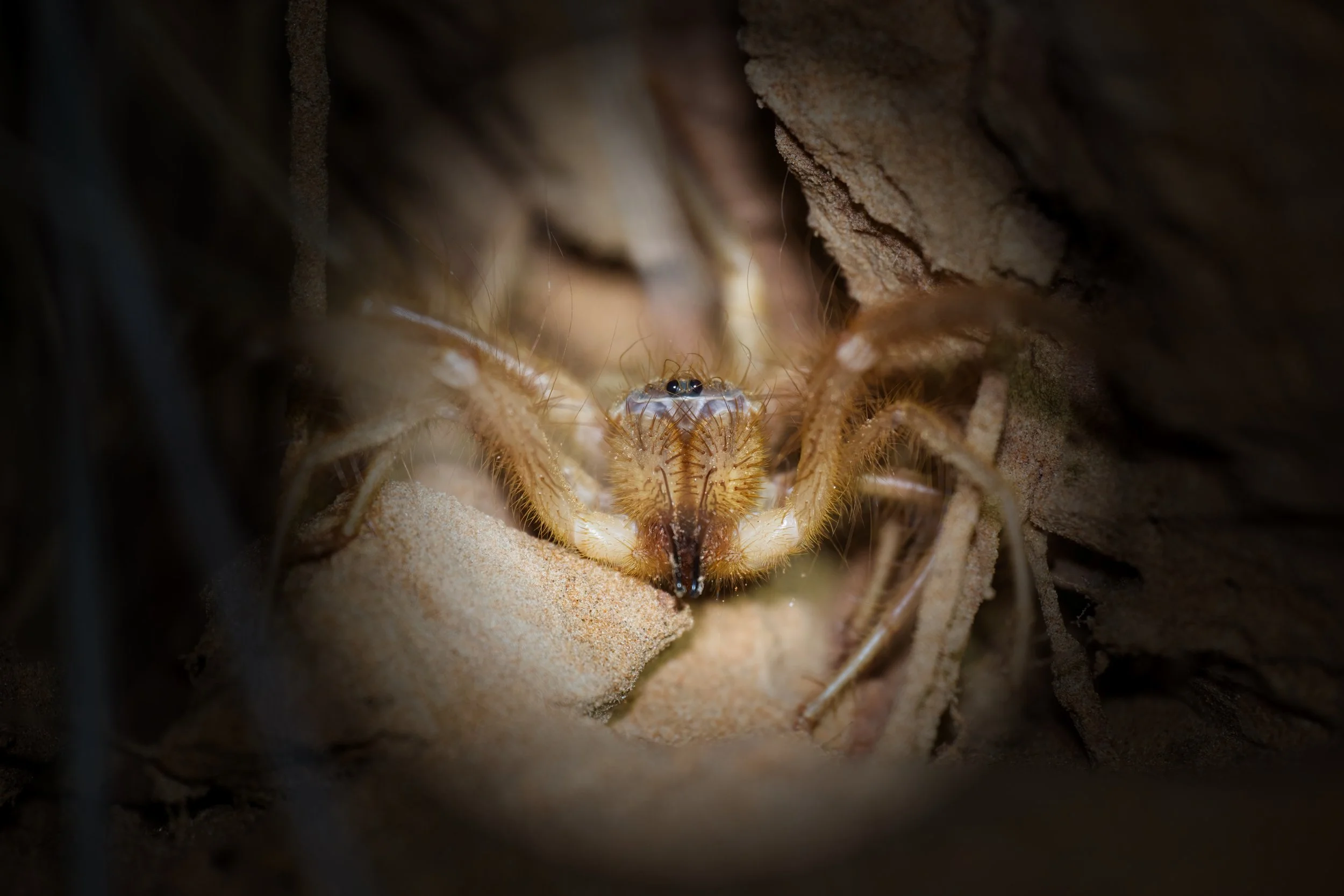
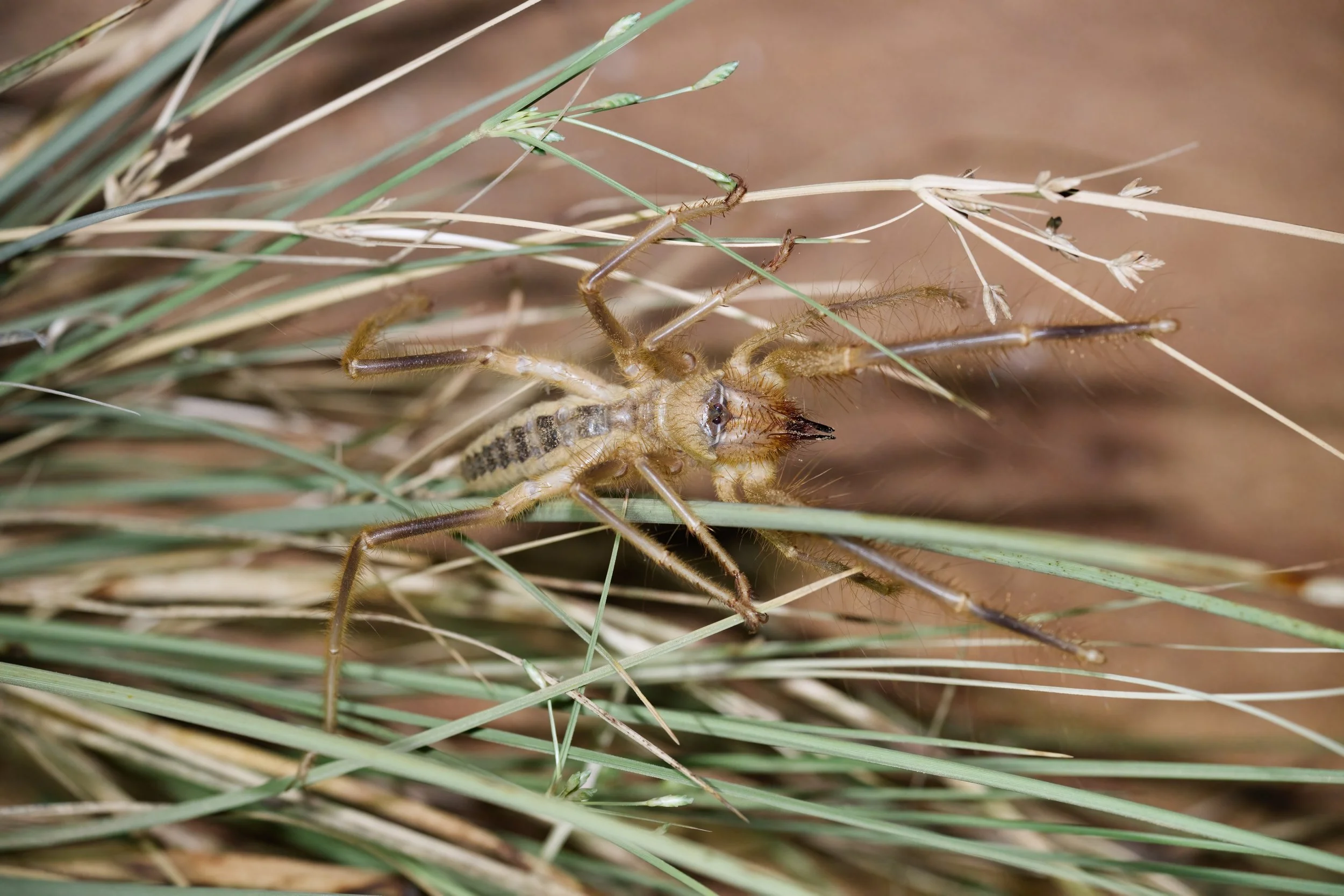
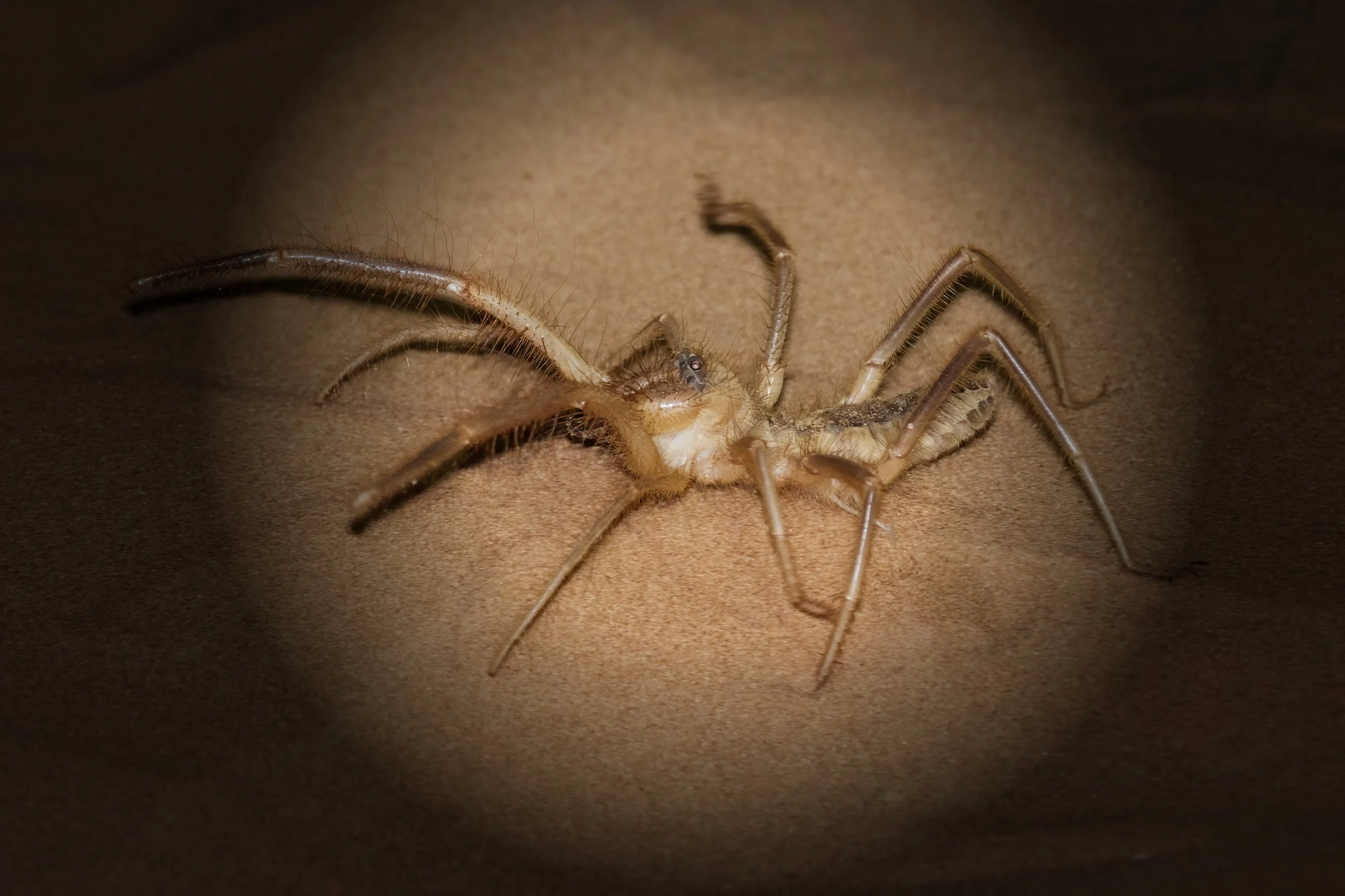
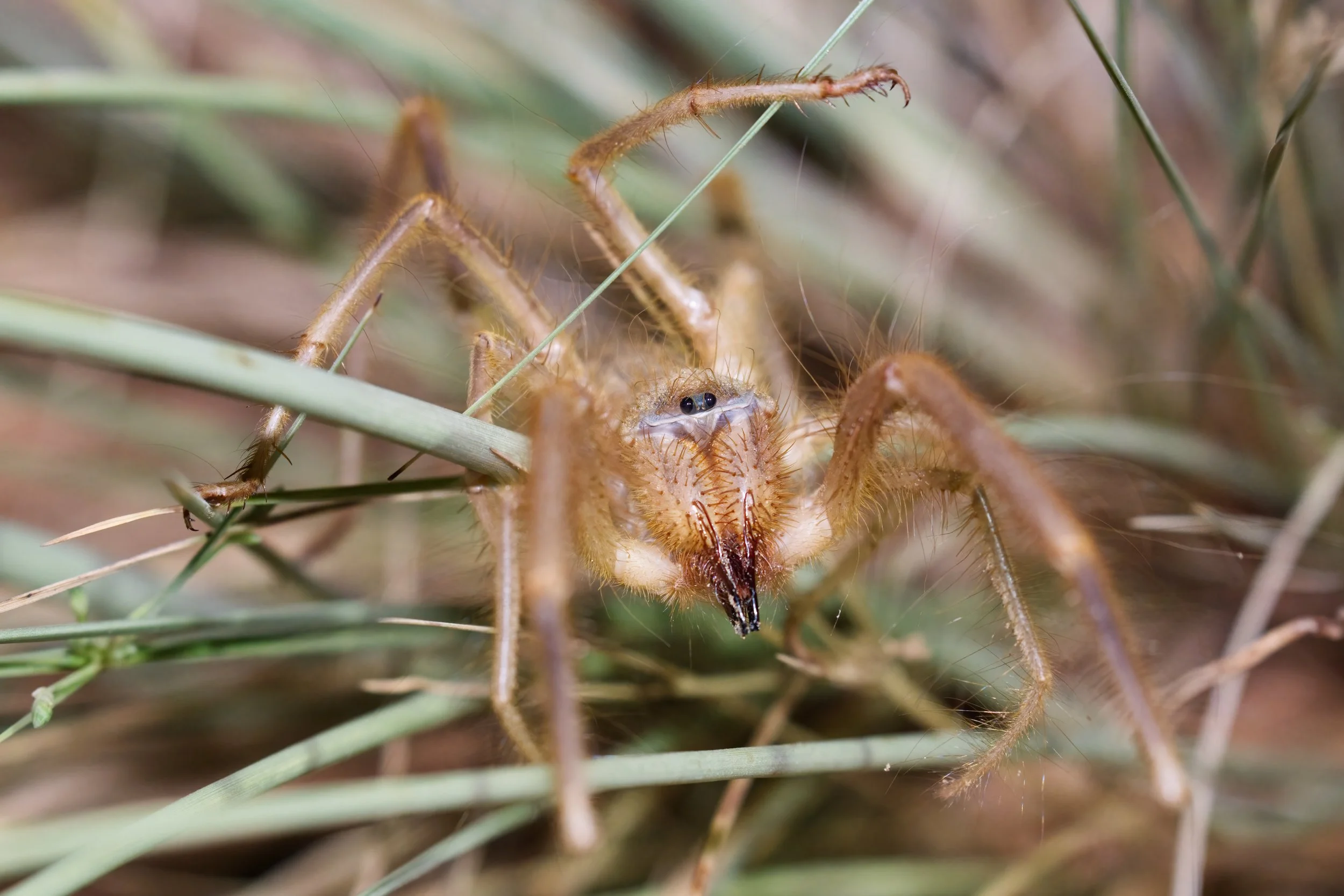
The Camel Spider (Galeodes arabs), also called the Arabian wind scorpion or sun spider, is neither a true spider nor a scorpion but belongs to the order Solifugae. Adults grow to 6–8 cm in body length (with legs up to 12 cm) and are instantly recognizable by their oversized, forward-projecting chelicerae—powerful “jaws” they use to seize and macerate prey. They thrive in hot, arid environments across the Arabian Peninsula, emerging at night to hunt insects, small rodents, lizards, and even other arachnids under cover of darkness. Despite urban legends, they are not venomous; a bite can be painful and may bleed (due to their strong jaws) but does not inject toxins. Camel spiders are exceptionally fast and agile, using their long pedipalps as sensory feelers, and they play a valuable role as apex invertebrate predators in desert ecosystems.
The Camel Spider (Galeodes arabs), locally called (“camel scorpion”), is classified by the IUCN as “Threatened with extinction” (Endangered). Endemic to the desert and semi-desert habitats of the Middle East, it thrives in arid landscapes but faces major threats from habitat loss. These large, metallic-hued predators—also known as wind scorpions or sun spiders—emerge at night to hunt insects, lizards, and small rodents, using their powerful chelicerae to macerate prey. Although painful if handled, they are non-venomous, relying on digestive fluids rather than toxins. In Abu Dhabi, Camel Spiders are legally protected under Federal Law No. 24/1999, and EAD actively monitors their populations within and beyond protected areas ead.gov.ae.
يُعرف عنكبوت الجمل، والذي يُسمّى أيضًا عقرب الرياح العربي أو عنكبوت الشمس، بأنه ليس عنكبوتًا حقيقيًا ولا عقربًا، بل ينتمي إلى رتبة السوليفوجا. يبلغ طول جسم البالغين حوالي 6–8 سم (مع امتداد الأرجل حتى 12 سم)، ويمكن تمييزه بسهولة بفضل فكّيه الأماميين الكبيرين (الكلّابات الفكية) اللذين يستخدمهما للإمساك بالفريسة وتمزيقها. يعيش في البيئات الحارة والقاحلة في شبه الجزيرة العربية، ويخرج ليلًا لصيد الحشرات، والقوارض الصغيرة، والسحالي، وحتى العناكب الأخرى تحت جنح الظلام. وعلى الرغم من الأساطير المنتشرة، فإنه غير سام؛ وقد تكون عضته مؤلمة وقد تُسبب نزيفًا بسبب قوة فكيه، لكنها لا تحقن أي سموم. يتميز بسرعته وخفّته، ويستخدم زوائده الأمامية كأعضاء حسية، كما يلعب دورًا مهمًا كمفترس لافقاري رئيسي في النظم البيئية الصحراوية
يُصنَّف عنكبوت الجمل، المعروف محليًا باسم "عقرب الجمل"، ضمن الأنواع المهددة بالانقراض وفقًا لتصنيف الاتحاد الدولي لحفظ الطبيعة. وهو نوع متوطن في البيئات الصحراوية وشبه الصحراوية في الشرق الأوسط، حيث يزدهر في المناطق القاحلة، لكنه يواجه تهديدات كبيرة نتيجة فقدان الموائل. تُعد هذه المفترسات الكبيرة، ذات اللمعان المعدني، من الكائنات الليلية التي تصطاد الحشرات والسحالي والقوارض الصغيرة باستخدام فكّيه القويين. ورغم أن عضتها قد تكون مؤلمة عند التعامل معها، فإنها غير سامة وتعتمد على سوائل هضمية بدلًا من السموم. وفي أبوظبي، يحظى عنكبوت الجمل بحماية قانونية بموجب القانون الاتحادي رقم 24 لسنة 1999، كما تقوم هيئة البيئة – أبوظبي بمراقبة تجمعاته داخل وخارج المناطق المحمية
Related Species
-

Mediterranean Banded Centipede (Scolopendra cingulata)
-
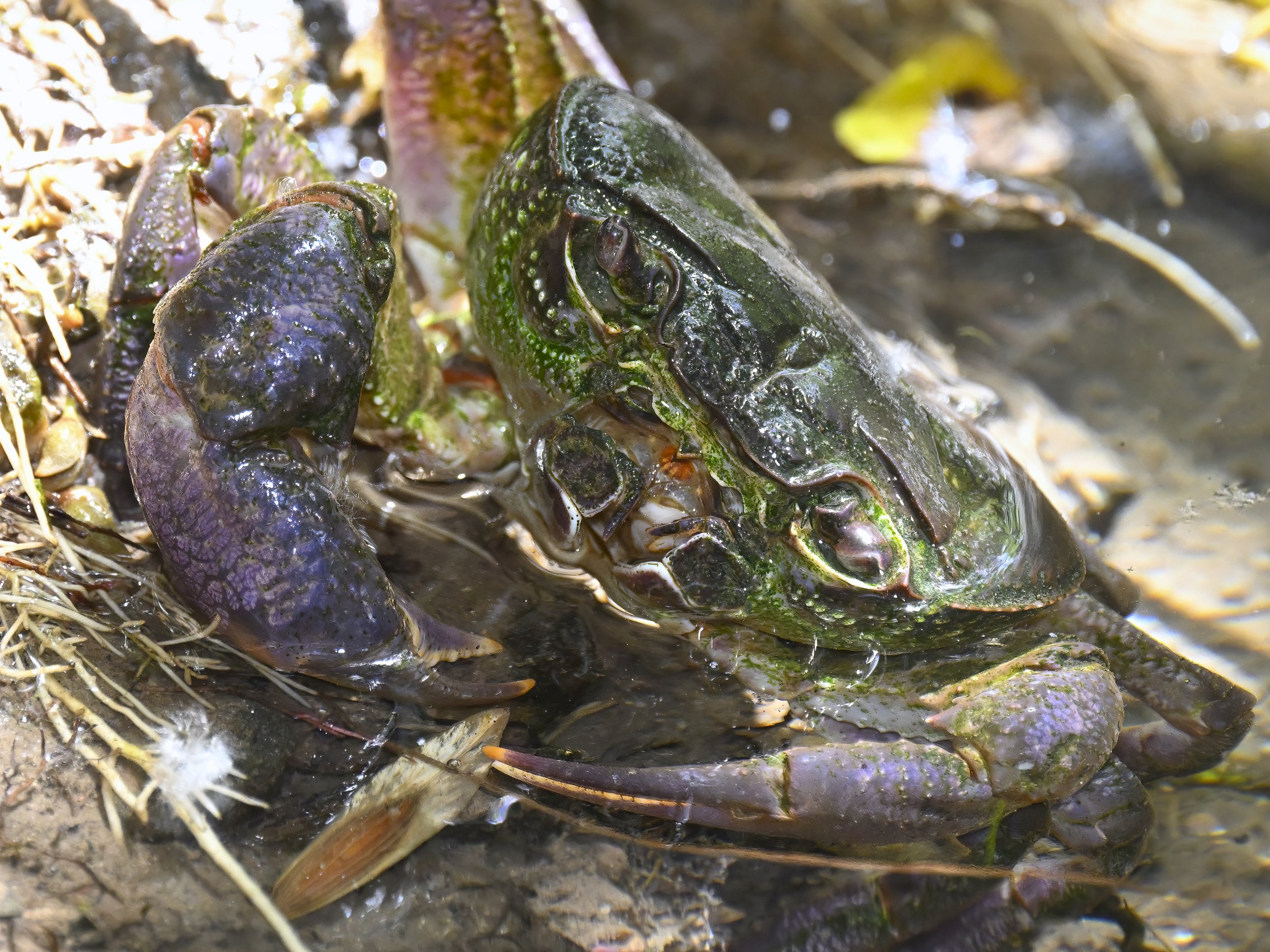
Levantine Freshwater Crab (Potamon potamios)
-
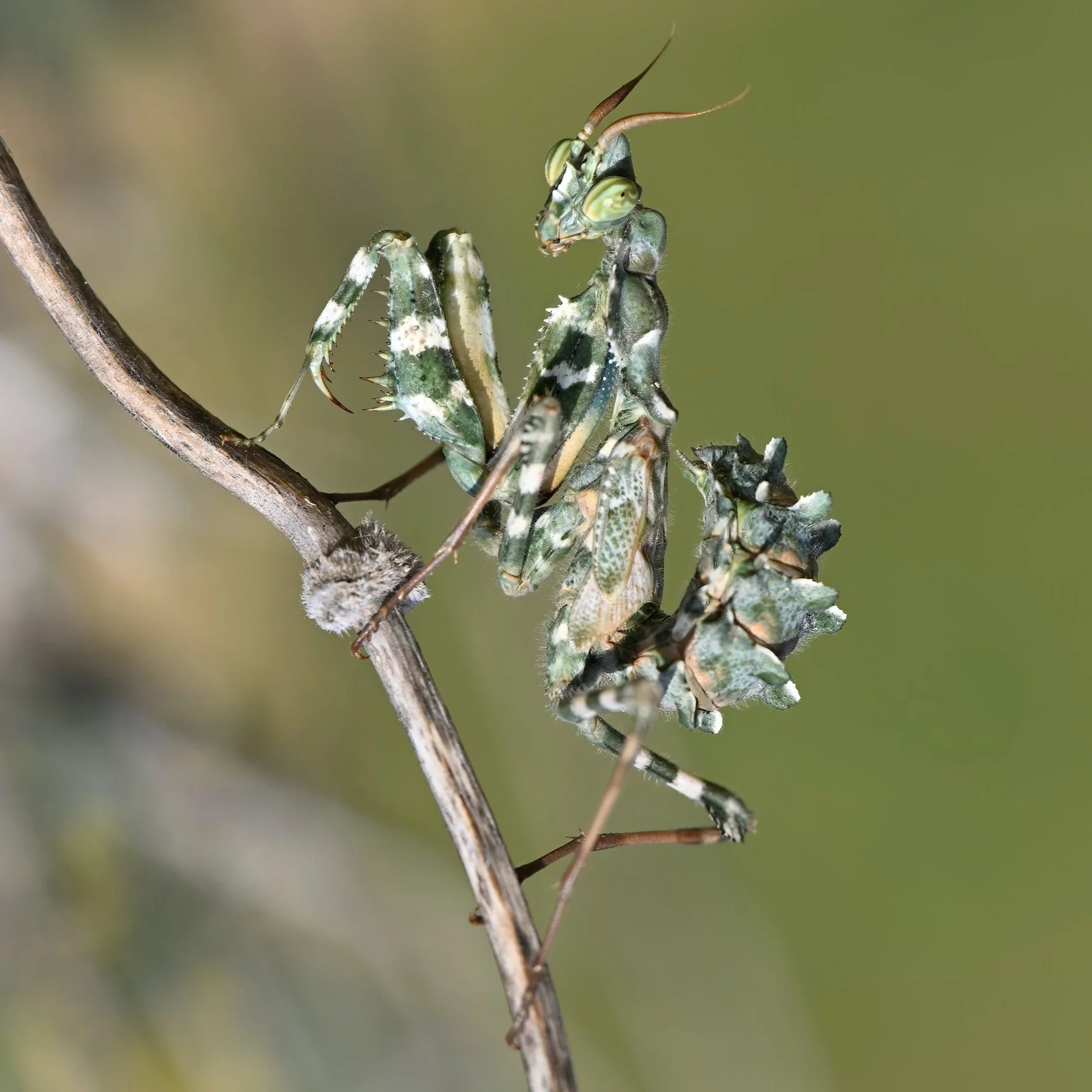
Thistle Mantis (Blepharopsis mendica)
-
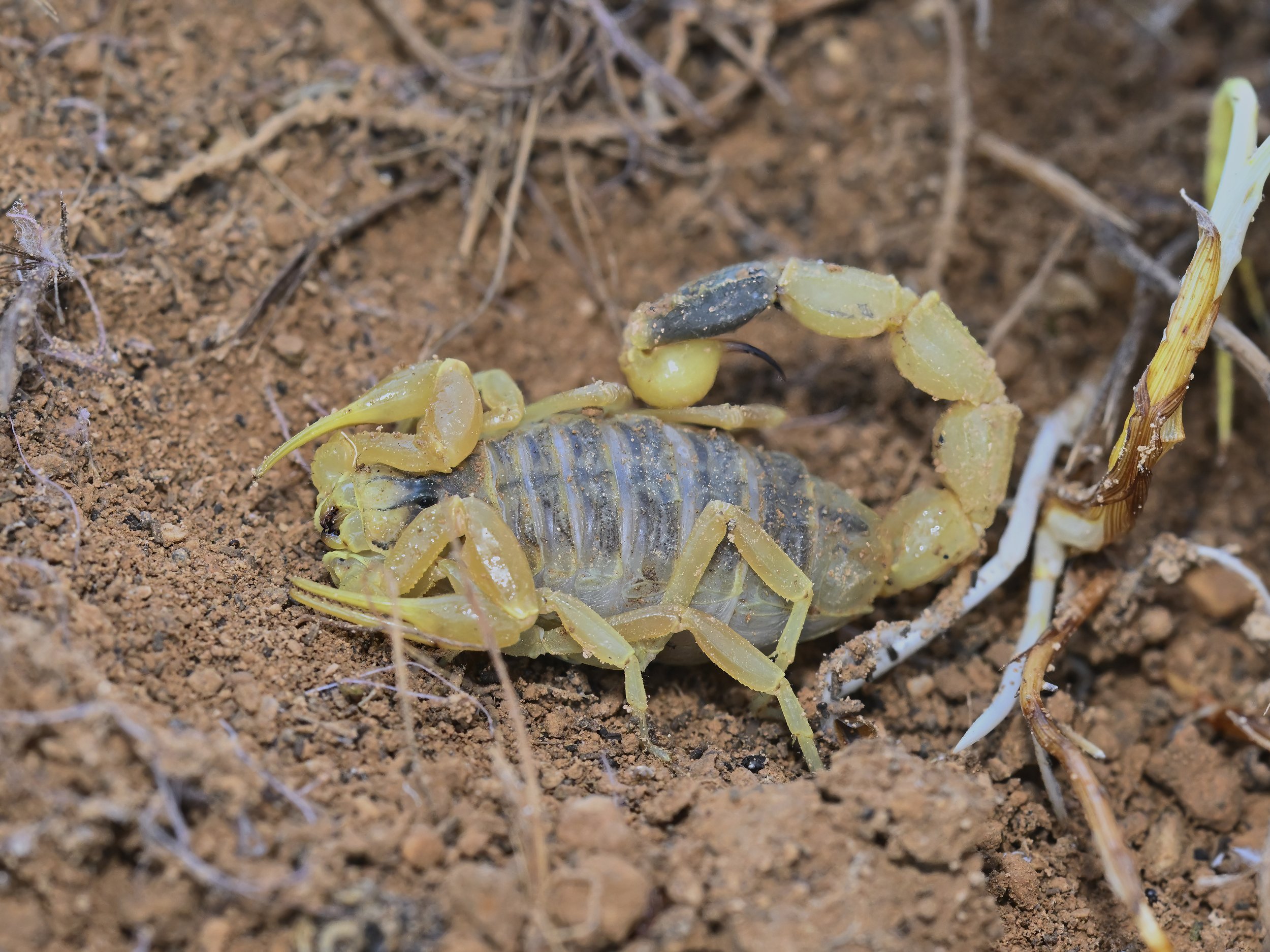
Deathstalker Scorpion (Leiurus abullahbayrami)
| NOT EVALUATED | DATA DEFICIENT | LEAST CONCERN | NEAR THREATENED | VULNERABLE | ENDANGERED** | CRITICALLY ENDANGERED | EXTINCT IN THE WILD | EXTINCT |
|---|---|---|---|---|---|---|---|---|
| NE | DD | LC | NT | VU | EN | CR | EW | EX |