

Desert Herping - United Arab Emirates
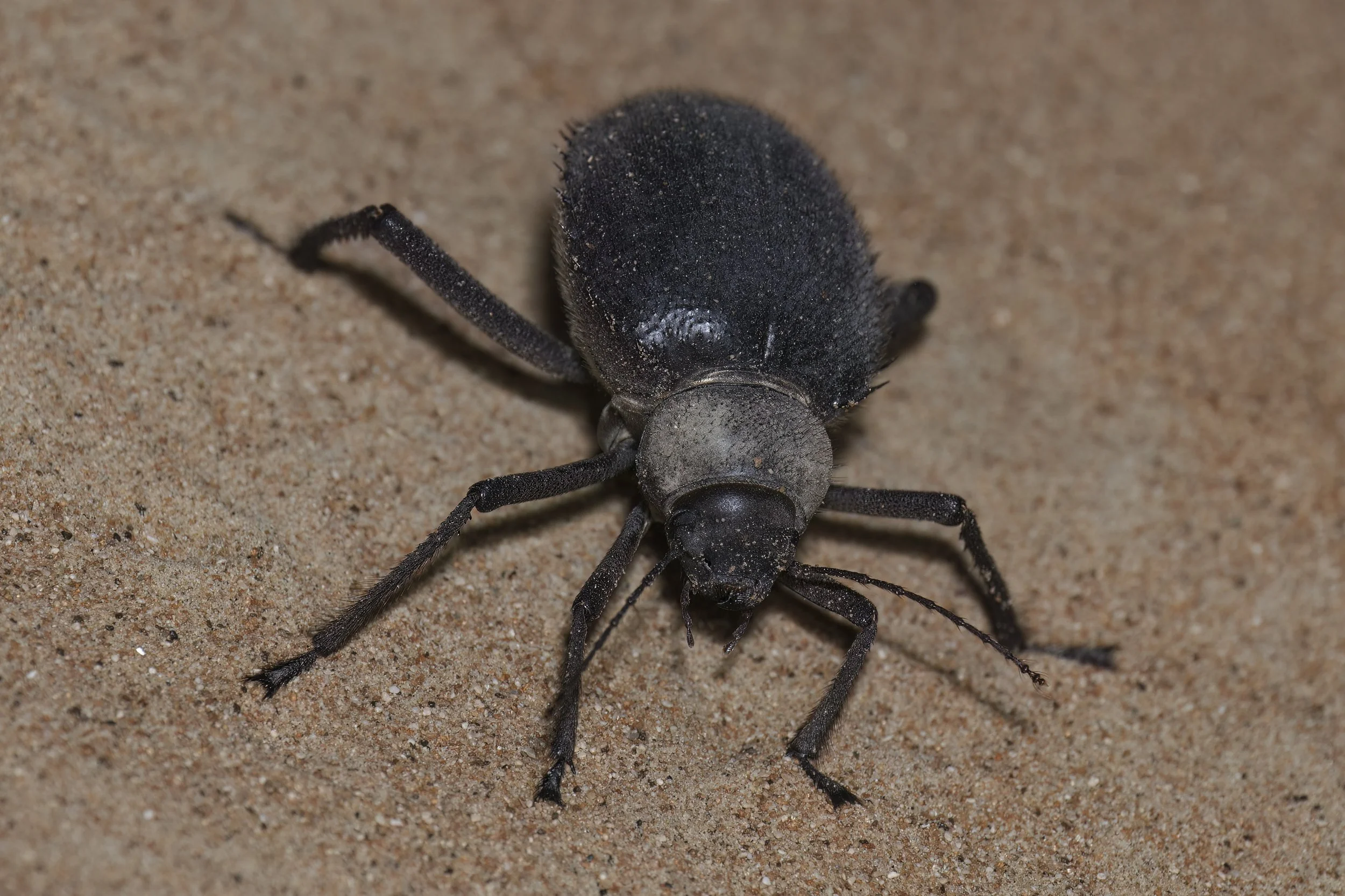
Darkling Beetle
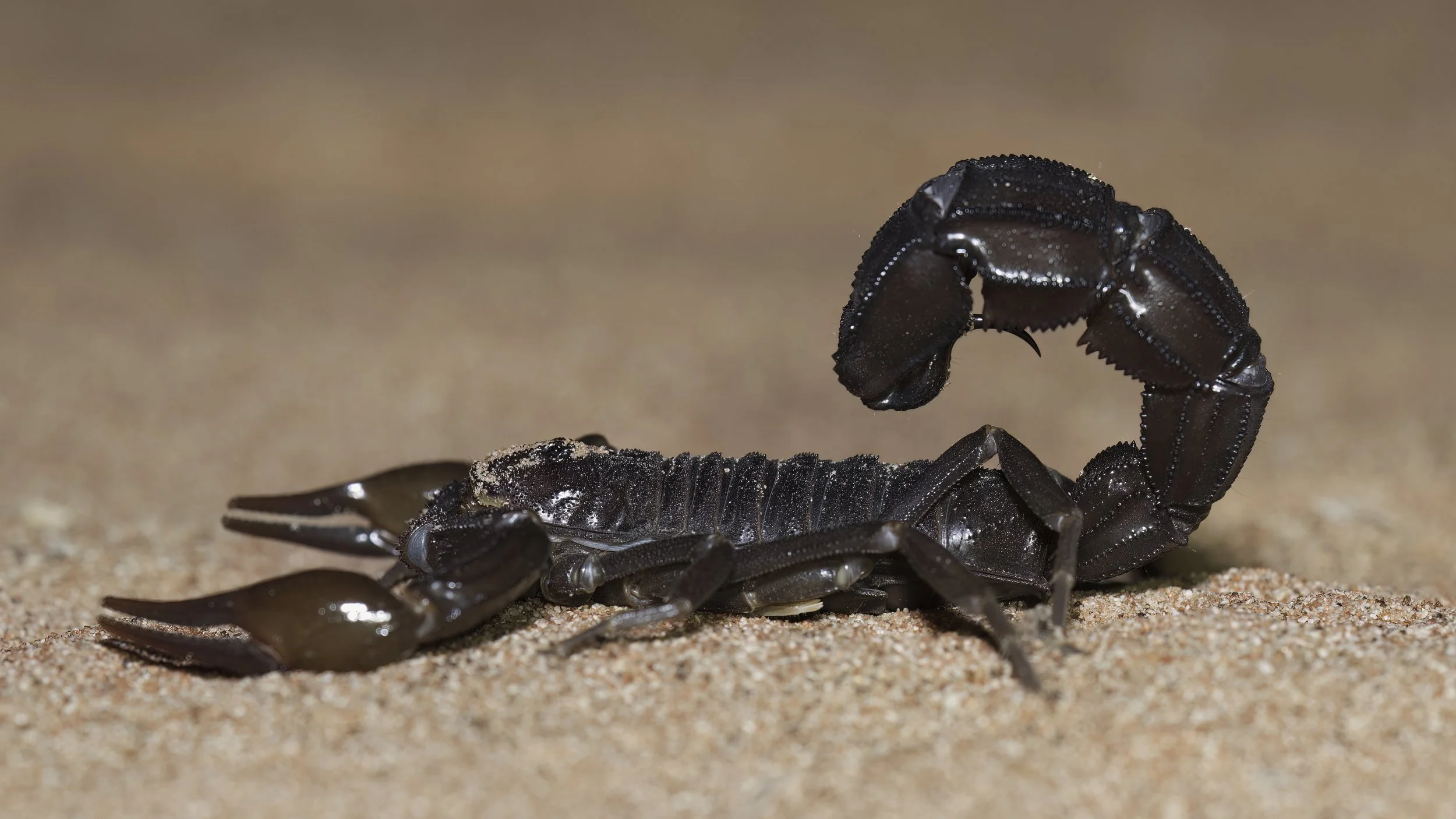
Arabian Fat Tailed Scorpion \ Androctonus ammophilus
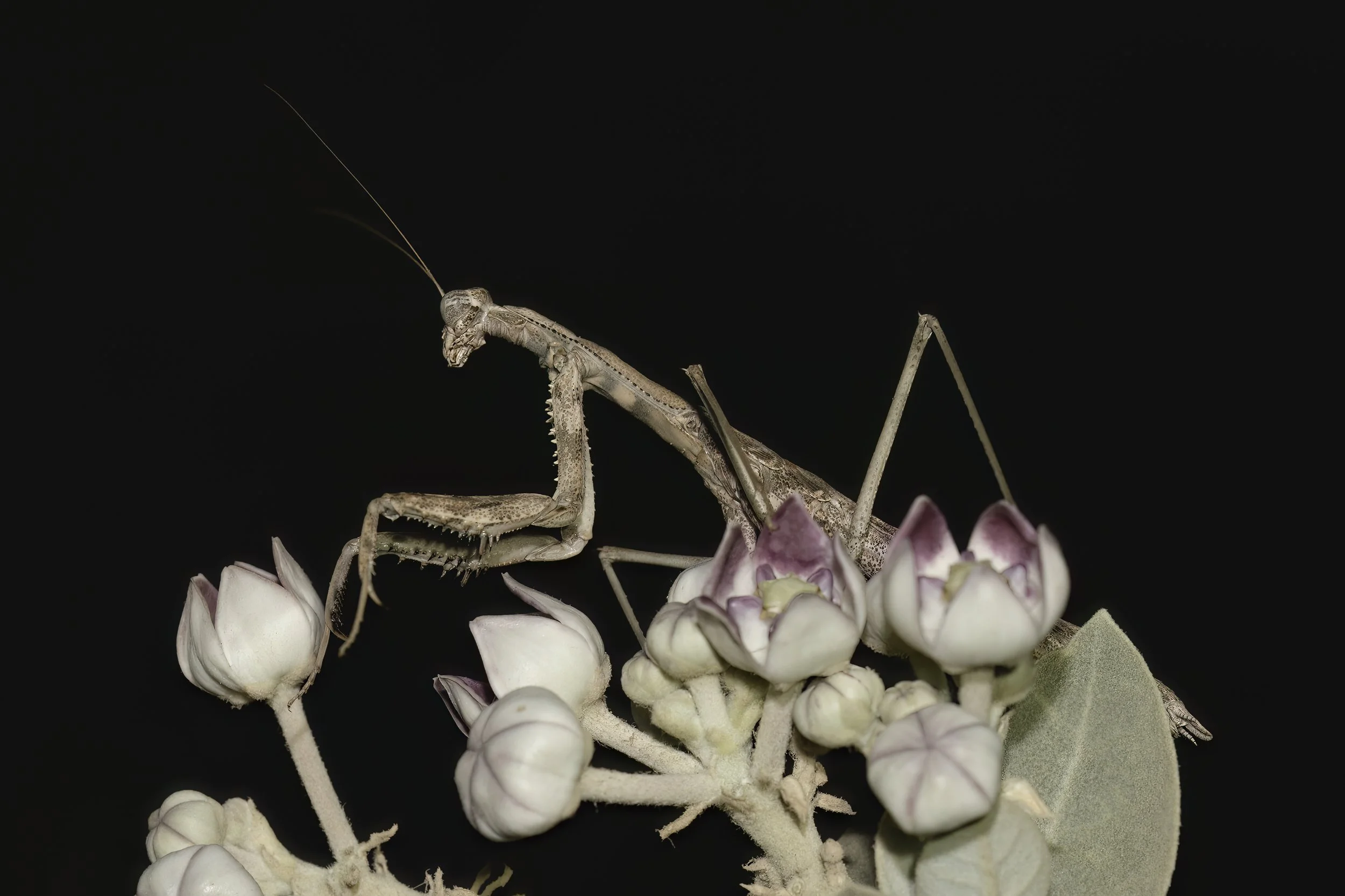
Praying Mantis
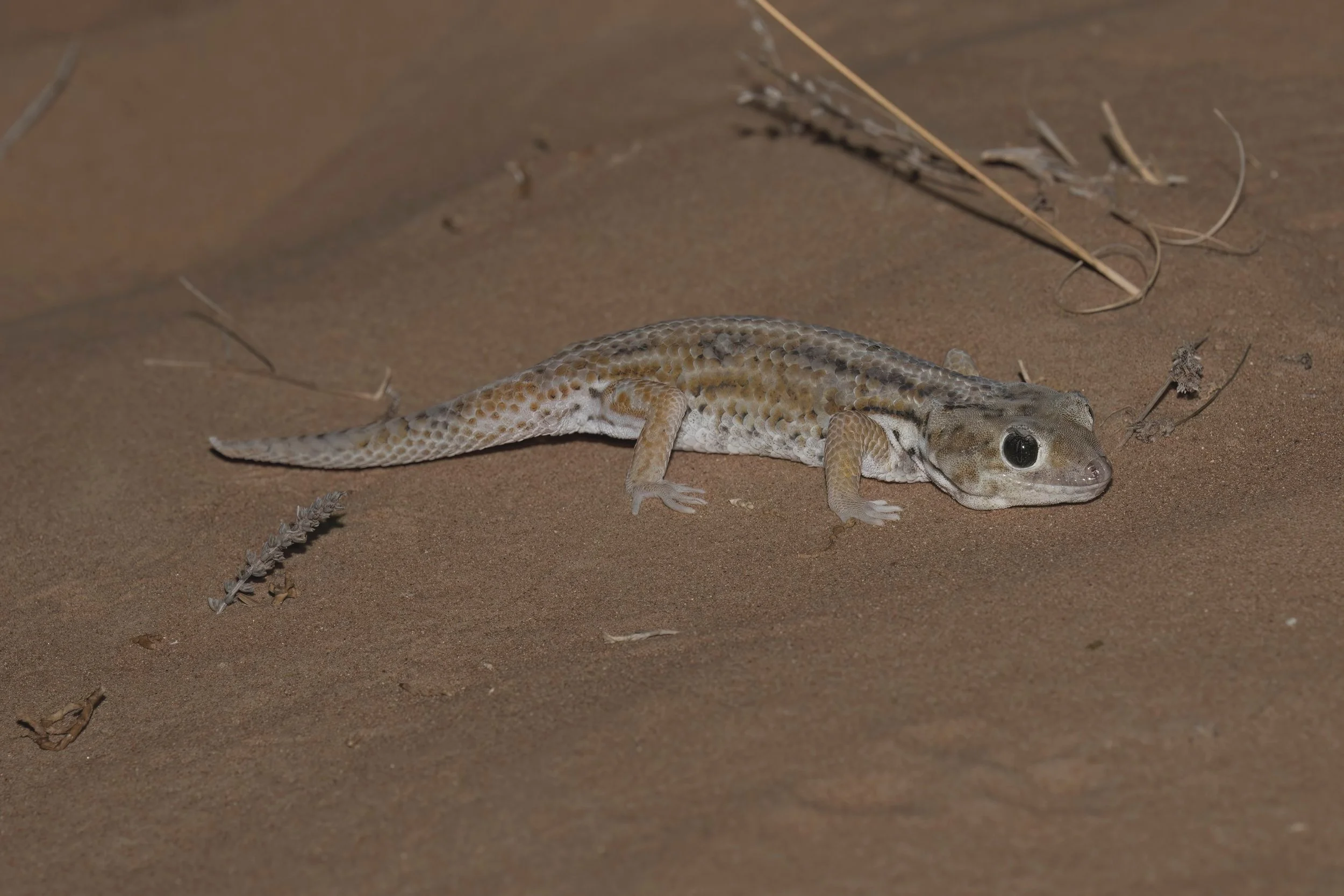
Keyserling's Wonder Gecko \ Teratoscincus keyserlingii
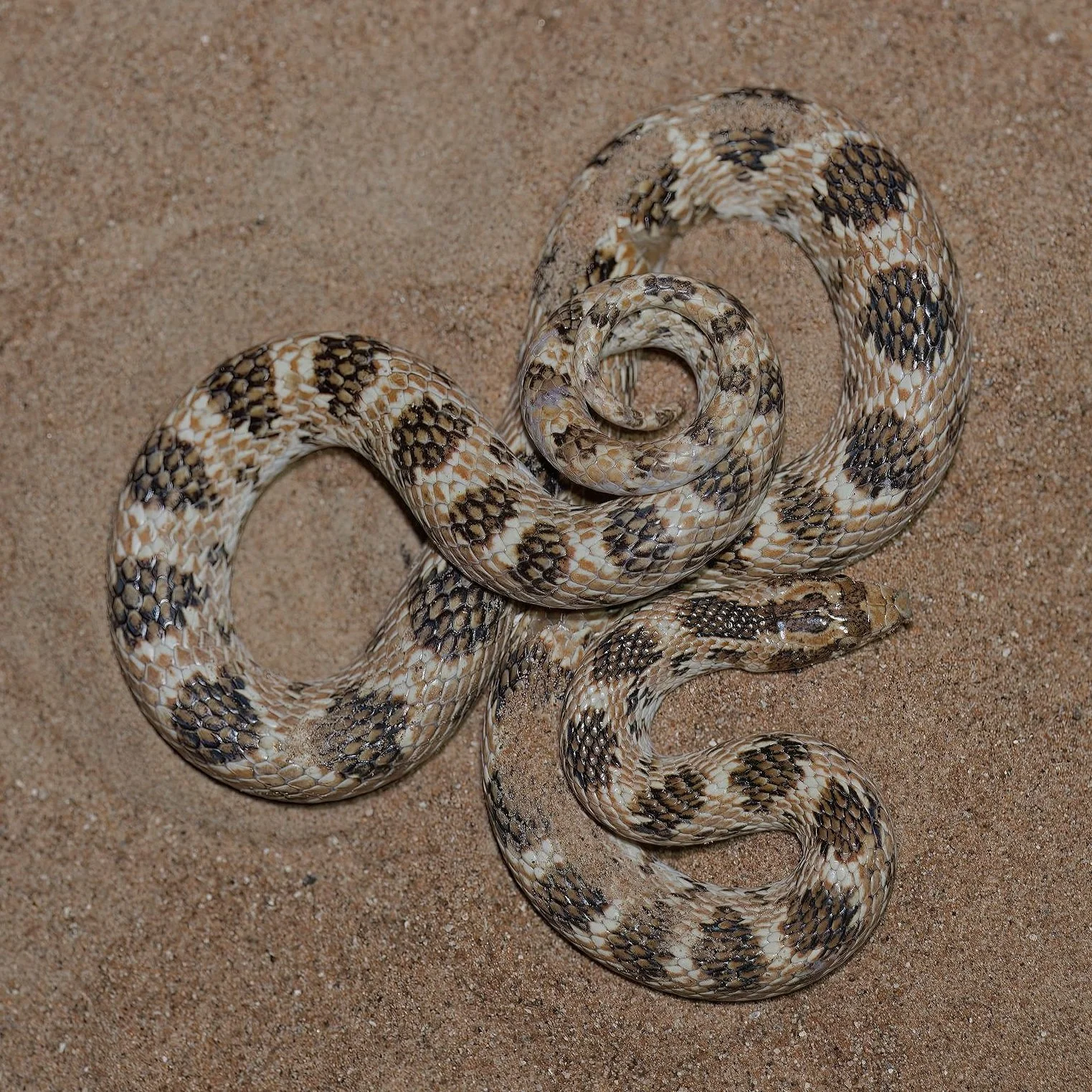
Crowned Leaf-nosed Snake \ Lytorhynchus diadema
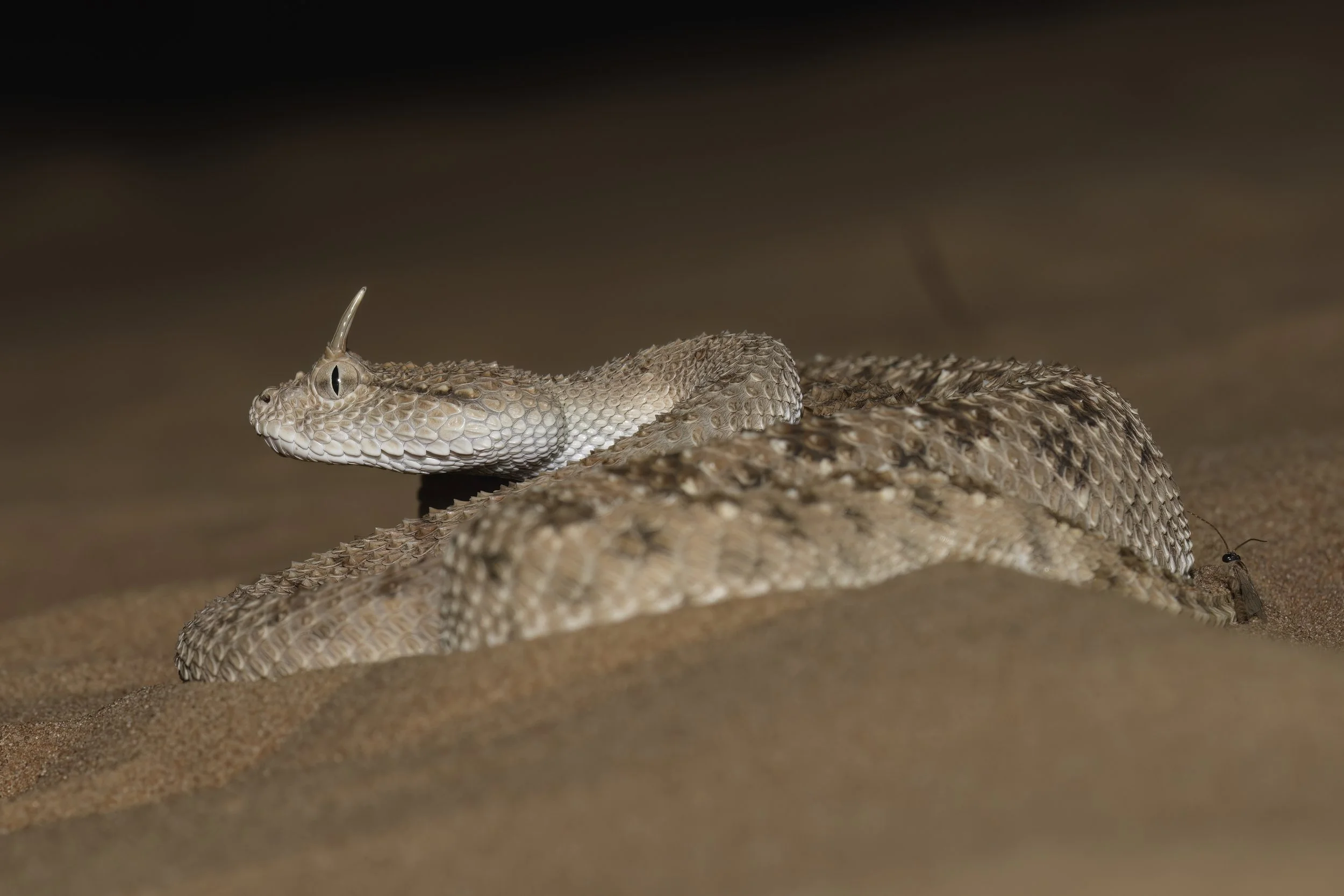
Arabian Horned Viper \ Cerastes gasperettii
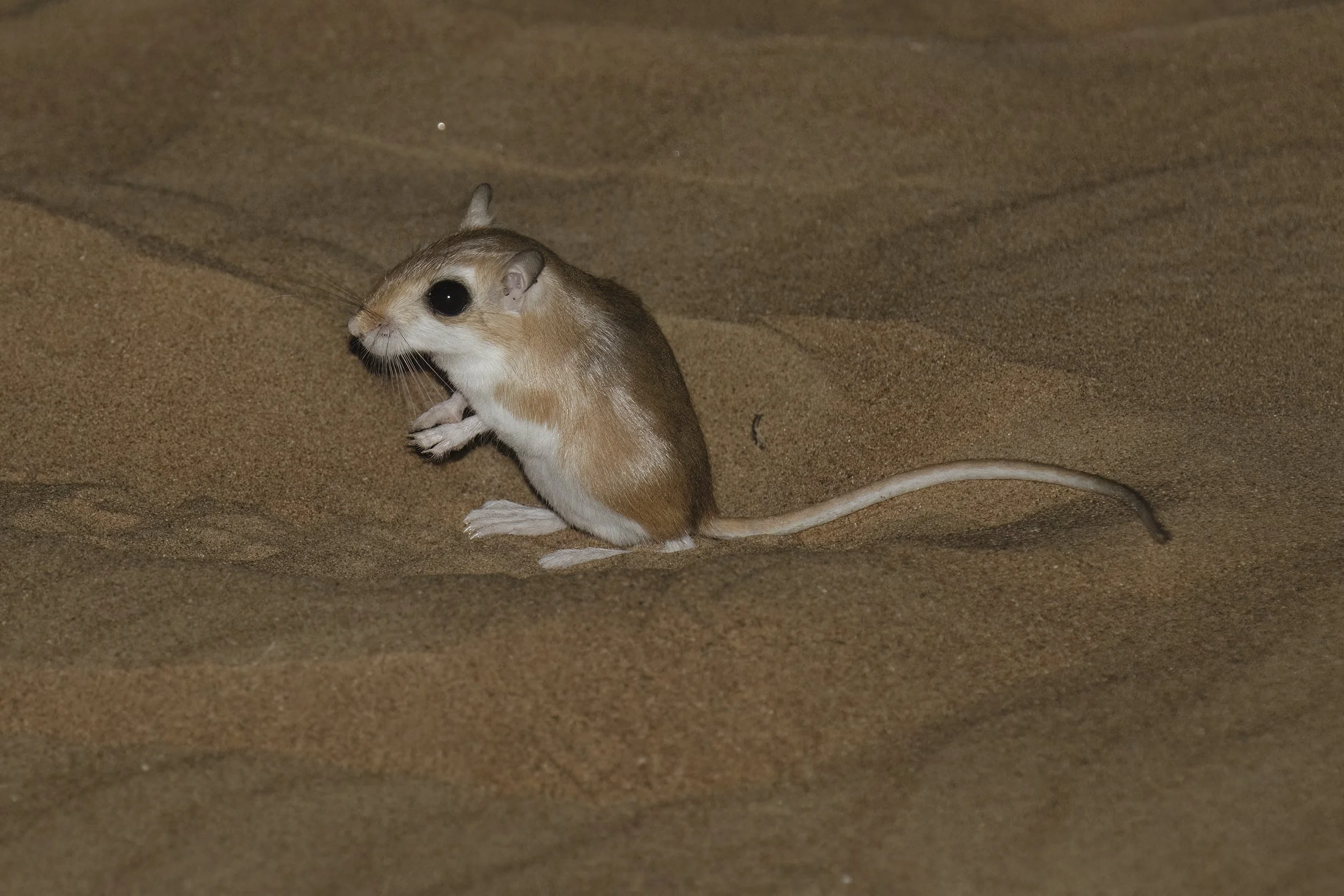
Cheesman's Gerbil \ Gerbillus cheesmani
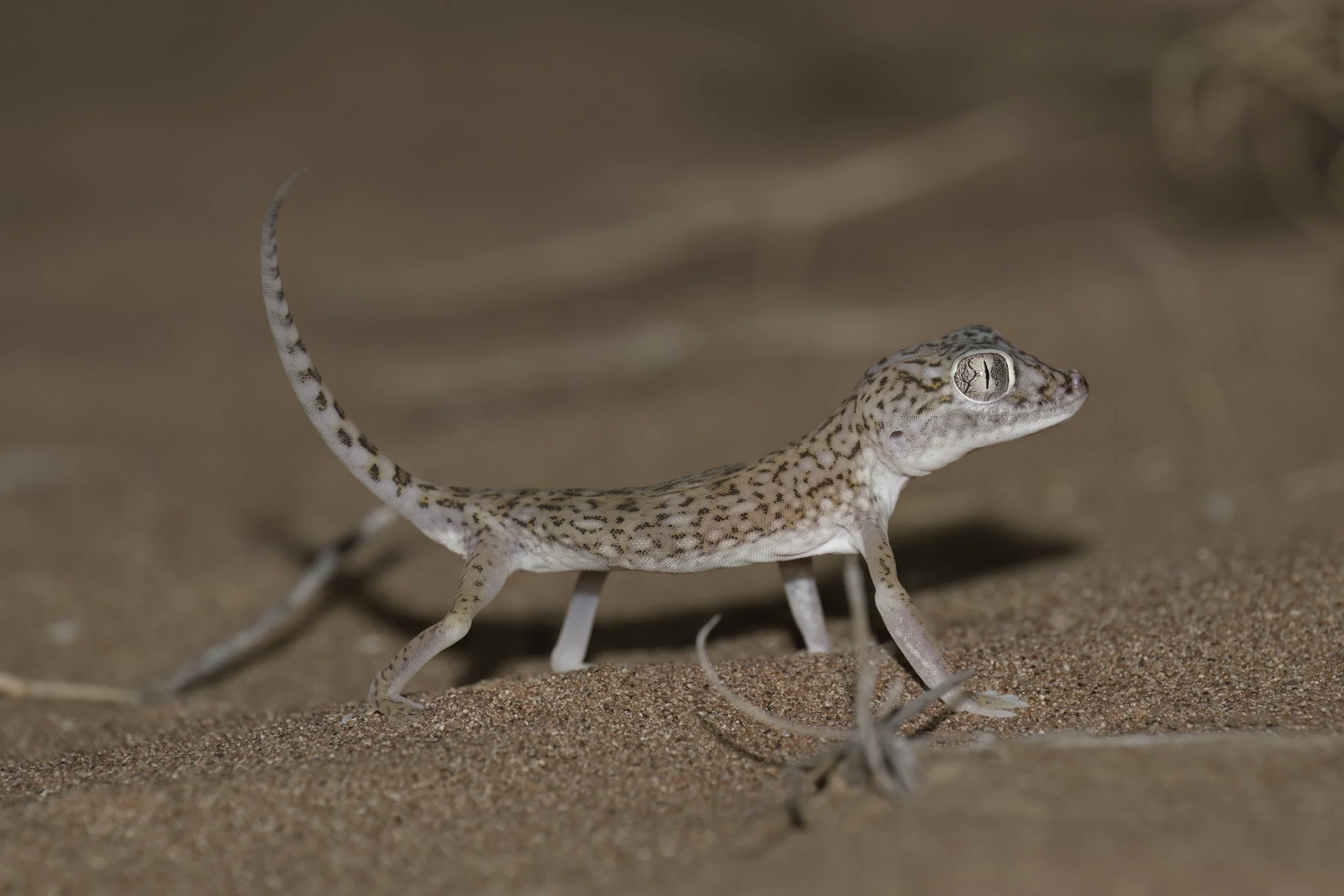
Middle Eastern Short-fingered Gecko \ Stenodactylus doriae
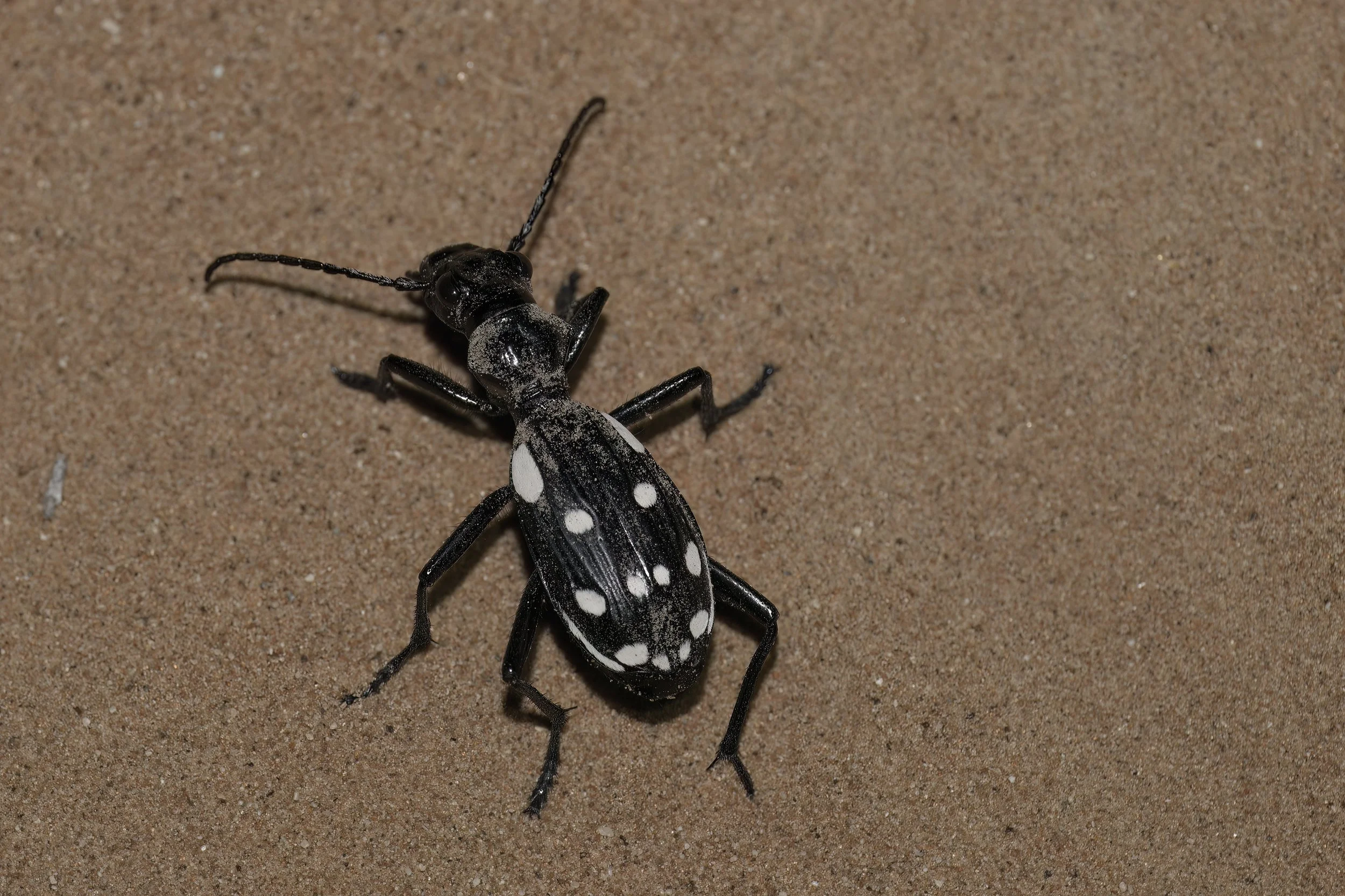
Domino Beetle \ Anthia sexguttata
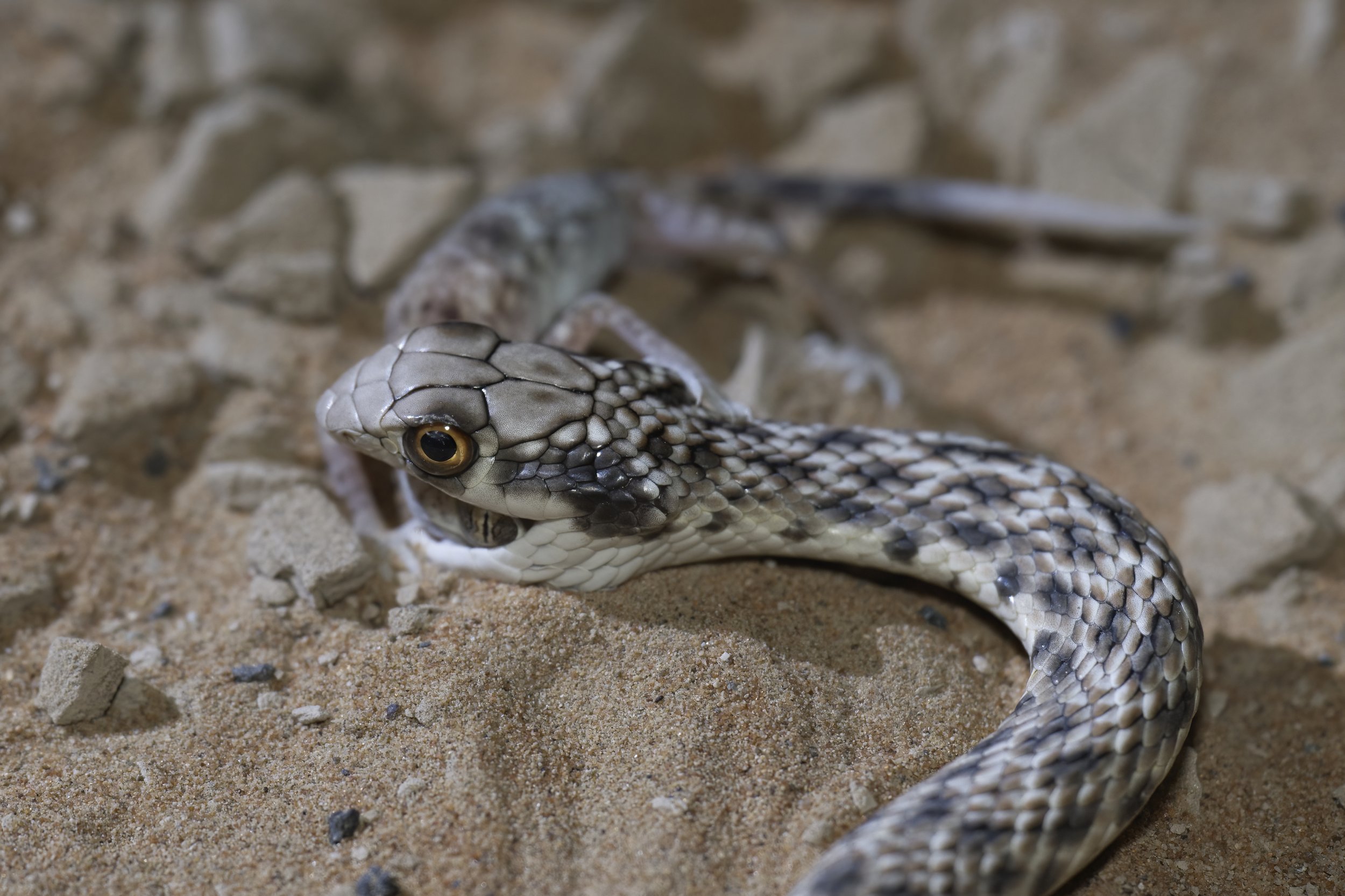
Moila Snake \ Malpolon moilensis
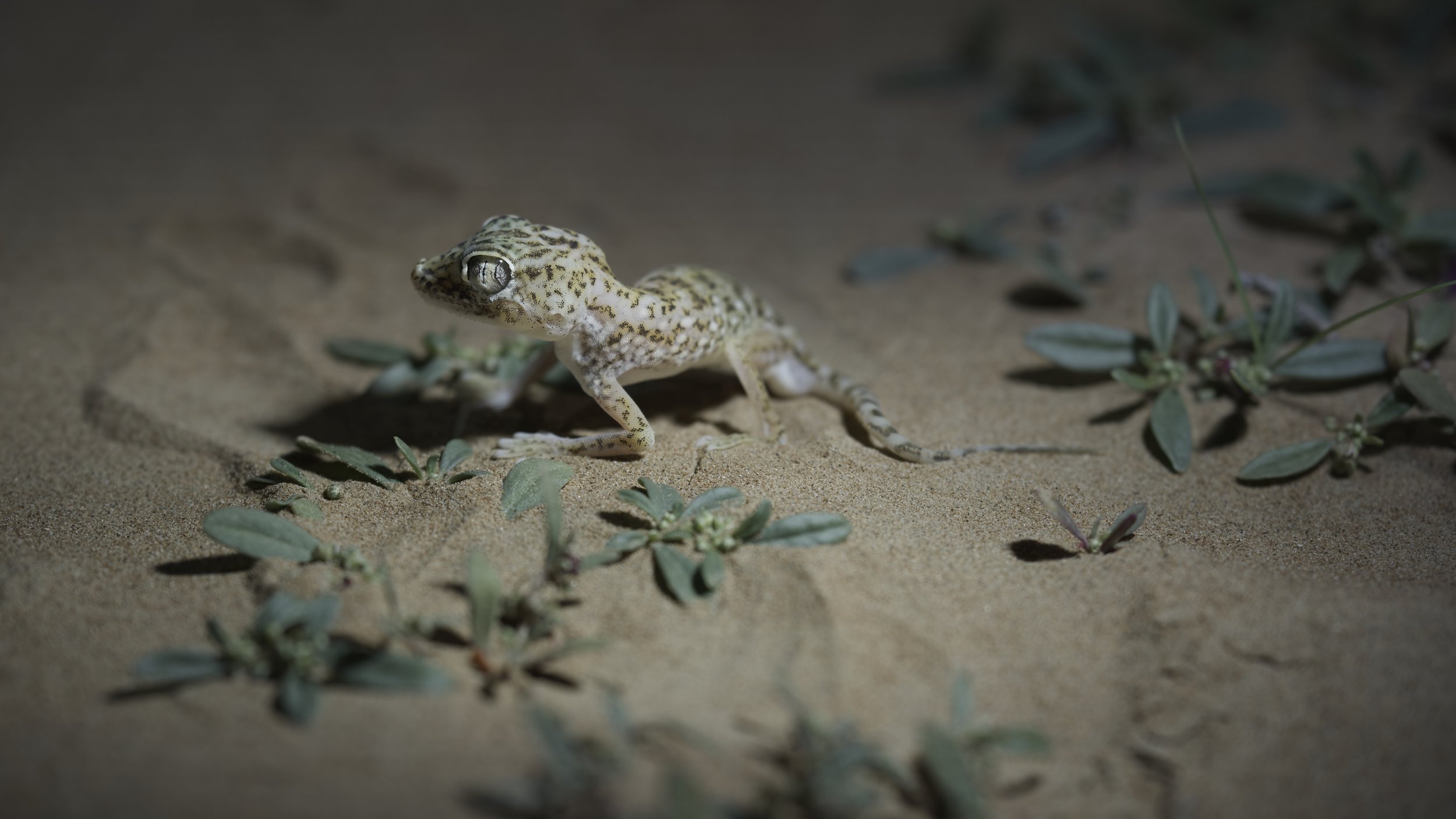
Middle Eastern Short-fingered Gecko \ Stenodactylus doriae
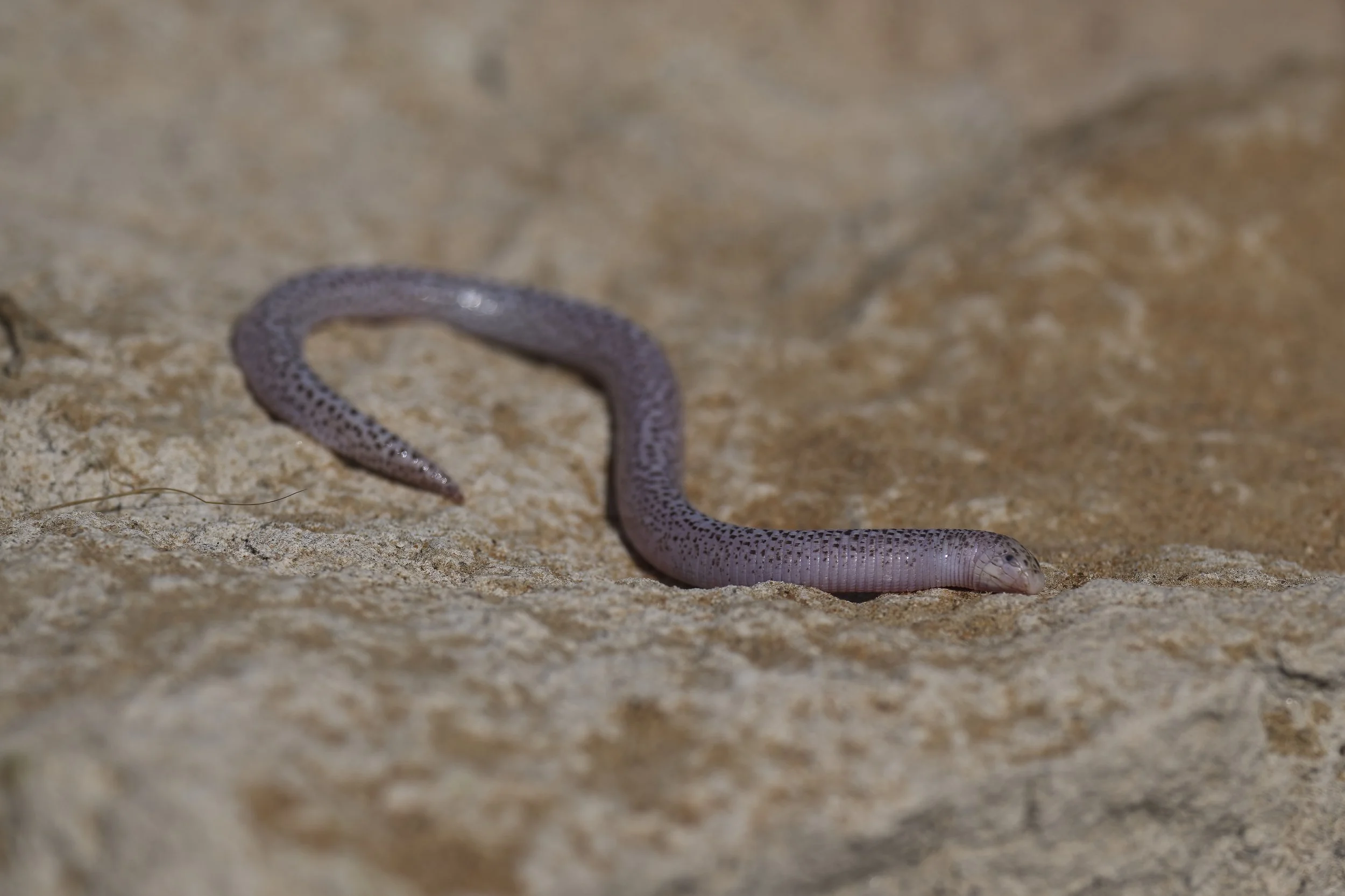
Zarudnyi's Worm Lizard \ Diplometopon zarudnyi
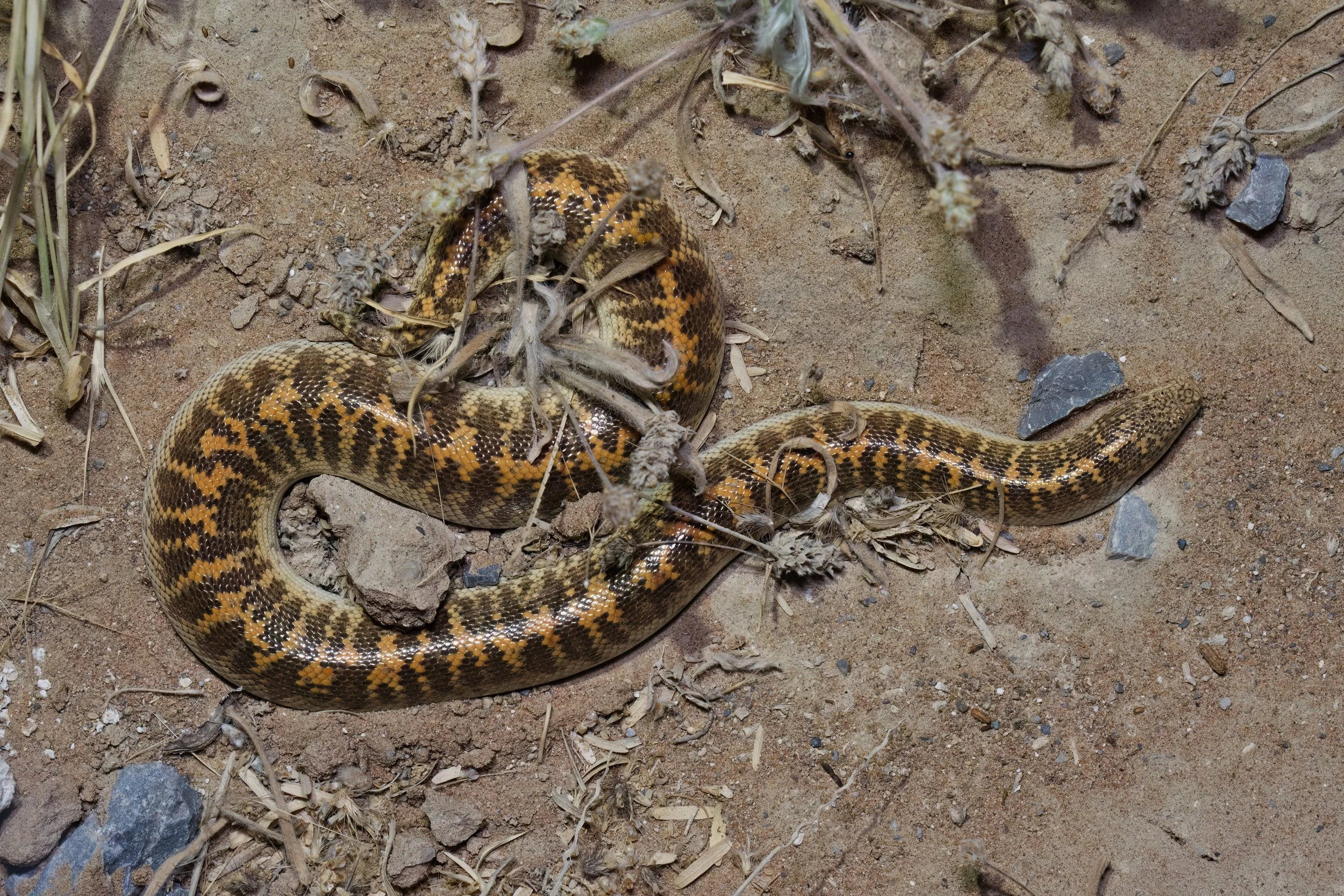
Arabian Sand Boa \ Eryx jayakari
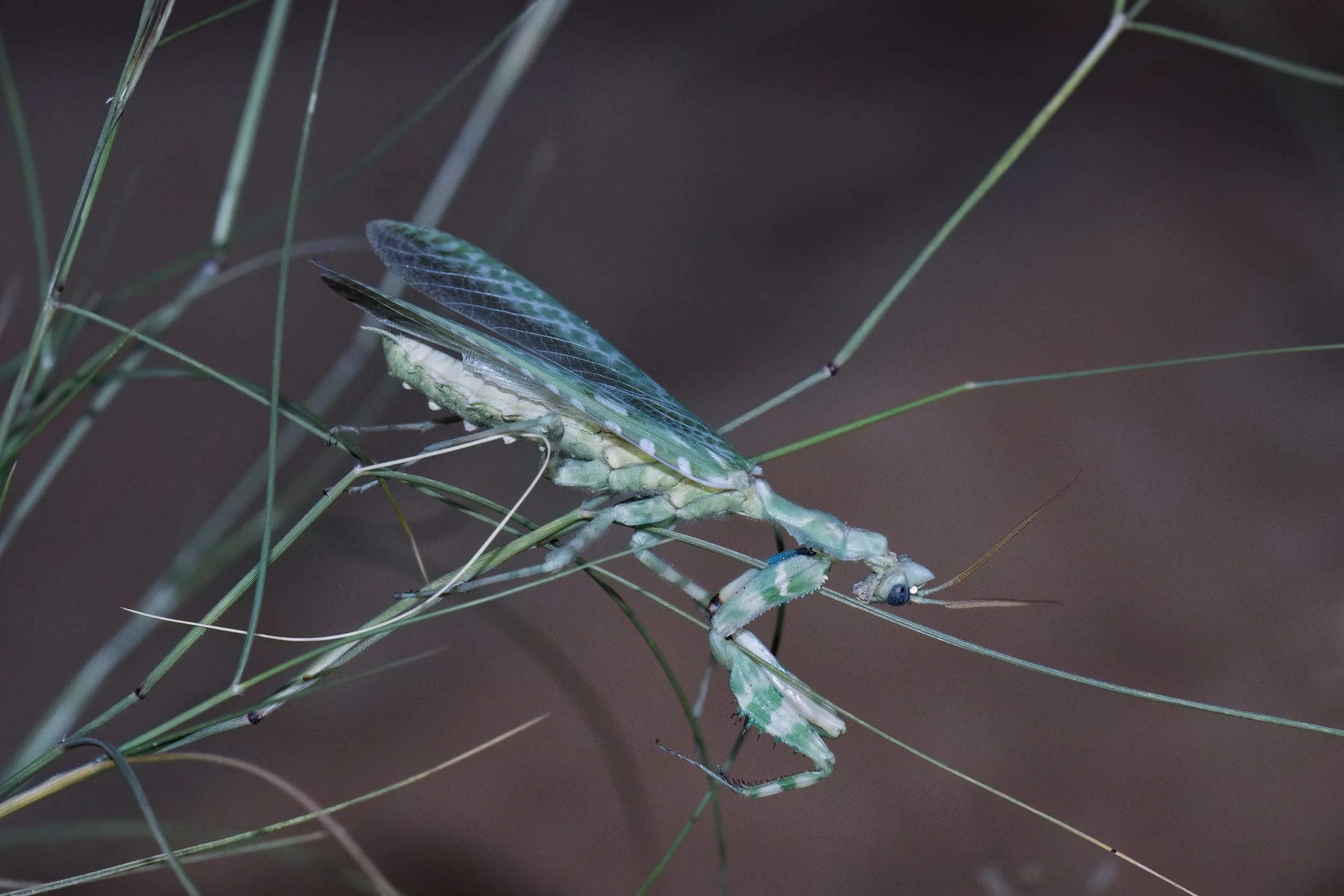
Thistle Mantis \ Blepharopsis mendica
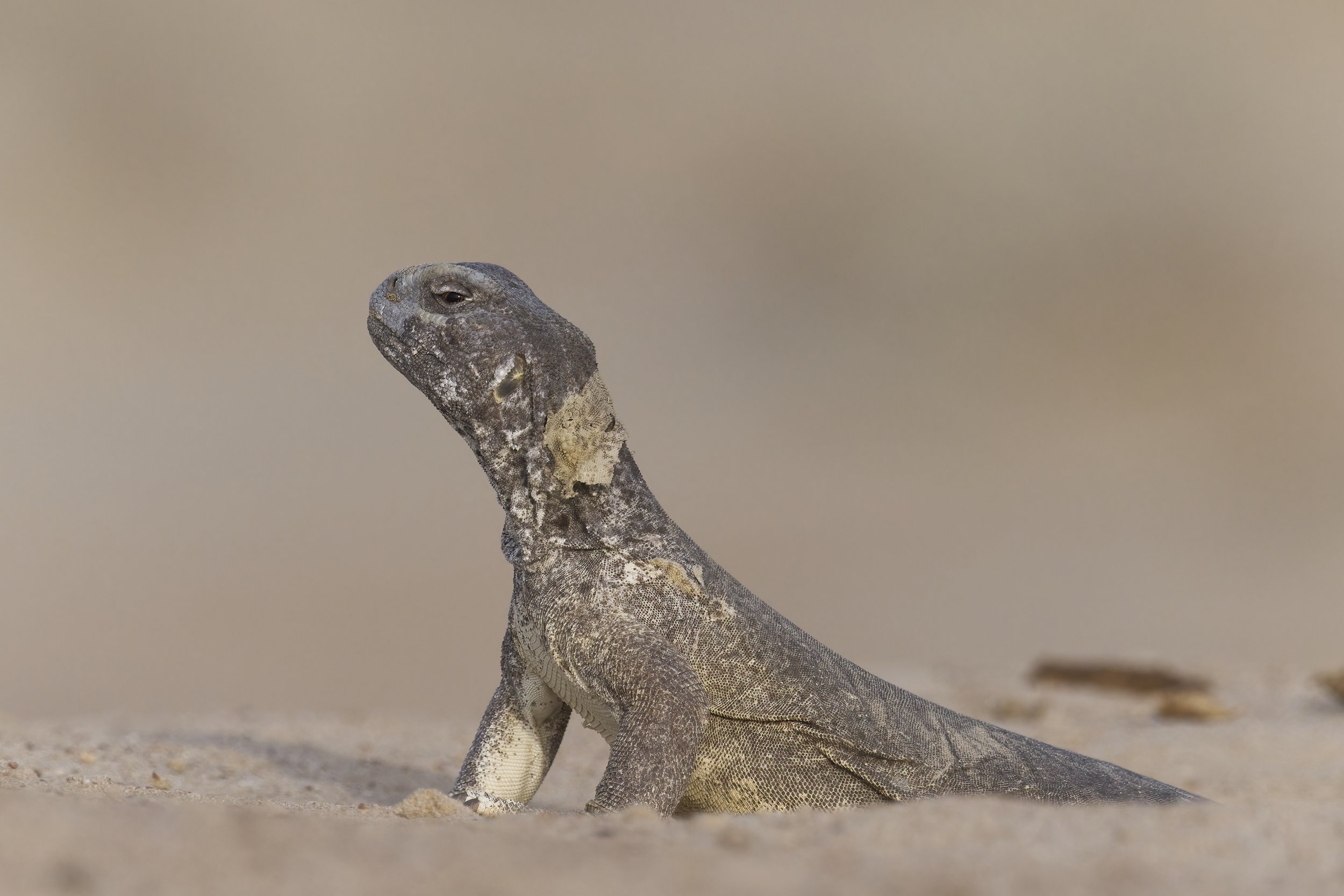
Egyptian spiny-tailed lizard \ Uromastyx aegyptia
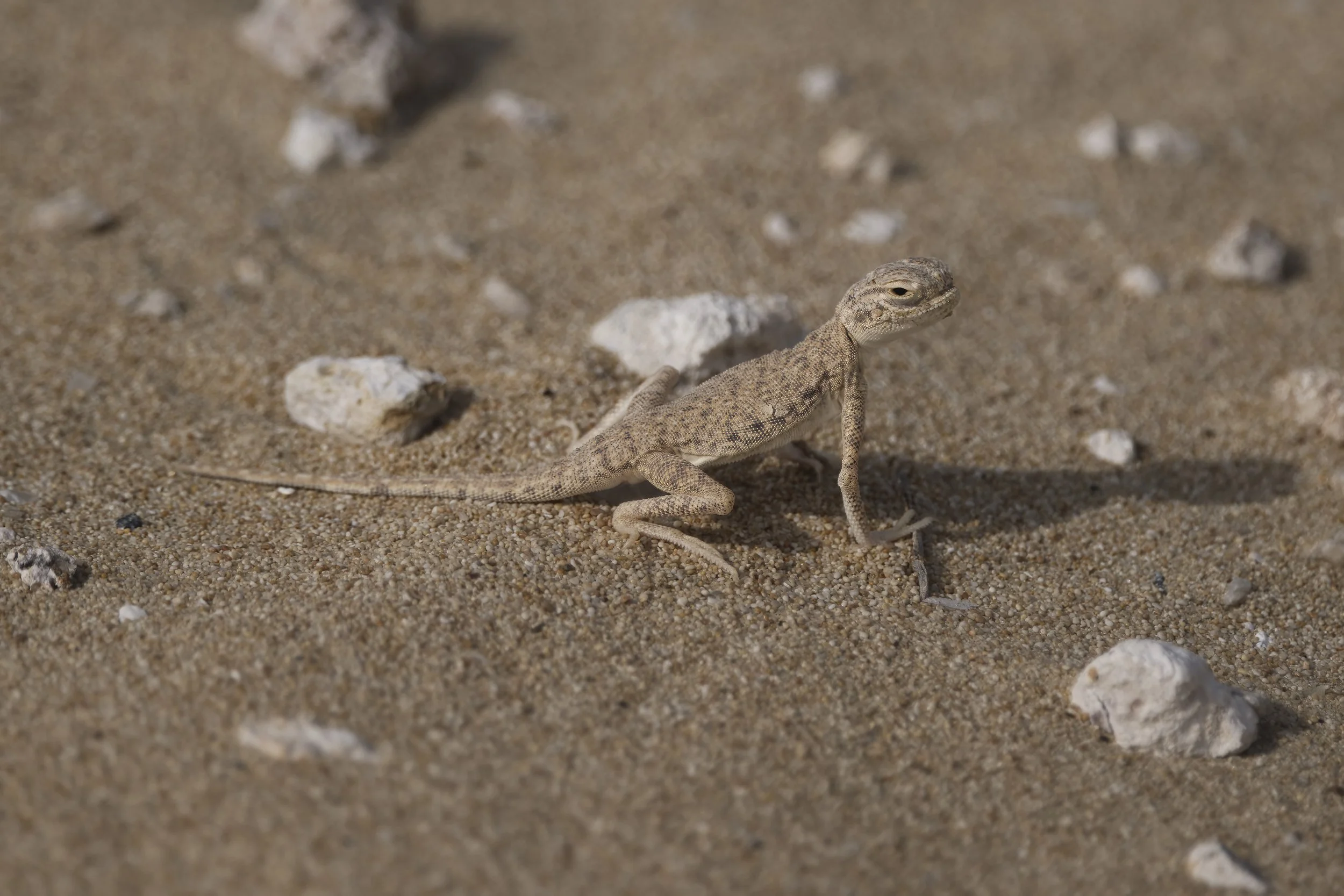
Arabian Toad-headed Agama \ Phrynocephalus arabicus
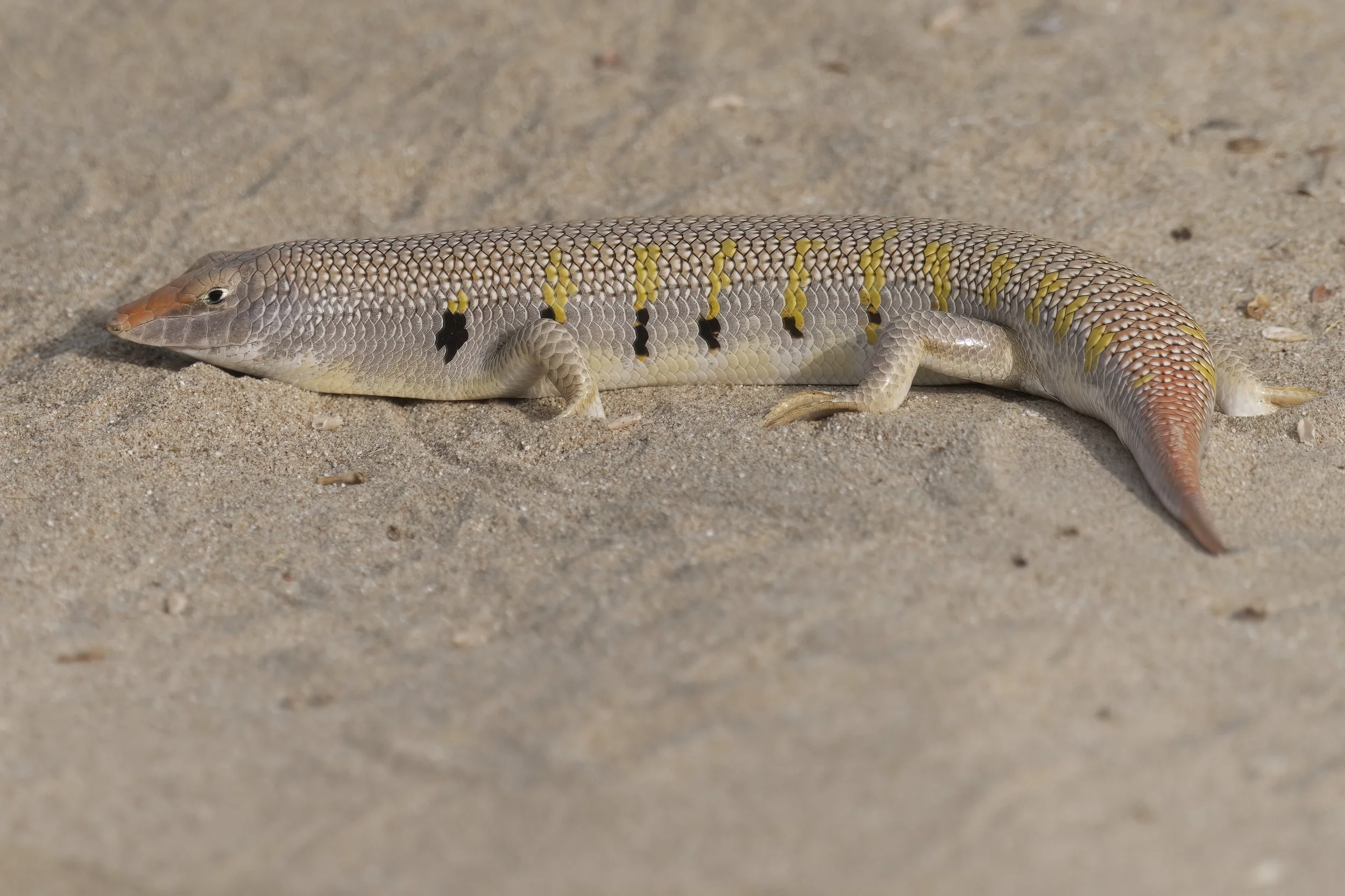
Arabian Sand Skink \ Scincus mitranus
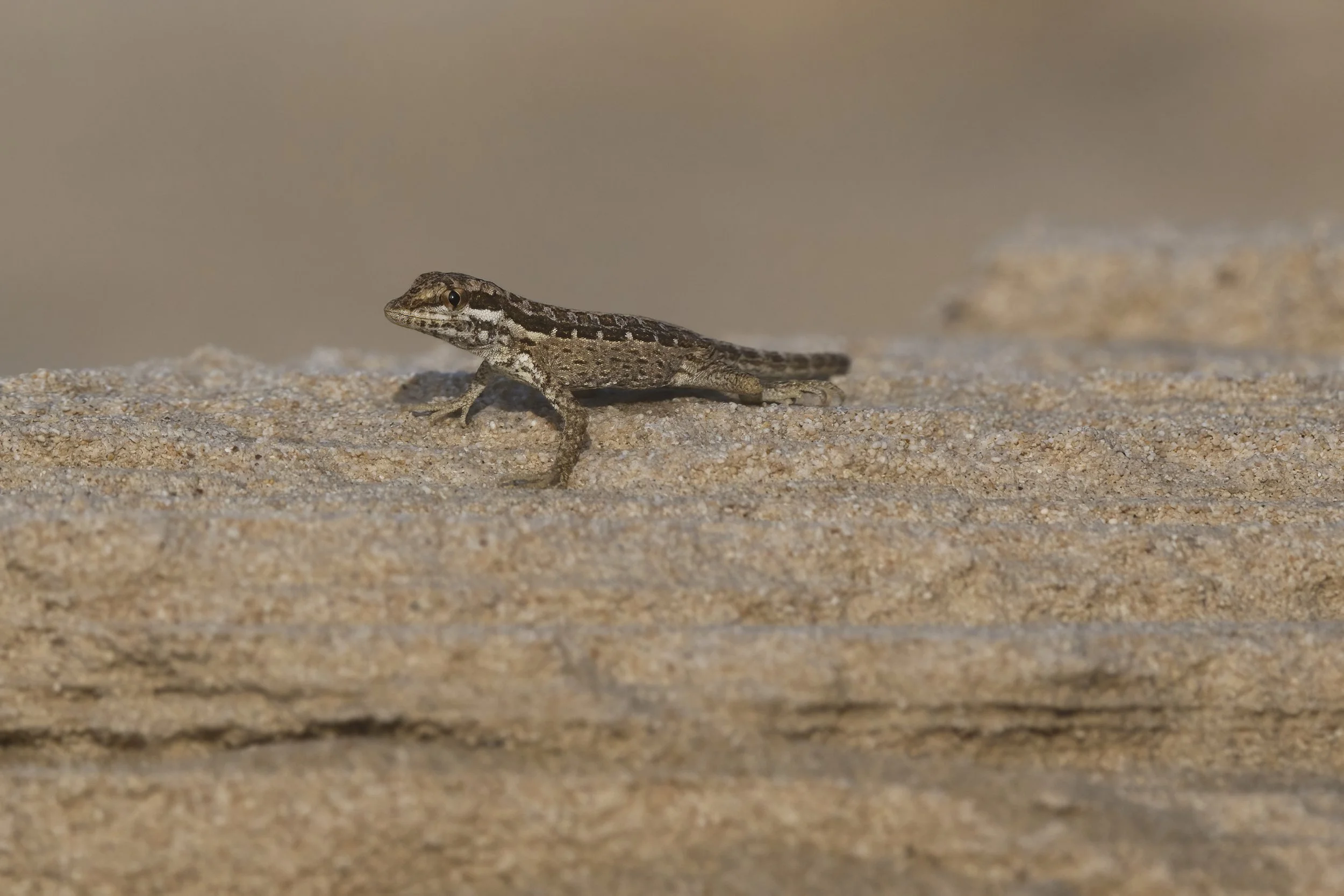
Arnold’s Rock Gecko \ Pristurus minimus
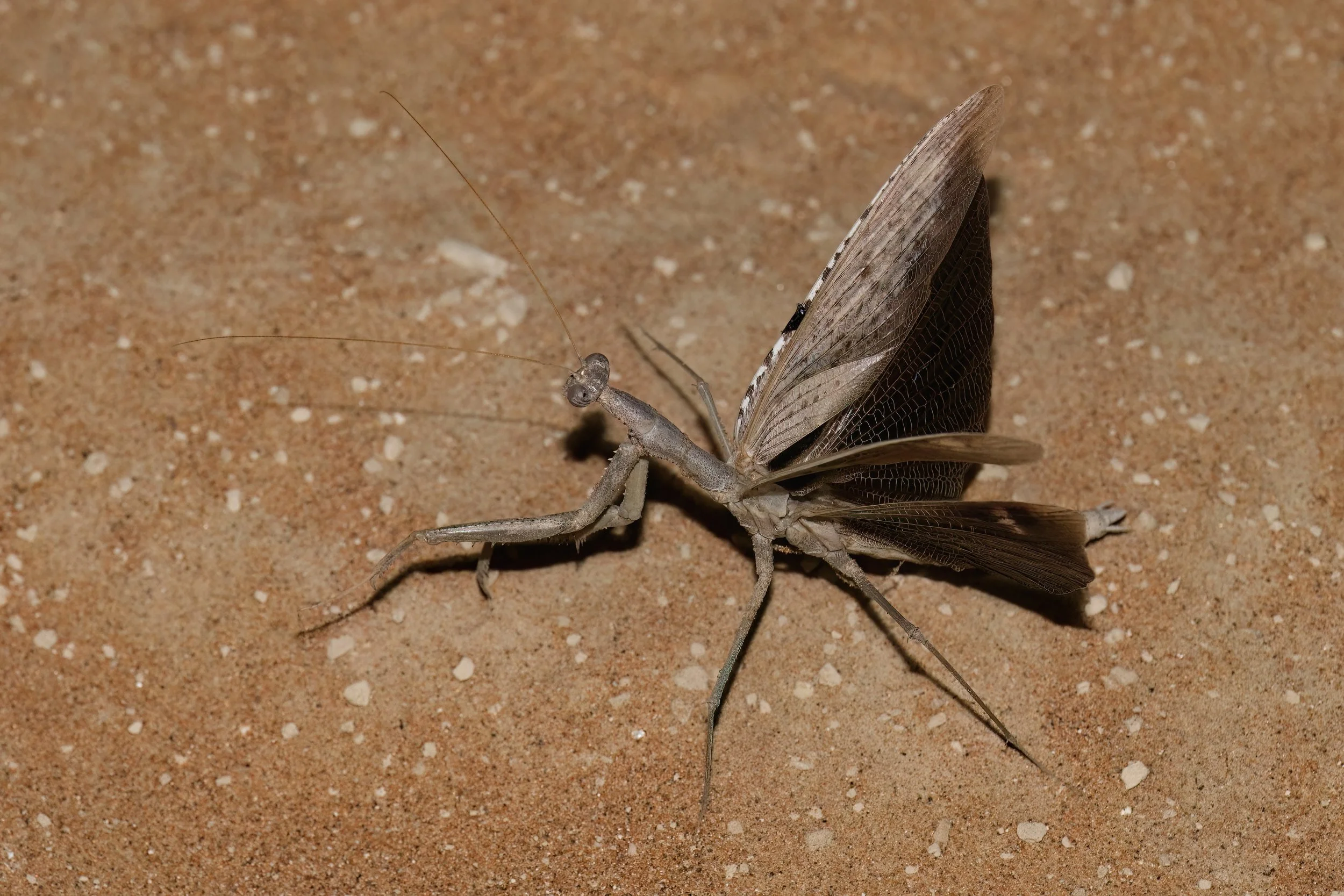
Baetic Ground Mantis \ Rivetina baetica
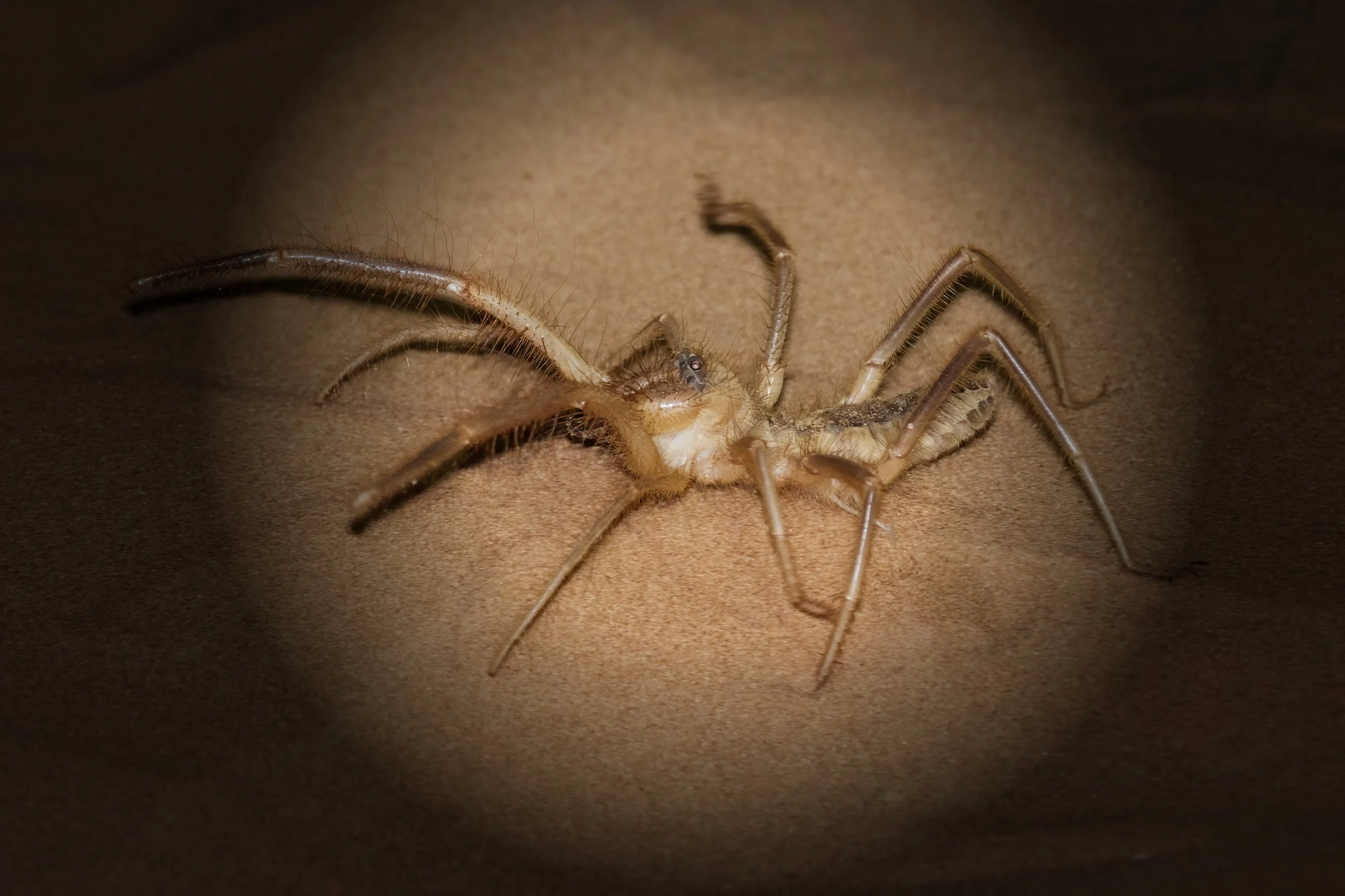
Camel Spider \ Galeodes arabs
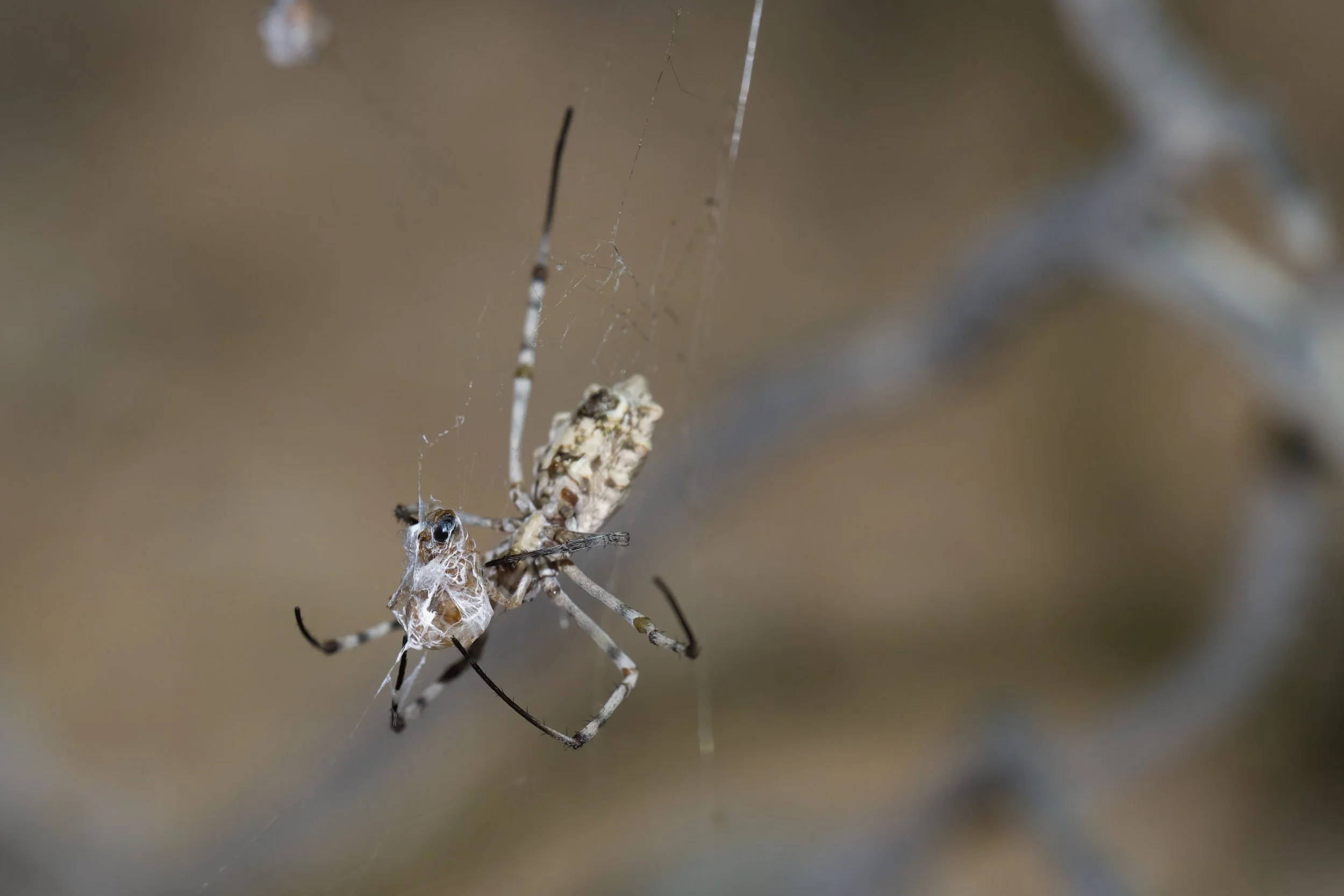
Lobed Argiope \ Argiope lobata/i>
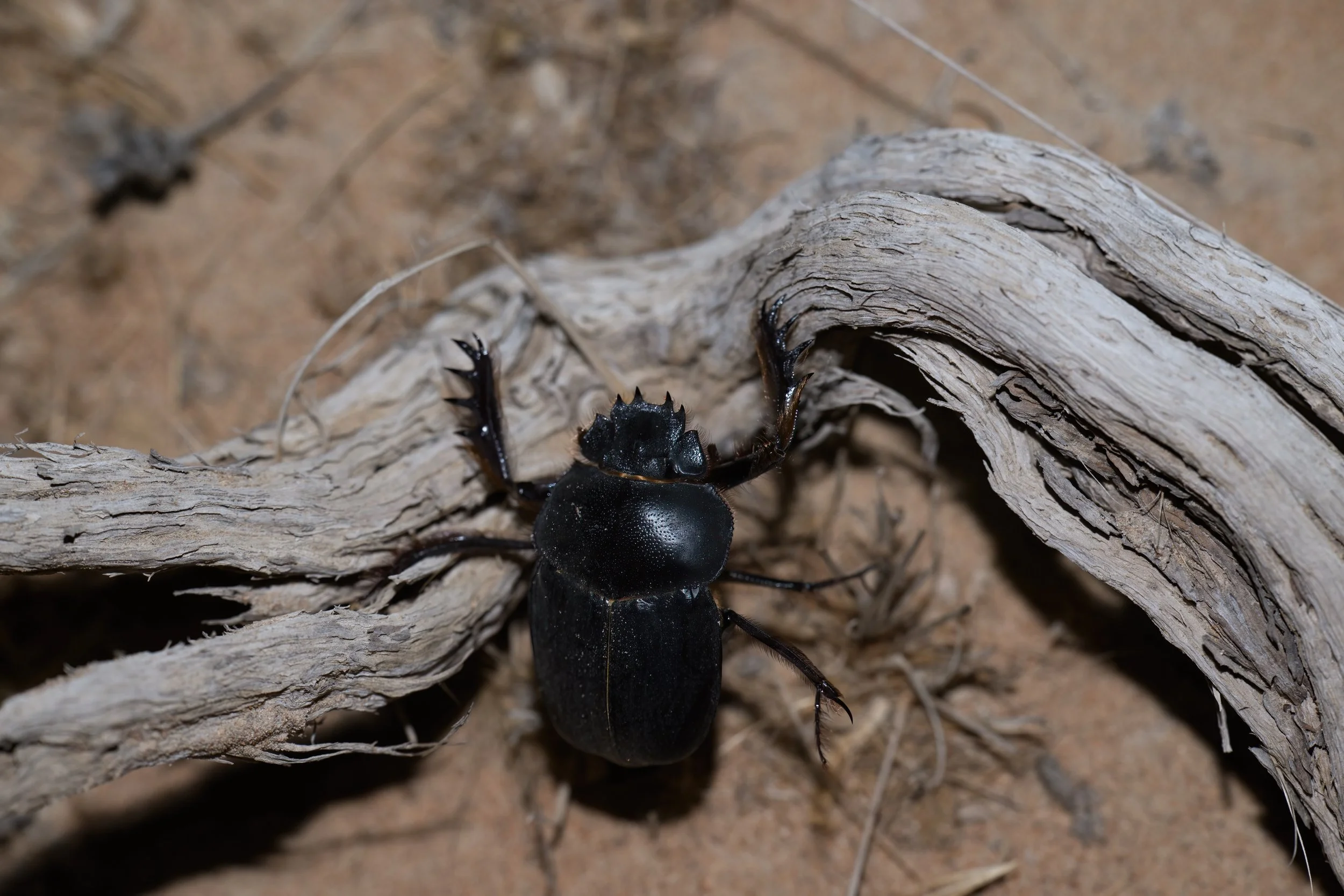
Rolling Dung Beetle \ Scarabaeus cristatus/i>
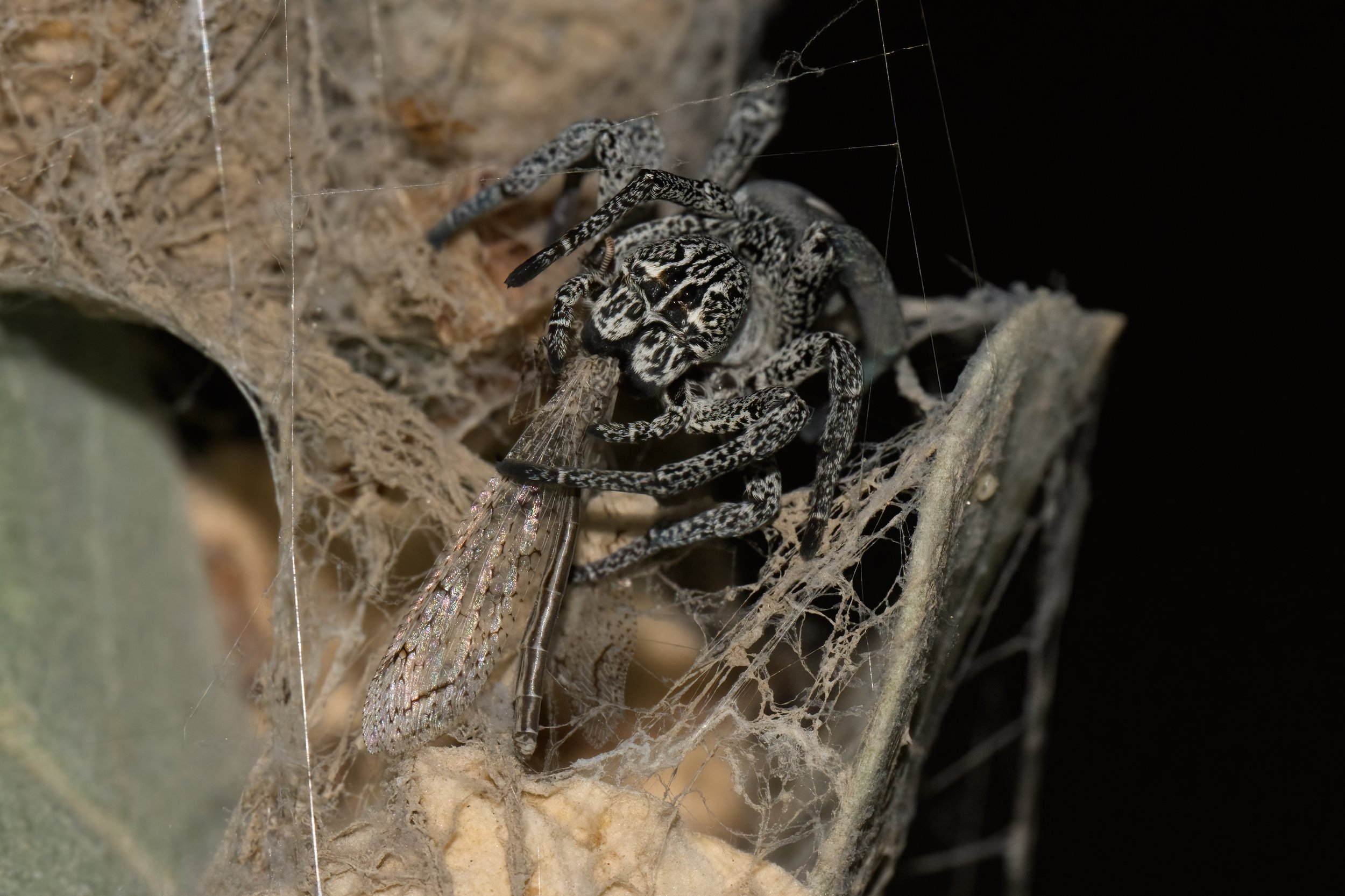
Desert Velvet Spider \ Stegodyphus lineatus/i>
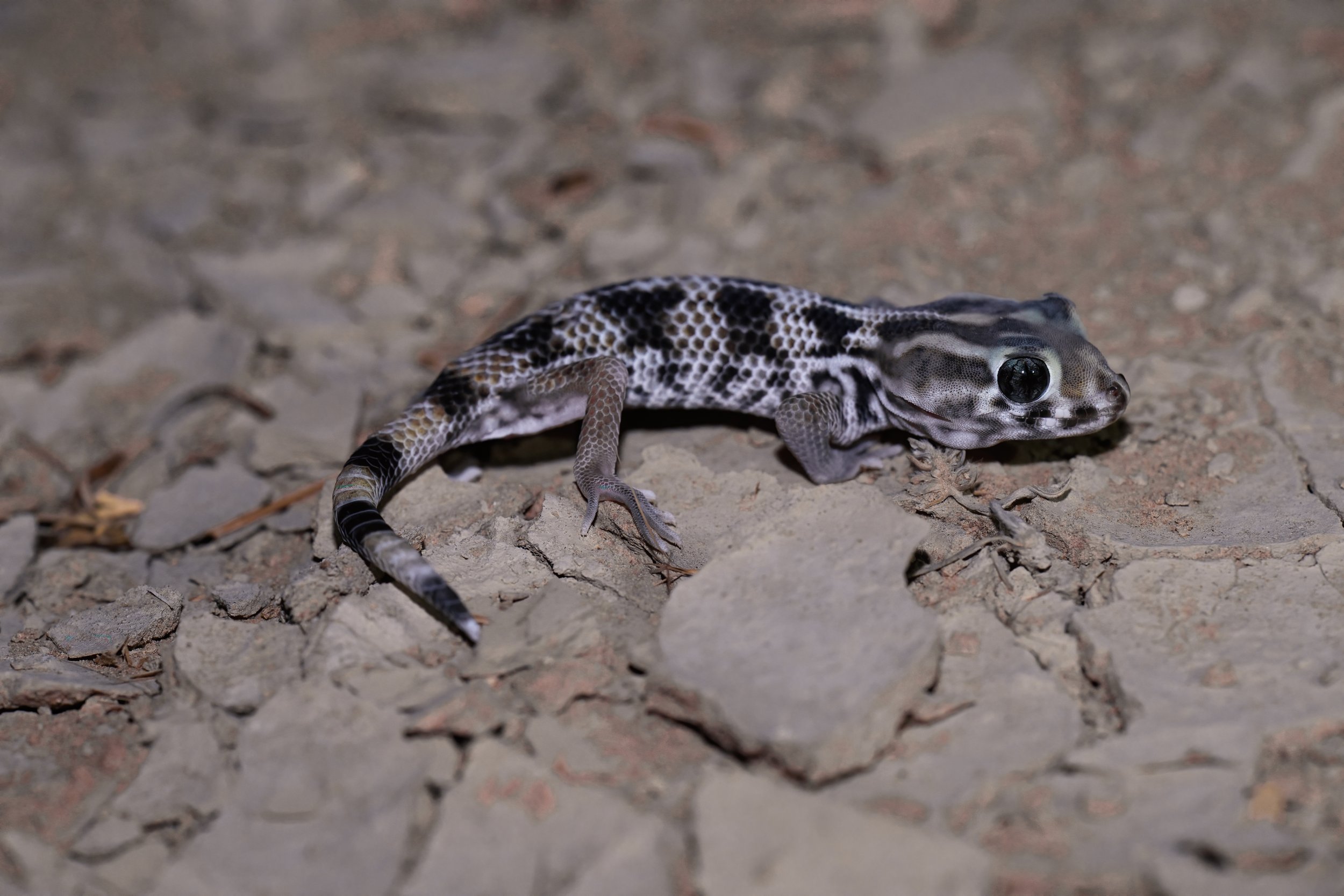
Keyserling's Wonder Gecko \ Teratoscincus keyserlingii/i>
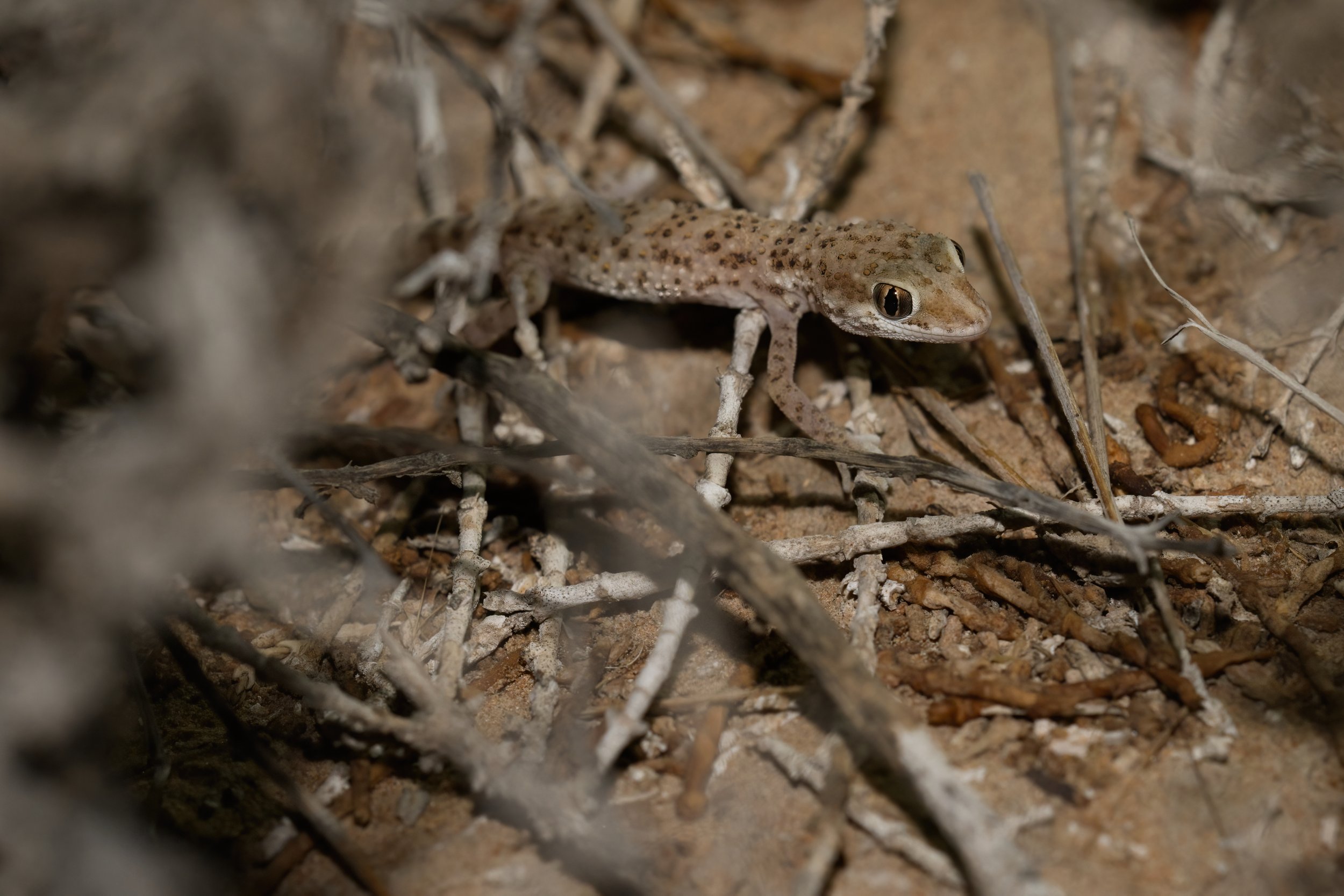
Baluch Ground Gecko \ Bunopus tuberculatus/i>
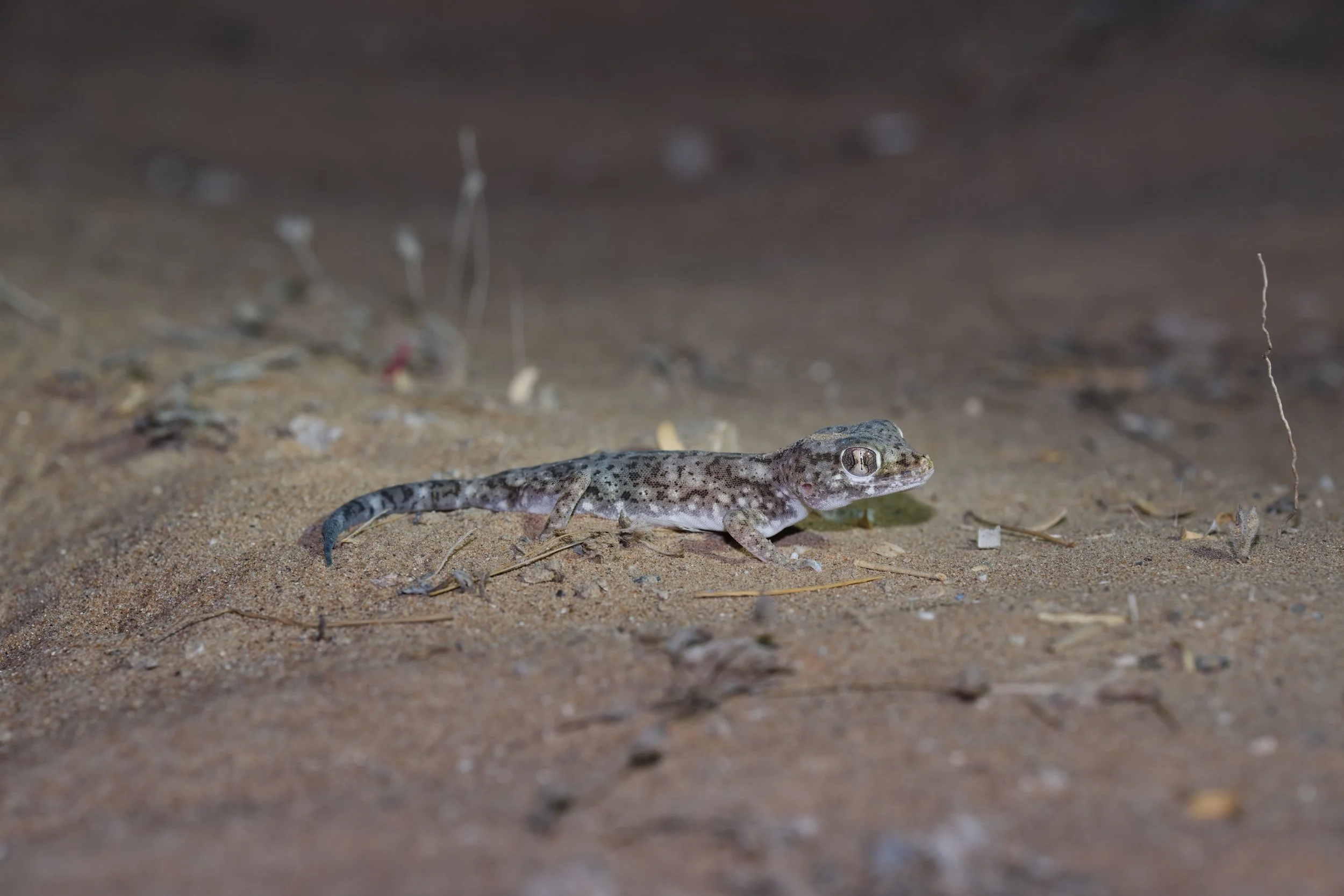
Eastern Sand Gecko \ Stenodactylus leptocosymbotes/i>
Desert herping in the United Arab Emirates offers a unique opportunity to discover a side of the desert that remains hidden during the day. As temperatures begin to drop after sunset, reptiles, arachnids, and other nocturnal creatures emerge from their shelters to hunt, forage, and move across the landscape. A typical night may reveal species such as the Arabian Horned Viper, Sindh Saw-scaled Viper, Dune Sand Gecko, Arabian Sand Skink, Zarudnyi’s Worm Lizard, Arabian Fat-tailed Scorpion, and a variety of desert geckos and invertebrates. Unlike bird or mammal photography, herping requires a slower pace and a focus on tracks, movement, habitat features, and thermal signatures. Every dune, gravel plain, and rocky outcrop can hold surprises, making each outing a true exploration of the UAE’s remarkable nocturnal wildlife. Guided responsibly and with respect for the animals and their habitat, desert herping provides an unforgettable way to experience the hidden biodiversity of the Emirates.