

Lichtenstein's Sandgrouse \ Pterocles lichtensteinii
(القطا المخطط )
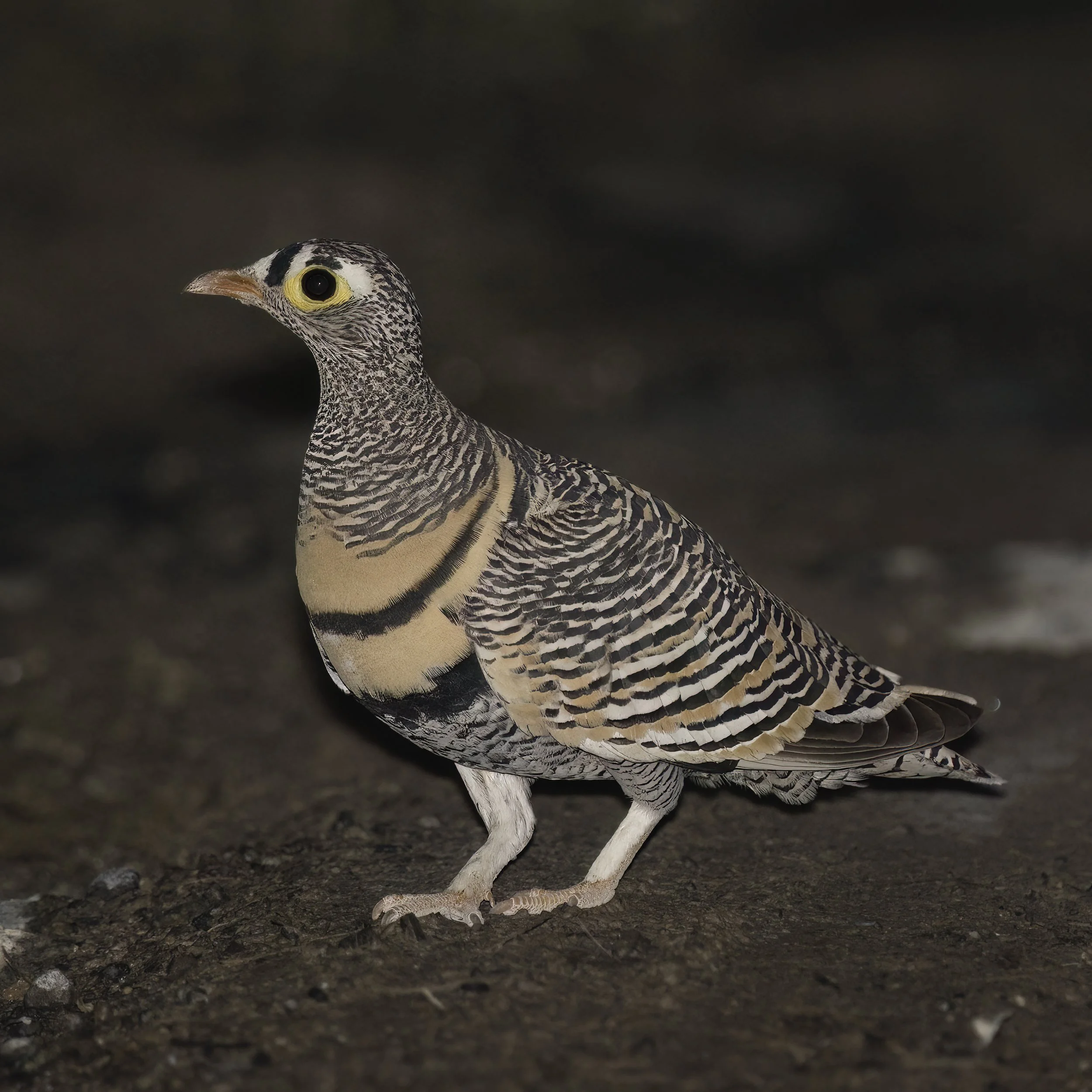
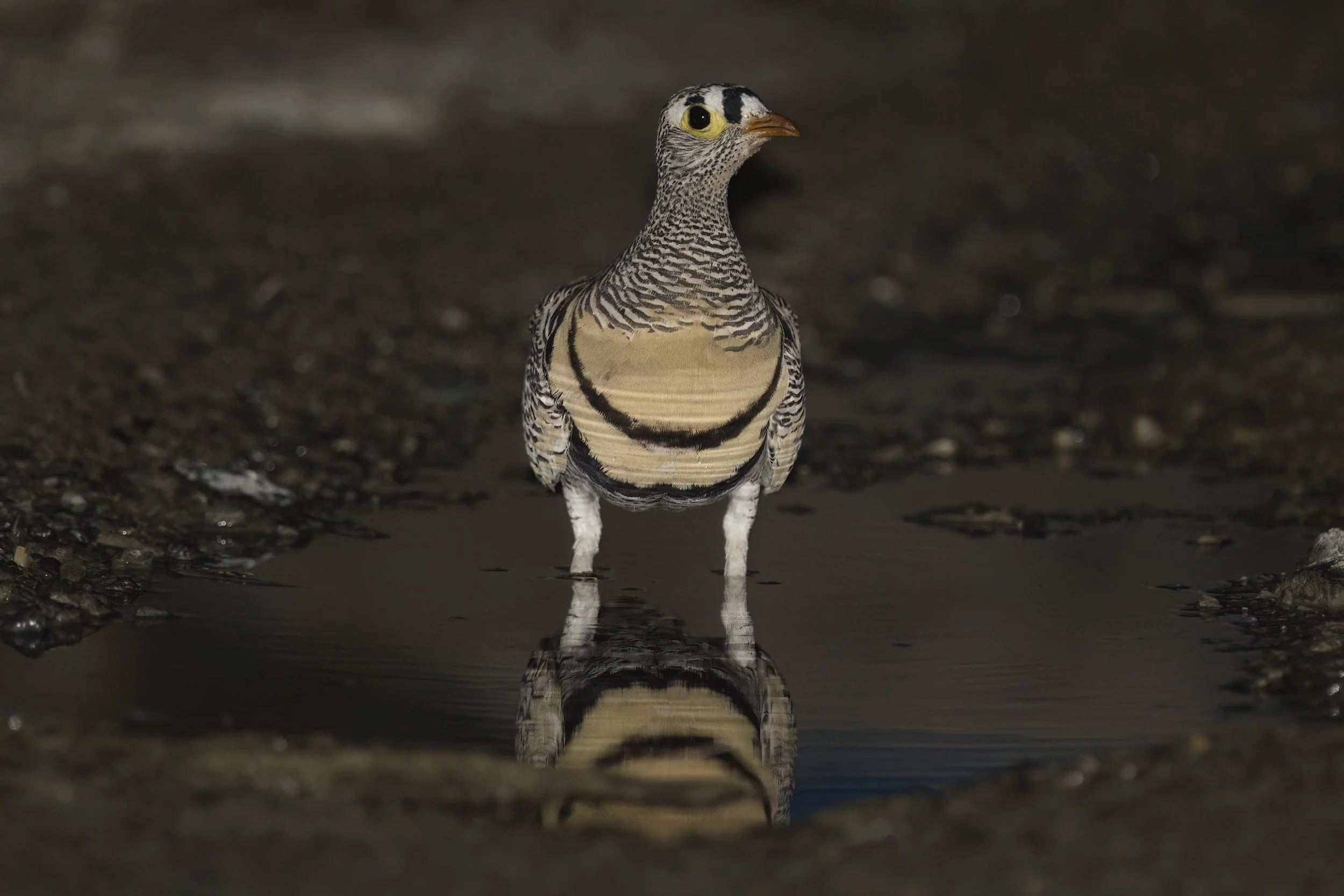
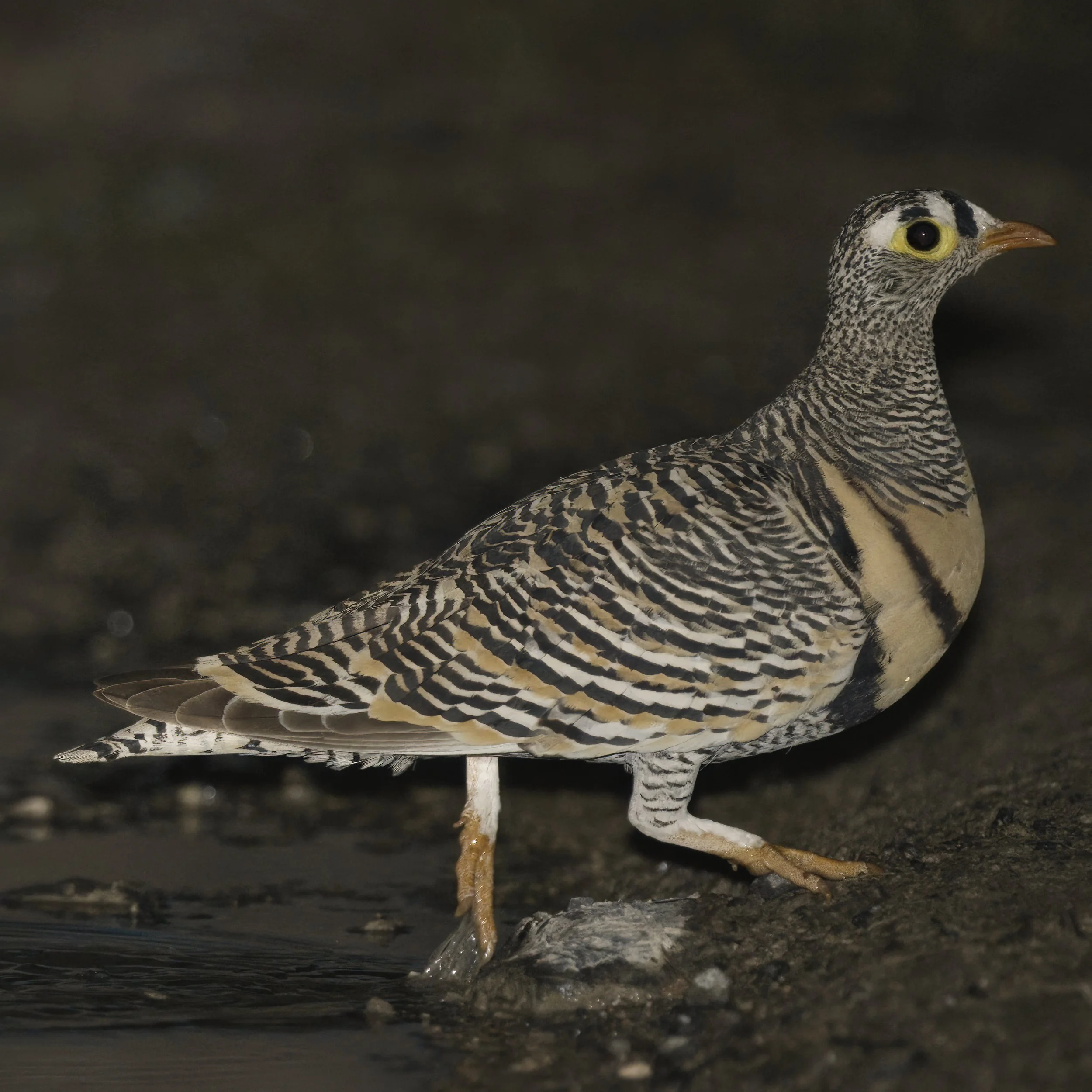
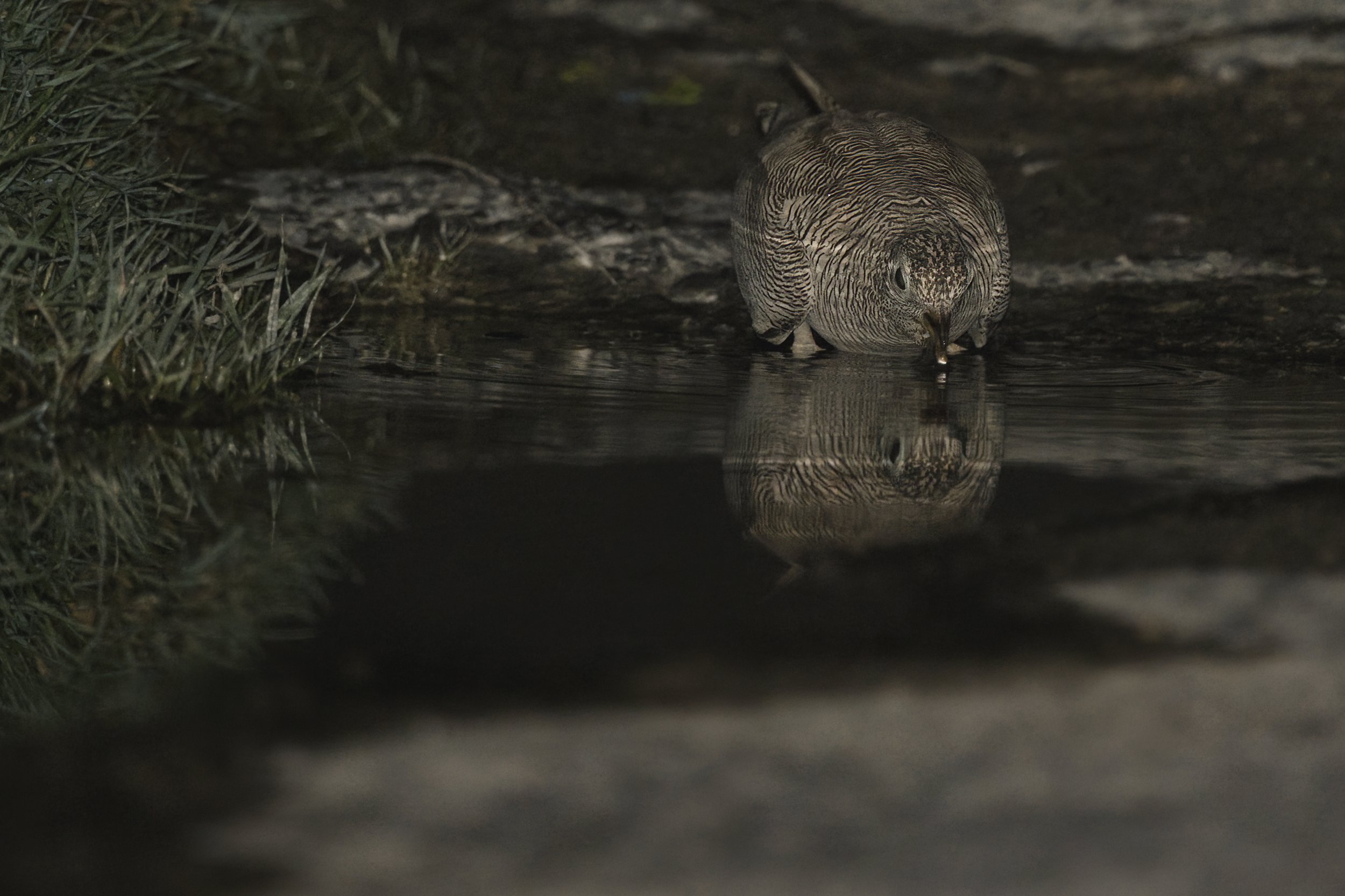
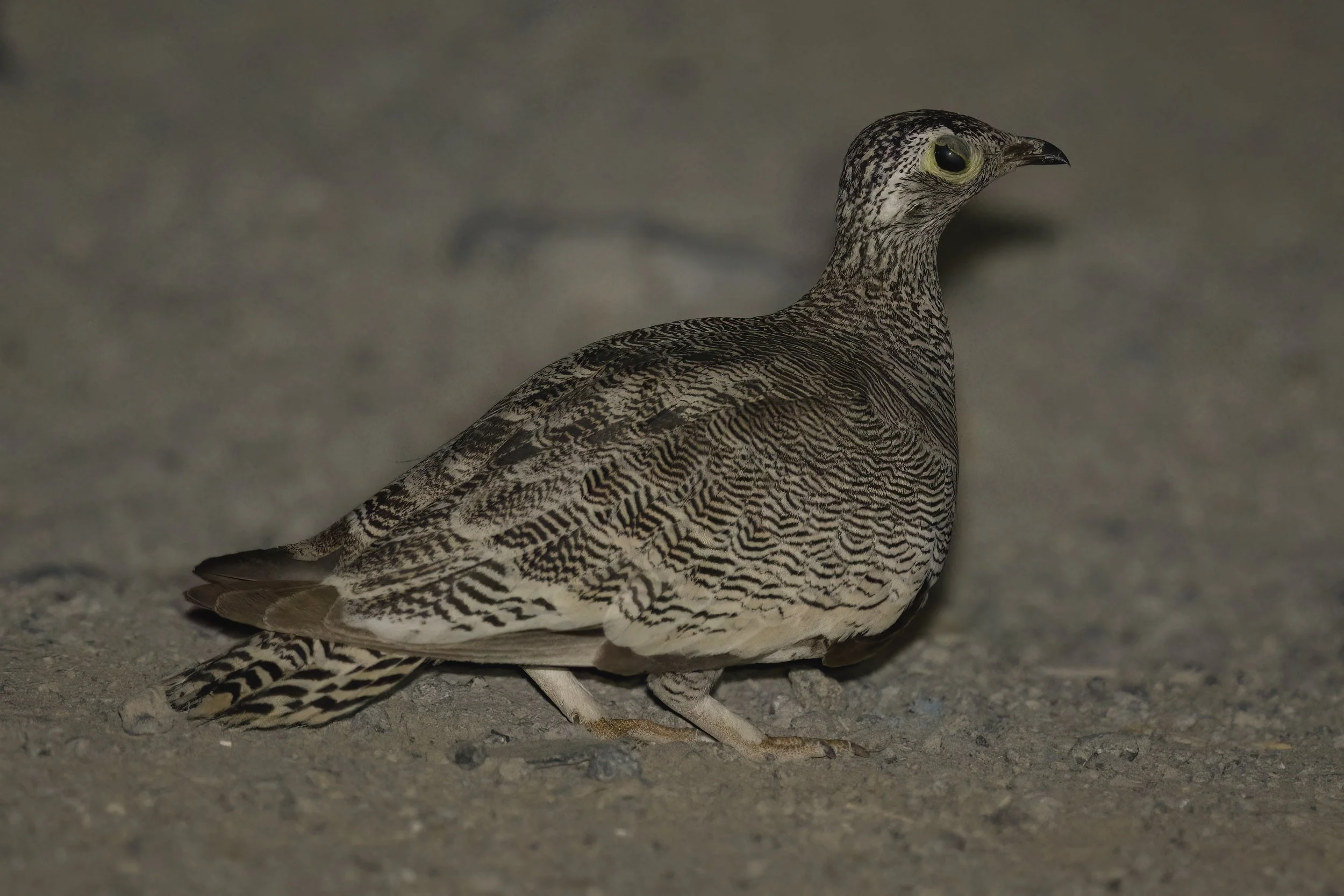
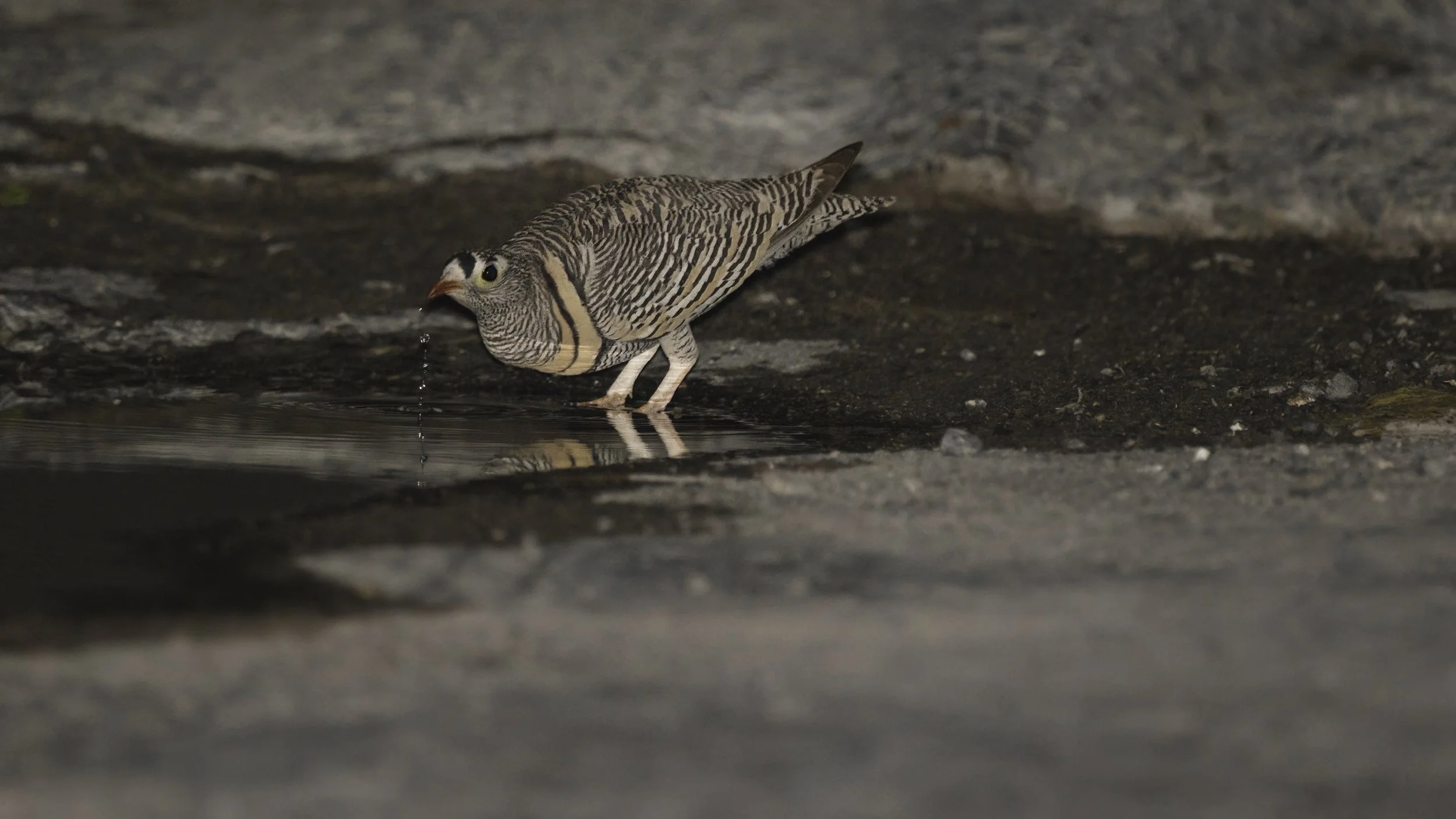
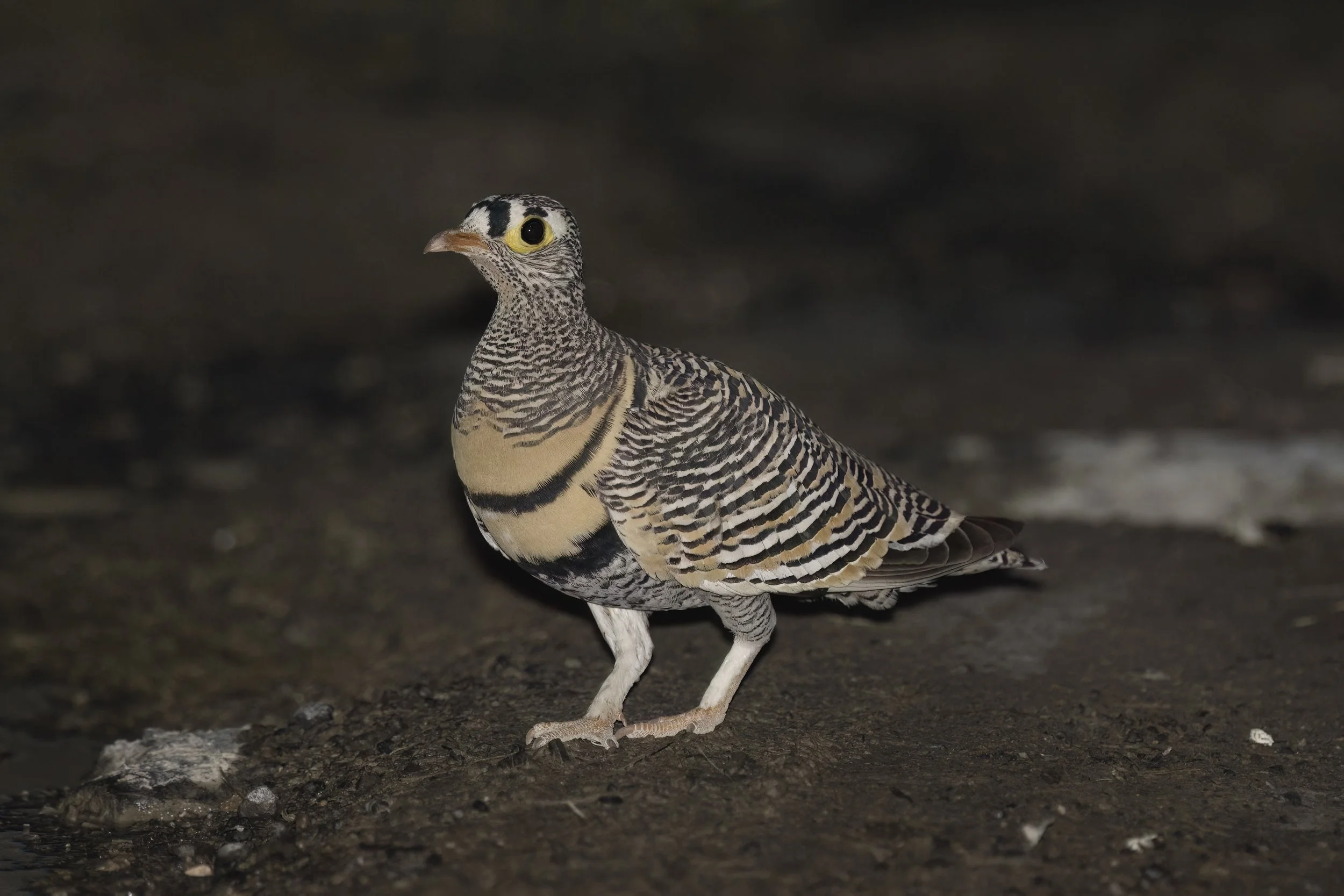
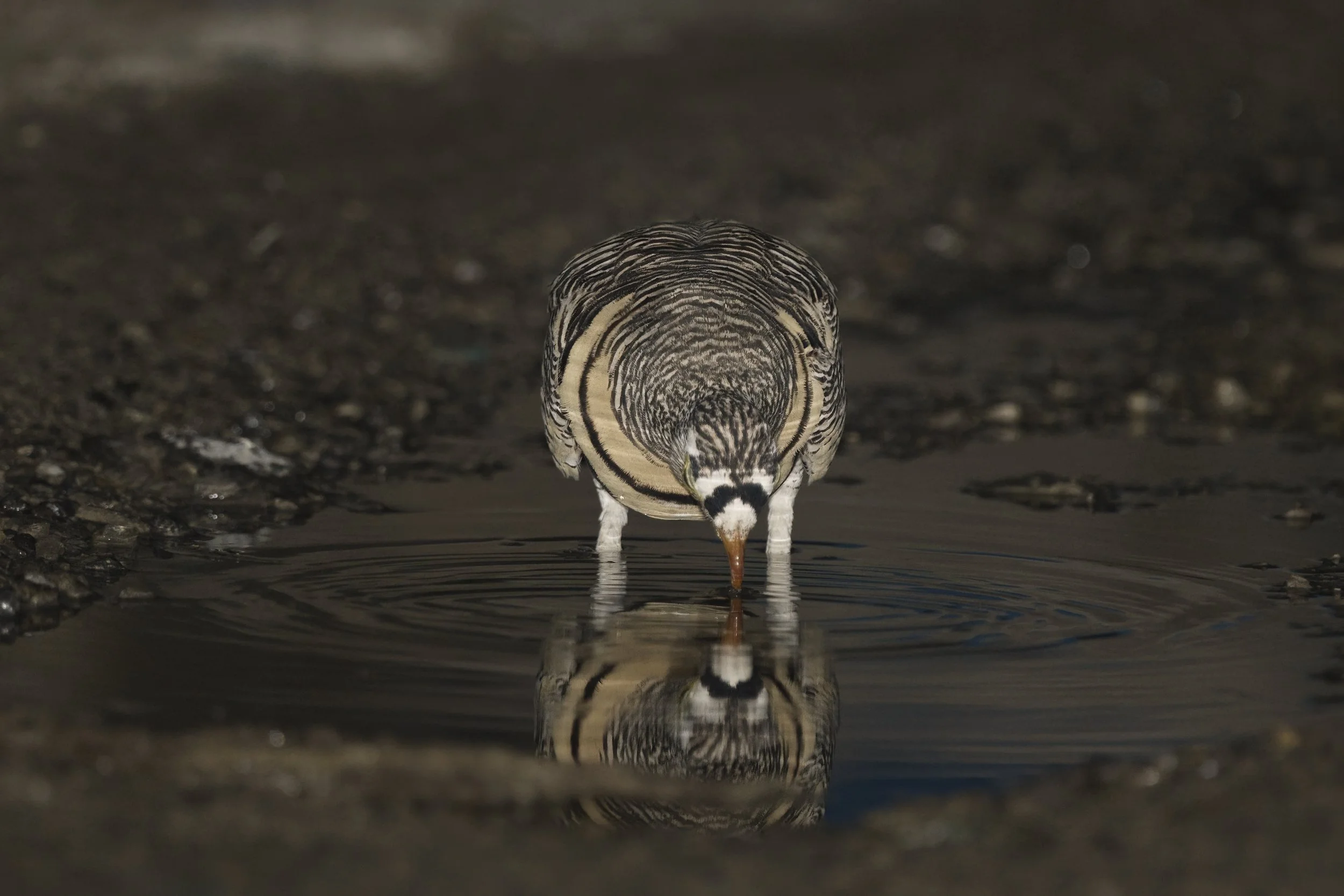
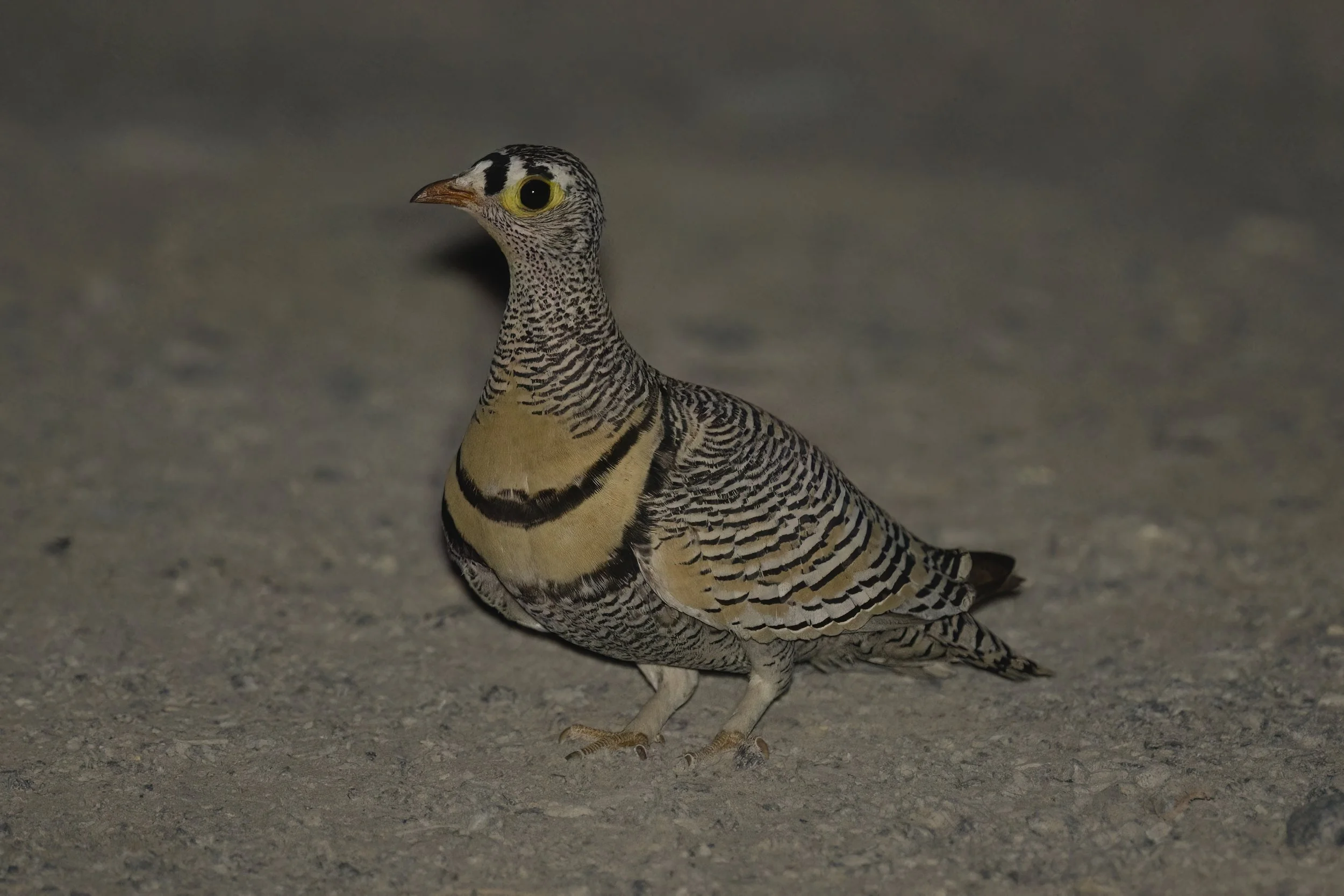
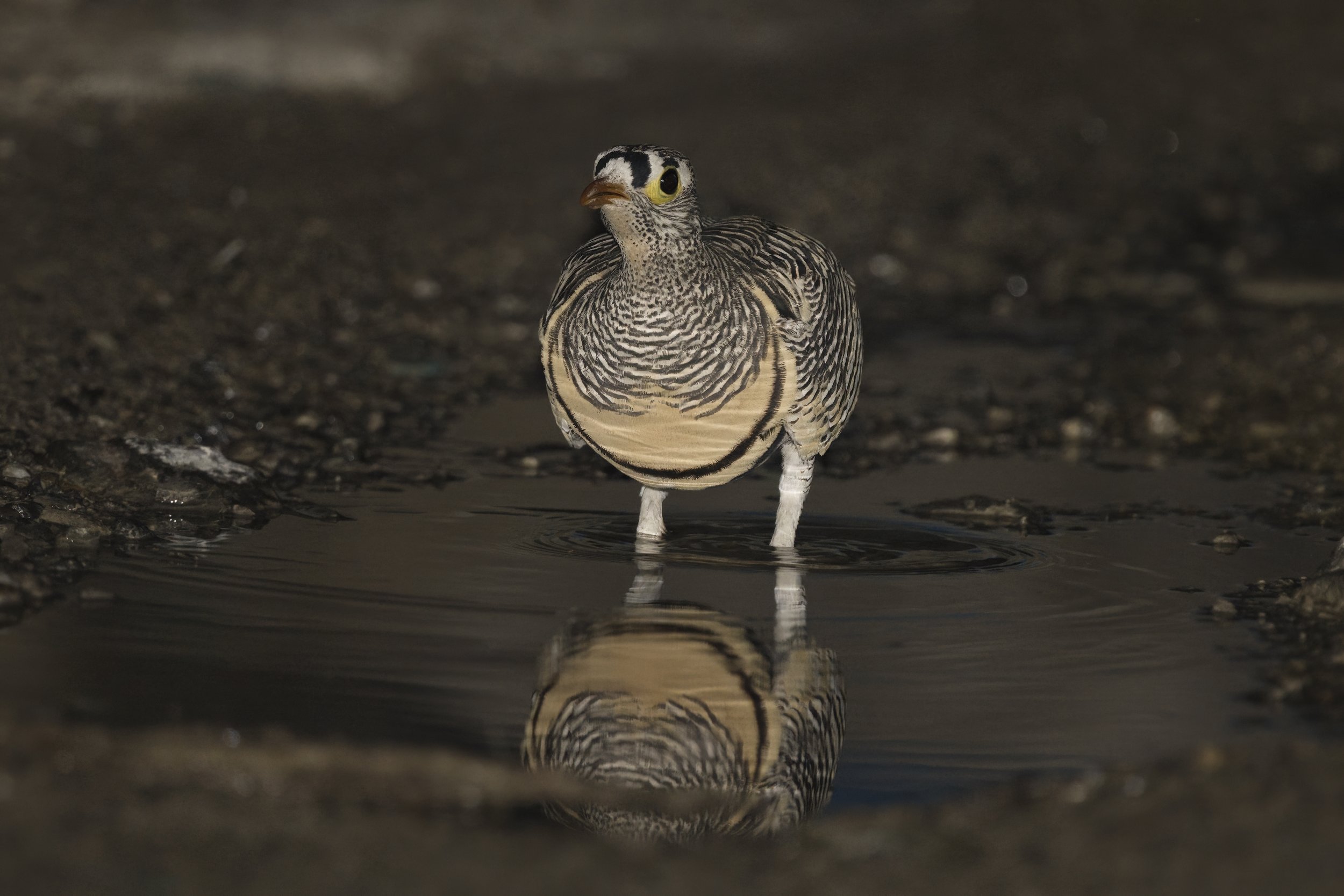
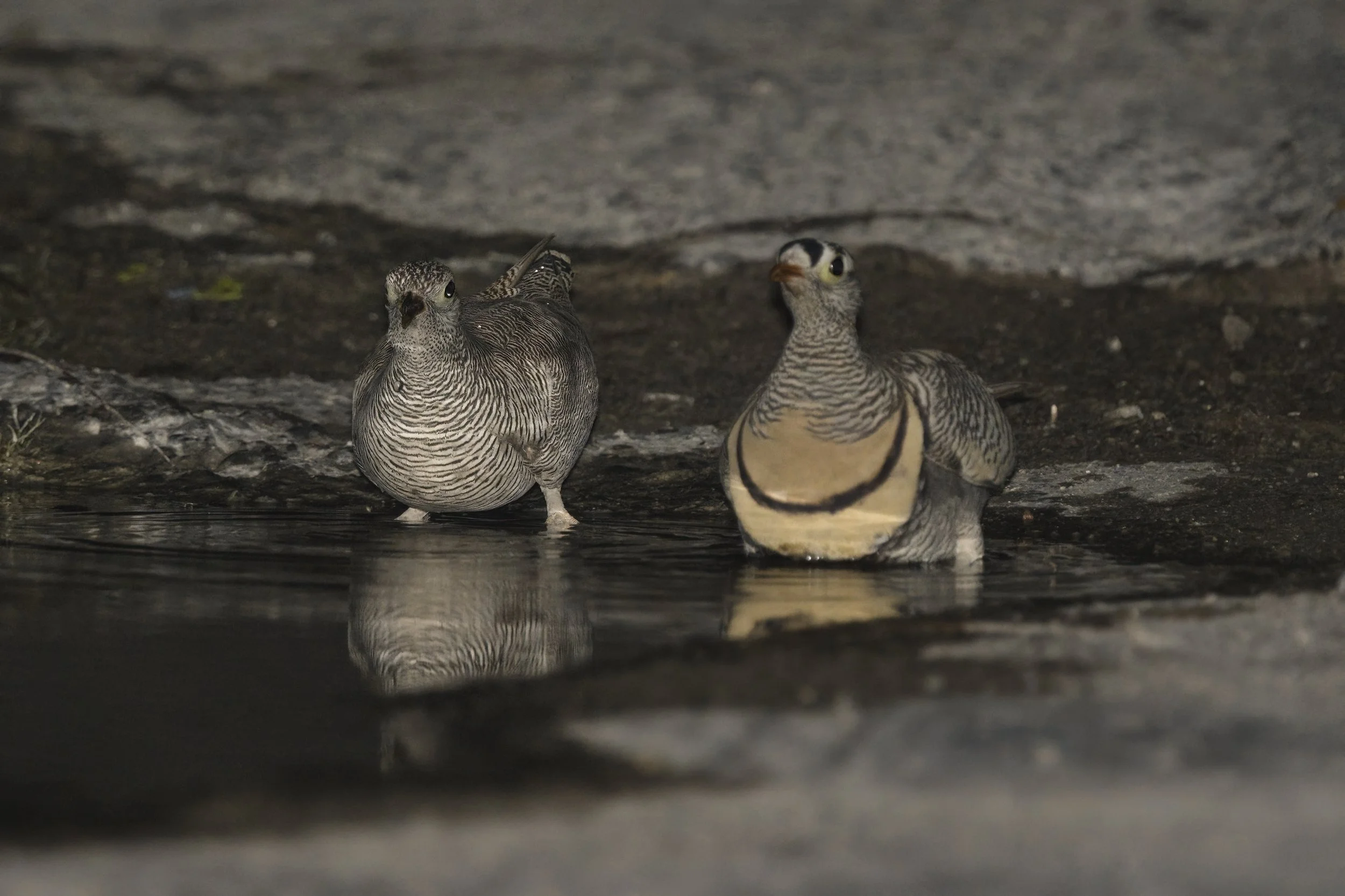
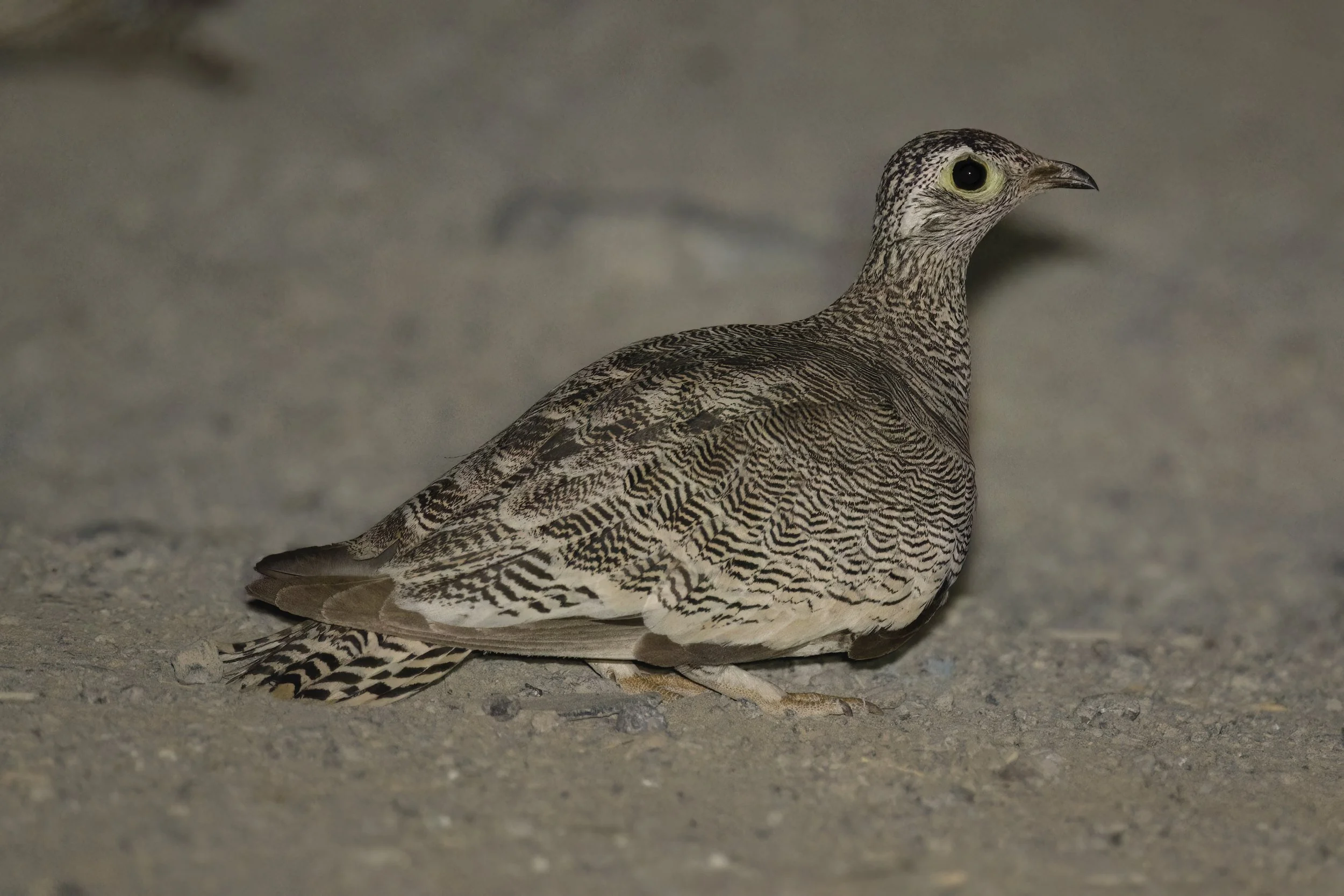
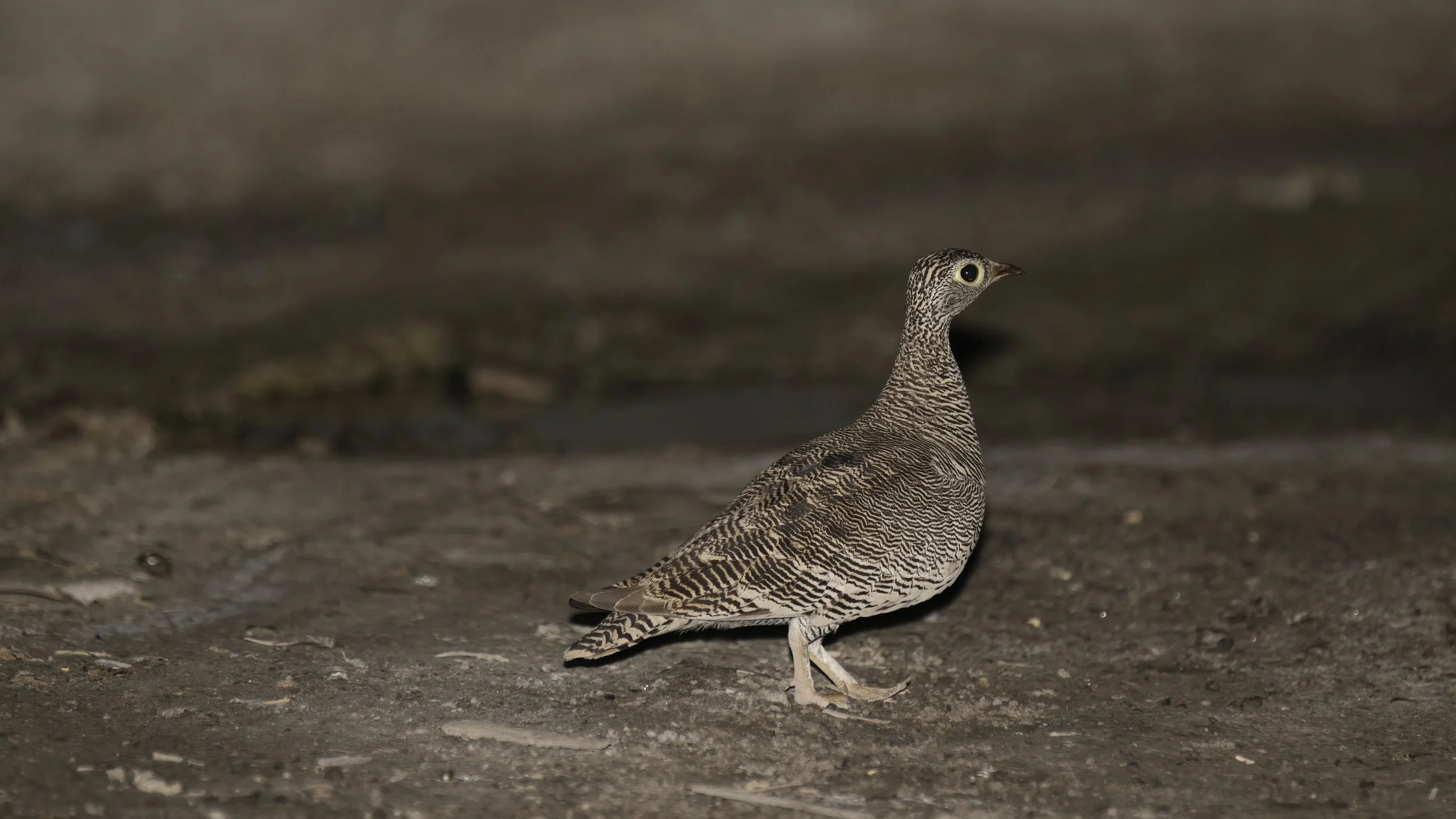
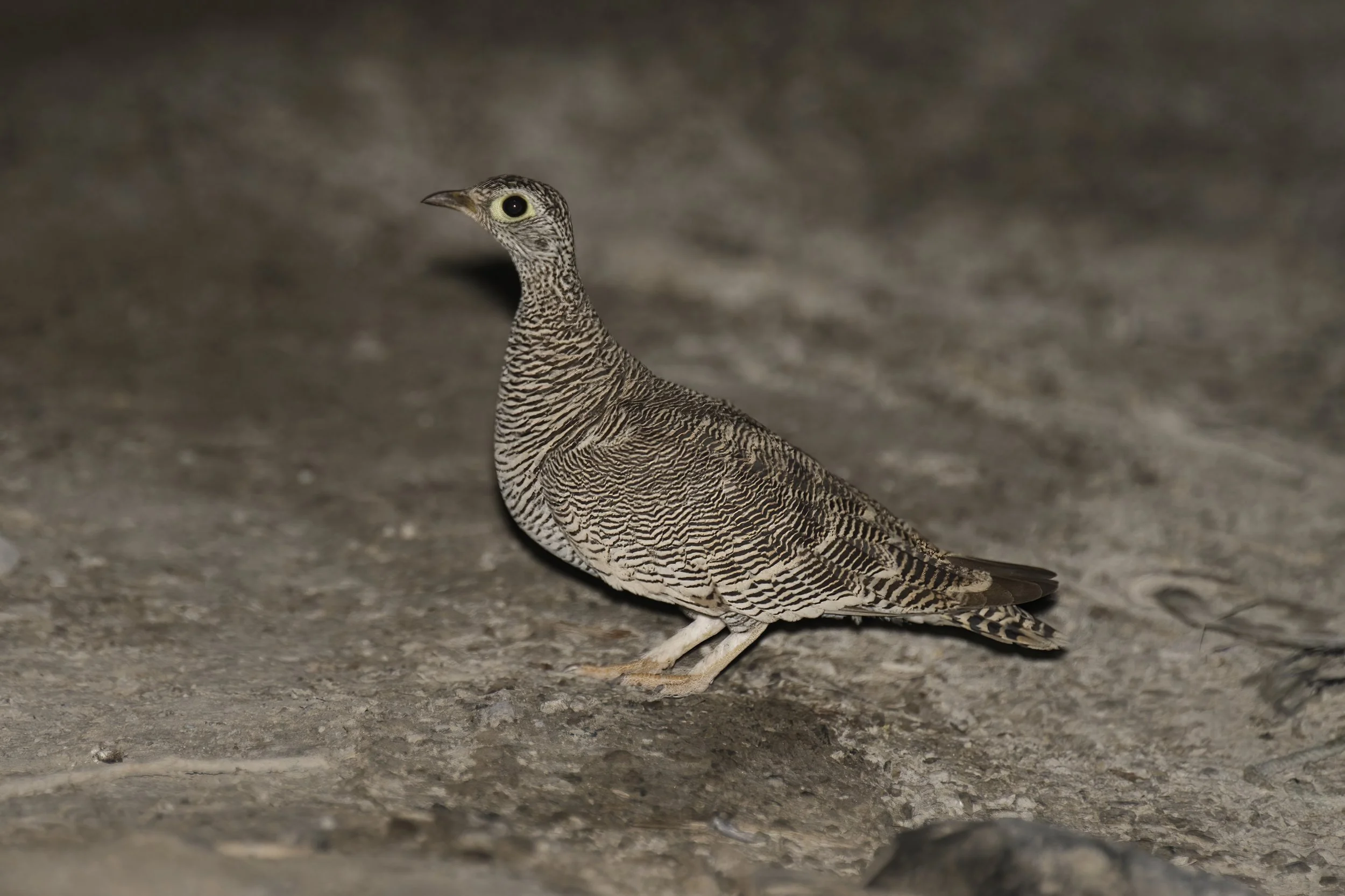
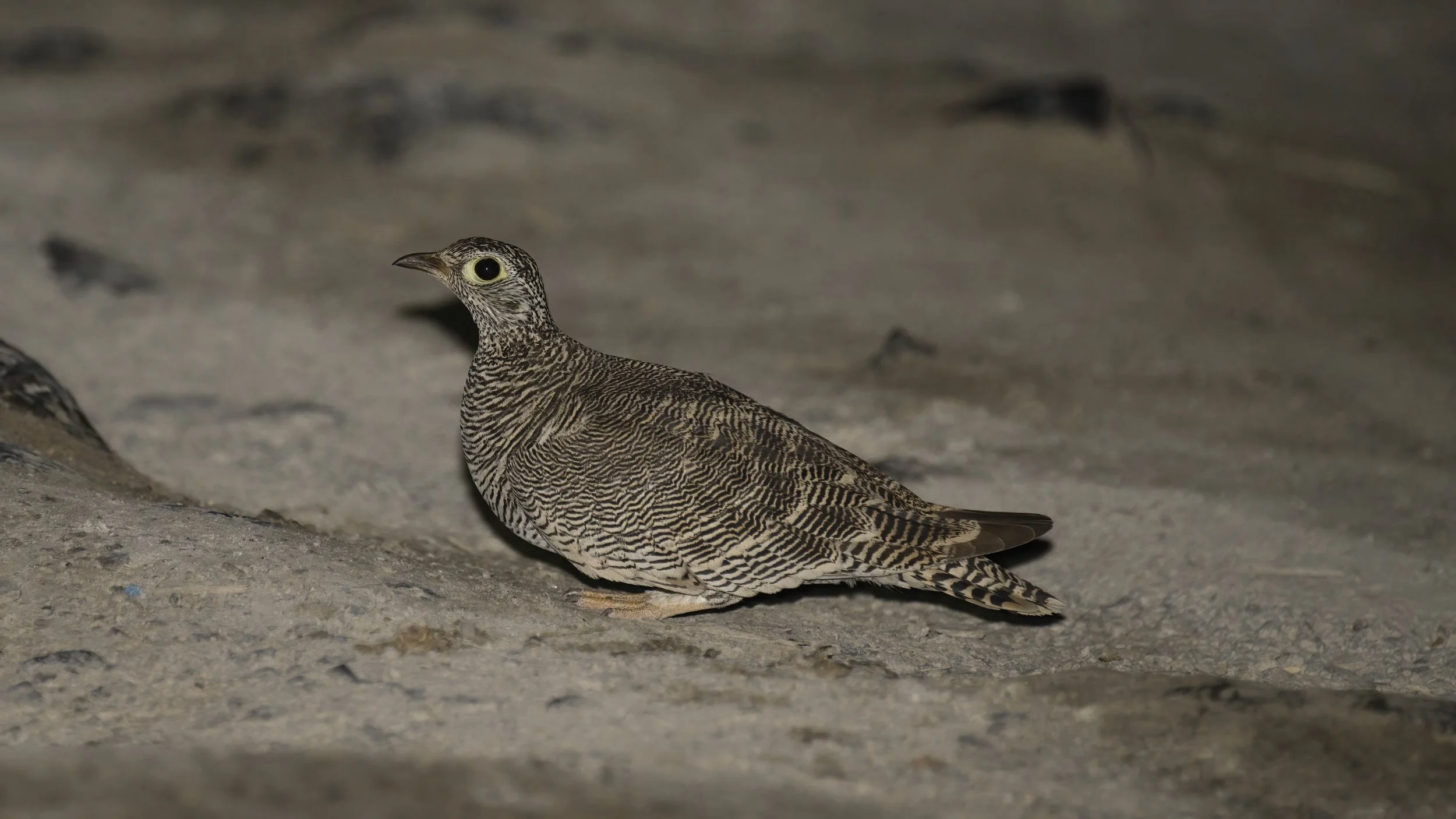
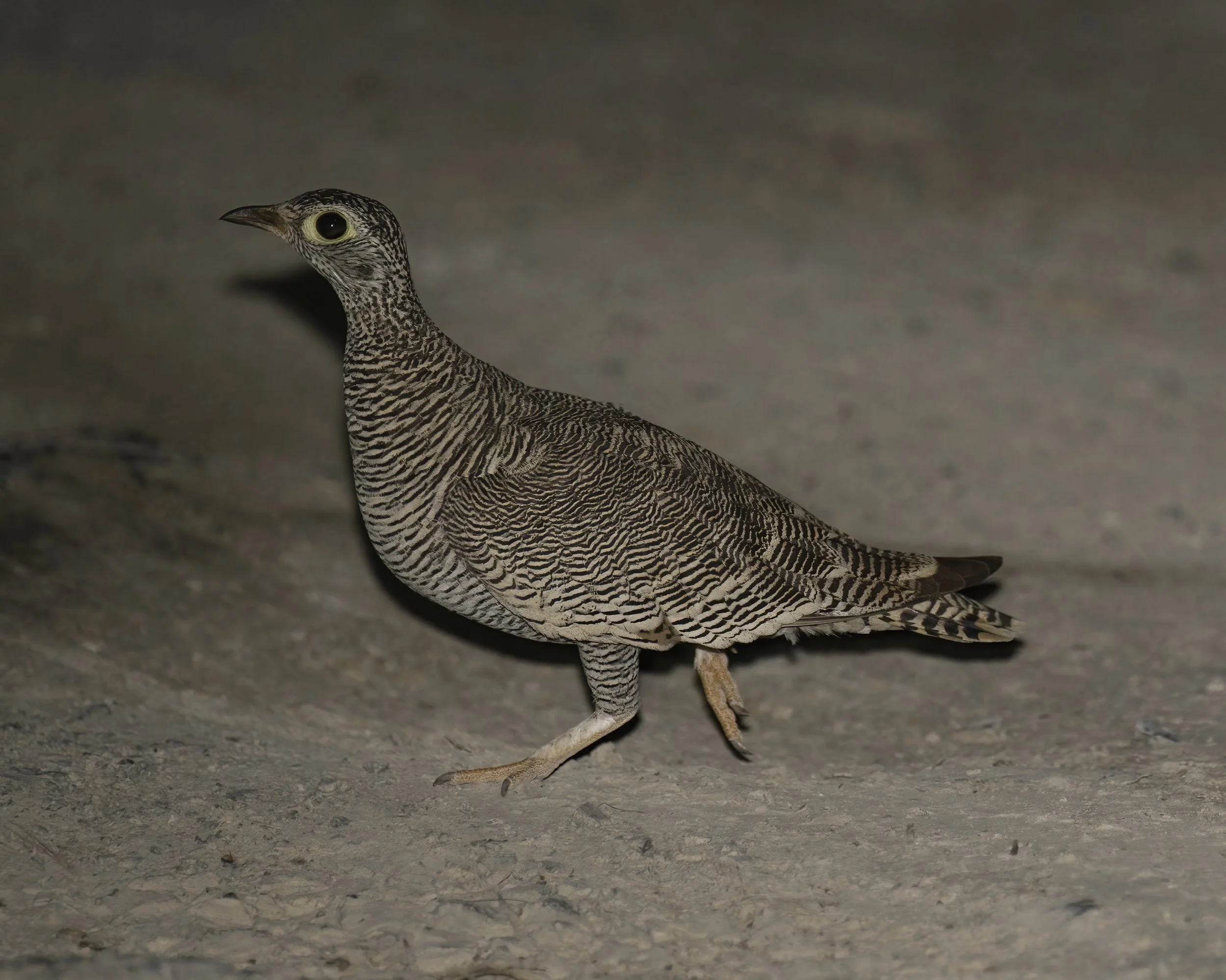
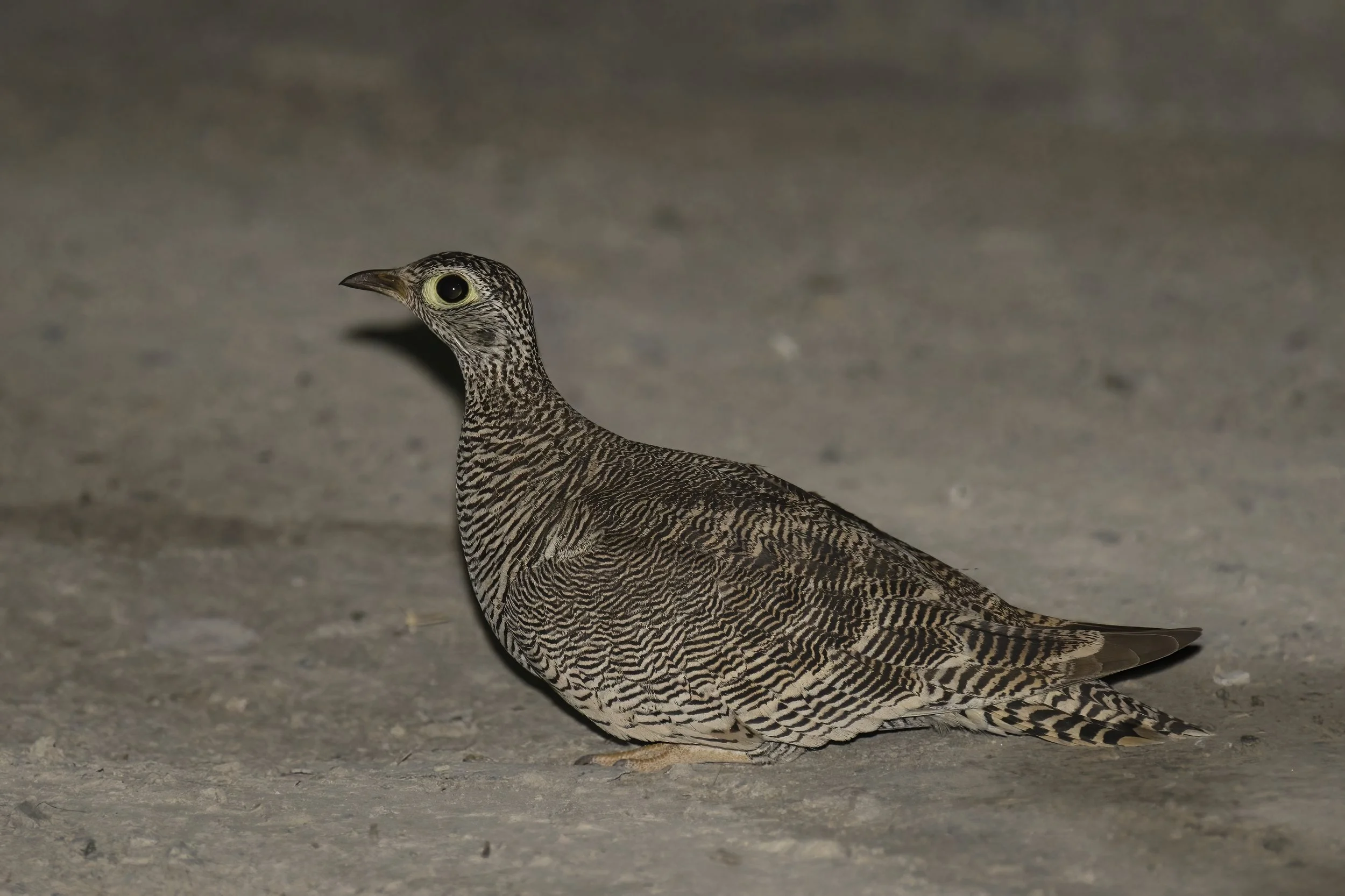
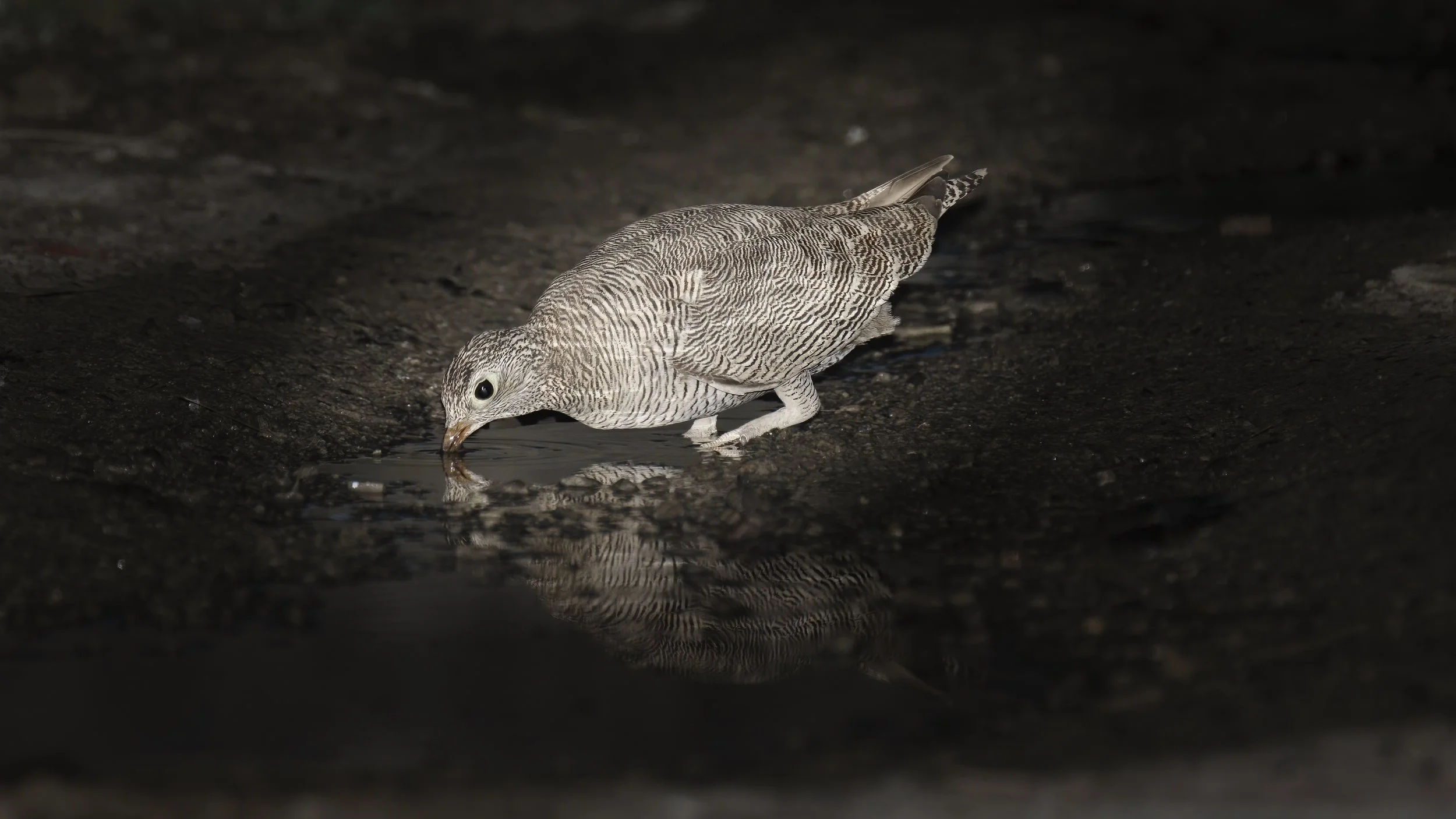
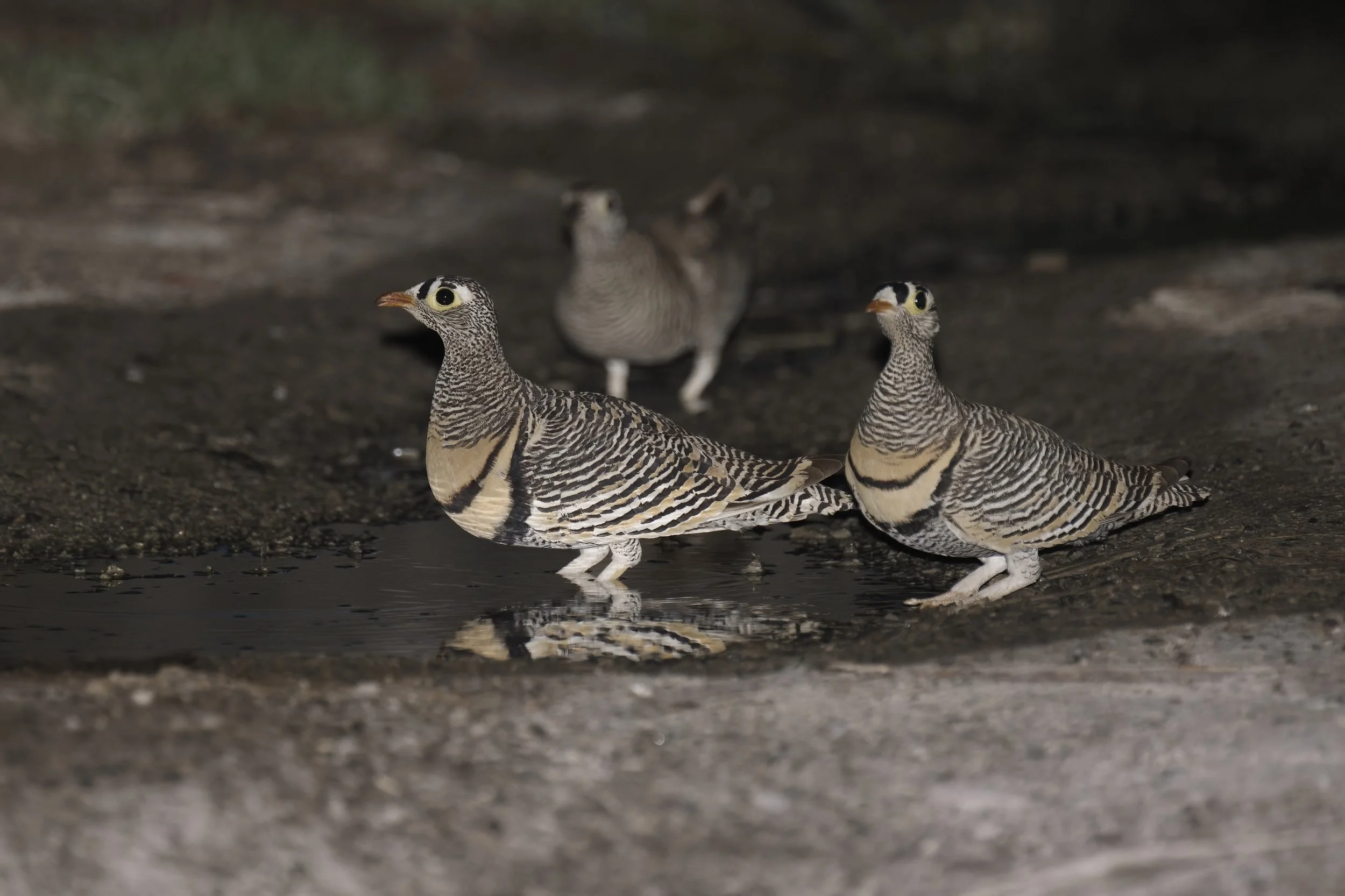
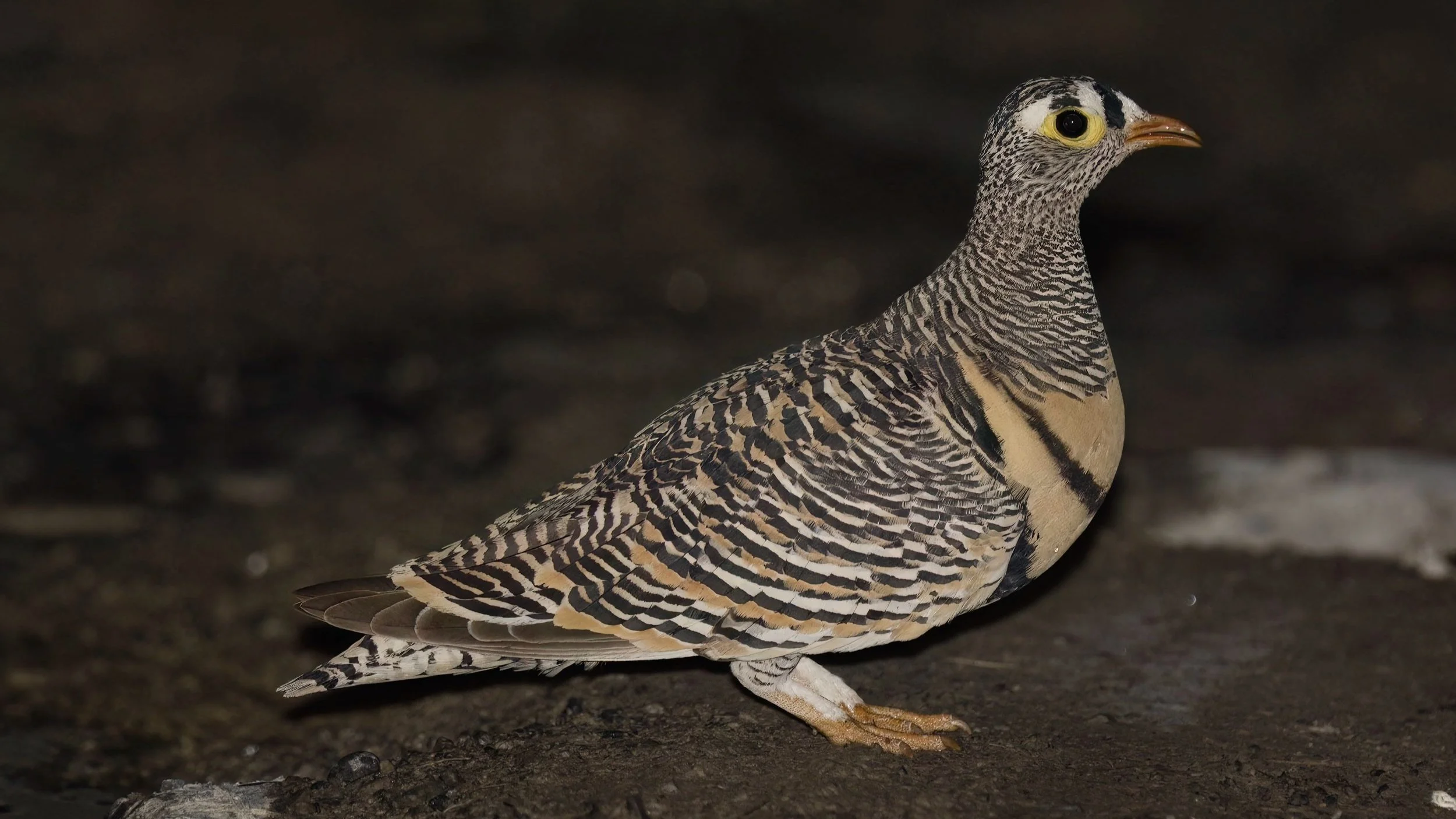
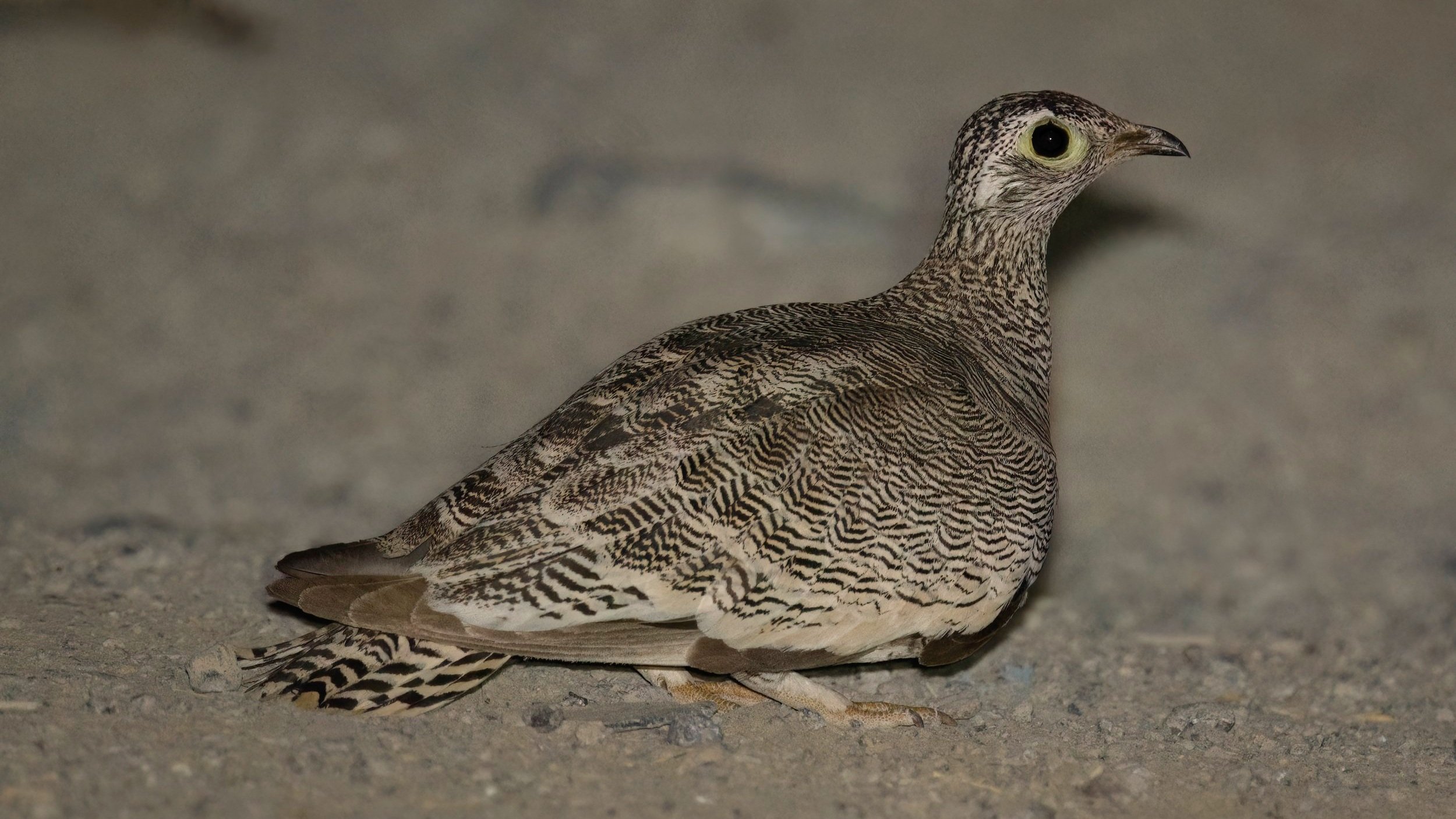
Lichtenstein's Sandgrouse (Pterocles lichtensteinii) is a beautifully camouflaged bird adapted to arid, stony deserts and gravel plains, including remote regions of the UAE. Typically active at dawn and dusk, these sandgrouse are known for their soft, low calls and swift, direct flight. Males are especially striking, with fine black barring and contrasting facial markings. Though elusive and well-hidden during the day, they can often be spotted near desert water sources, where they fly in briefly to drink and collect water for their chicks. Their cryptic plumage and cautious behavior make them a prized sighting for birdwatchers and photographers alike.
The name Lichtenstein's Sandgrouse honors Martin Hinrich Carl Lichtenstein (1780–1857), a German physician, explorer, and zoologist. The species was described in 1823 by the German naturalist Philipp Jakob Cretzschmar, who named it "lichtensteinii" in recognition of Lichtenstein’s contributions to zoology and exploration in Africa and the Middle East. Lichtenstein was the director of the Berlin Zoological Museum and played a significant role in expanding its collections and promoting scientific study of natural history.
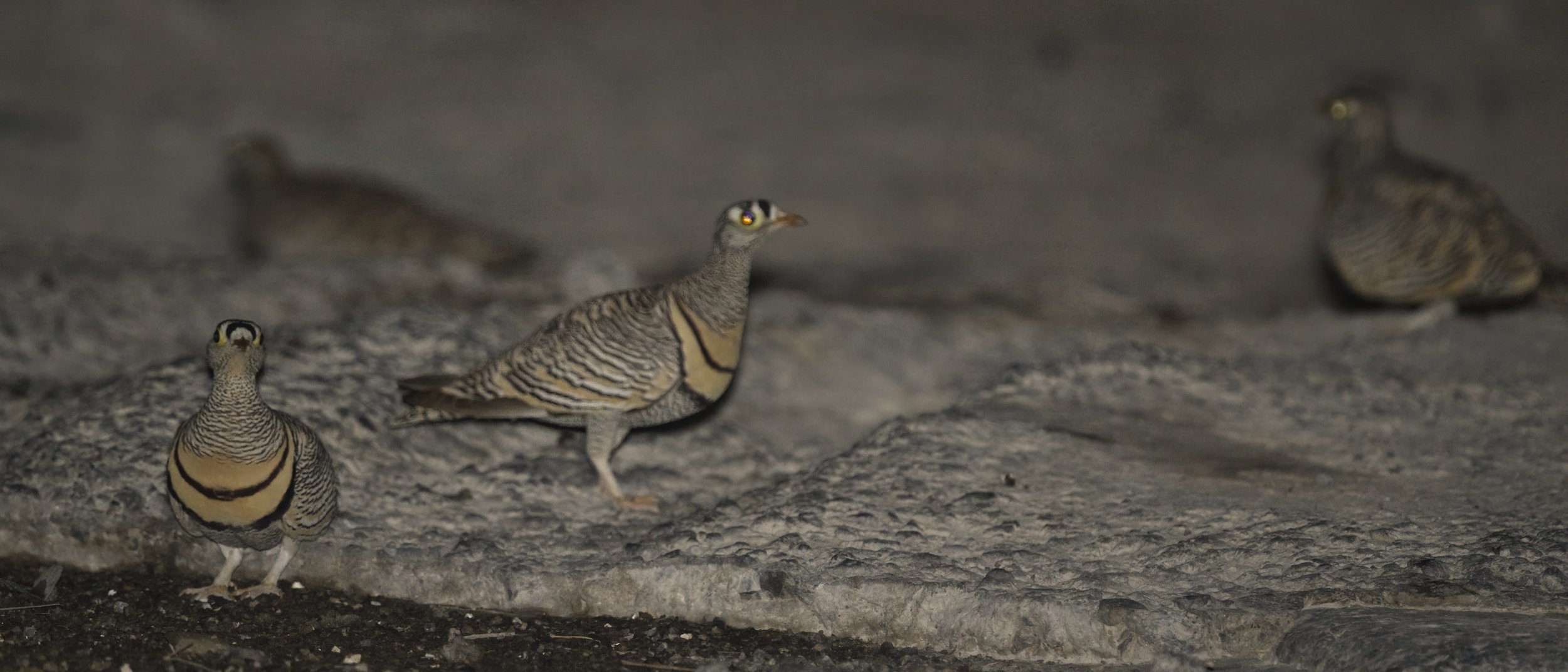
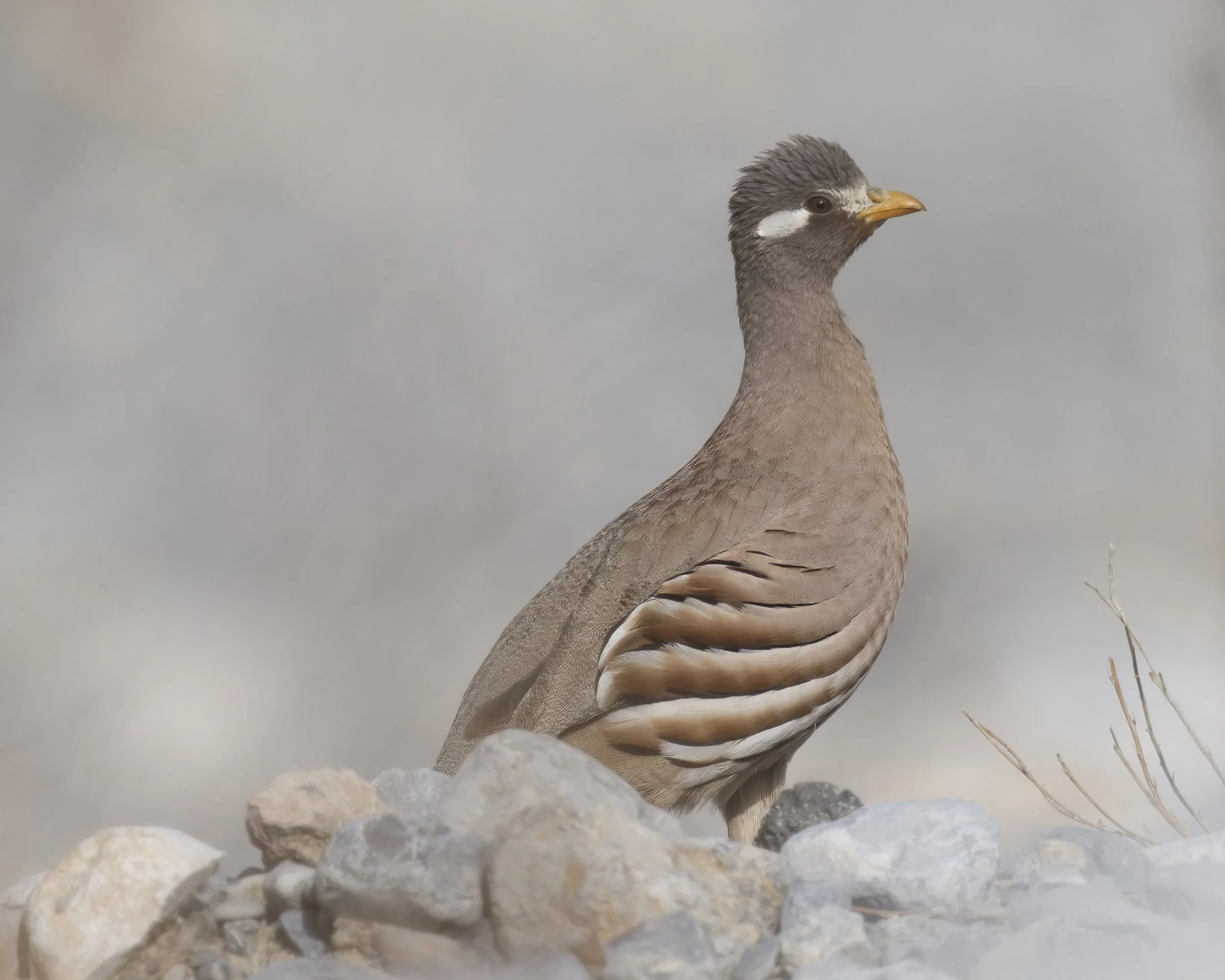
In the UAE, Lichtenstein's Sandgrouse is often seen sharing habitat with the Sand Partridge (Ammoperdix heyi), especially in rocky desert plains and gravel wadis. I've observed them many times sitting or foraging together — typically in the early morning or late evening. While they differ in behavior and structure, both species rely on camouflage and quiet movement to avoid detection, and both are drawn to similar water sources during dry periods. These mixed groups offer a rare chance to photograph two desert-adapted species side by side in their natural environment.
يُعَدُّ القطا المخطط أو قطا لختنشتاين من الطيور الصحراوية الجميلة شديدة التمويه، وقد تكيف مع الصحارى الجافة الحجرية والسهول الحصوية، بما في ذلك المناطق النائية من الإمارات العربية المتحدة. وينشط هذا النوع عادة عند الفجر والغسق، ويشتهر بنداءاته الخافتة المنخفضة وطيرانه السريع المباشر. ويبدو الذكر لافتًا بشكل خاص، مع تخططات سوداء دقيقة وعلامات وجه متباينة. وعلى الرغم من أنه مراوغ وصعب الرصد خلال النهار، فإنه قد يُشاهَد قرب مصادر المياه الصحراوية، حيث يهبط سريعًا للشرب وجمع الماء لفراخه. ويجعل ريشه التمويهي وسلوكه الحذر منه مشاهدة مميزة لهواة مراقبة الطيور والمصورين على حد سواء
ويعود اسم قطا لختنشتاين إلى مارتن هينريش كارل لختنشتاين (1780–1857)، وهو طبيب ومستكشف وعالم حيوان ألماني. وقد وُصف هذا النوع سنة 1823 على يد عالم الطبيعة الألماني فيليب ياكوب كريتسشمار، الذي أطلق عليه اسم تكريمًا لإسهامات لختنشتاين في علم الحيوان والاستكشاف في أفريقيا والشرق الأوسط. وكان لختنشتاين مديرًا لمتحف برلين لعلم الحيوان، ولعب دورًا مهمًا في توسيع مجموعاته وتعزيز دراسة التاريخ الطبيعي
وفي الإمارات العربية المتحدة، يُشاهَد قطا لختنشتاين كثيرًا وهو يتشارك الموائل مع حجل الرمل، خاصة في السهول الصحراوية الصخرية والأودية الحصوية. وقد لوحظا مرارًا وهما يجلسان أو يبحثان عن الغذاء معًا، خصوصًا في الصباح الباكر أو المساء المتأخر. وعلى الرغم من اختلافهما في السلوك والبنية، فإن كلا النوعين يعتمد على التمويه والحركة الهادئة لتجنب الانكشاف، كما ينجذب كلاهما إلى مصادر المياه نفسها خلال الفترات الجافة. وتمنح هذه التجمعات المختلطة فرصة نادرة لتصوير نوعين متكيفين مع الصحراء جنبًا إلى جنب في بيئتهما الطبيعية

Other Species
-
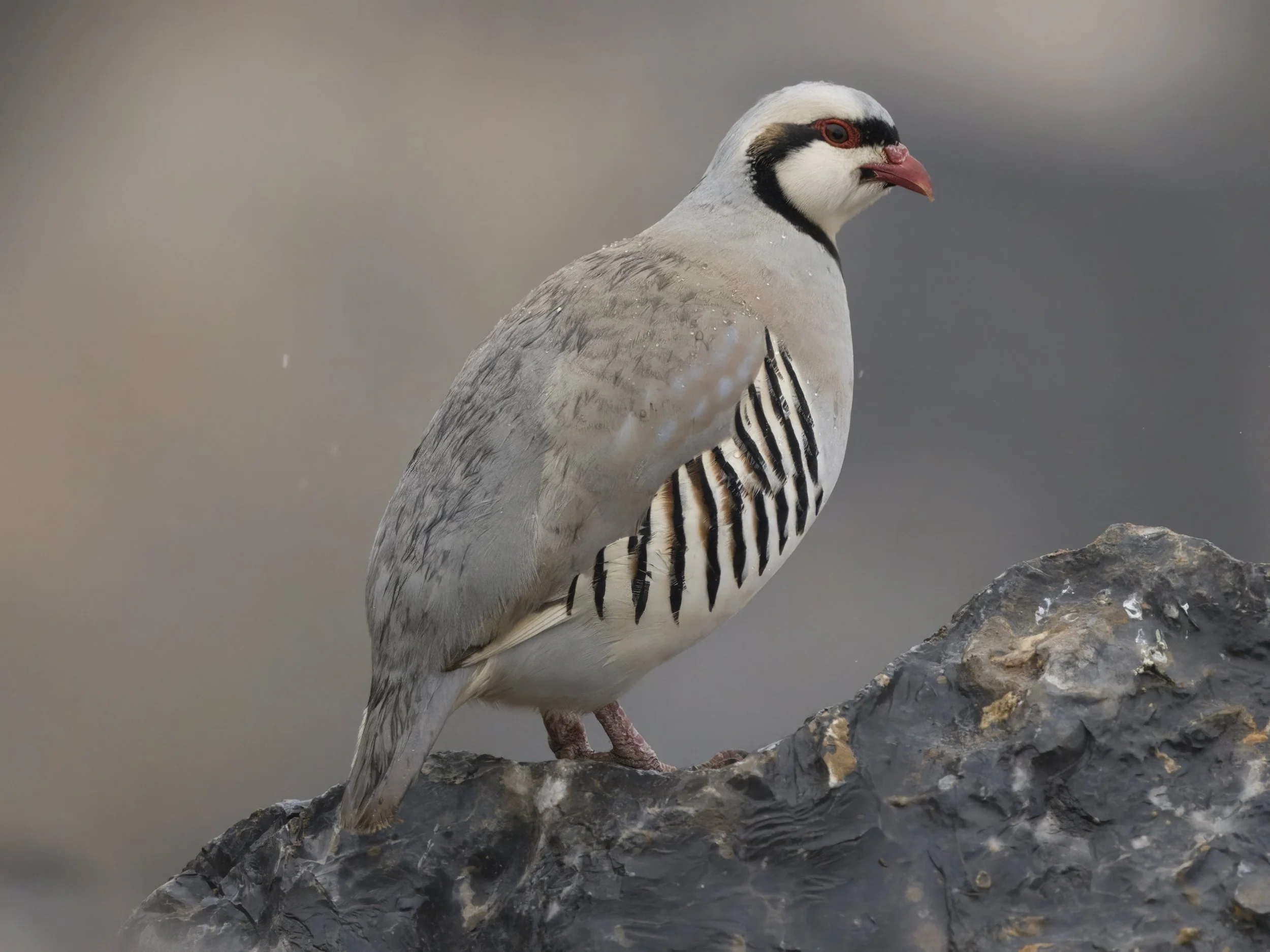
Chukar (Alectoris chukar)
-
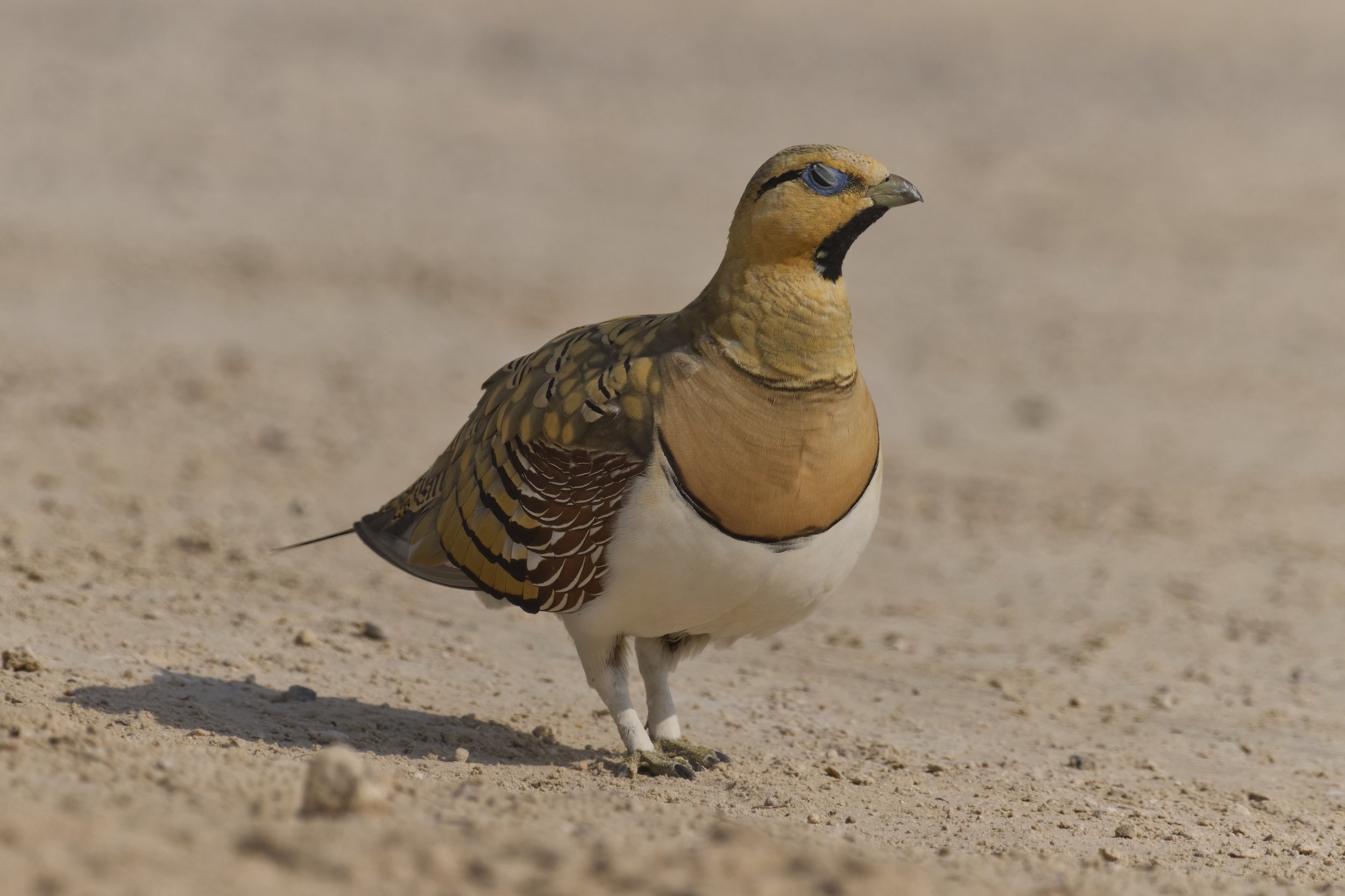
Pin-tailed Sandgrouse (Pterocles alchata)
-
Sand Partridge (Ammoperdix heyi)
-
Chestnut-bellied Sandgrouse (Pterocles exustus)