

Arabian Eagle-owl \ Bubo milesi **
البومة النسرية العربية
These photographs were obtained with the cooperation and support of Wadi Wurayah Biosphere Reserve, highlighting the importance of protected areas in safeguarding the UAE’s mountain wildlife.
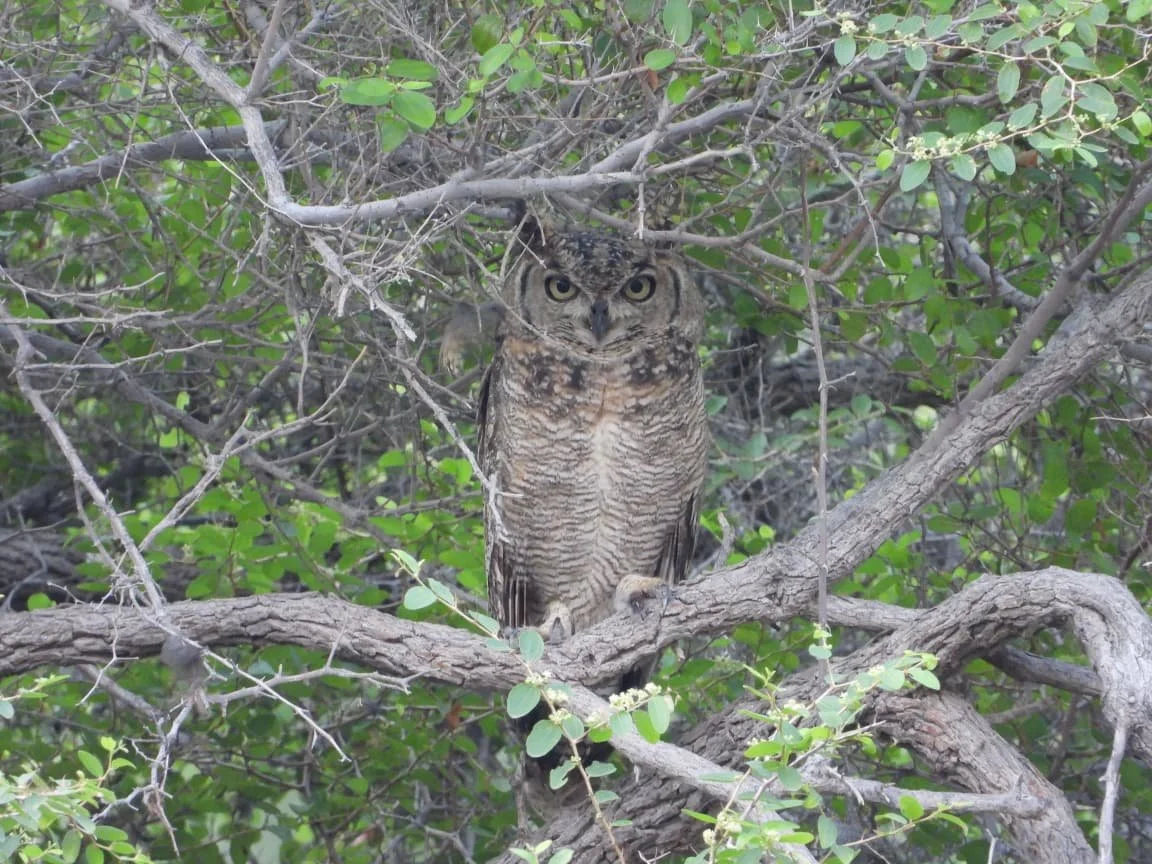
Arabian Eagle-owl (Bubo milesi) by Sami Ullah Majeed
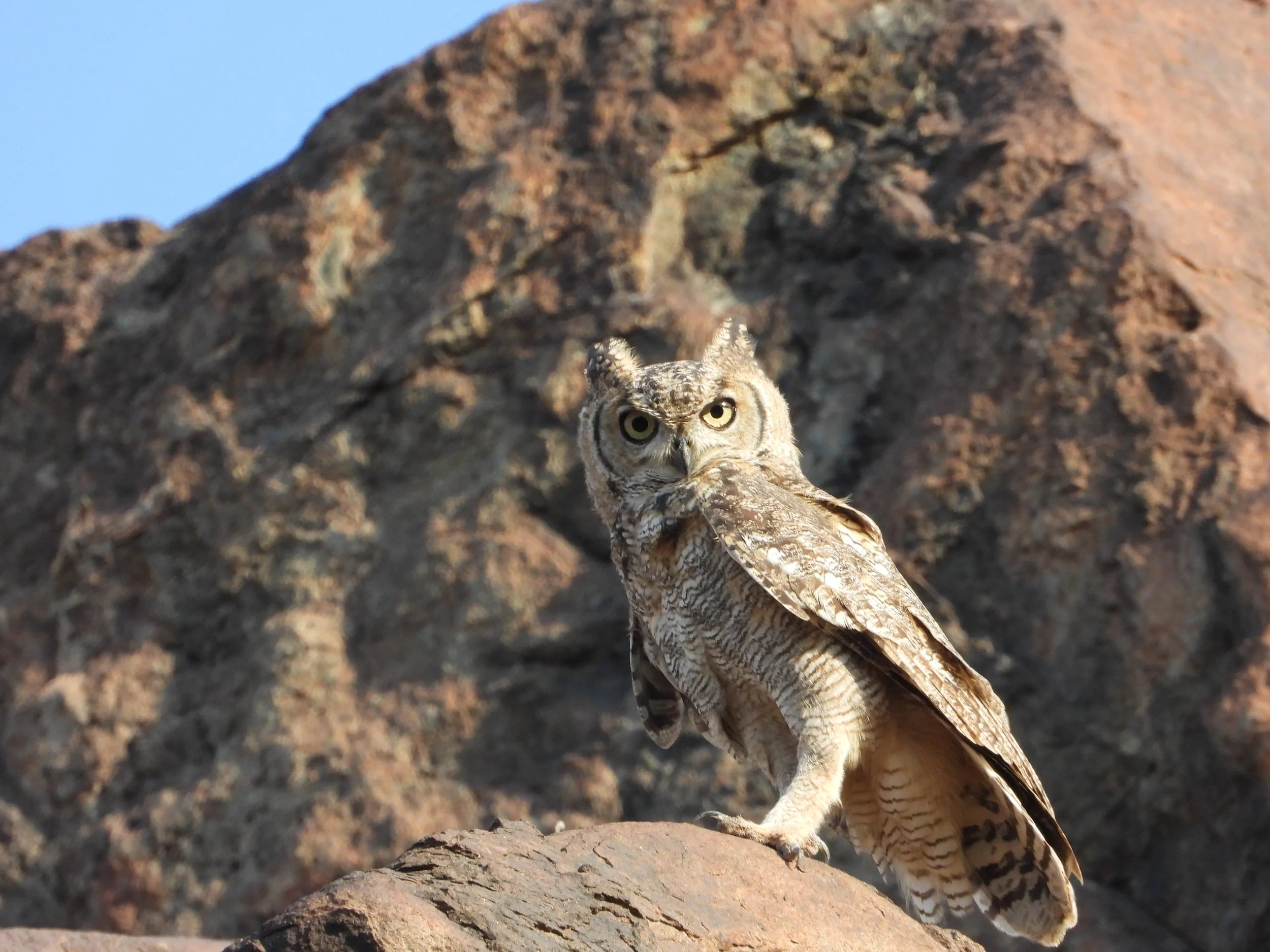
Arabian Eagle-owl (Bubo milesi) by Sami Ullah Majeed
The Arabian Eagle-Owl is a scarce and elusive nocturnal raptor inhabiting the rugged mountain landscapes of the United Arab Emirates, particularly within the Hajar Mountain range. This species typically occupies rocky wadis, cliffs, and boulder fields where natural cavities and ledges provide suitable roosting and nesting sites. First confirmed in the UAE only recently, field studies have established it as a rare resident with a small number of territories documented in remote mountain areas. It is primarily active at night, hunting opportunistically for a wide range of prey including small mammals, birds, and reptiles. During the day the owl often roosts quietly on rocky slopes or within trees such as sidr (Ziziphus spina-christi), relying on its cryptic plumage to remain concealed. Observations also suggest that breeding occurs from spring to early summer, with young birds recorded in the region during May. Reference
The Arabian Eagle-Owl is primarily associated with the rugged landscapes of the Hajar Mountains in the United Arab Emirates. It favors rocky wadis, steep escarpments, and mountainous valleys where cliffs and boulder fields provide natural shelter and nesting opportunities. These areas often contain scattered native vegetation such as sidr (Ziziphus spina-christi) and acacia trees, which may serve as daytime roosting sites. Field studies indicate that the species maintains territories within remote mountain habitats where human disturbance is minimal. Surveys in the northern Hajar range have identified only a small number of territories, highlighting the species’ scarcity and the importance of protecting these mountainous ecosystems.
The Arabian Eagle-Owl is a predominantly nocturnal predator that relies on stealth, acute hearing, and silent flight to capture prey in the darkness. Its diet appears to be opportunistic and diverse, including birds, small mammals, and reptiles. Observations from the UAE suggest that avian prey can form an important part of its diet, with remains of various bird species found in pellets and at roost sites. During the day the owl typically remains hidden, perched among rocks or within trees, scanning its surroundings while remaining well camouflaged. When disturbed, it may move quietly between rocky perches or disappear into crevices and small caves within the mountain terrain. Such behavior, combined with its remote habitat, makes the species extremely difficult to detect in the wild.
The Arabian Eagle-Owl is considered a scarce resident species in the United Arab Emirates. It was only confirmed in the country relatively recently, when surveys in the Hajar Mountains documented the species in 2017. Subsequent fieldwork revealed that a small breeding population exists in remote mountainous areas, with only a limited number of territories identified.
The species appears to be restricted mainly to the rugged mountain landscapes of eastern UAE, including areas such as wadis and rocky escarpments where suitable nesting and hunting habitat exists. Because of its nocturnal habits, remote habitat, and naturally low population density, it remains rarely observed and likely under-recorded in the country. Conservation efforts therefore focus on protecting intact mountain ecosystems that support this elusive owl and other specialized wildlife of the Hajar range.
Related Species
-
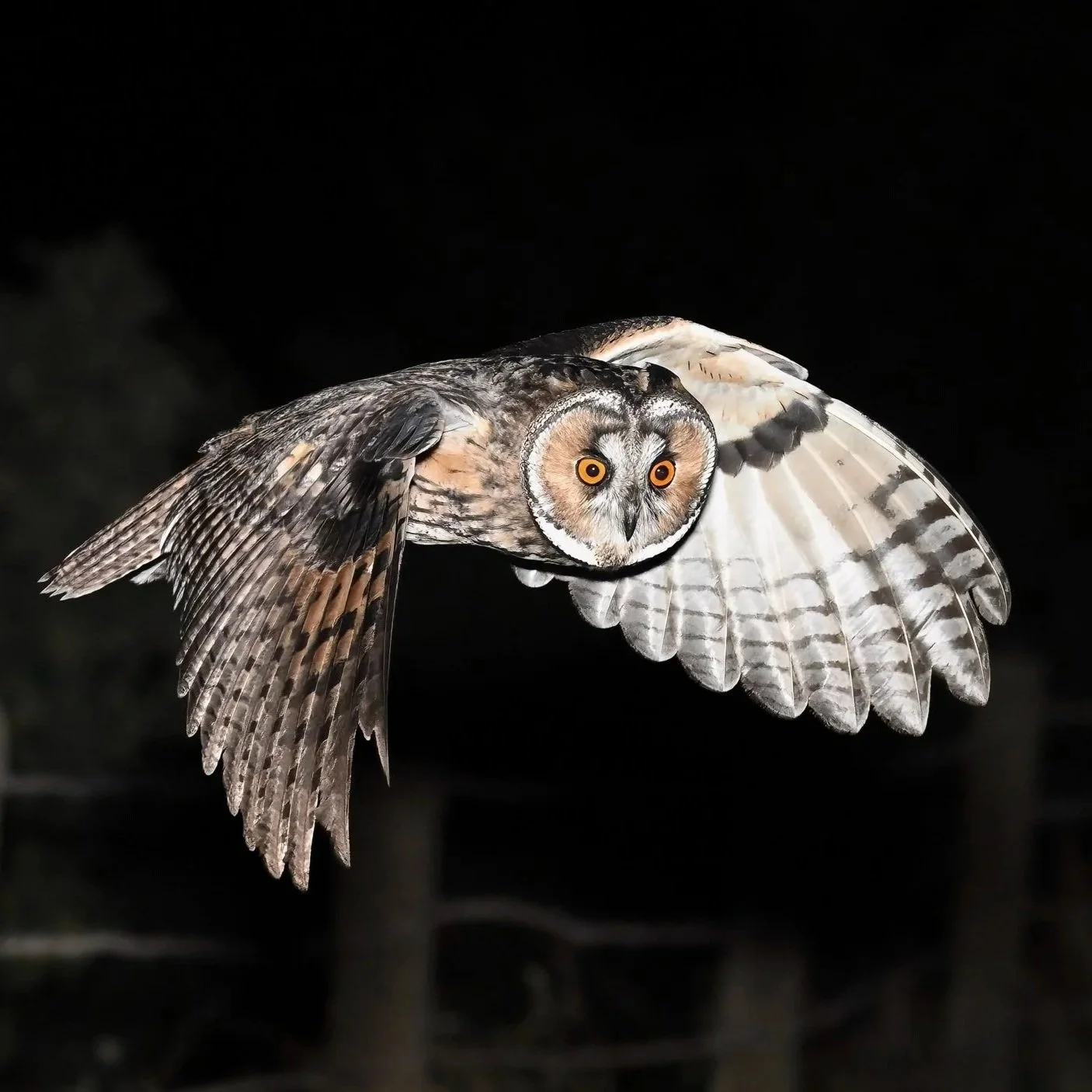
Long-eared Owl (Asio otus)
-
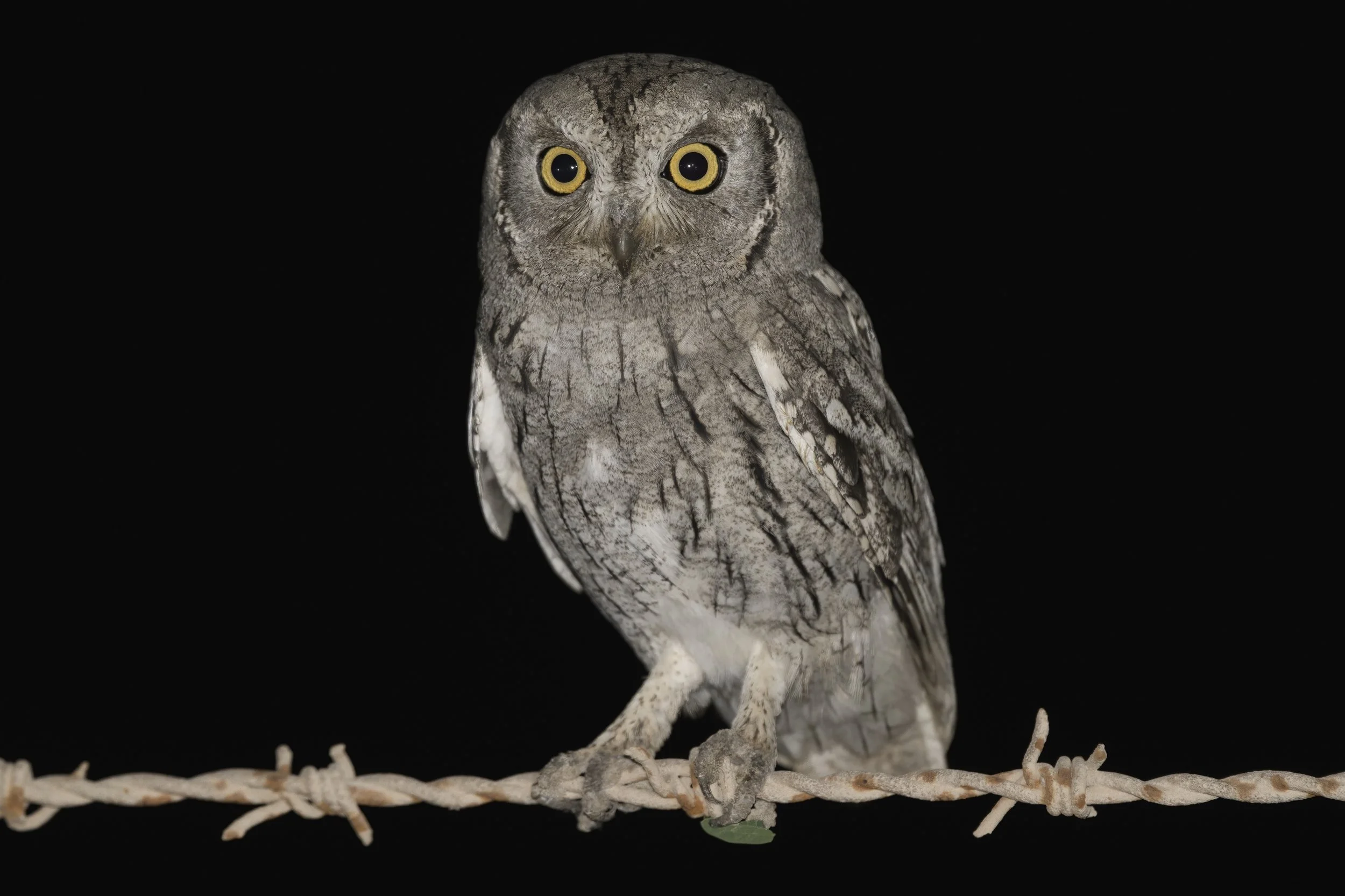
Pallid Scops-owl (Otus brucei)
-
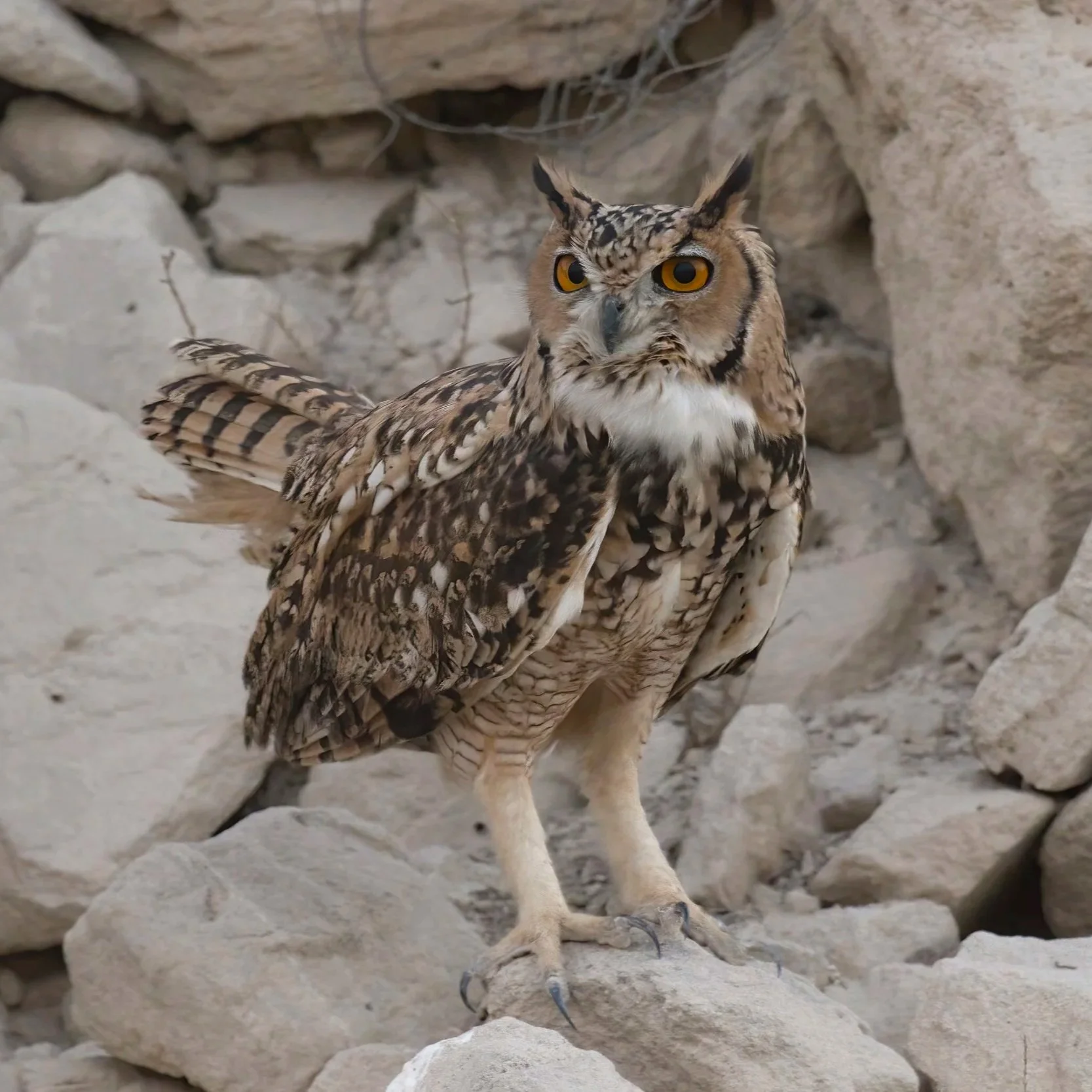
Pharaoh Eagle-owl (Bubo ascalaphus)
-
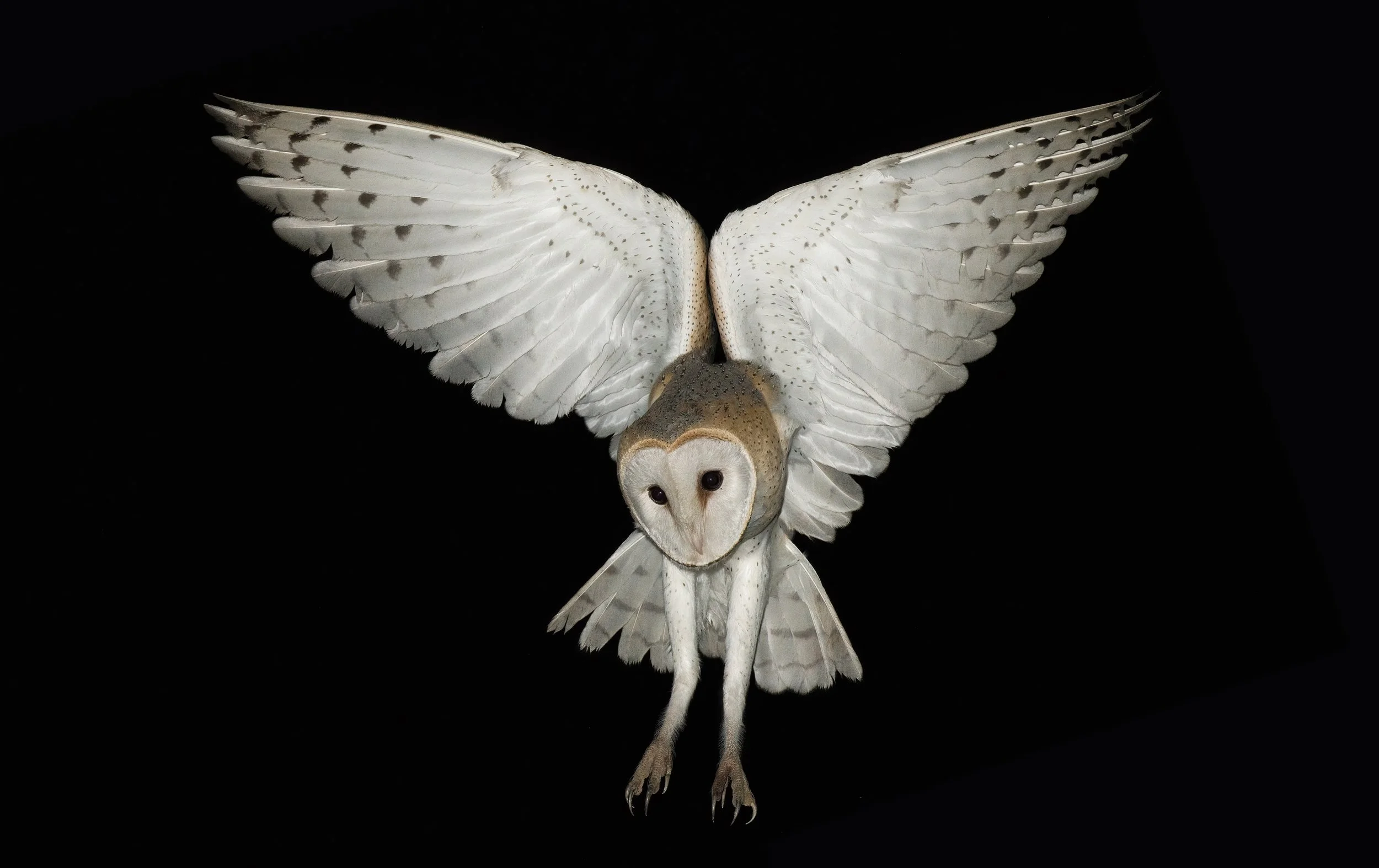
Barn Owl (Tyto alba)
| NOT EVALUATED | DATA DEFICIENT | LEAST CONCERN** | NEAR THREATENED | VULNERABLE | ENDANGERED | CRITICALLY ENDANGERED | EXTINCT IN THE WILD | EXTINCT |
|---|---|---|---|---|---|---|---|---|
| NE | DD | LC | NT | VU | EN | CR | EW | EX |