

Egyptian Goose \ Alopochen aegyptiaca
(إوزة مصرية)
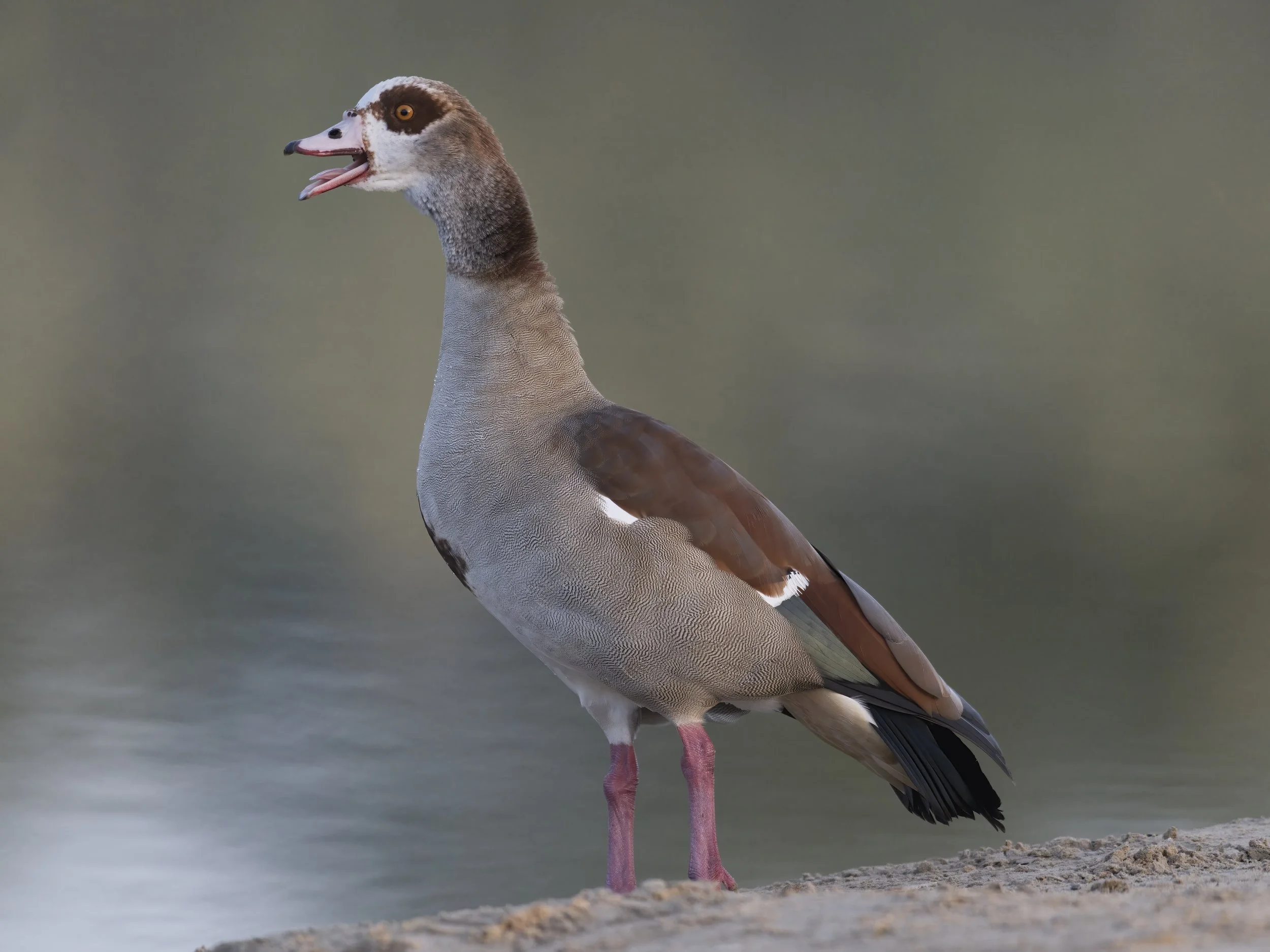
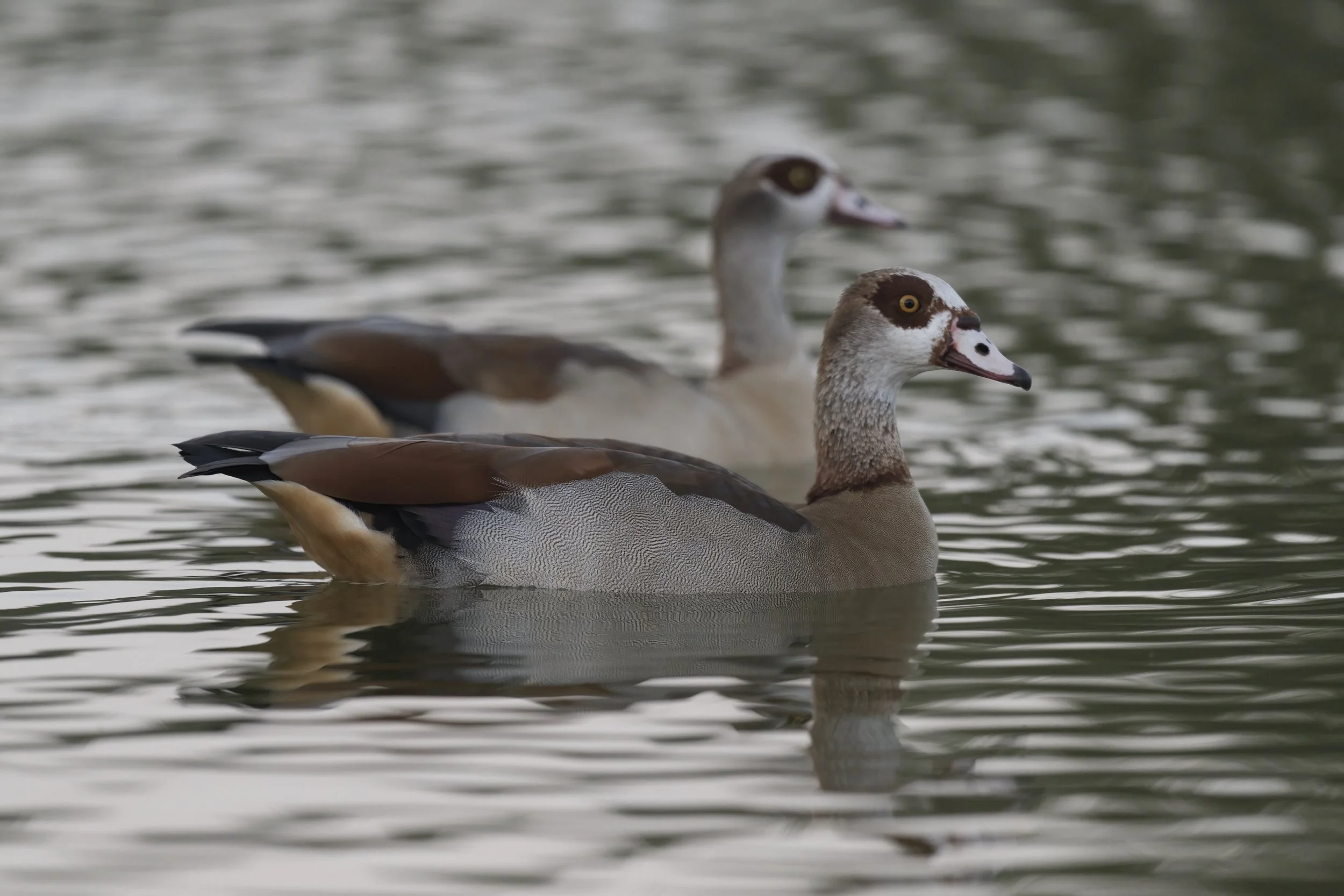
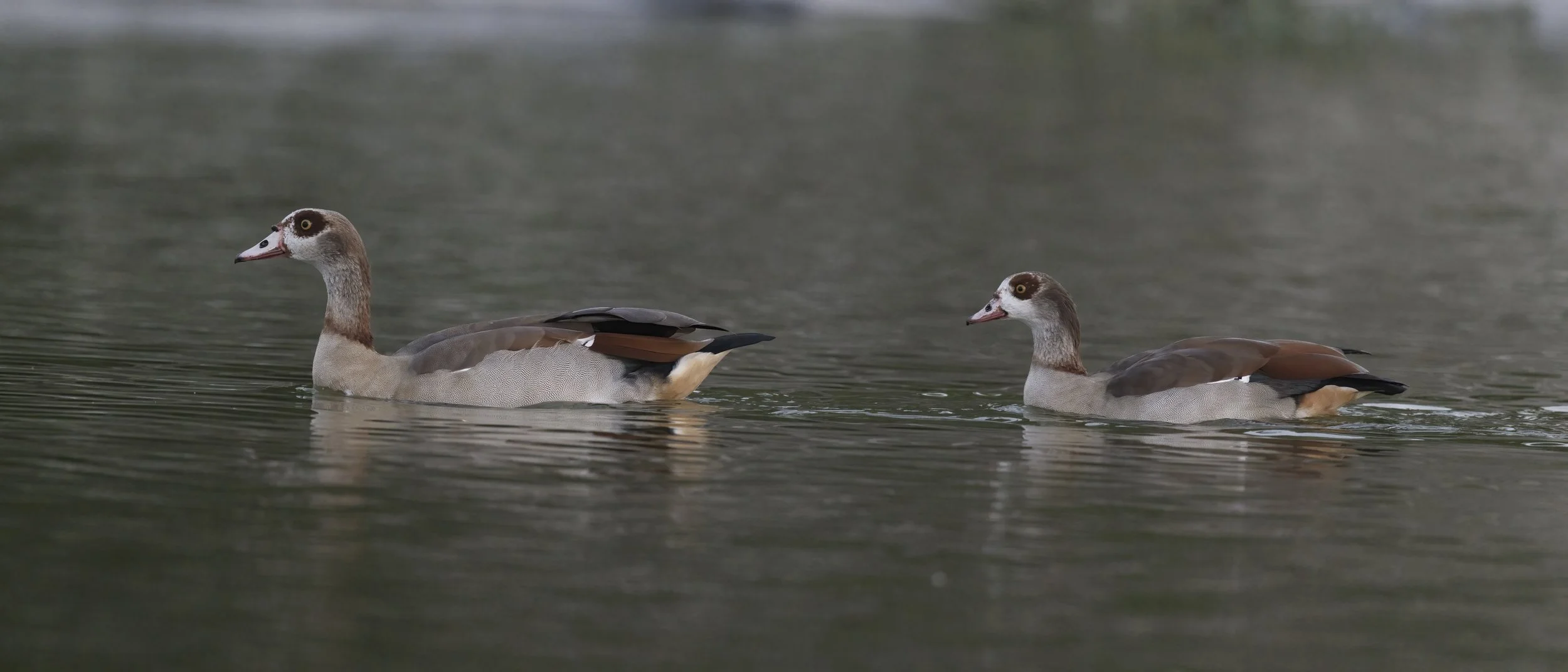
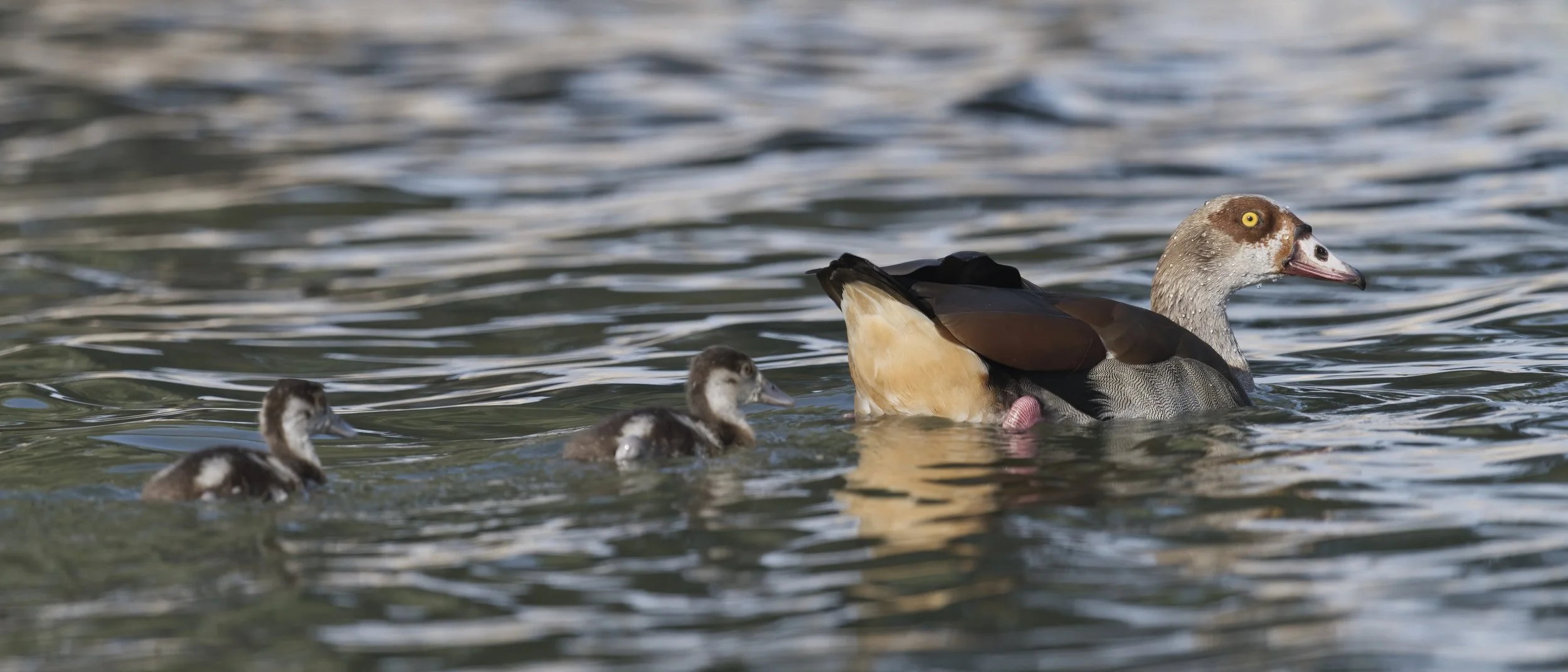
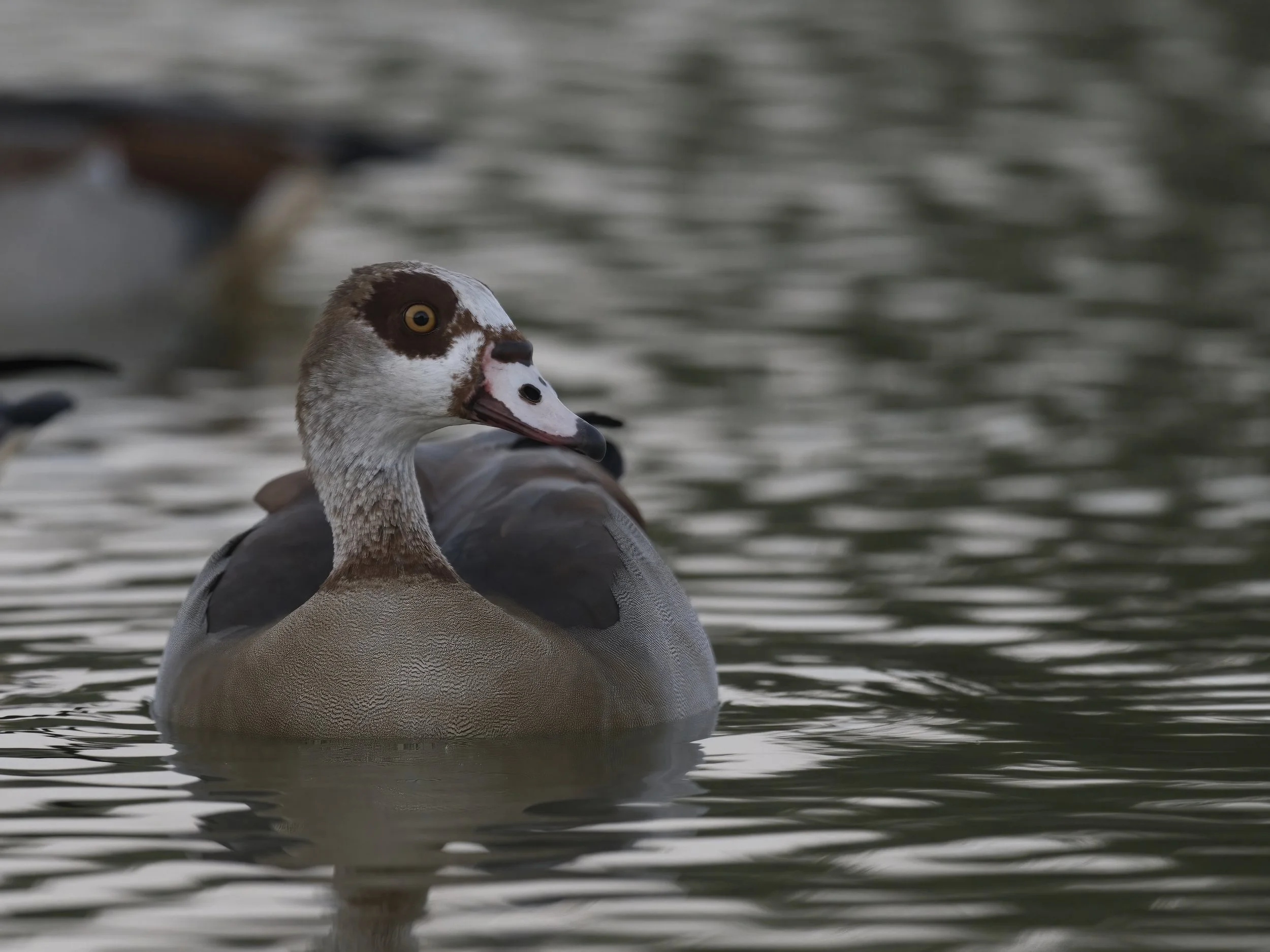
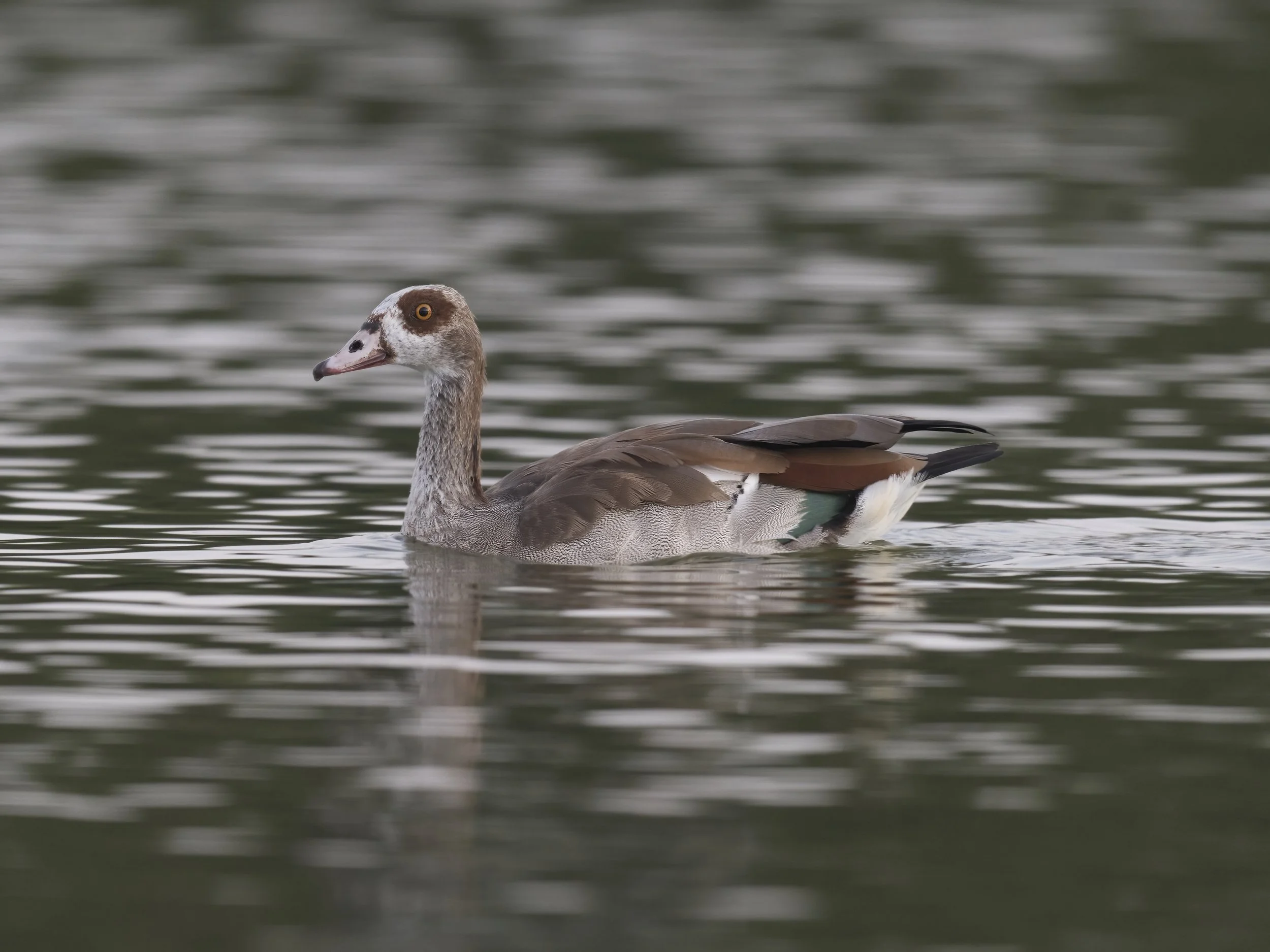
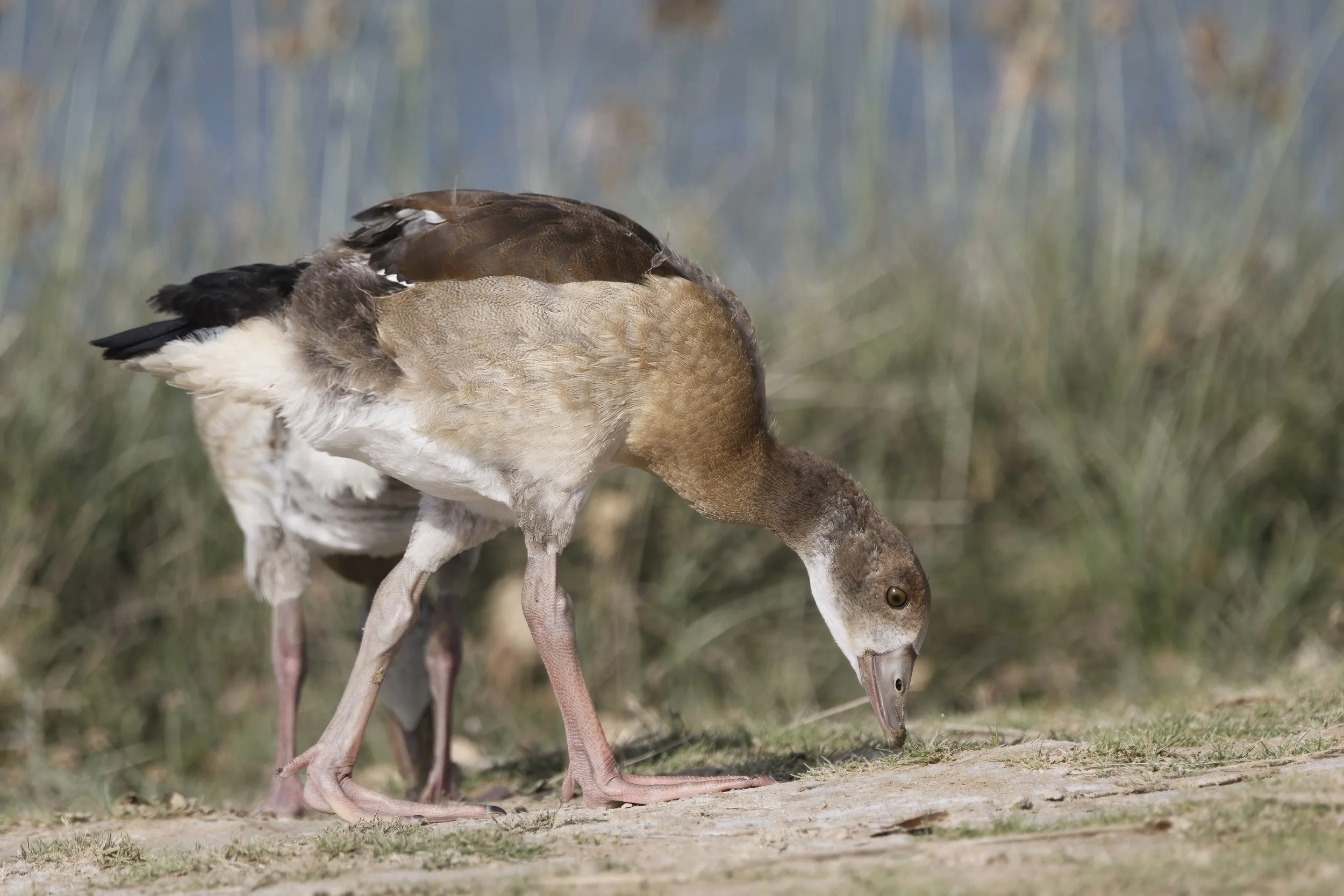
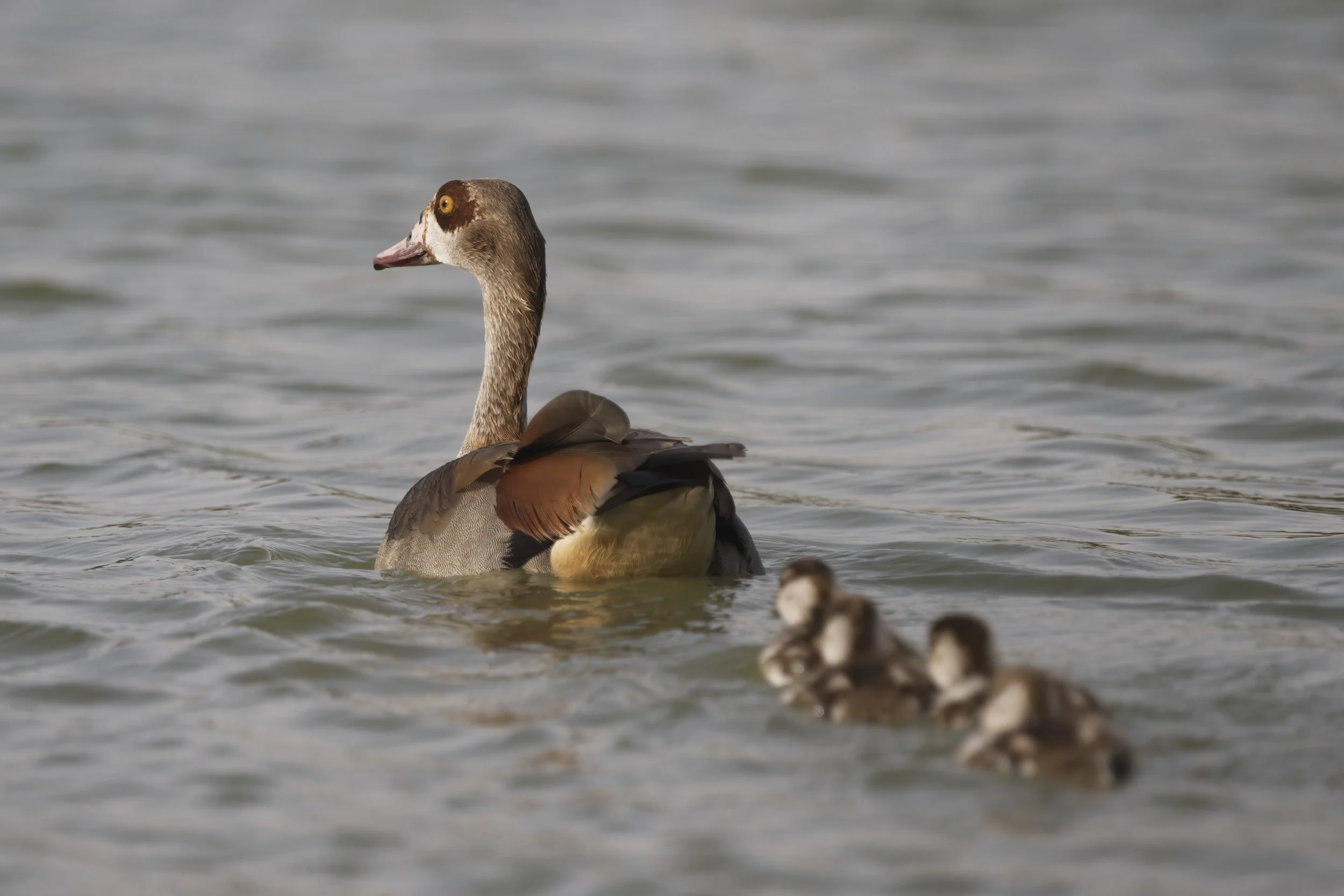
The Egyptian Goose (Alopochen aegyptiaca) is a striking waterfowl native to sub-Saharan Africa and the Nile Valley. Recognizable by its tan plumage with a unique chestnut-colored eye patch, pink legs, and distinctive dark patches on its chest, the Egyptian Goose is highly adaptable to a range of freshwater habitats, including rivers, lakes, and wetlands. It feeds primarily on grasses, seeds, and small invertebrates. Known for its aggressive territorial behavior, especially during breeding season, the Egyptian Goose often defends its space vigorously against intruders. Though native to Africa, it has successfully expanded into parts of Europe and the Middle East, where it has become an introduced species in some areas. Listed as Least Concern by the IUCN, it maintains stable populations, although its spread to non-native areas has led to concerns about potential impacts on local ecosystems. The Egyptian Goose's striking appearance and adaptability make it a prominent feature in the regions it inhabits.
الإوز المصري هو طائر مائي لافت، موطنه الأصلي أفريقيا جنوب الصحراء ووادي النيل. ويُعرَف بريشه البني المصفر، والبقعة الكستنائية المميزة حول العين، وساقيه الورديتين، إضافة إلى البقع الداكنة الواضحة على الصدر. ويتميّز هذا النوع بقدرة كبيرة على التكيّف مع طيف واسع من البيئات المائية العذبة، بما في ذلك الأنهار، والبحيرات، والأراضي الرطبة. ويتغذى أساسًا على الأعشاب، والبذور، واللافقاريات الصغيرة. ويشتهر الإوز المصري بسلوكه الإقليمي القوي، خاصة خلال موسم التكاثر، إذ يدافع بشدة عن منطقته ضد أي متطفل. ورغم أن أصله أفريقي، فقد نجح في التوسع إلى أجزاء من أوروبا والشرق الأوسط، حيث أصبح في بعض المناطق نوعًا مُدخَلًا. ويُصنَّف ضمن فئة أقل اهتمامًا على القائمة الحمراء للاتحاد الدولي لحفظ الطبيعة ، وتبقى جماعاته مستقرة عمومًا، رغم أن انتشاره خارج موطنه الأصلي أثار بعض المخاوف بشأن تأثيره المحتمل في النظم البيئية المحلية. ويجعل مظهره اللافت وقدرته العالية على التأقلم منه طائرًا بارزًا في البيئات التي يعيش فيها
Other Species
-
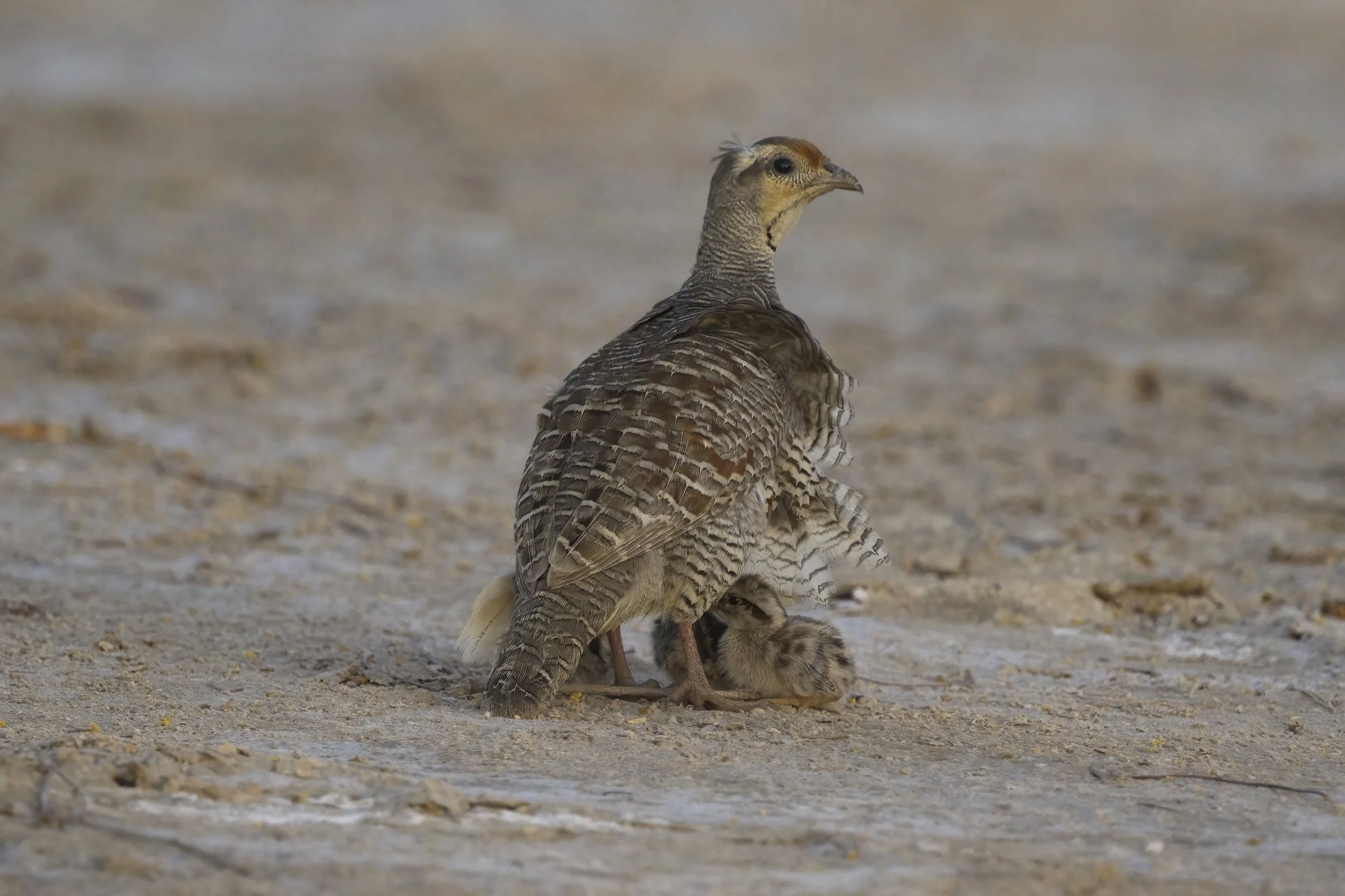
Grey Francolin (Ortygornis pondicerianus)
-
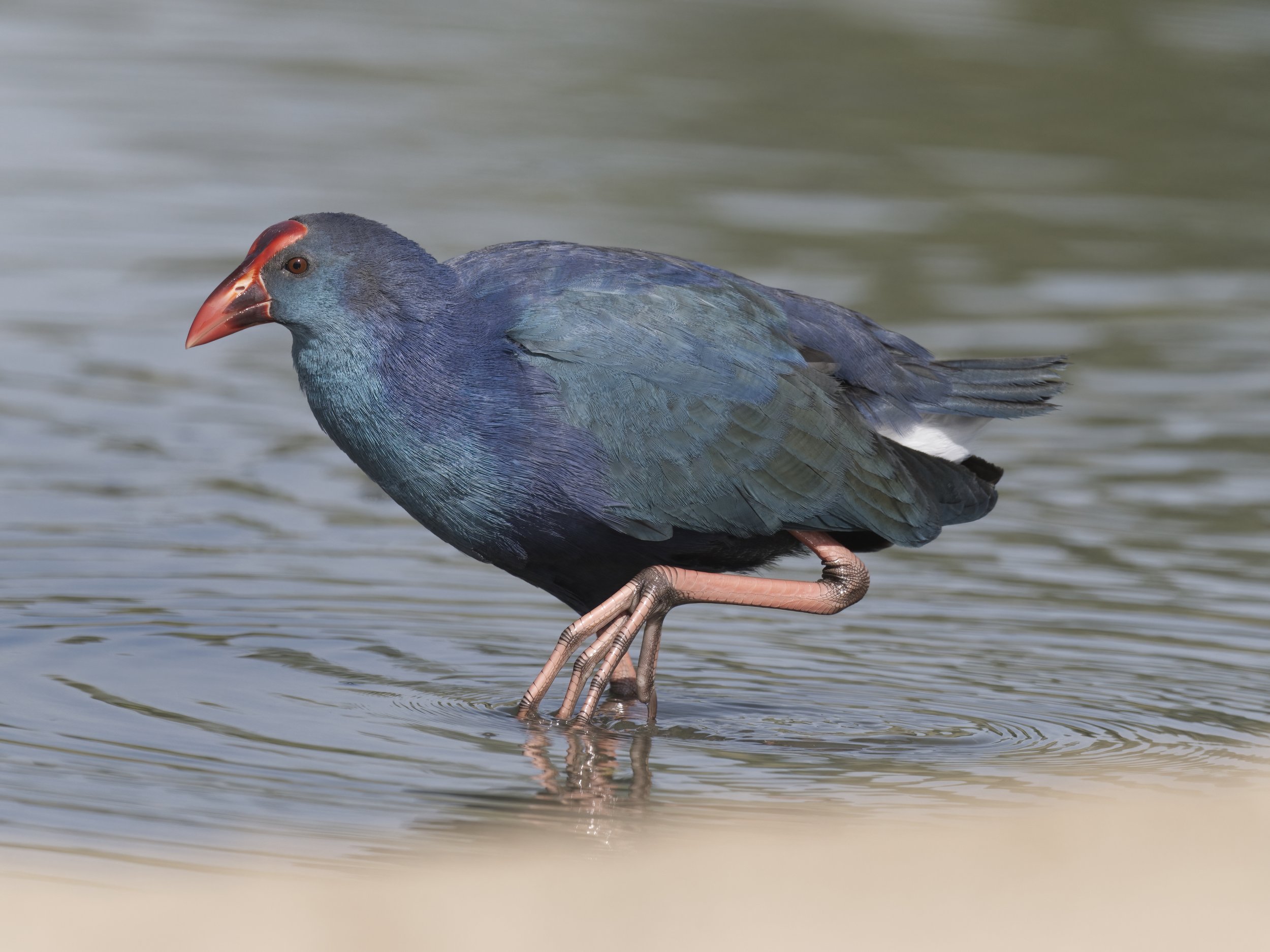
Grey-headed Swamphen (Porphyrio poliocephalus)
-
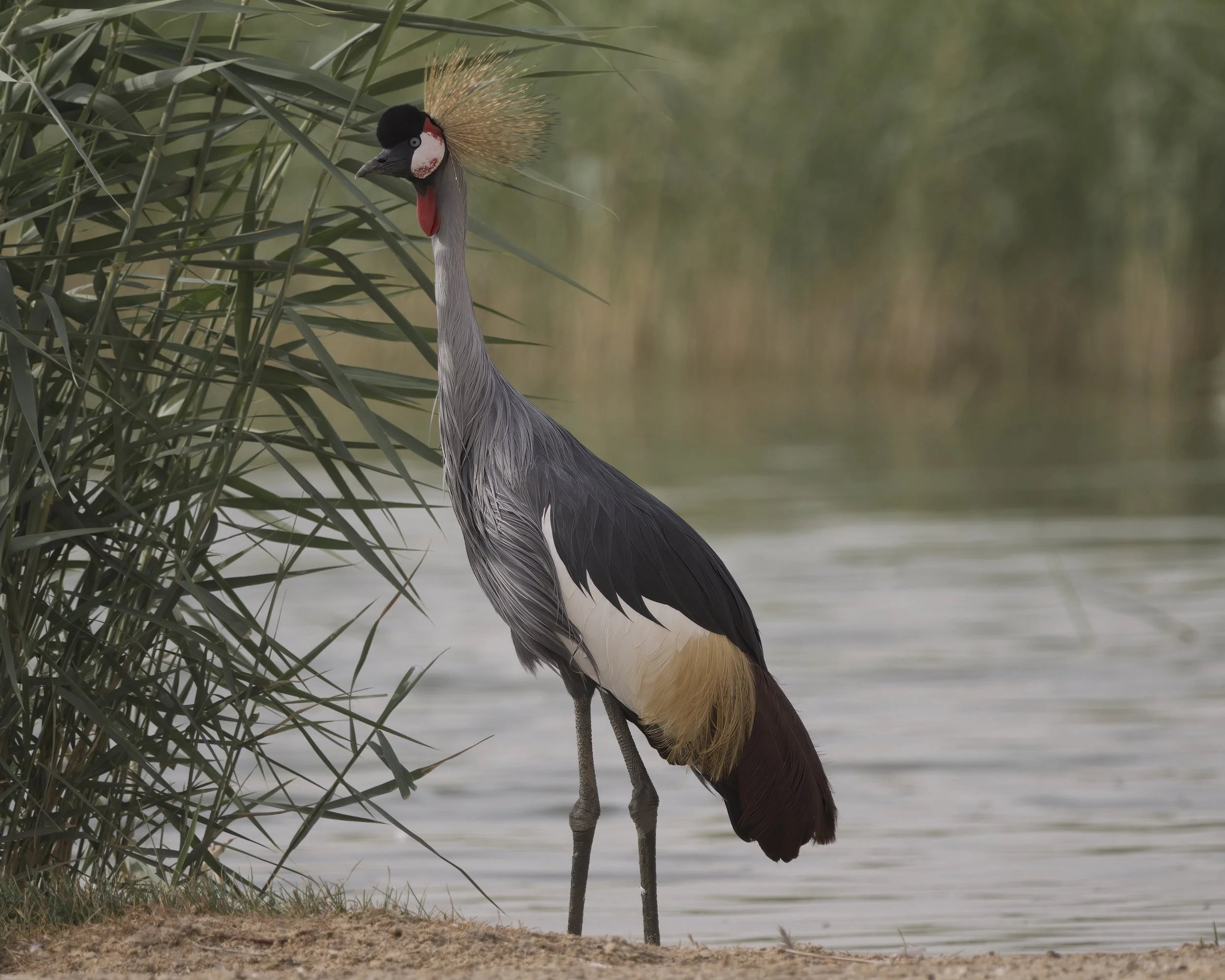
Grey Crowned Crane (Balearica regulorum)
-
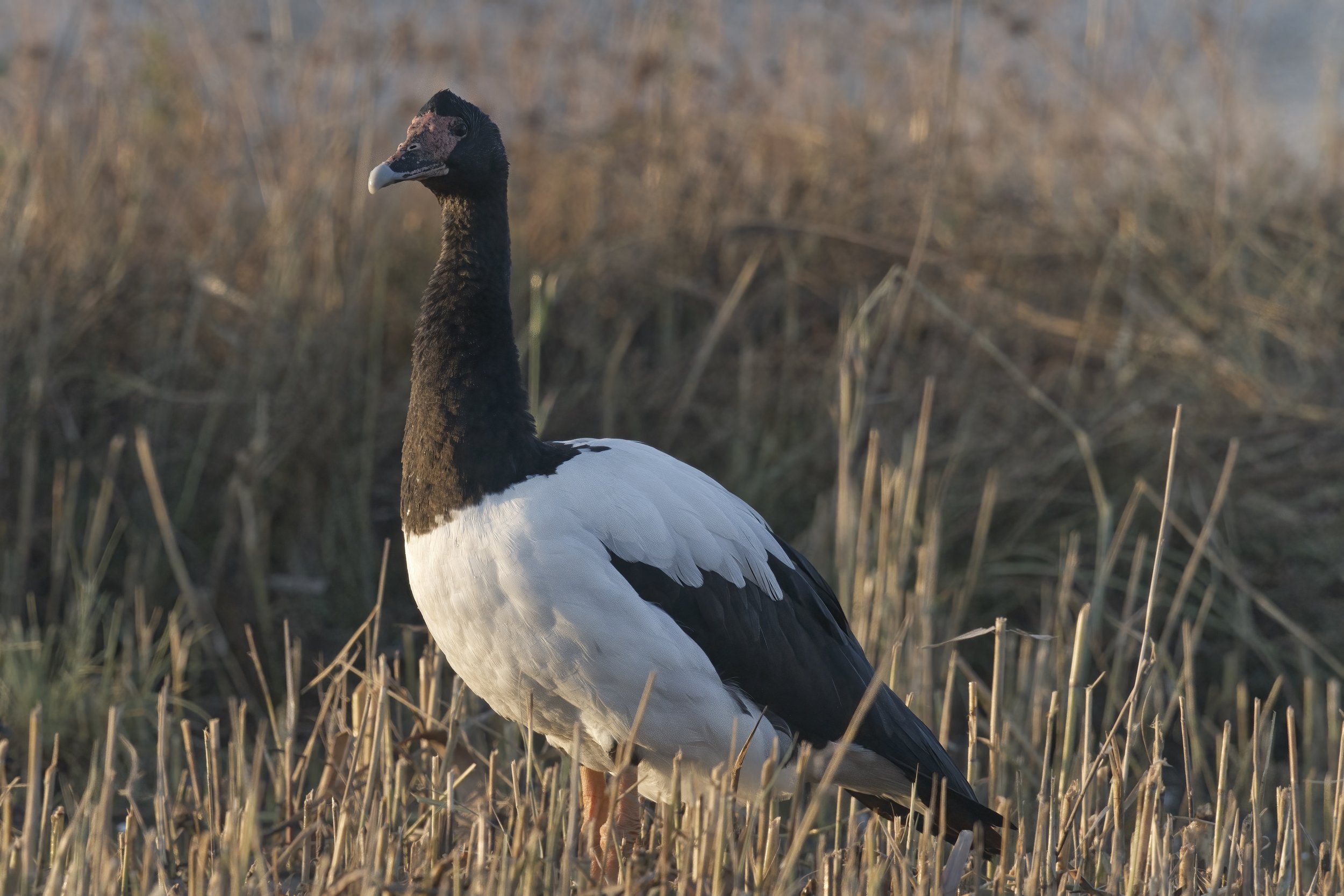
Magpie Goose (Anseranas semipalmata)