

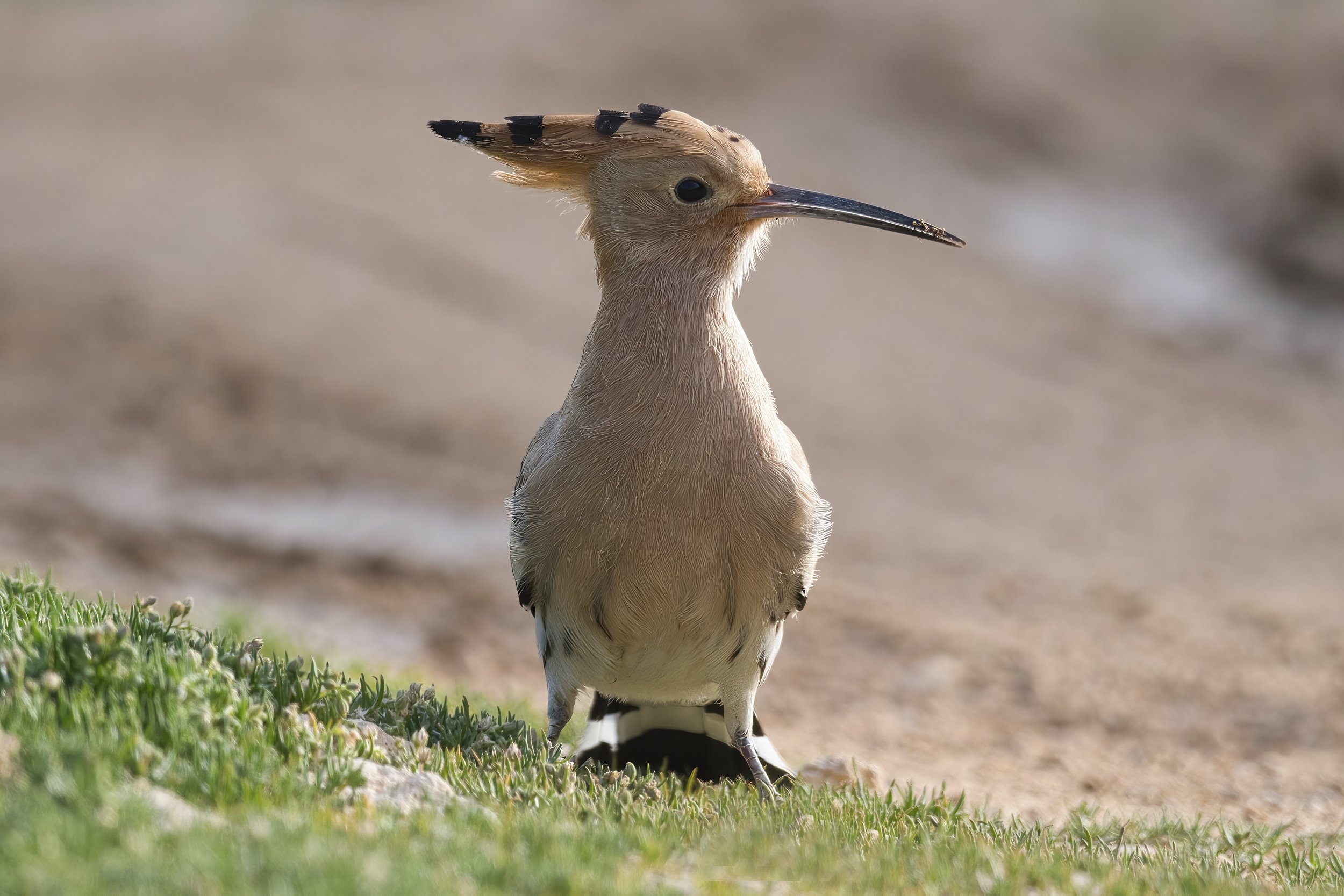
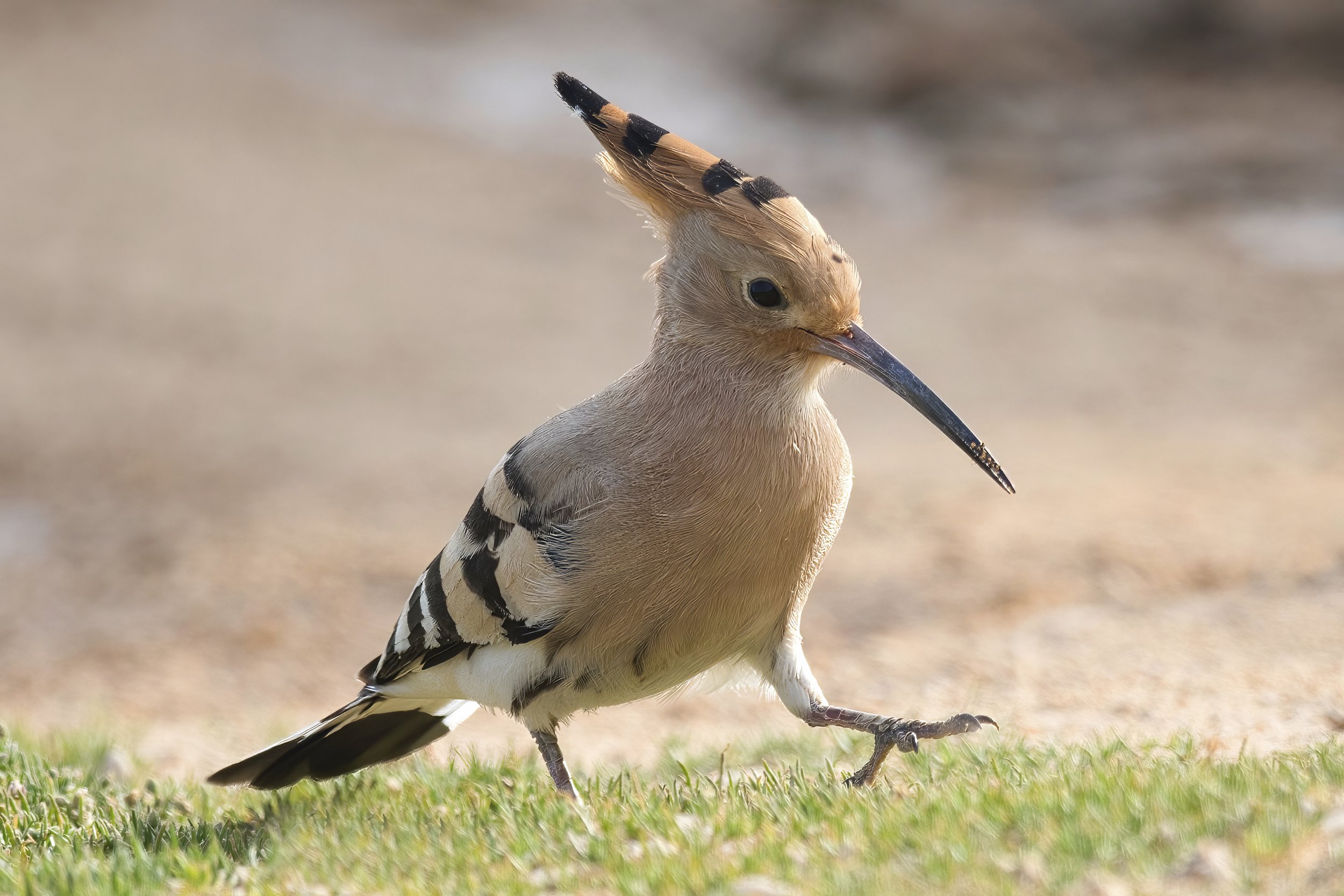
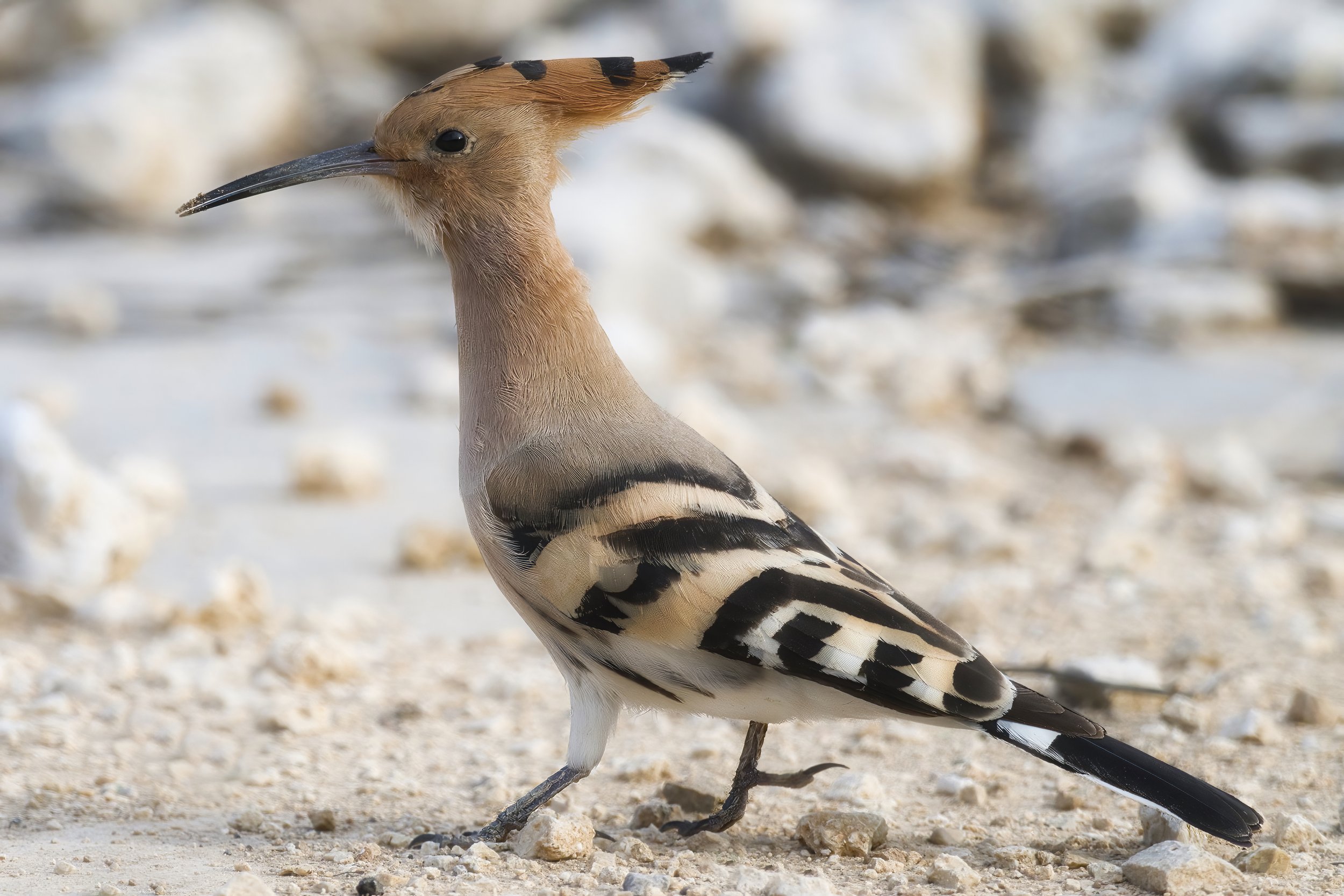
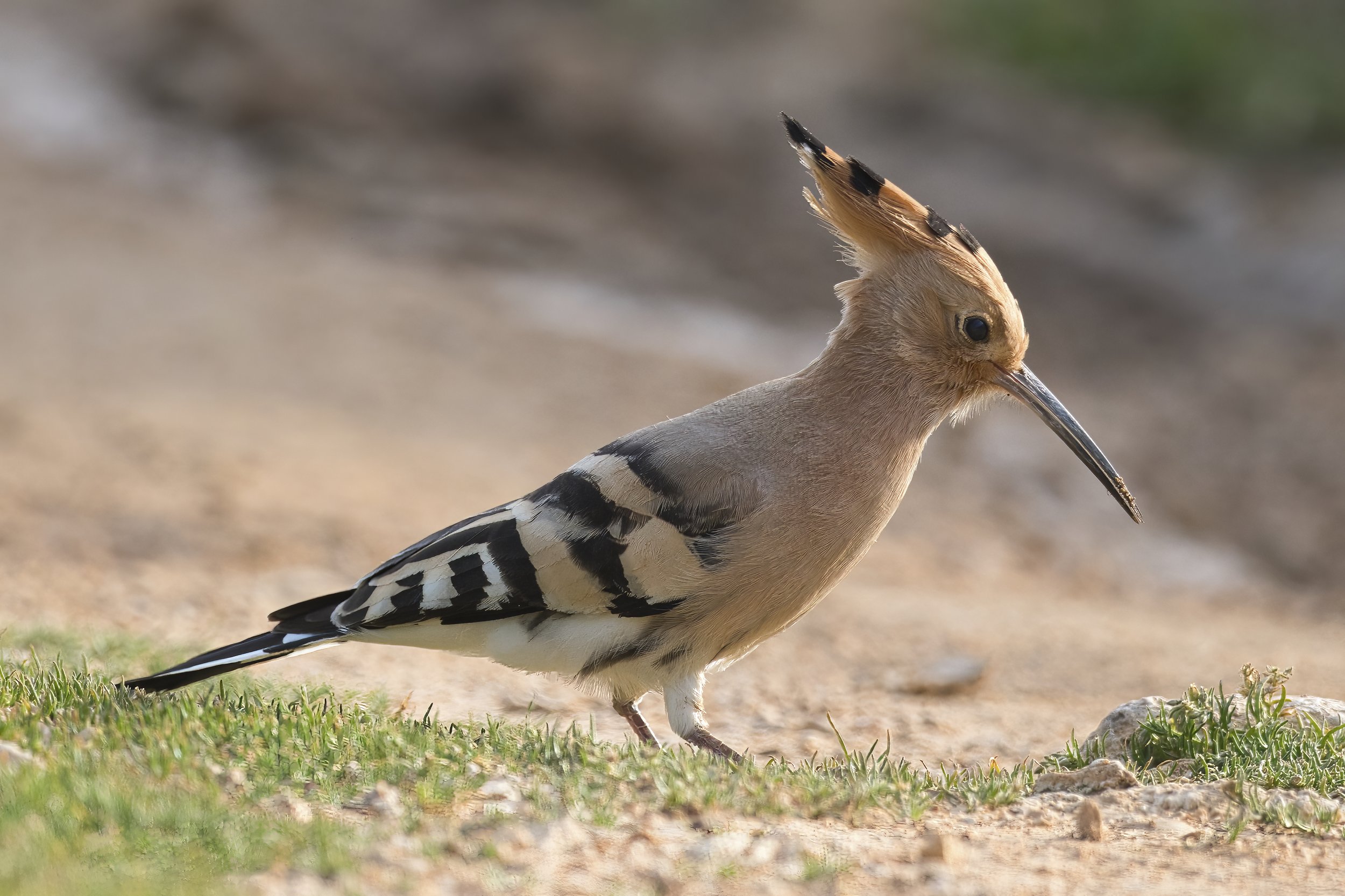
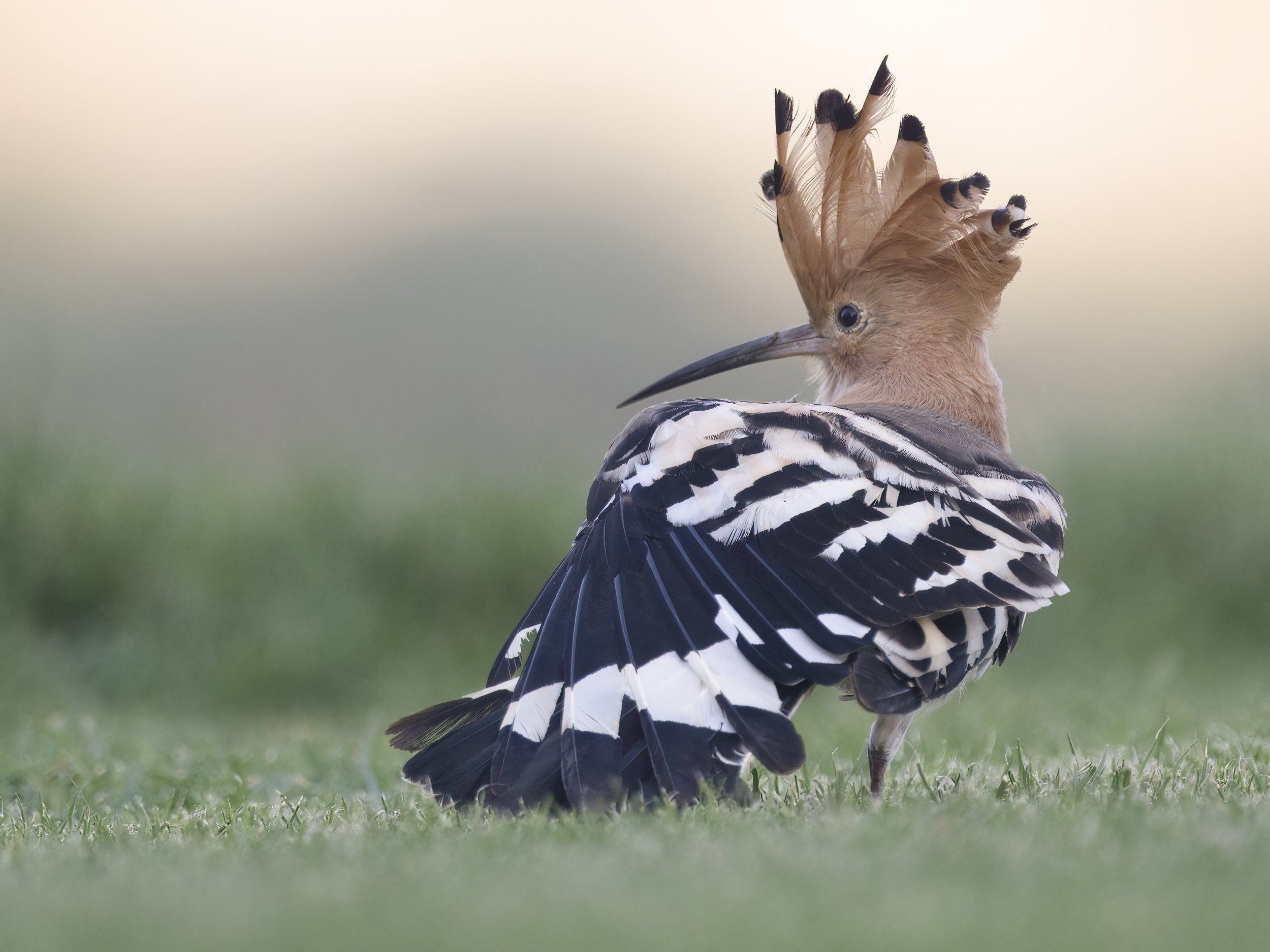
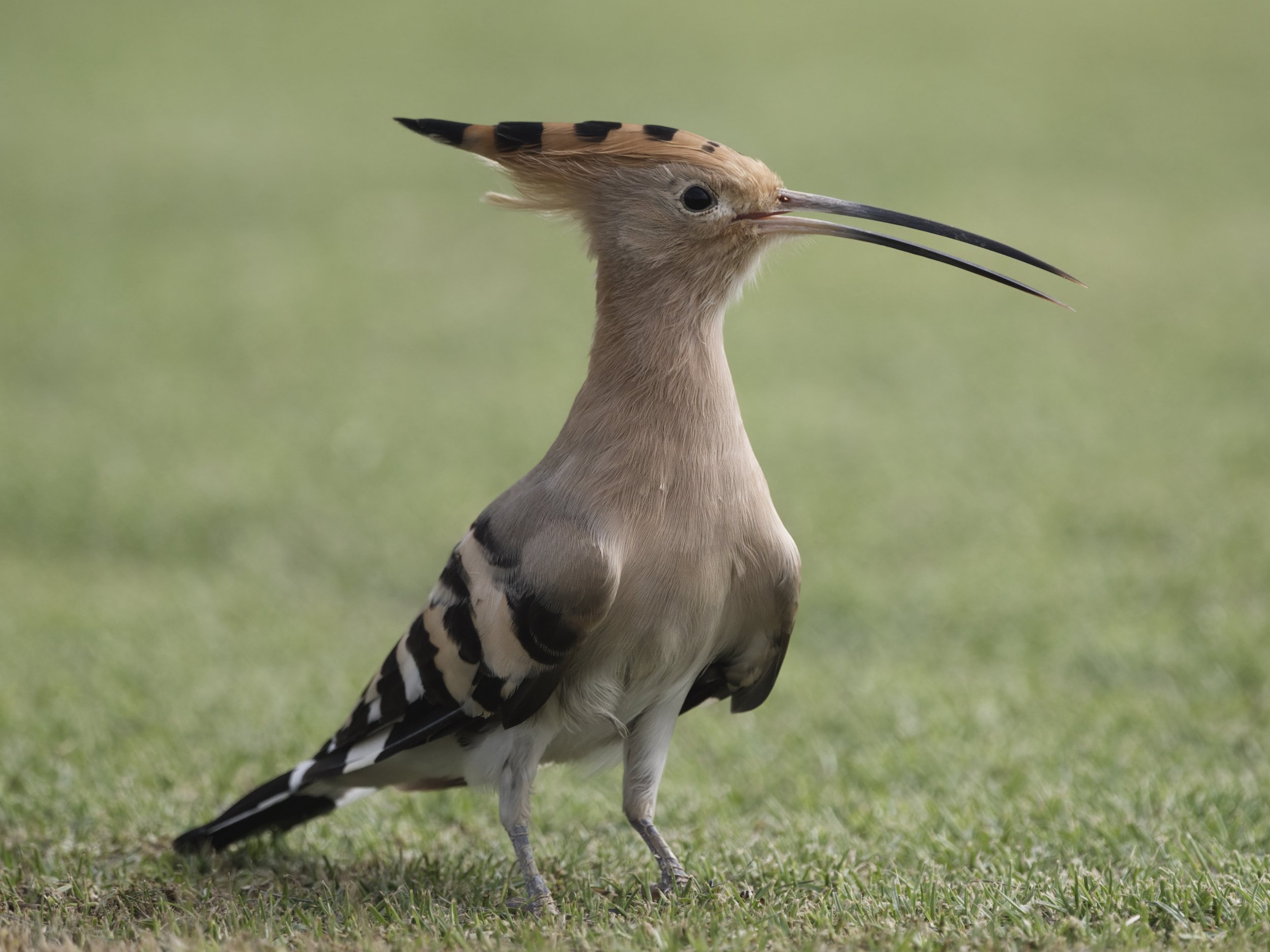
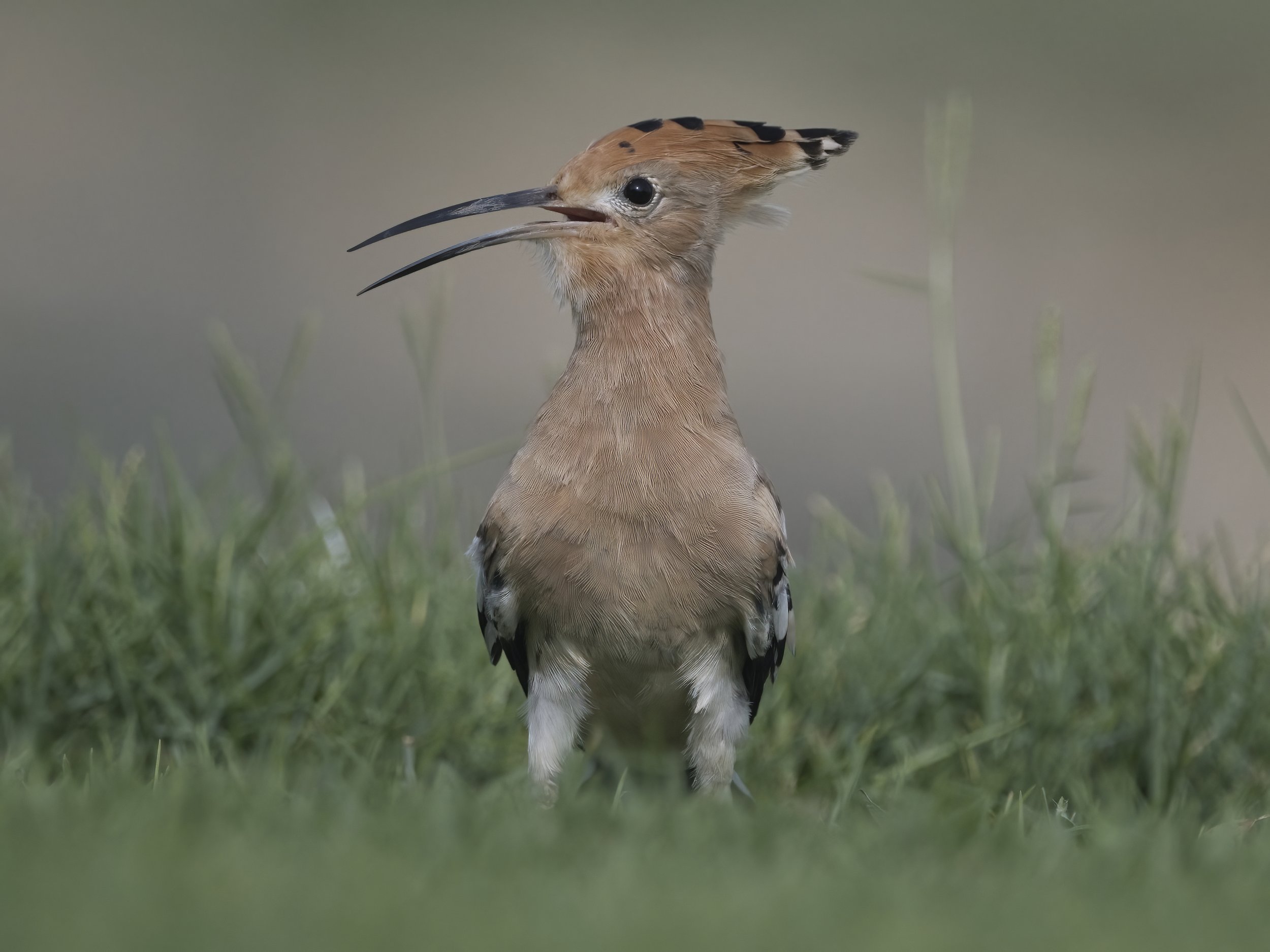
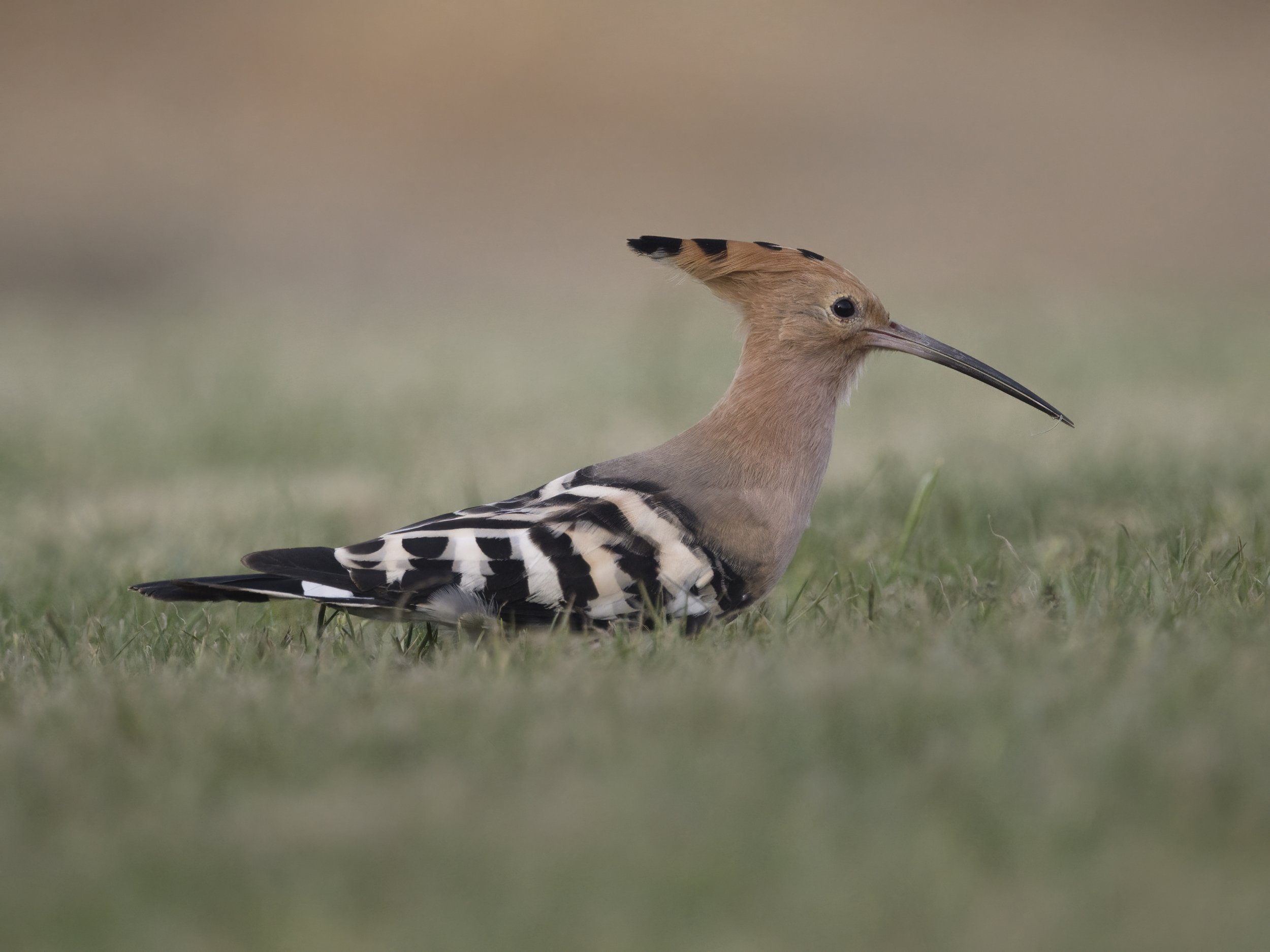
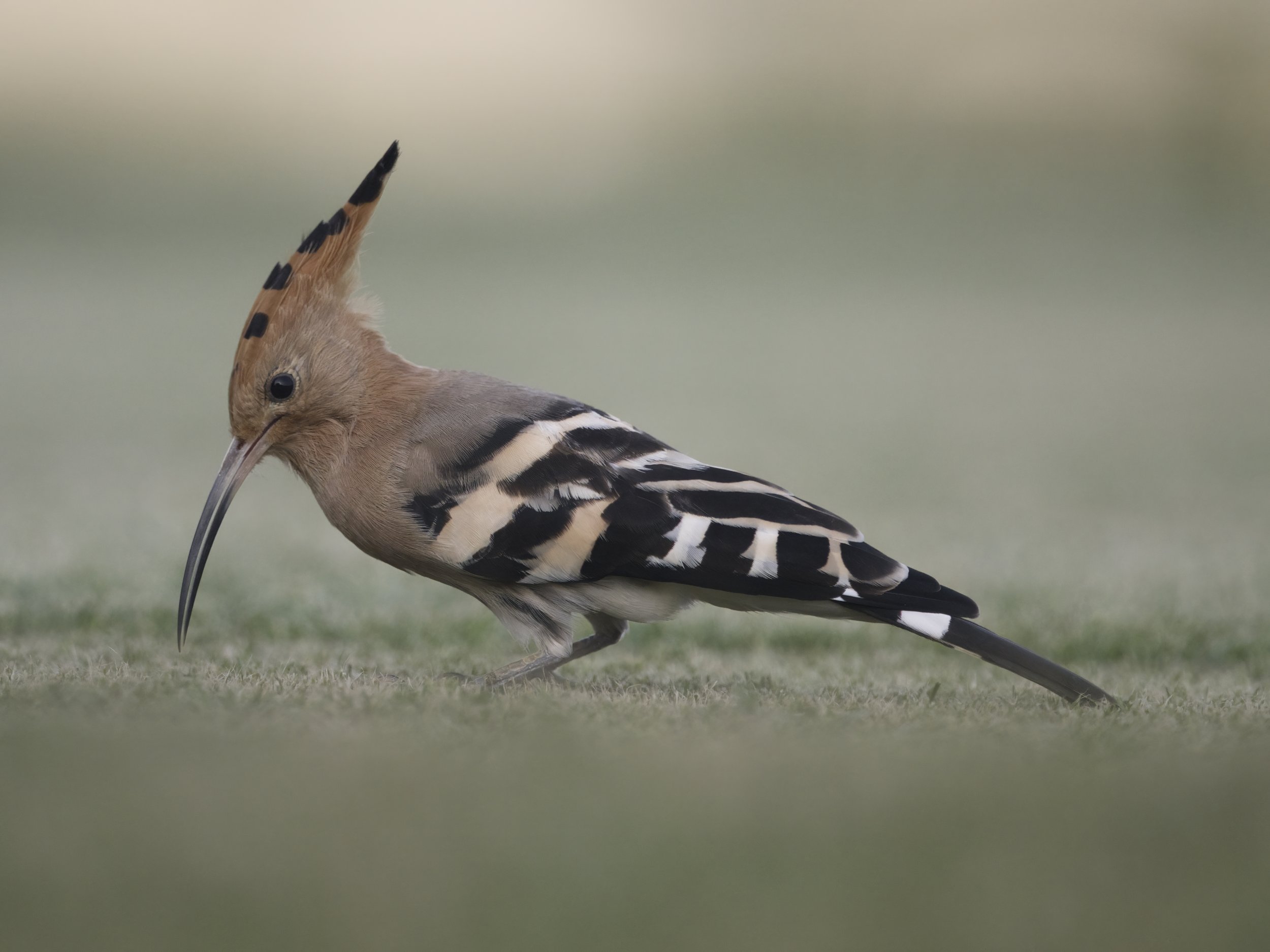
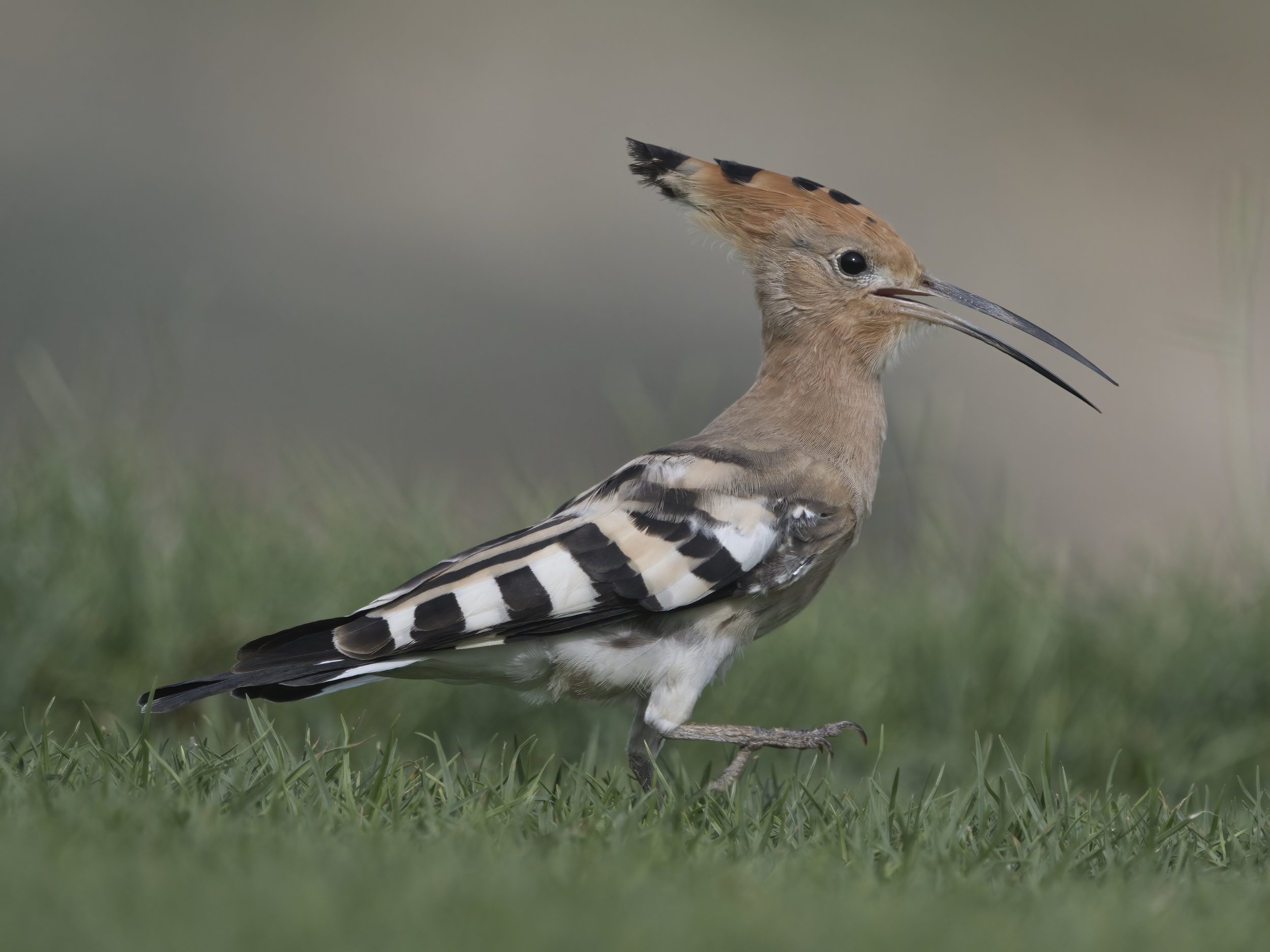
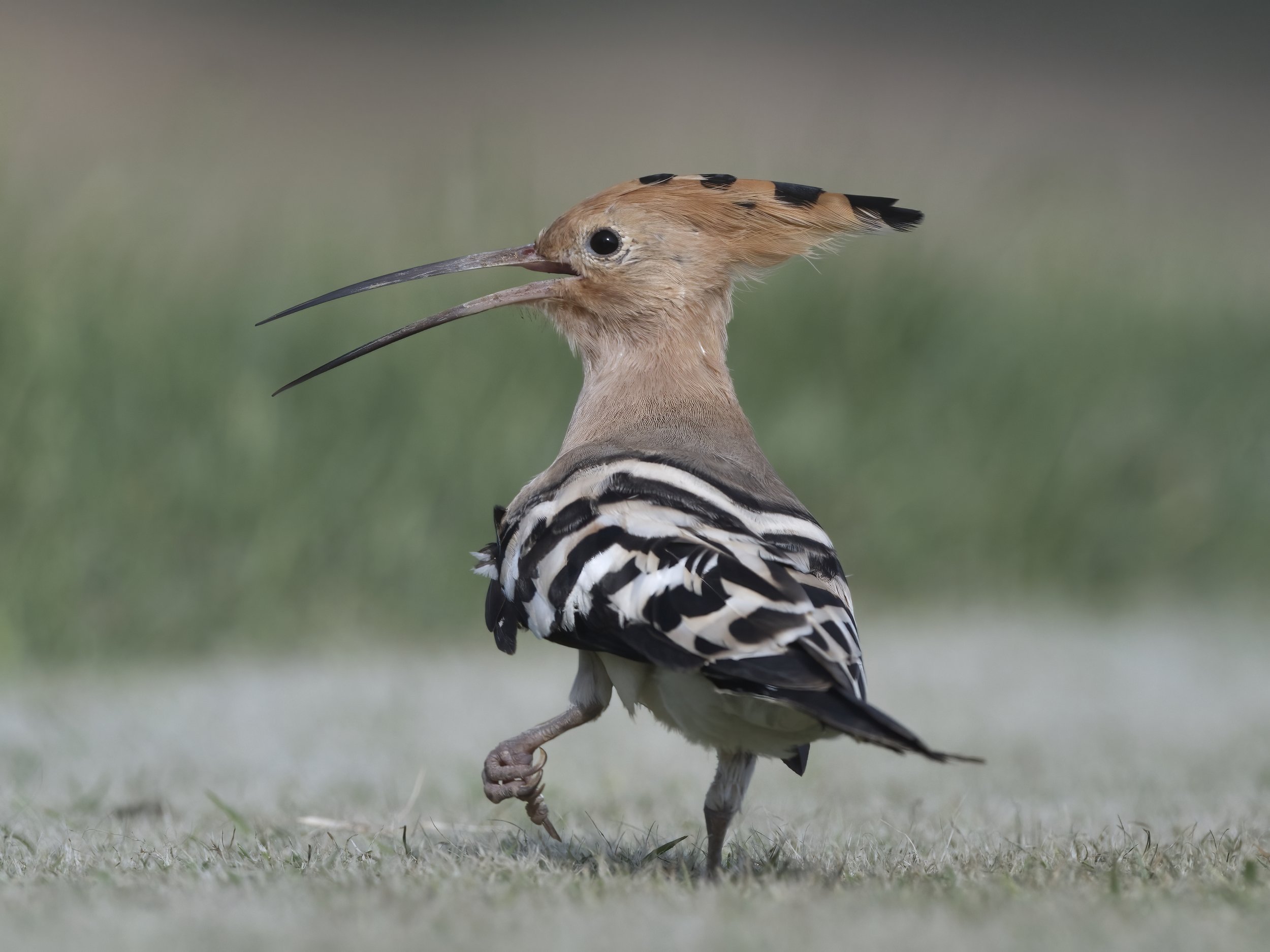
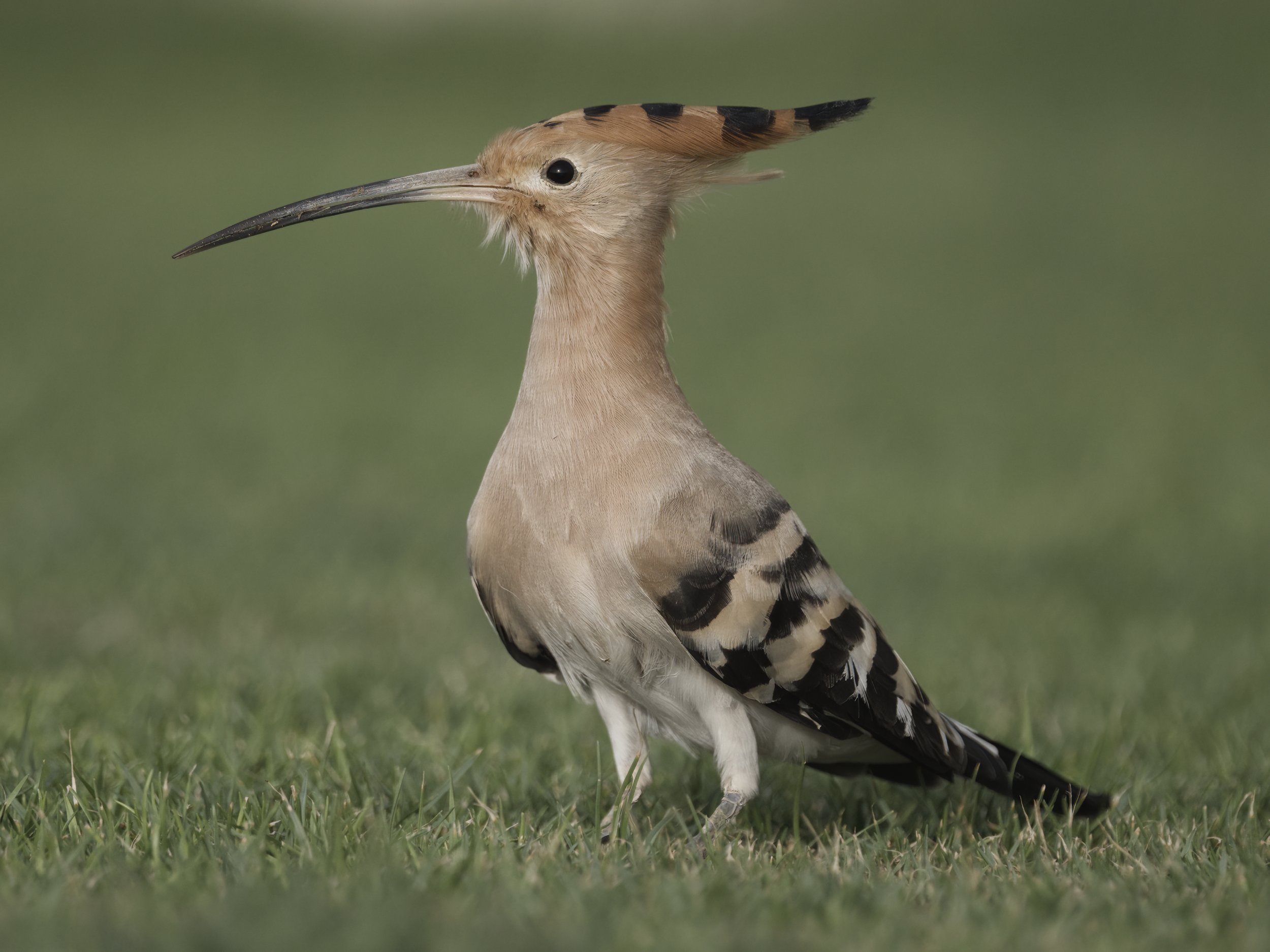
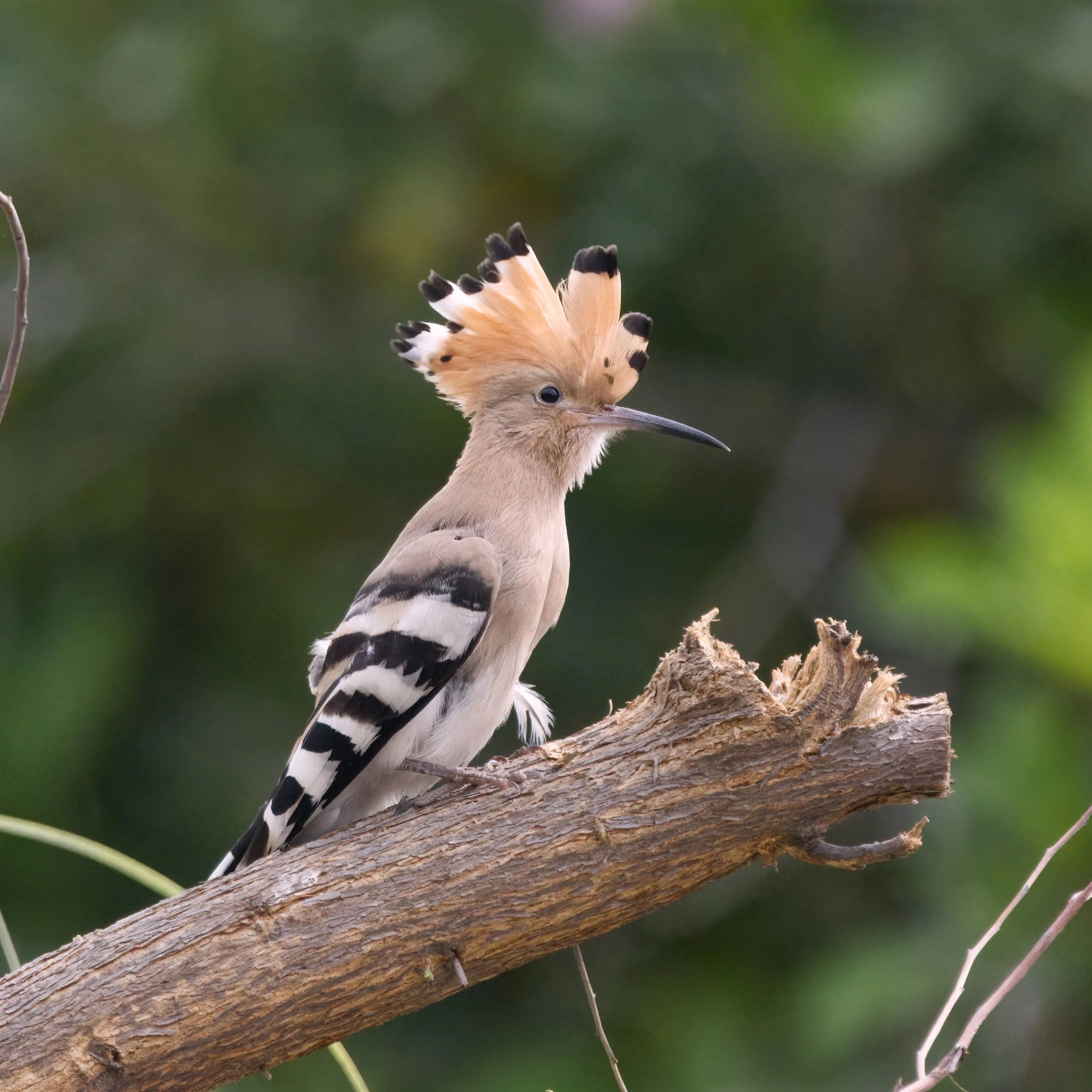
Eurasian Hoopoe \ Upupa epops
(هدهد أوراسي)
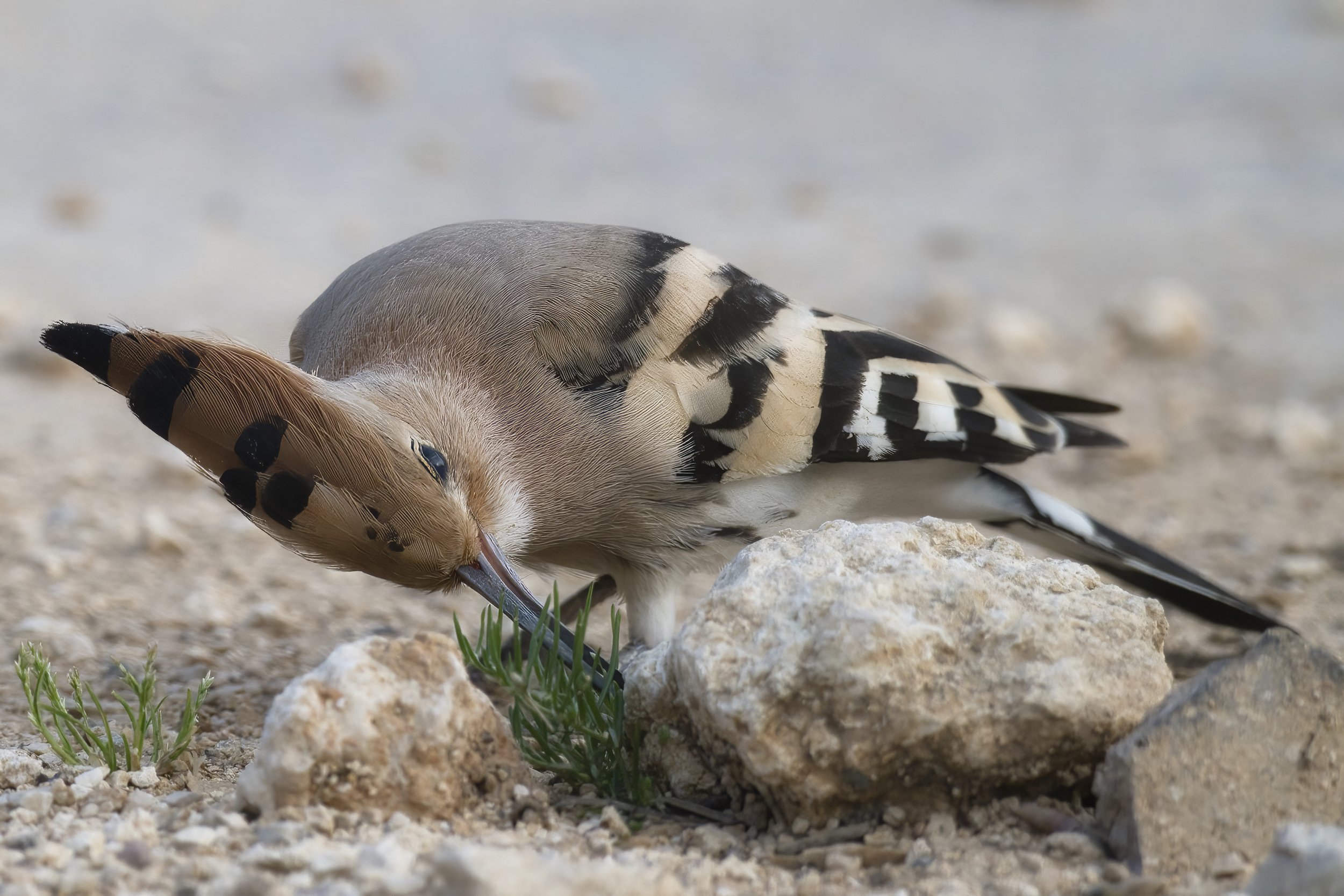
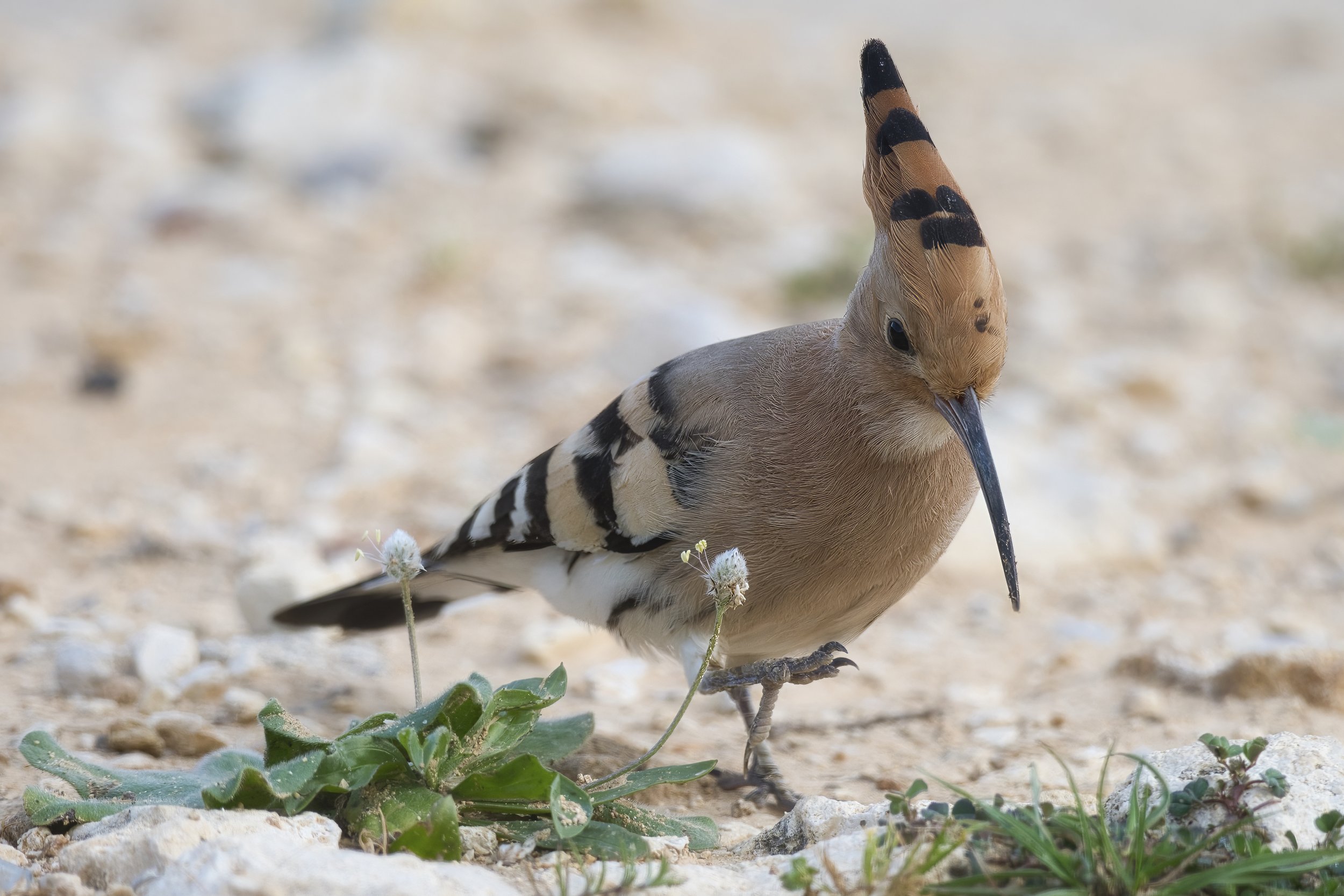
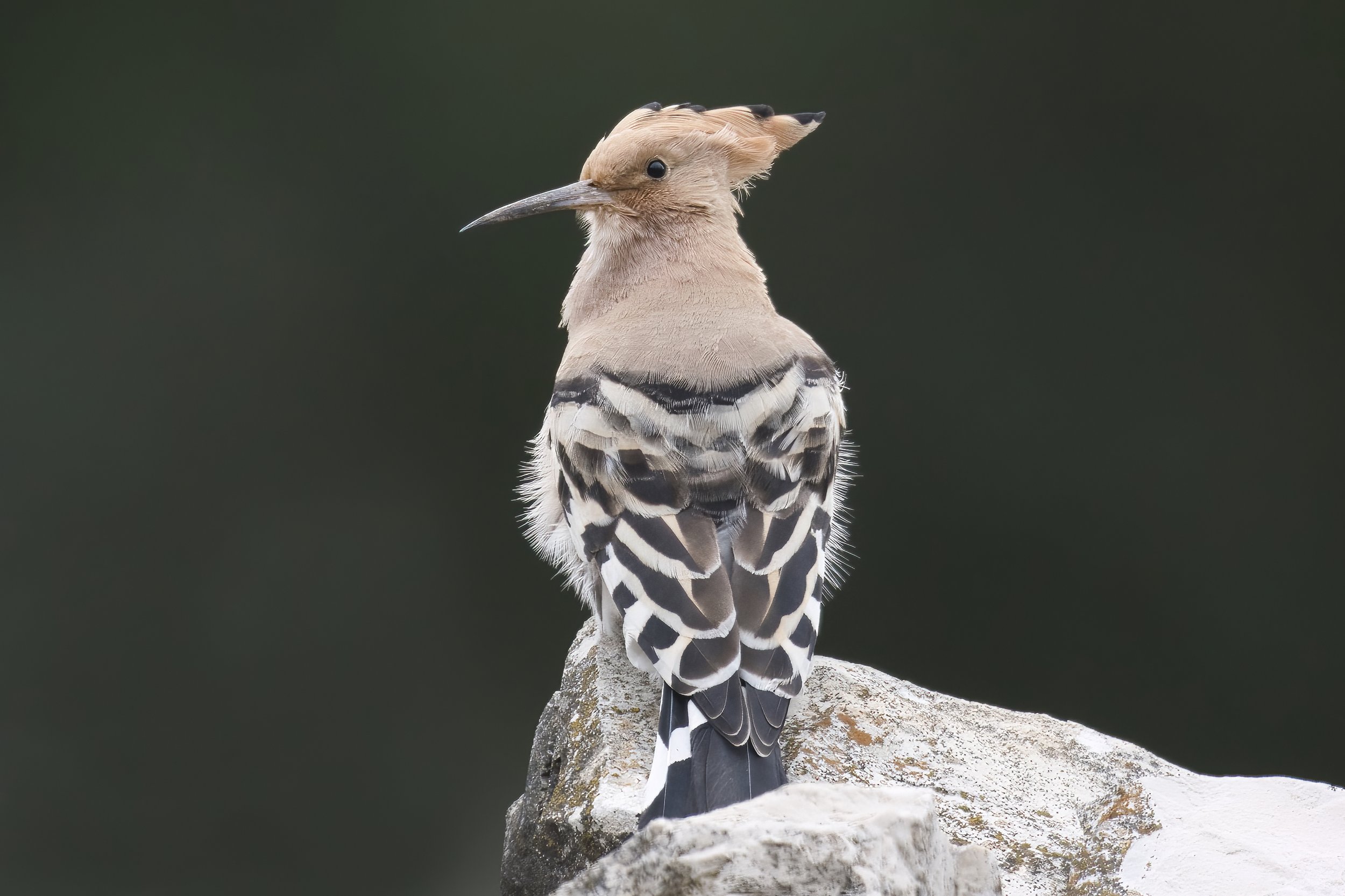
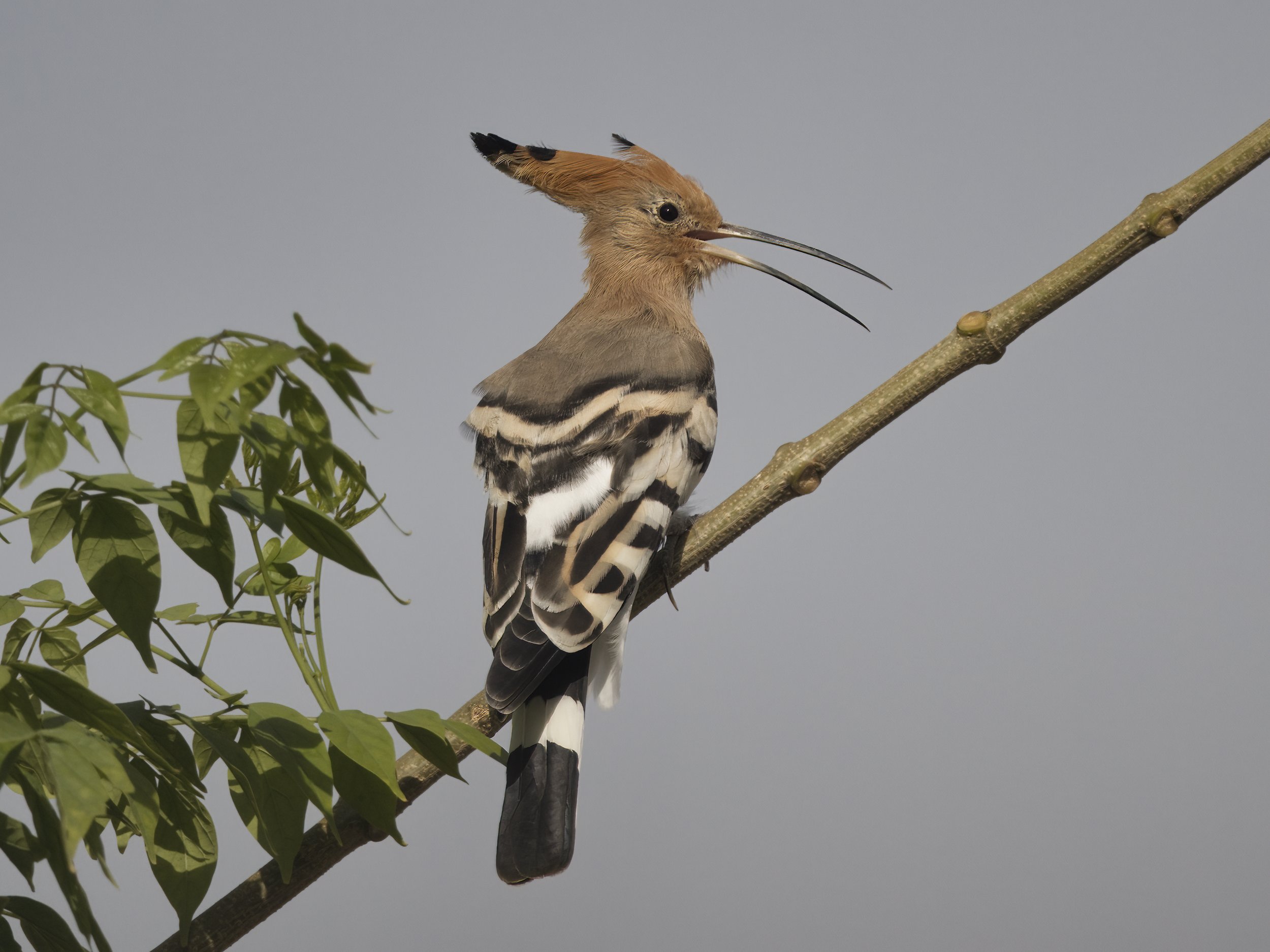
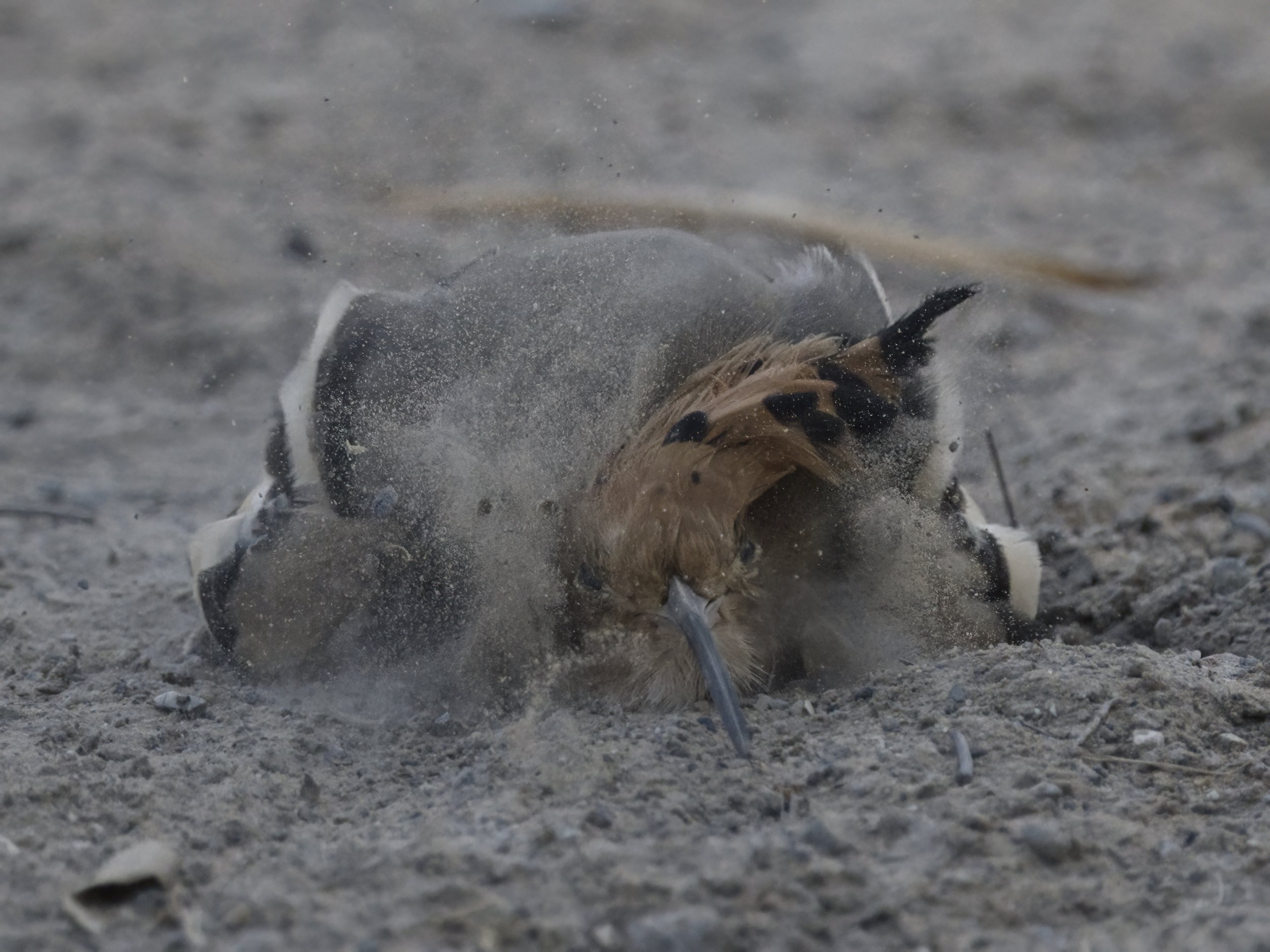
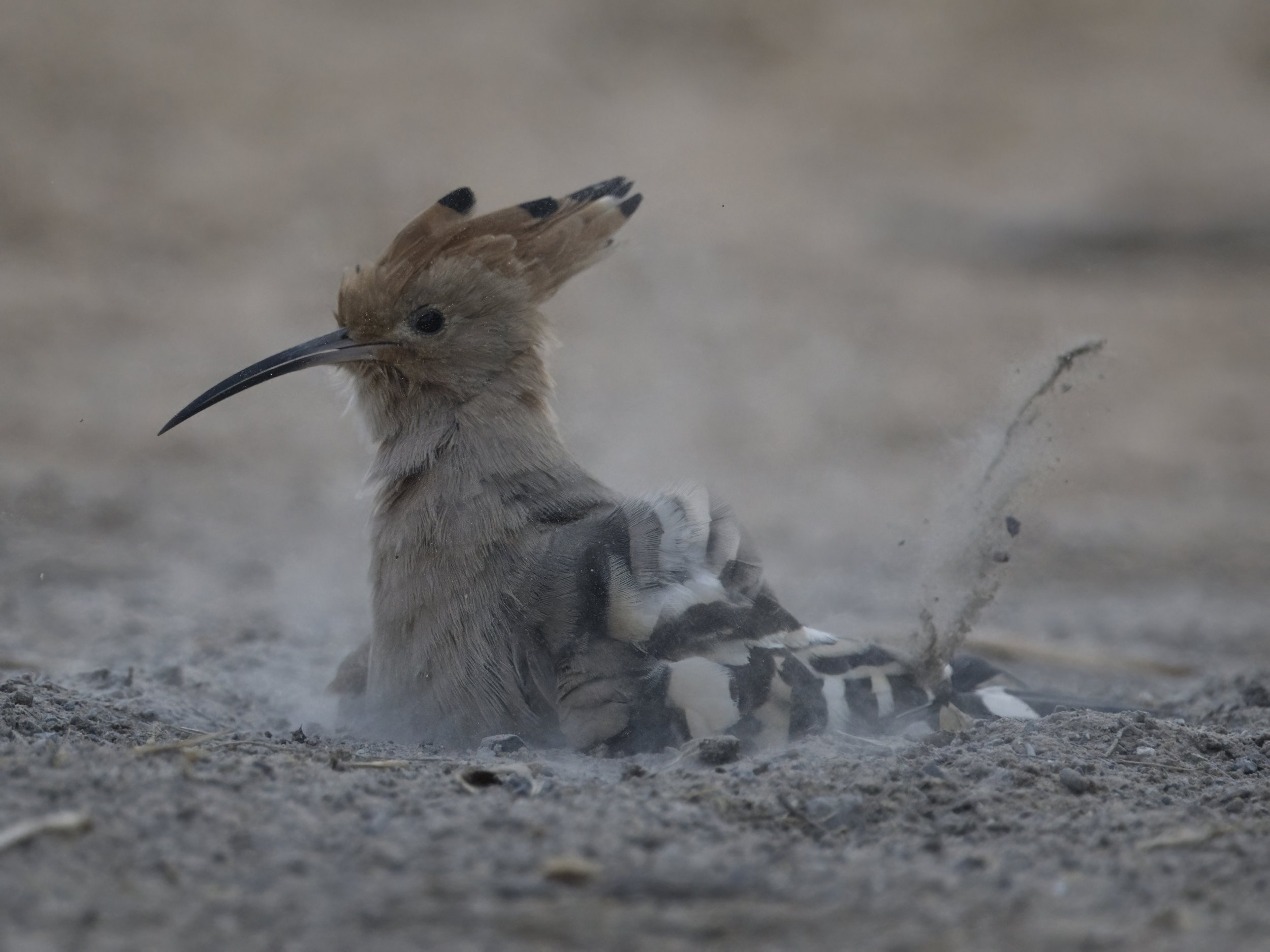
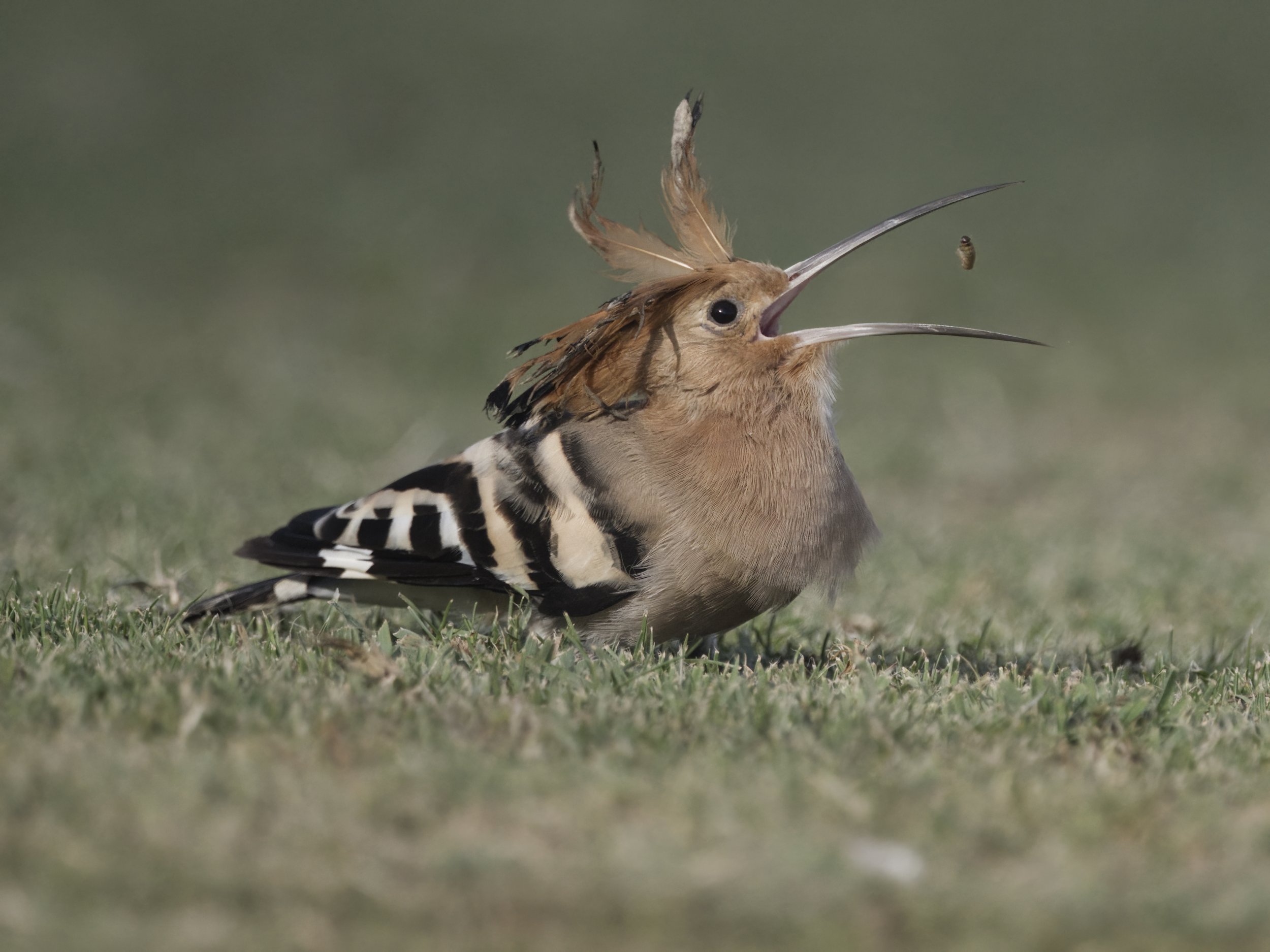
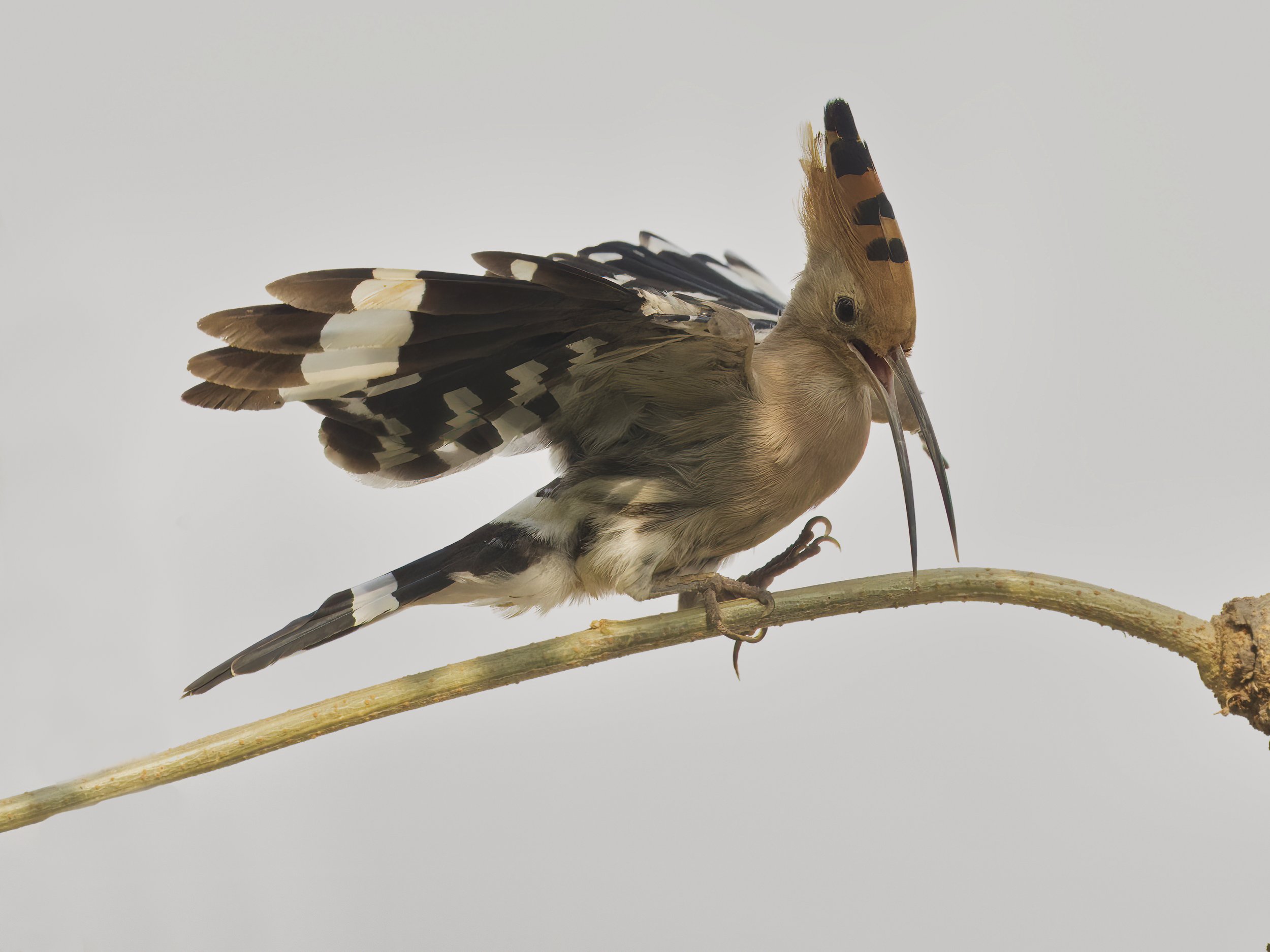
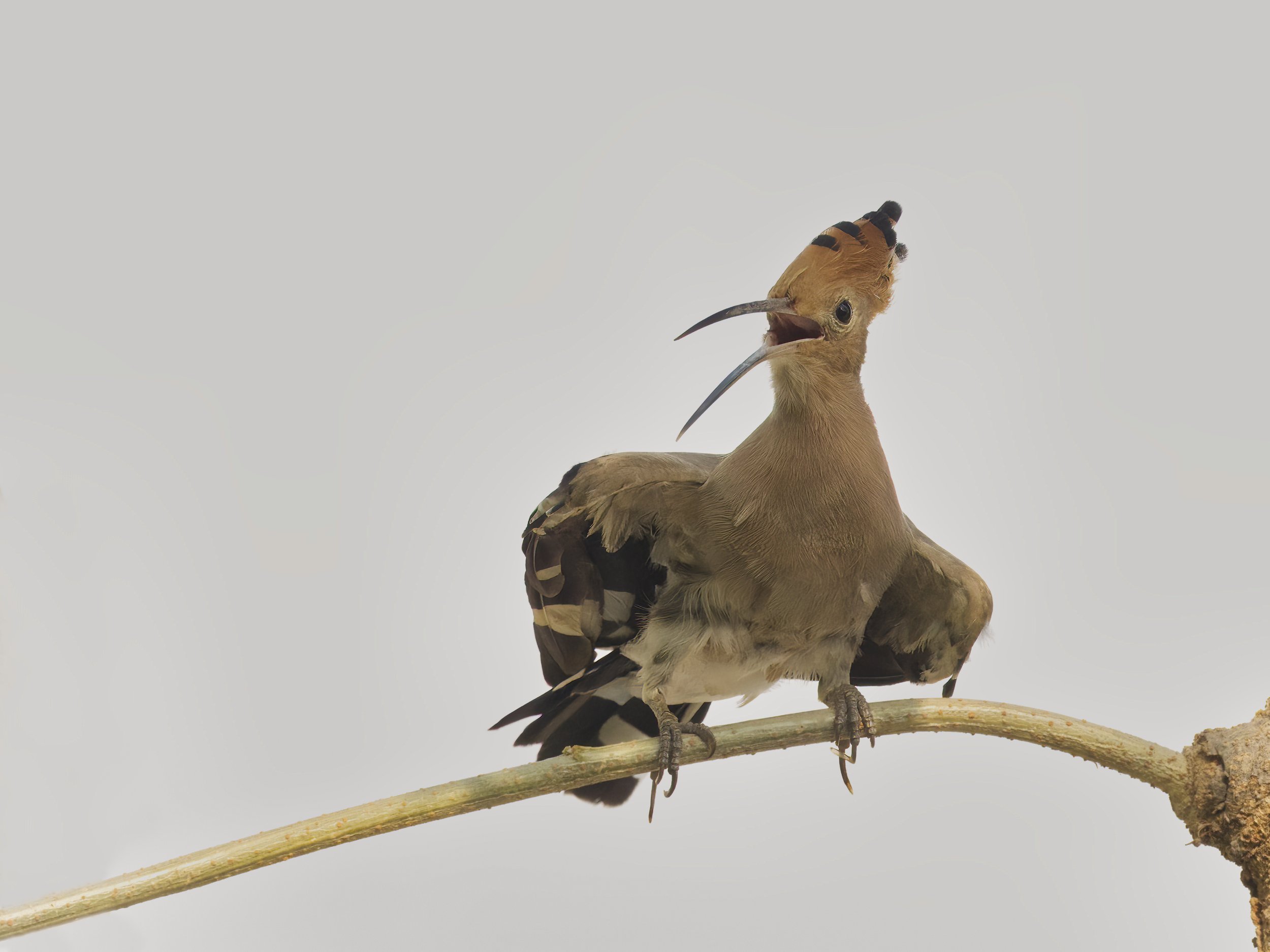
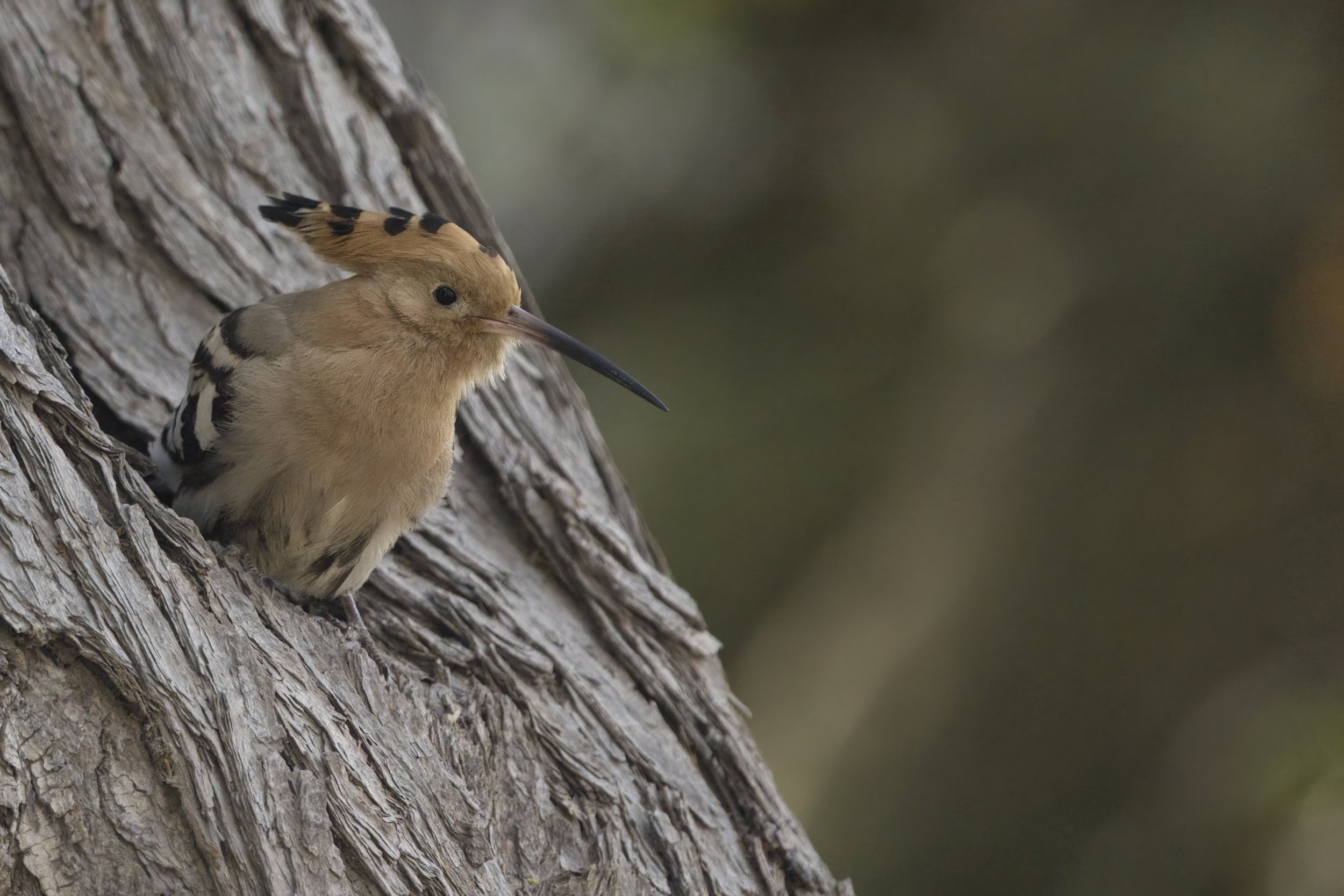
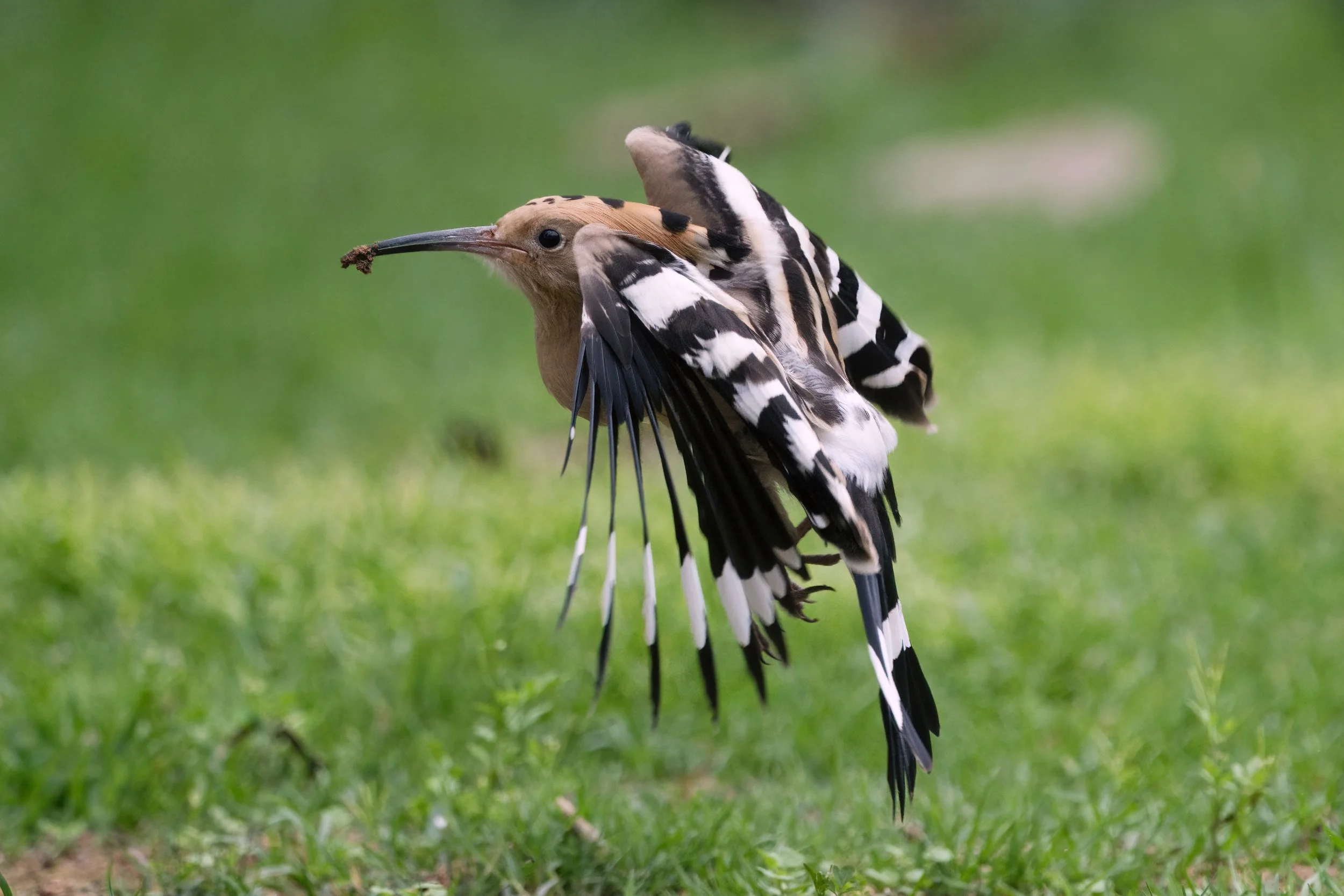
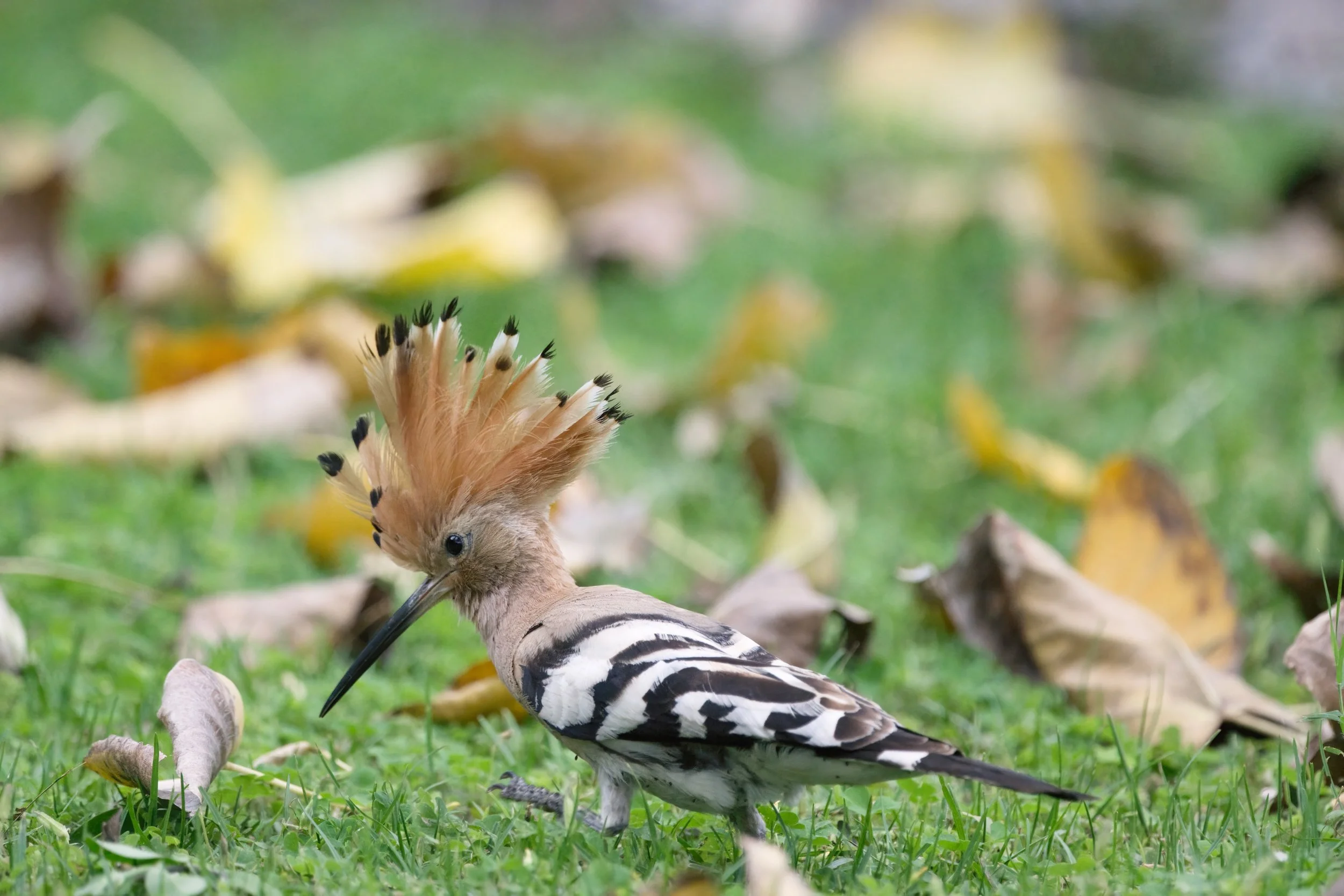
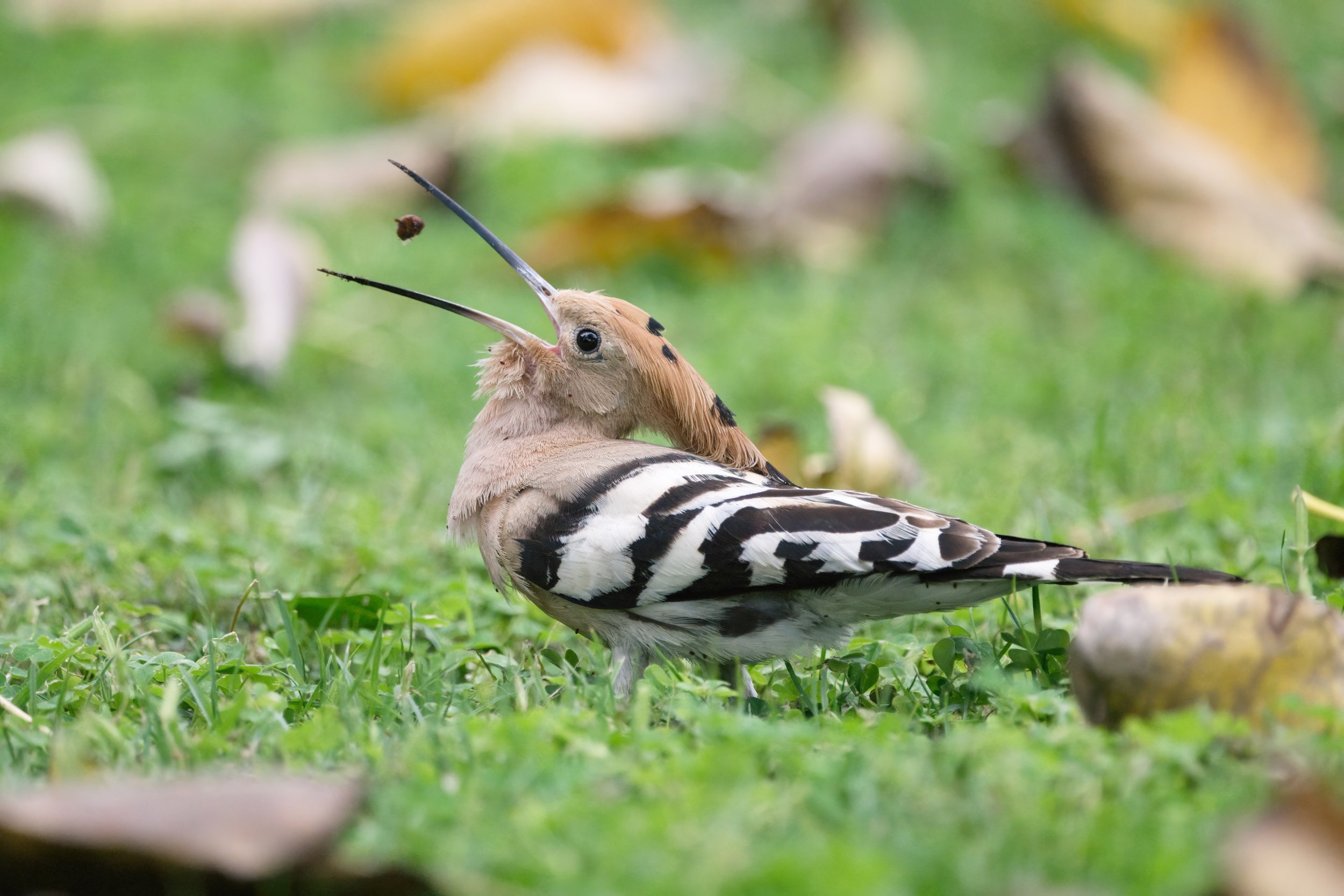
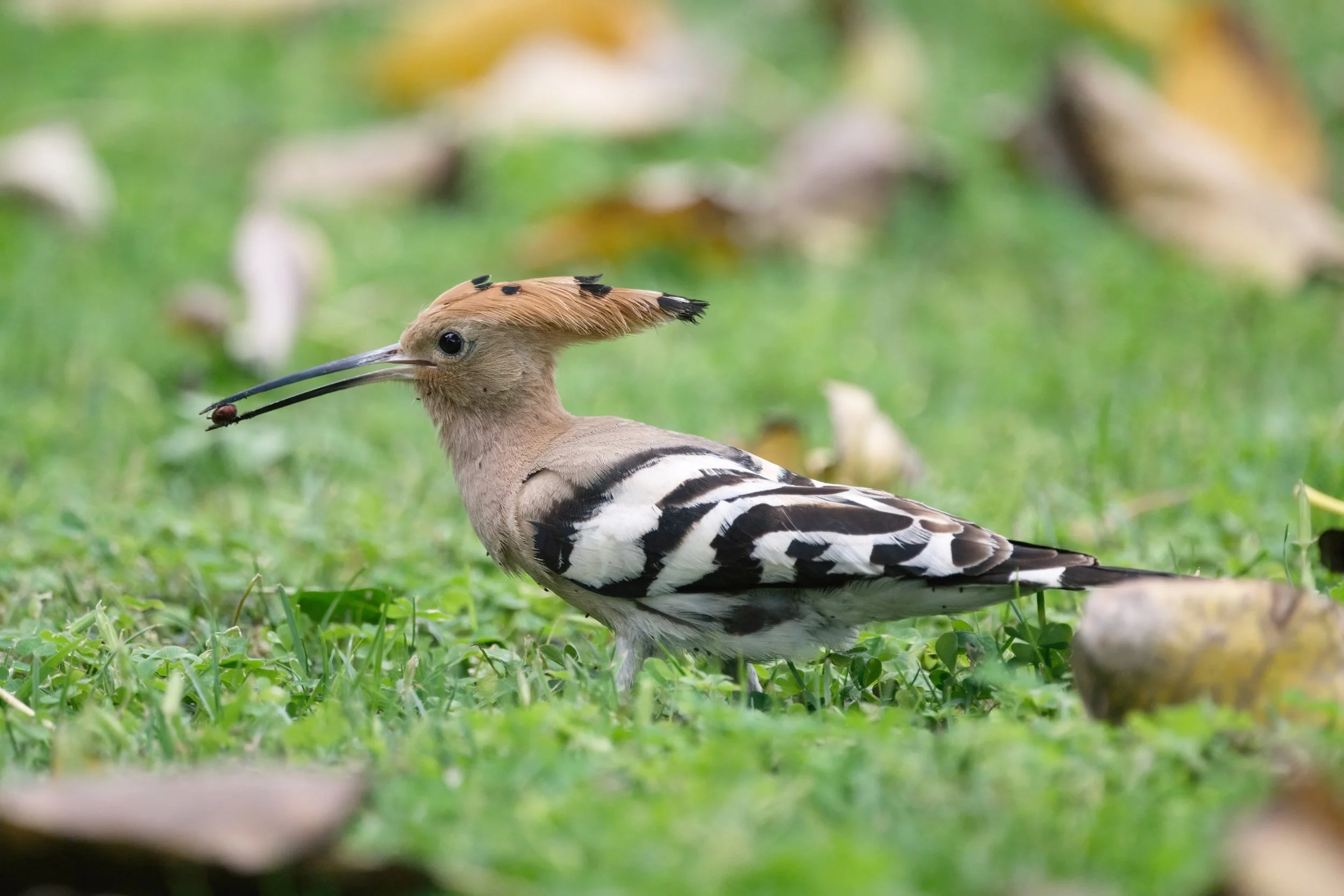
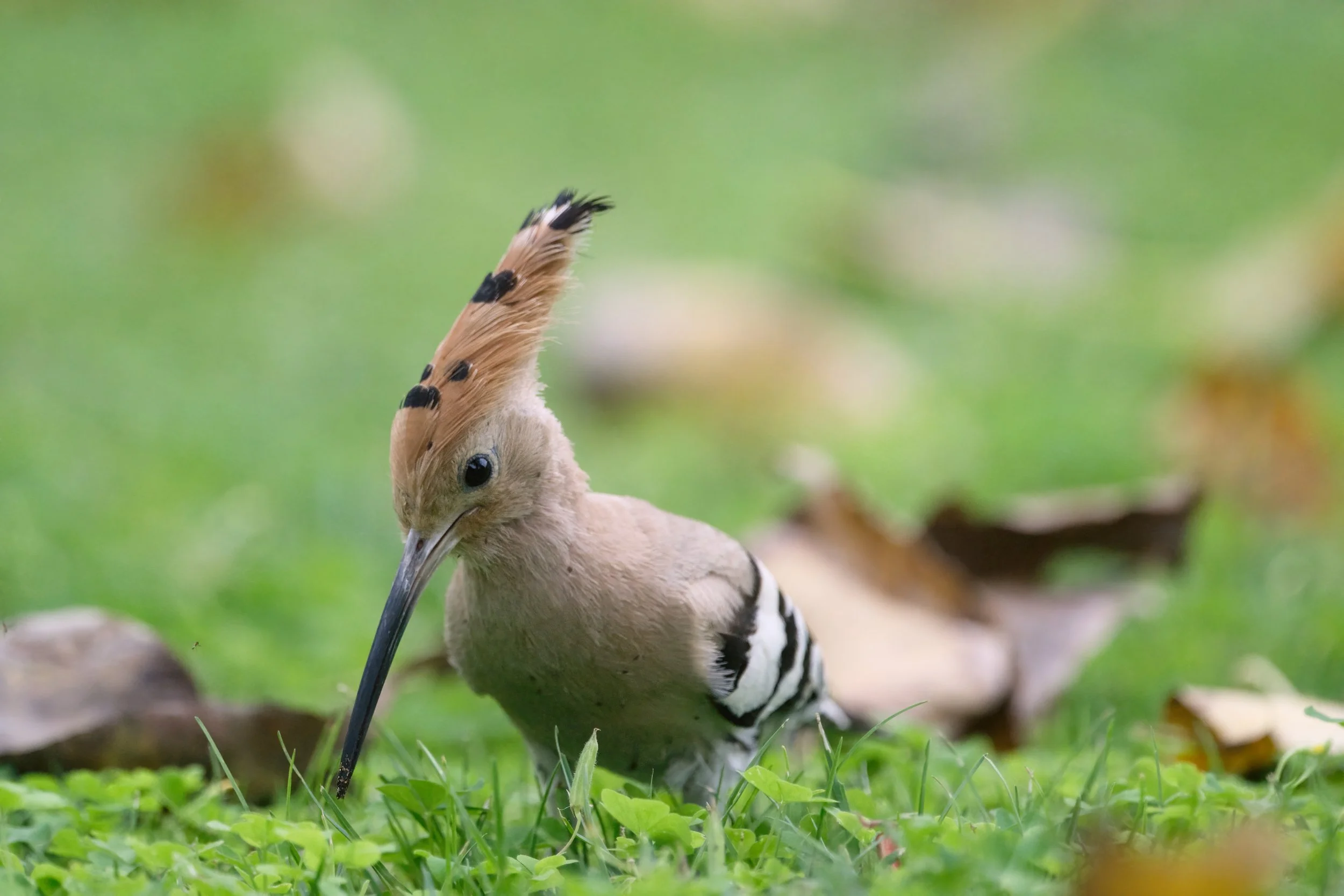
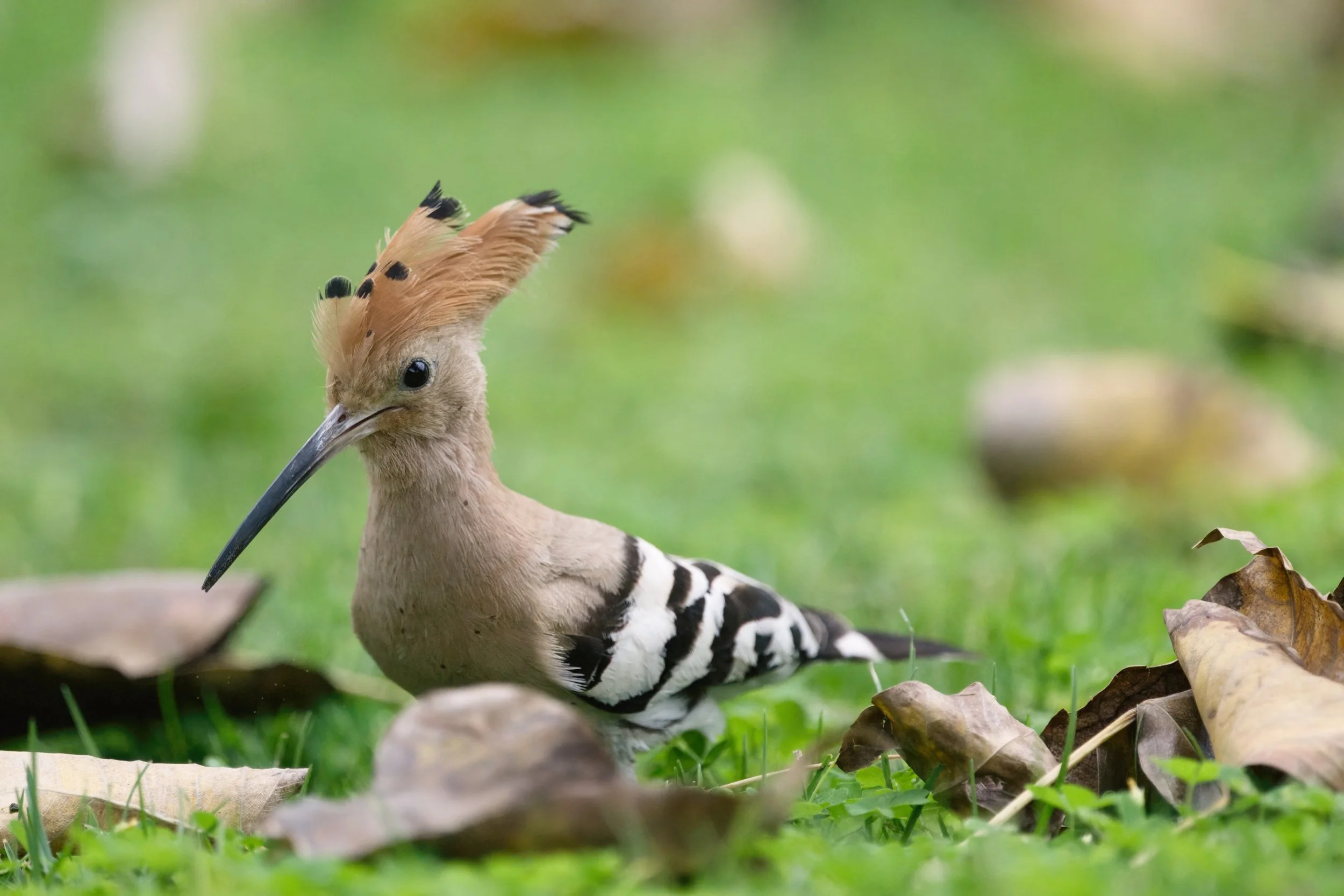
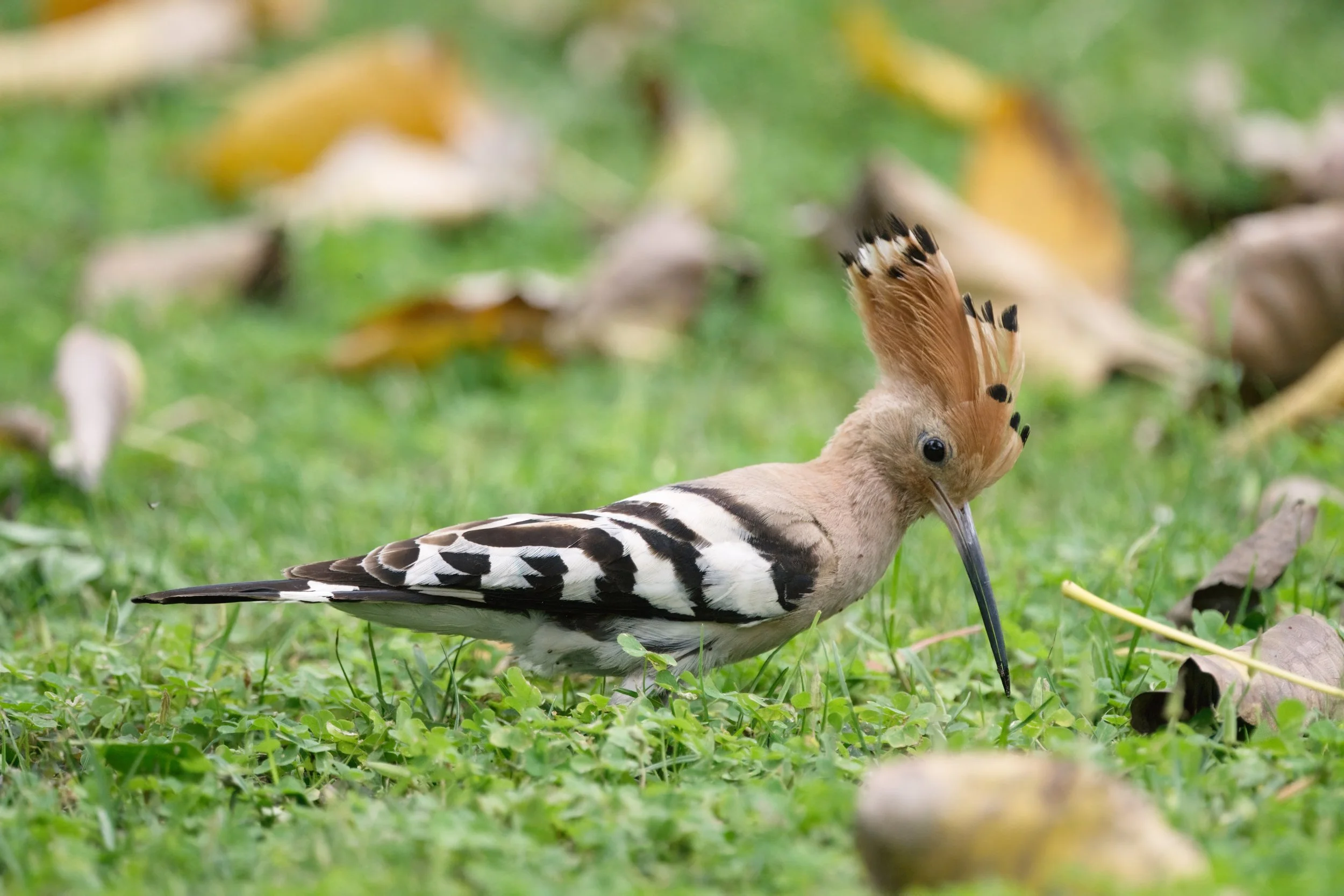
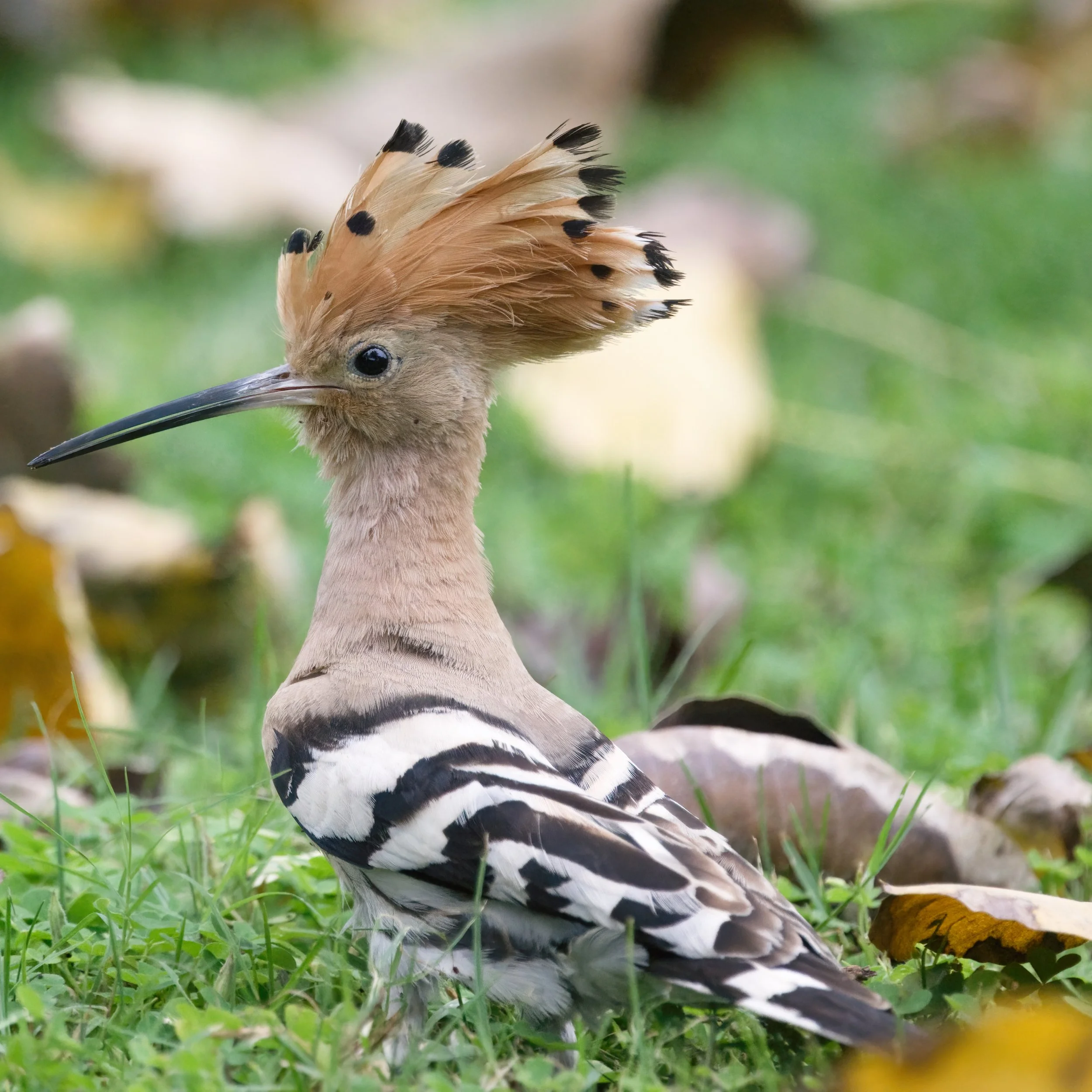
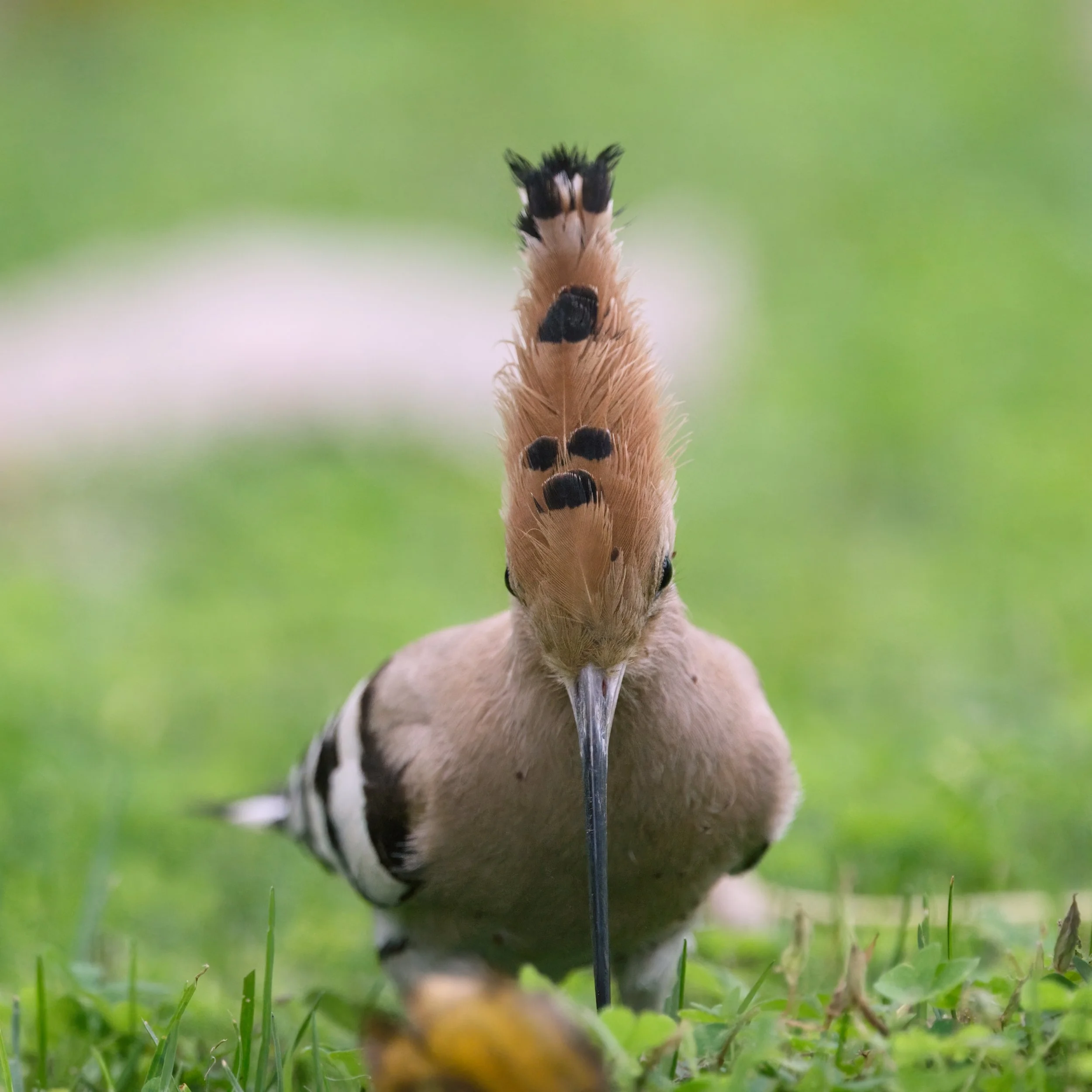
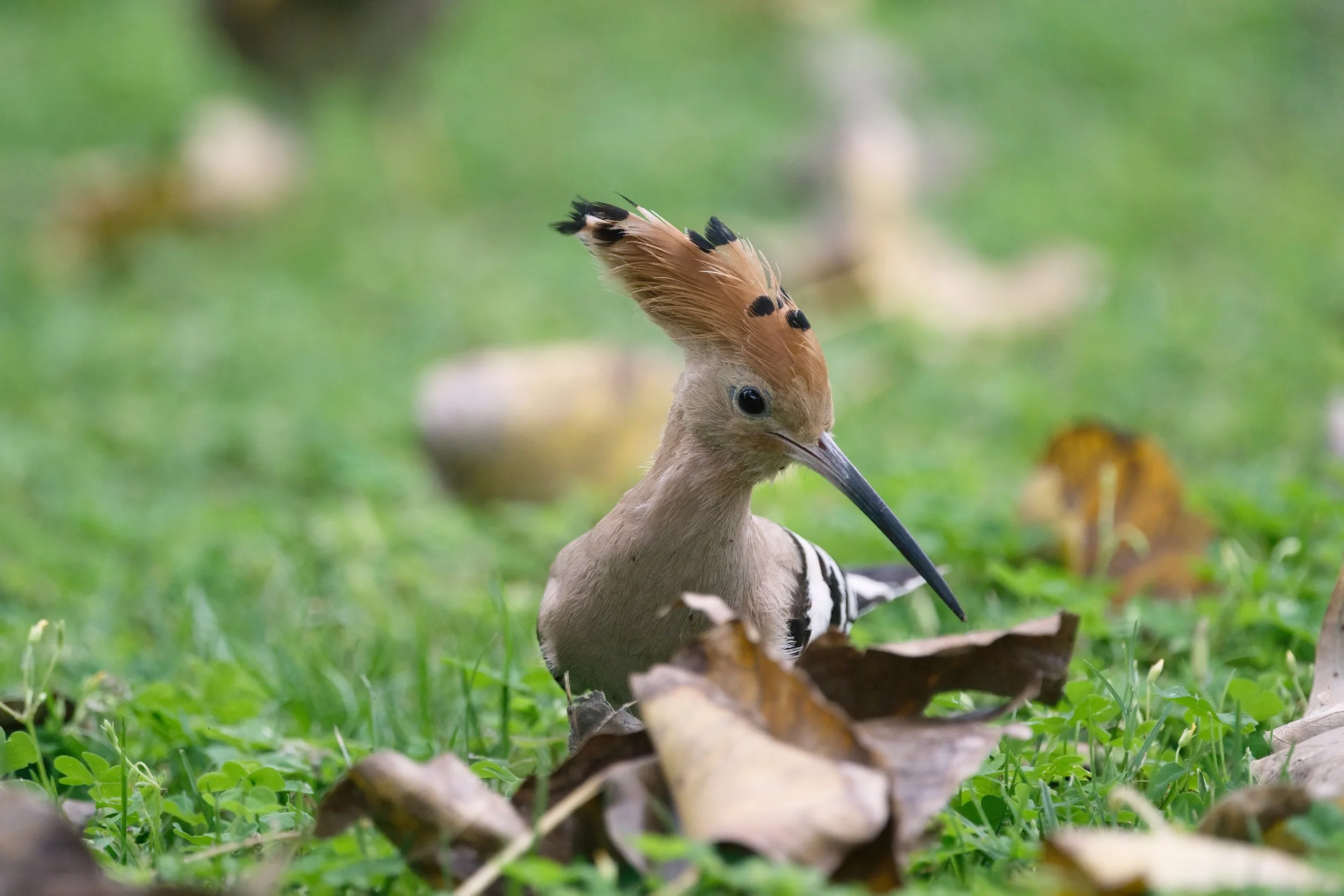
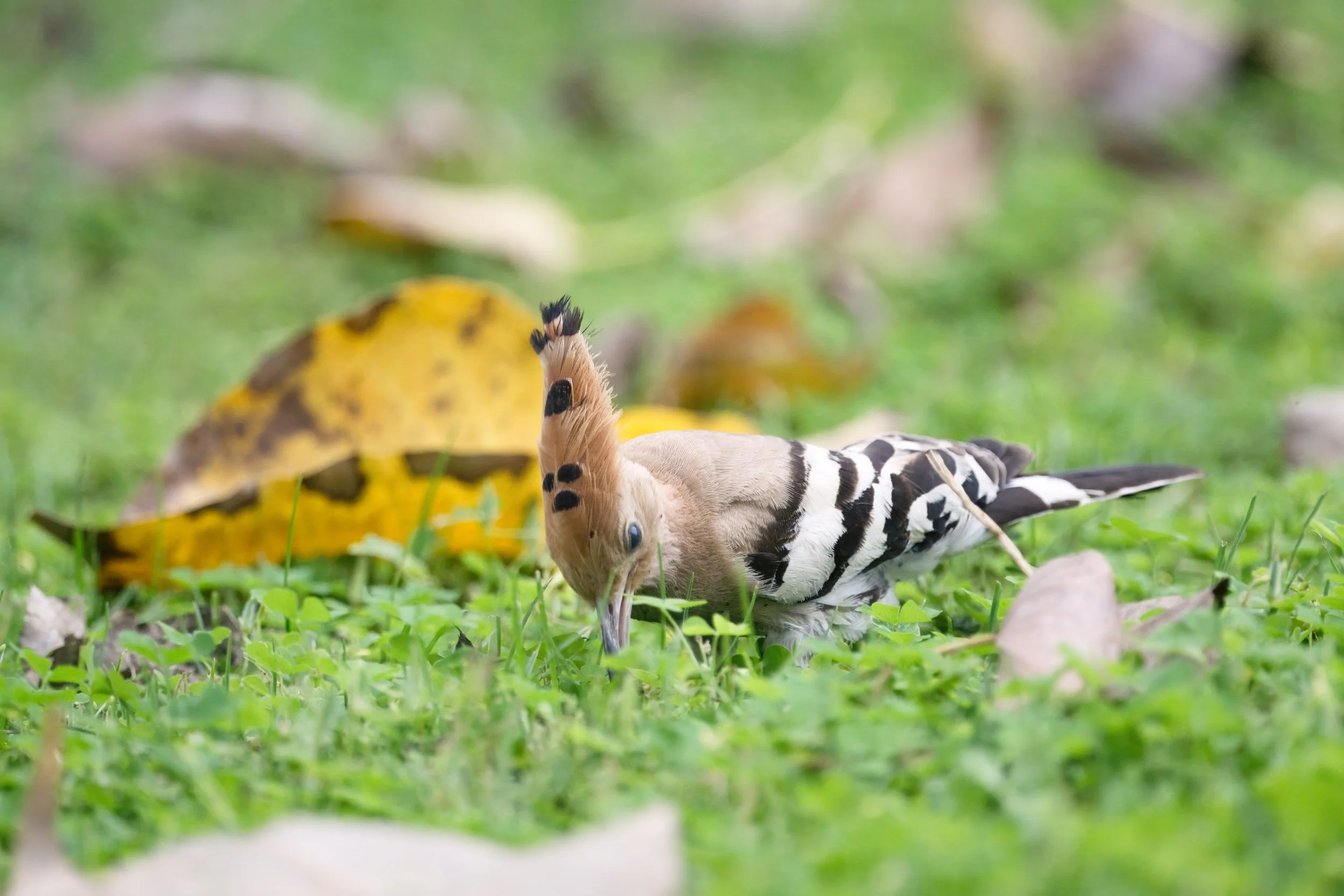
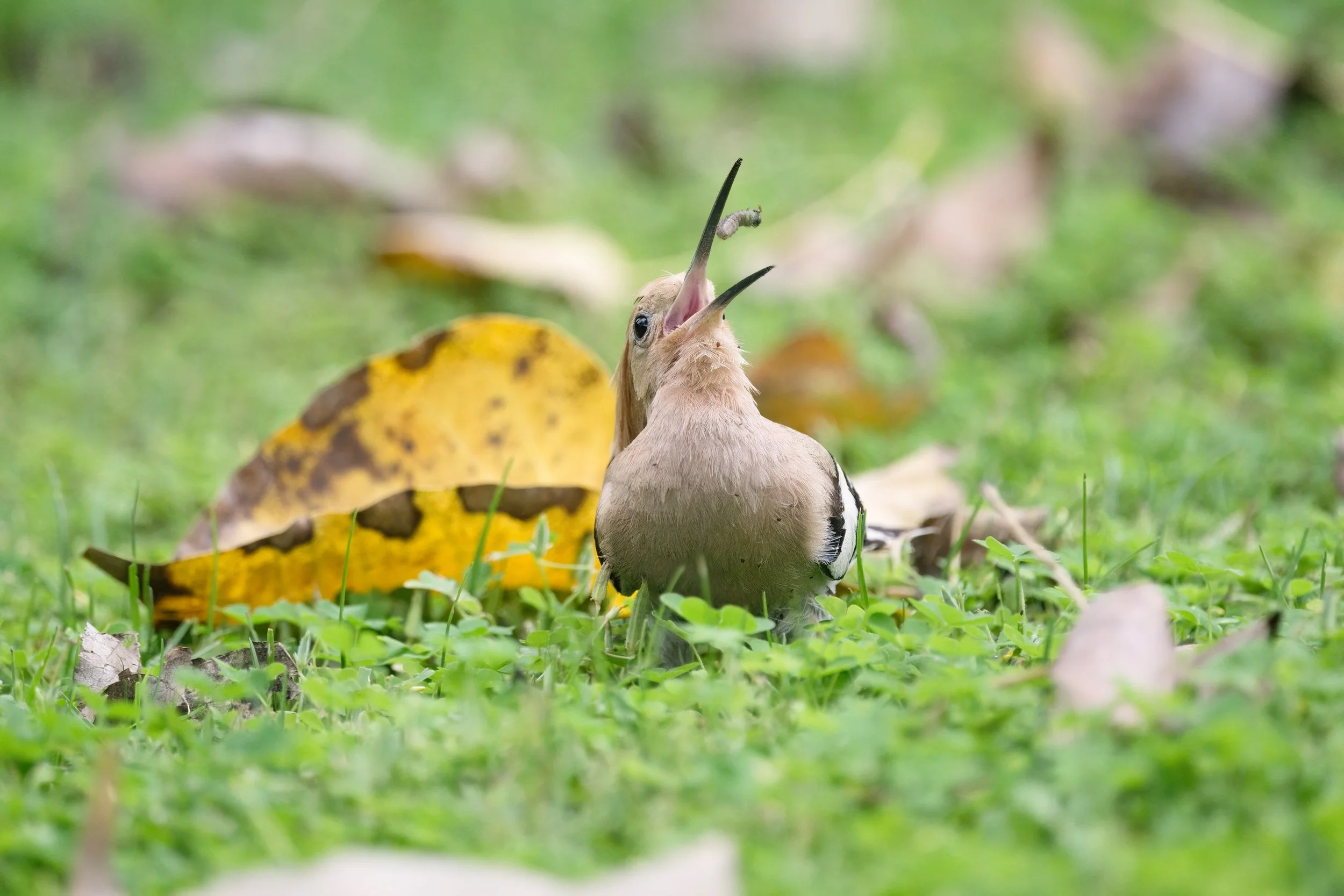
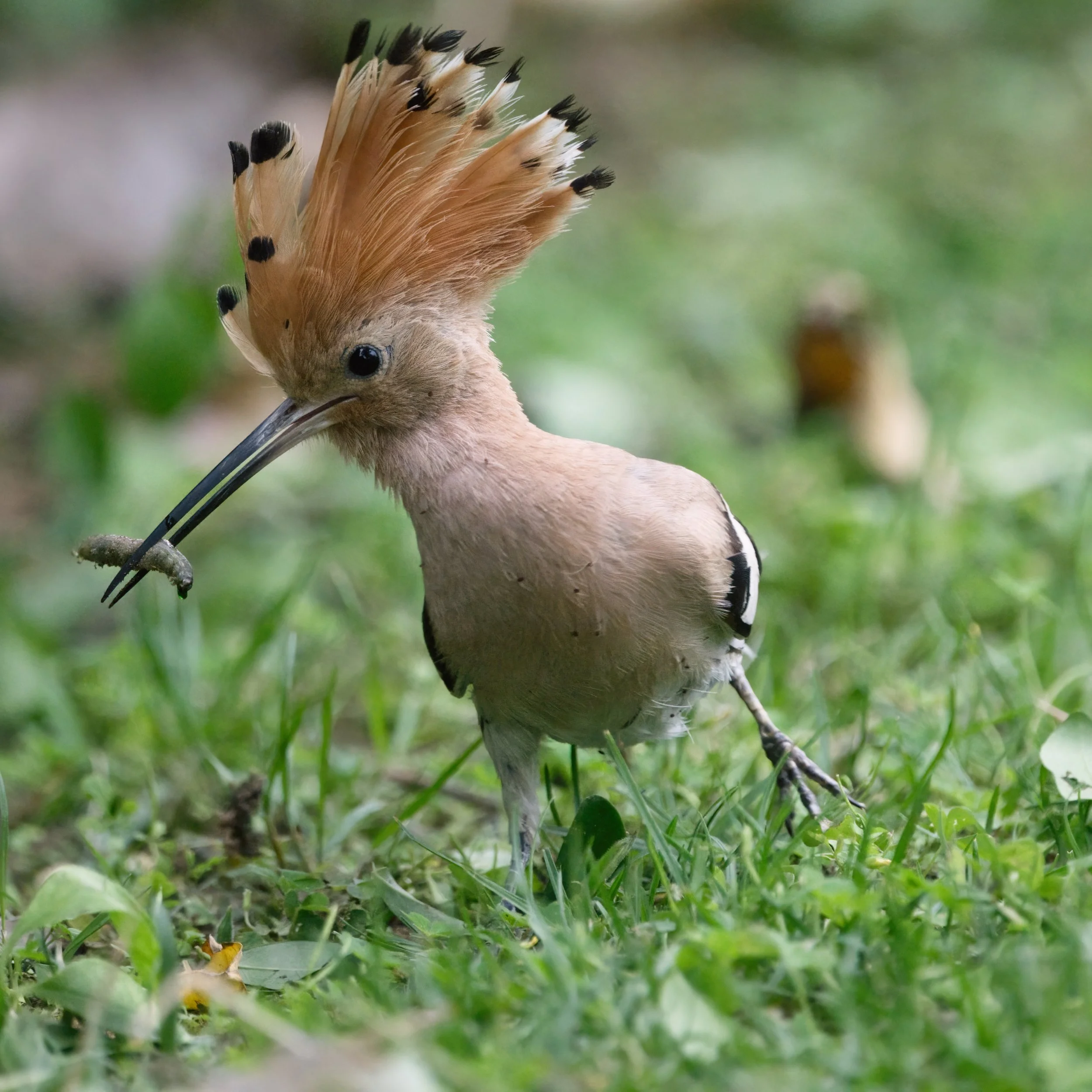
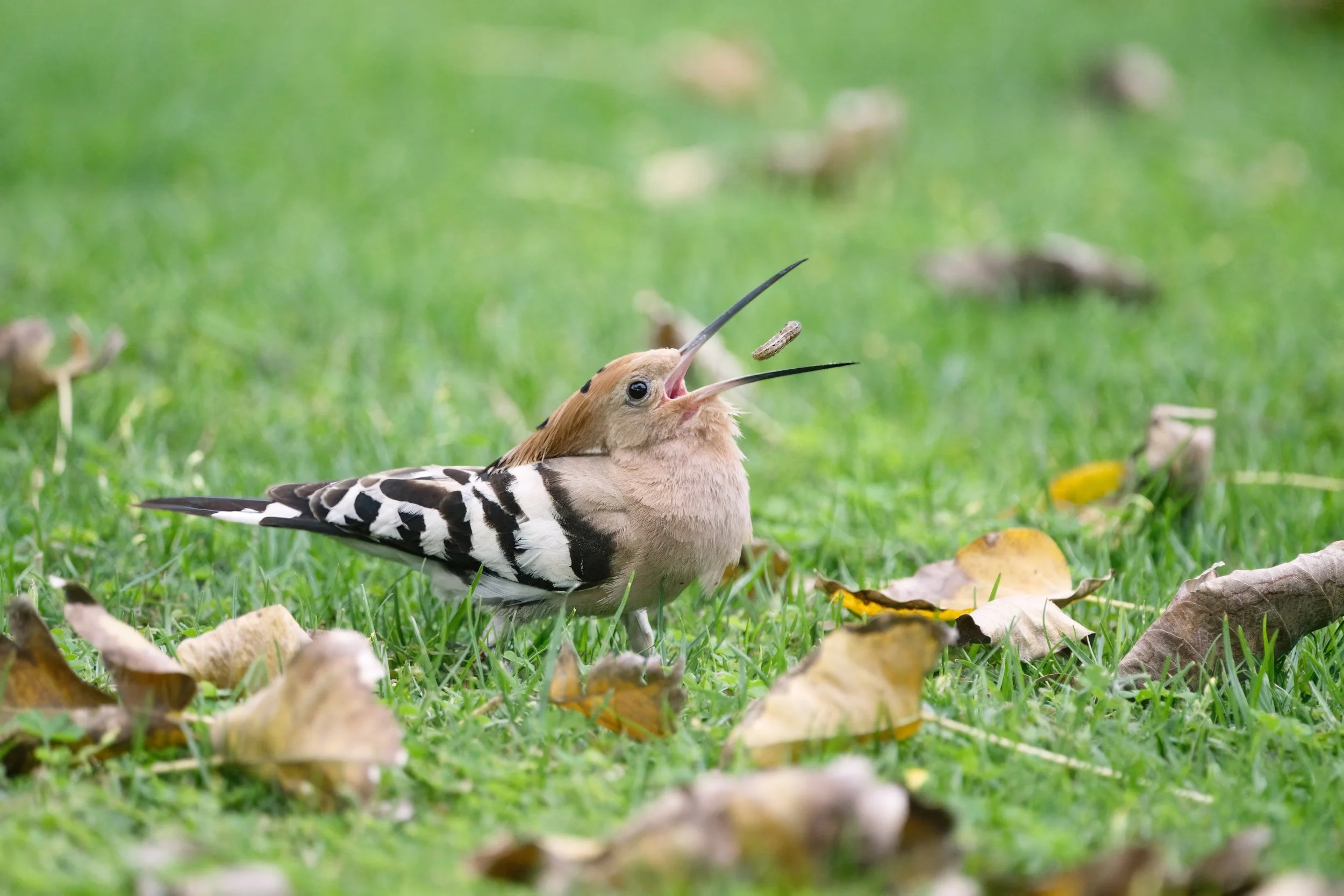
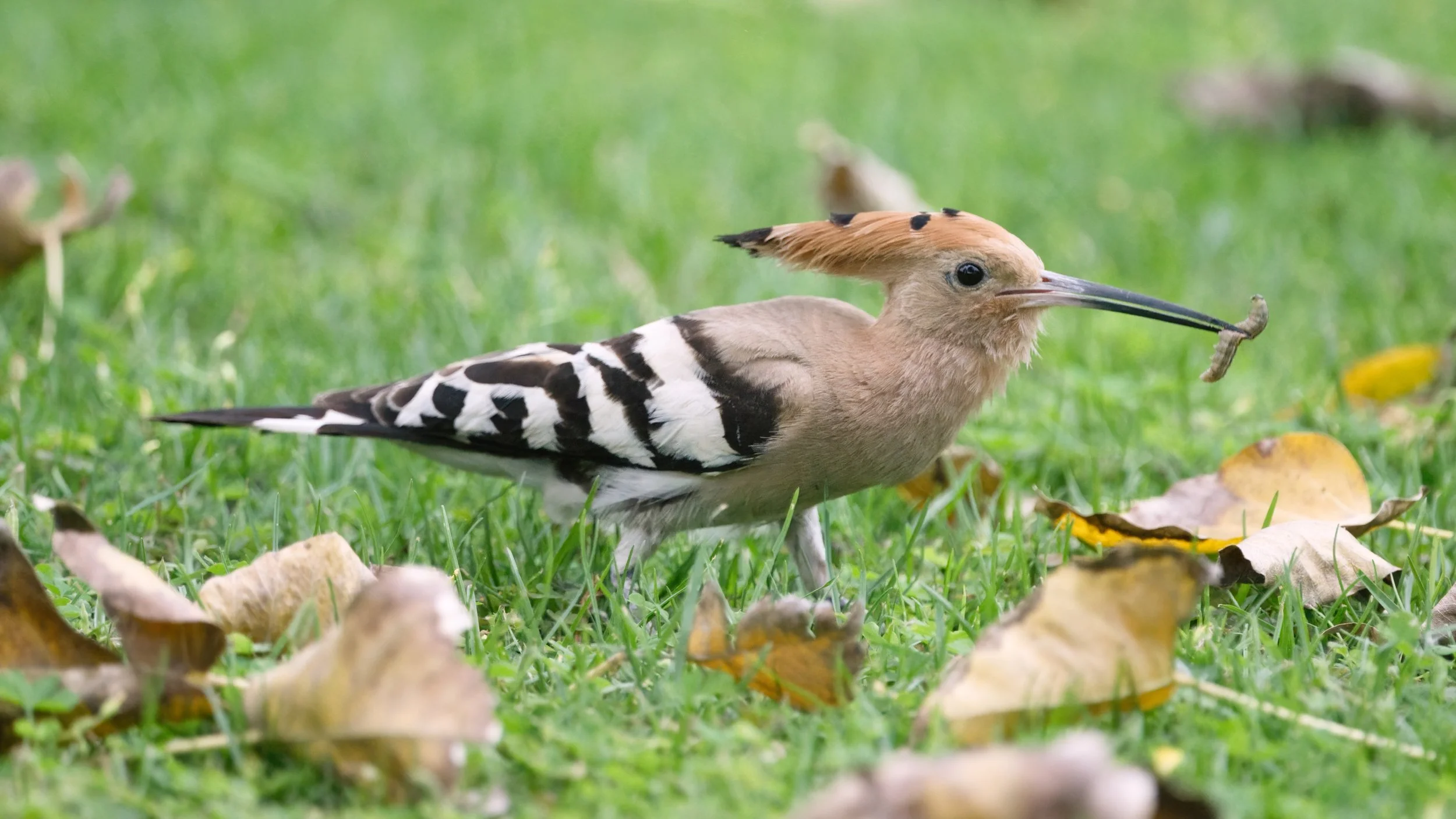
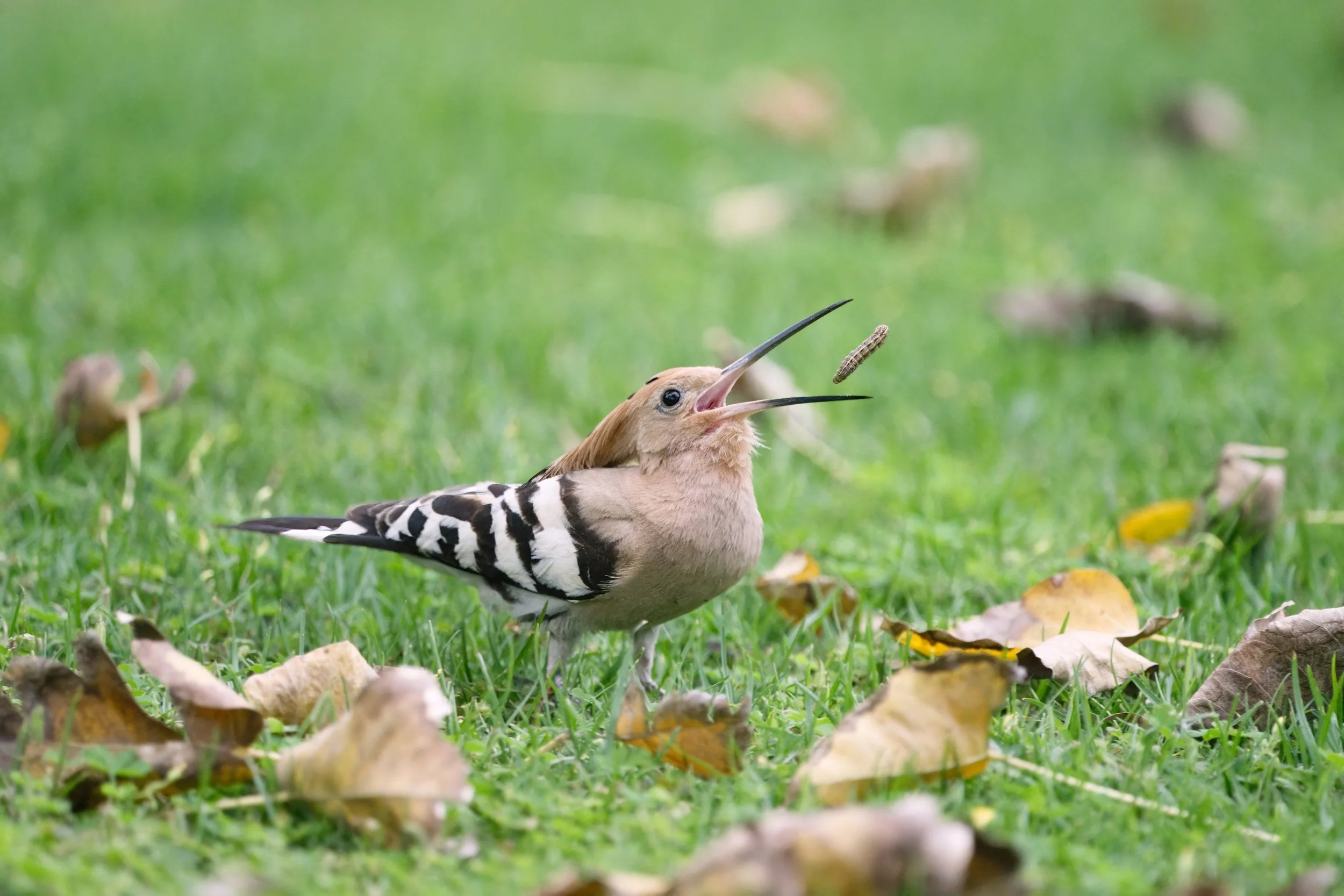
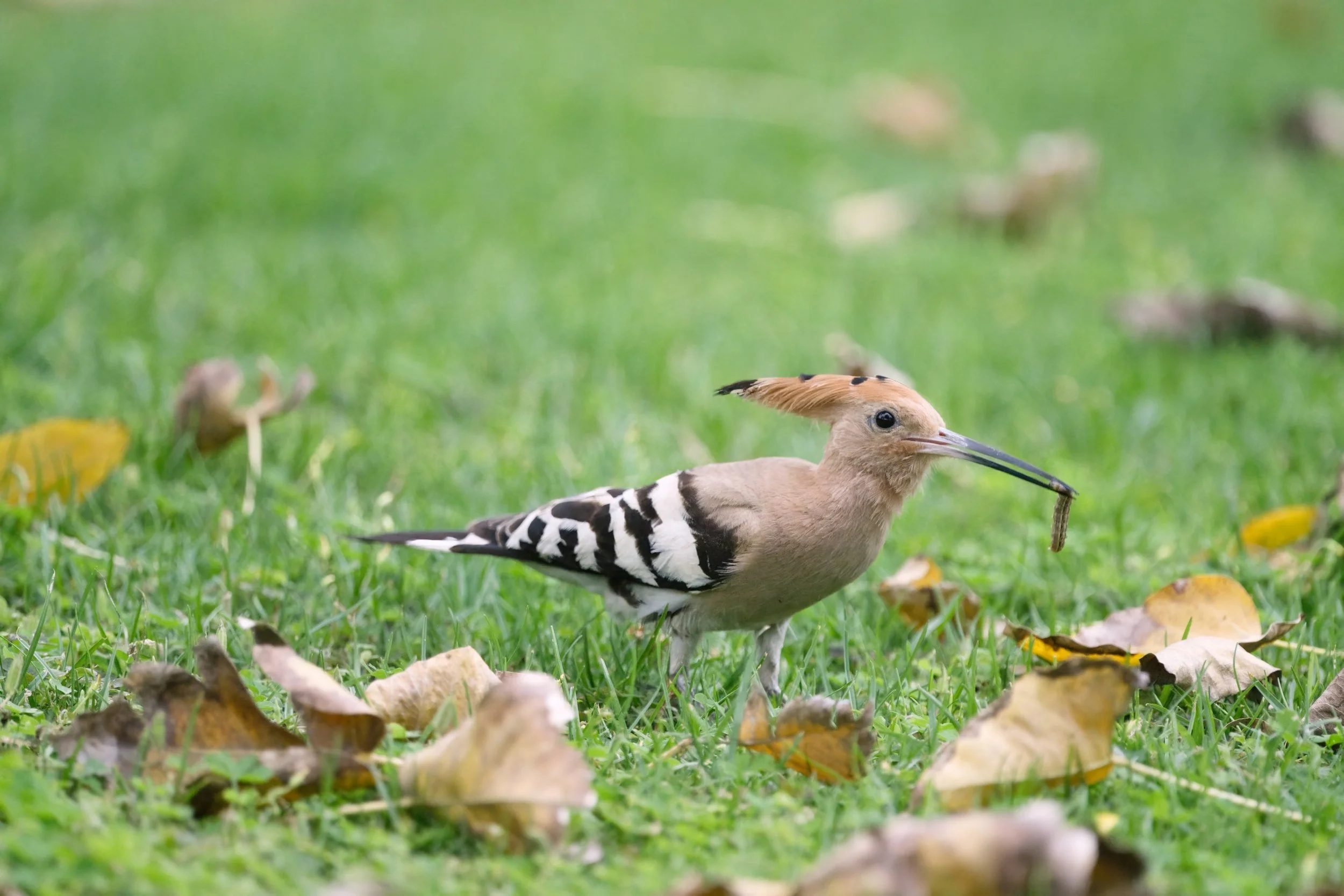
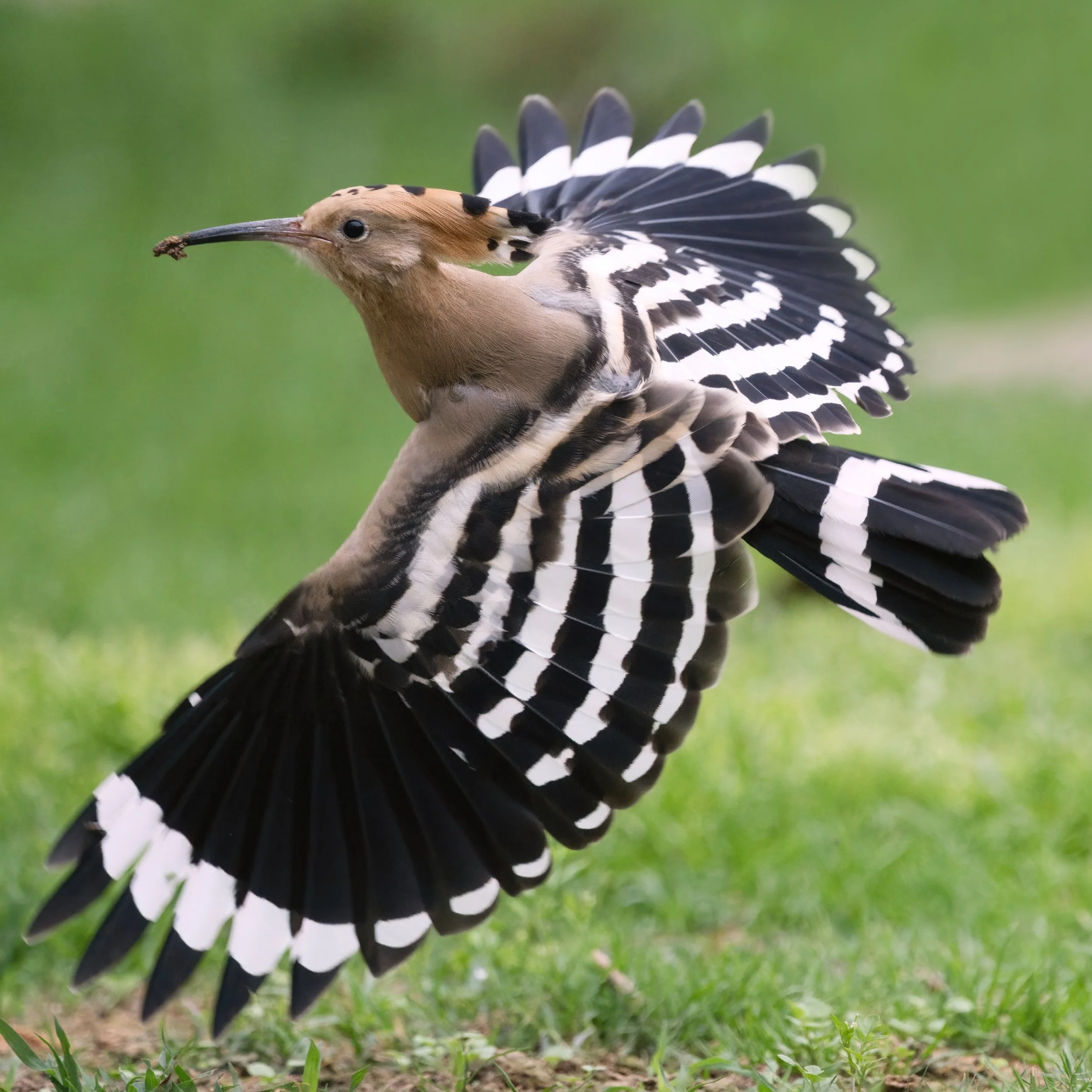
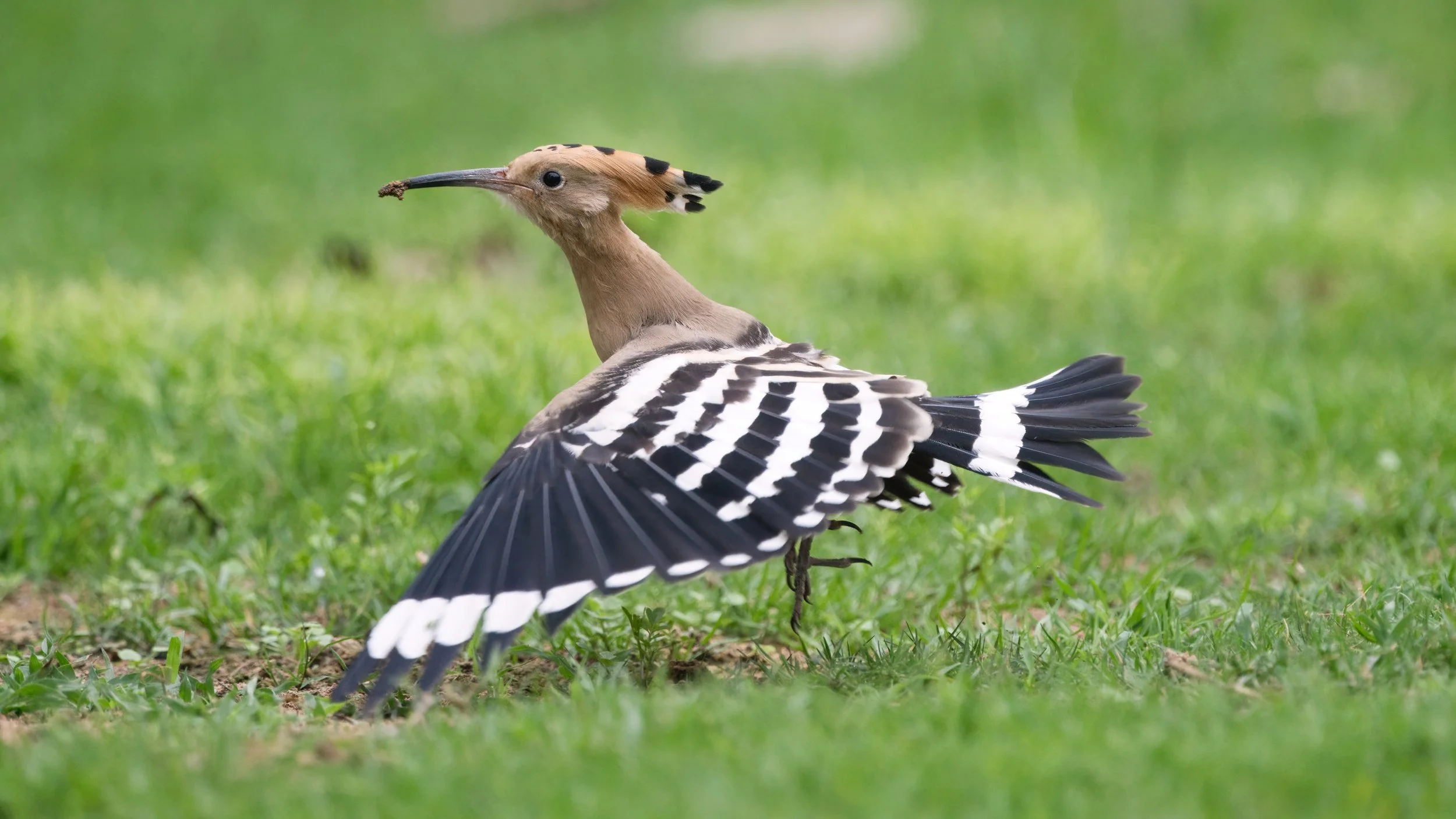
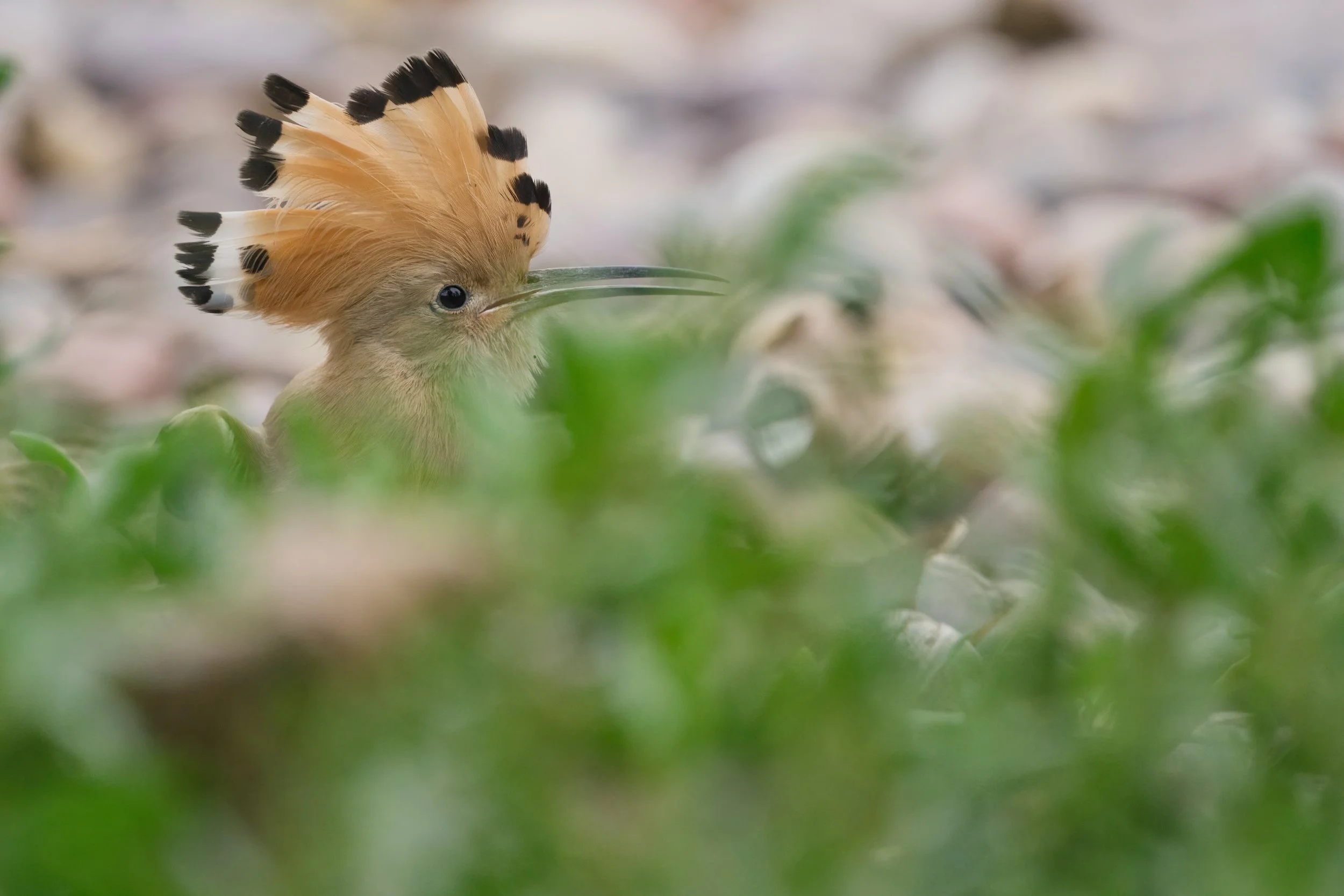
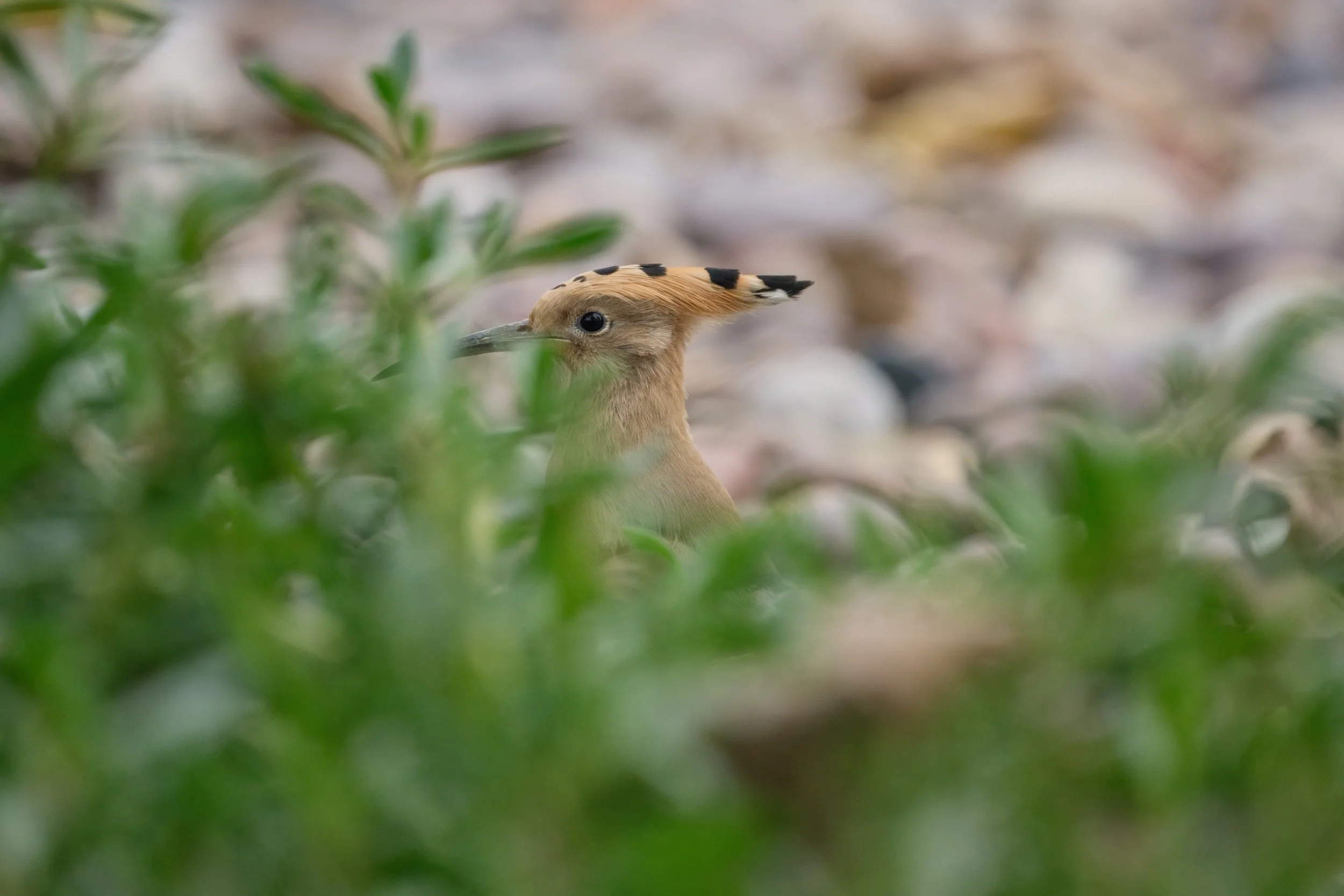
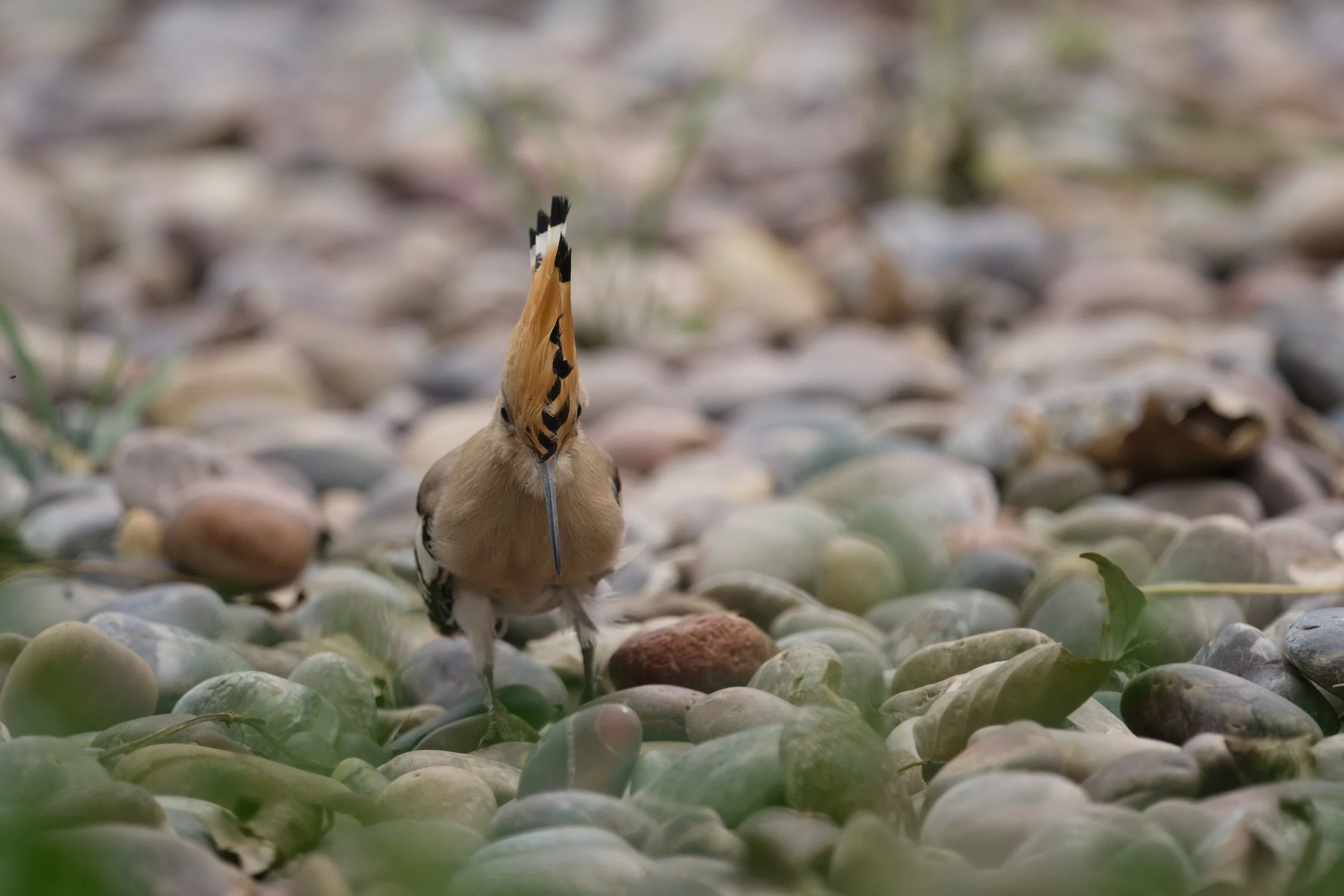
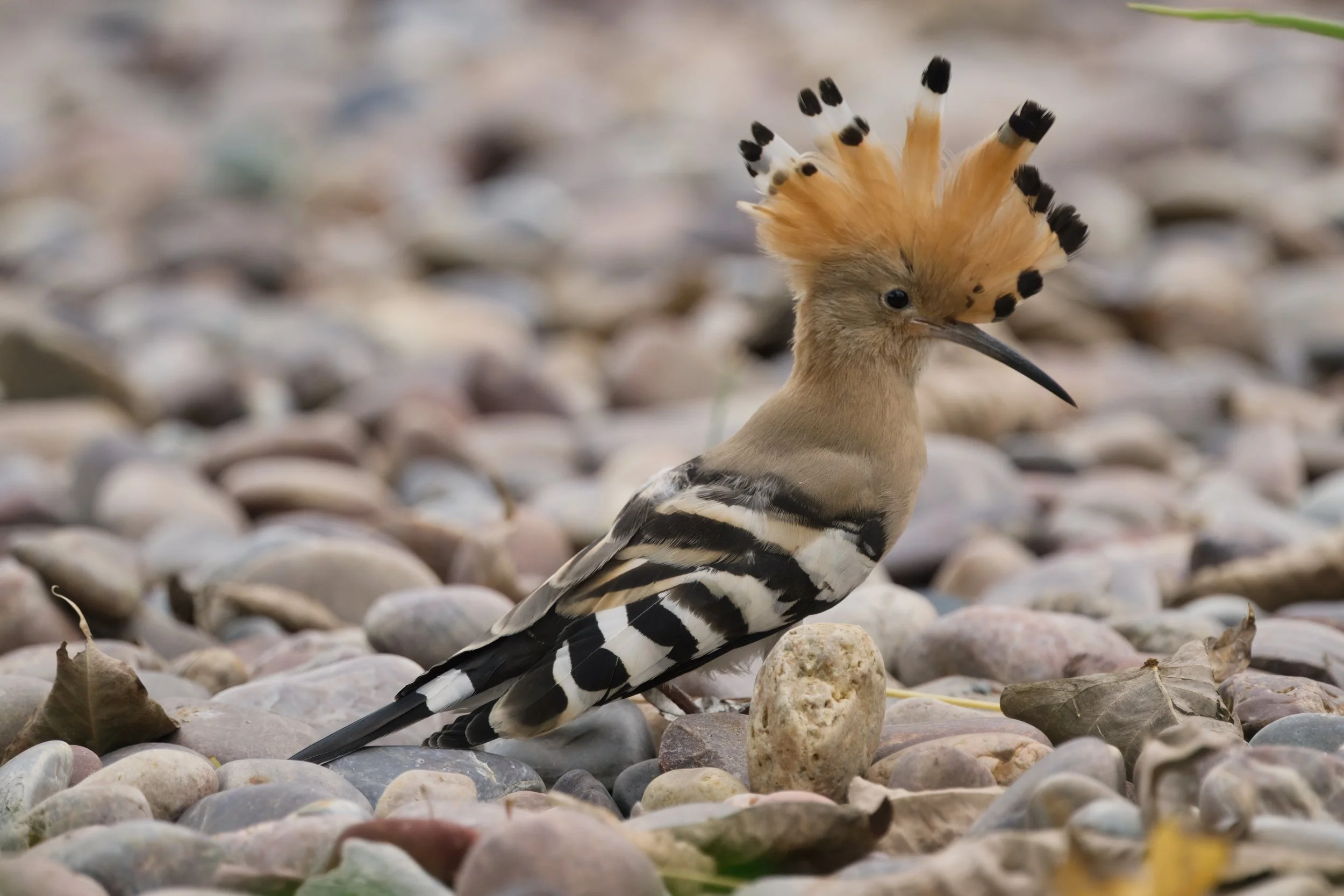
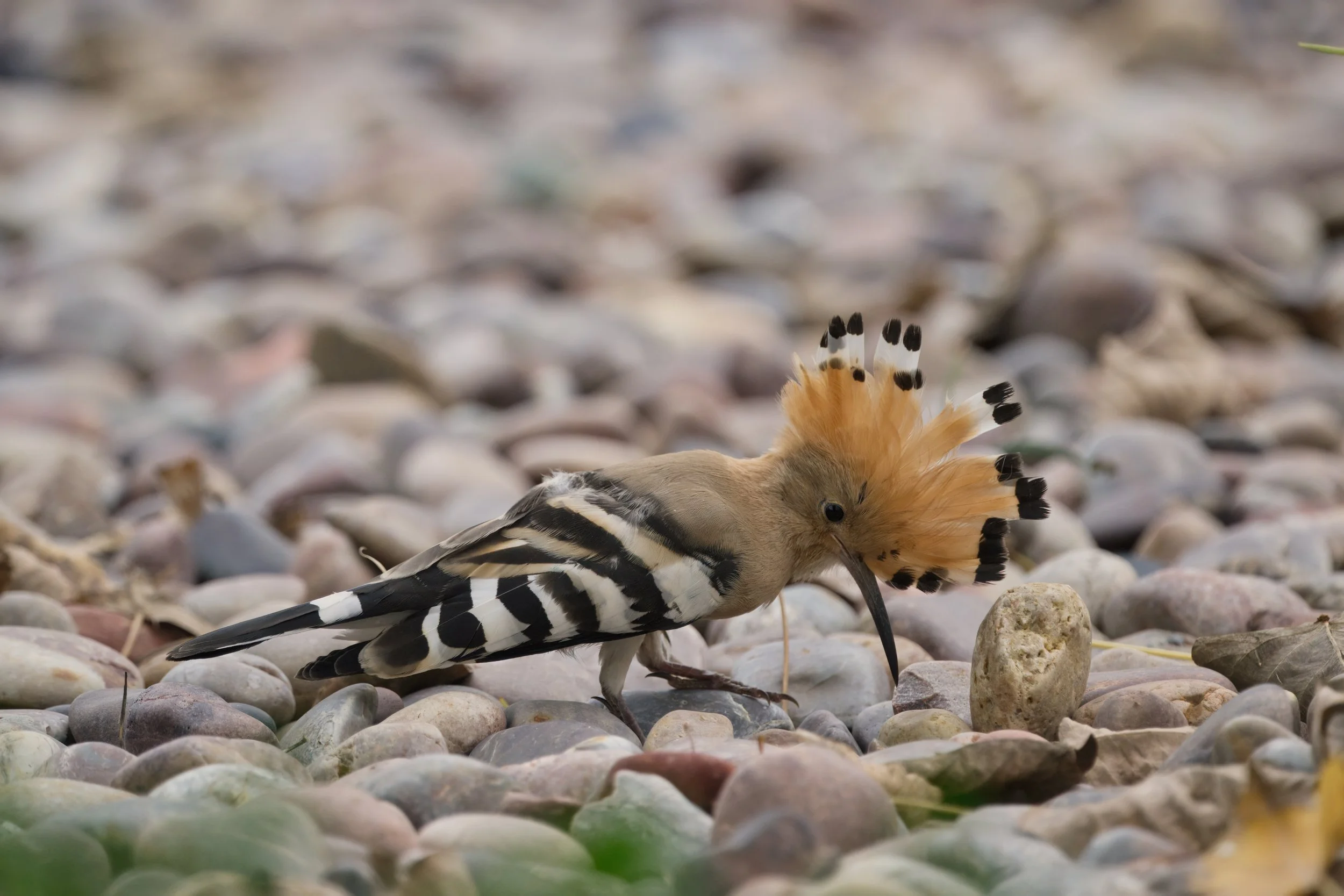
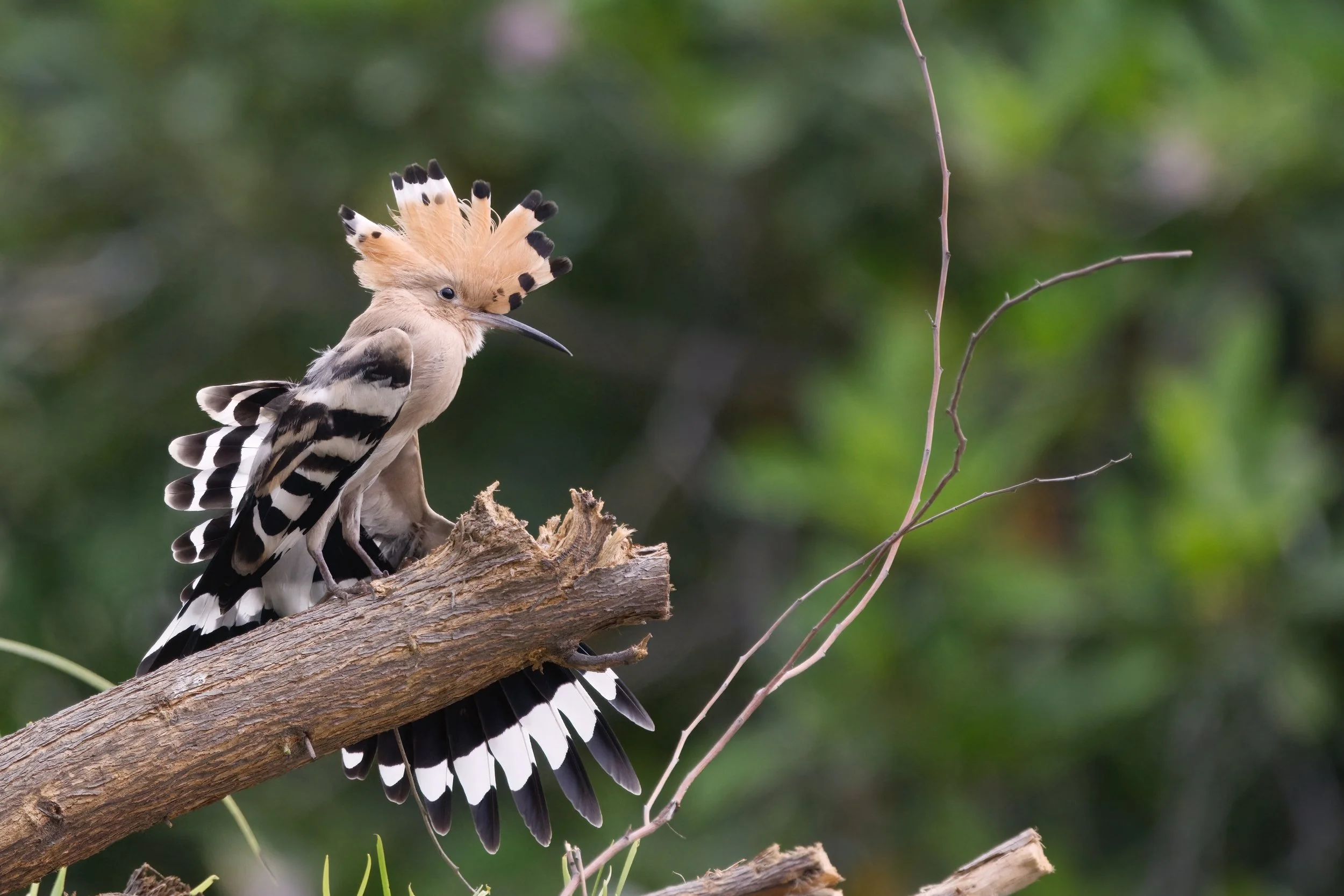
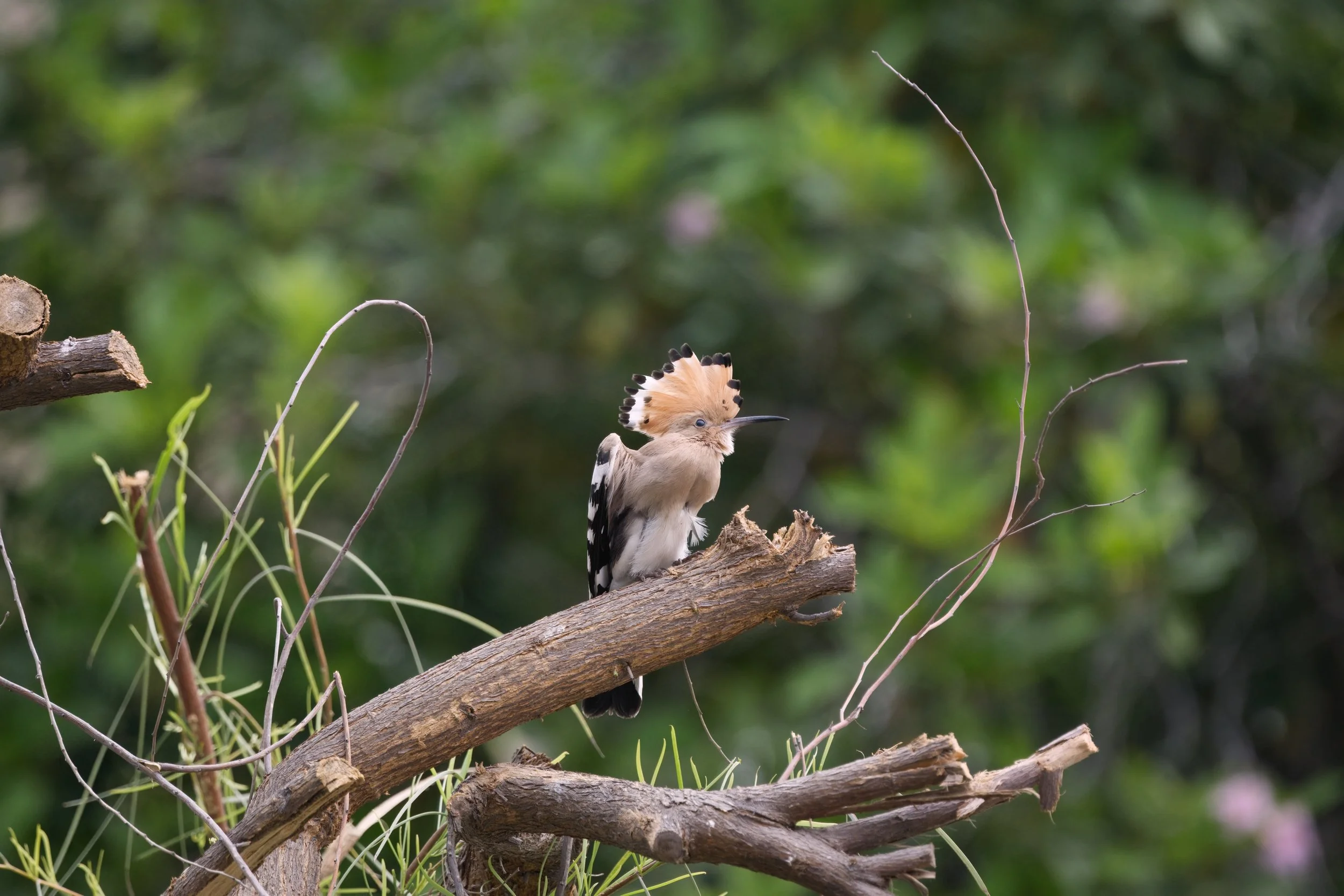
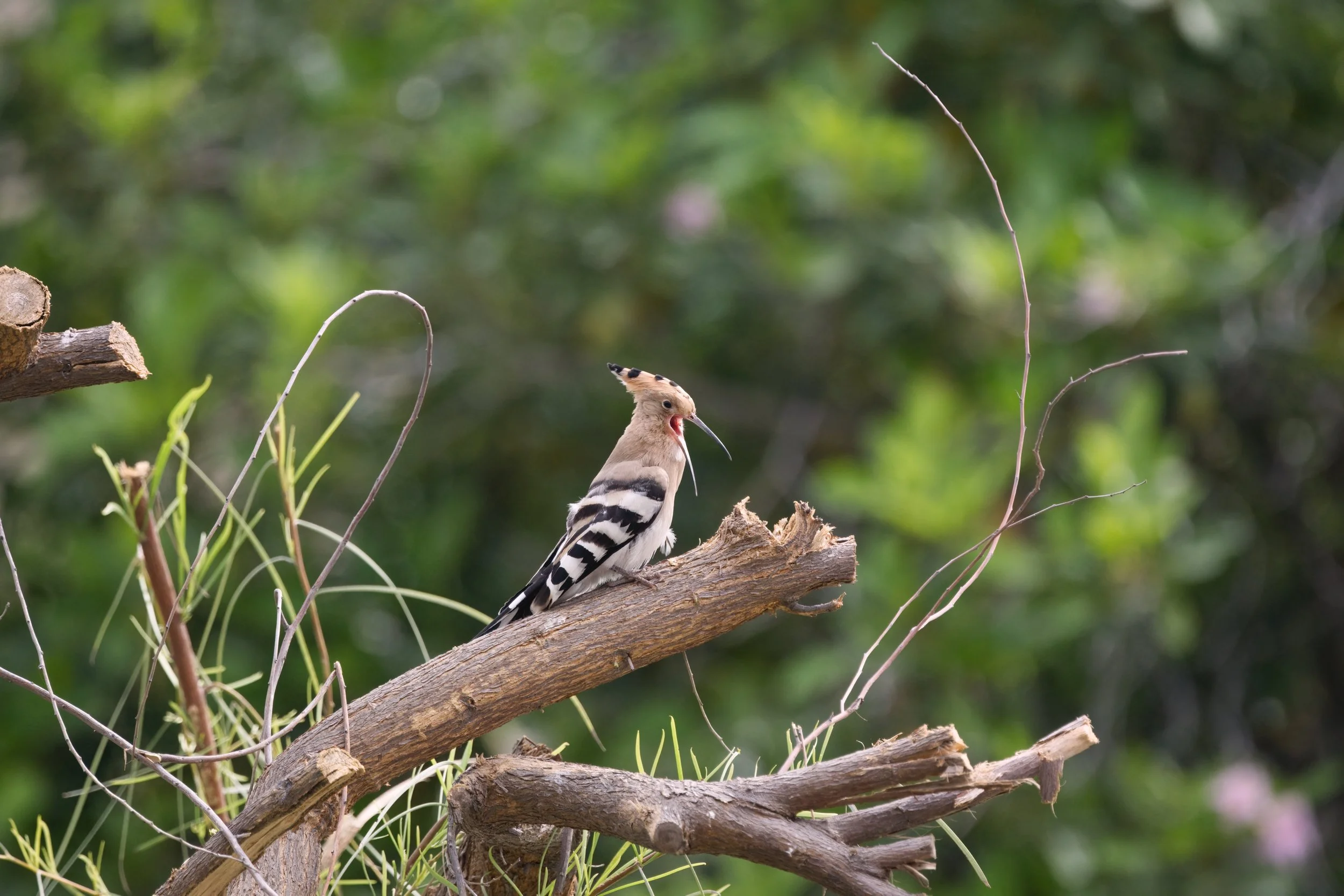
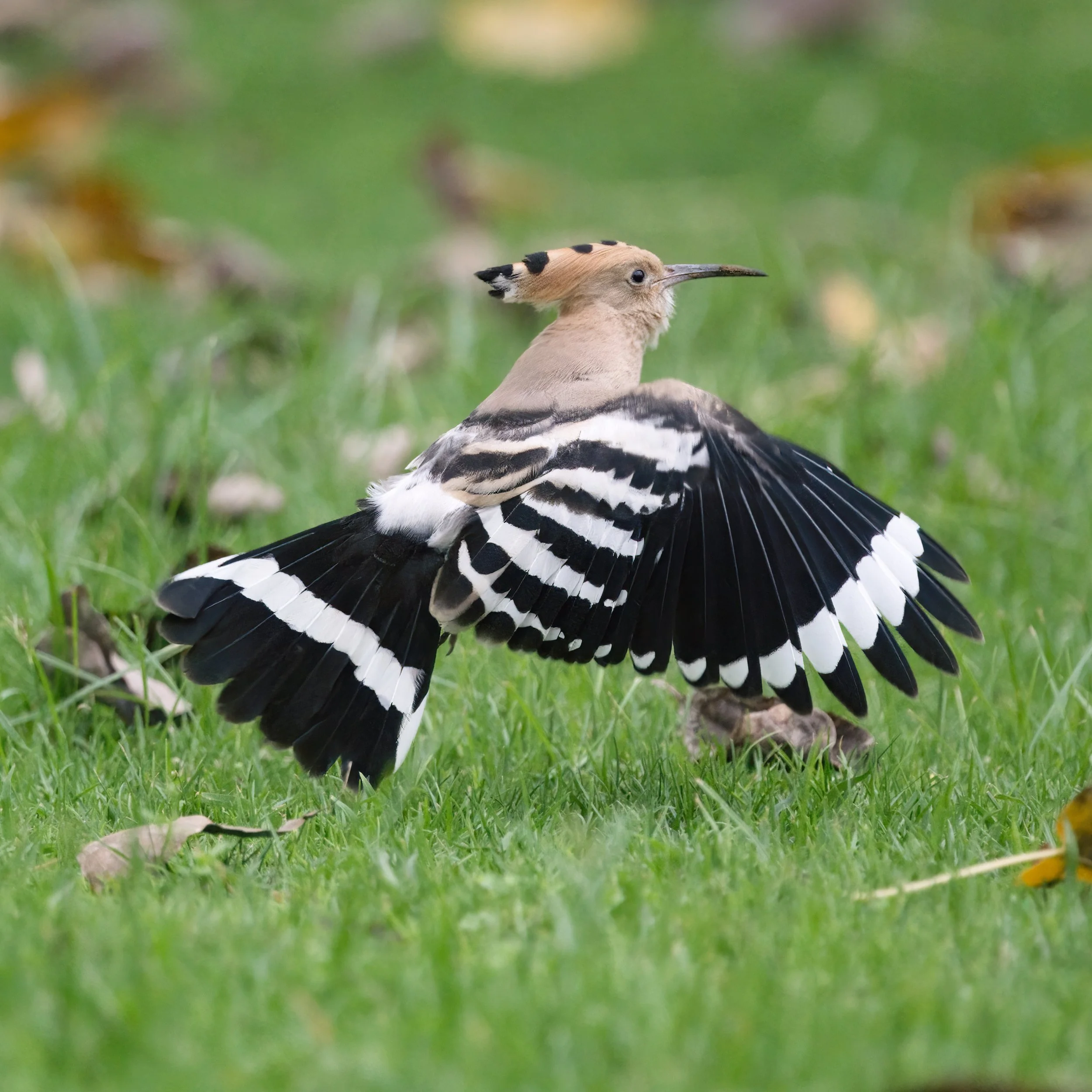
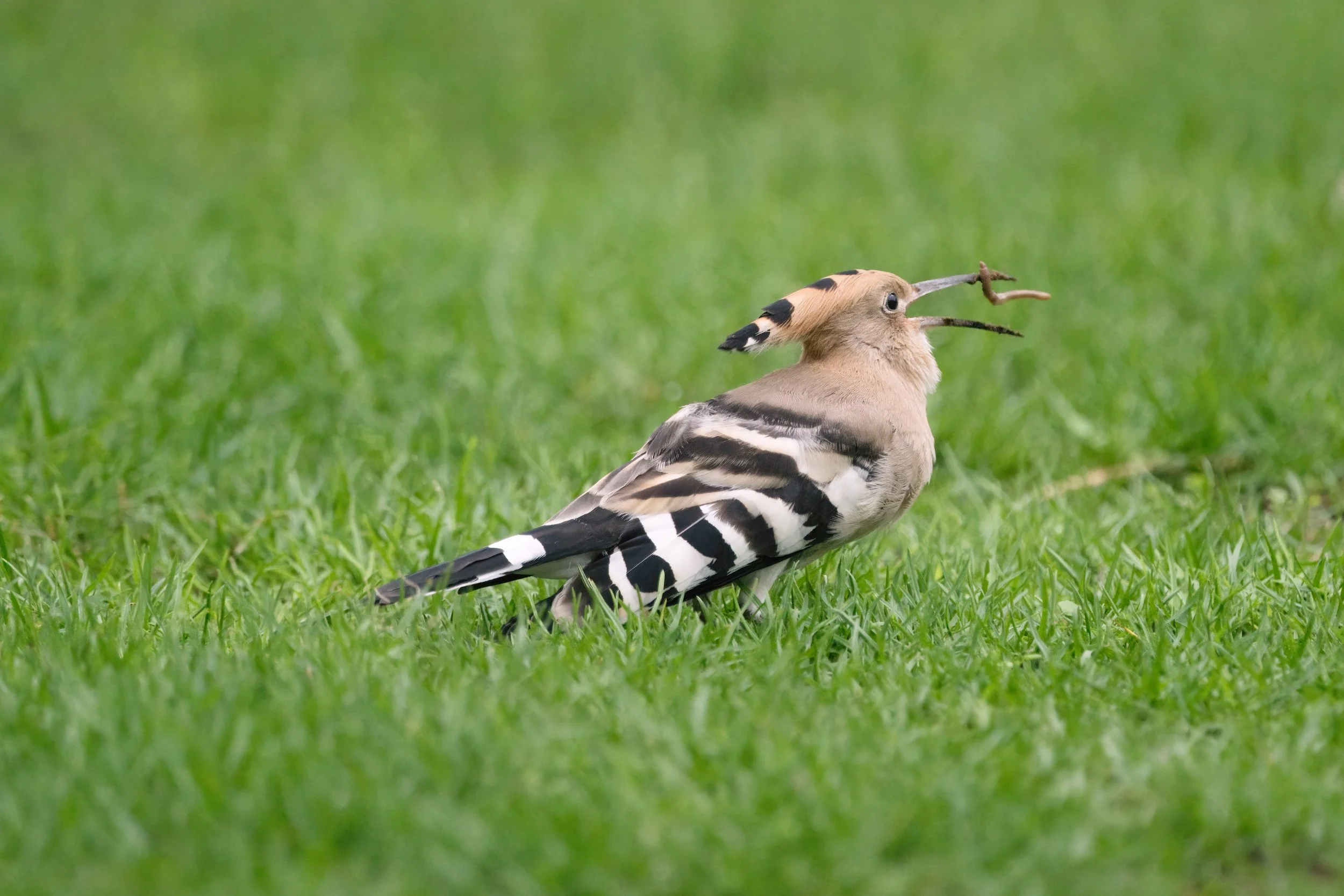
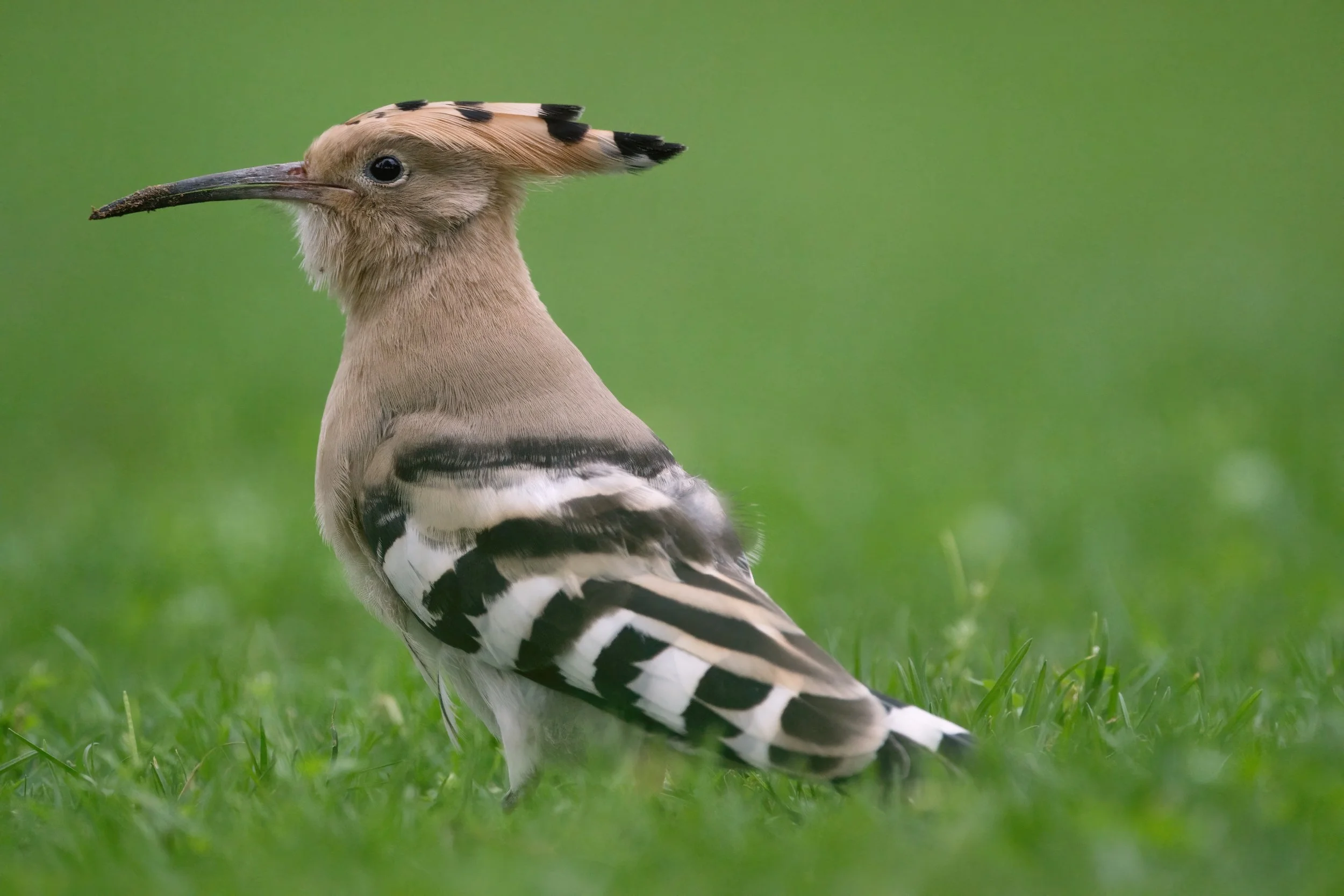
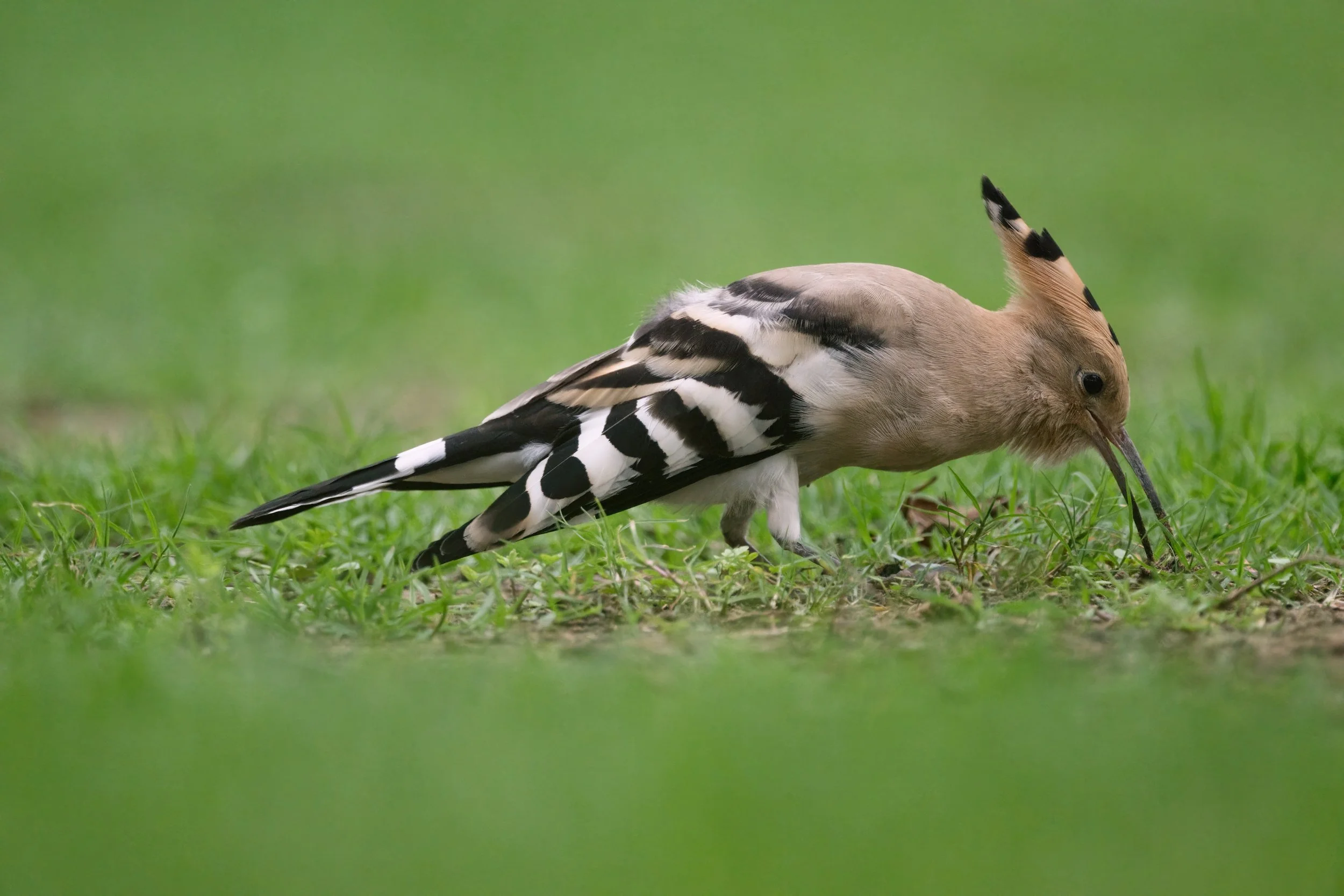
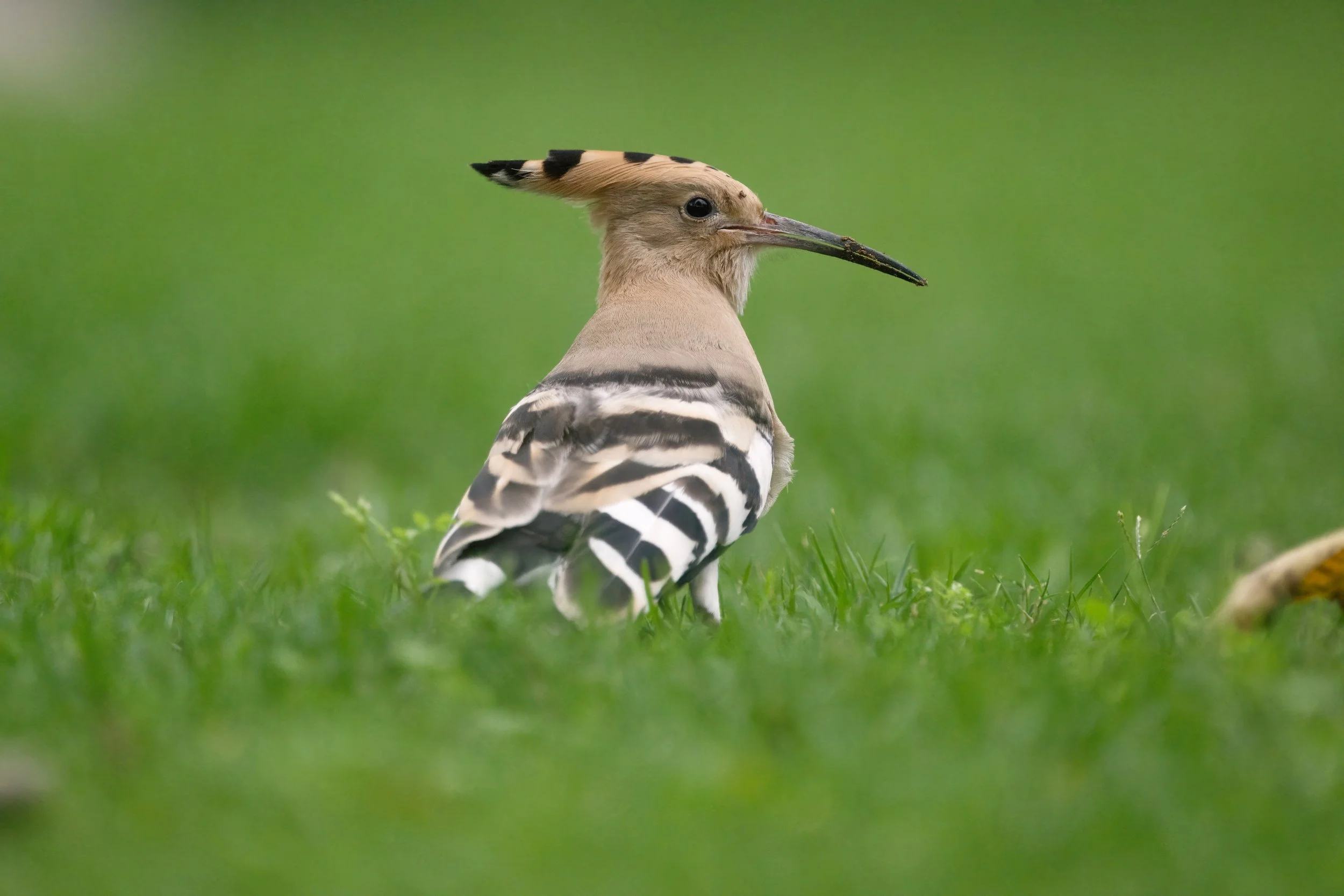
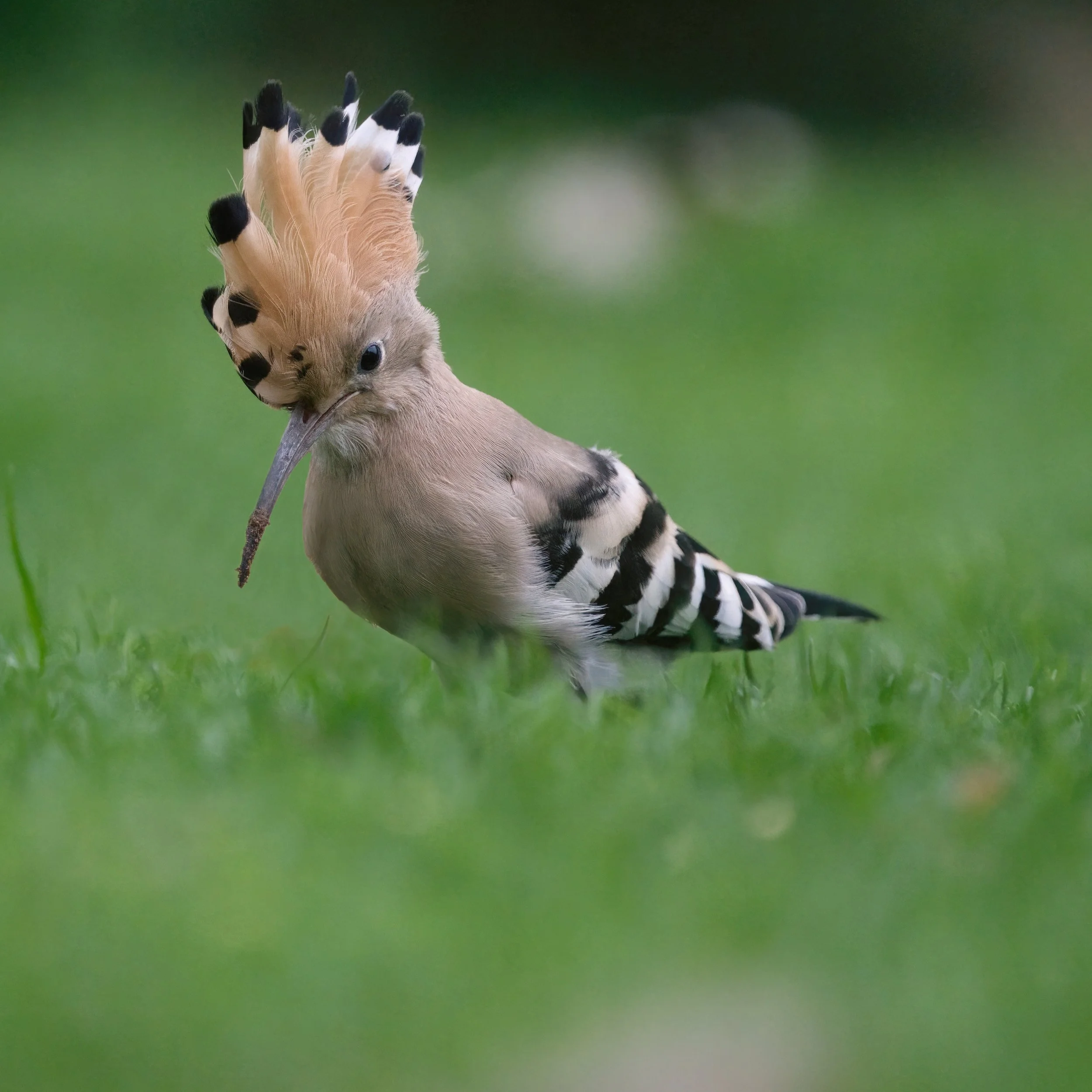
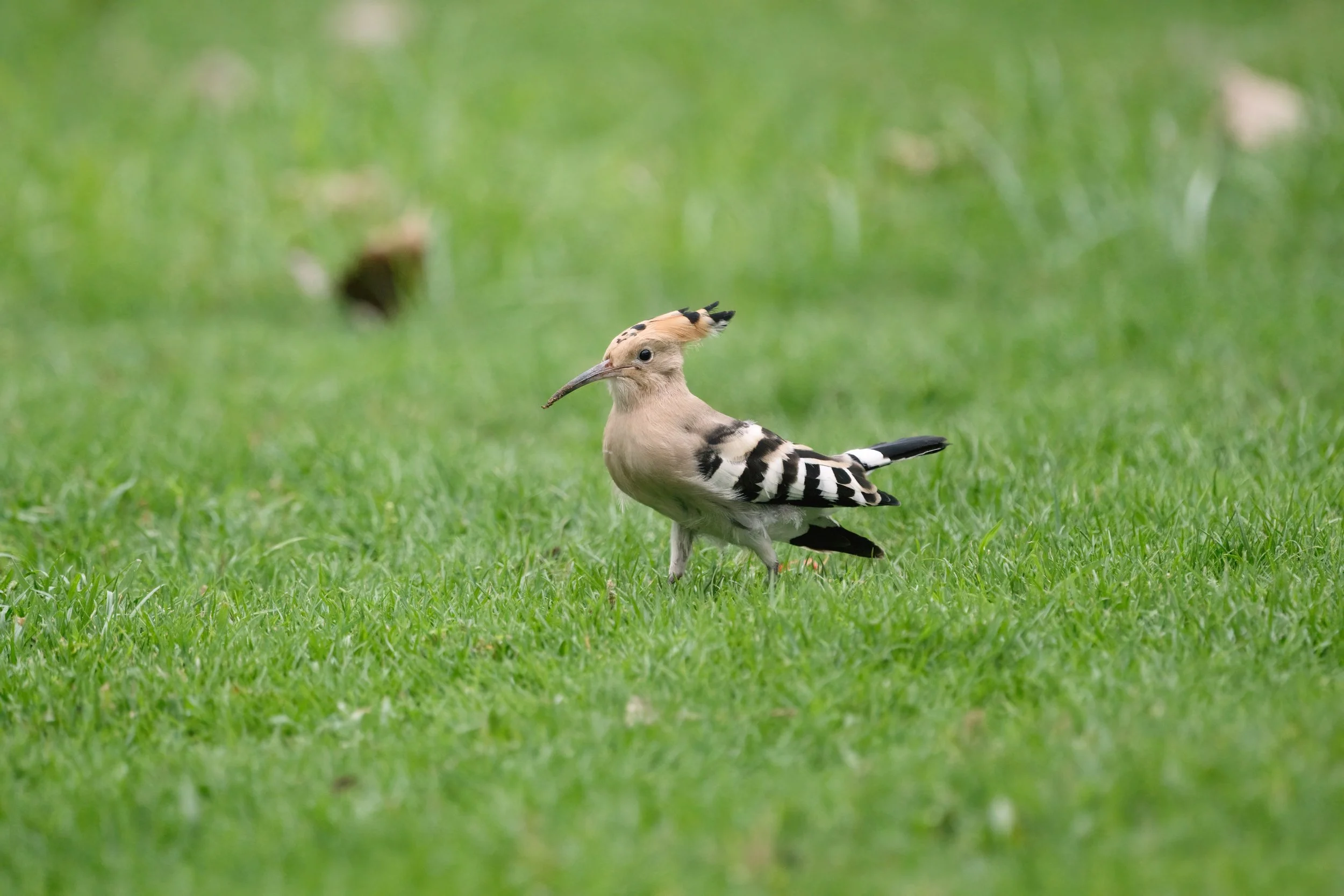
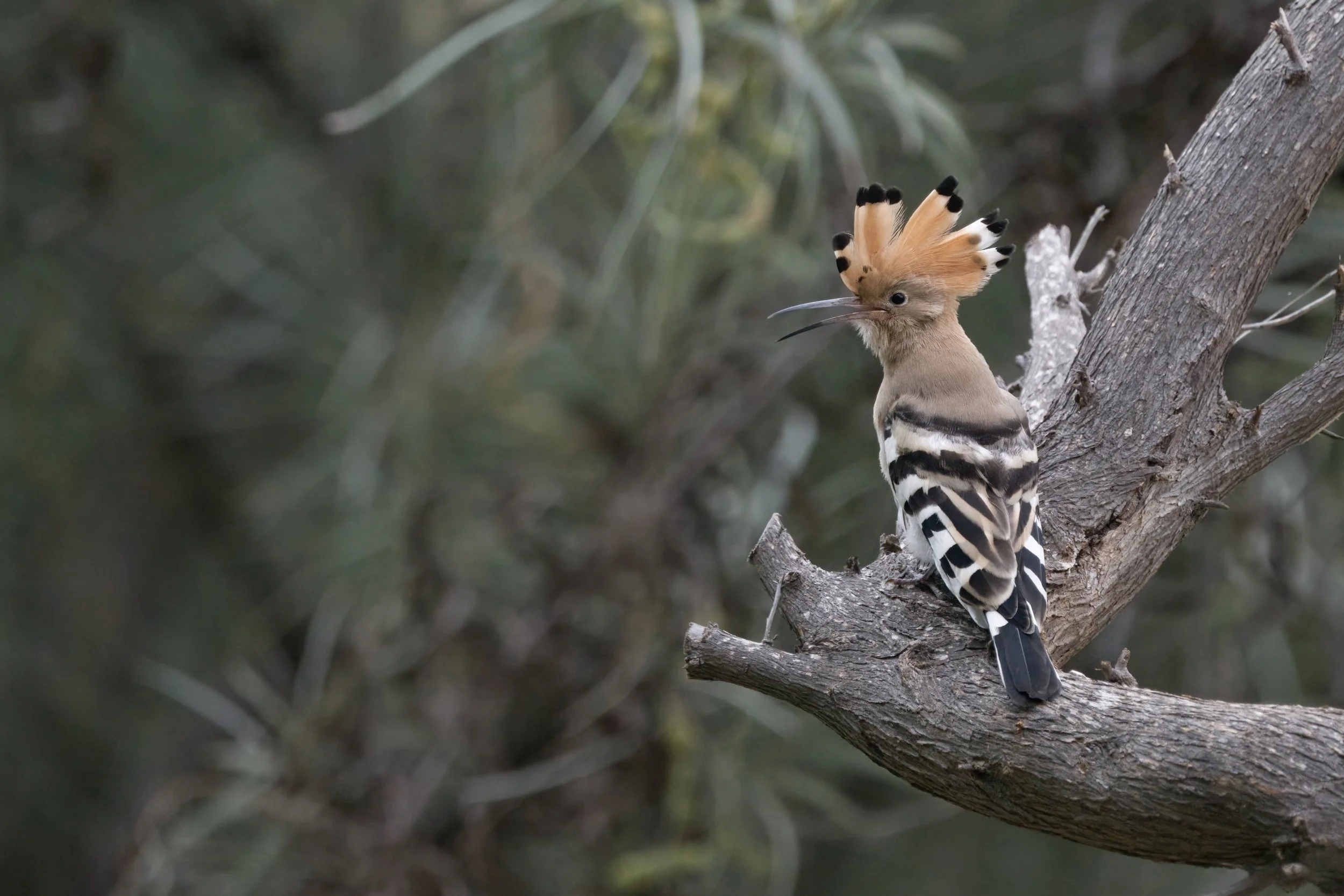
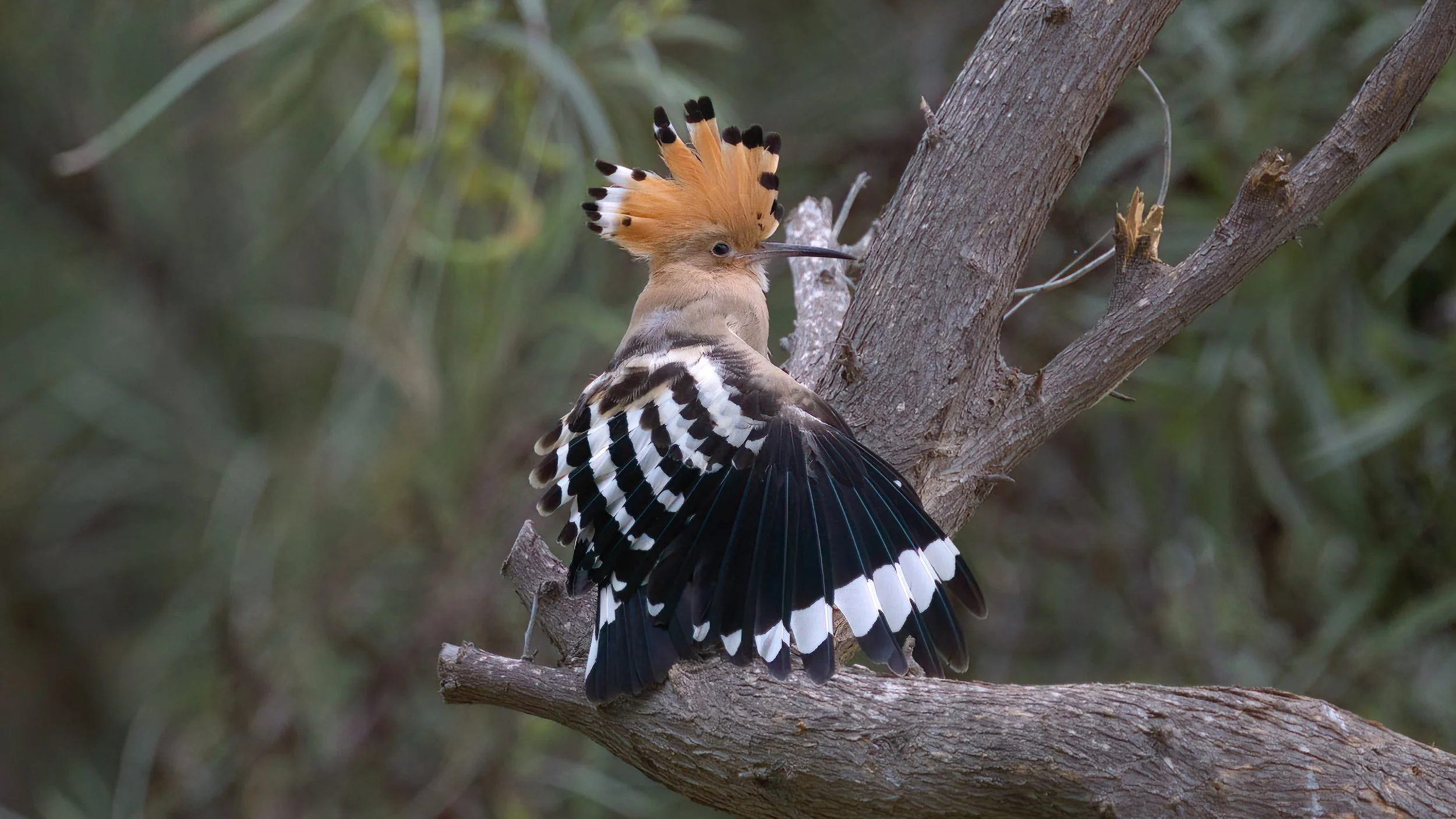
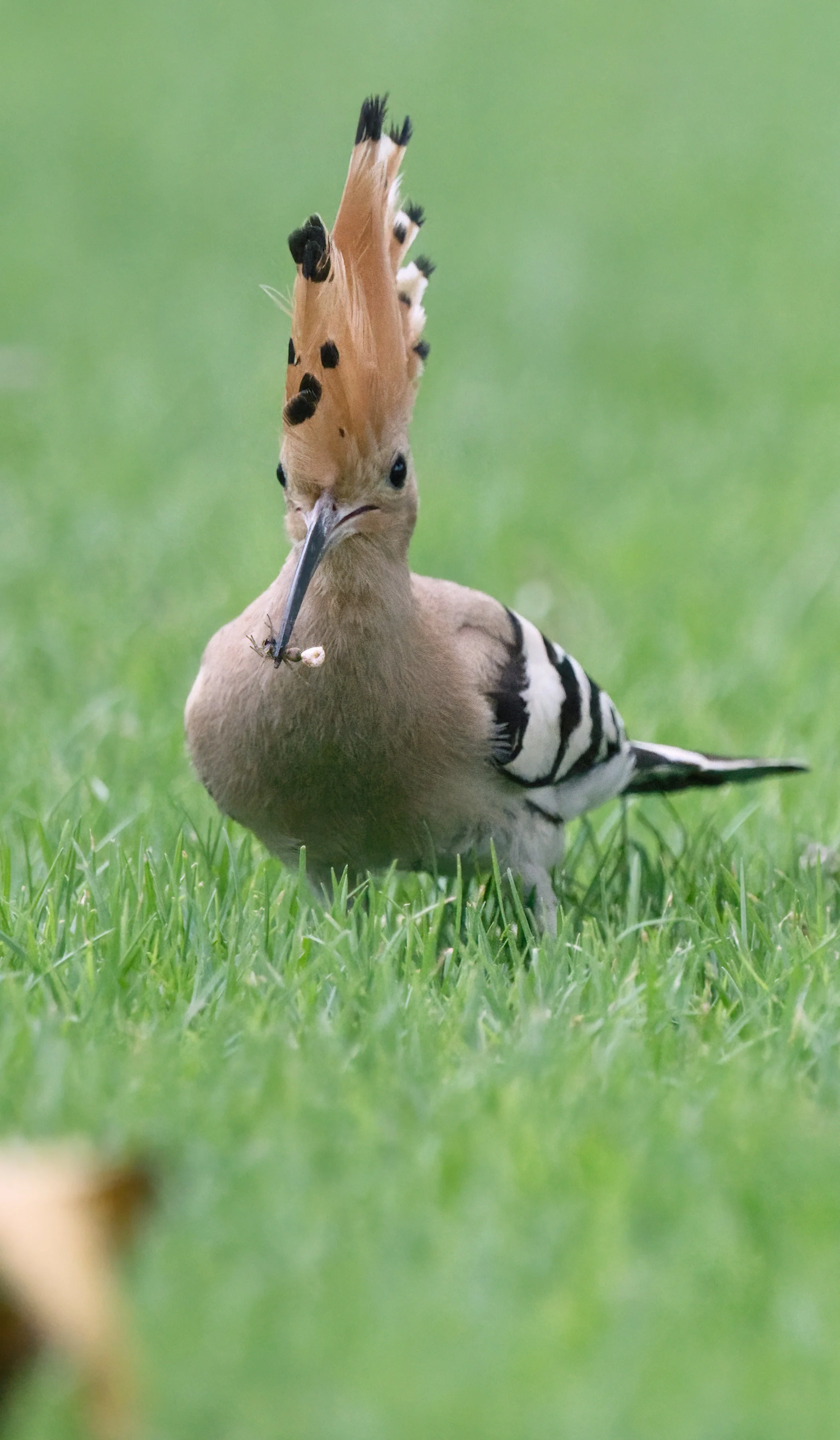
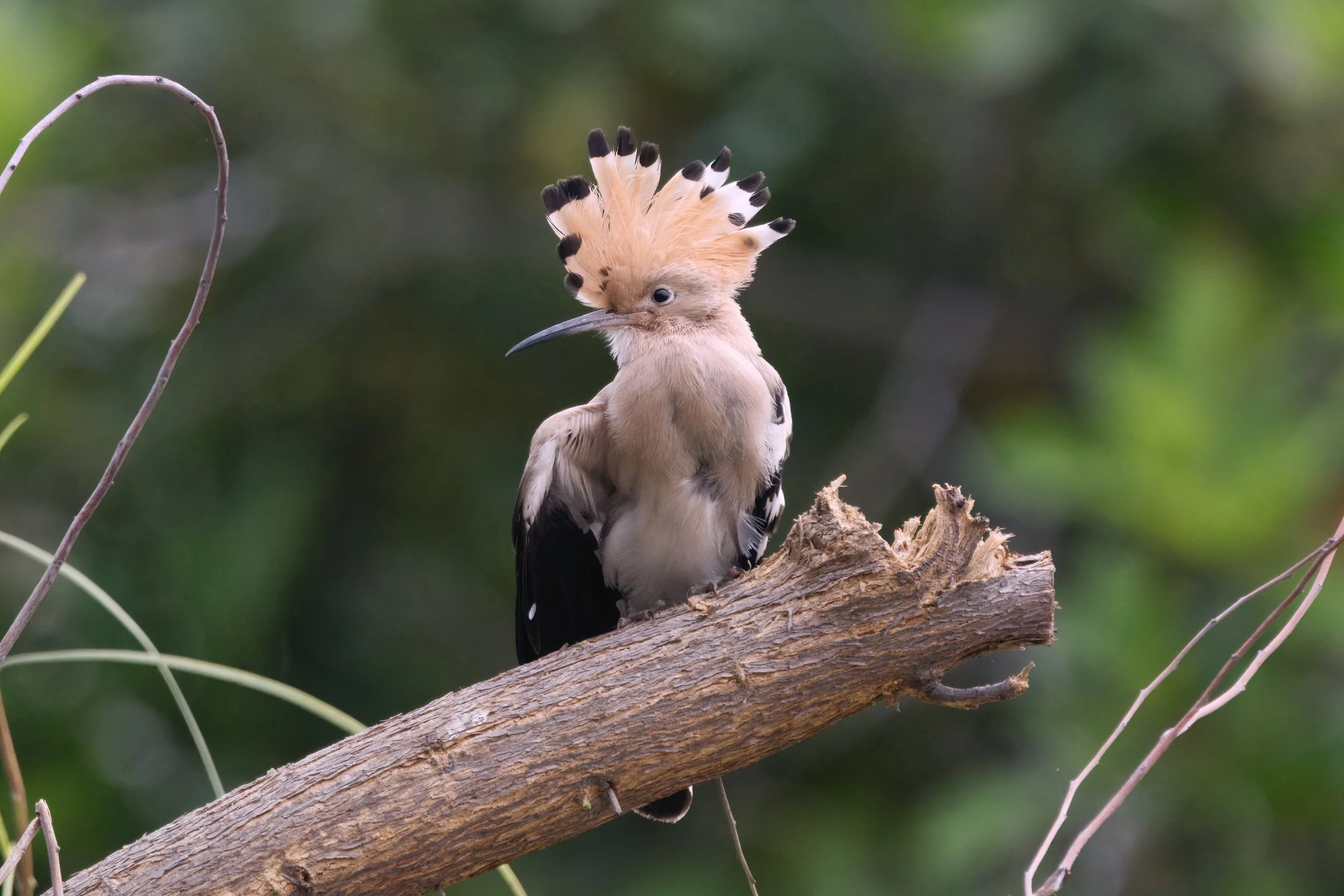
The Eurasian Hoopoe (Upupa epops) is a distinctive bird known for its striking appearance and unique calls. Characterized by a distinctive crown of feathers resembling a "crown," the hoopoe features a combination of yellow\brown, black, and white plumage. Found in various habitats across Europe, Asia, and parts of Africa, it prefers open woodlands and savannas. The hoopoe is renowned for its long, slender bill that it uses to probe the ground for insects and larvae. Its diet includes beetles, caterpillars, and other invertebrates. Hoopoes are known for their distinctive "trumpet-like" calls and are often associated with warm, dry regions. They nest in tree hollows, crevices, or even buildings, and their elaborate courtship displays involve crest-raising and rhythmic calls. The Eurasian Hoopoe is not only visually captivating but also holds cultural significance in various regions, often symbolizing good luck and protection.
The Eurasian Hoopoe holds a special place in Islamic tradition through its mention in the Qur’an as the Hudhud in Surah An-Naml. In the story of Prophet Sulayman (Solomon), the hoopoe appears as a perceptive and trusted messenger, bringing news of the Queen of Sheba and her people. This mention has given the bird a lasting symbolic value, linking it not only with grace and intelligence in nature, but also with wisdom, observation, and purposeful communication in the Qur’anic narrativ
طائر الهدهد الأوراسي طائرٌ مميّز يُعرَف بمظهره اللافت ونداءاته الفريدة. ويتميّز بعُرفٍ جميل من الريش يشبه التاج، إلى جانب تدرّج لوني لافت يجمع بين البني/الأصفر والأسود والأبيض. ينتشر هذا الطائر في مجموعة واسعة من البيئات عبر أوروبا وآسيا وأجزاء من أفريقيا، ويفضّل المناطق المفتوحة ذات الأشجار المتفرقة والسافانا. ويشتهر الهدهد بمنقاره الطويل الرفيع الذي يستخدمه للنبش في الأرض بحثًا عن الحشرات ويرقاتها. ويتكوّن غذاؤه من الخنافس واليساريع وغيرها من اللافقاريات. كما يُعرَف بندائه المميّز الشبيه بصوت البوق، ويرتبط غالبًا بالمناطق الدافئة والجافة. ويعشش في تجاويف الأشجار، والشقوق، وأحيانًا في المباني، بينما تتضمن عروض التزاوج لديه رفع العُرف وإطلاق نداءات إيقاعية متكررة. ولا يقتصر تميّز الهدهد الأوراسي على جماله الشكلي، بل يحمل أيضًا دلالات ثقافية في مناطق عديدة، حيث يُنظر إليه أحيانًا بوصفه رمزًا للحظ والحماية.
ويحظى الهدهد الأوراسي بمكانة خاصة في التراث الإسلامي من خلال ذكره في القرآن الكريم باسم الهدهد في سورة النمل. ففي قصة نبي الله سليمان عليه السلام، يظهر الهدهد بوصفه رسولًا فطنًا وموثوقًا، جاءه بخبر ملكة سبأ وقومها. وقد منح هذا الذكر القرآني الطائر قيمة رمزية باقية، تربطه ليس فقط بالجمال والذكاء في عالم الطبيعة، بل أيضًا بالحكمة، ودقة الملاحظة، وأداء الرسالة في السرد القرآني
Other Species
-
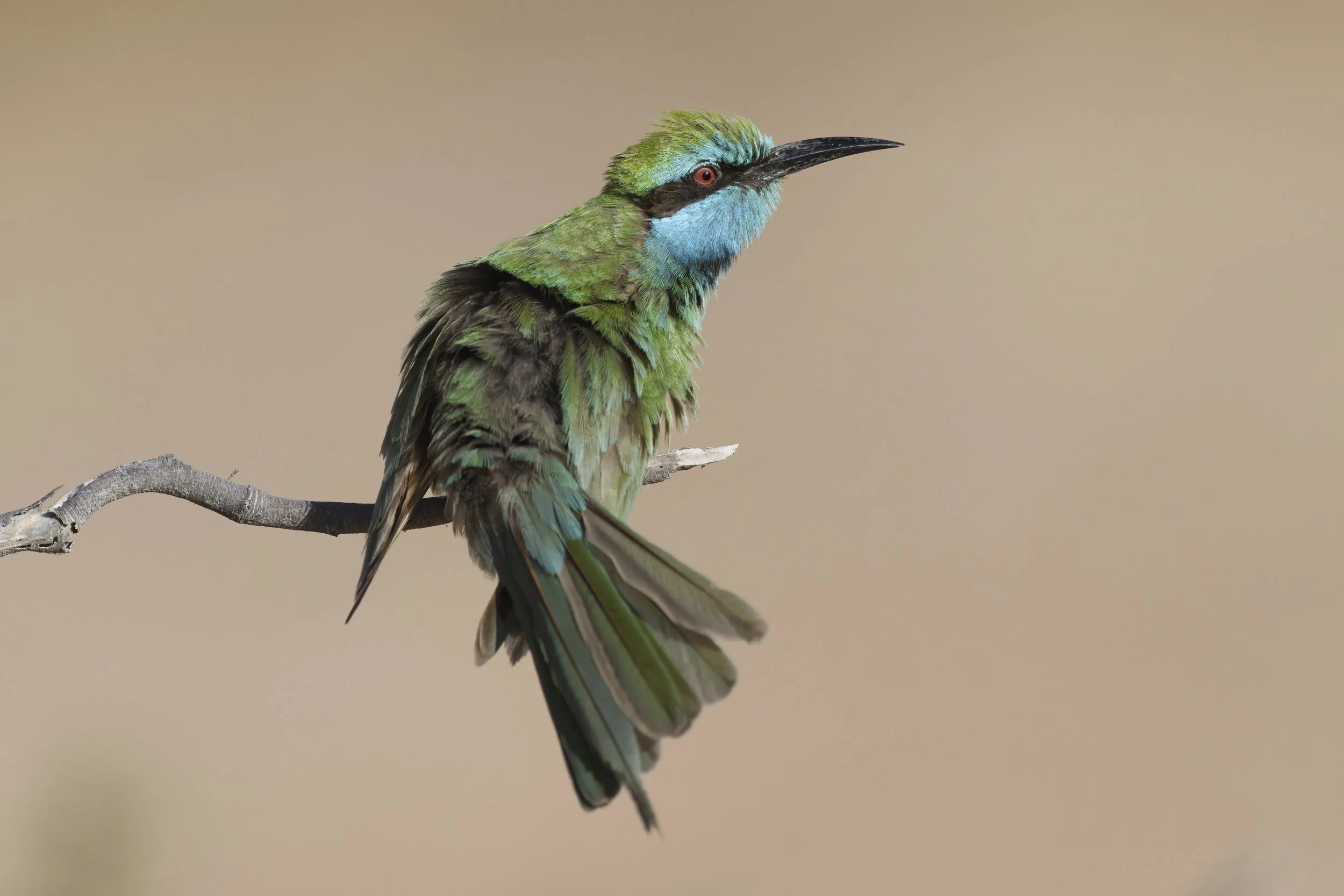
Arabian Green Bee Eater (Merops cyanophrys)
-
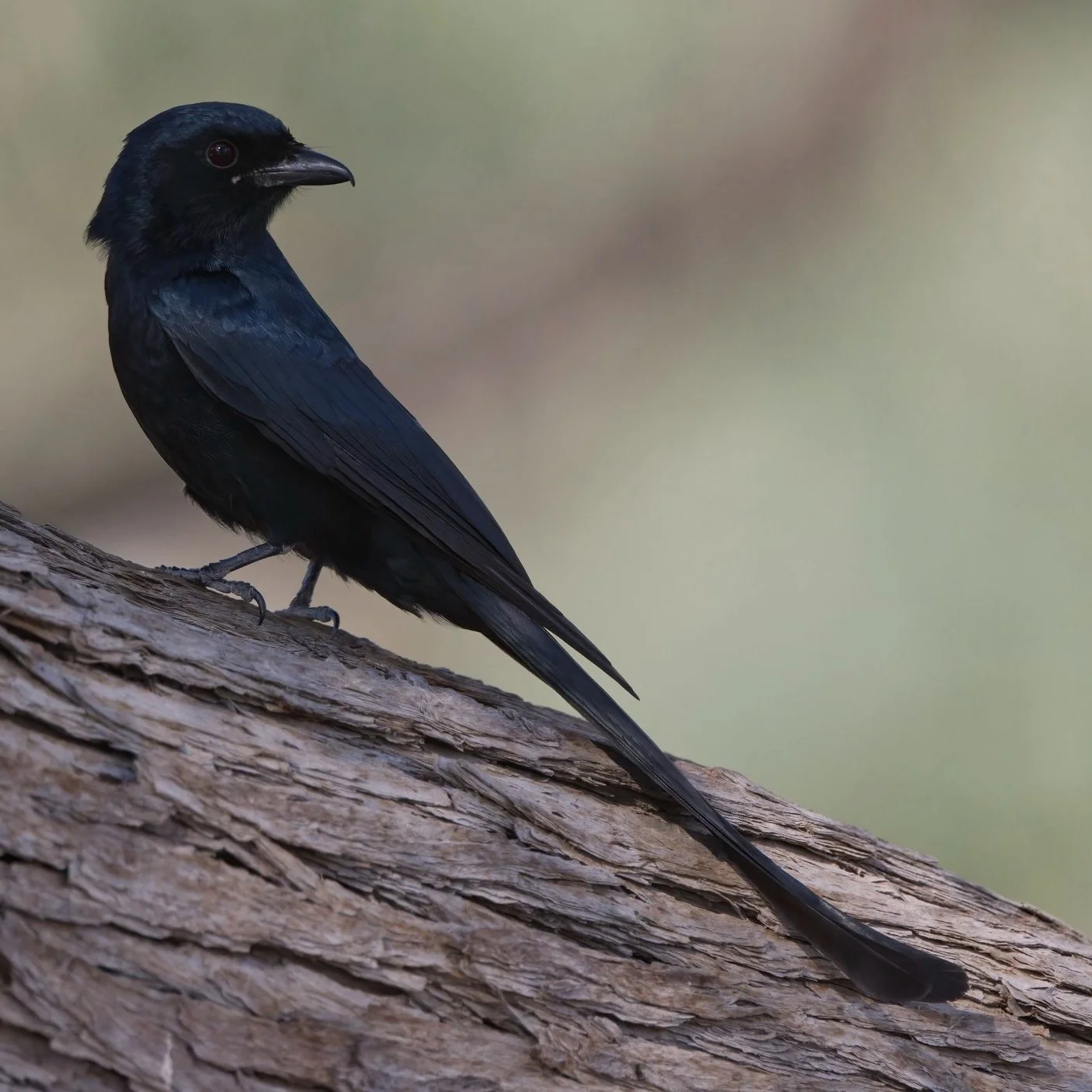
Black Drongo (Dicrurus macrocercus)
-
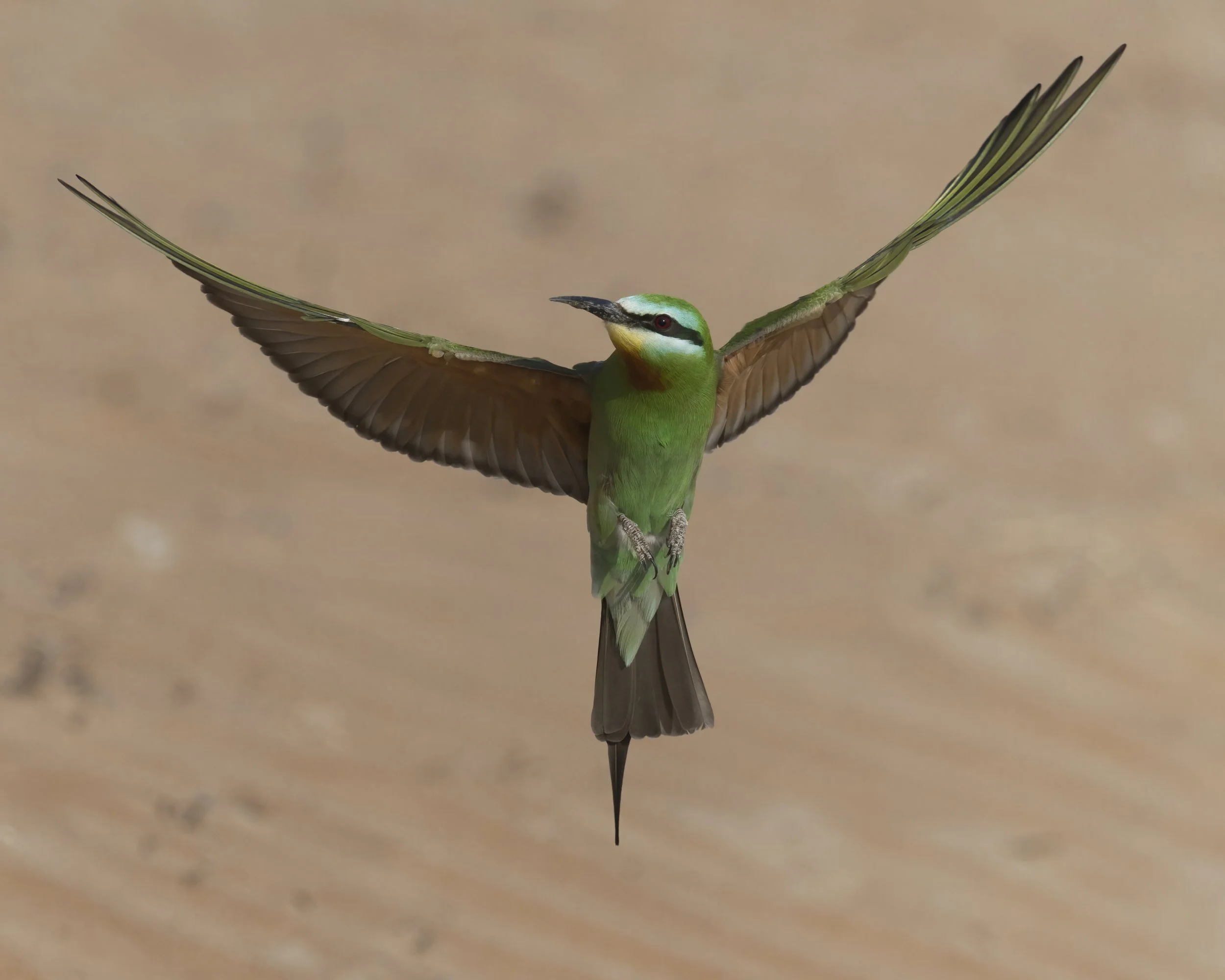
Blue-cheeked Bee-eater (Merops persicus)
-
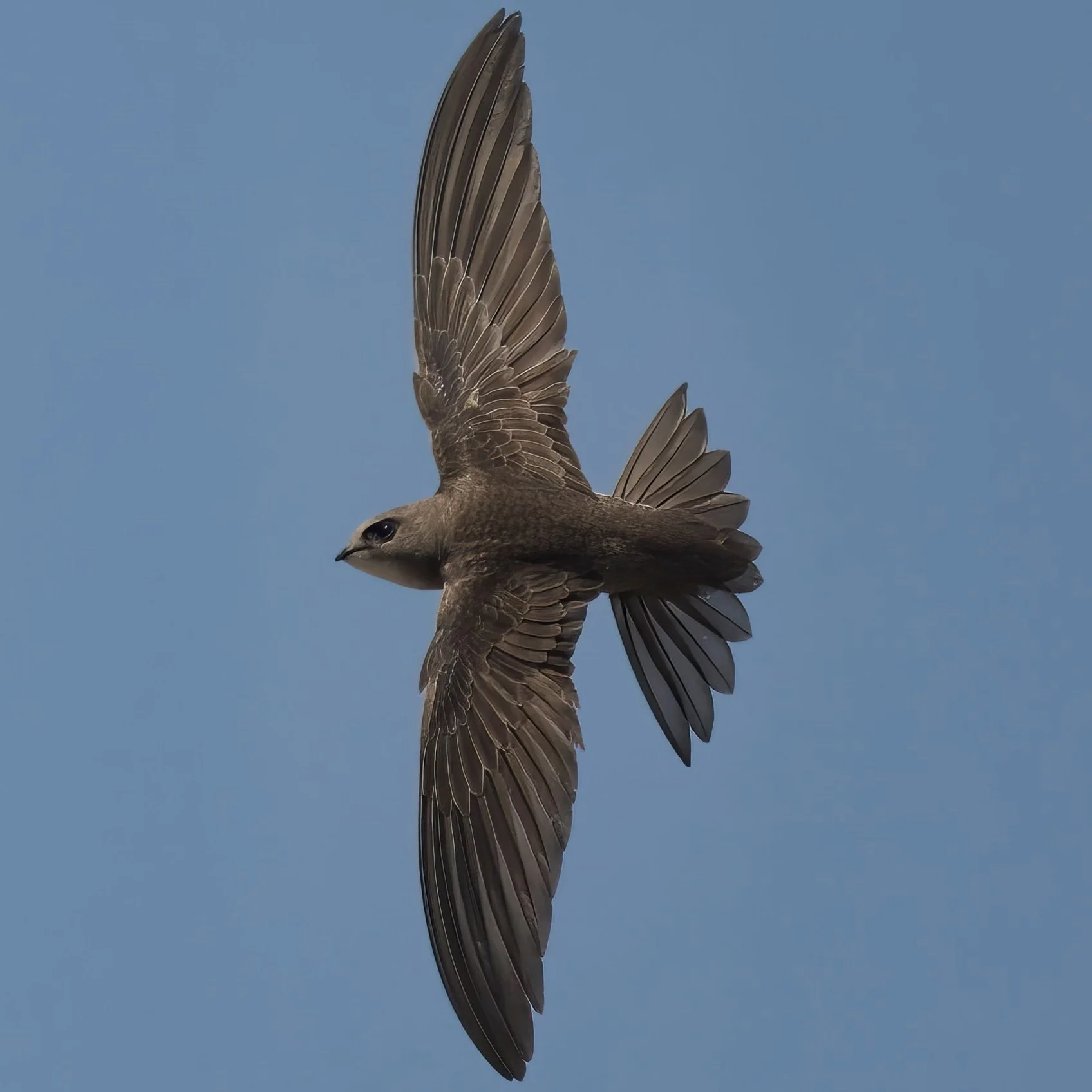
Pallid Swift (Apus pallidus)