

Arabian Green Bee-eater \ Merops cyanophrys
(الوروار الأخضر العربي)
The Arabian Green Bee-eater (Merops cyanophrys) is a small, vibrantly colored bird found primarily in arid and semi-arid regions of the Arabian Peninsula, including Saudi Arabia, Oman, and the United Arab Emirates. This species is easily recognizable by its bright green plumage, elongated central tail feathers, and a distinctive black eye stripe that adds to its striking appearance. Adapted to warm climates, the Arabian Green Bee-eater is often seen in open habitats such as deserts, savannas, and farmlands, where it gracefully swoops to catch its primary diet of flying insects, especially bees and wasps. Agile and social, these birds often gather in small flocks, perching on wires or low shrubs. Despite the harsh environments they inhabit, their numbers remain stable, showcasing their remarkable adaptation to the challenging conditions of their native range.
طائر الوروار الأخضر العربي هو طائر صغير ذو ألوان زاهية، ينتشر بشكل رئيسي في المناطق الجافة وشبه الجافة في شبه الجزيرة العربية، بما في ذلك المملكة العربية السعودية وعُمان والإمارات العربية المتحدة. يتميز بسهولة بريشه الأخضر الزاهي، وريشتي الذيل الوسطيتين الطويلتين، بالإضافة إلى خط أسود مميز يمر عبر العين ويضفي عليه مظهرًا لافتًا
يتكيف هذا النوع مع المناخات الحارة، وغالبًا ما يُشاهد في البيئات المفتوحة مثل الصحارى والسافانا والأراضي الزراعية، حيث ينقض برشاقة لاصطياد غذائه الرئيسي من الحشرات الطائرة، خاصة النحل والدبابير. يتميز بخفة حركته وطبيعته الاجتماعية، إذ يتجمع غالبًا في مجموعات صغيرة، ويقف على الأسلاك أو الشجيرات المنخفضة
ورغم قسوة البيئات التي يعيش فيها، تبقى أعداده مستقرة، مما يعكس قدرته العالية على التكيف مع الظروف الصعبة ضمن نطاقه الطبيعي
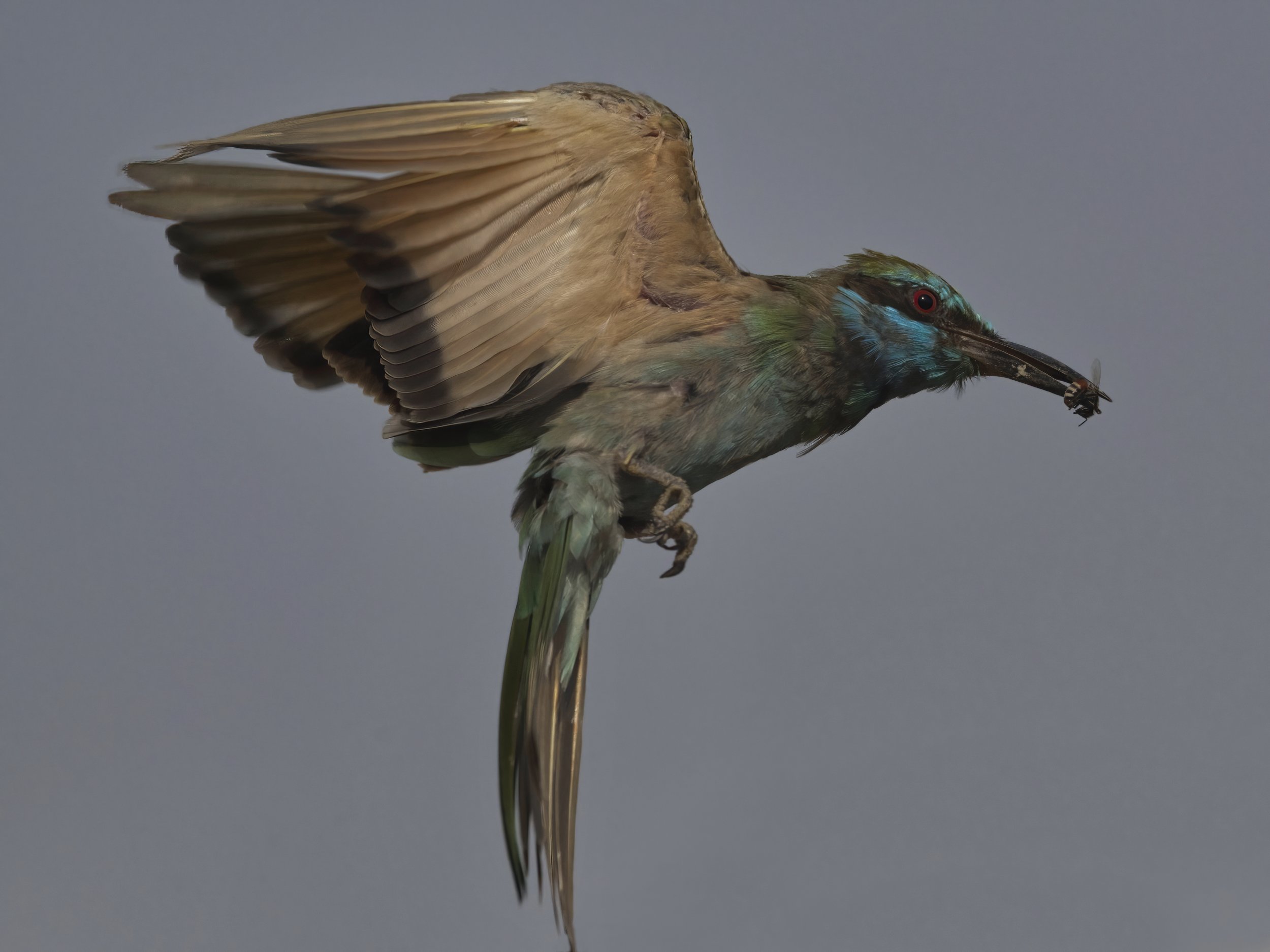


Three bee-eaters of the UAE
Bee-eaters are slim, colourful birds that catch bees, wasps and dragonflies in the air, then beat them on a perch to remove the sting. Three kinds are seen in the UAE. The Arabian green bee-eater lives here all year, the blue-cheeked bee-eater comes for the summer, and the European bee-eater passes through in spring and autumn. Tap each one to compare.
Other Species
-

Black-headed Bunting (Emberiza melanocephala)
-
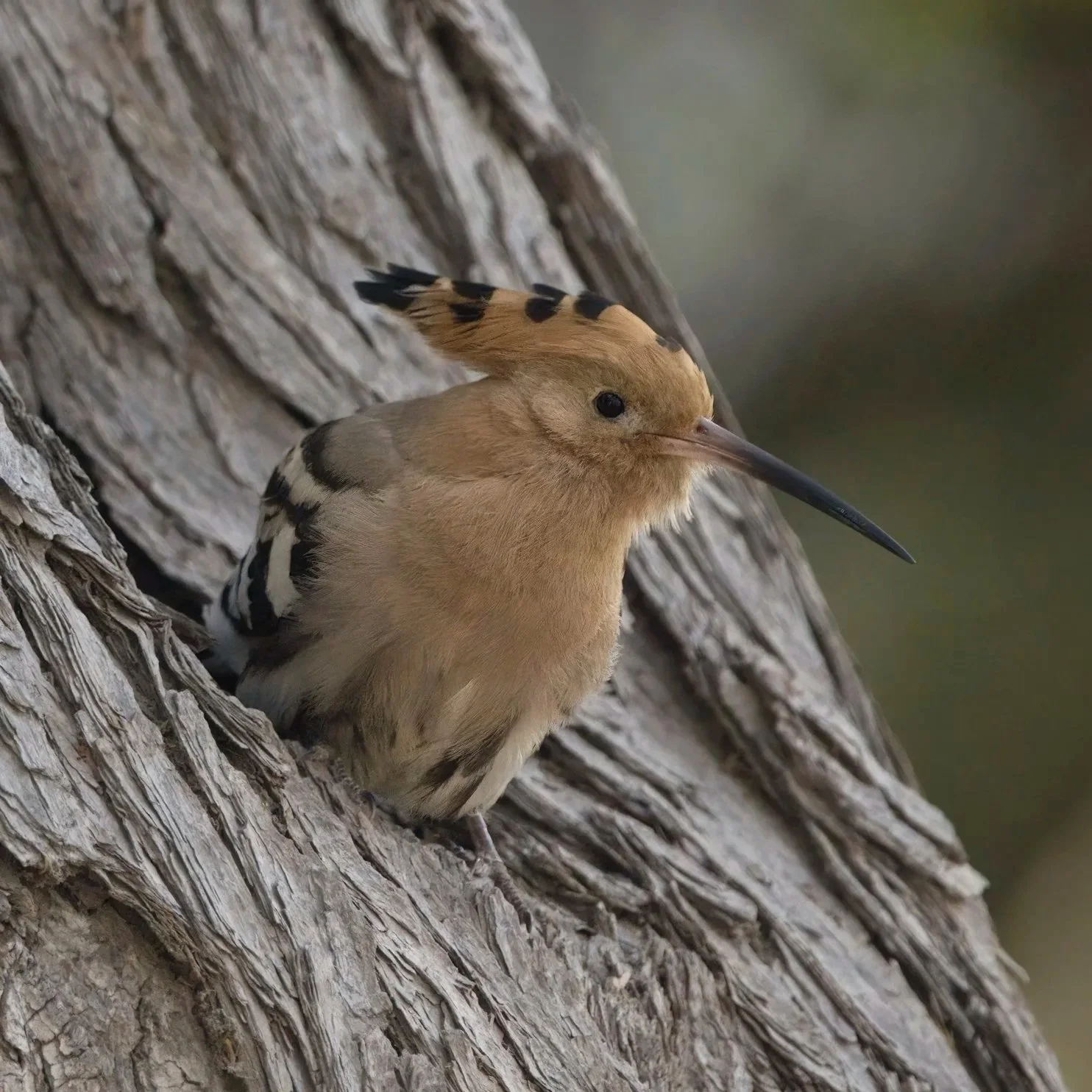
Eurasian Hoopoe (Upupa epops)
-
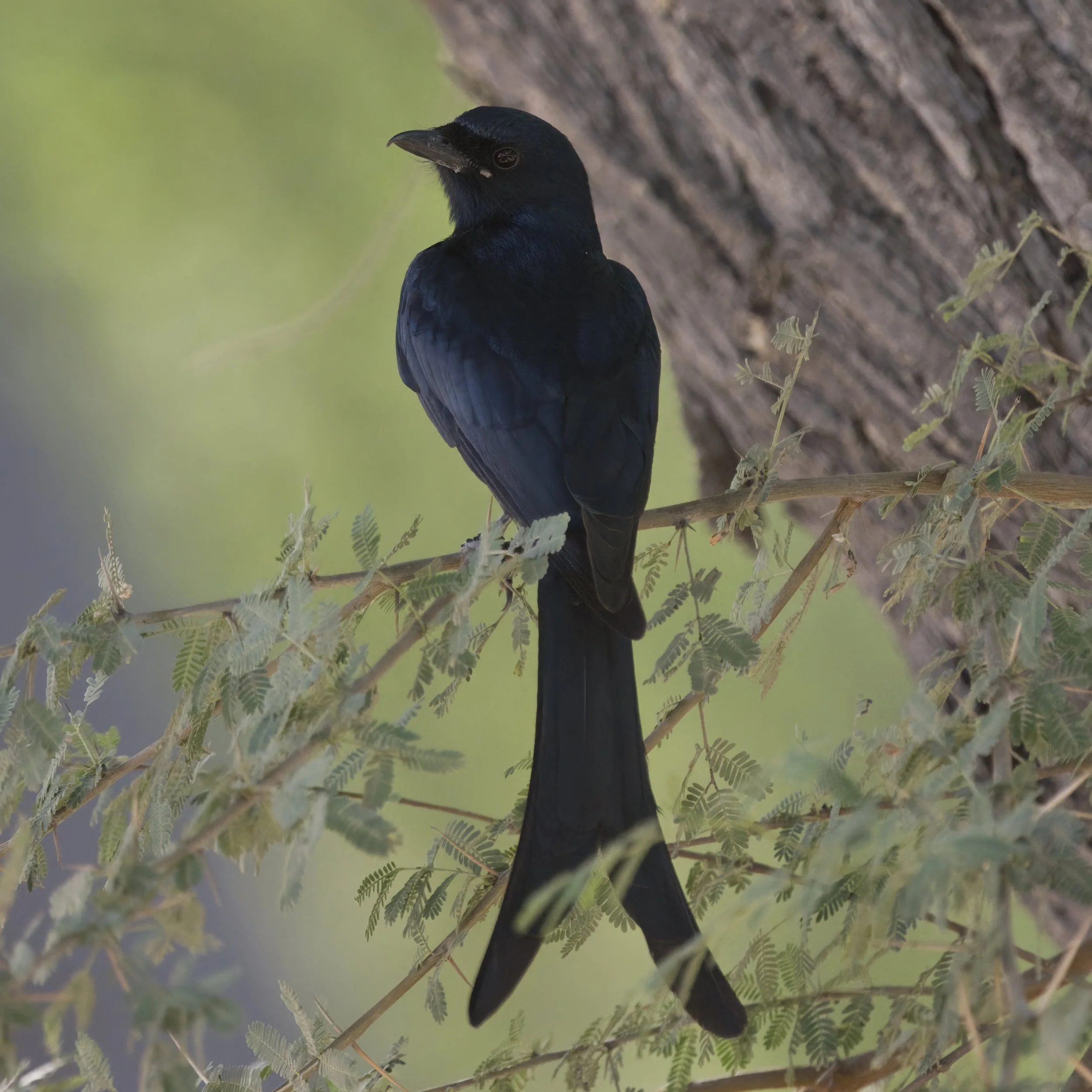
Black Drongo (Dicrurus macrocercus)
-
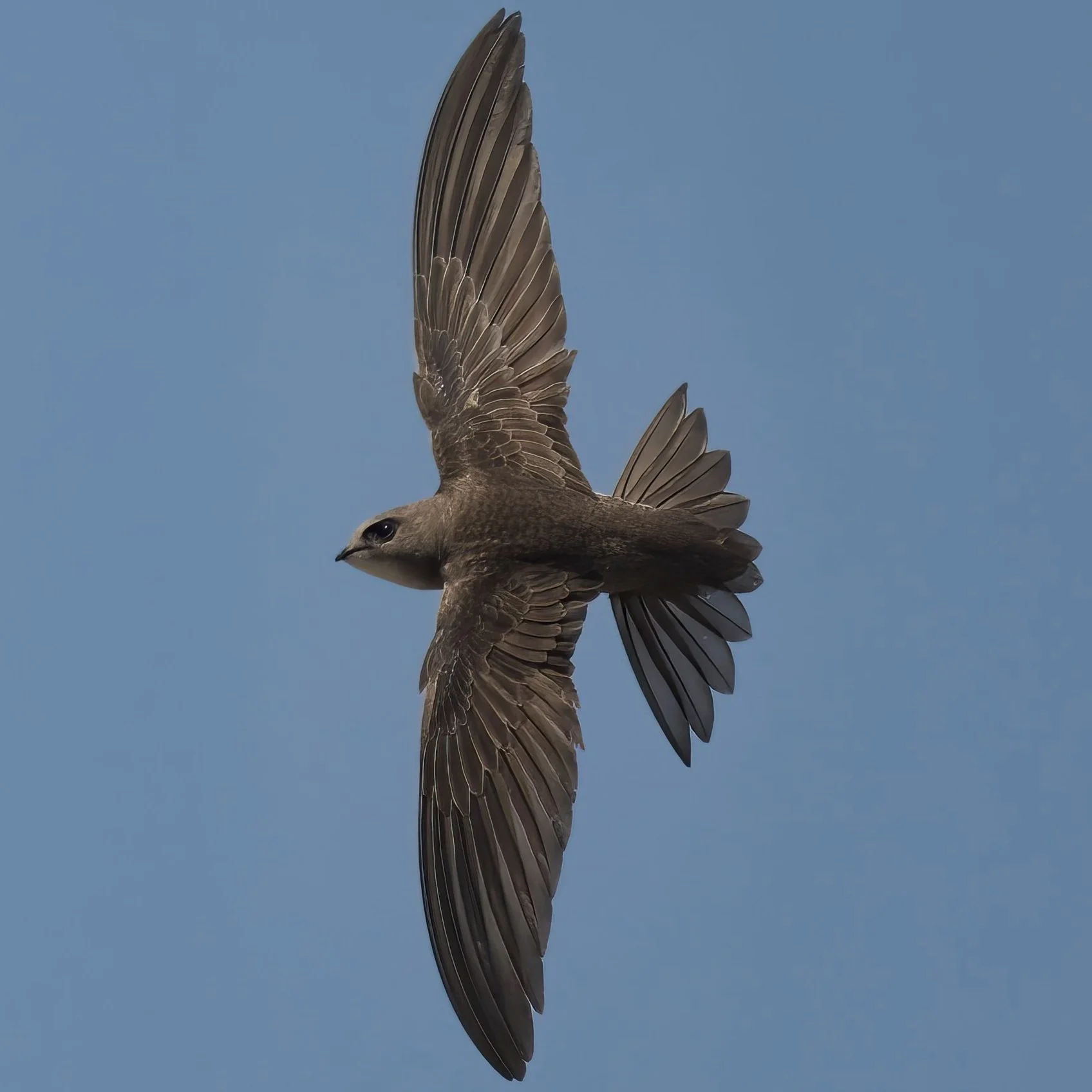
Pallid Swift (Apus pallidus)