

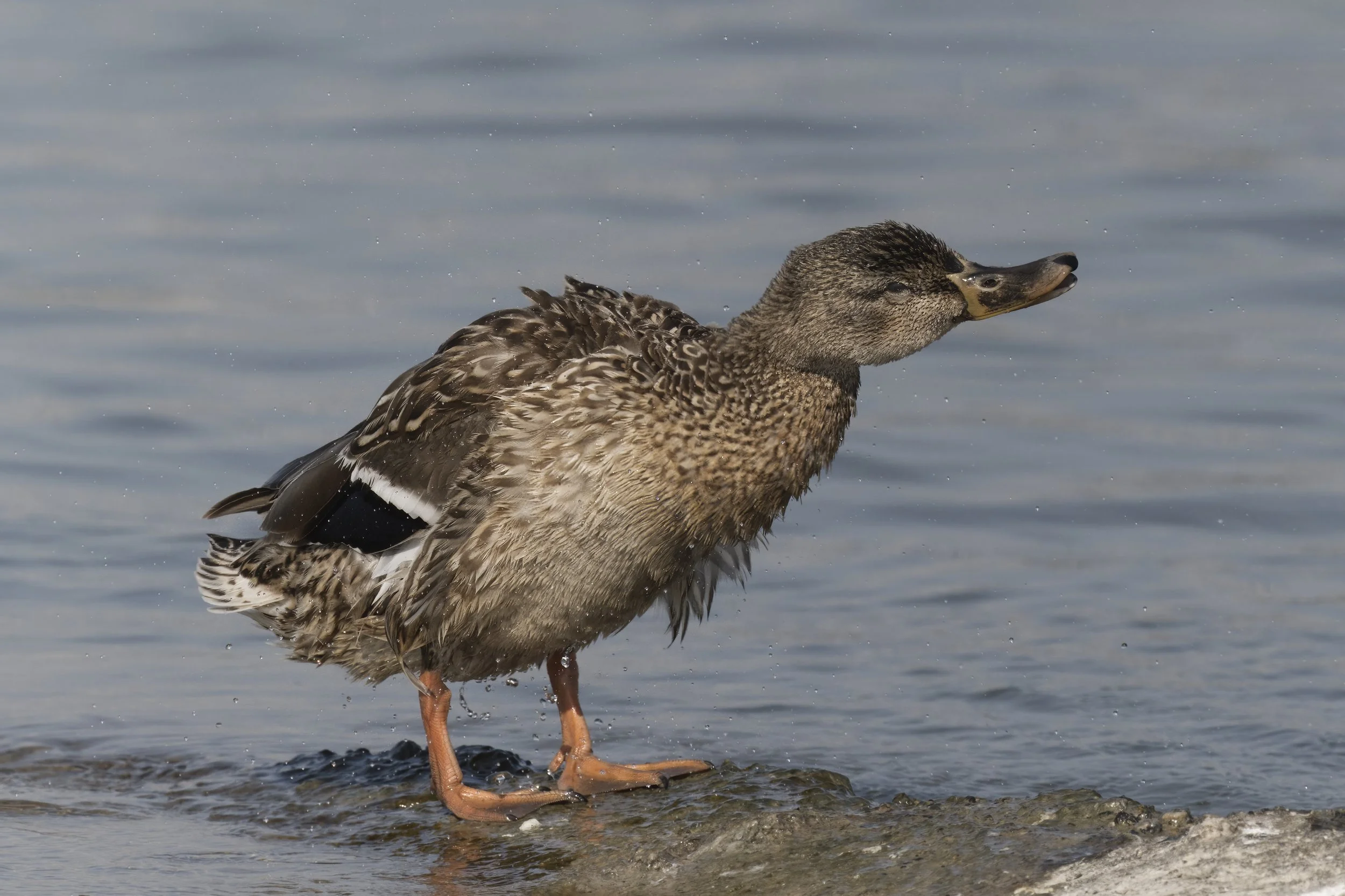
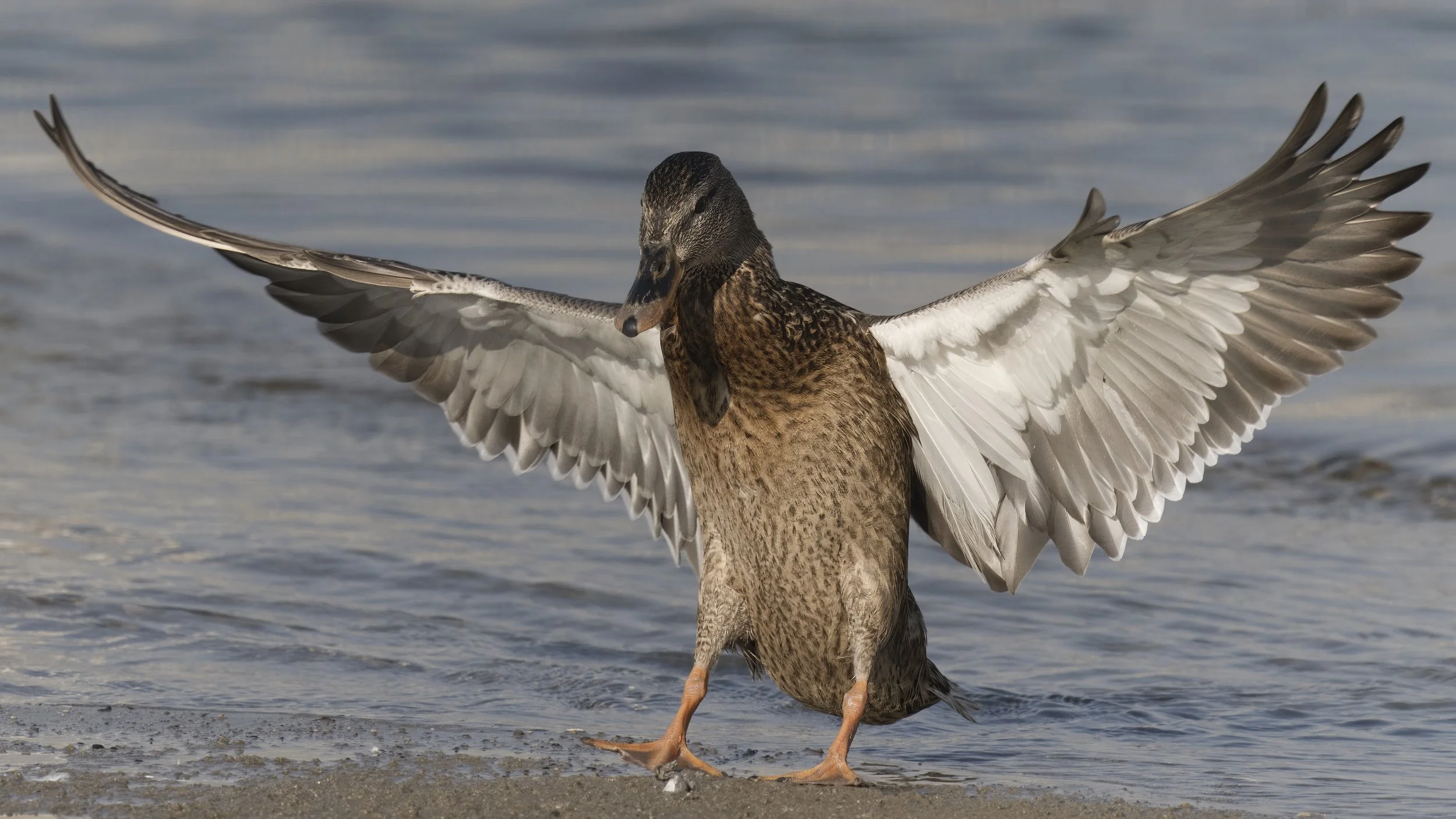
Mallard \ Anas platyrhynchos
(الخضاري)
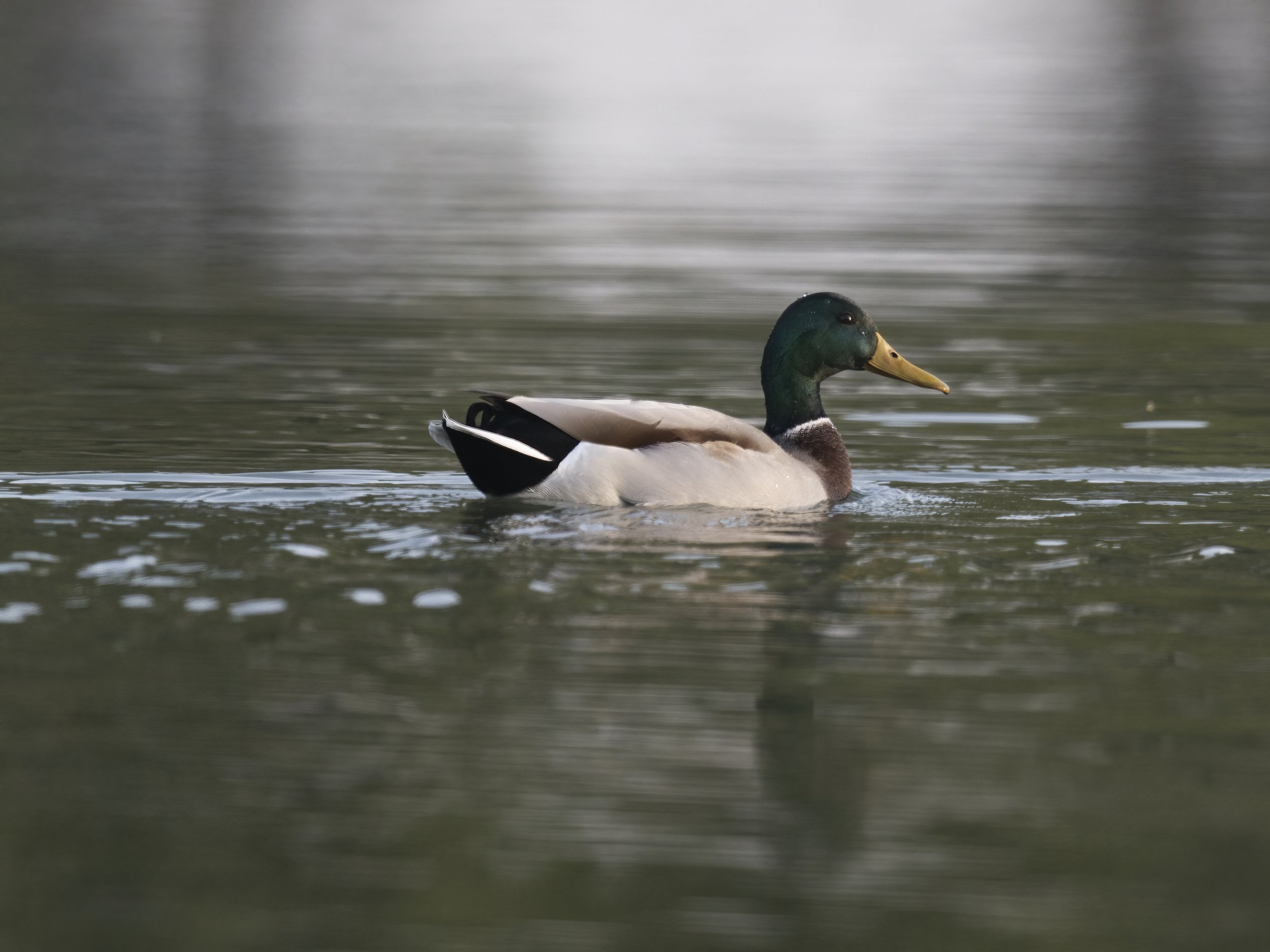
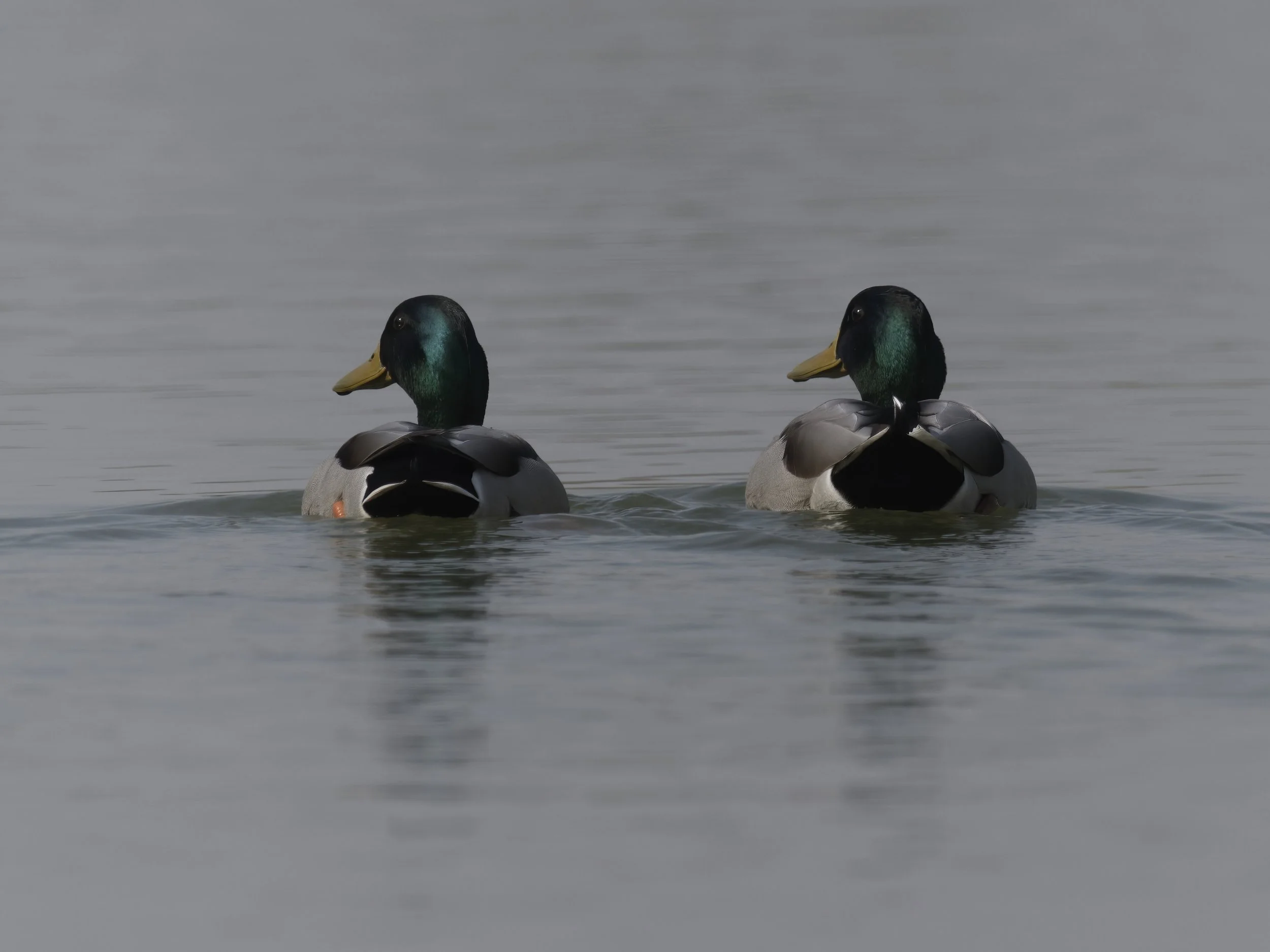
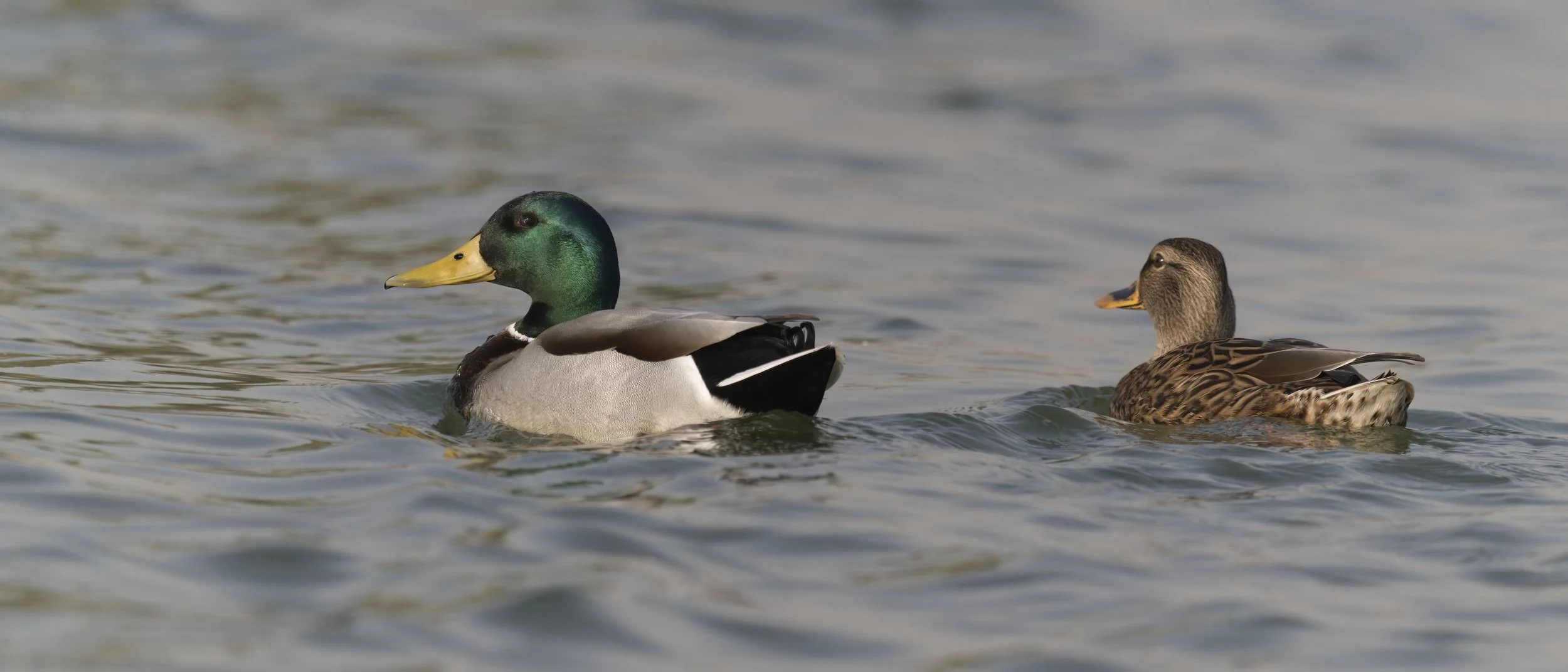
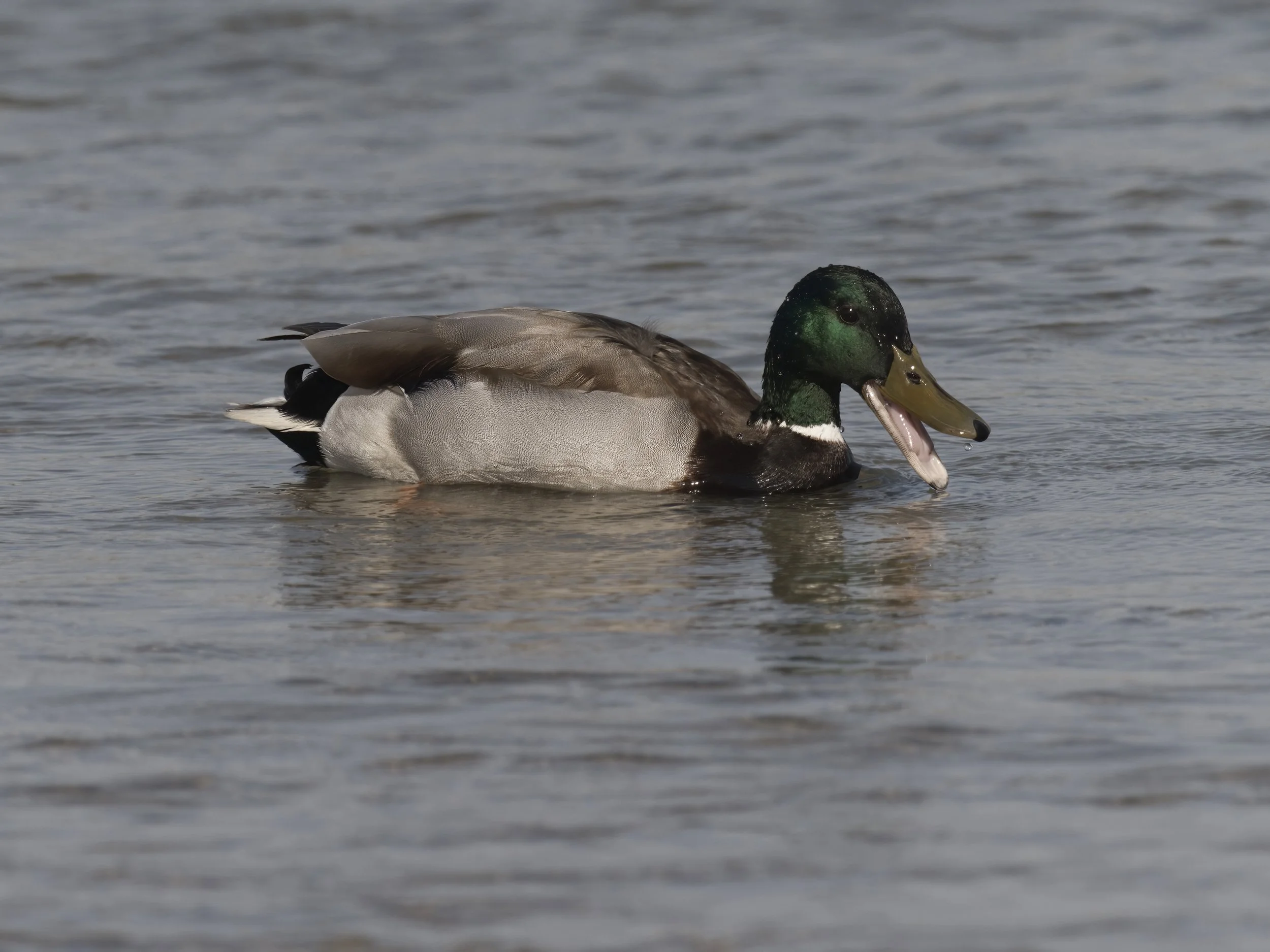
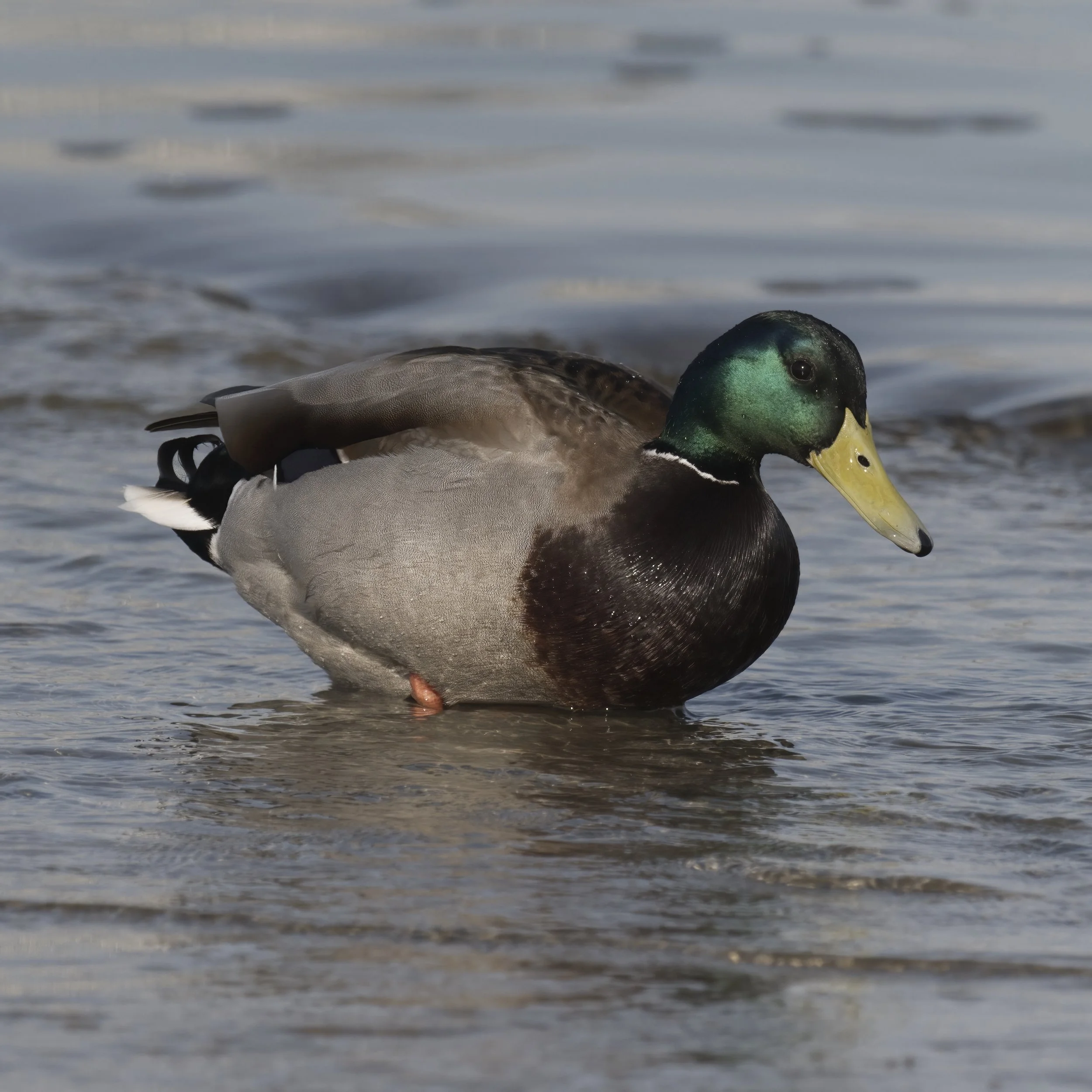
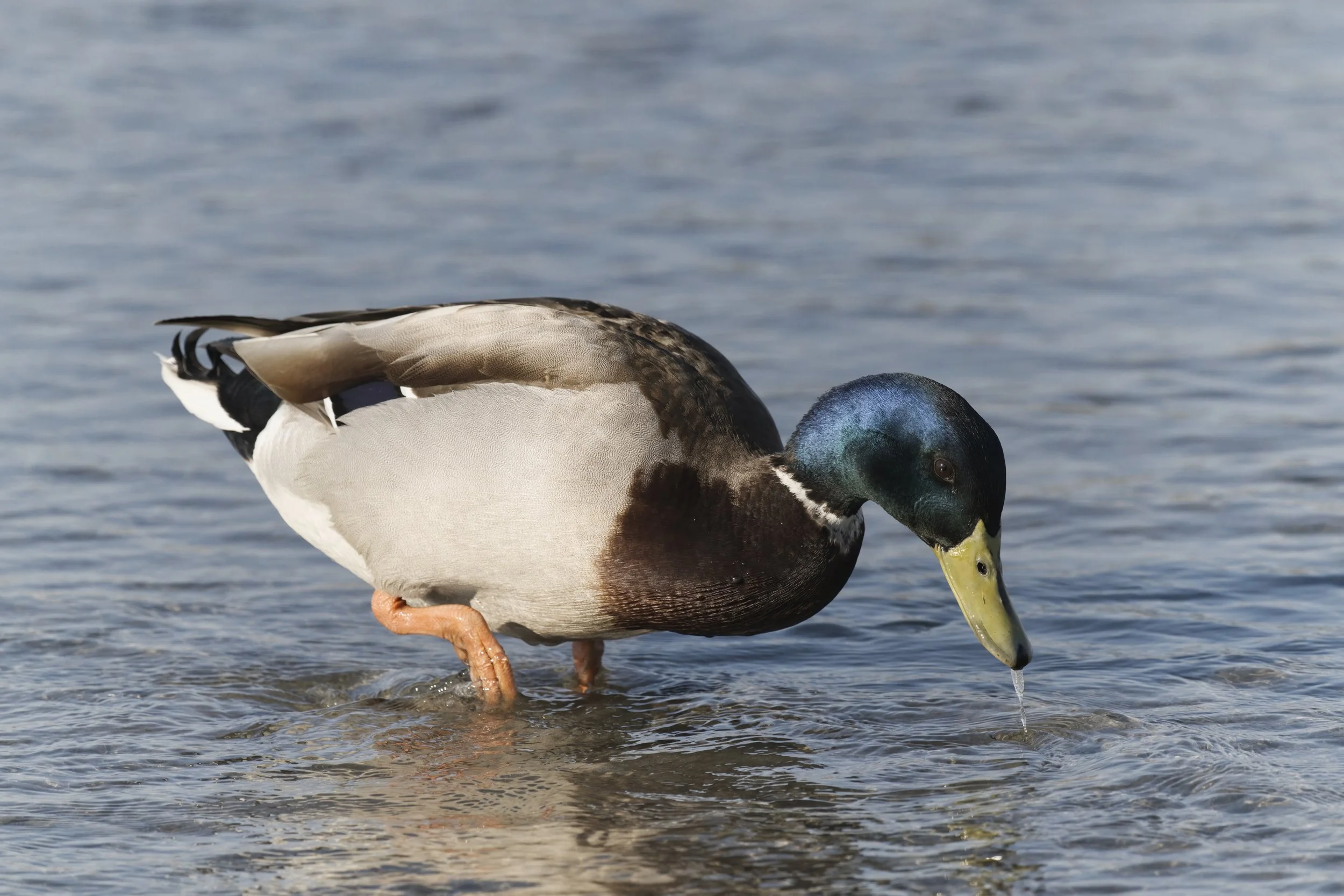
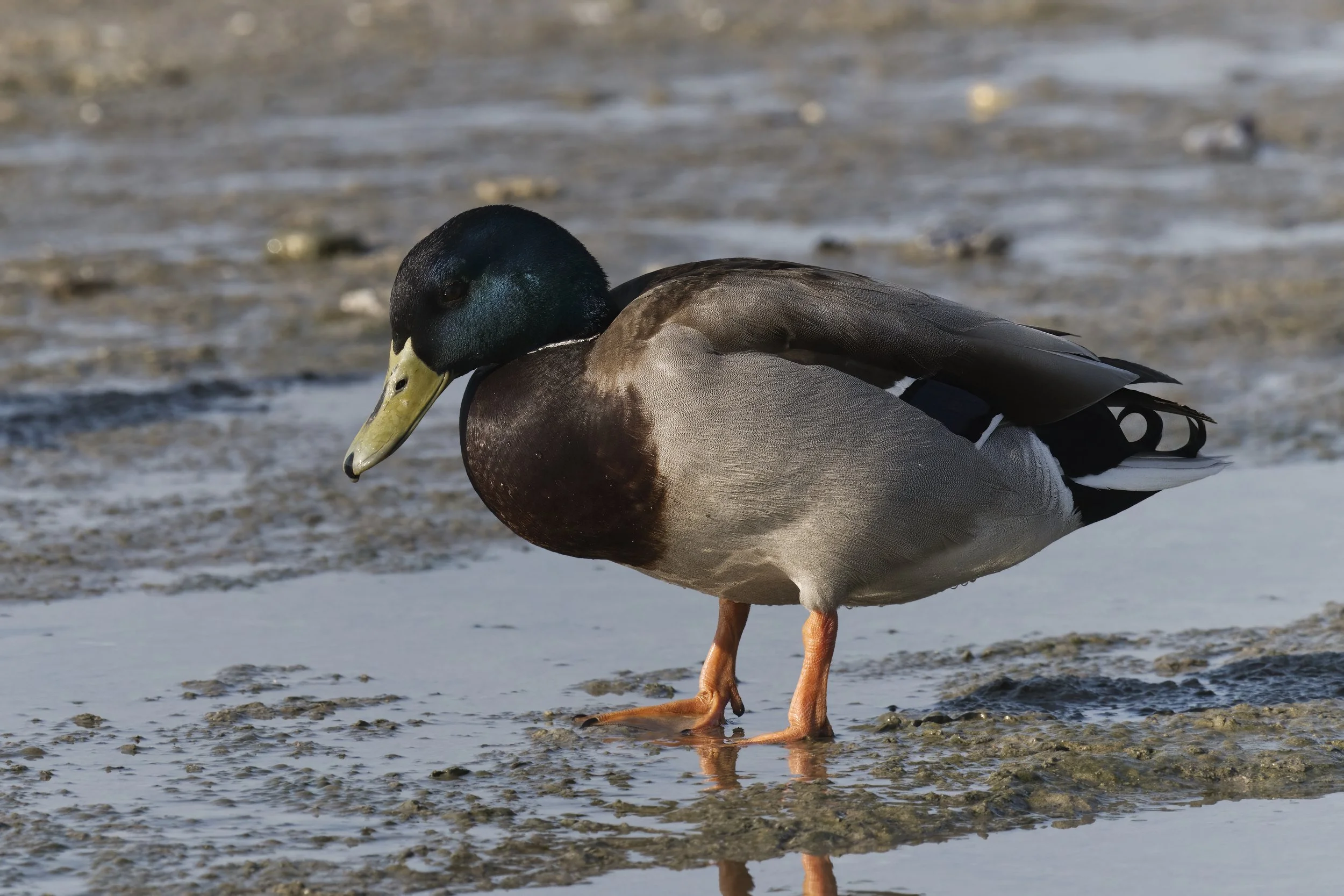
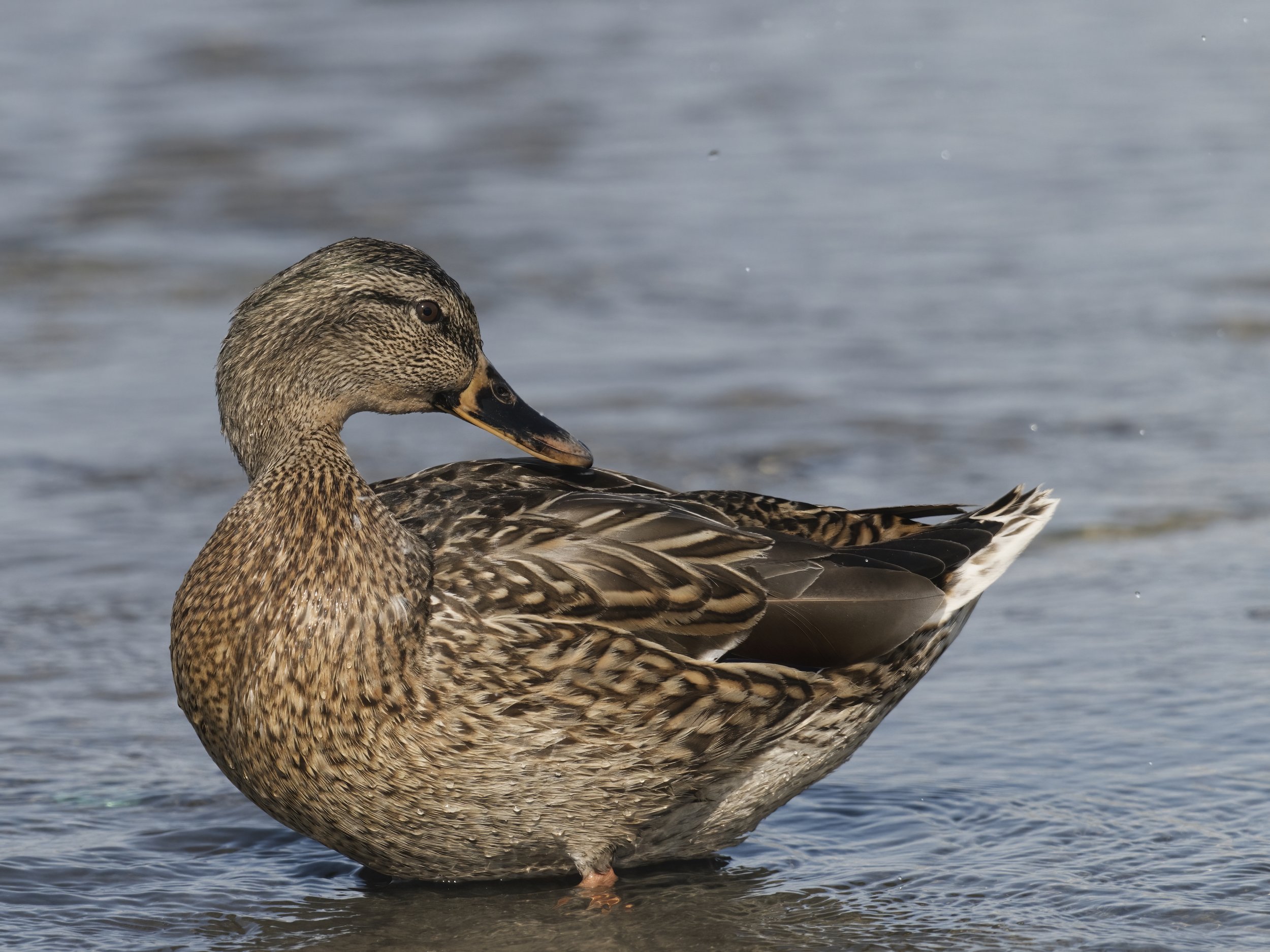
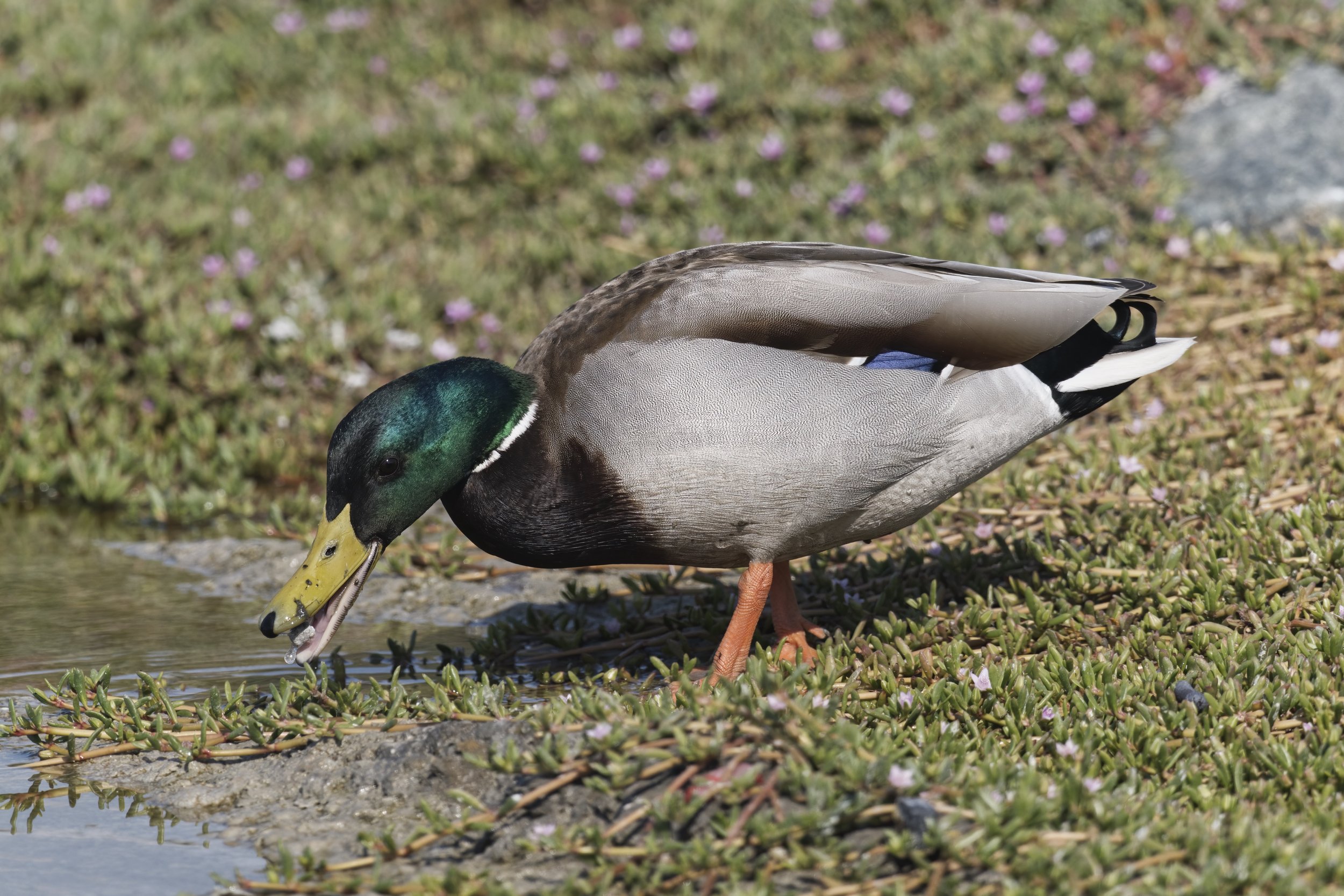
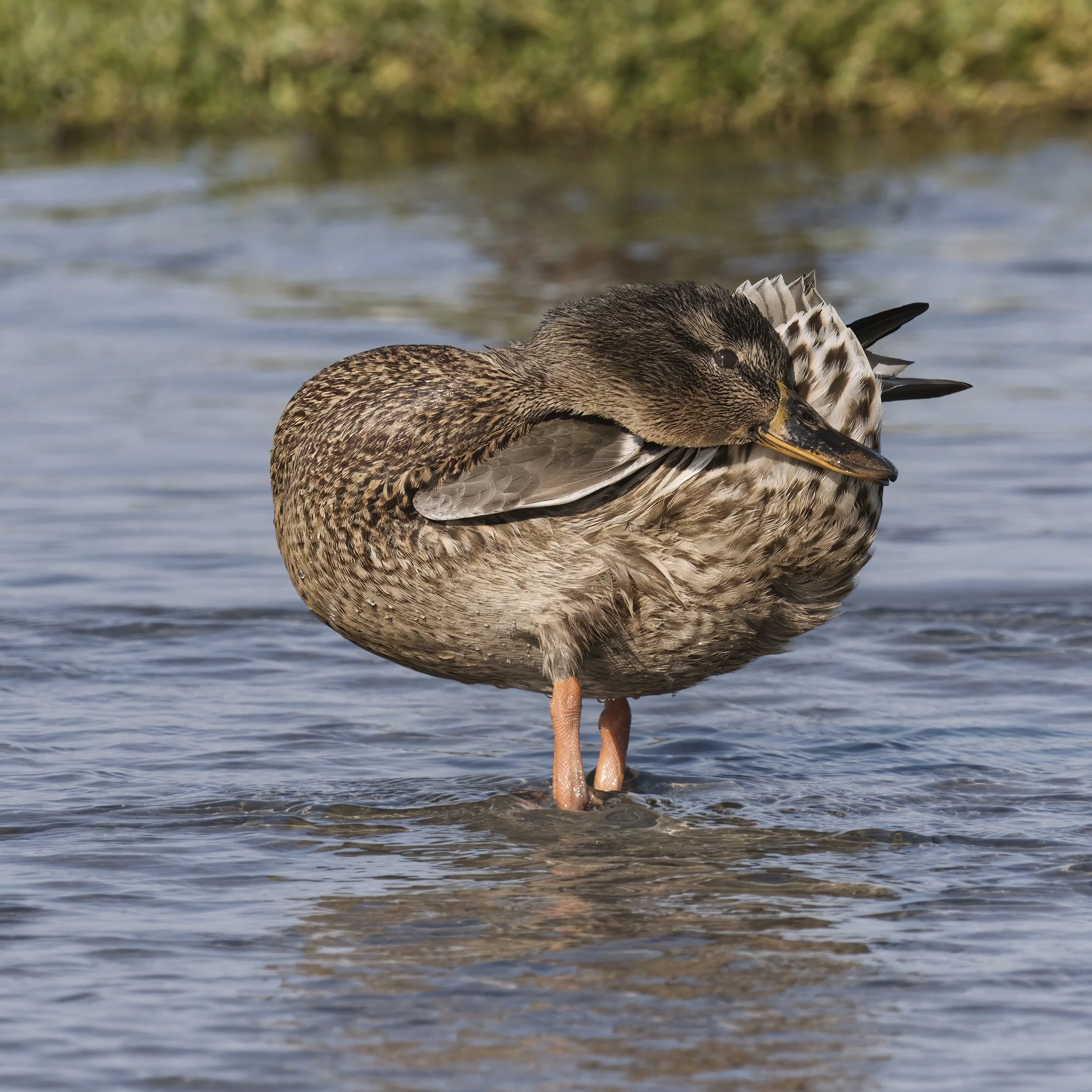
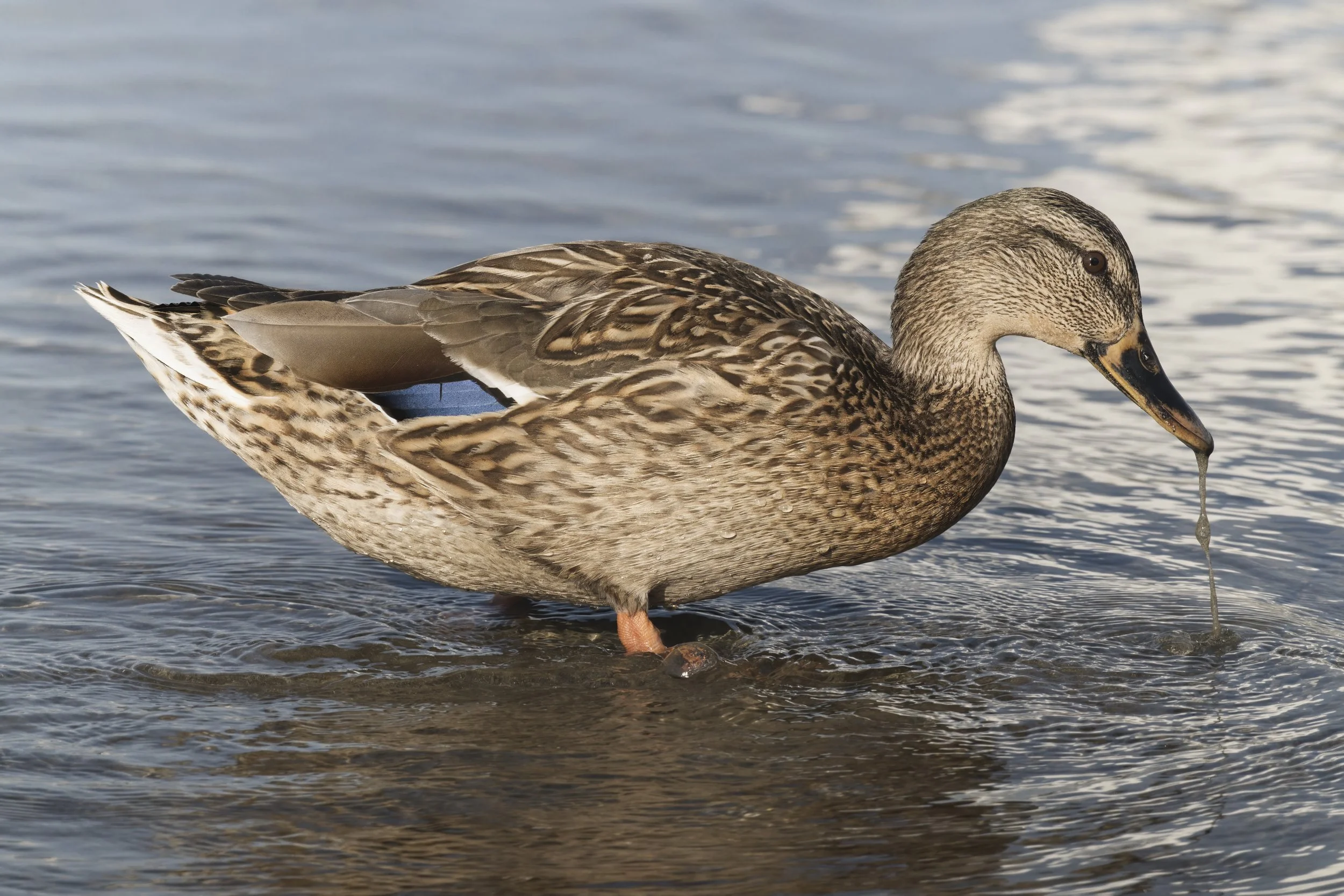
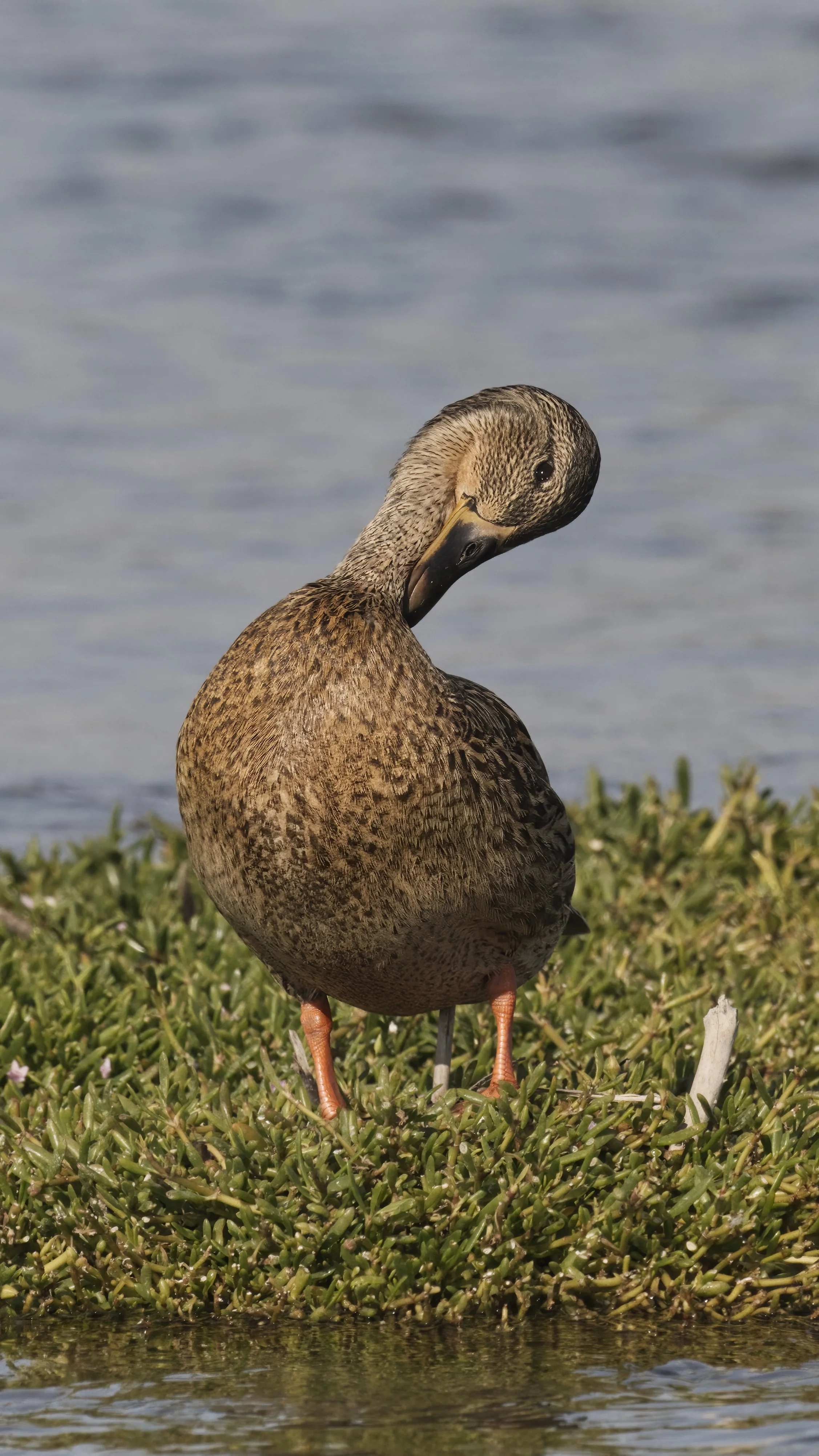
The Mallard (Anas platyrhynchos) is one of the most widespread and recognizable duck species worldwide, known for its adaptability and vibrant plumage, particularly in males, which feature an iridescent green head, yellow bill, and chestnut-brown chest. Found in diverse habitats such as lakes, rivers, marshes, and urban ponds, Mallards are highly versatile, thriving in both freshwater and brackish environments. Omnivorous in diet, they forage for seeds, aquatic plants, insects, and small fish, often seen dabbling at the water’s surface. Known for their remarkable adaptability, Mallards are native to North America, Europe, and Asia, and have been introduced to many other regions. Listed as Least Concern by the IUCN, Mallards are common across their range, though hybridization with other duck species has raised concerns about genetic diversity in some populations. Their resilience and adaptability make them a well-known and beloved species in natural and urban settings alike.
الخضيري هو واحد من أكثر أنواع البط انتشارًا وسهولة في التعرّف في العالم، وتشتهر بقدرتها الكبيرة على التكيّف وبريشها اللافت، خاصة عند الذكر الذي يتميّز برأس أخضر لامع، ومنقار أصفر، وصدر بني كستنائي. وتعيش هذه البطّة في طيف واسع من الموائل مثل البحيرات، والأنهار، والمستنقعات، والبرك الحضرية، وهي شديدة المرونة في استغلال البيئات العذبة والشروب على حد سواء. وهي قارتة الغذاء، إذ تبحث عن البذور، والنباتات المائية، والحشرات، والأسماك الصغيرة، وكثيرًا ما تُشاهَد وهي تلتقط غذاءها من سطح الماء. وينتمي موطنها الأصلي إلى أمريكا الشمالية، وأوروبا، وآسيا، كما أُدخلت إلى مناطق أخرى عديدة من العالم. ويصنّفها الاتحاد الدولي لحفظ الطبيعة (IUCN) ضمن فئة أقل اهتمامًا، نظرًا لشيوعها واستقرارها في معظم نطاقها. ومع ذلك، فقد أثارت حالات التهجين مع أنواع بط أخرى بعض المخاوف المتعلقة بالتنوع الوراثي في بعض الجماعات. ويجعل صمودها وقدرتها الكبيرة على التأقلم منها واحدة من أكثر الطيور المائية شهرةً وألفةً في البيئات الطبيعية والحضرية على حد سواء

Other Species
-
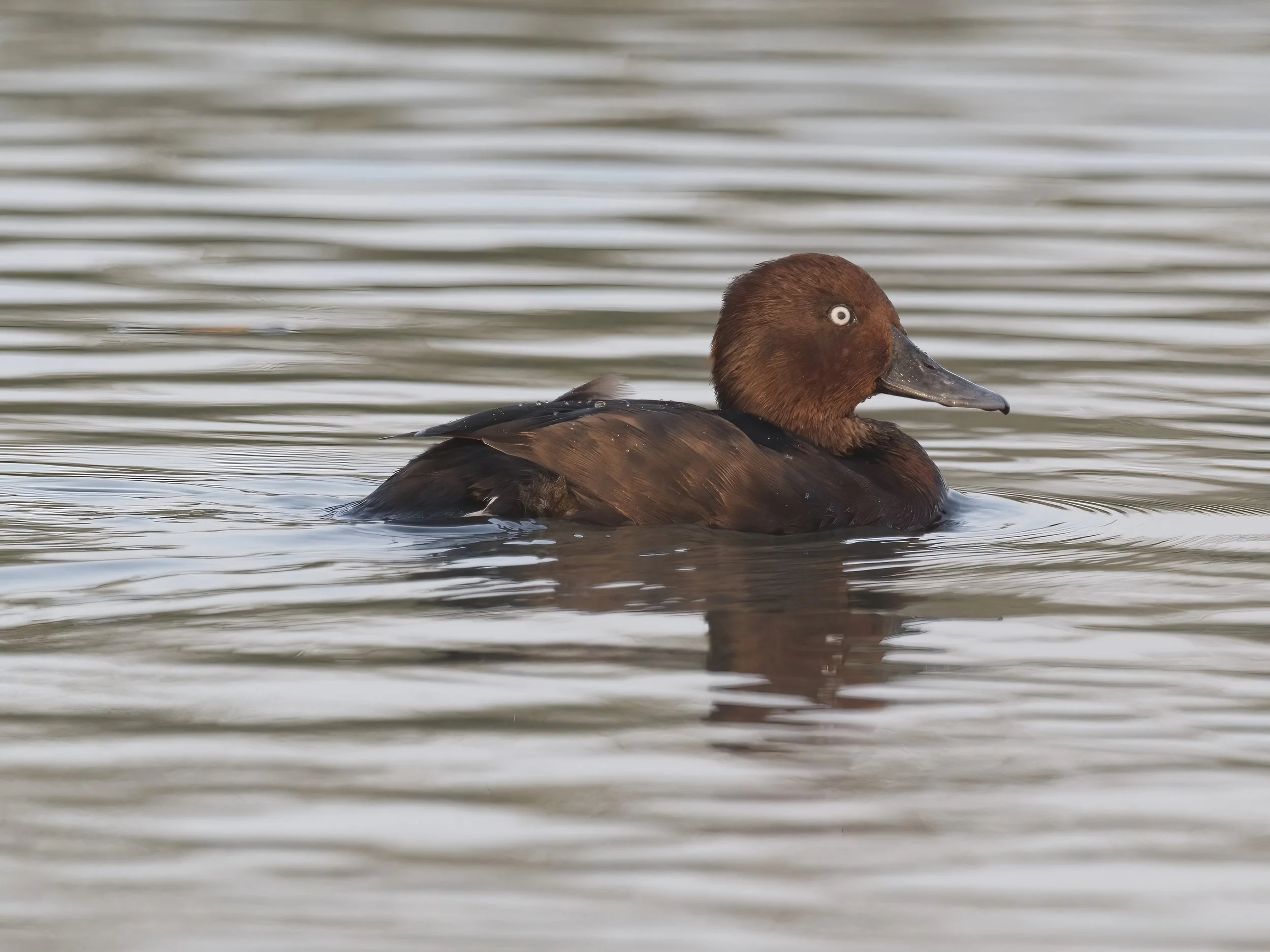
Ferruginous Duck (Aythya nyroca)
-
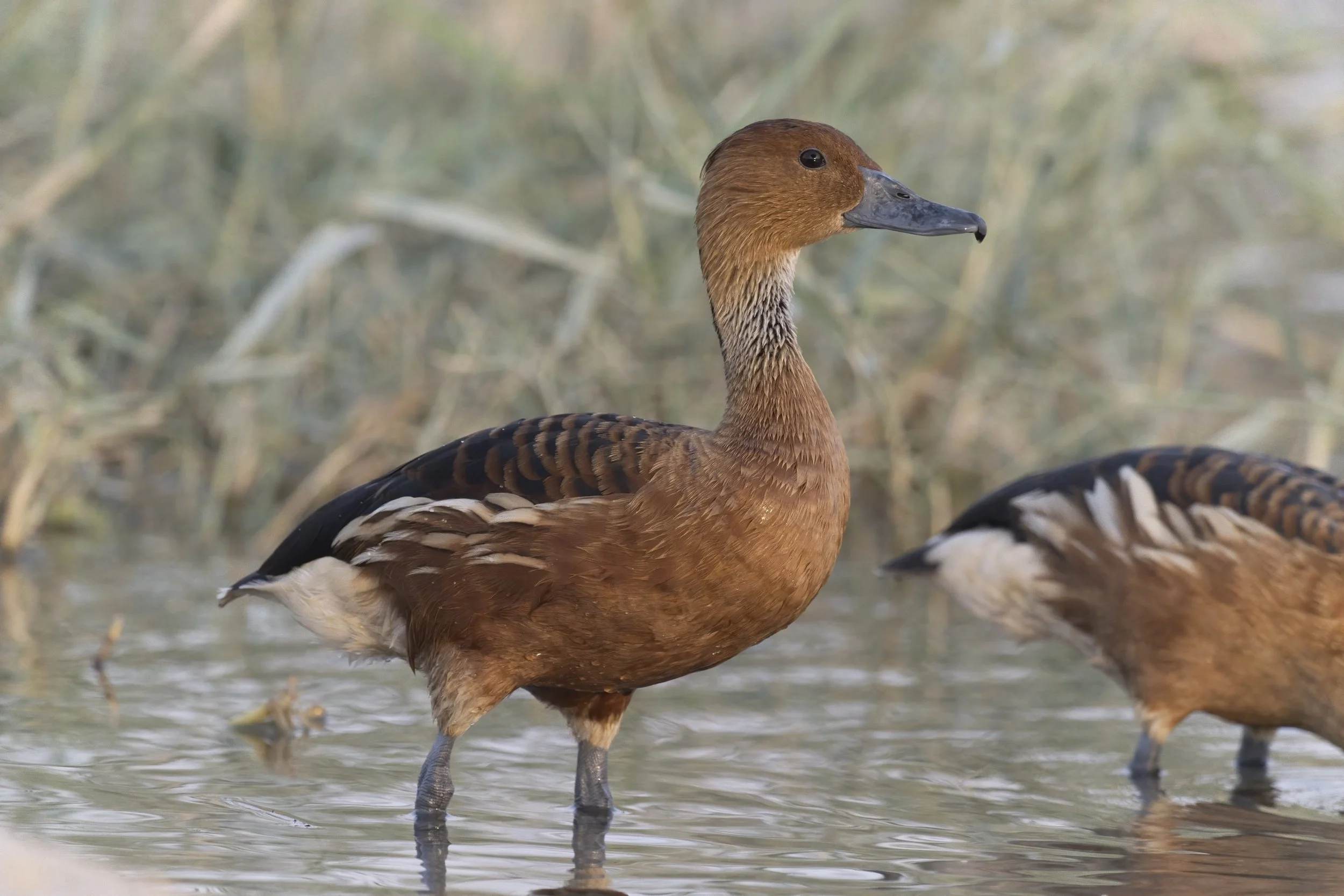
Fulvous Whistling-duck (Dendrocygna bicolor)
-
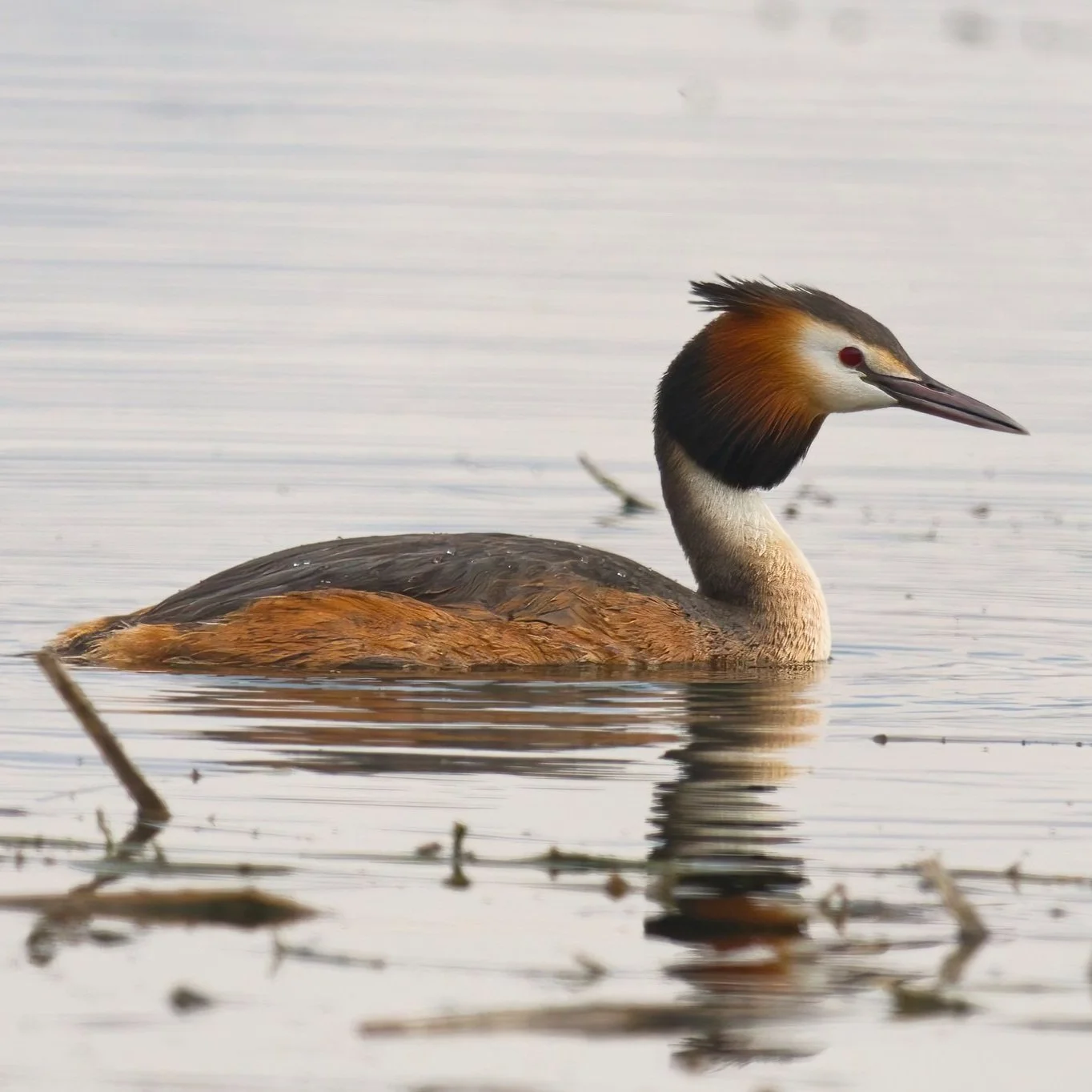
Great Crested Grebe (Podiceps cristatus)
-
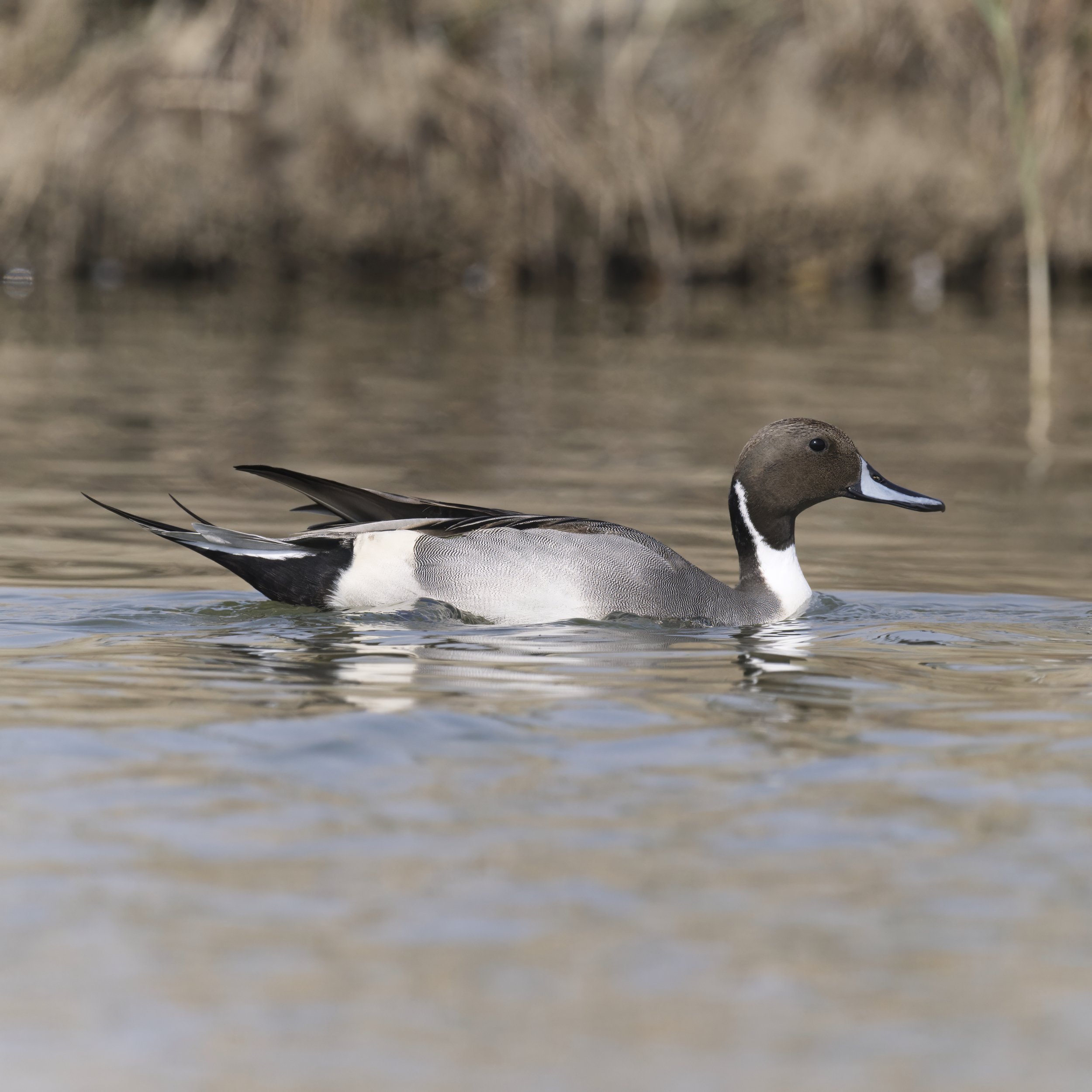
Northern Pintail (Anas acuta)