

Why do birds have different beak shapes?
Bird beaks are among the most remarkable examples of adaptation in the natural world. Every shape has evolved to help birds survive, whether by tearing flesh, probing deep into mud, cracking hard seeds, catching insects in flight, or filtering tiny organisms from water. By understanding bird beak shapes and their functions, birdwatchers can often predict how a species feeds, where it lives, and even identify it before recognizing its plumage.
Every example in this guide is illustrated using birds photographed in the wild in the United Arab Emirates, demonstrating how different beak adaptations allow species to occupy unique ecological niches.
Explore the full list of bird species documented in the UAE here
| Beak Type | Beak Function | Example Species. |
|---|---|---|
| Hooked | Tearing flesh | Steppe Eagle |
| Probing | Feeding in mud | Eurasian Curlew |
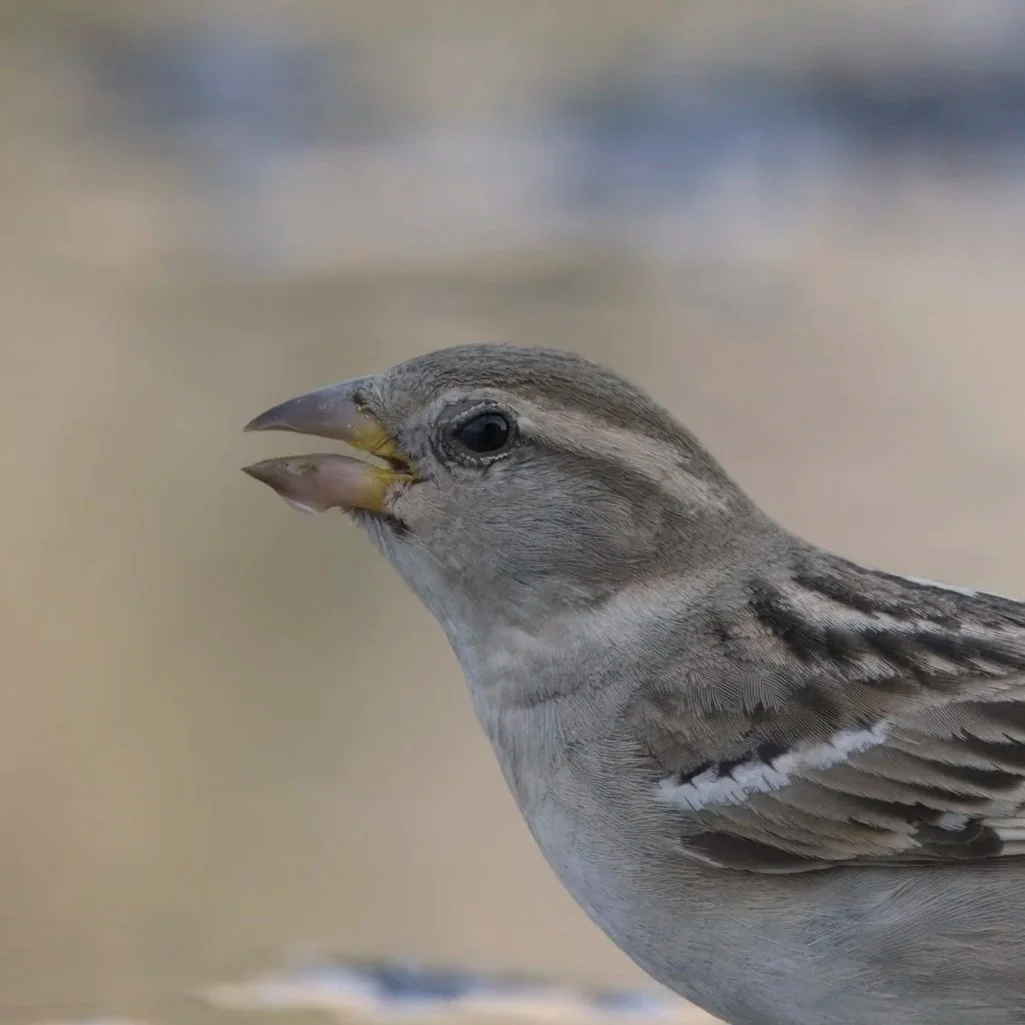
| Seed-crushing | Breaking seeds | House Sparrow |
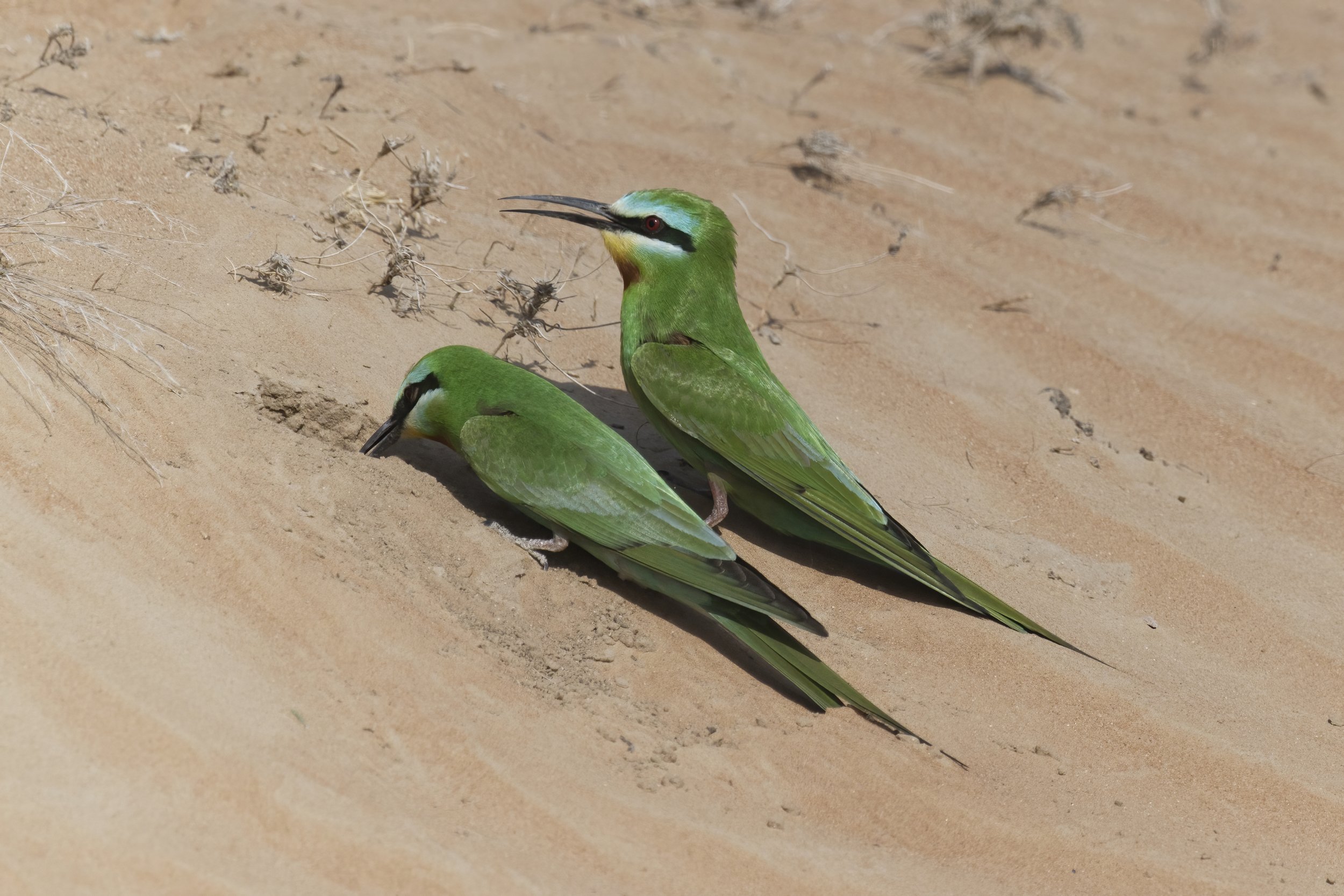
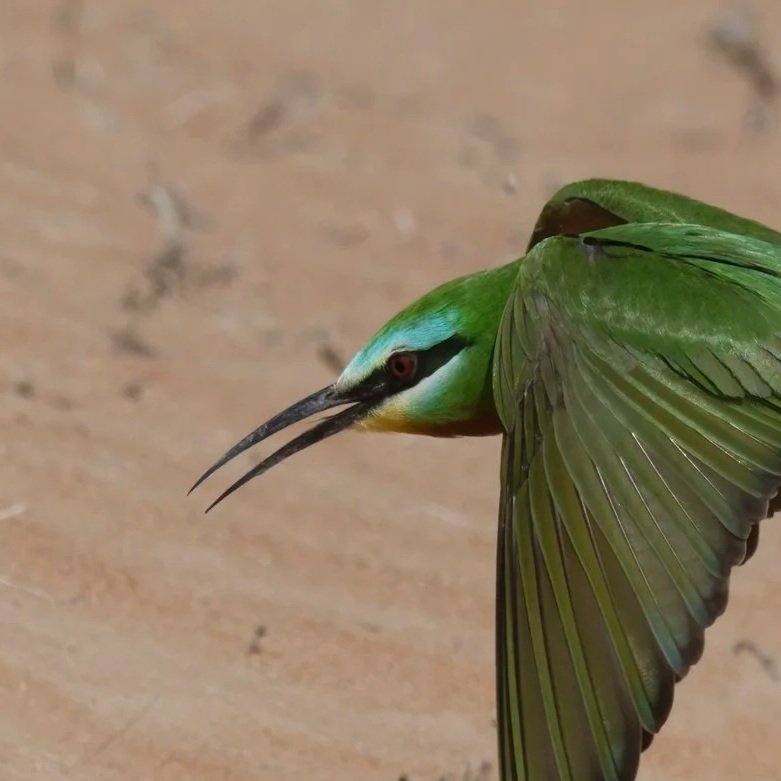
| Insect-catching | Capturing insects | Blue-cheeked Bee-eater |
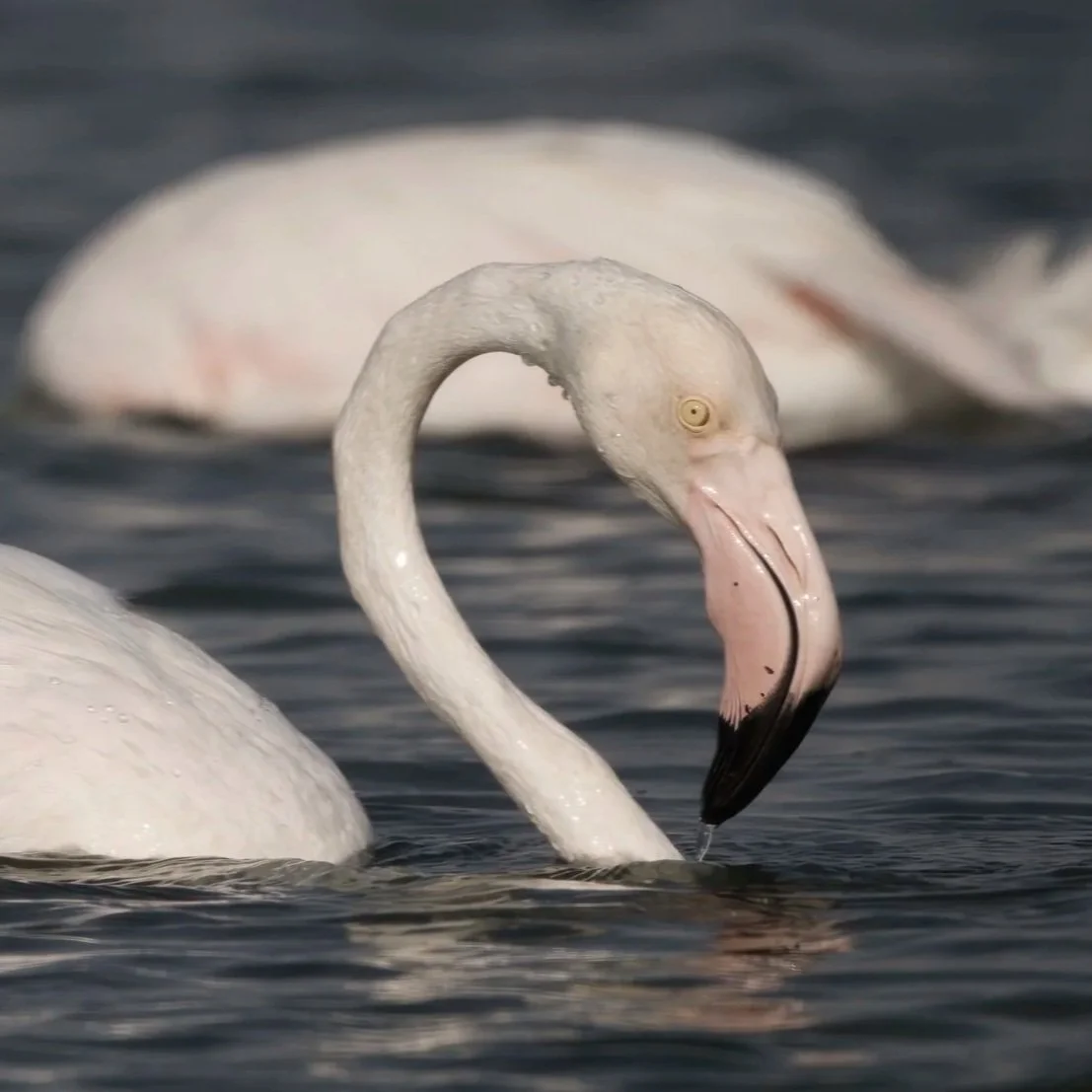
| Filter-feeding | Straining water | Flamingo |
| Generalist | Flexible diet | House Crow |
Why Do Birds Have Different Beak Shapes?
Bird beaks evolved over millions of years through natural selection. As birds adapted to different habitats and food sources, their beaks gradually changed to improve feeding efficiency and survival. A bird that feeds on fish requires a very different tool from one that cracks seeds or probes deep into mud for worms.
Although diet is the primary driver of beak shape, beaks are also used for grooming, nest building, courtship displays, carrying nesting material, and defending territory. A bird's beak is therefore one of its most versatile tools, reflecting both its lifestyle and ecological role.
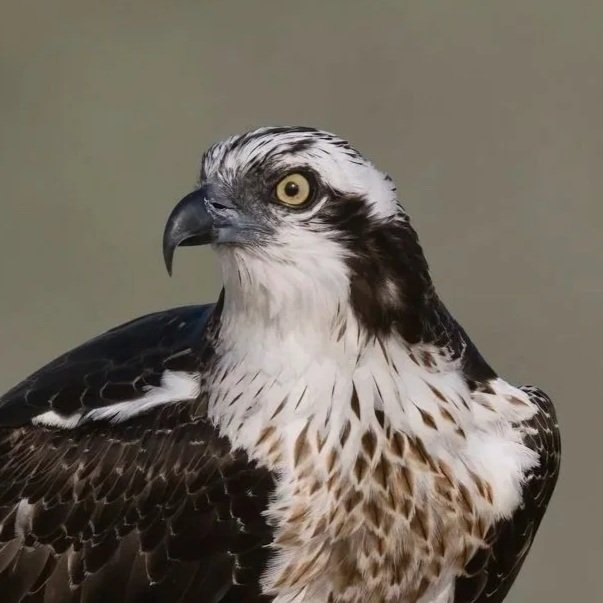
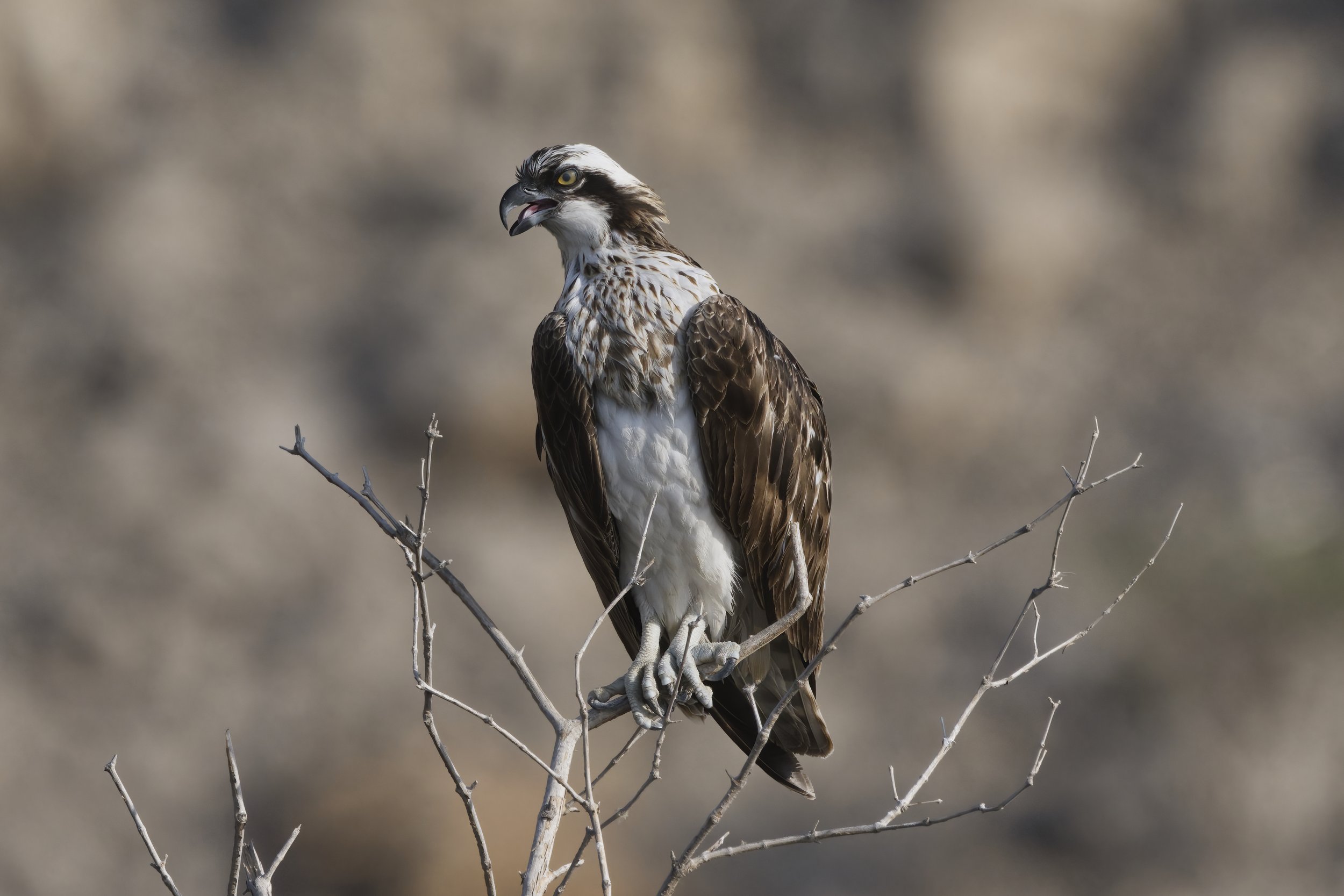
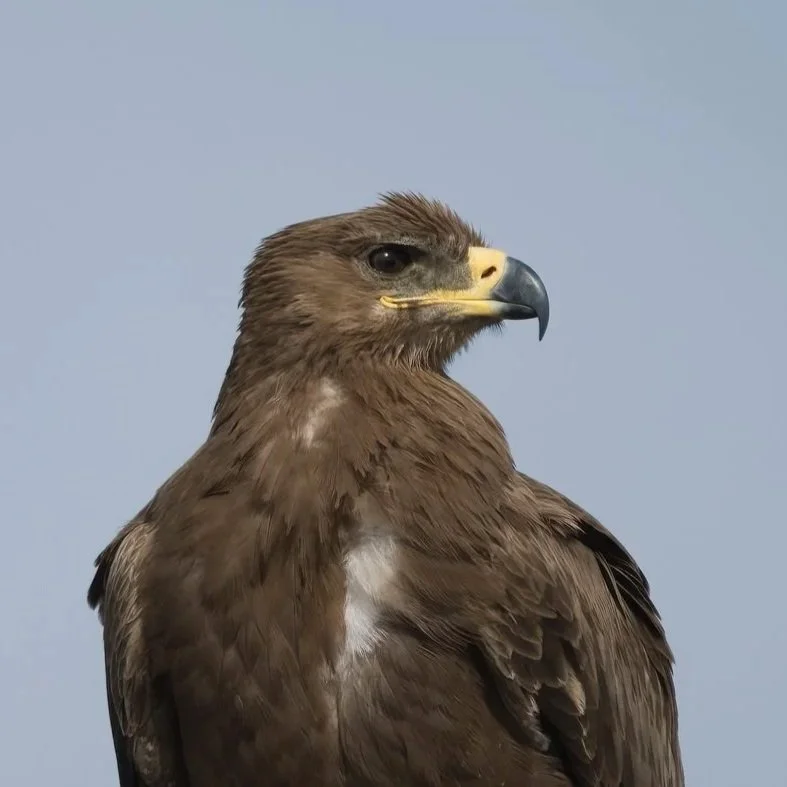
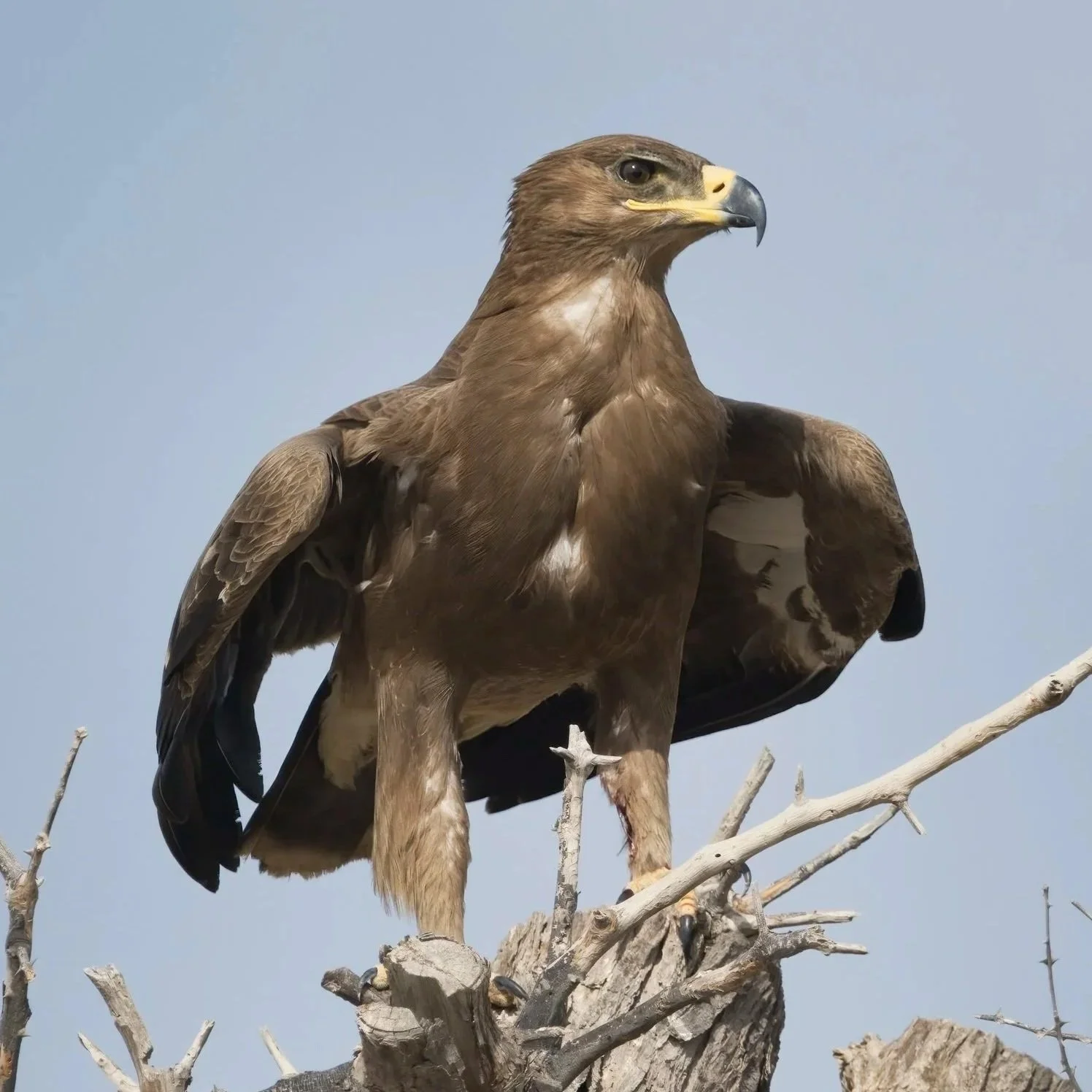
1- Hooked Beaks (Raptors)
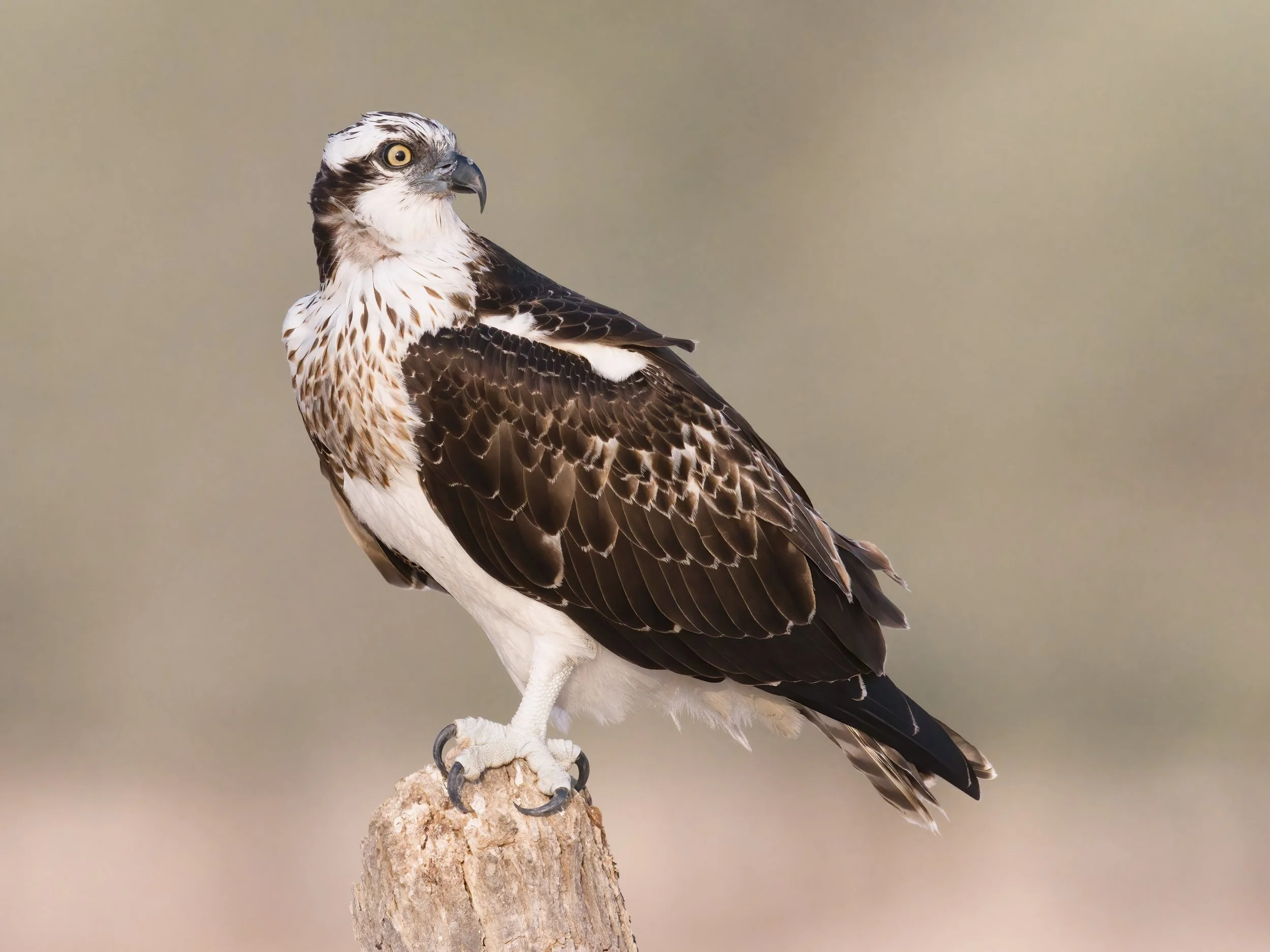
Hooked beaks are built for power. Strong, sharp, and curved, they allow birds of prey to tear flesh efficiently.
While both species share this adaptation, their feeding strategies differ. The Steppe Eagle often feeds on carrion or hunts on land, while the Osprey is highly specialized, feeding almost exclusively on fish.
From field observation, large raptors often tolerate presence better than smaller birds, allowing longer and more stable behavioral observation without causing disturbance.
Related Species:
Common Buzzard, Western Marsh Harrier, Egyptian Vulture, Common Kestrel, Black-winged Kite
2- Probing Beaks (Waders & Shorebirds)
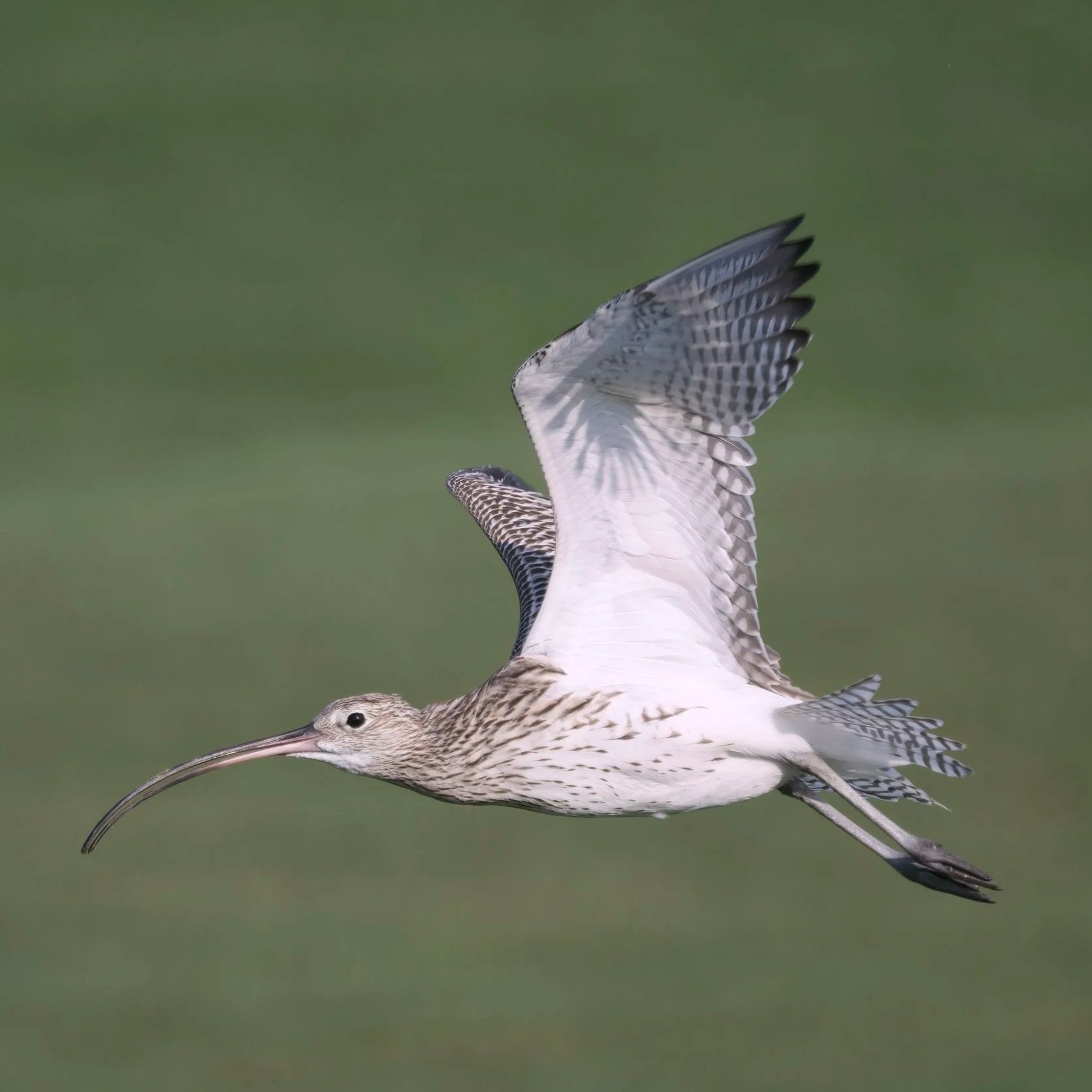
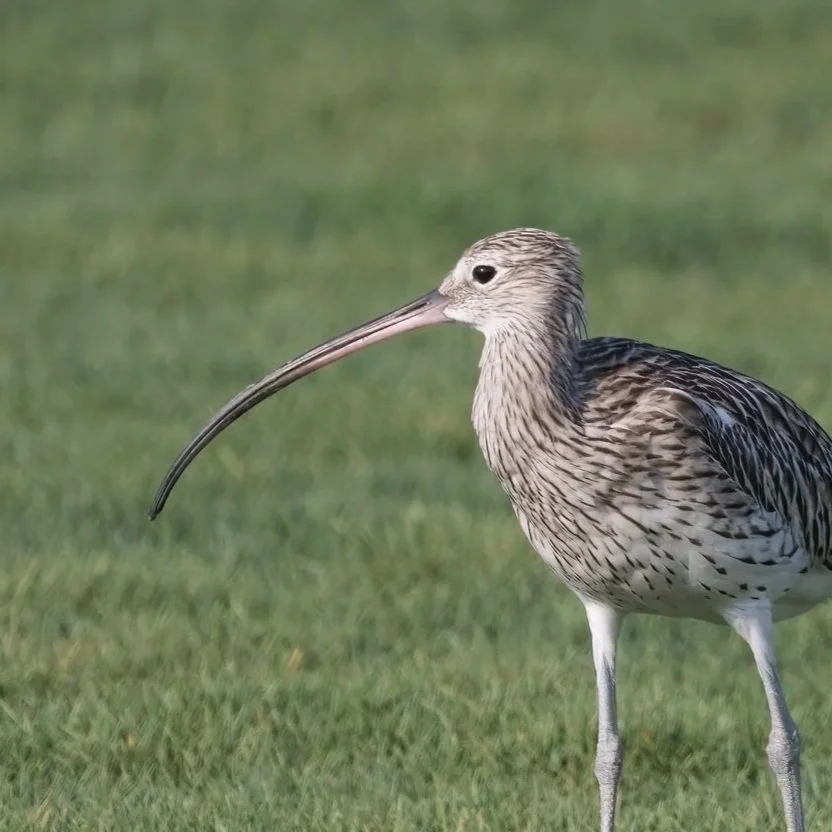
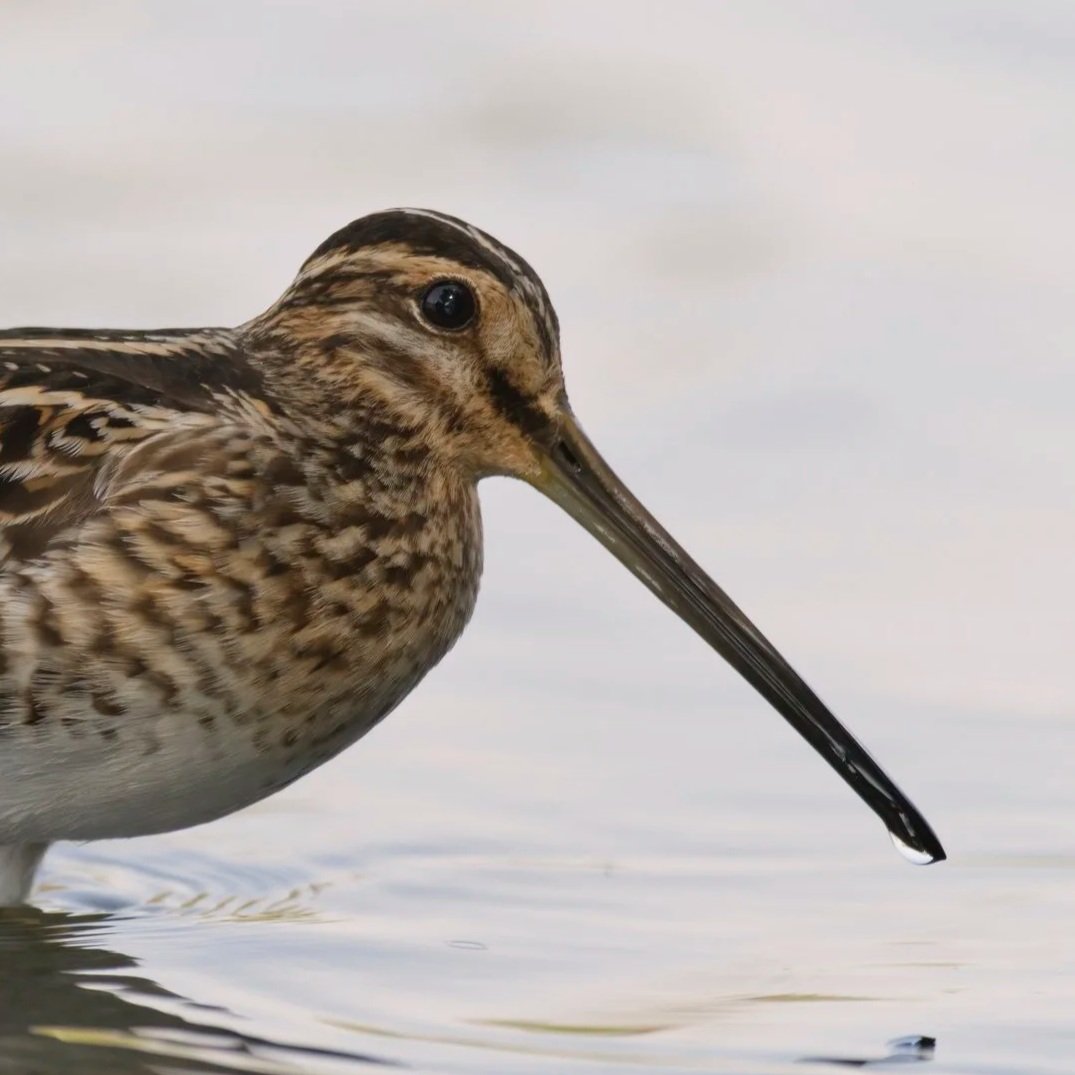
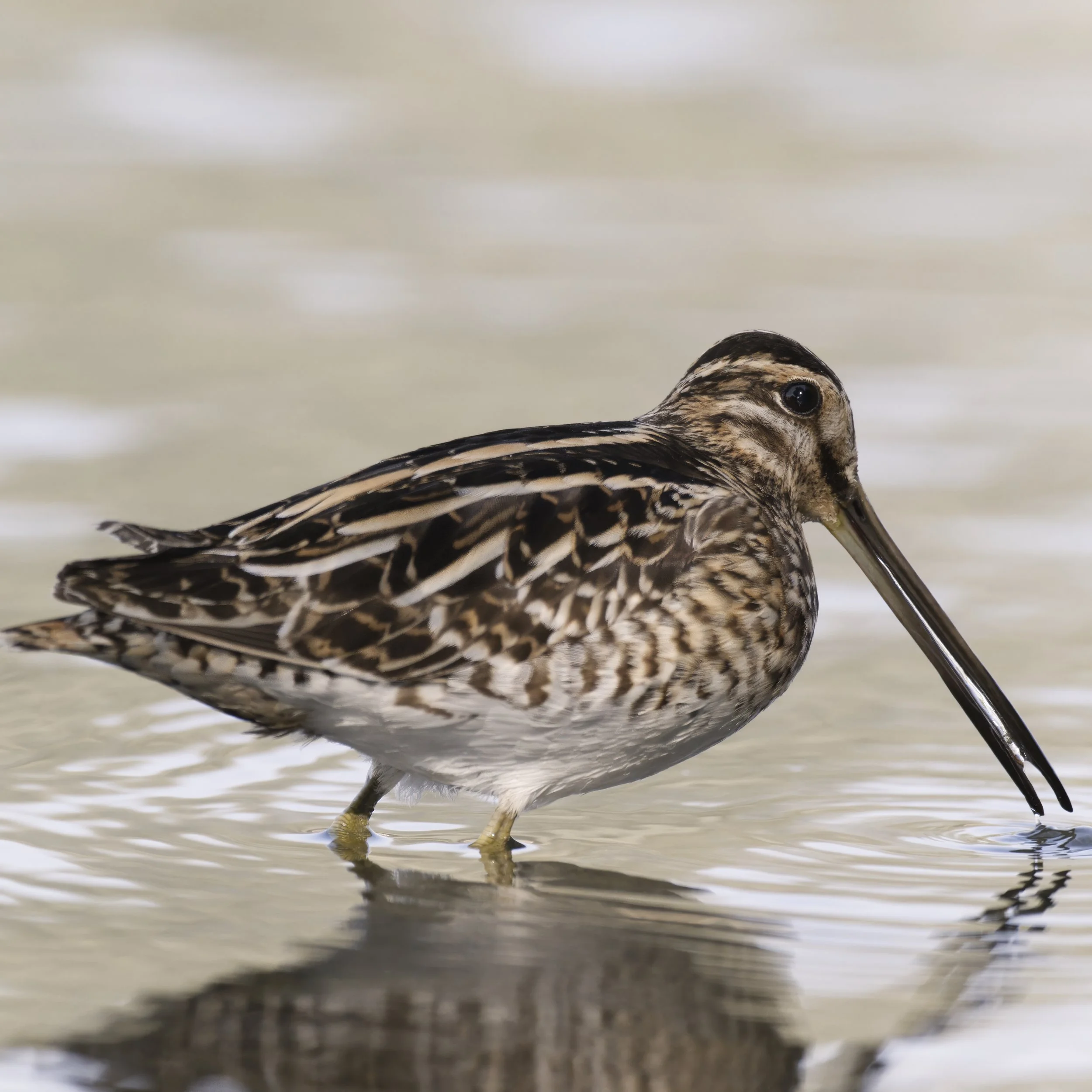
These elongated beaks are designed for probing into mud and sand in search of hidden prey.
The Eurasian Curlew, with its long curved beak, reaches deeper layers, while the Common Snipe relies on a shorter but highly sensitive beak capable of detecting prey through touch.
This difference allows multiple species to feed in the same habitat without direct competition — each accessing a different “layer” of the environment.
Related Species:
3- Seed-Crushing Beaks (Granivores)
Short, thick, and powerful, these beaks are perfectly adapted for cracking seeds — a key food source in arid environments.
In desert and semi-desert regions, where insects and water can be limited, seed availability becomes critical. These birds are highly adapted to exploit this resource efficiently.
Seed-crushing beaks may appear simple, but they are among the most powerful tools relative to size, allowing birds to exploit one of the most reliable food sources in arid environments.

Related Species:
4- Insect-Catching Beaks (Slim & Pointed)
Slim, pointed beaks allow precision when capturing small, fast-moving prey.
However, feeding strategies vary significantly. The Blue-cheeked Bee-eater captures insects mid-air with remarkable accuracy, while the White Wagtail hunts on the ground, picking insects with quick, controlled movements.
Even within the same category, behavior shapes how the beak is used.
Related Species:
Isabelline Wheatear, Northern Wheatear, Red-backed Shrike, Delicate Prinia, Arabian Green Bee-eater
5- Filter-Feeding Beaks (Specialized)
These are among the most specialized beaks in the bird world.
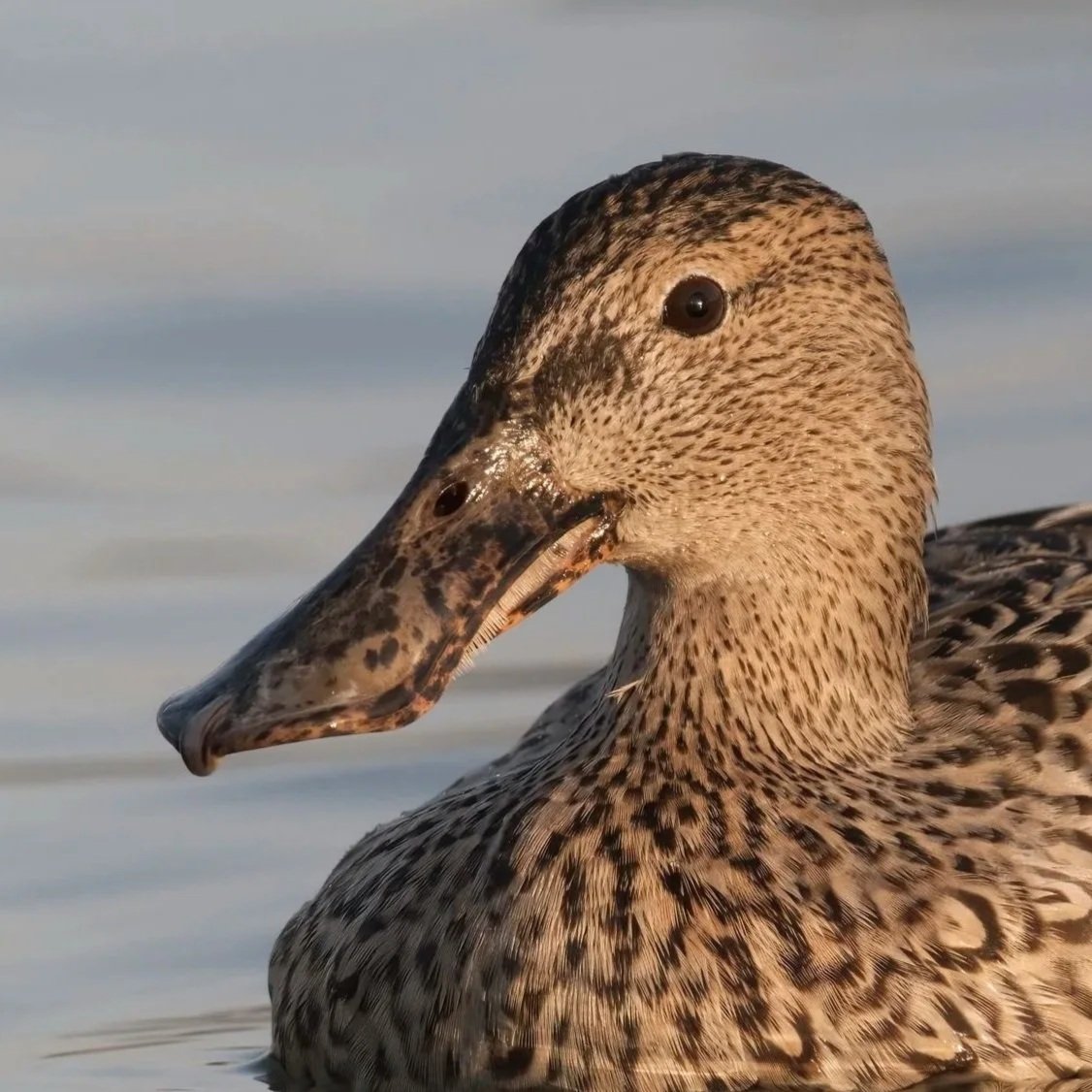
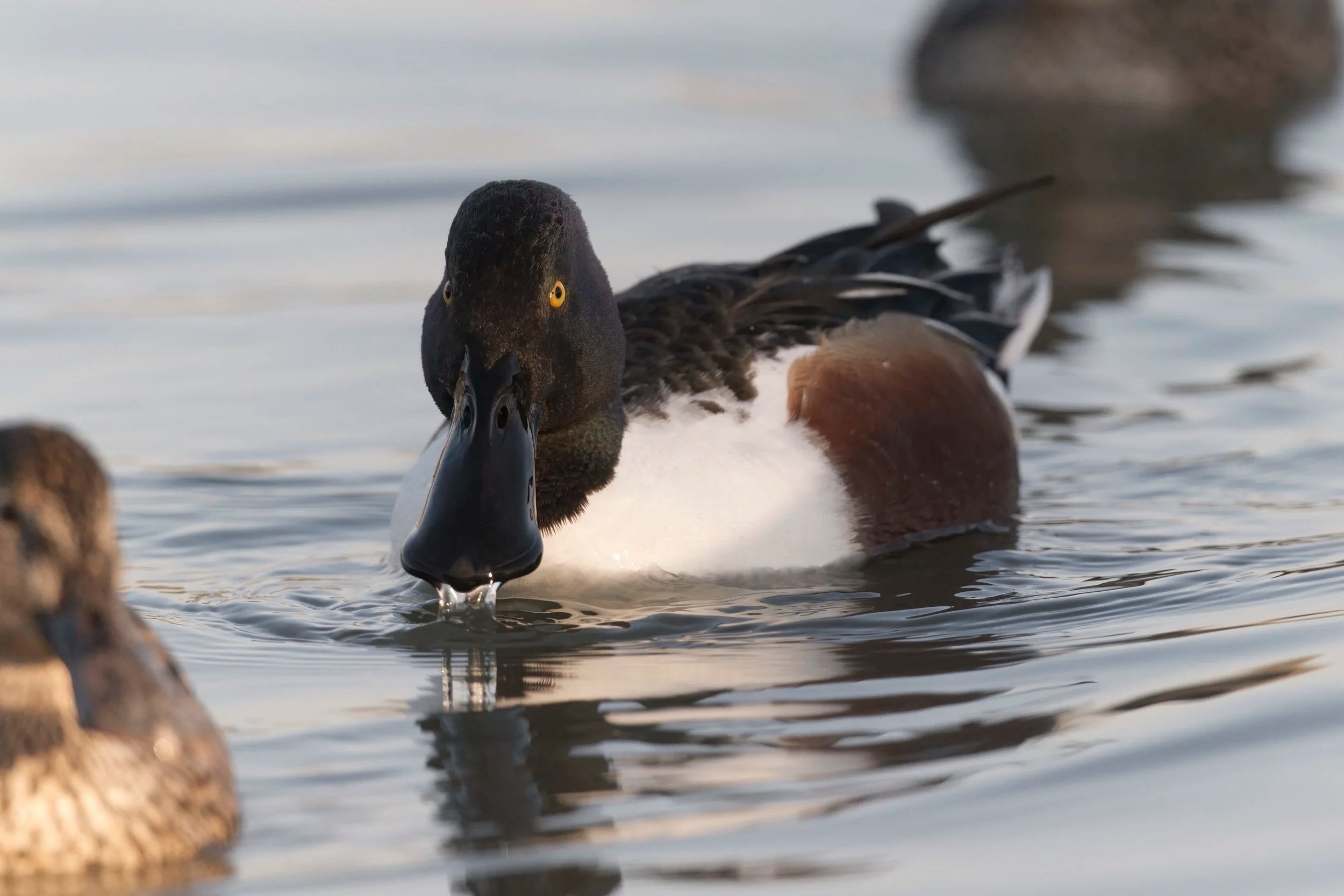
Flamingos feed upside down, filtering tiny organisms from the water using fine structures inside their beaks. Northern Shovelers use a wide, spoon-shaped beak with filtering edges to strain food from shallow water.
This adaptation allows them to exploit food sources unavailable to most other species.

Related Species:
Eurasian Teal, Mallard, Ferruginous Duck, Black-winged Stilt
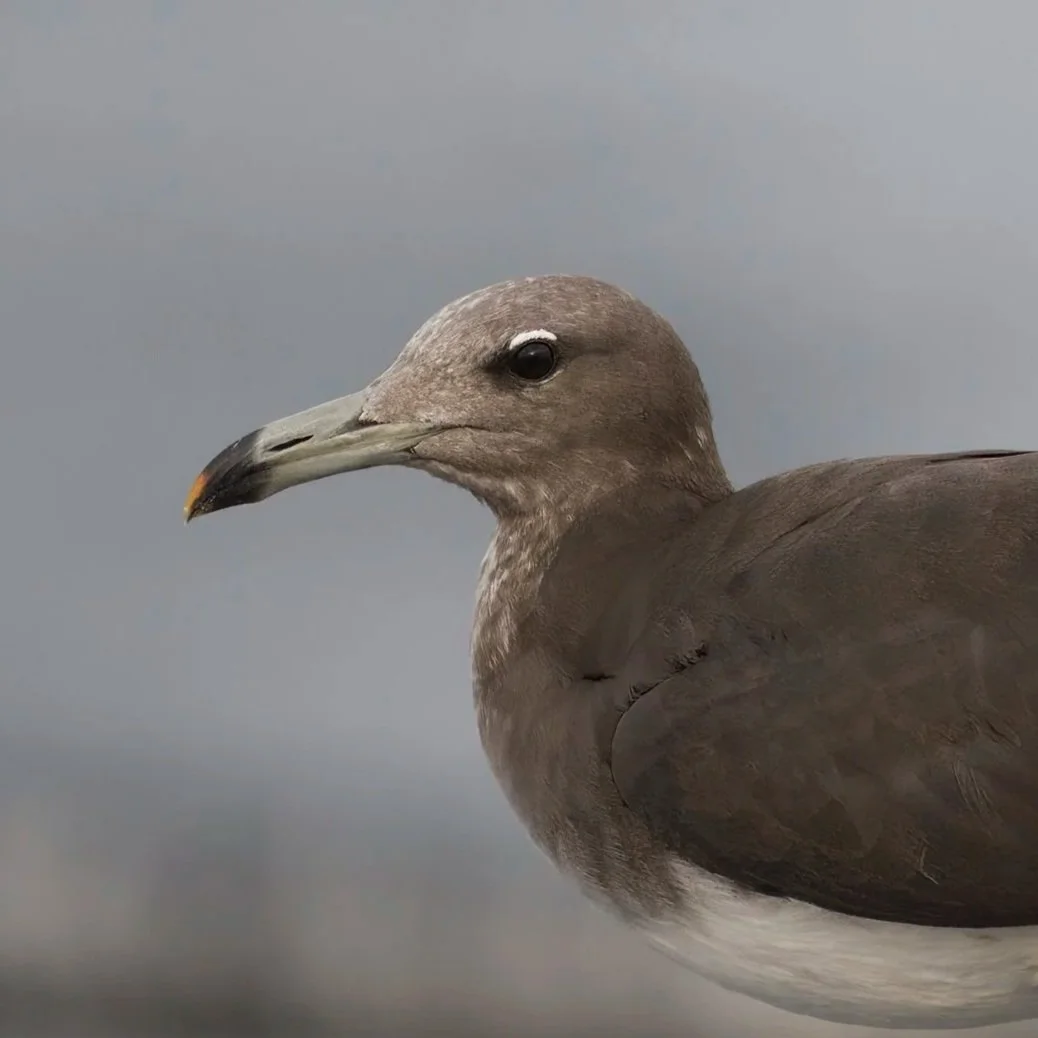
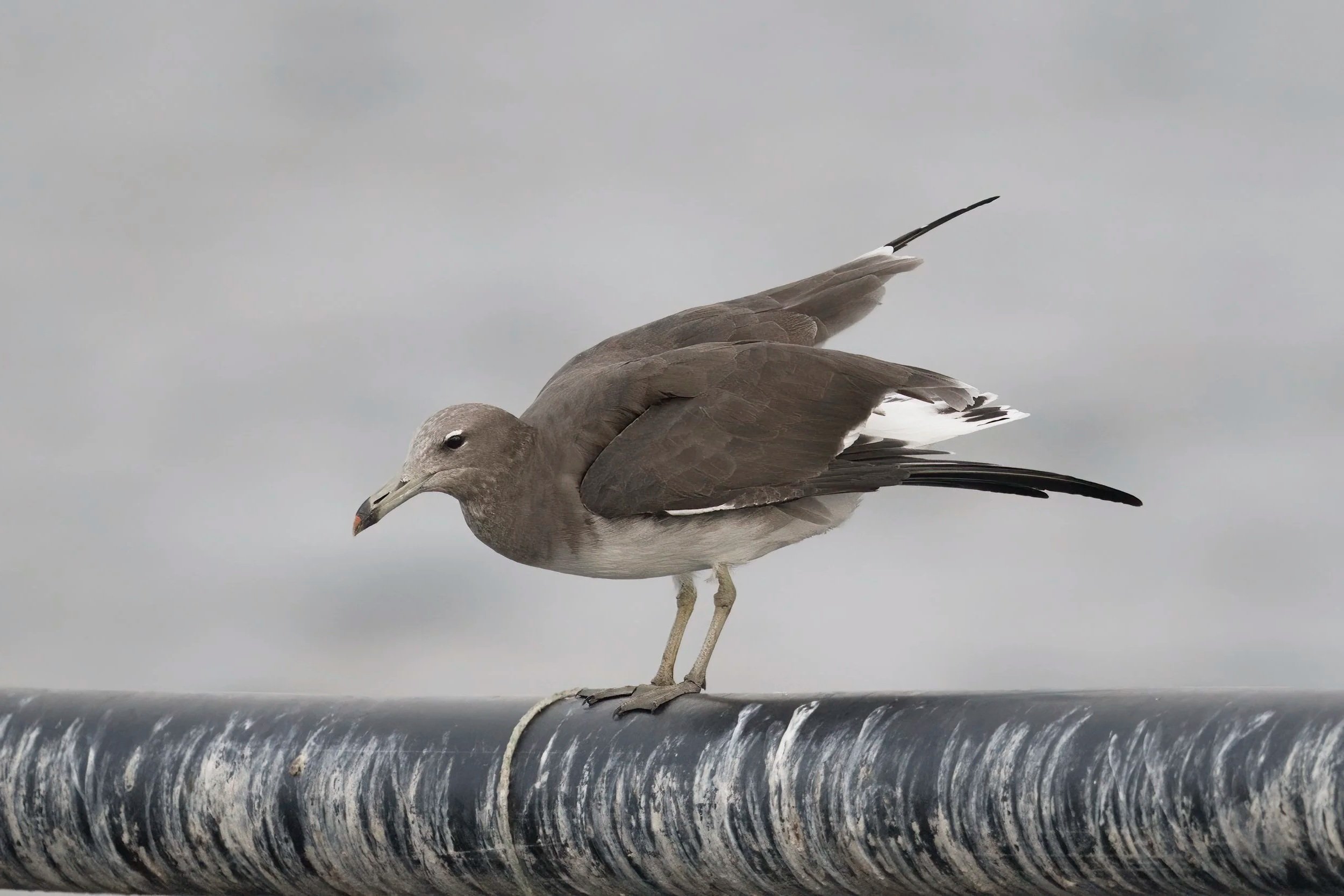
6- Generalist Beaks (Opportunistic Feeders)
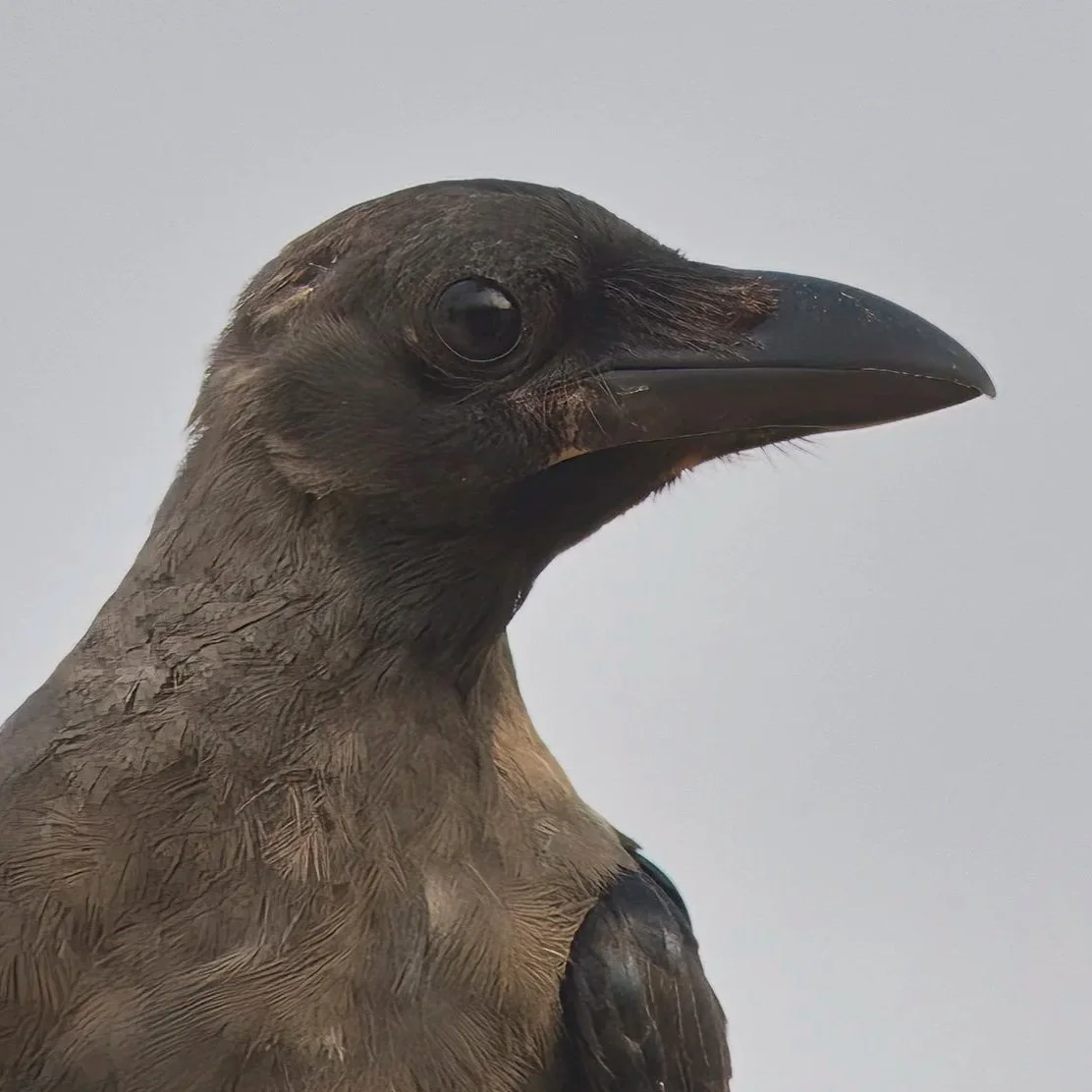
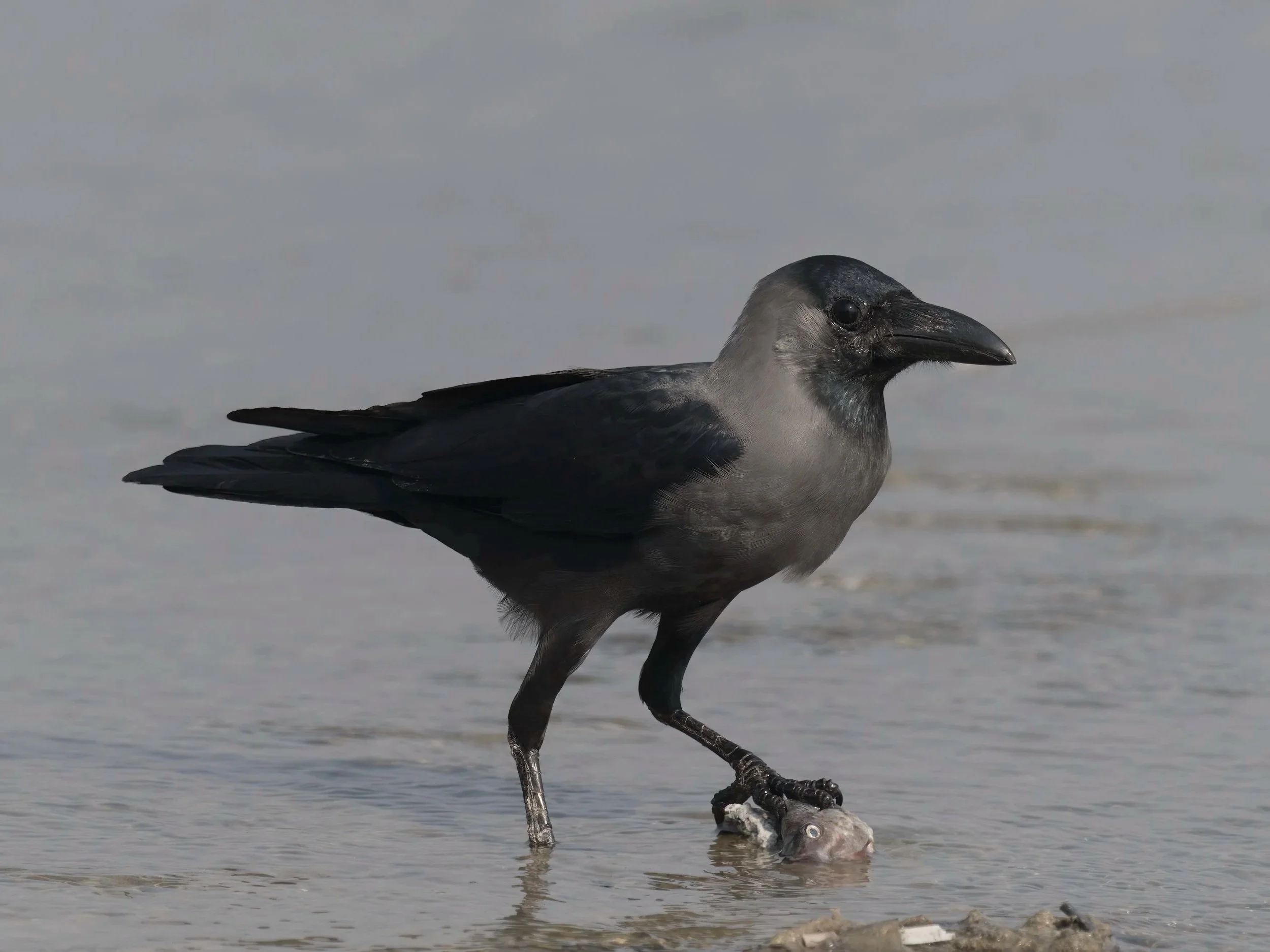
Generalist beaks are not highly specialized but highly versatile.
These birds can feed on a wide range of food sources — from insects and fish to human waste. This flexibility allows them to thrive in changing environments, including urban areas.
Related Species:
Common Myna, Common Starling, Slender-billed Gull, Grey Heron, Little Egret
Can You Identify a Bird by Its Beak?
In many cases, yes.
Experienced birdwatchers often look at the beak before any other feature. Beak shape provides valuable clues about a bird's diet, feeding behaviour, and preferred habitat. A long probing bill immediately suggests a shorebird searching for invertebrates, while a strongly hooked beak almost always indicates a bird of prey.
Although beak shape alone is rarely enough to identify every species, it is often the fastest way to narrow down the possibilities before considering plumage, size, behaviour, and habitat.
In the end, a bird’s beak is more than a tool — it is a story of adaptation, survival, and evolution written in shape and function.
Frequently Asked Questions
-
Different bird species have evolved different beak shapes to match their diet, feeding behaviour, and habitat. Each beak functions as a specialised tool that helps the bird obtain food more efficiently and survive within its ecological niche.
-
Often, yes. A bird's beak provides valuable clues about its feeding habits and lifestyle. While additional features such as plumage and behaviour are usually needed for a final identification, beak shape is often the first characteristic experienced birdwatchers examine.
-
A bird's beak contains a lightweight bony core covered by a tough layer of keratin—the same protein found in human fingernails. This combination provides both strength and durability.
-
Yes. Like fingernails, the keratin covering of a bird's beak grows continuously. Normal feeding, climbing, and other daily activities naturally wear the beak down, helping maintain its shape.
-
Many birds possess highly specialised beaks, but flamingos are among the most remarkable. Their unique filtering system allows them to extract tiny food particles from shallow water, a feeding strategy shared by very few bird species.







Before building a website, the most important step is understanding what the website needs to do.
This consultancy phase is designed for wildlife photographers, nature guides, conservation projects, outdoor brands, educators, and other nature-focused businesses that need a clear website direction before committing to a full build.
During this phase, we review your business, your goals, your content, your audience, and the type of website you want to create. We then prepare written website concept notes that outline the recommended direction, suggested page structure, core features, content approach, and whether the idea can be implemented using Squarespace.
If the concept is suitable for Squarespace, we may also provide a quotation for the next phase, including the website build, recommended plugins, third-party tools, and any technical requirements needed to make the website work properly.
If the concept requires functionality that is not suitable for Squarespace, we will explain the limitation clearly and may suggest alternative approaches where possible. If no suitable alternative is possible, the consultancy fee remains non-refundable because the paid deliverable is the professional review, assessment, and written concept documentation.
This service is paid in full before work begins.
Full terms, scope, timeline, delivery conditions, and refund policy are detailed in the Consultancy Terms of Reference (TOR). By adding this service to your cart and completing checkout, you confirm that you have read, understood, and agreed to the TOR.