

Dice Snake \ Natrix tessellata
(افعى النرد)
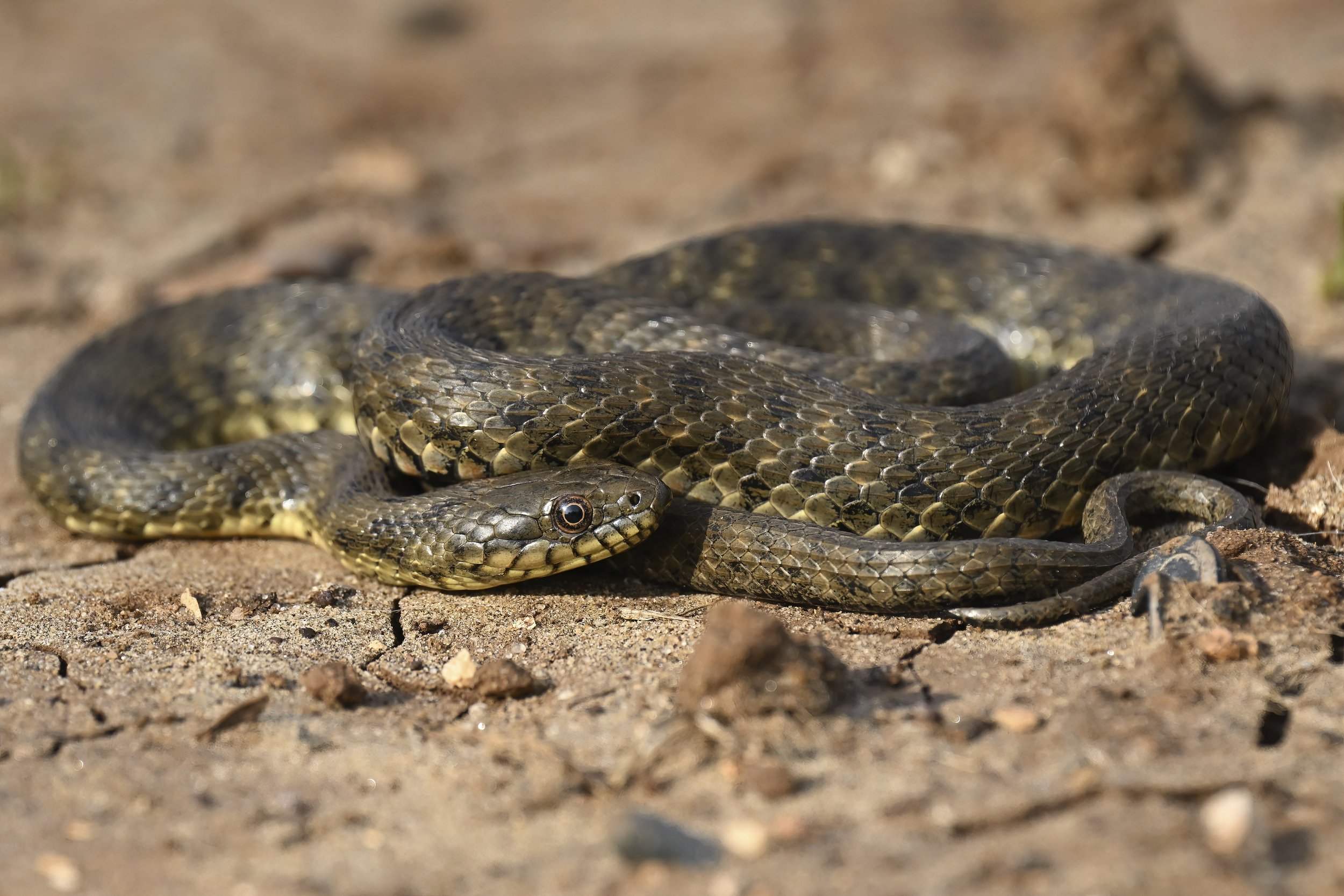
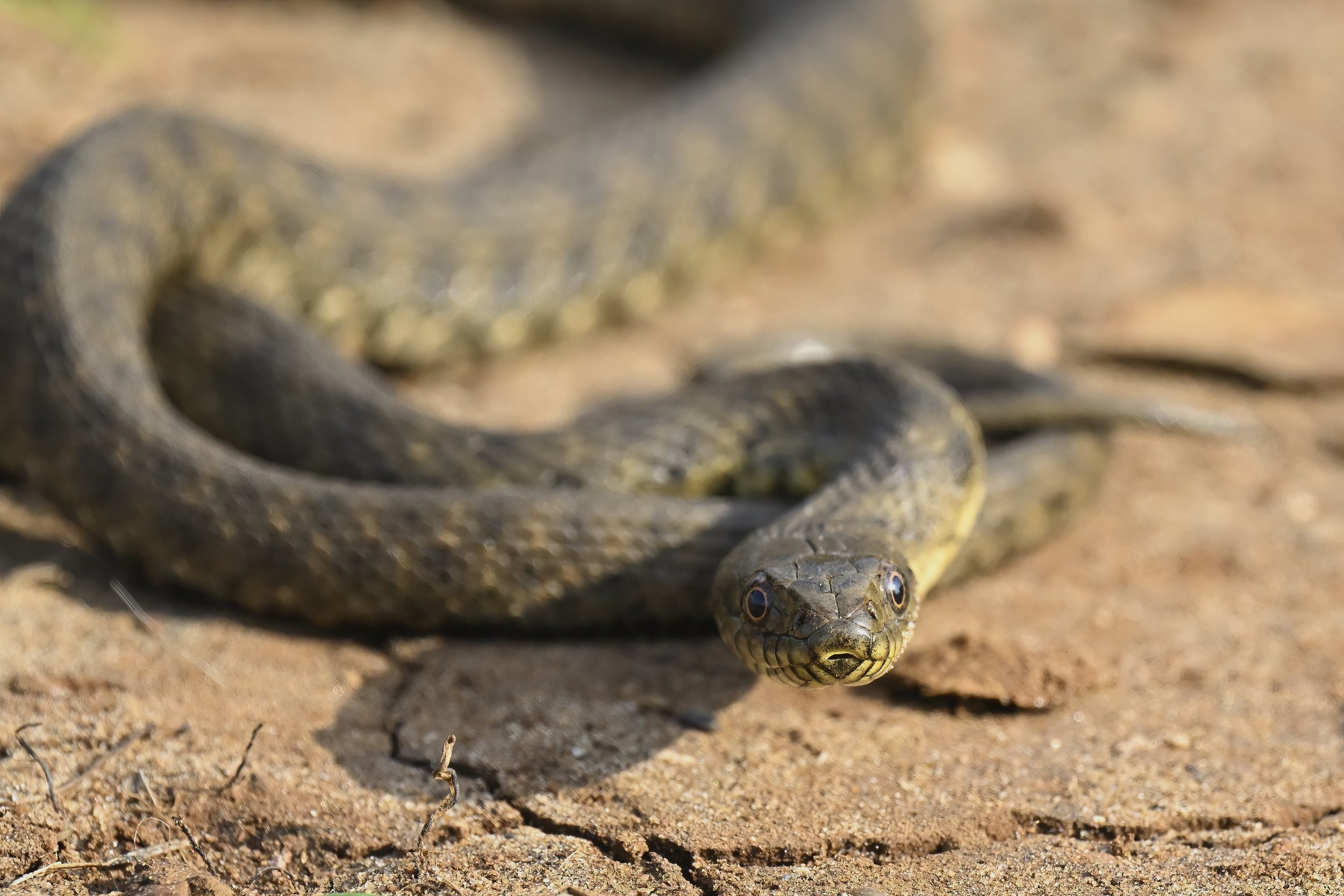
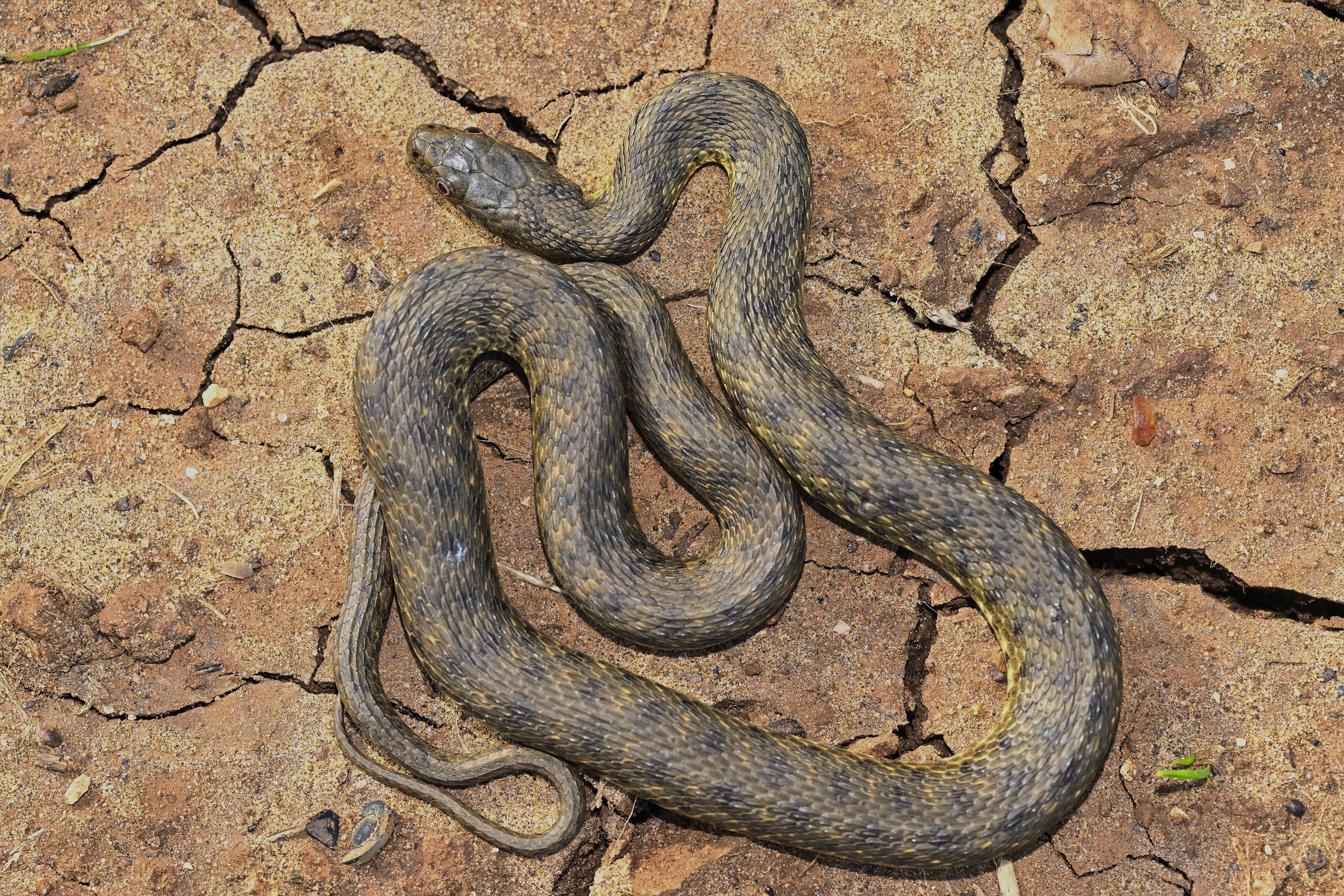
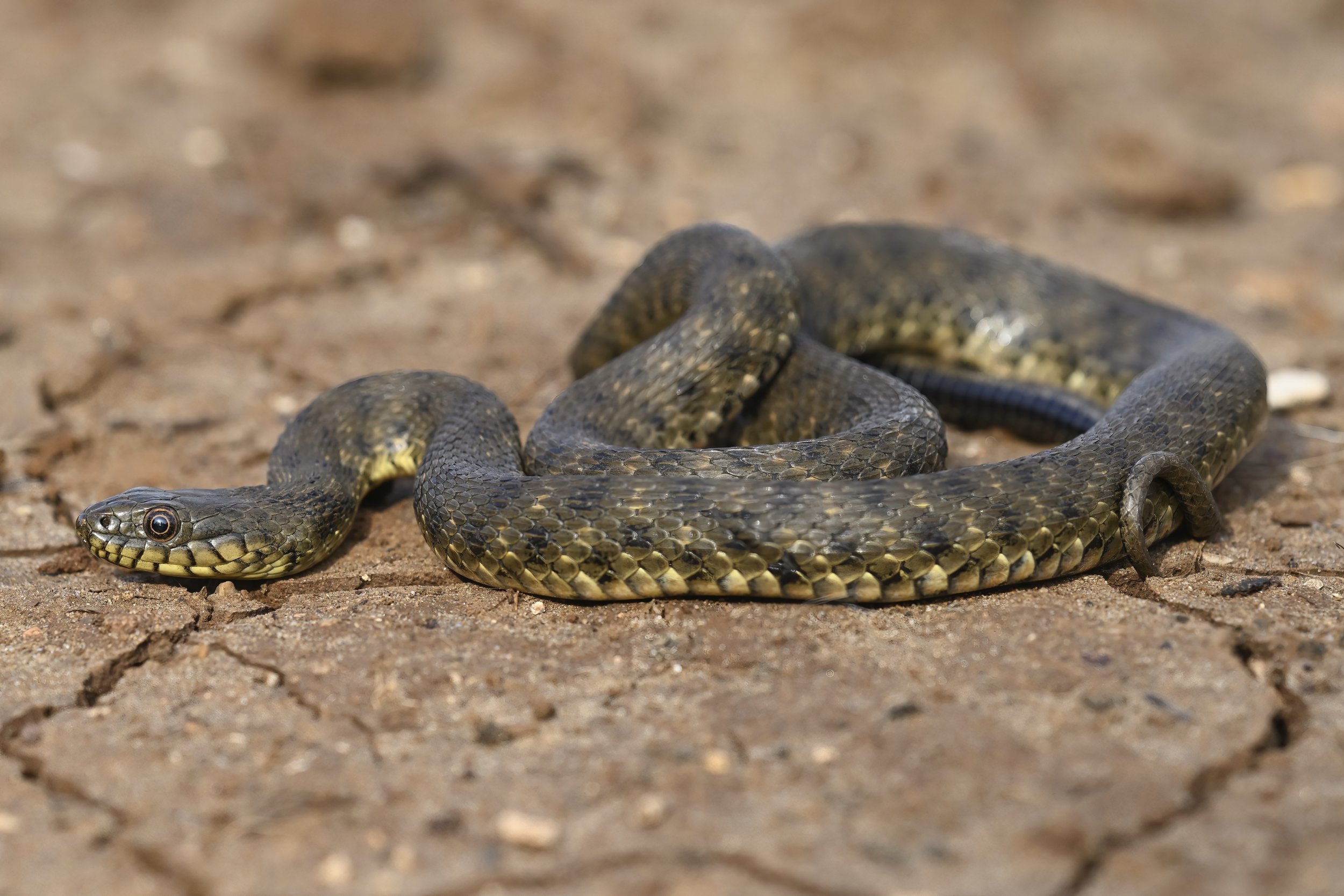
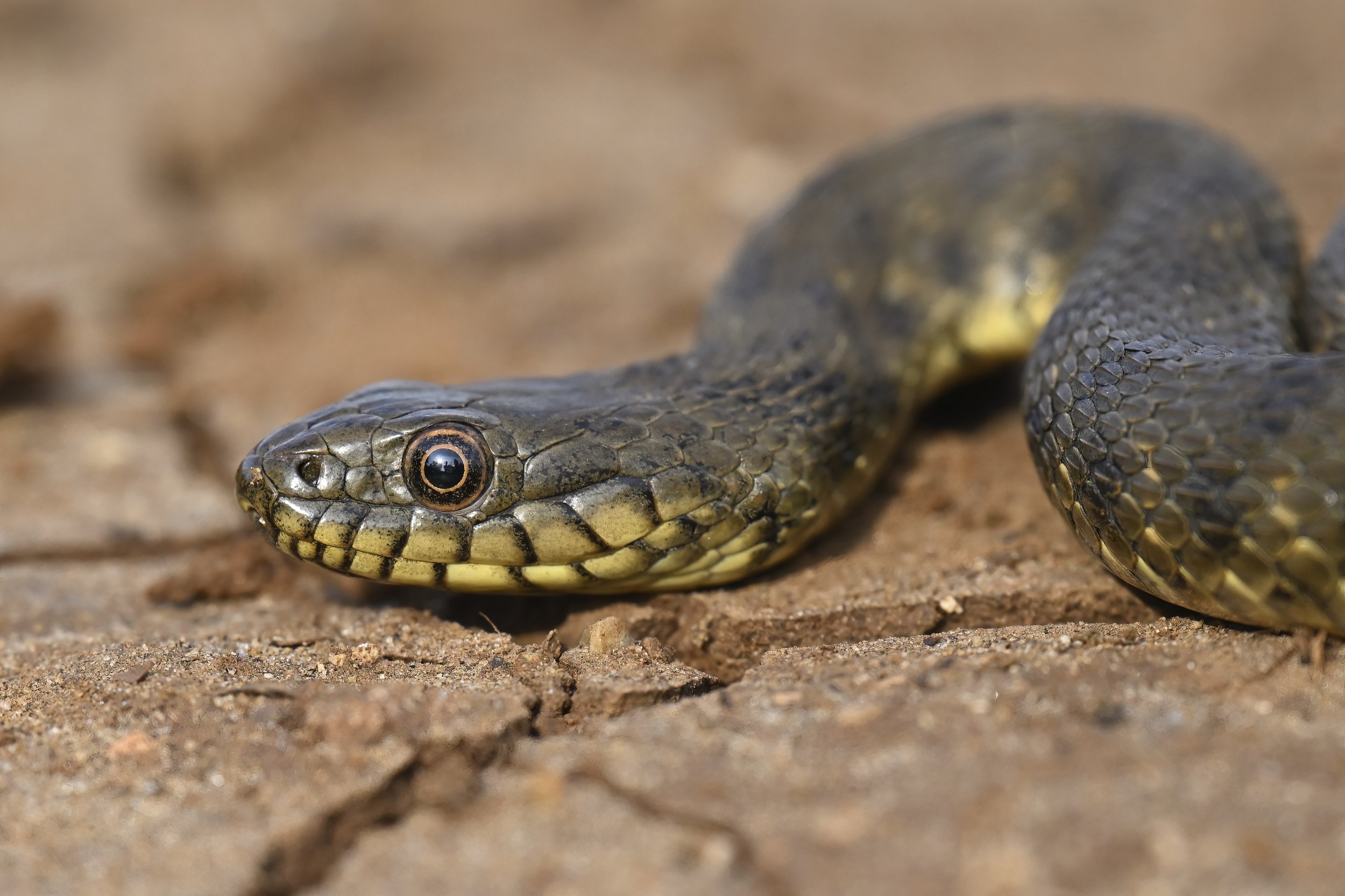
The Dice Snake (Natrix tessellata), also known as the European Dice Snake, is a captivating non-venomous serpent that graces the freshwater landscapes of Europe and parts of Asia. Characterized by its striking checkerboard or dice-like pattern on the dorsal side, these snakes typically measure between 50 to 100 centimeters in length, with females often being larger than males. Adapted to an aquatic lifestyle, Dice Snakes thrive in habitats such as lakes, ponds, and rivers, showcasing exceptional swimming skills. Their diet consists mainly of fish, amphibians, and aquatic invertebrates, and they are known for their calm disposition. During times of perceived threat, Dice Snakes may release a pungent liquid as a defense mechanism. Breeding in the spring, these oviparous reptiles lay their eggs in concealed locations, contributing to the rich biodiversity of their ecosystems. While not currently considered threatened, conservation efforts focus on preserving their aquatic habitats to ensure the continued well-being of these enchanting creatures.
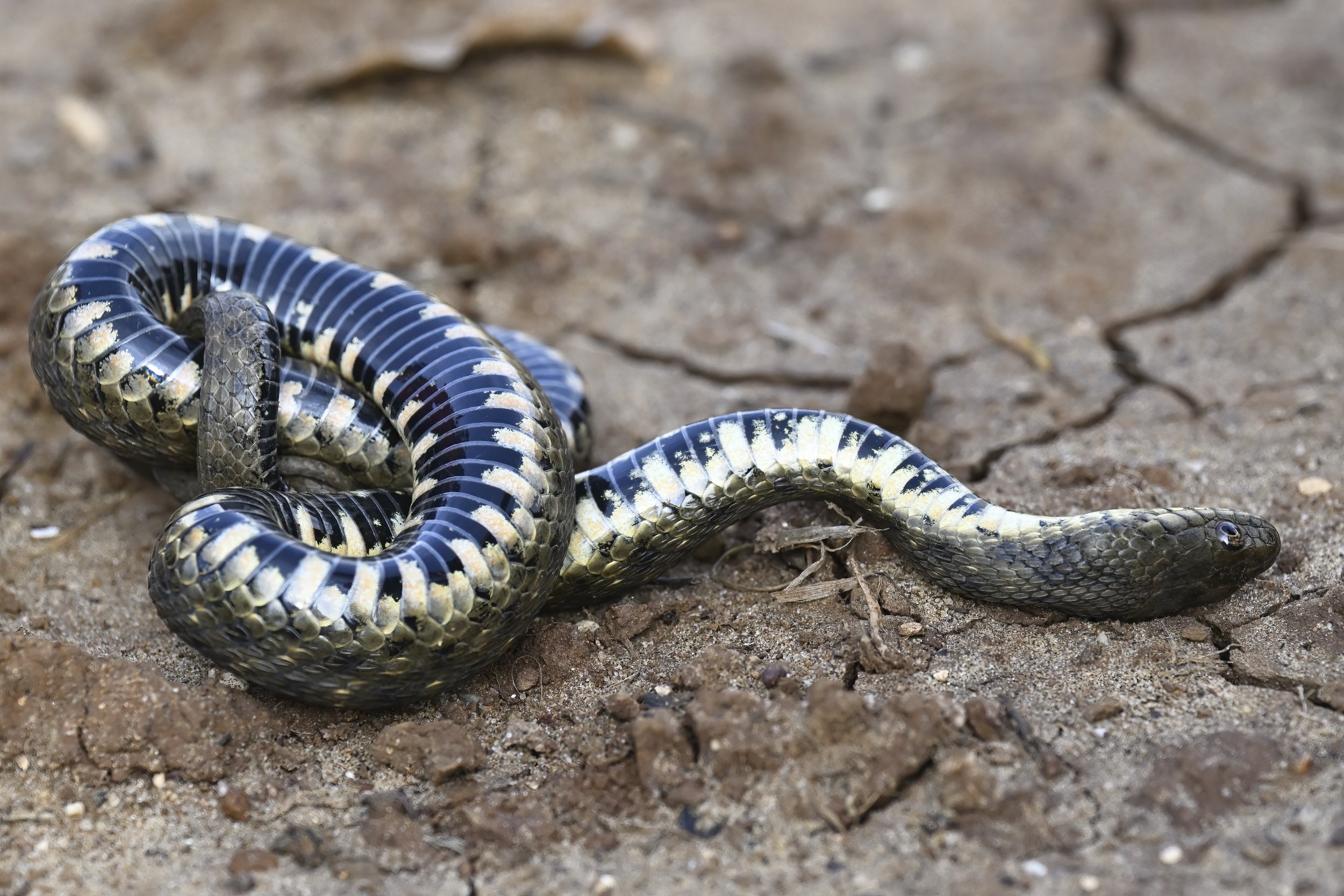
Playing Dead (Thanatosis): The behavior of playing dead, also known as thanatosis, is a defensive strategy employed by some animals to deter predators. When a dice snake feels threatened, it may go limp, turn upside down, and remain motionless, mimicking the appearance of a dead snake. This behavior can confuse predators, making them lose interest, as many predators prefer live prey.
Emitting a Foul Smell: In addition to playing dead, dice snakes have the ability to release a pungent and unpleasant odor. This defensive mechanism is similar to the behavior exhibited by some other snake species. The foul smell is believed to be a deterrent, aiming to repel potential threats by making the snake unappealing to predators.
ثعبان النَّرْد، المعروف أيضًا باسم ثعبان الماء، هو أفعى غير سامة لافتة تعيش في البيئات المائية العذبة في أوروبا وأجزاء من آسيا. ويتميّز بنقش واضح على ظهره يشبه رقعة الشطرنج أو أحجار النرد، ومن هنا جاءت تسميته. ويتراوح طوله عادة بين 50 و100 سم، وتكون الإناث غالبًا أكبر حجمًا من الذكور. وبفضل تكيفه الجيد مع الحياة المائية، يزدهر هذا الثعبان في موائل مثل البحيرات والبرك والأنهار، كما يُظهر مهارة عالية في السباحة. ويتكوّن غذاؤه أساسًا من الأسماك والبرمائيات واللافقاريات المائية، ويُعرف بطبعه الهادئ نسبيًا. وعندما يشعر بالخطر، قد يفرز سائلًا ذا رائحة قوية كوسيلة دفاع. ويتكاثر في فصل الربيع، وهو من الزواحف البيوضة التي تضع بيضها في أماكن مخفية، مما يساهم في إثراء التنوع الحيوي في الأنظمة البيئية التي يعيش فيها. ورغم أنه لا يُعد حاليًا من الأنواع المهددة، فإن جهود الحفاظ عليه تركز على حماية موائله المائية لضمان استمرار وجوده.
:التظاهر بالموت
يُعَدّ التظاهر بالموت، سلوكًا دفاعيًا تلجأ إليه بعض الحيوانات لردع المفترسات. فعندما يشعر ثعبان النرد بالتهديد، قد يُرخي جسده تمامًا، وينقلب على ظهره، ويبقى بلا حركة، فيبدو كأنه ميت. ويمكن لهذا السلوك أن يربك المفترس ويجعله يفقد اهتمامه، إذ إن كثيرًا من المفترسات تفضّل الفرائس الحية
:إطلاق رائحة كريهة
إضافة إلى التظاهر بالموت، يمتلك ثعبان النرد القدرة على إفراز رائحة نفاذة وغير مستحبة. وتُعَدّ هذه الآلية الدفاعية مشابهة لما تقوم به بعض أنواع الثعابين الأخرى، ويُعتقد أن الهدف منها هو تنفير التهديدات المحتملة وجعل الثعبان أقل جاذبية للمفترسات



Other Species
-
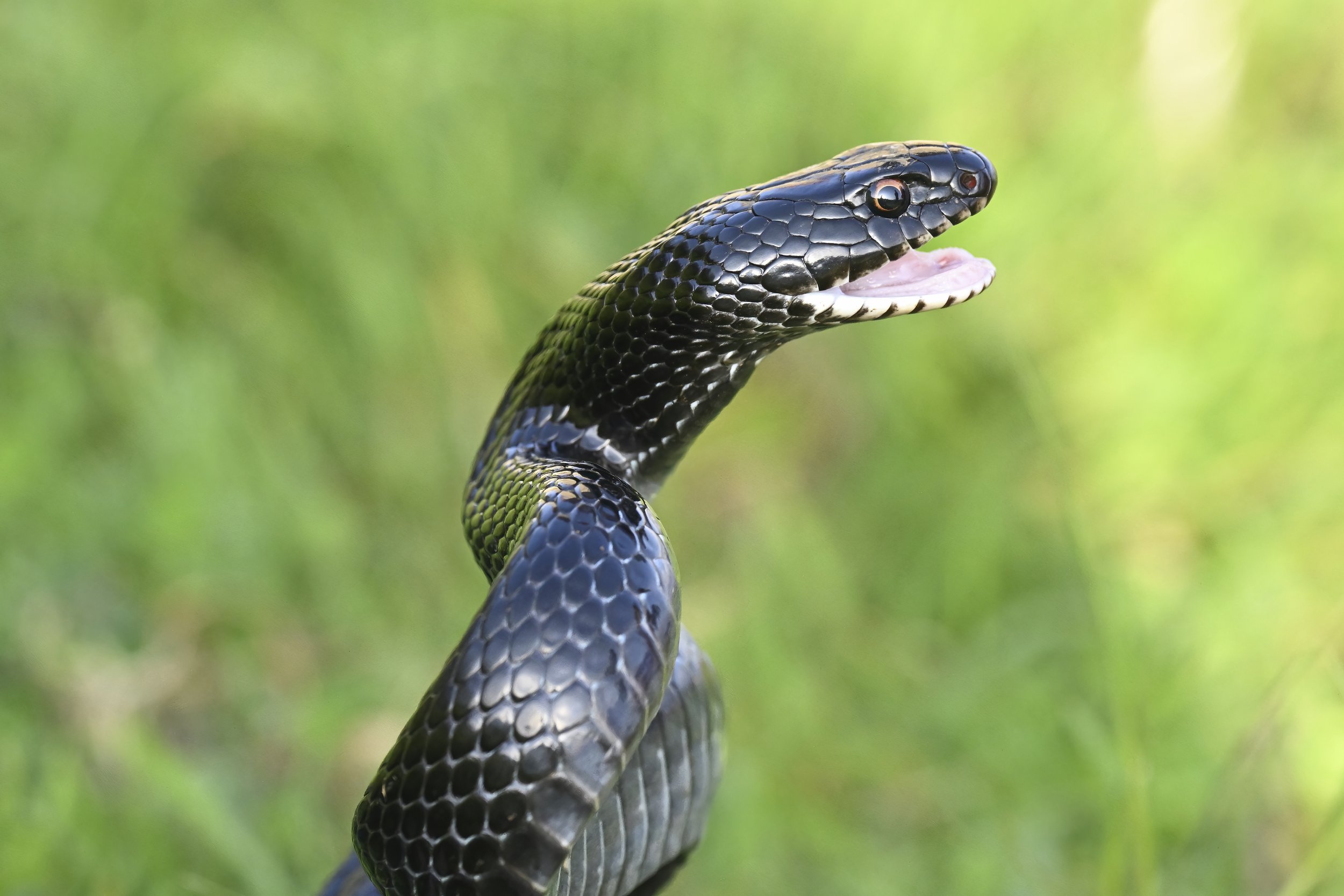
Large Whip Snake (Dolichophis jugularis)
-
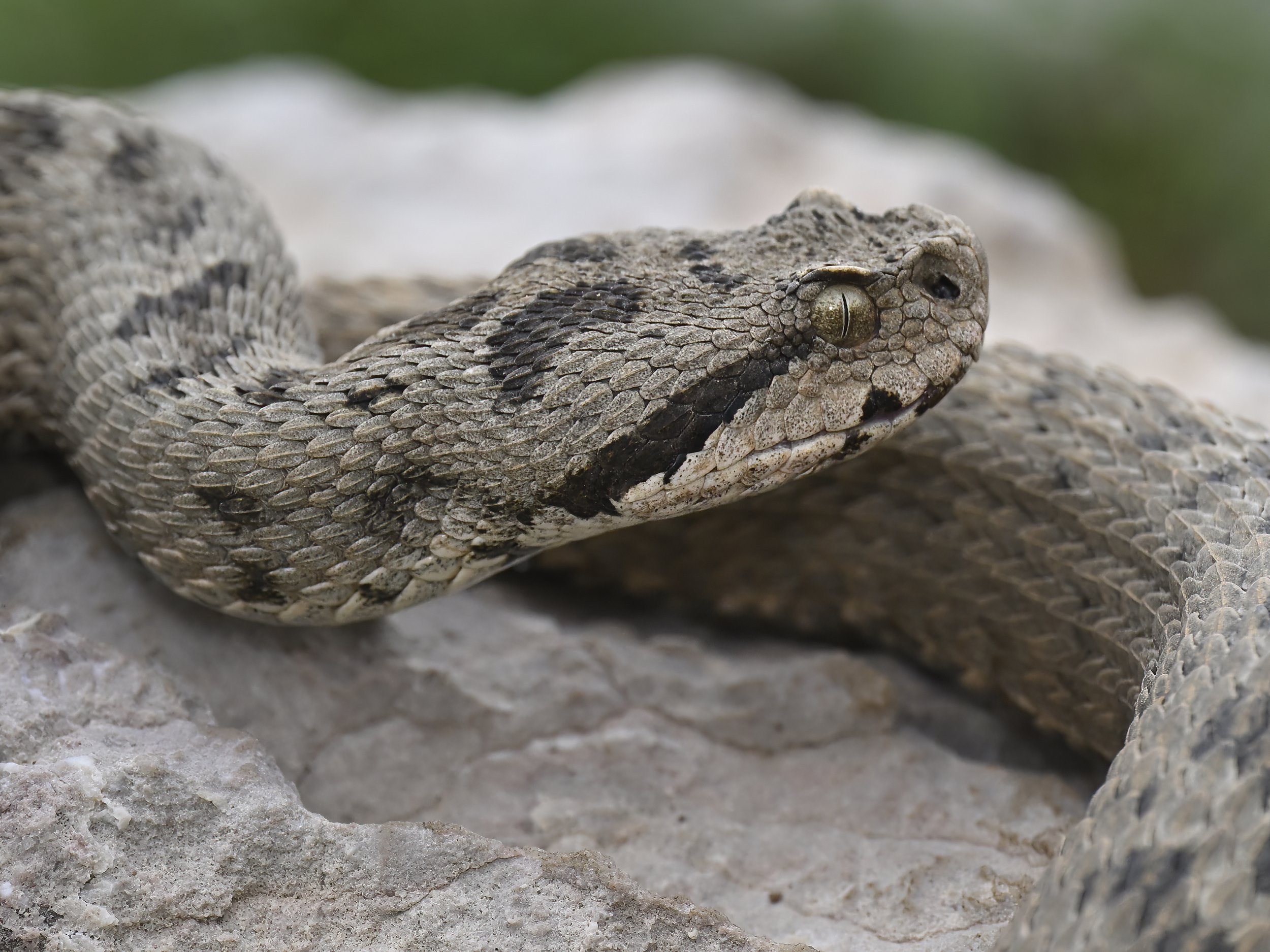
Lebanon Mountain Viper (Montivipera bornmuelleri)
-
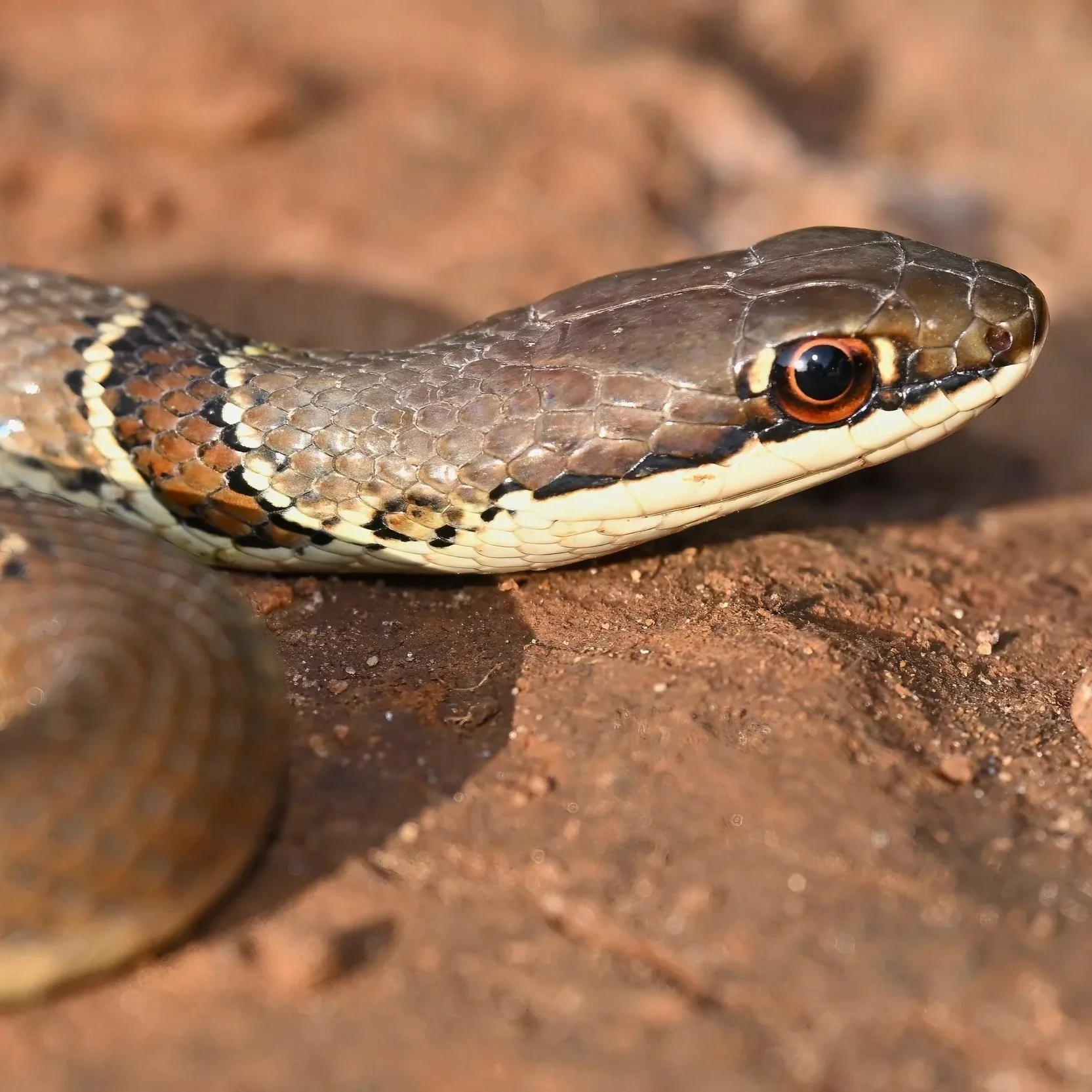
Red Whip Snake (Platyceps collaris)
-
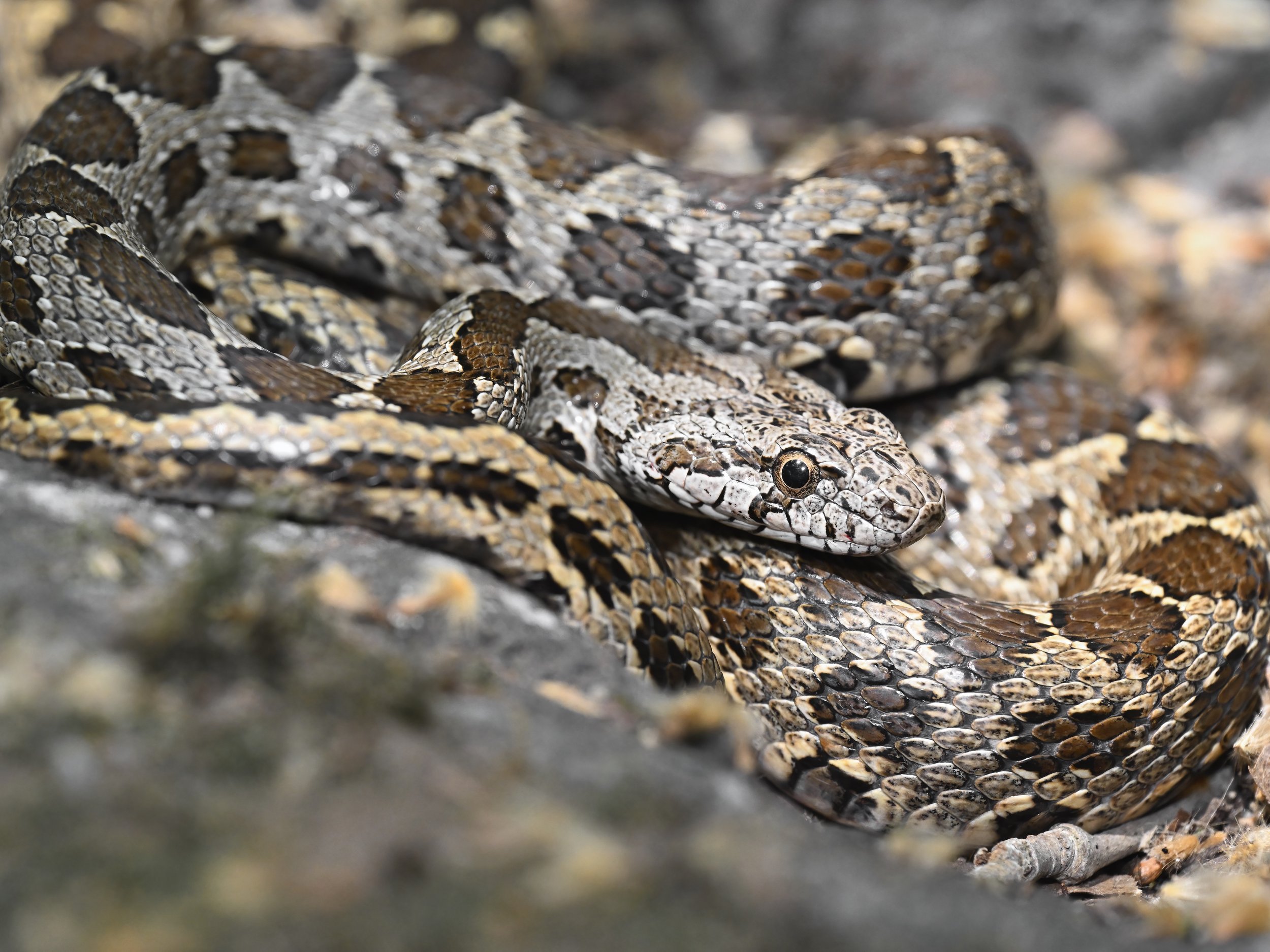
Coin-marked Snake (Hemorrhois nummifer)