

Eastern Montpellier Snake \ Malpolon insignitus
(أفعى الفئران)
The Eastern Montpellier Snake (Malpolon insignitus), scientifically known as Malpolon insignitus, is a mesmerizing serpent that inhabits the Mediterranean region, showcasing its elegance in a wide range of habitats. With an average length ranging from 100 to 200 centimeters, these snakes boast a slender and agile build, complemented by a remarkable ability to climb shrubs and trees. The species is characterized by a striking coloration, often featuring earthy tones and a distinct pattern on its scales. Eastern Montpellier Snakes are highly proficient hunters, preying on small mammals, birds, and reptiles. Known for their rapid movements and impressive defensive displays, they can inflate their necks to appear more formidable when threatened. Breeding typically occurs in the spring, and the female lays a clutch of eggs, contributing to the next generation of these captivating reptiles. While not currently facing significant conservation threats, efforts are made to protect their diverse habitats and ensure the preservation of this species within the Mediterranean ecosystem. The Eastern Montpellier Snake stands as a testament to the beauty and resilience of Mediterranean wildlife.
Venoms Details:
The Eastern Montpellier Snake (Malpolon insignitus) is mildly venomous, but its venom is not considered medically significant to humans. Bites from this snake may cause local pain, swelling, and redness, similar to a bee sting. However, severe reactions are rare, and fatalities from bites are extremely uncommon. As with any snake encounter, it's best to admire from a safe distance and avoid handling unless you are trained to do so. If bitten, seek medical attention for proper evaluation and care.
تعد افعى الفئران من الأفاعي اللافتة التي تعيش في منطقة البحر الأبيض المتوسط، ويُظهر أناقته في طيف واسع من البيئات. ويتراوح طوله عادة بين 100 و200 سم، ويتمتع بجسم نحيل ورشيق، إلى جانب قدرة ملحوظة على تسلق الشجيرات والأشجار. ويتميّز هذا النوع بألوانه الجذابة التي تميل غالبًا إلى الدرجات الترابية، مع نقوش واضحة على الحراشف تضفي عليه مظهرًا مميزًا. ويُعَدّ ثعبان مونبلييه الشرقي صيادًا ماهرًا، إذ يفترس الثدييات الصغيرة، والطيور، والزواحف. كما يُعرف بسرعته الكبيرة وحركاته الدفاعية الملفتة، إذ يستطيع نفخ منطقة العنق ليبدو أكثر هيبة عند الشعور بالتهديد. ويحدث التكاثر عادة في فصل الربيع، حيث تضع الأنثى مجموعة من البيوض، مساهمةً في استمرار هذا النوع الآسر من الزواحف. ورغم أنه لا يواجه حاليًا تهديدات كبيرة على مستوى الحماية، فإن الجهود تُبذل لصون موائله المتنوعة وضمان الحفاظ عليه ضمن النظم البيئية المتوسطية. ويقف ثعبان مونبلييه الشرقي مثالًا على جمال الحياة البرية المتوسطية وقدرتها على التكيف.
تفاصيل السم:
يُعَدُّ ثعبان مونبلييه الشرقي سامًّا بدرجة خفيفة، إلا أن سمه لا يُعد ذا أهمية طبية كبيرة بالنسبة للإنسان. وقد تؤدي عضته إلى ألم موضعي، وتورم، واحمرار، بصورة قد تشبه أثر لسعة النحلة. أما التفاعلات الشديدة فهي نادرة، كما أن حالات الوفاة الناتجة عن عضاته نادرة جدًا. وكما هو الحال مع أي لقاء مع الأفاعي، فمن الأفضل مراقبته من مسافة آمنة وتجنب التعامل معه إلا من قبل أشخاص مدرَّبين. وفي حال التعرّض لعضة، ينبغي طلب العناية الطبية للتقييم المناسب والرعاية اللازمة


Other Species
-
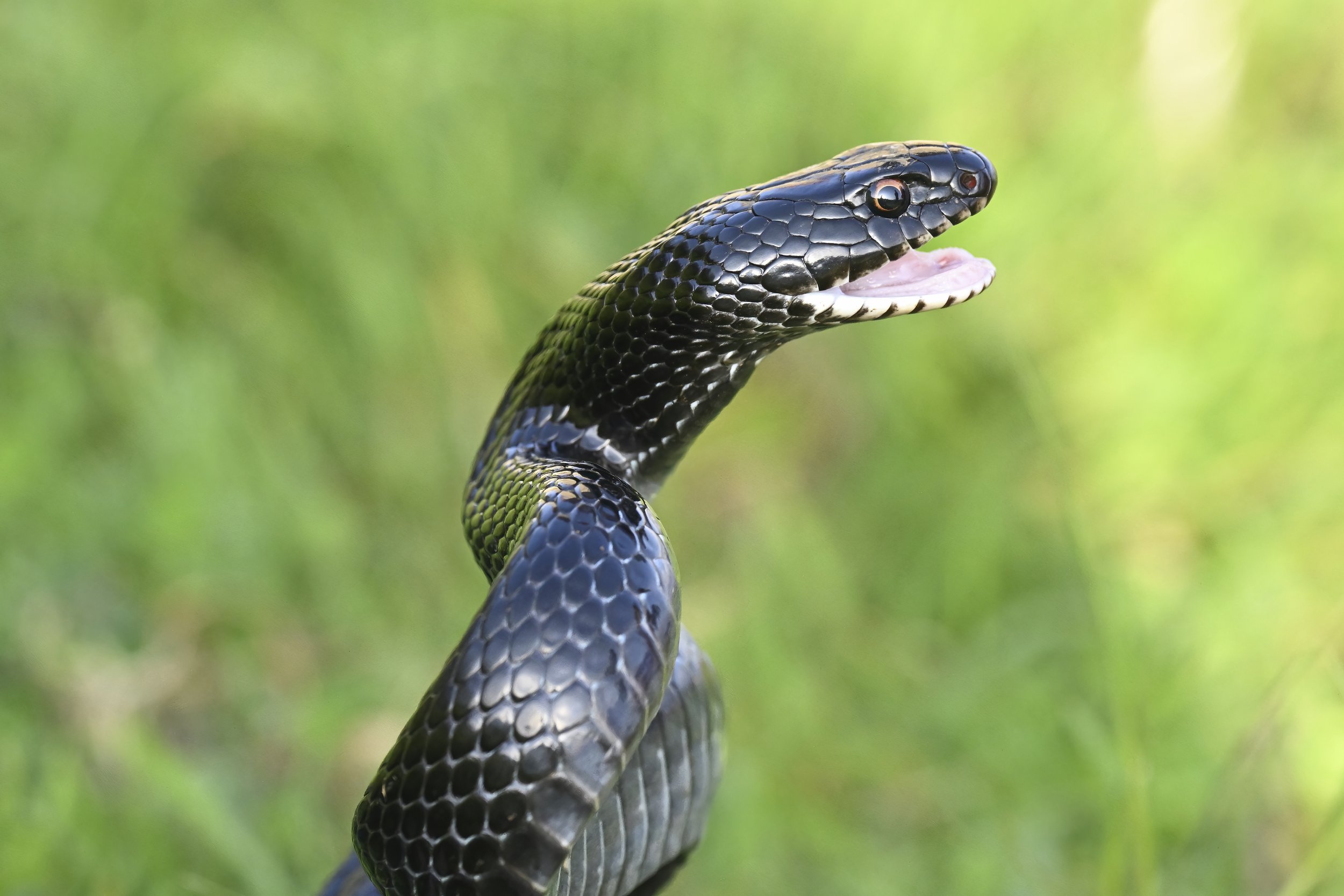
Large Whip Snake (Dolichophis jugularis)
-
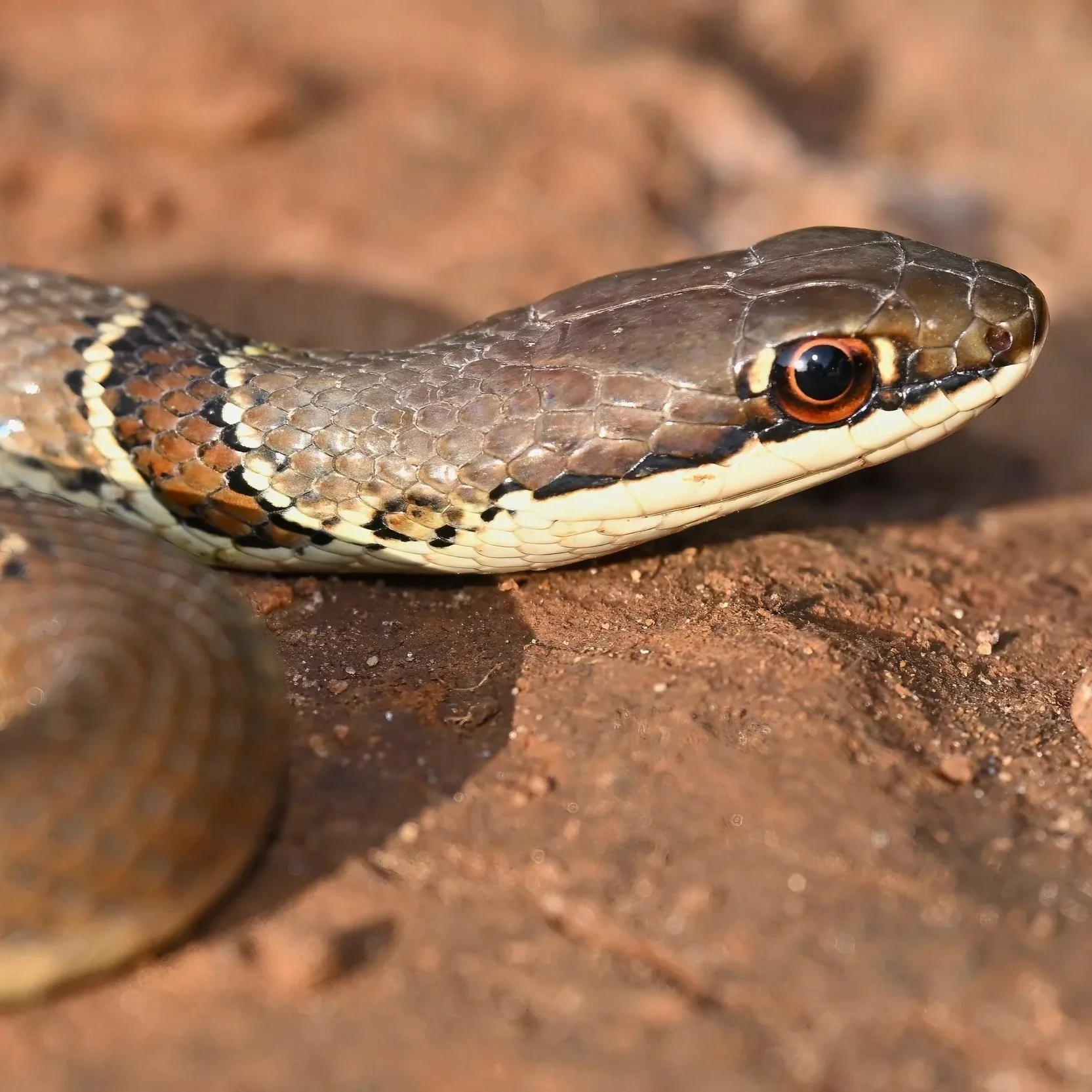
Red Whip Snake (Platyceps collaris)
-
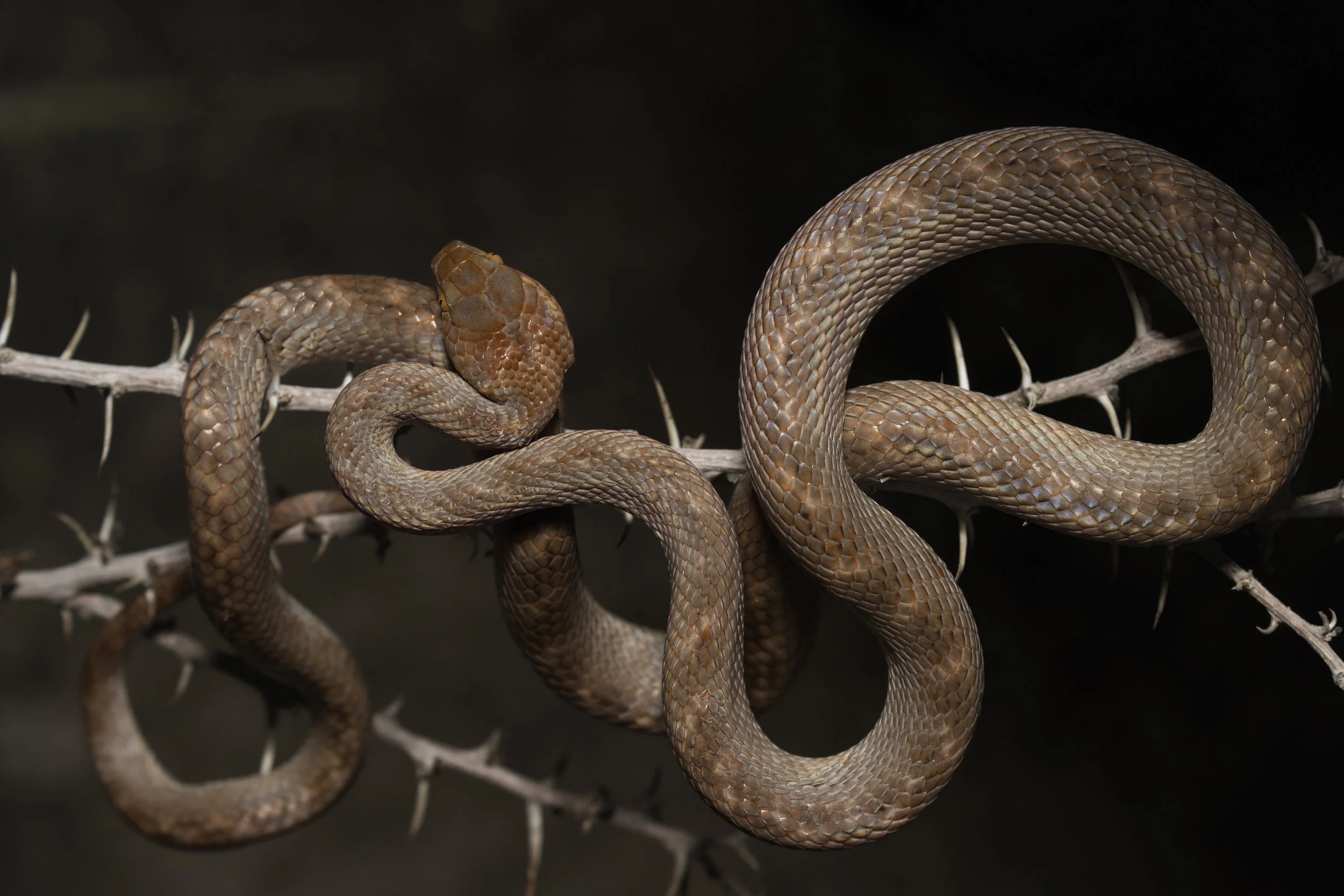
Arabian Cat Snake (Telescopus dhara)
-
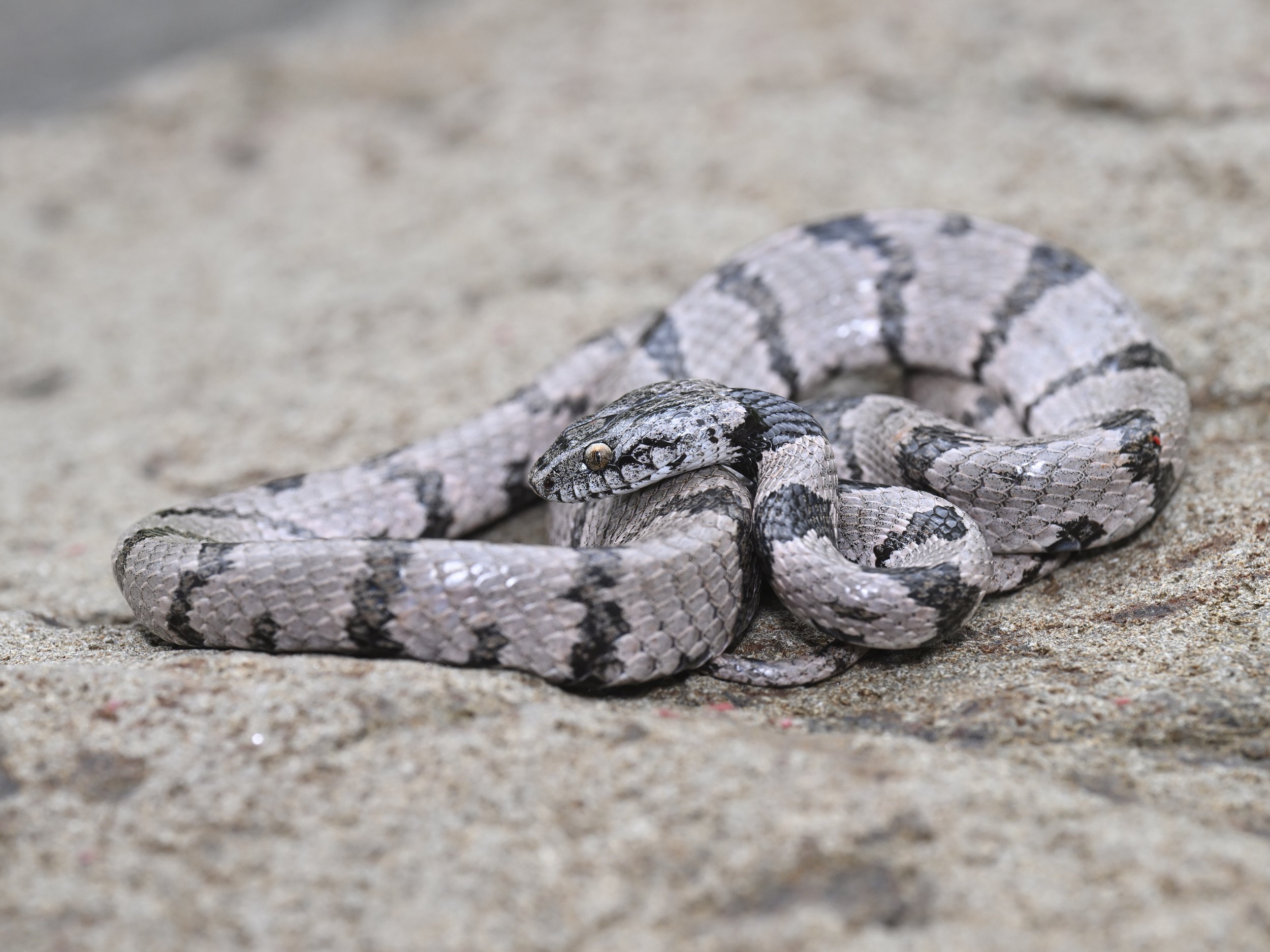
Mediterranean Cat Snake (Telescopus fallax syriacus)