

Eurasian Oystercatcher \ Haematopus ostralegus
صائد المحار الأوراسي
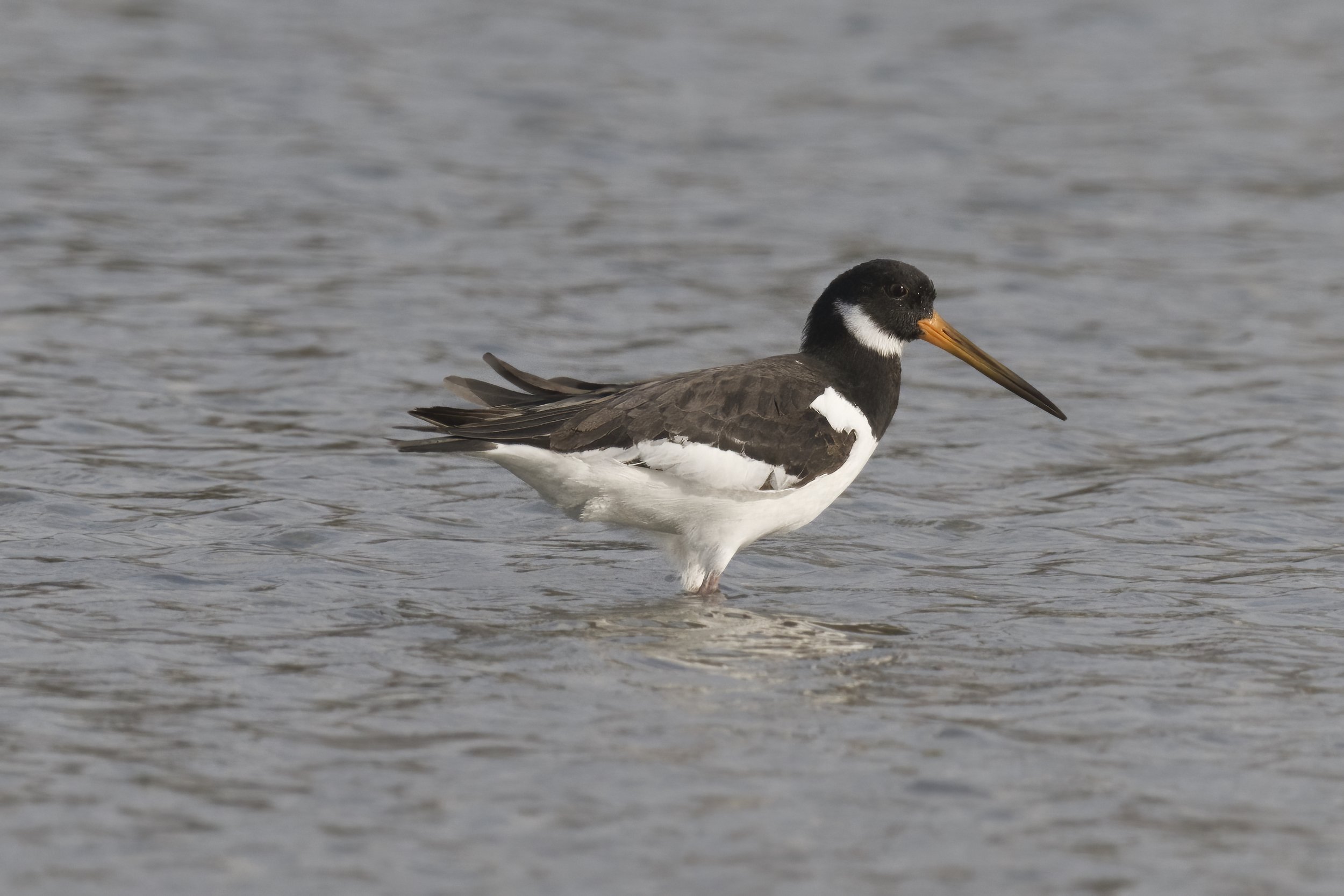
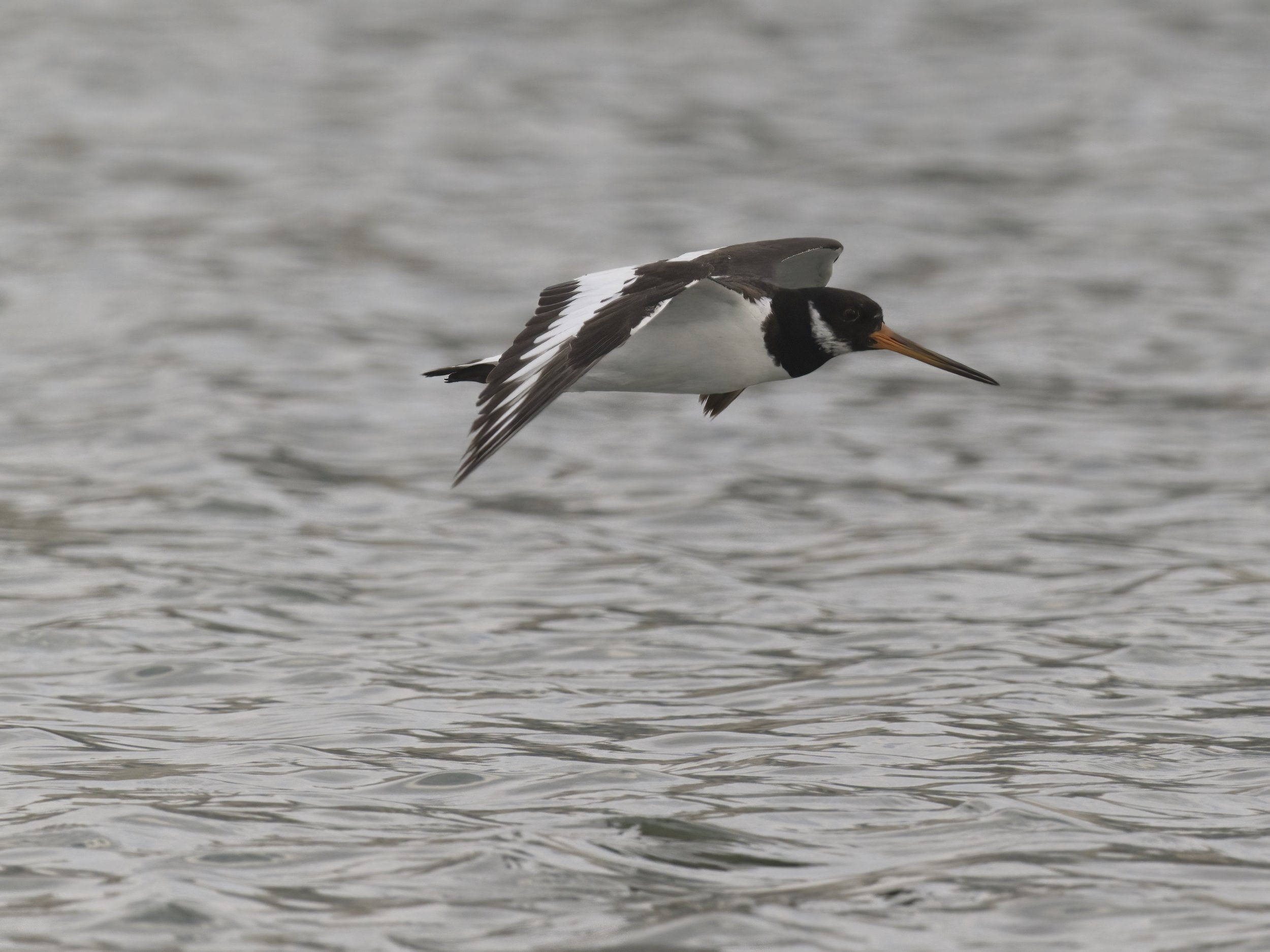
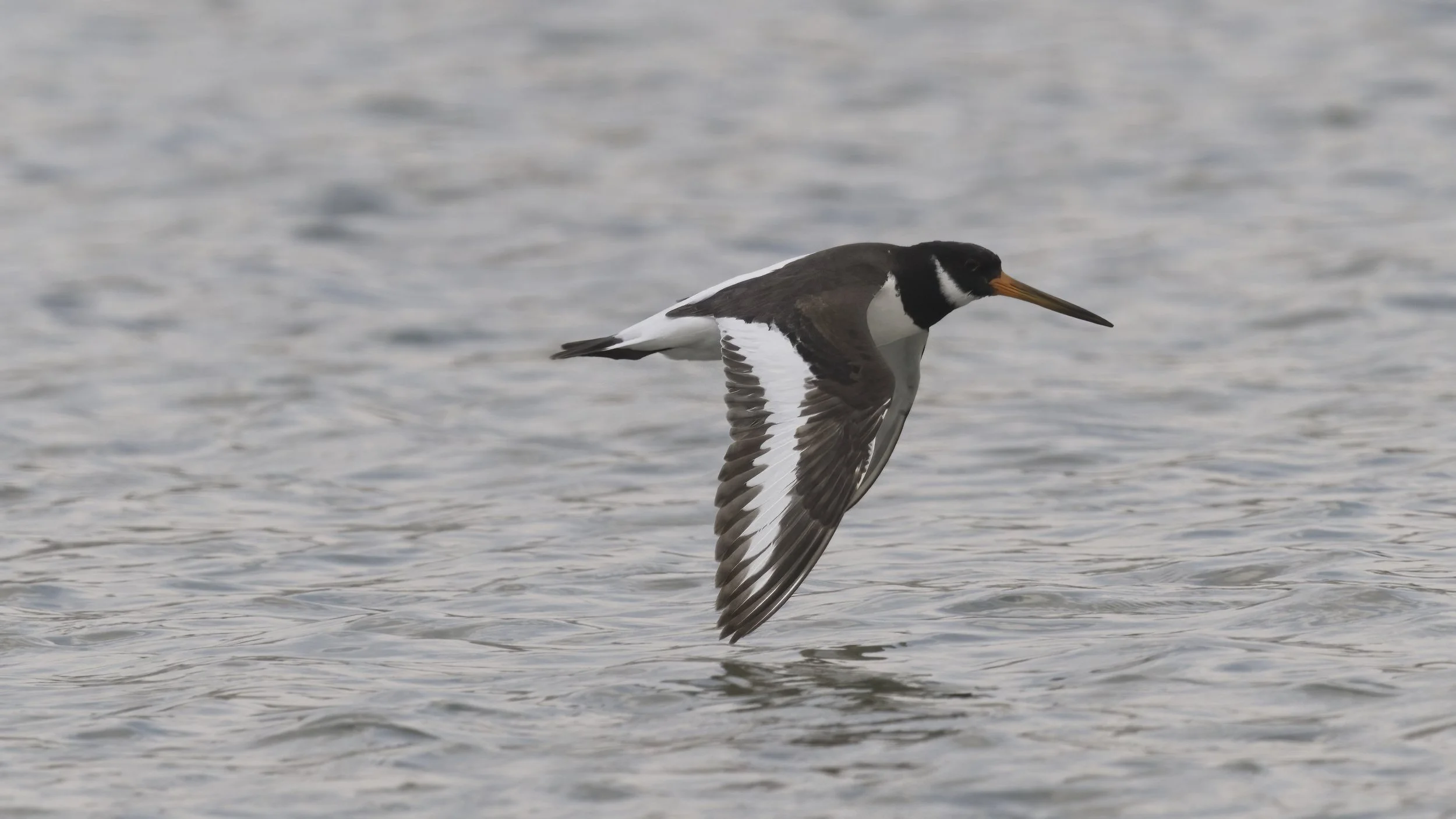
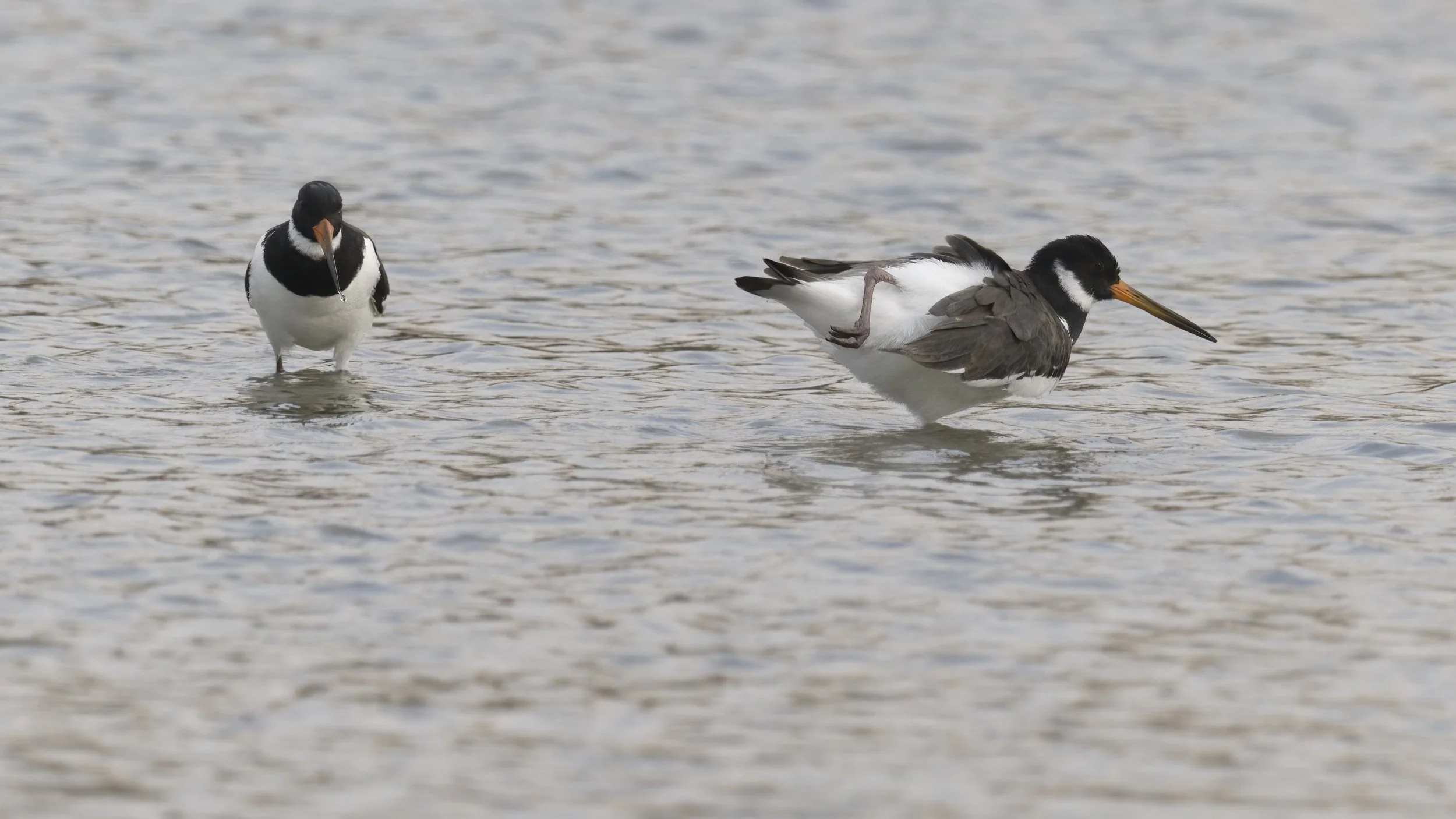
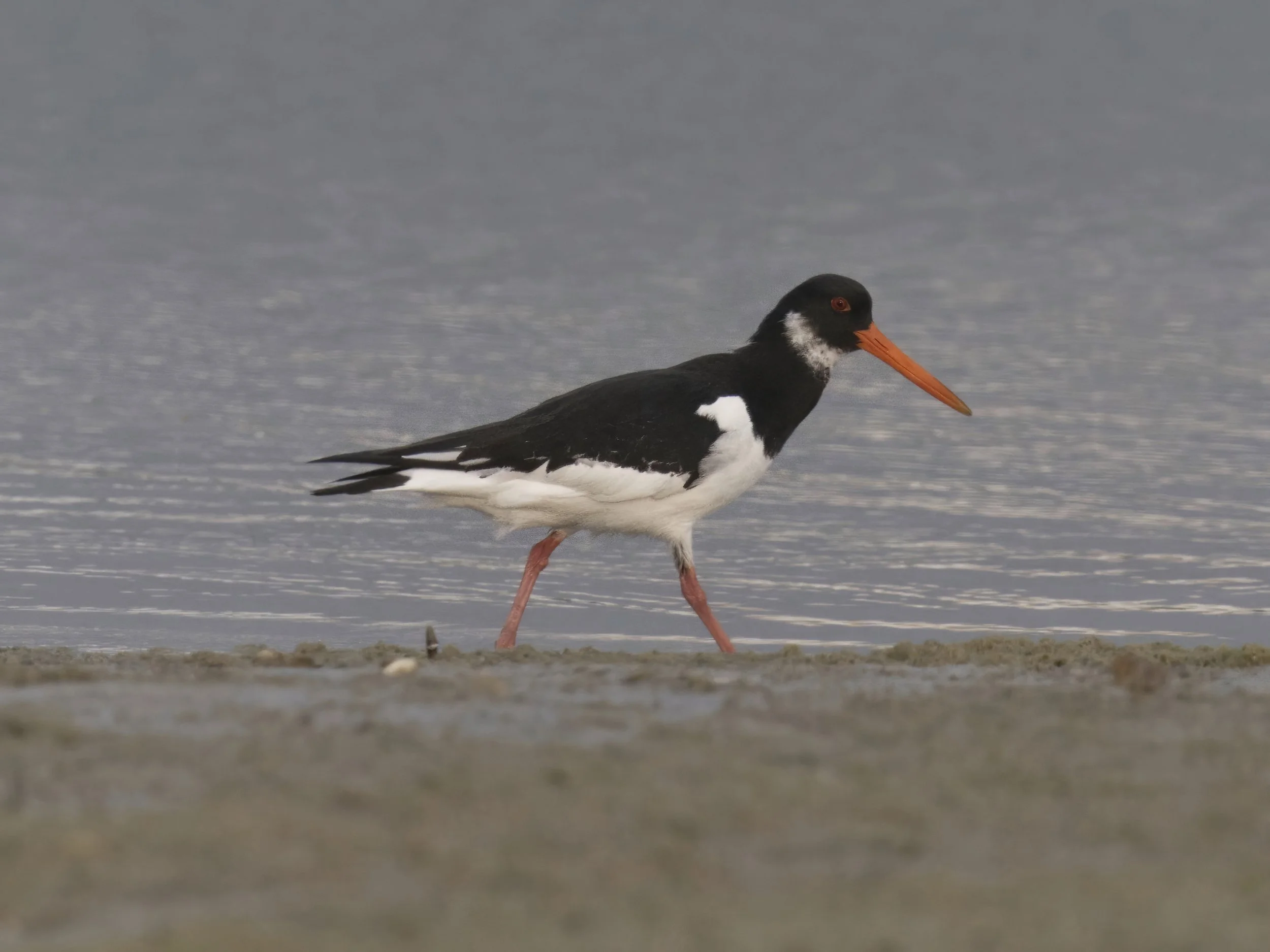
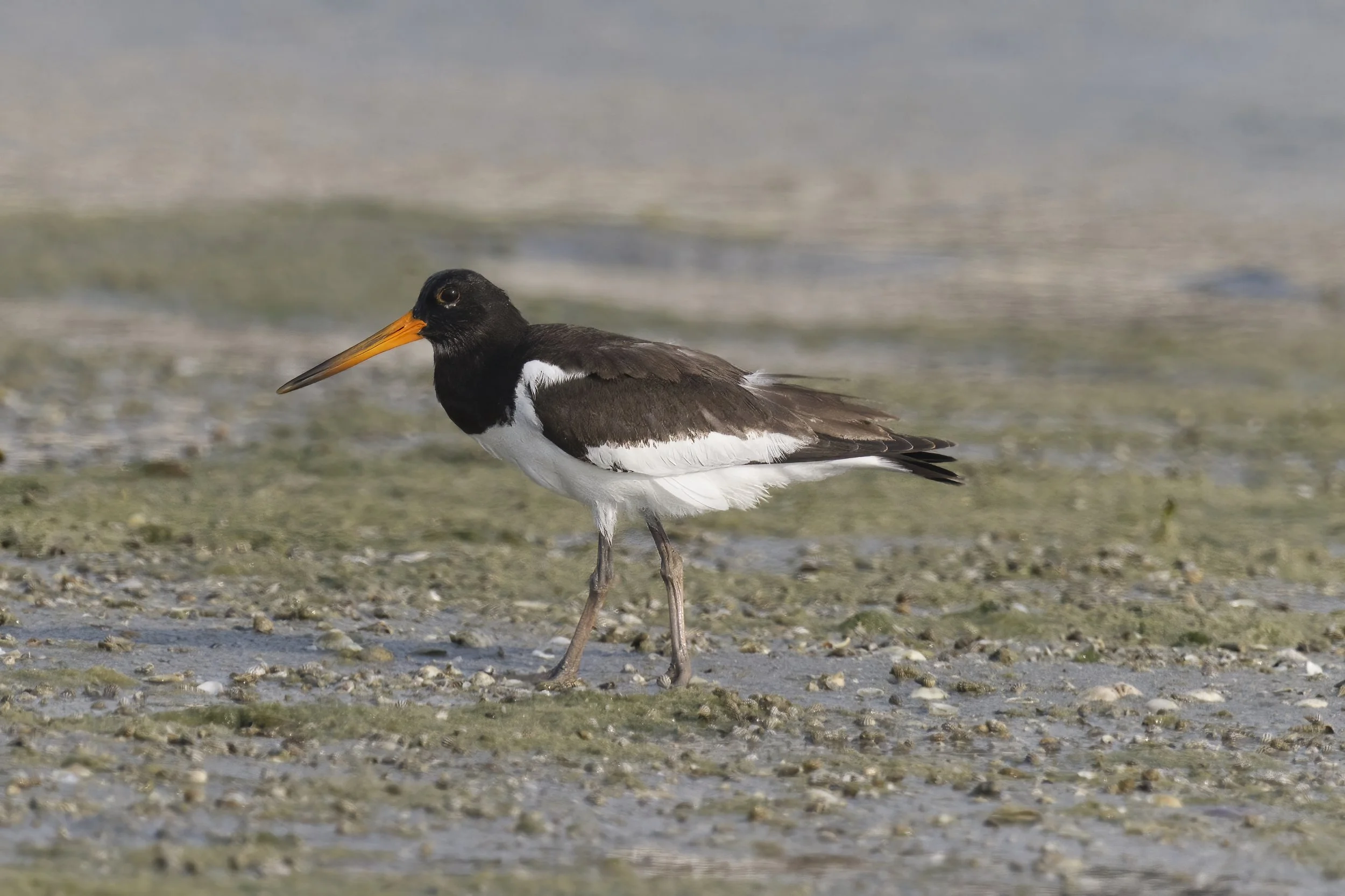
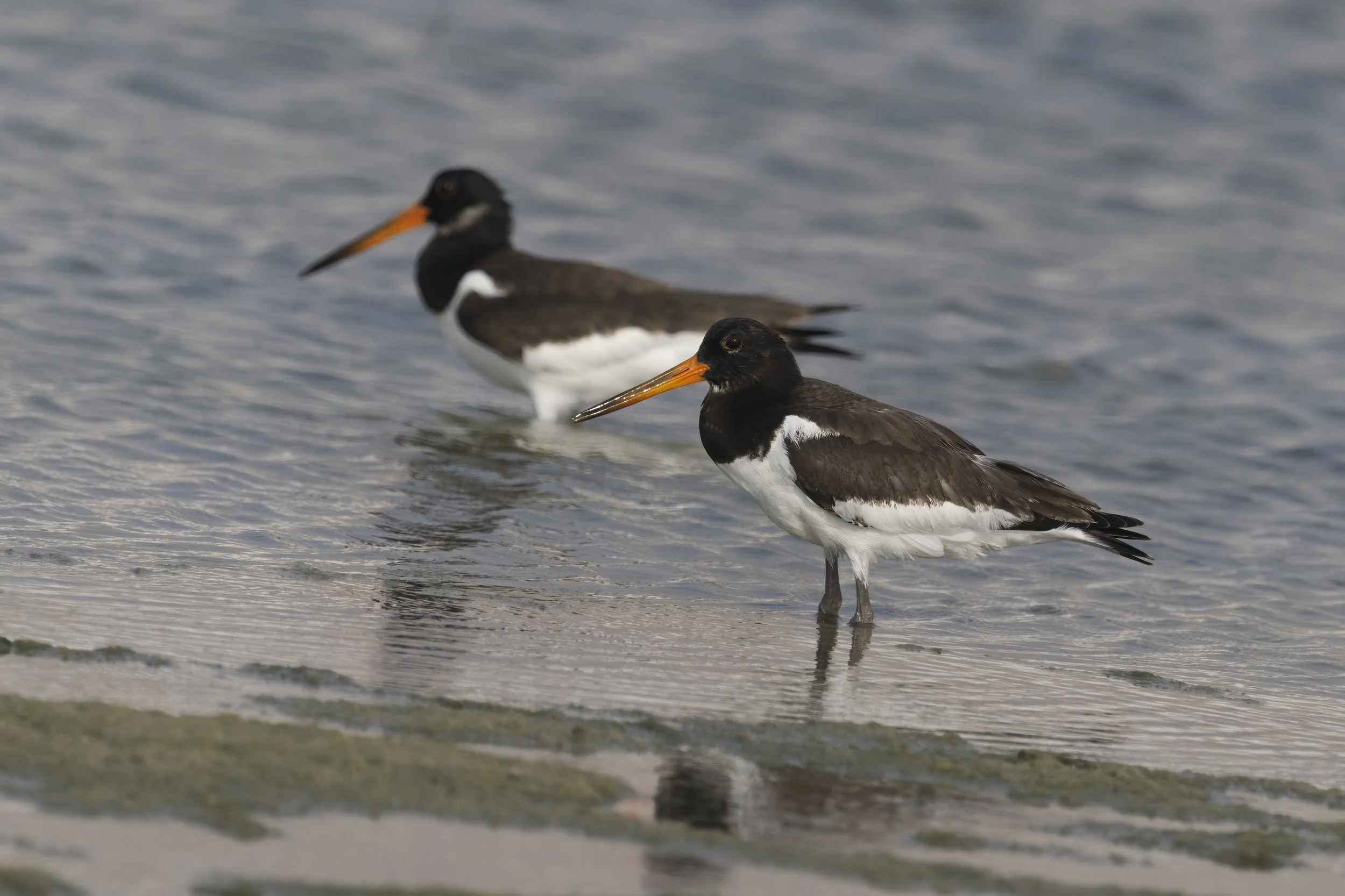
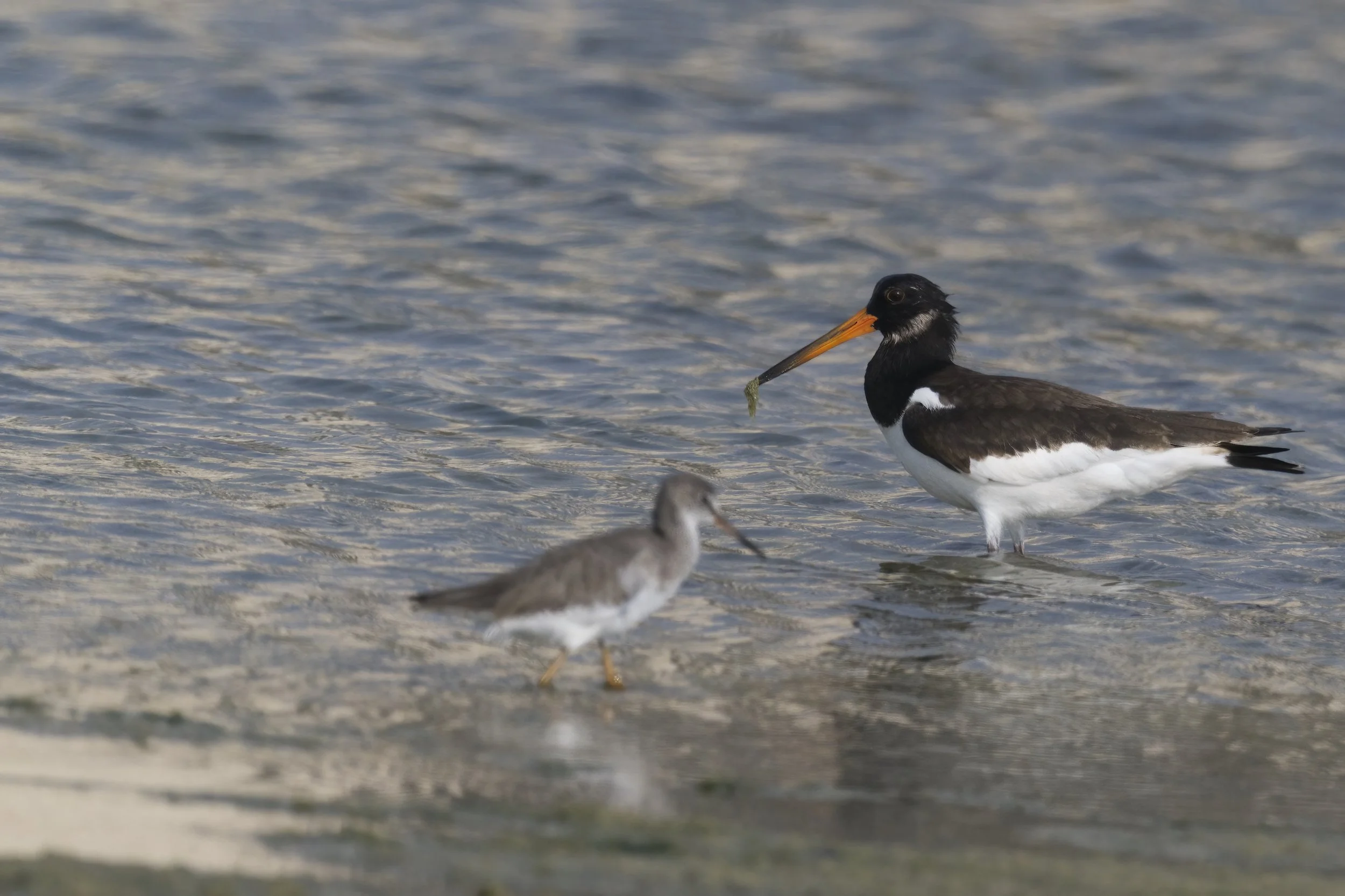
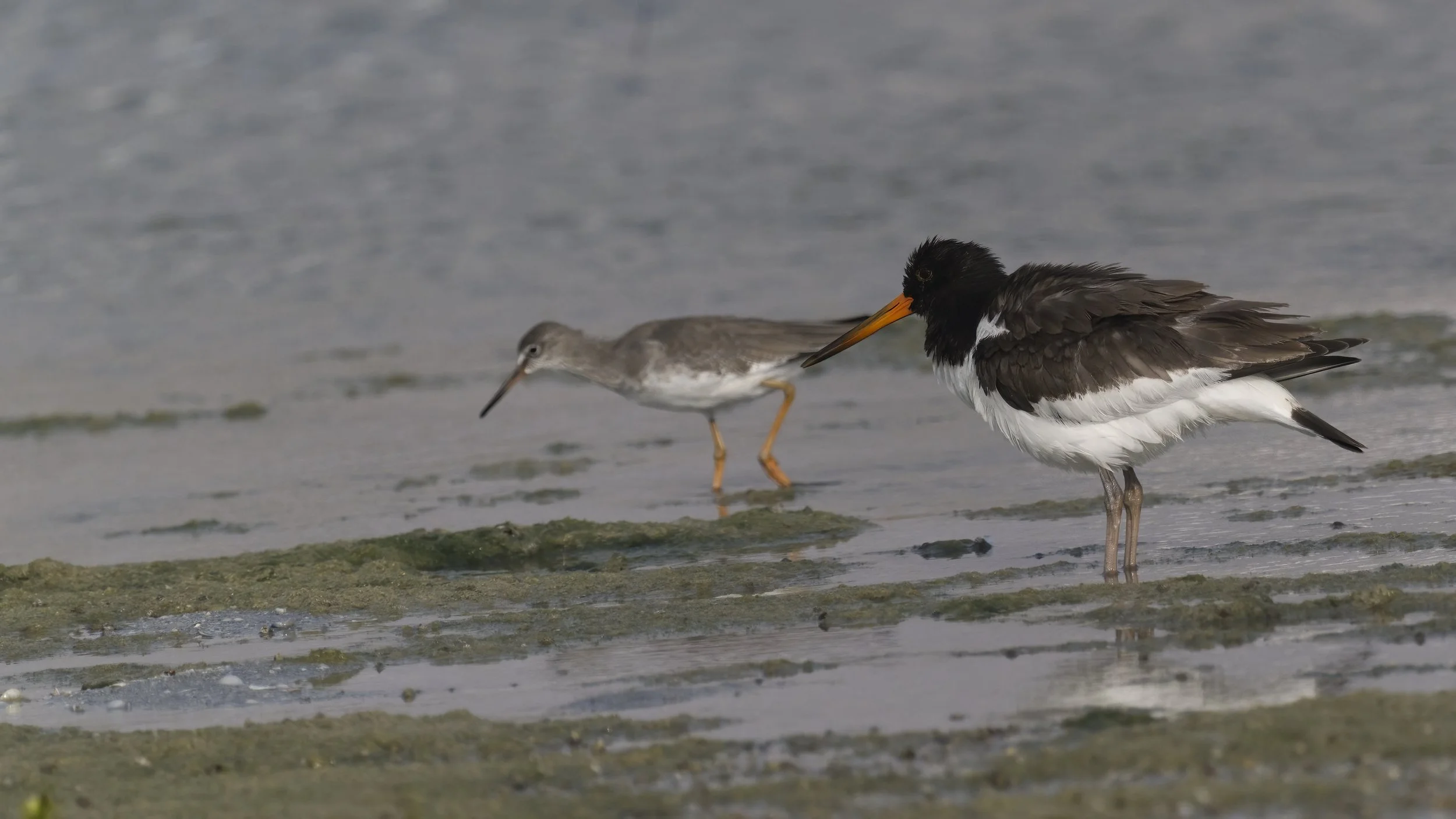
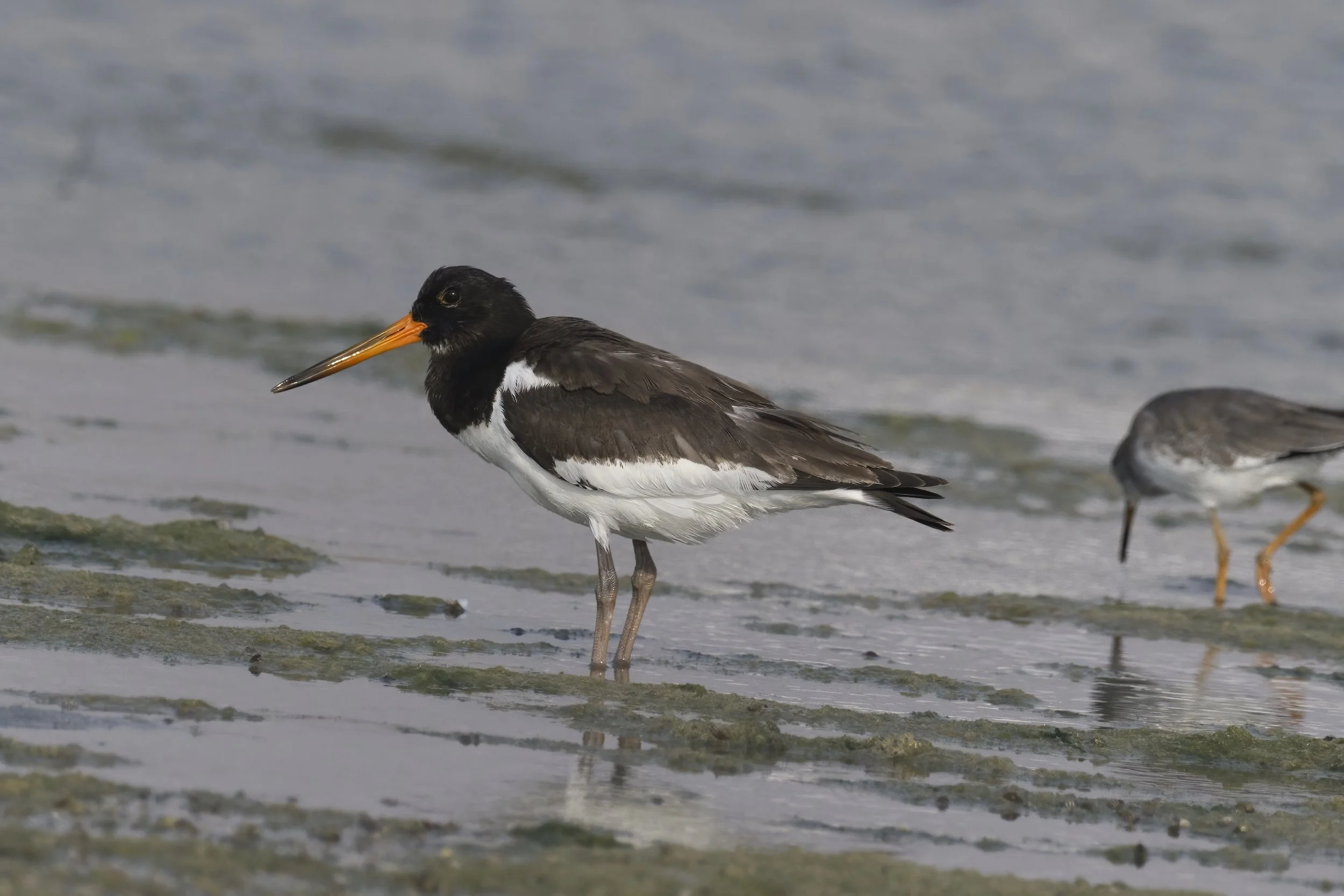
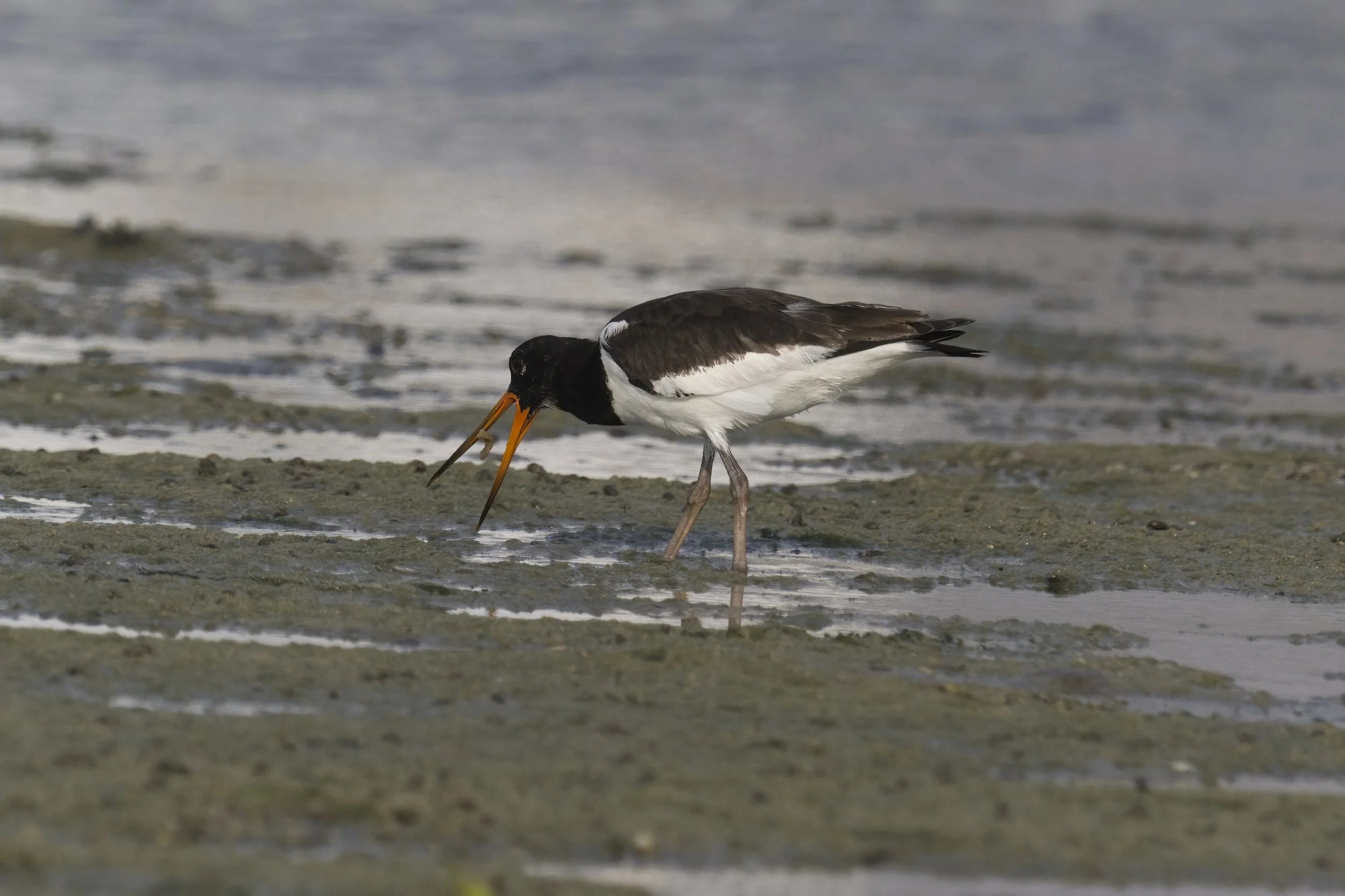
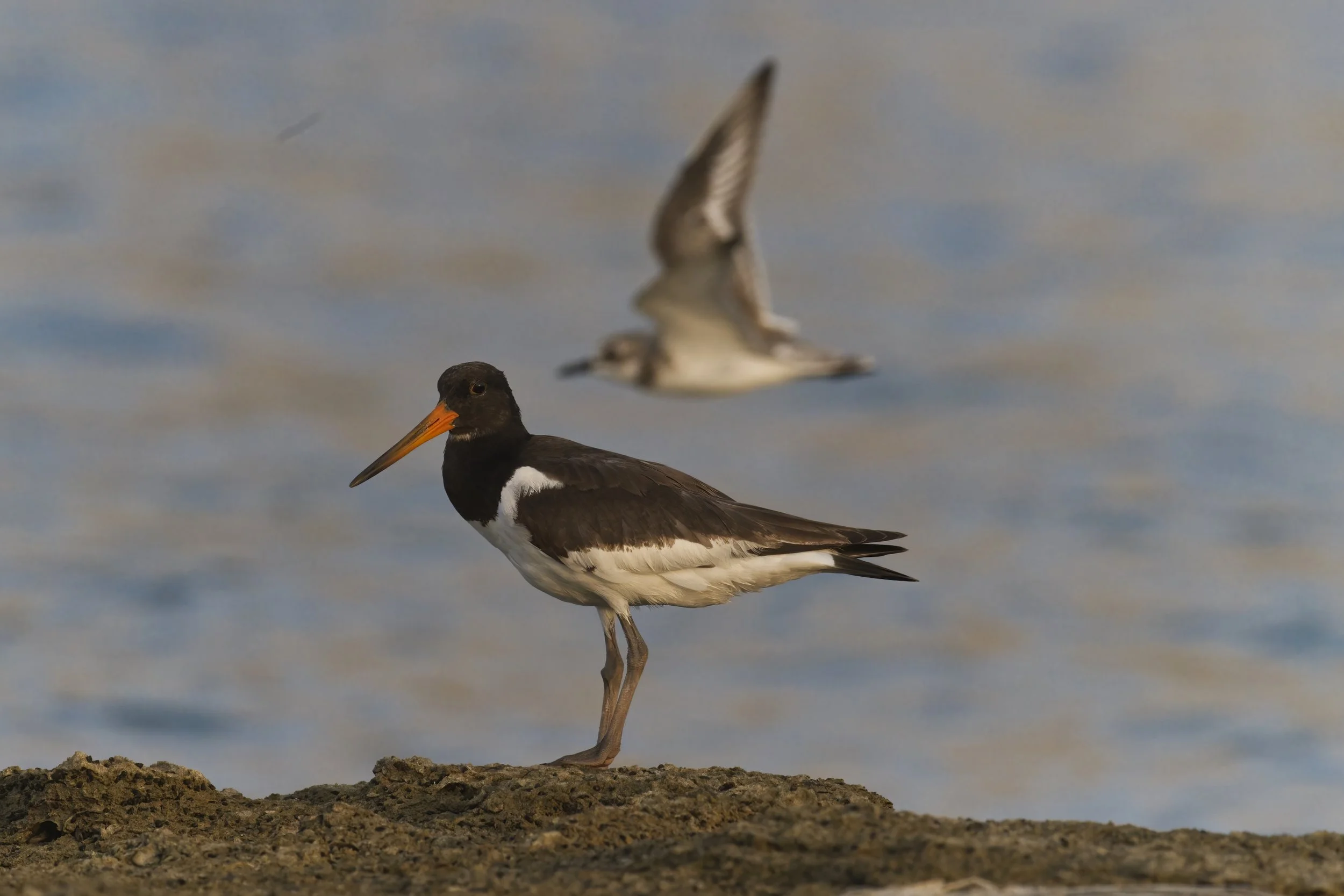
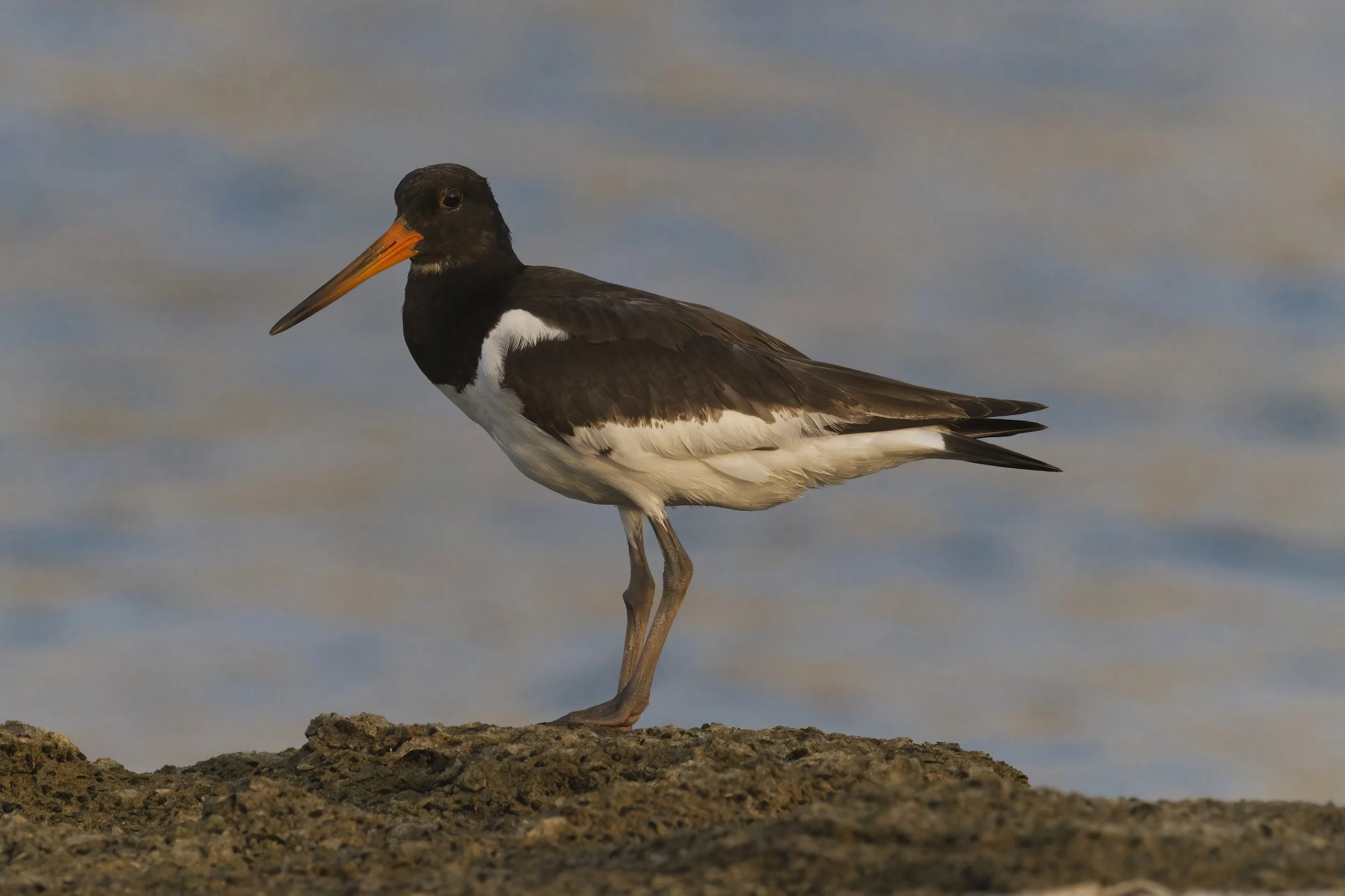
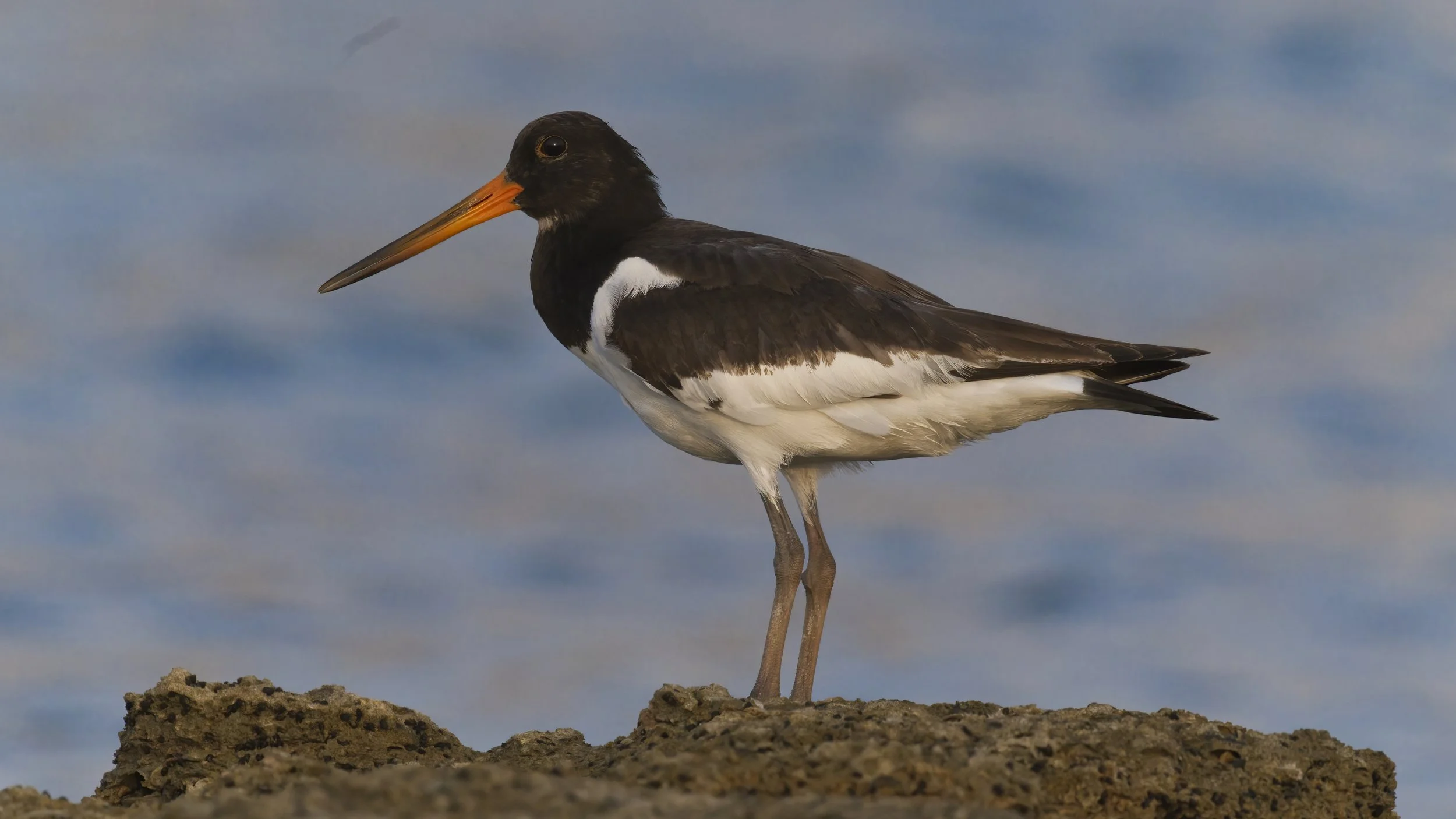
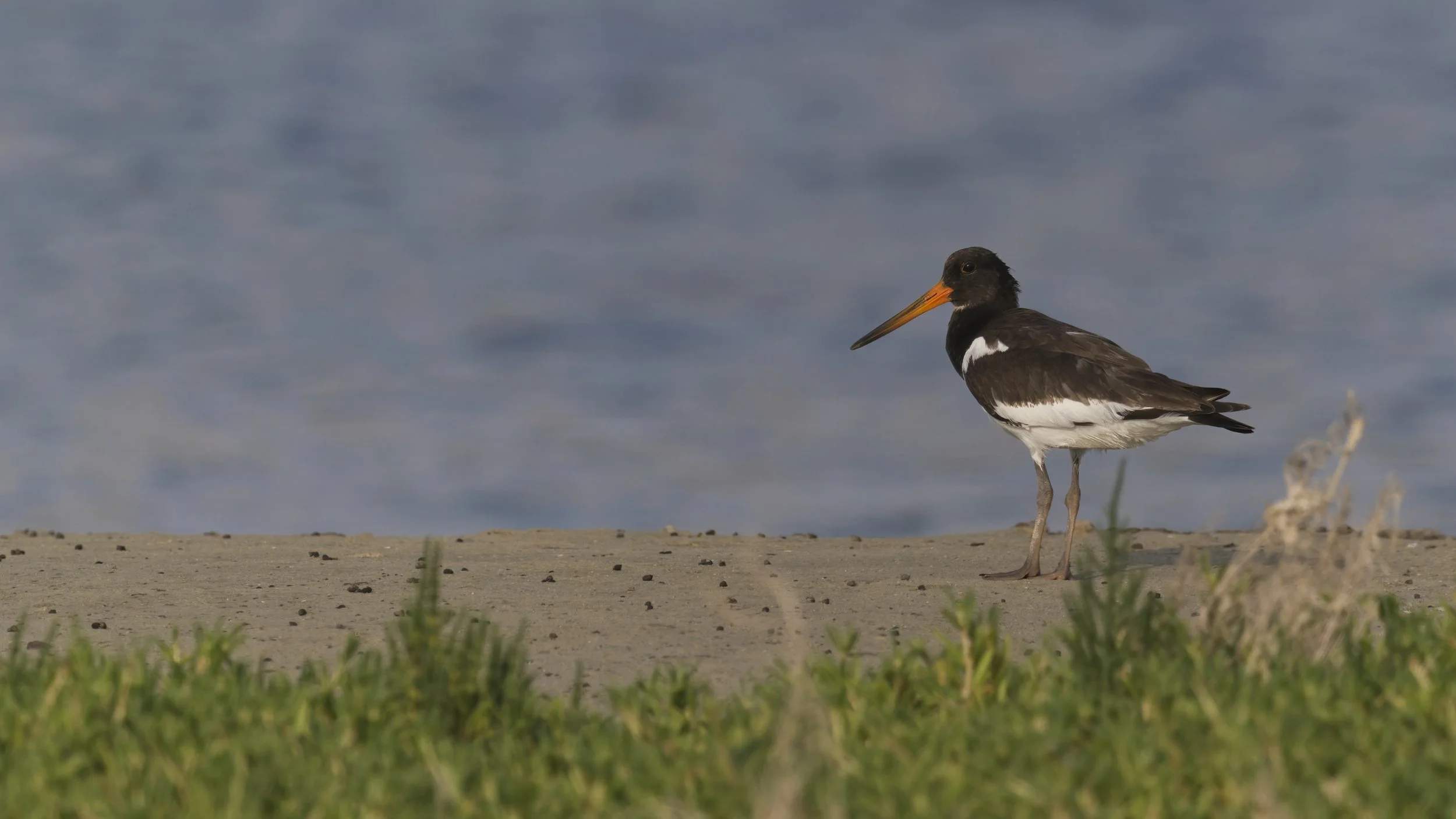
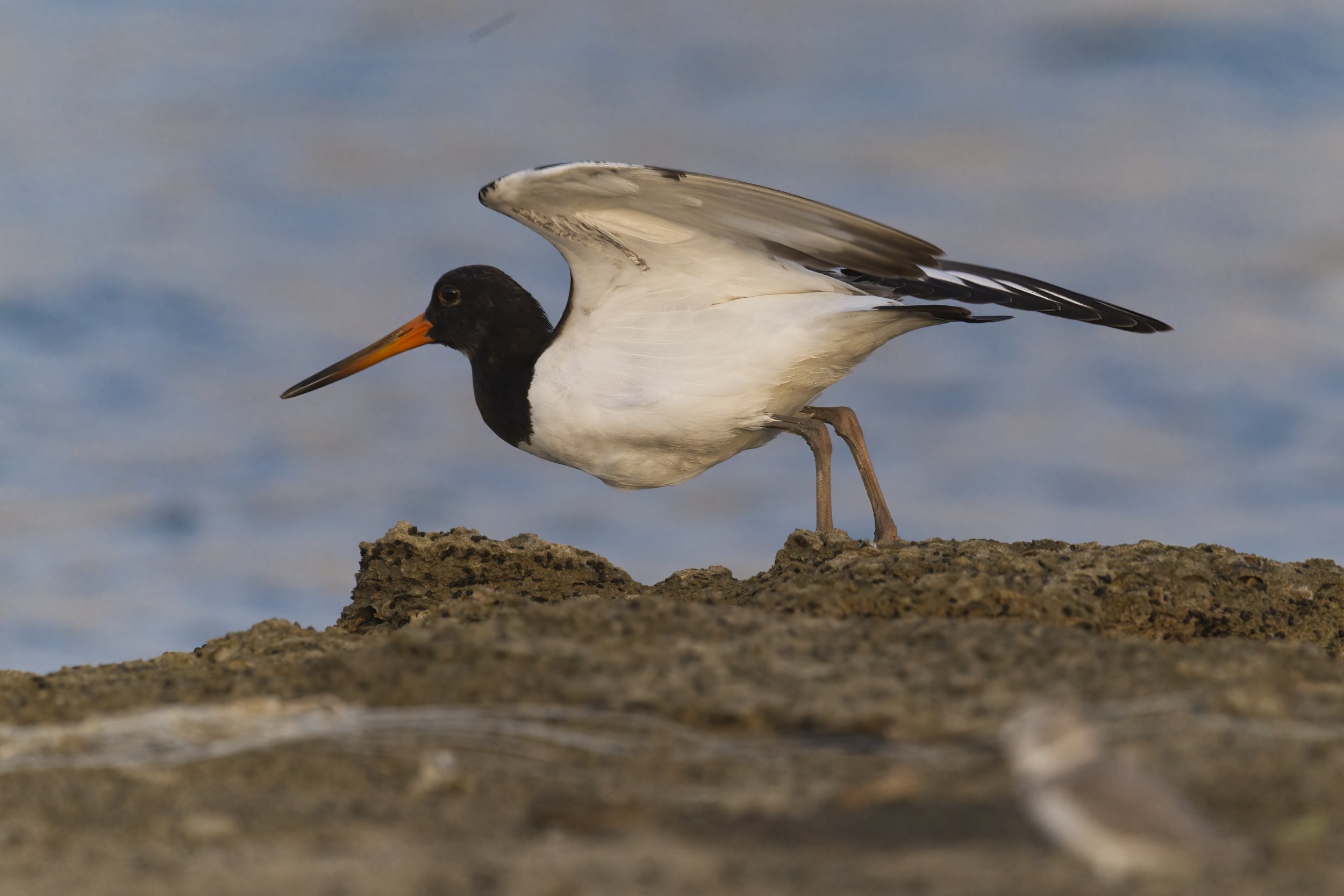
The Eurasian Oystercatcher (Haematopus ostralegus) is a large, striking shorebird known for its bold black-and-white plumage, long bright orange-red bill, and pinkish legs. It primarily inhabits coastal areas, including sandy and rocky shores, mudflats, and estuaries, where it forages for shellfish like mussels, oysters, and other invertebrates. The oystercatcher uses its strong bill to either hammer open or pry apart the shells of its prey. It breeds across Europe and parts of Asia, often nesting on shingle beaches or coastal meadows. During winter, some populations migrate south, reaching warmer coastal regions, including parts of the Middle East. The Eurasian Oystercatcher is easily recognizable due to its loud, piping call and striking appearance, making it a prominent feature of coastal birdlife. Conservation of its coastal habitats is important, as it relies on these areas for both feeding and breeding.
The Eurasian Oystercatcher (Haematopus ostralegus) is classified as "Near Threatened " on the IUCN Red List due to threats such as habitat loss, human disturbance, and climate change. These factors have led to a decline in suitable breeding and feeding areas, particularly in coastal regions. The population also faces pressures from pollution, changes in land use, and reduced availability of food resources. Conservation efforts aimed at protecting coastal habitats and minimizing disturbances are essential to help stabilize the population of this striking shorebird.
يُعَدُّ صائد المحار الأوراسي من الطيور الساحلية الكبيرة واللافتة، ويتميّز بريشه الأسود والأبيض الواضح، ومنقاره الطويل البرتقالي المحمر، وساقيه الورديتين. ويعيش أساسًا في البيئات الساحلية، بما في ذلك الشواطئ الرملية والصخرية، والسهول الطينية، ومصبات الأنهار، حيث يبحث عن غذائه من المحاريات مثل بلح البحر، والمحار، وغيرها من اللافقاريات. ويستخدم هذا الطائر منقاره القوي إما لطرق الصدفة وفتحها أو لفصل نصفيها للوصول إلى الفريسة. ويتكاثر عبر أوروبا وأجزاء من آسيا، وغالبًا ما يعشش على الشواطئ الحصوية أو المروج الساحلية. وخلال الشتاء، تهاجر بعض جماعاته جنوبًا نحو مناطق ساحلية أكثر دفئًا، بما في ذلك أجزاء من الشرق الأوسط. ويسهل التعرف إلى صائد المحار الأوراسي بفضل ندائه العالي الحاد ومظهره المميز، مما يجعله من أكثر الطيور الساحلية حضورًا ولفتًا للانتباه. وتُعَدّ حماية موائله الساحلية أمرًا بالغ الأهمية، لأنه يعتمد عليها في كلٍّ من التغذية والتكاثر.
ويُصنَّف صائد المحار الأوراسي ضمن فئة قريب من التهديد على القائمة الحمراء للاتحاد الدولي لحفظ الطبيعة (IUCN)، وذلك بسبب تهديدات مثل فقدان الموائل، والاضطراب البشري، وتغير المناخ. وقد أدّت هذه العوامل إلى تراجع المساحات المناسبة للتكاثر والتغذية، خاصة في المناطق الساحلية. كما تواجه جماعته ضغوطًا إضافية ناتجة عن التلوث، وتغير استخدامات الأراضي، وتراجع توفر الموارد الغذائية. لذلك، تظل جهود الحماية الهادفة إلى صون الموائل الساحلية وتقليل مصادر الإزعاج ضرورية للمساعدة في استقرار أعداد هذا الطائر الساحلي اللافت
Other Species
-
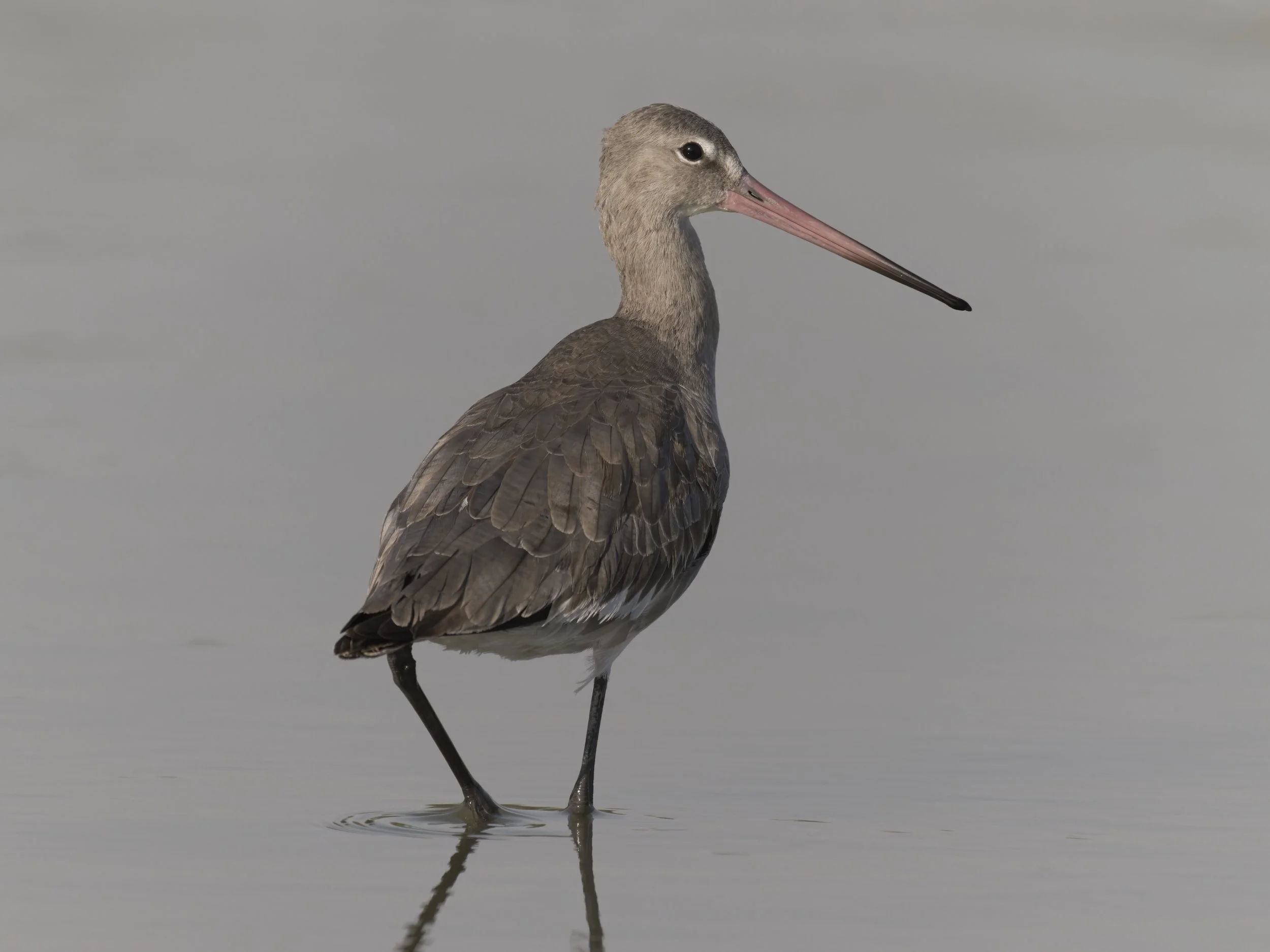
Black-tailed Godwit (Limosa limosa)
-

Crab Plover (Dromas ardeola)
-
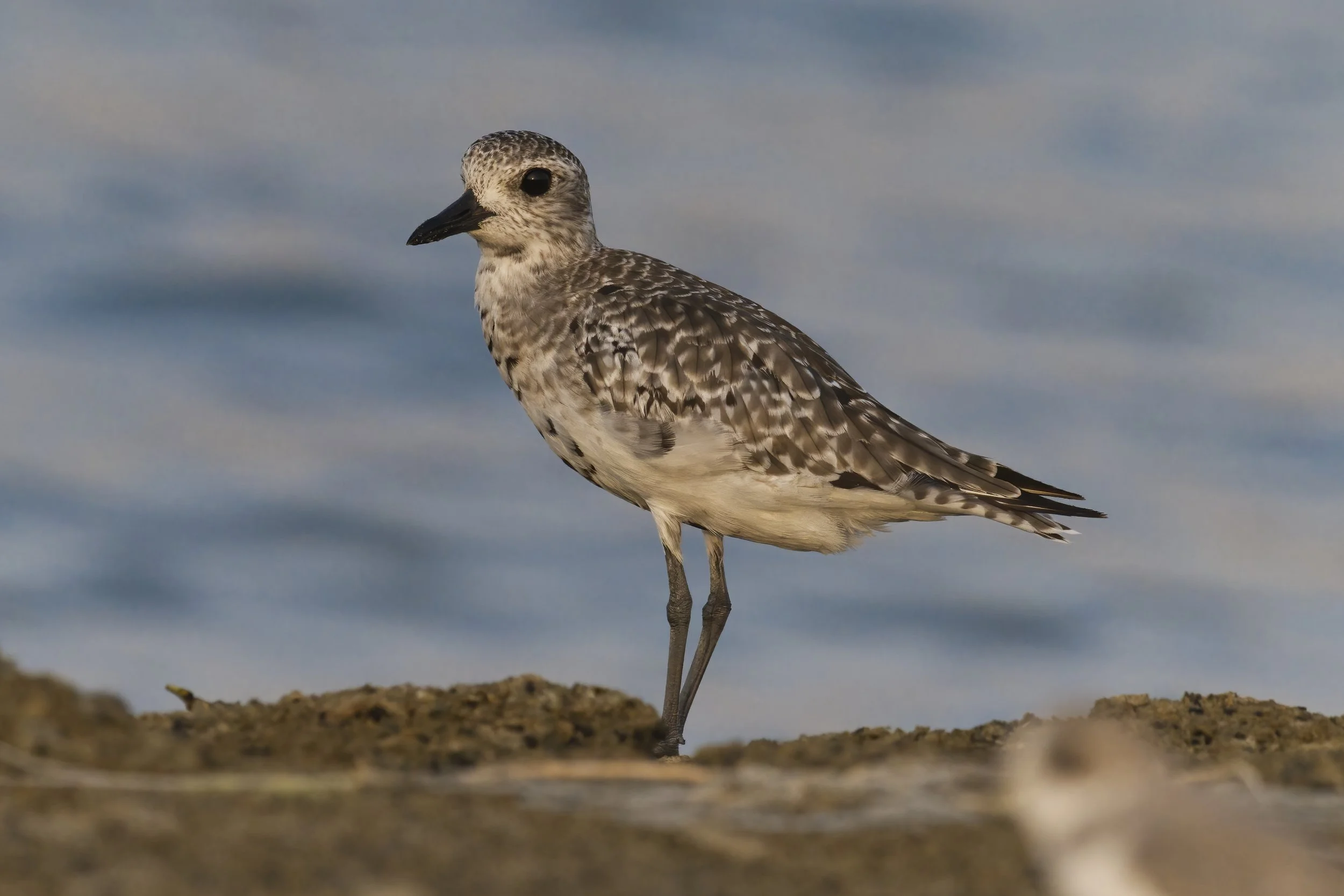
Grey Plover (Pluvialis squatarola)
-
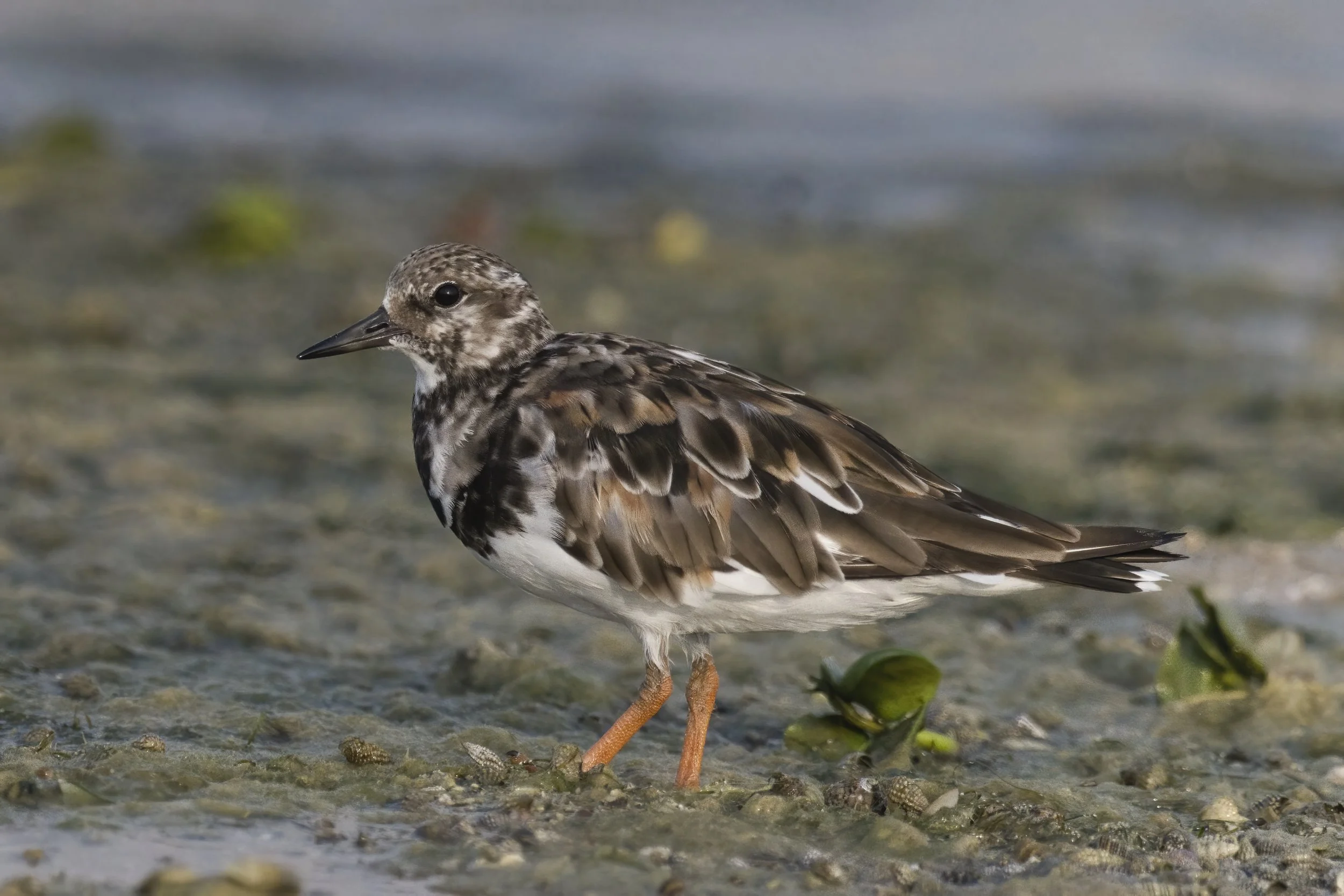
Ruddy Turnstone (Arenaria interpres)