

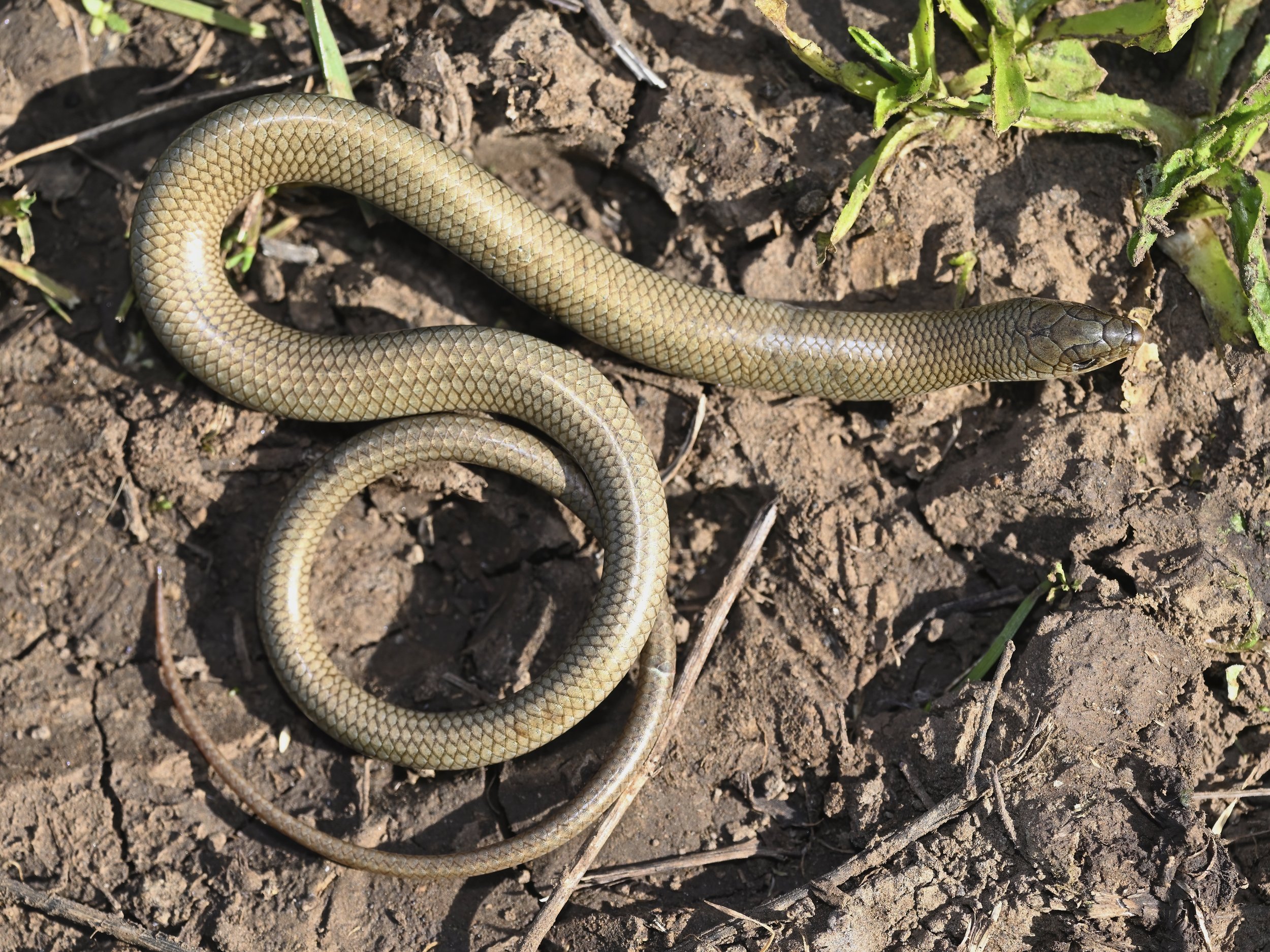
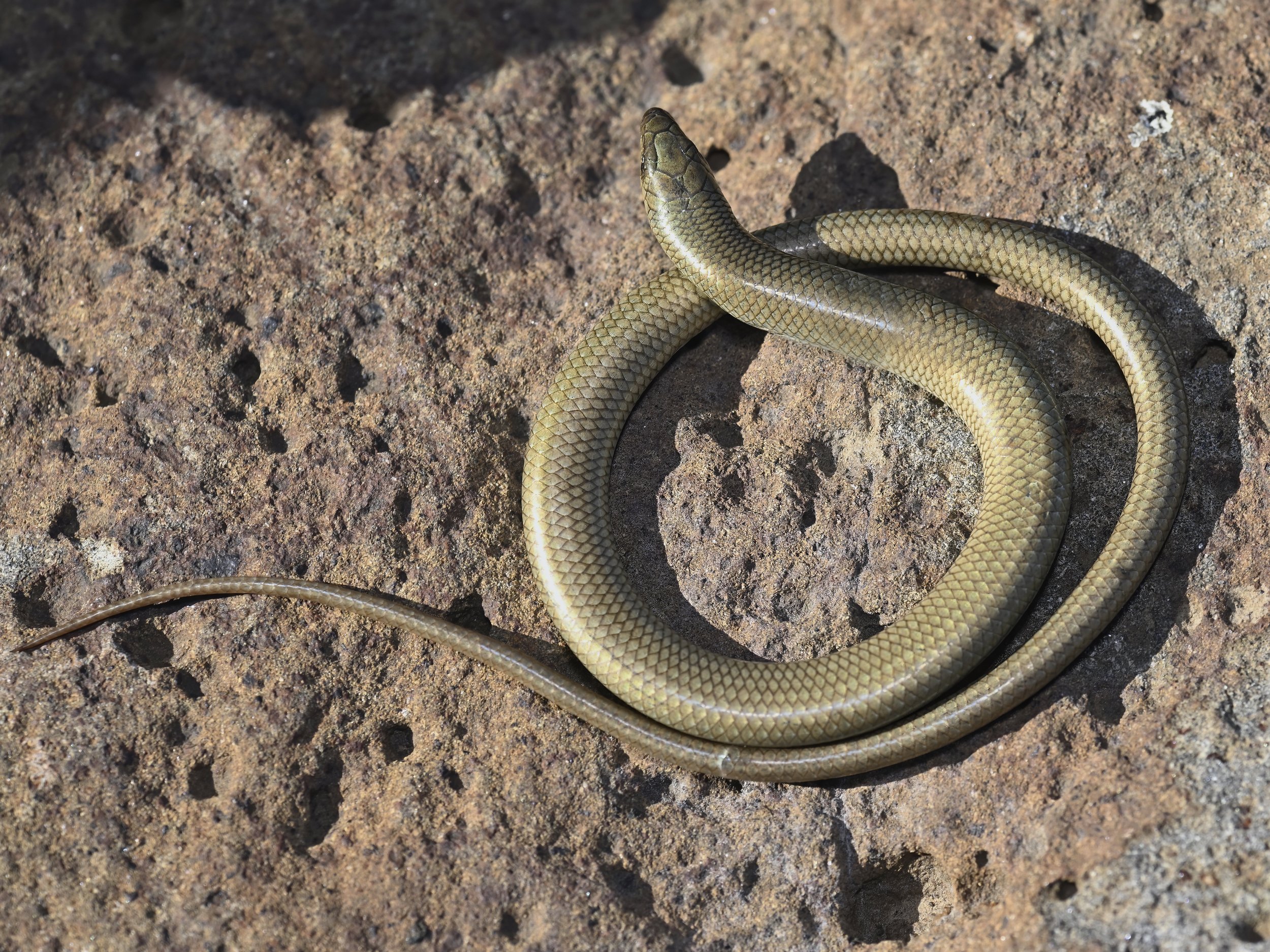
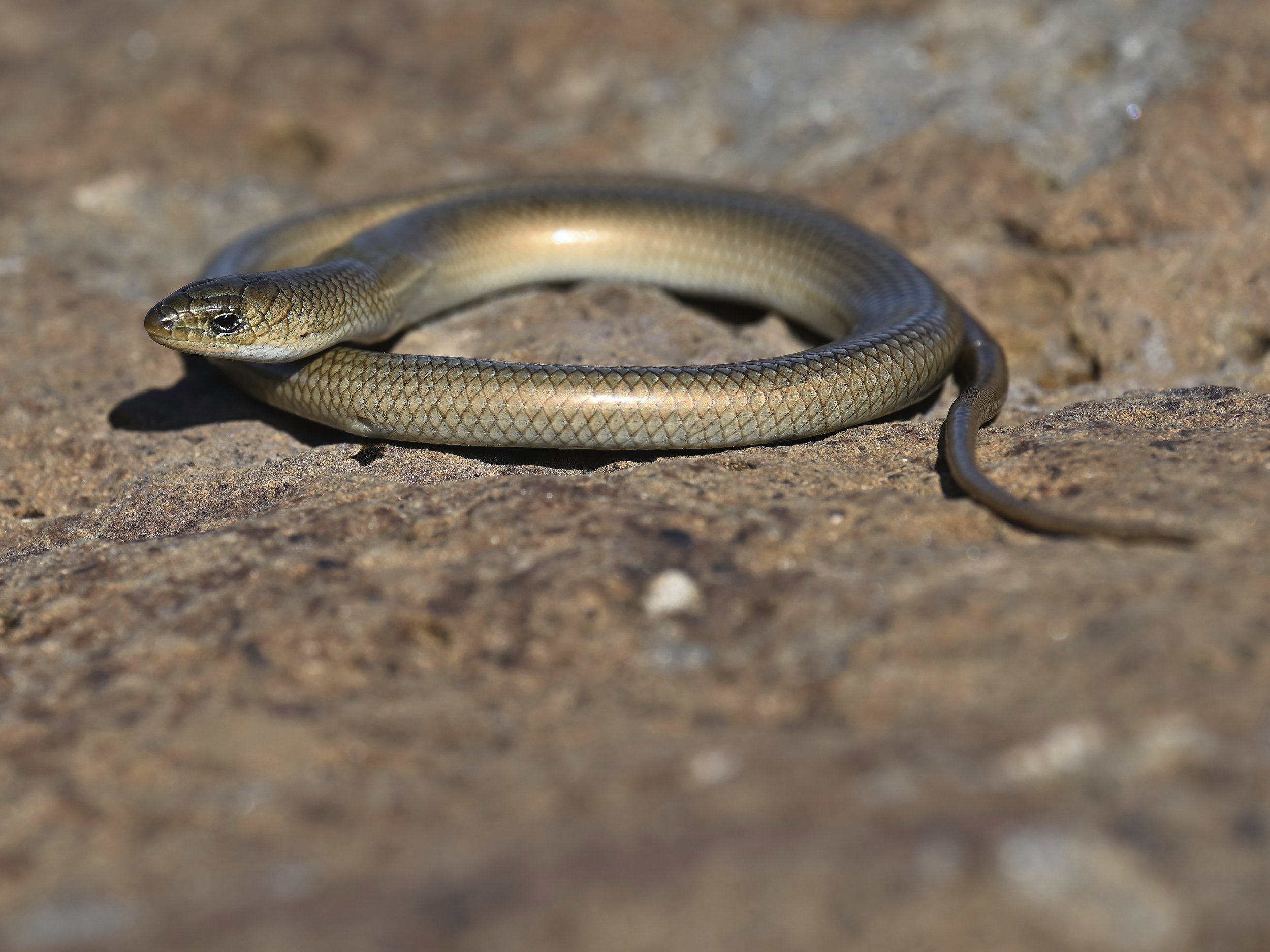
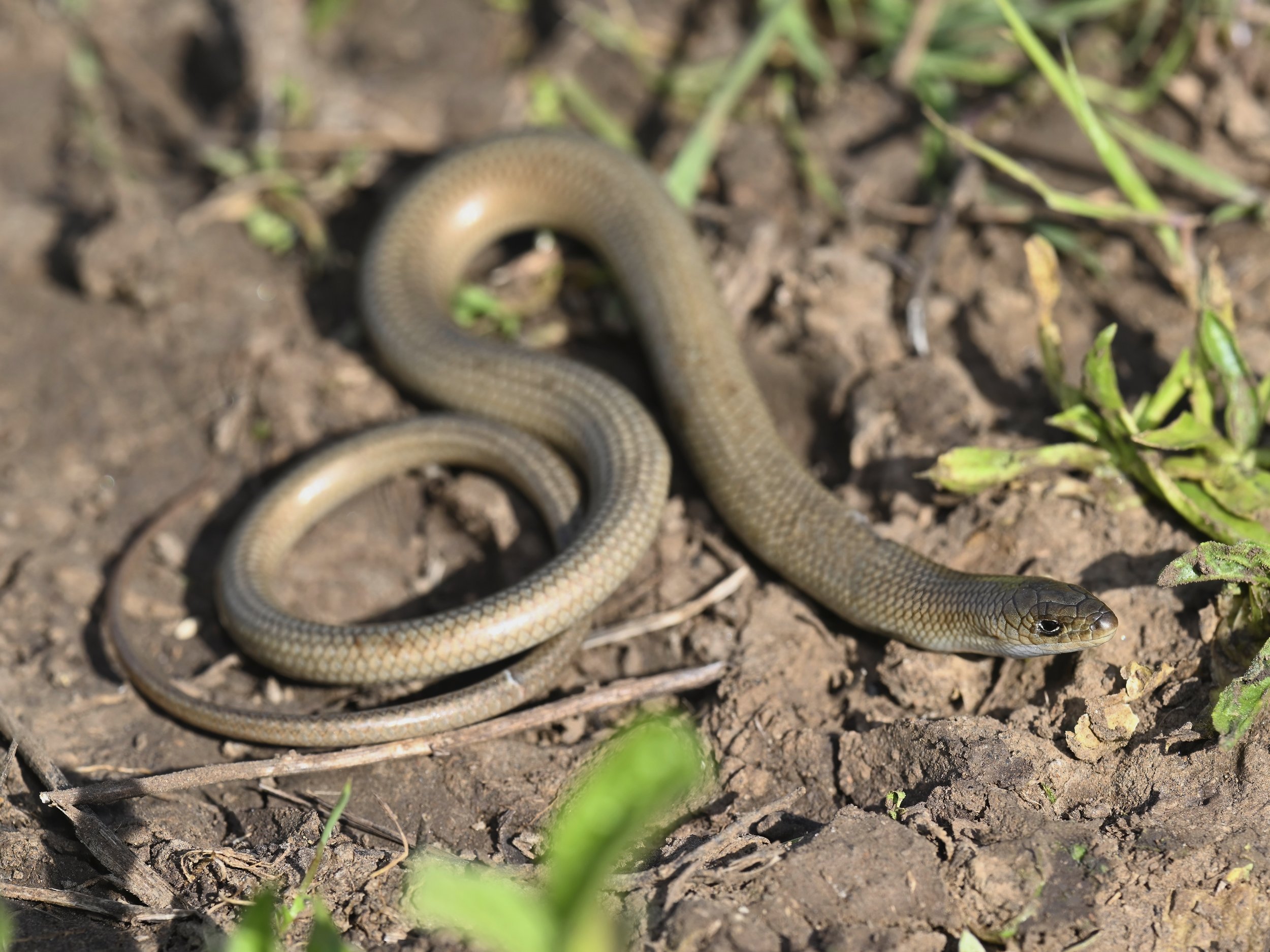
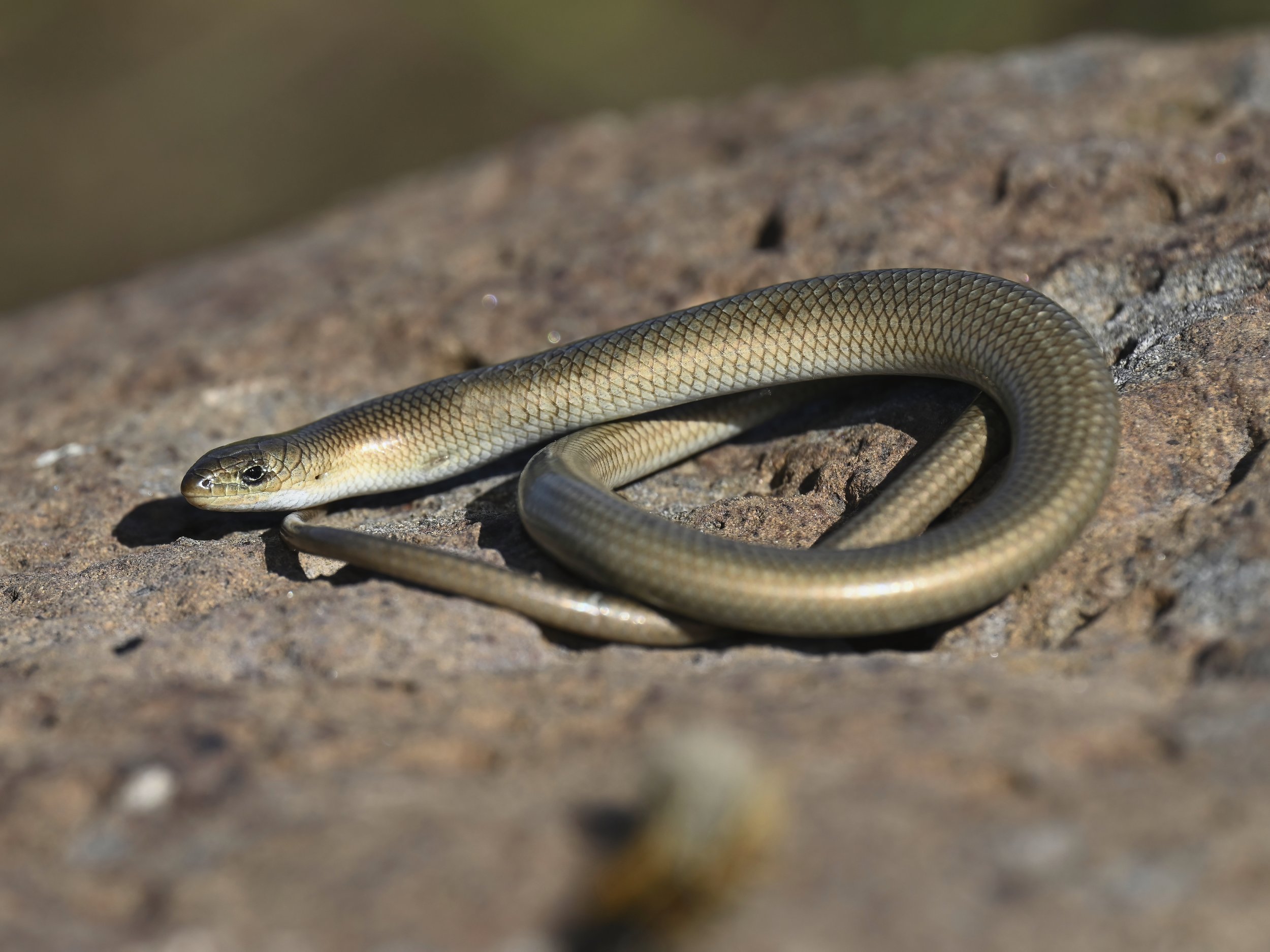
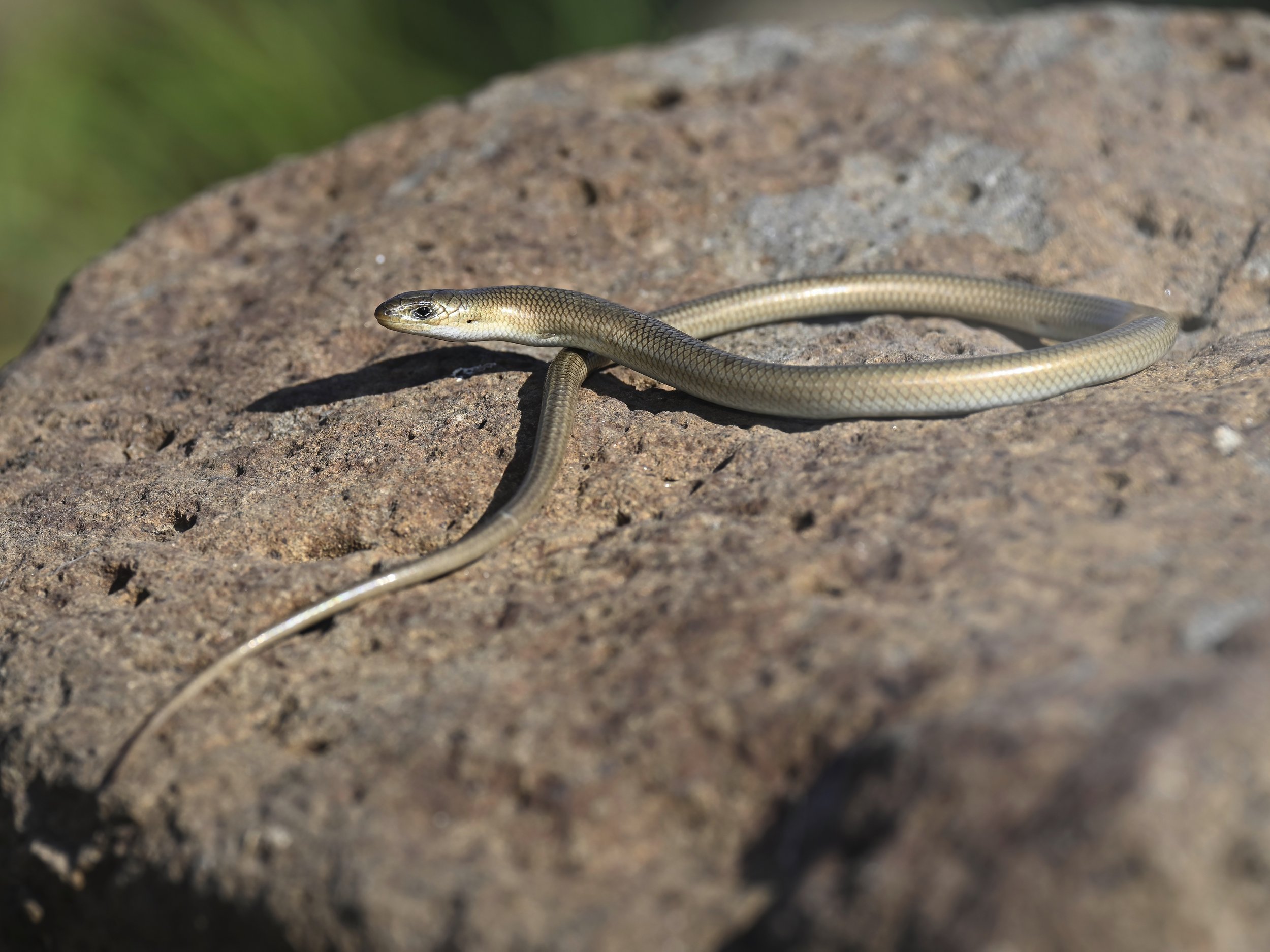
Gunther’s Cylindrical Skink \ Chalcides guentheri
(سقنقور غونتر الأسطواني)
Gunther’s Cylindrical Skink (Chalcides guentheri) is a fascinating reptile species inhabiting the Mediterranean region, particularly found in countries such as Greece, Turkey, Lebanon, and Cyprus. Named after the renowned herpetologist Albert Günther, this skink is characterized by its cylindrical body shape, which allows it to burrow efficiently through loose soil and leaf litter. Sporting a sleek, shiny appearance, it often exhibits hues of brown or gray, blending seamlessly into its surroundings. Gunther’s Cylindrical Skink is primarily crepuscular or nocturnal, emerging at dusk or during the night to forage for small insects and invertebrates. Despite its inconspicuous nature, it plays a crucial role in its ecosystem as both predator and prey. However, like many reptile species, it faces threats from habitat destruction and fragmentation. Conservation efforts aim to safeguard the habitats of Gunther’s Cylindrical Skink, ensuring the preservation of this intriguing species for future generations to admire and study.
السقنقور الأسطواني لغونتر هو نوع مميز من الزواحف يعيش في منطقة البحر الأبيض المتوسط، ويوجد خصوصًا في دول مثل اليونان، وتركيا، ولبنان، وقبرص. وقد سُمِّي نسبةً إلى عالم الزواحف الشهير ألبرت غونتر. ويتميّز هذا السقنقور بجسمه الأسطواني الذي يساعده على الحفر بكفاءة داخل التربة الرخوة وبين طبقات الأوراق المتساقطة. كما يمتلك مظهرًا أملس لامعًا، وتغلب على لونه درجات البني أو الرمادي، مما يمنحه قدرة جيدة على الاندماج مع محيطه. ويكون هذا النوع نشطًا غالبًا عند الغسق أو خلال الليل، حيث يخرج للبحث عن الحشرات الصغيرة واللافقاريات. وعلى الرغم من طبيعته الخفية وقلة ملاحظته، فإنه يؤدي دورًا مهمًا في النظام البيئي بصفته مفترسًا وفريسة في الوقت نفسه. لكنه، كحال كثير من الزواحف، يواجه تهديدات ناتجة عن تدمير الموائل وتجزئتها. لذلك، تهدف جهود الحماية إلى صون البيئات التي يعيش فيها السقنقور الأسطواني لغونتر، بما يضمن بقاء هذا النوع المثير للاهتمام للأجيال القادمة لتأمله ودراسته
Other Species
-
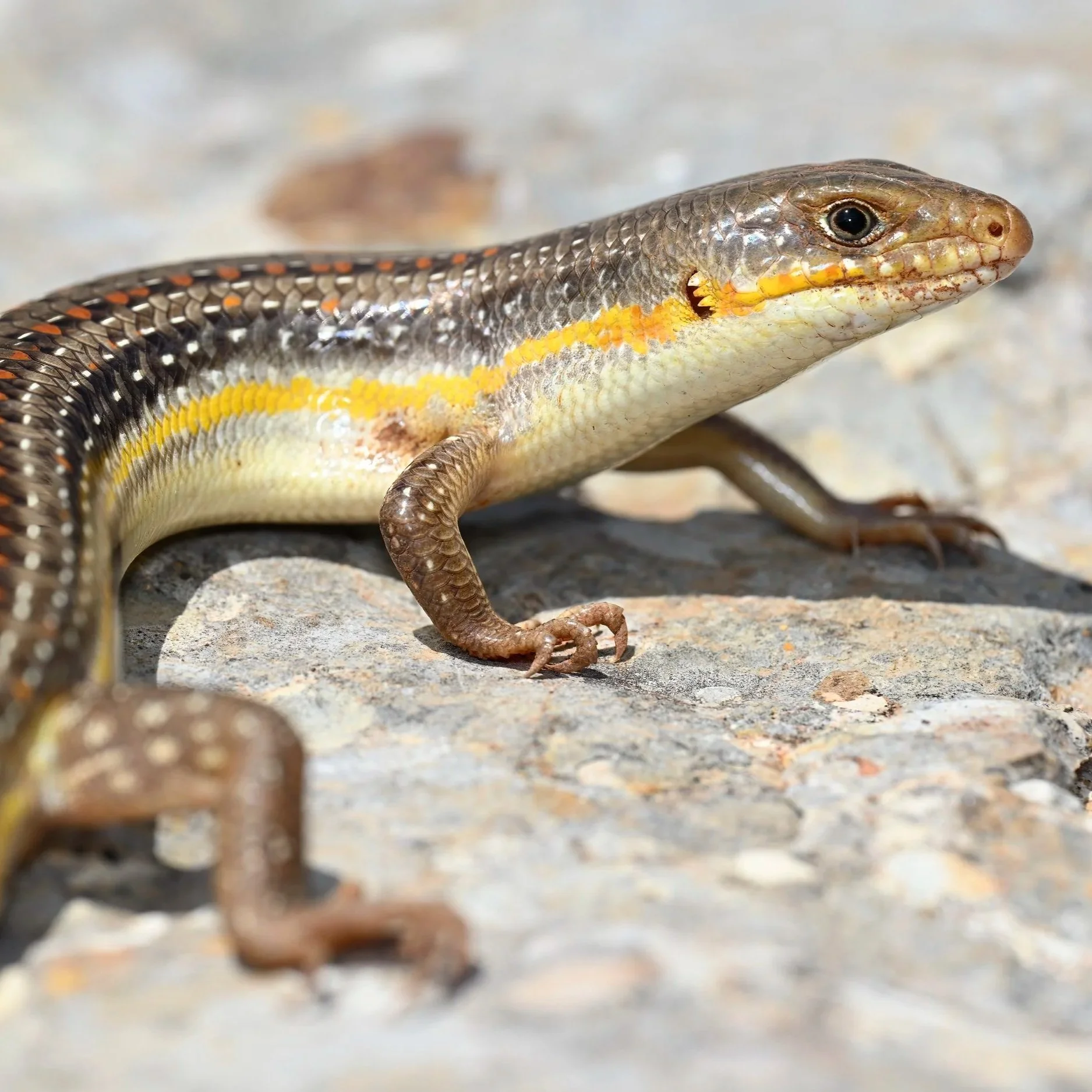
Schneider's Skink (Eumeces schneideri)
-
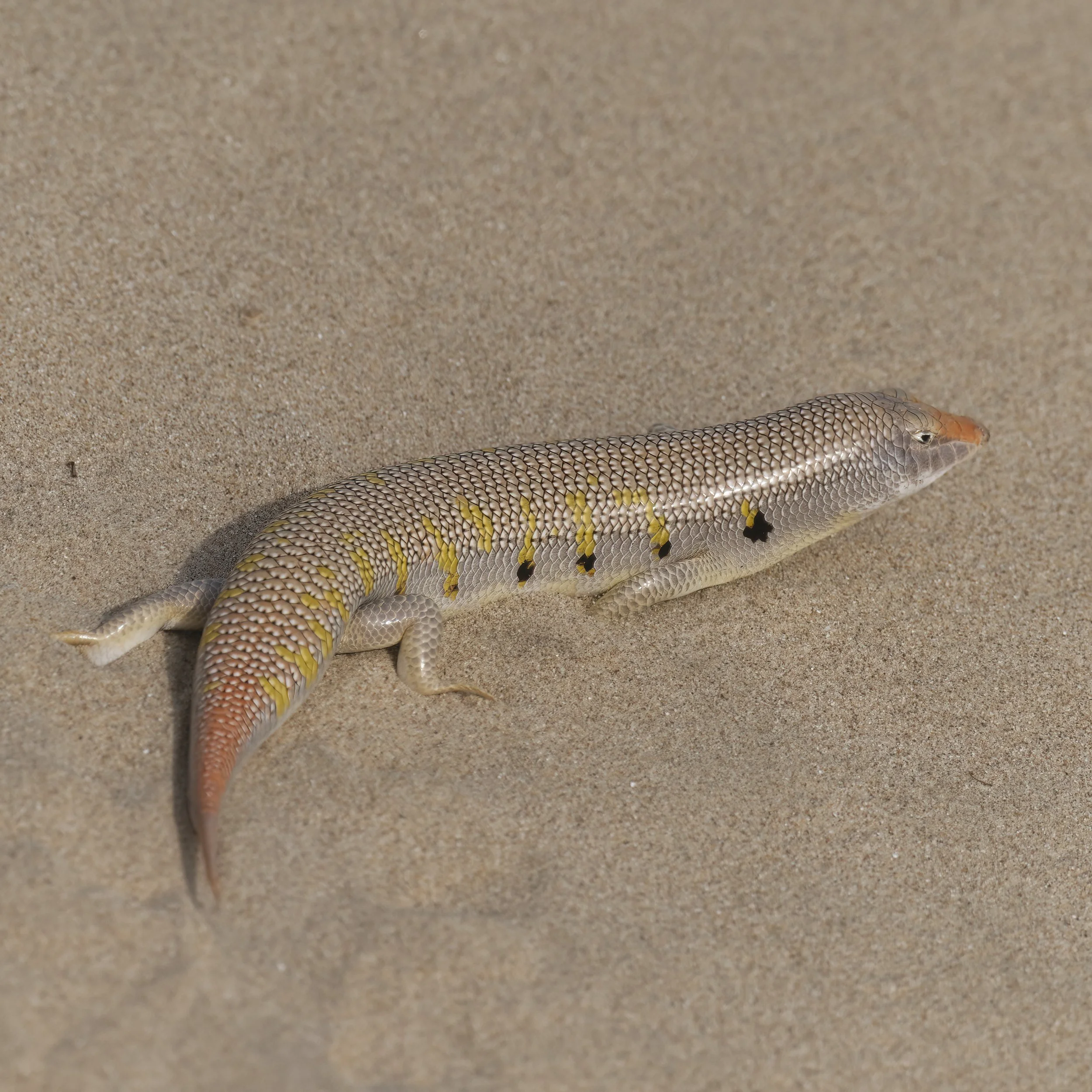
Arabian Sand Skink (Scincus mitranus)
-
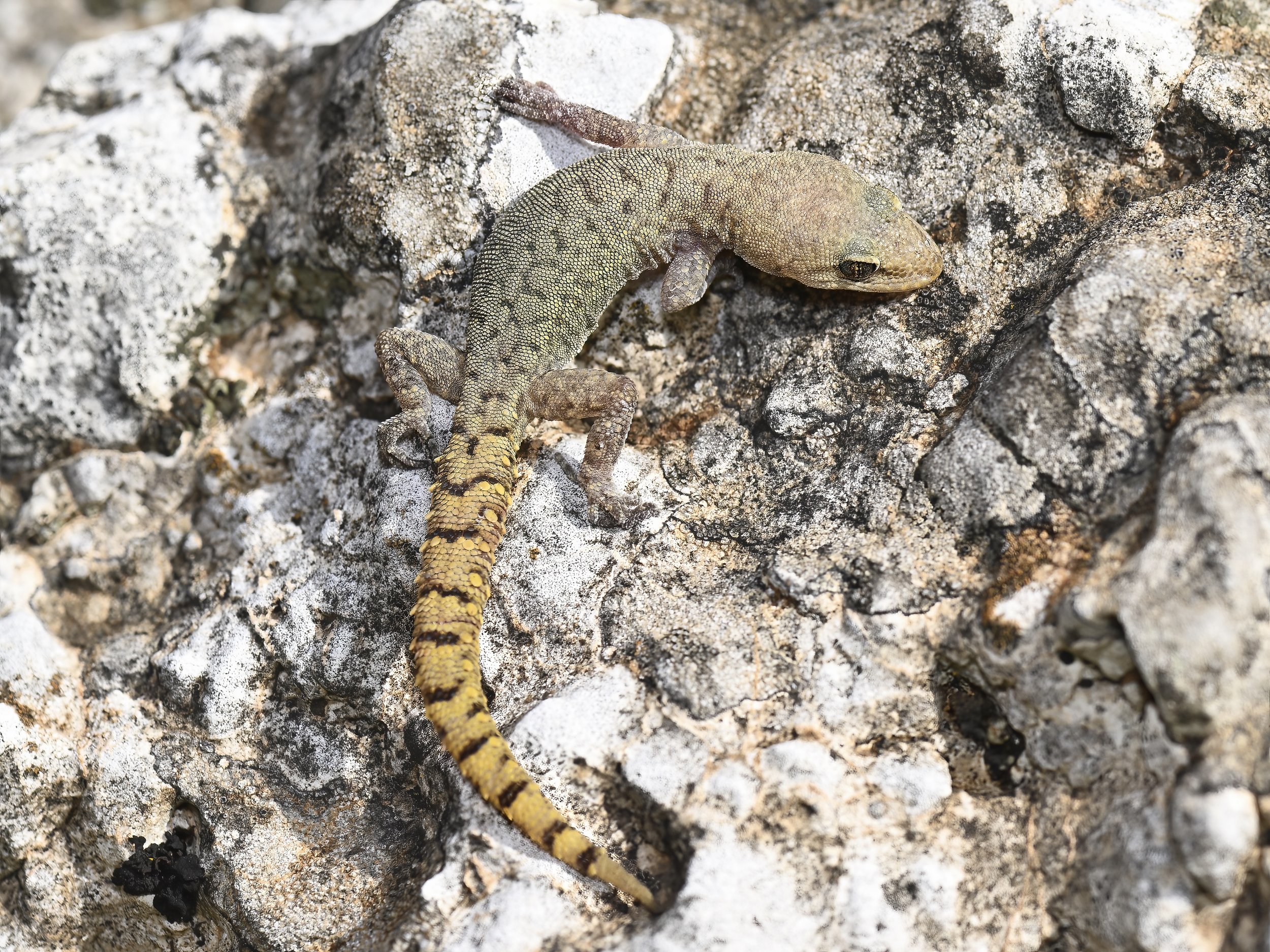
Lebanese Thin-toed Gecko (Mediodactylus amictopholis)
-
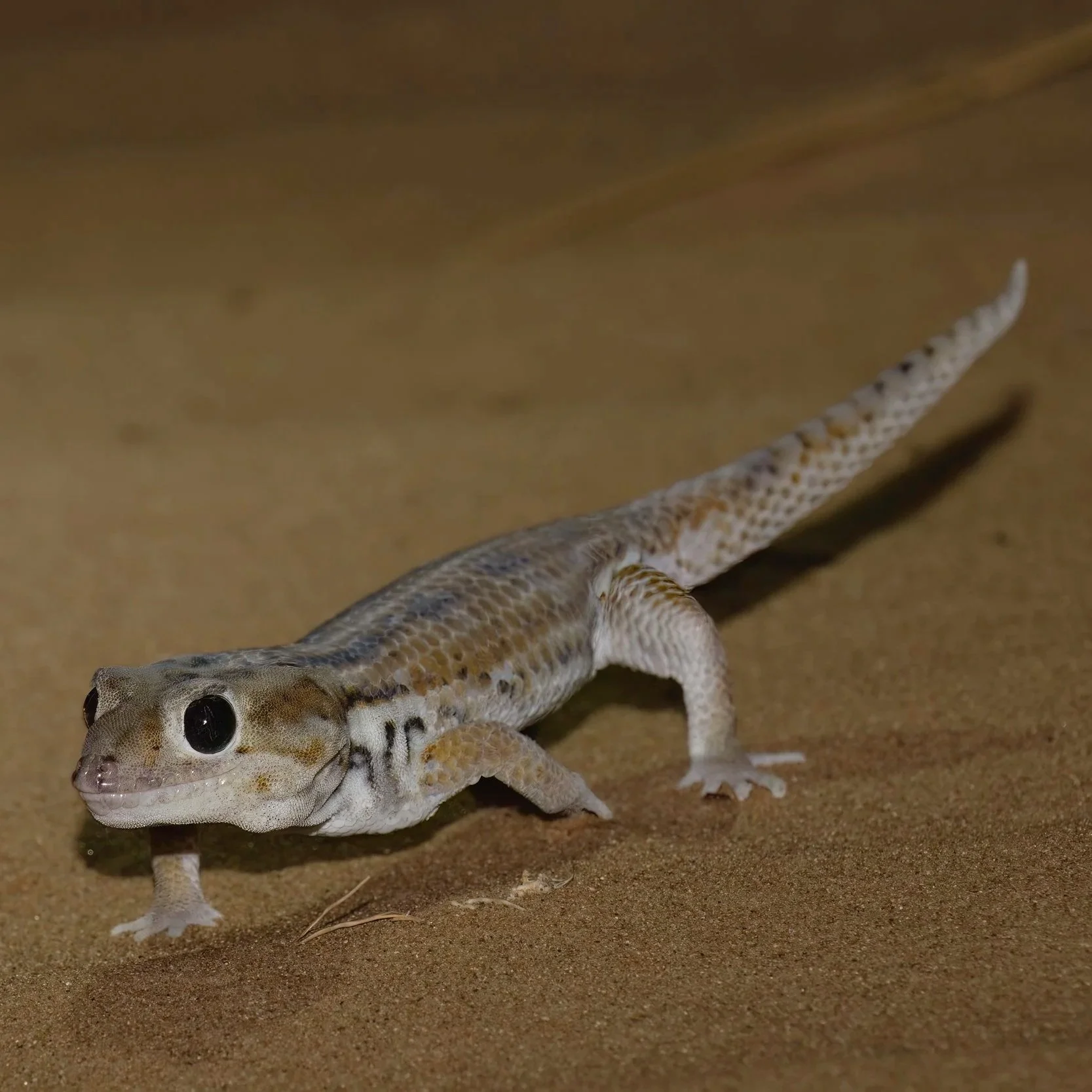
Keyserling's Wonder Gecko (Teratoscincus keyserlingii)