
Stories · Lebanon
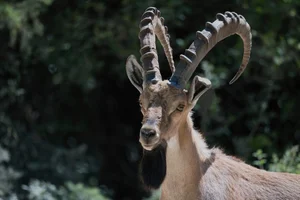
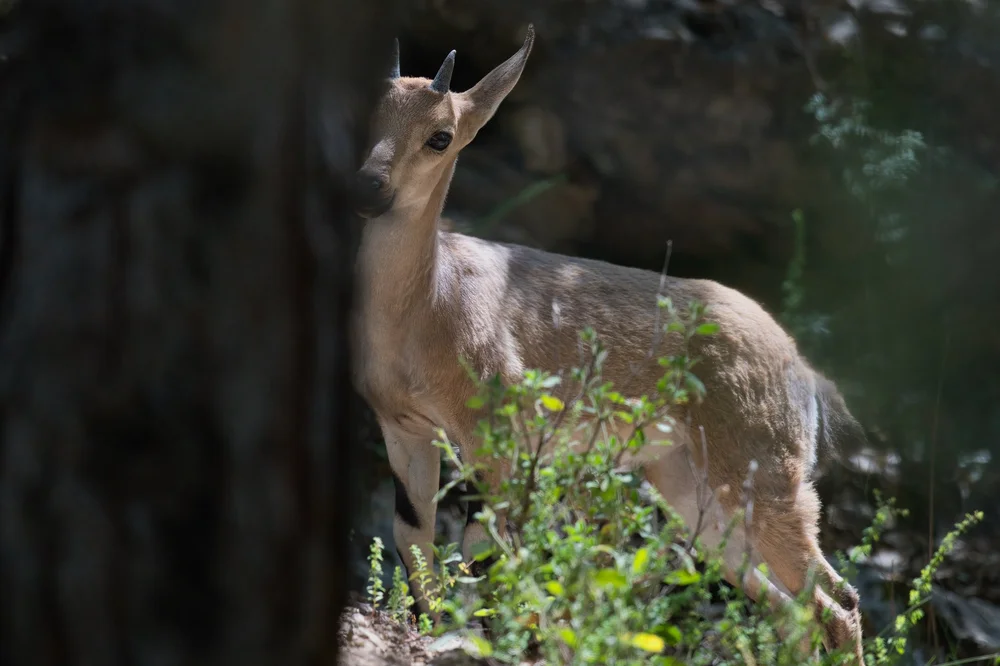
Nubian Ibex (Capra nubiana)
- Capra nubiana
- Al Shouf Cedar Nature Reserve, Lebanon
- Wild goat of the cliffs
- Hunted out, now returning
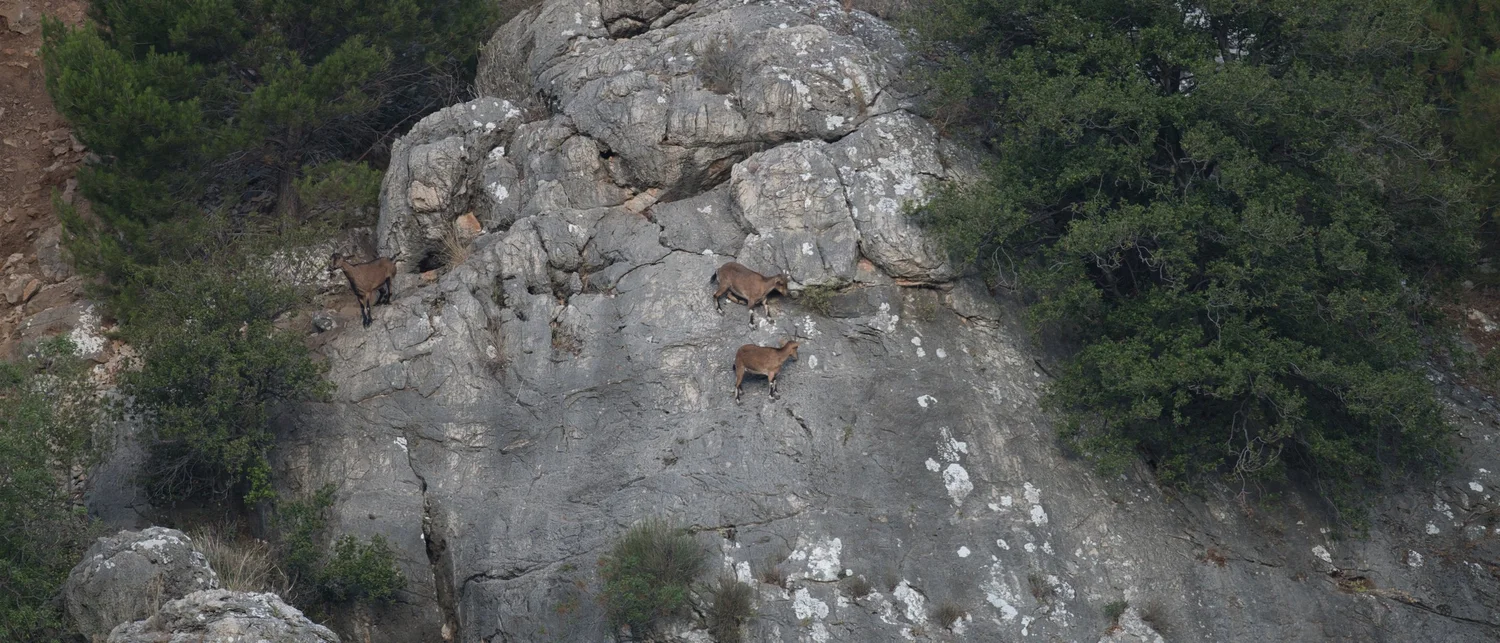
“They hunted all of us!”— The ibex
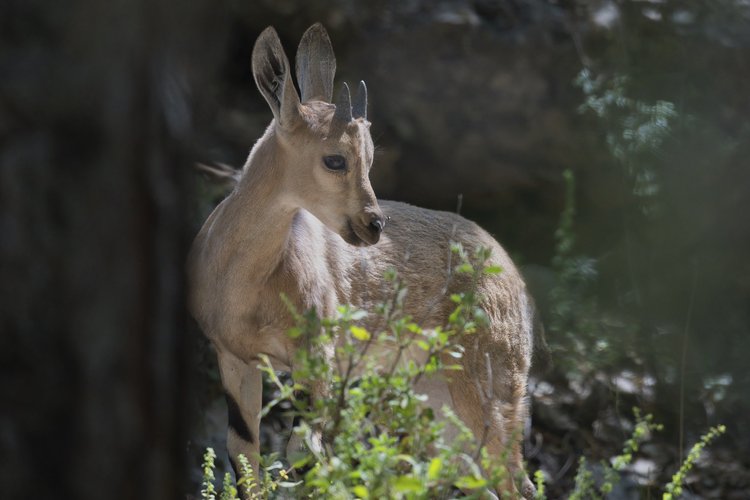
“Overhunting in Lebanon wiped out our numbers; they killed all of us. But there is hope: the Shouf Biosphere Reserve is working on bringing us back to nature, and we are so happy and cautiously excited about it. This is your second chance, and probably the last one. Please let us live in peace.”
— The ibex
Field guide
About the Nubian ibex
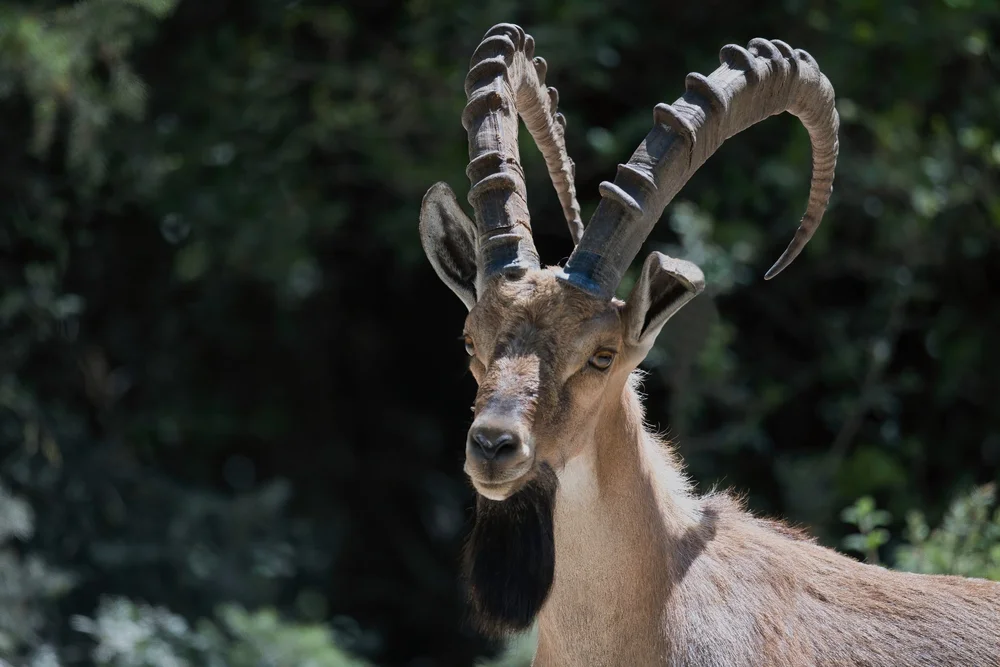
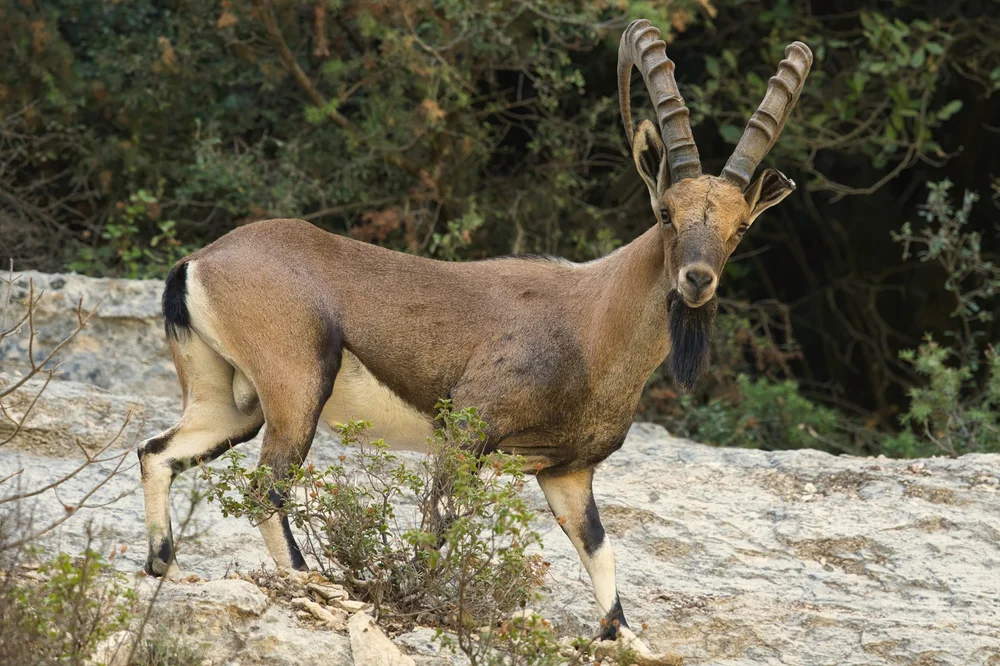
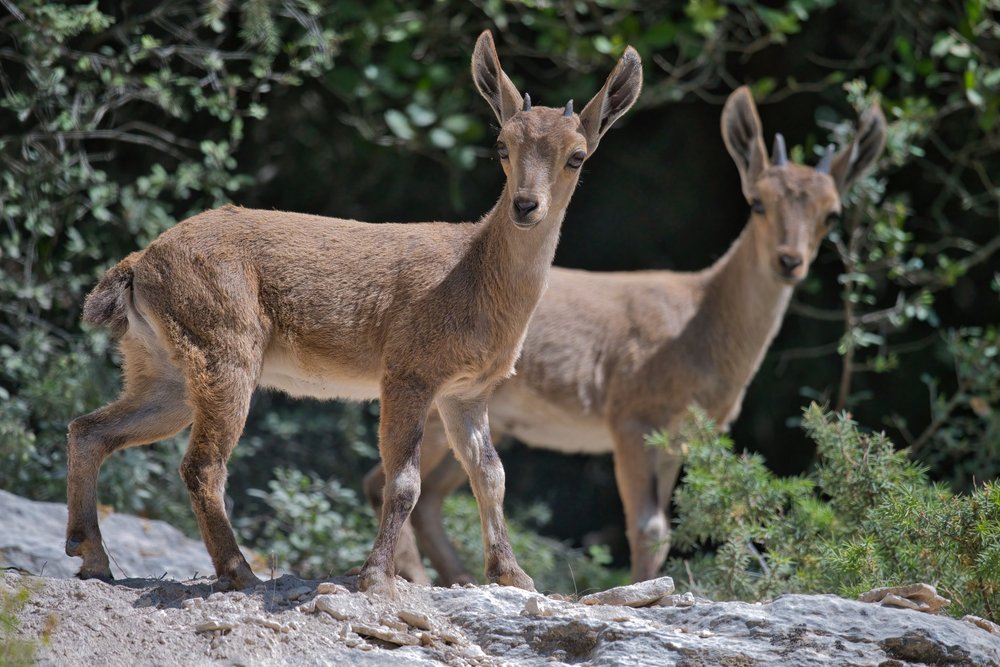
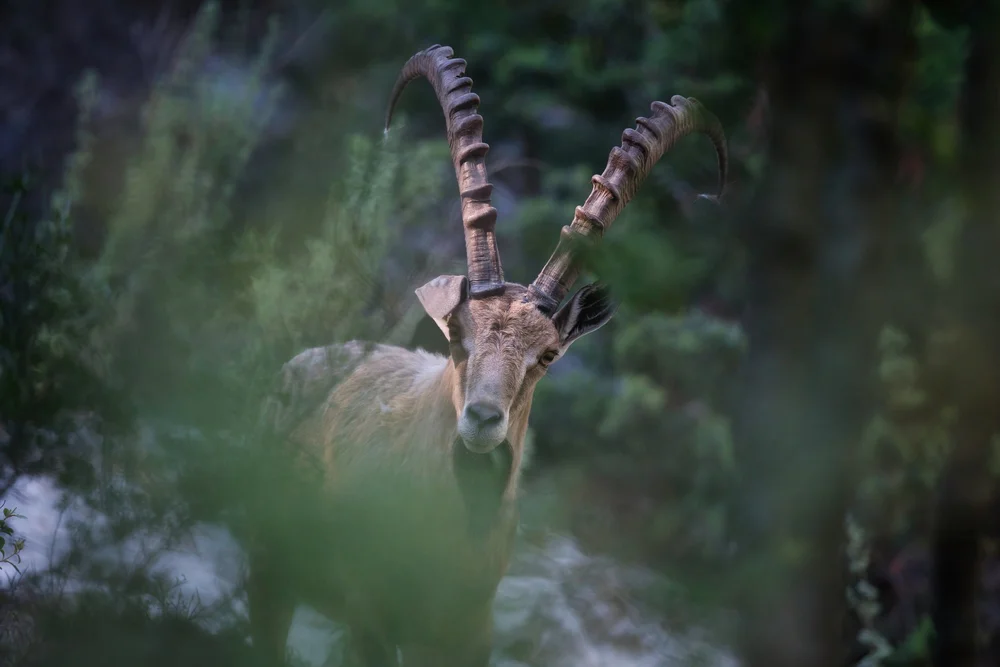
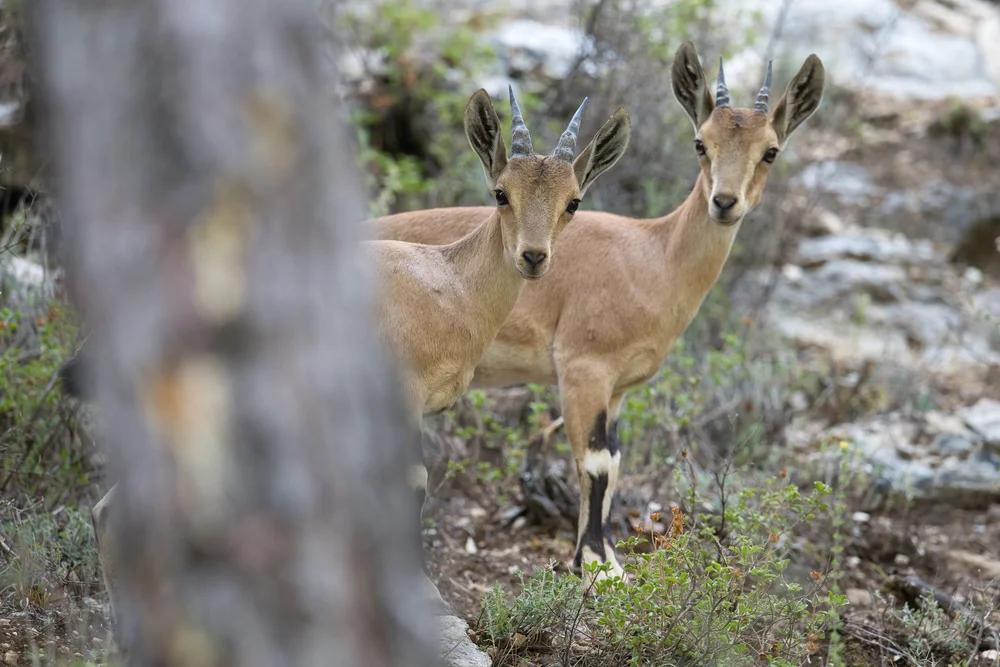
The Nubian ibex (Capra nubiana) is a striking wild goat species found in rocky mountainous regions of northeastern Africa and the Middle East. Known for its impressive, backward-curving horns, both males and females boast these distinctive features. Adult males typically have larger and more pronounced horns. Nubian ibexes are well adapted to rugged terrains, using their agility to navigate steep cliffs and rocky landscapes. Their diet consists of a variety of vegetation, including grasses, herbs, and shrubs, enabling them to thrive in arid and mountainous environments. The size of Nubian ibexes varies, with males being larger than females. On average, they stand around 65 to 75 cm (26 to 30 inches) at the shoulder, and their horns can reach lengths of over a meter (about 40 inches). These resilient and sure-footed animals are essential components of their ecosystems, contributing to the biodiversity of their habitats.