

Habitat
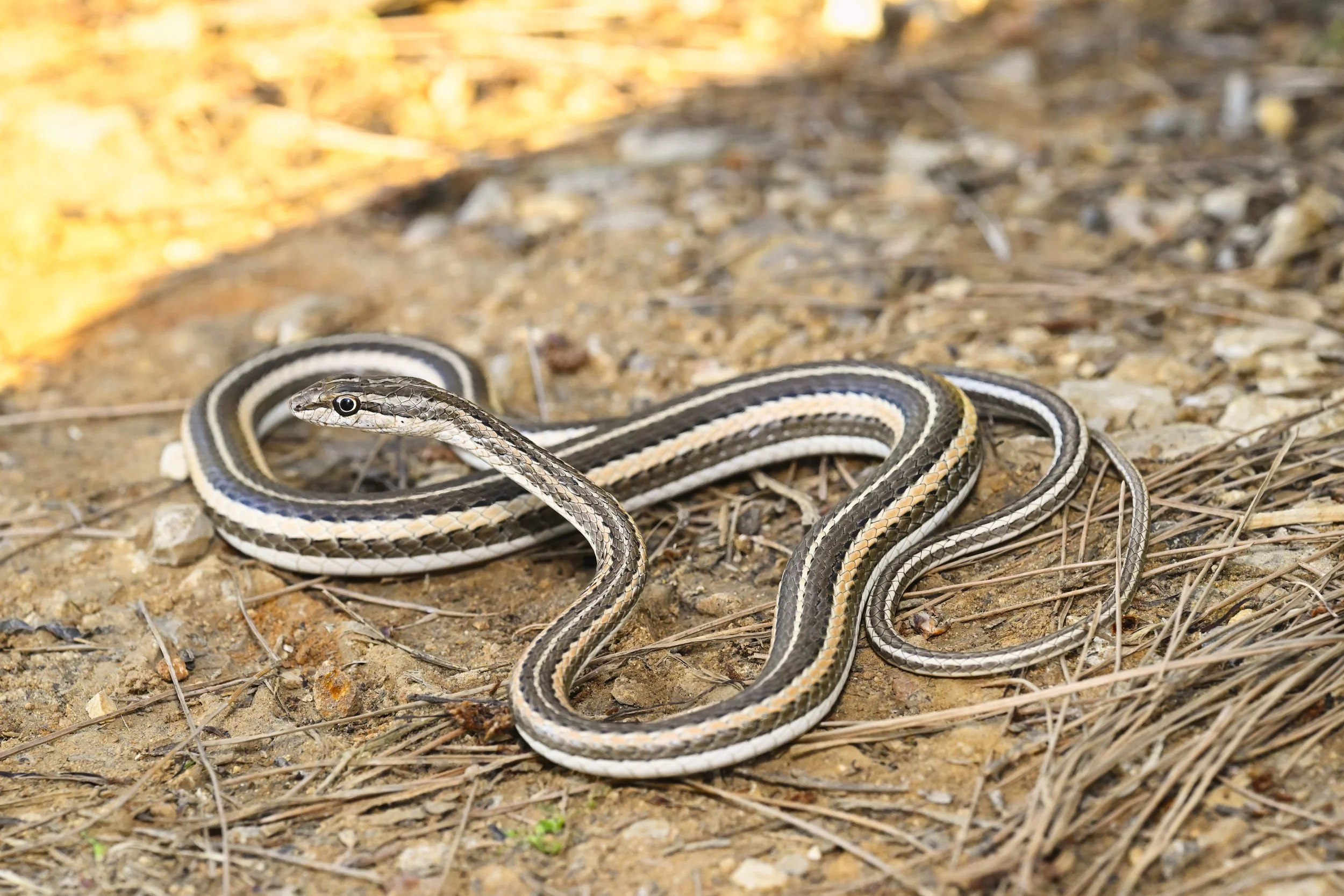
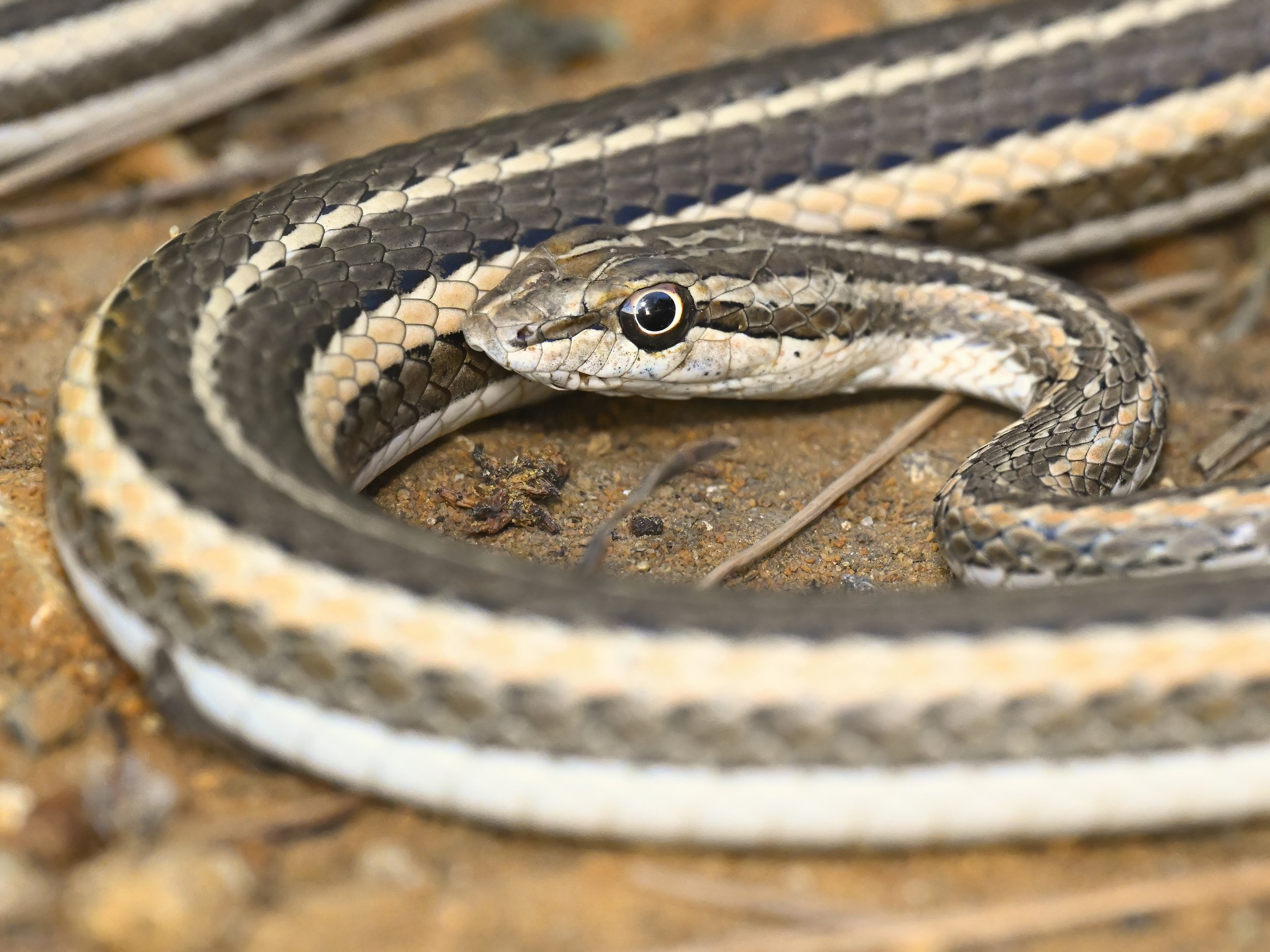
The Schokari Sand Racer (Psammophis schokari) inhabits a wide range of arid and semi-arid environments across North Africa and the Middle East, including the United Arab Emirates and Lebanon. It is commonly associated with sandy deserts, rocky plains, dry hillsides, open scrublands, and agricultural edges where suitable prey and shelter are available. Unlike species restricted to loose sand, this adaptable snake can move efficiently across rocky ground, compacted soil, and low vegetation. It frequently uses rock crevices, rodent burrows, and vegetation for shelter, particularly during periods of extreme heat. Its preference for open habitats provides opportunities to locate prey visually while allowing rapid escape from potential predators.
يعيش الثعبان الشقاري في مجموعة واسعة من البيئات الجافة وشبه الجافة في شمال أفريقيا والشرق الأوسط، بما في ذلك دولة الإمارات العربية المتحدة ولبنان. ويوجد عادةً في الصحاري الرملية والسهول الصخرية والمنحدرات الجافة والمناطق ذات الشجيرات المتناثرة وأطراف الأراضي الزراعية، حيث تتوفر الفرائس والملاجئ المناسبة. وعلى خلاف الأنواع التي يقتصر وجودها على الرمال الناعمة، يستطيع هذا الثعبان التحرك بكفاءة فوق الأراضي الصخرية والتربة المتماسكة وبين النباتات المنخفضة. وغالباً ما يلجأ إلى الشقوق الصخرية وجحور القوارض والغطاء النباتي للاحتماء، خاصةً خلال فترات الحرارة الشديدة. وتساعده البيئات المفتوحة على رصد فرائسه بصرياً والهروب بسرعة من المفترسات المحتملة
Physical Characteristics
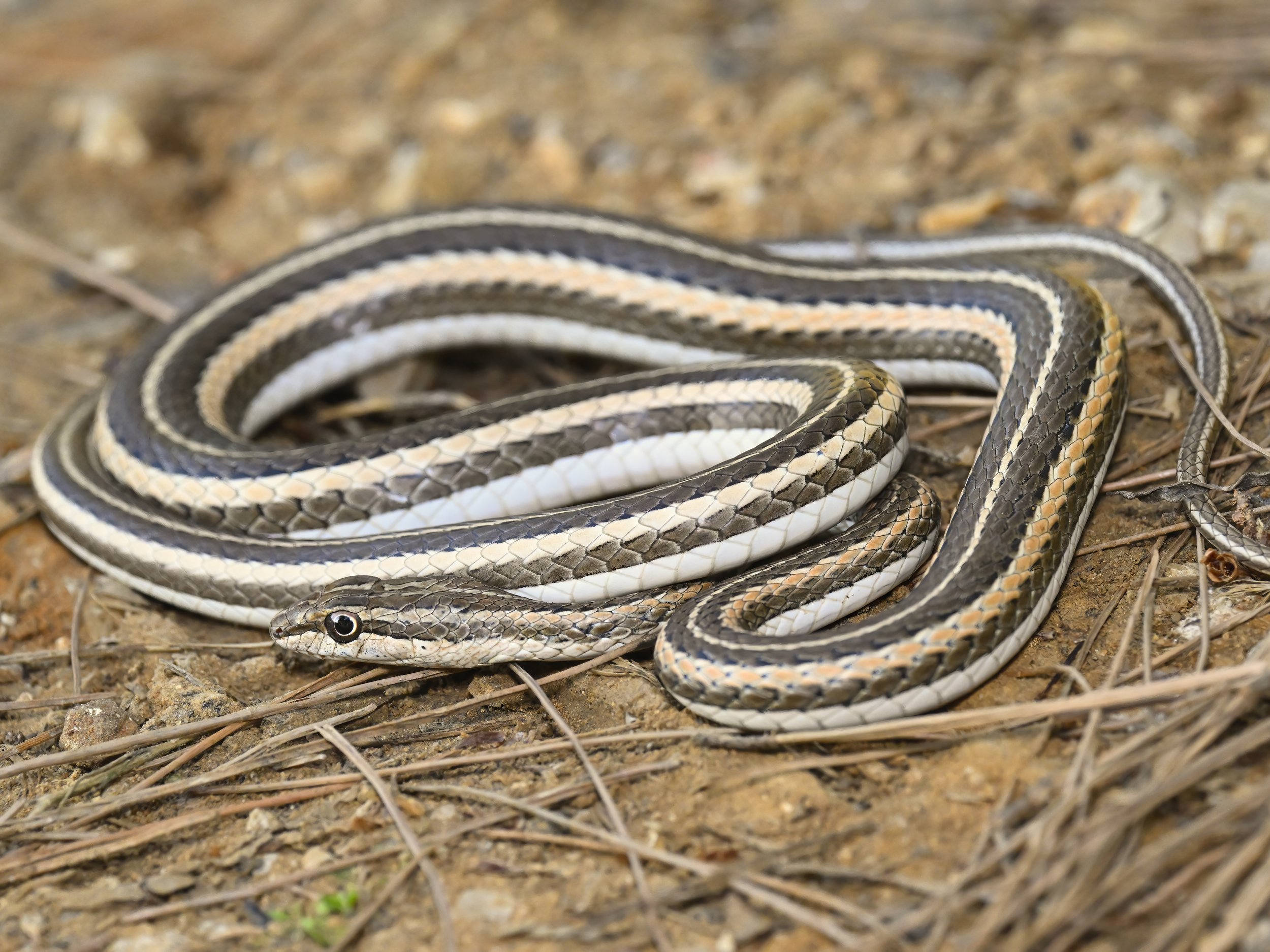
A slender, elongated snake, typically measuring between 80 and 140 cm in total length. Its body is exceptionally streamlined, with a narrow head, large eyes, round pupils, and a long, tapering tail. Coloration is highly variable, ranging from sandy yellow and light brown to greyish or olive tones, often accompanied by darker longitudinal stripes extending along the body. Some individuals display well-defined stripes, while others have much less conspicuous markings. Its smooth scales and lightweight build facilitate rapid movement across open terrain. One of its most distinctive behaviors is raising the front portion of its body and extending its neck to survey its surroundings, using its excellent eyesight to detect movement from a distance.
يتميز الثعبان الشقاري بجسم طويل ونحيف، ، ويتراوح طوله عادةً بين 80 و140 سم. ويمتلك جسماً انسيابياً ورأساً ضيقاً وعينين كبيرتين ذواتي حدقتين دائريتين، بالإضافة إلى ذيل طويل يتناقص سمكه تدريجياً نحو الطرف. وتتباين ألوانه بشكل ملحوظ بين الأصفر الرملي والبني الفاتح والرمادي والزيتوني، وغالباً ما تظهر على جسمه خطوط طولية داكنة. وتكون هذه الخطوط واضحة لدى بعض الأفراد، بينما تبدو باهتة أو أقل وضوحاً لدى أفراد أخرى. وتساعده حراشفه الملساء وبنيته الخفيفة على التحرك بسرعة كبيرة فوق التضاريس المفتوحة. ومن أبرز سلوكياته رفع الجزء الأمامي من جسمه ومد رقبته لمراقبة محيطه، مستفيداً من حدة بصره في اكتشاف الحركة من مسافات بعيدة
Hunting Habits
Highly active, primarily diurnal predator that relies on exceptional eyesight, speed, and agility to locate and pursue prey. Its diet consists mainly of lizards, particularly small, fast-moving species, but it also consumes rodents, small birds, and other vertebrates when opportunities arise. Rather than waiting motionless in ambush, it actively searches through open ground, rocky areas, and vegetation, responding quickly to movement. It may raise its head above the surrounding vegetation to scan for prey before launching a rapid pursuit. Once captured, prey is held firmly in its jaws, with venom delivered through enlarged rear teeth helping to immobilize it. Its hunting activity is strongly influenced by temperature, with activity often concentrated during the cooler daylight hours in hot environments.
من المفترسات النشطة التي تعتمد بشكل رئيسي على حدة البصر والسرعة والرشاقة في اكتشاف الفرائس ومطاردتها، وينشط غالباً خلال ساعات النهار. ويتغذى بصورة أساسية على السحالي، وخاصة الأنواع الصغيرة والسريعة الحركة، كما يفترس القوارض الصغيرة والطيور وغيرها من الفقاريات عند توفر الفرصة. وعلى عكس الثعابين التي تعتمد على الكمائن وانتظار الفريسة، يبحث الثعبان الشقاري بنشاط بين الصخور والنباتات وعلى الأراضي المفتوحة، ويستجيب بسرعة لأي حركة يلاحظها. وقد يرفع رأسه فوق النباتات المحيطة لمسح المنطقة بحثاً عن الفرائس قبل الانطلاق في مطاردة سريعة. وبعد الإمساك بالفريسة، يثبتها بفكيه، ويساعد السم الذي يوصله عبر أسنانه الخلفية المتخصصة على إضعاف حركتها والسيطرة عليها. ويتأثر نشاطه بدرجات الحرارة، حيث تتركز حركته غالباً خلال ساعات النهار المعتدلة في البيئات الحارة
Venom Details
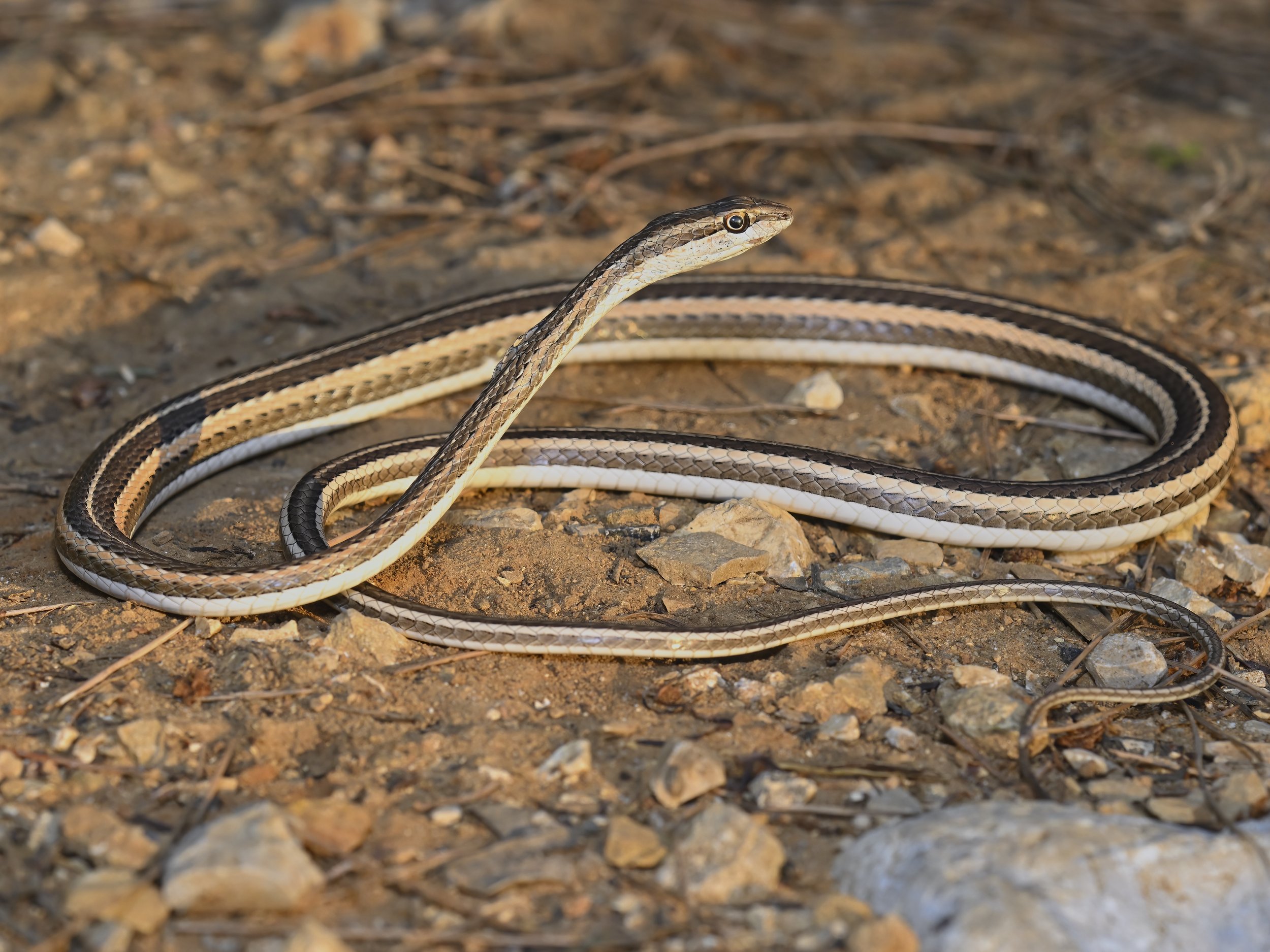
Mildly venomous, rear-fanged snake whose venom is primarily adapted for subduing small vertebrate prey. Unlike front-fanged vipers, it possesses enlarged, grooved teeth toward the rear of its upper jaw, which facilitate venom delivery during a sustained bite. Its venom is not generally considered medically significant to healthy humans, and reported effects are usually limited to localized pain, swelling, and mild irritation. However, individual reactions can vary, and bites should not be dismissed as entirely harmless. When threatened, this species usually attempts to escape rapidly rather than confront an aggressor, although it may strike defensively if cornered or restrained. Its speed and defensive behavior make unnecessary handling inadvisable, and any bite should be assessed by a medical professional.
يُعد الثعبان الشقاري من الثعابين ذات السمية الخفيفة والأنياب الخلفية، ويُستخدم سمه بشكل رئيسي للسيطرة على الفرائس الصغيرة من الفقاريات. وعلى خلاف الأفاعي ذات الأنياب الأمامية، يمتلك أسناناً خلفية متضخمة ومزودة بأخاديد في الفك العلوي، تساعد على إيصال السم أثناء العض المستمر. ولا يُعد سمه عموماً ذا خطورة طبية كبيرة على الإنسان السليم، إذ تقتصر الأعراض المعروفة عادةً على الألم الموضعي والتورم والتهيج الخفيف. ومع ذلك، قد تختلف الاستجابة من شخص إلى آخر، ولا ينبغي اعتبار عضته غير ضارة تماماً. وعند الشعور بالخطر، يفضل هذا النوع الهروب بسرعة بدلاً من المواجهة، لكنه قد يلجأ إلى العض دفاعاً عن نفسه إذا حُوصر أو جرت محاولة الإمساك به. ونظراً لسرعته وسلوكه الدفاعي، يُنصح بتجنب التعامل المباشر معه دون ضرورة، وطلب التقييم الطبي في حال التعرض للعض