

White-breasted Waterhen \ Amaurornis phoenicurus
(دجاجة الماء بيضاء الصدر)
The White-breasted Waterhen (Amaurornis phoenicurus) is one of those birds that behaves more like a shadow than a typical wetland species. It belongs to the rail family—a group famous among birders for being secretive masters of vegetation.
It is a medium-sized rail commonly associated with wetlands, marshes, ponds, and mangrove edges. It is easily recognized by its striking contrast of a clean white face, throat, and breast against a dark grey to blackish body, with a warm rufous patch beneath the tail that becomes visible when the bird flicks its tail while walking. Unlike many rails that remain hidden in dense reeds, this species often moves confidently along the edges of water or across open ground near vegetation. It feeds on insects, small invertebrates, seeds, and aquatic organisms, frequently foraging along muddy banks or shallow water. Its loud, cackling calls are often heard at dawn and dusk, revealing its presence even when the bird itself remains partly concealed among wetland plants.
دجاجة الماء بيضاء الصدر هي من تلك الطيور التي تتحرك وكأنها ظلّ بين النباتات أكثر من كونها طائرًا رطبياً تقليديًا. وتنتمي إلى فصيلة المرعات ، وهي مجموعة معروفة بين مراقبي الطيور بقدرتها الكبيرة على الاختباء والتخفي داخل الغطاء النباتي الكثيف
وهي طائر متوسط الحجم يرتبط عادة بـ الأراضي الرطبة، والمستنقعات، والبرك، وحواف القرم. ويمكن التعرف عليها بسهولة من خلال التباين الواضح بين الوجه والحلق والصدر الأبيض النقي والجسم الرمادي الداكن إلى الأسود، إضافة إلى بقعة بنية محمرة أسفل الذيل تظهر بوضوح عندما ترفع ذيلها أثناء المشي
وعلى خلاف كثير من أنواع المرعات التي تبقى مختبئة داخل القصب، تتحرك دجاجة الماء بيضاء الصدر بثقة على حواف المياه أو فوق الأرض المكشوفة قرب النباتات. وتتغذى على الحشرات، واللافقاريات الصغيرة، والبذور، والكائنات المائية، وغالبًا ما تبحث عن غذائها على الضفاف الطينية أو في المياه الضحلة. كما تُعرَف بنداءاتها العالية المتقطعة التي تُسمَع غالبًا عند الفجر والغسق، فتكشف وجودها حتى عندما تبقى مختبئة جزئيًا بين نباتات المستنقعات
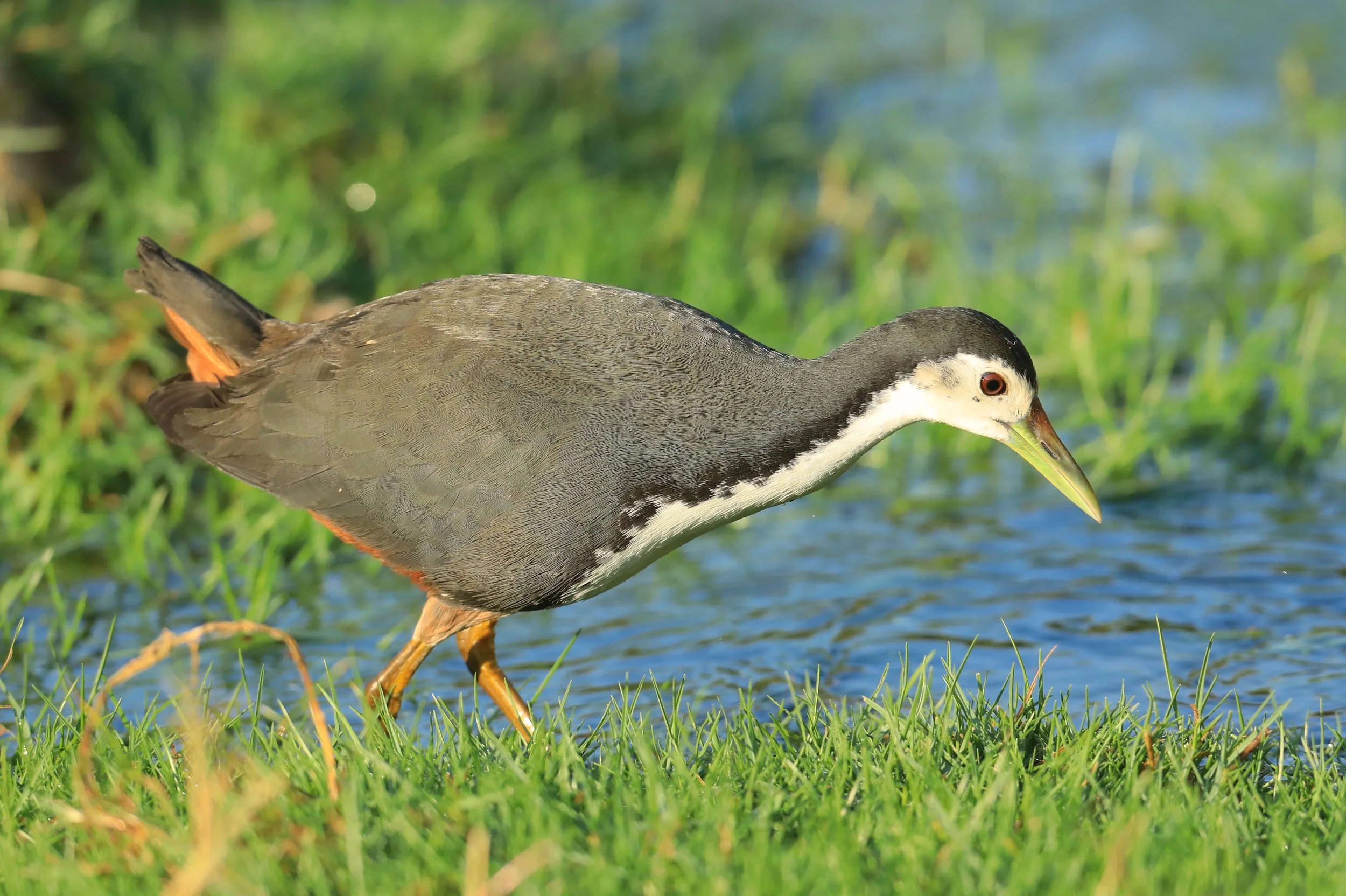
Photo Credit: Paul Kinnock
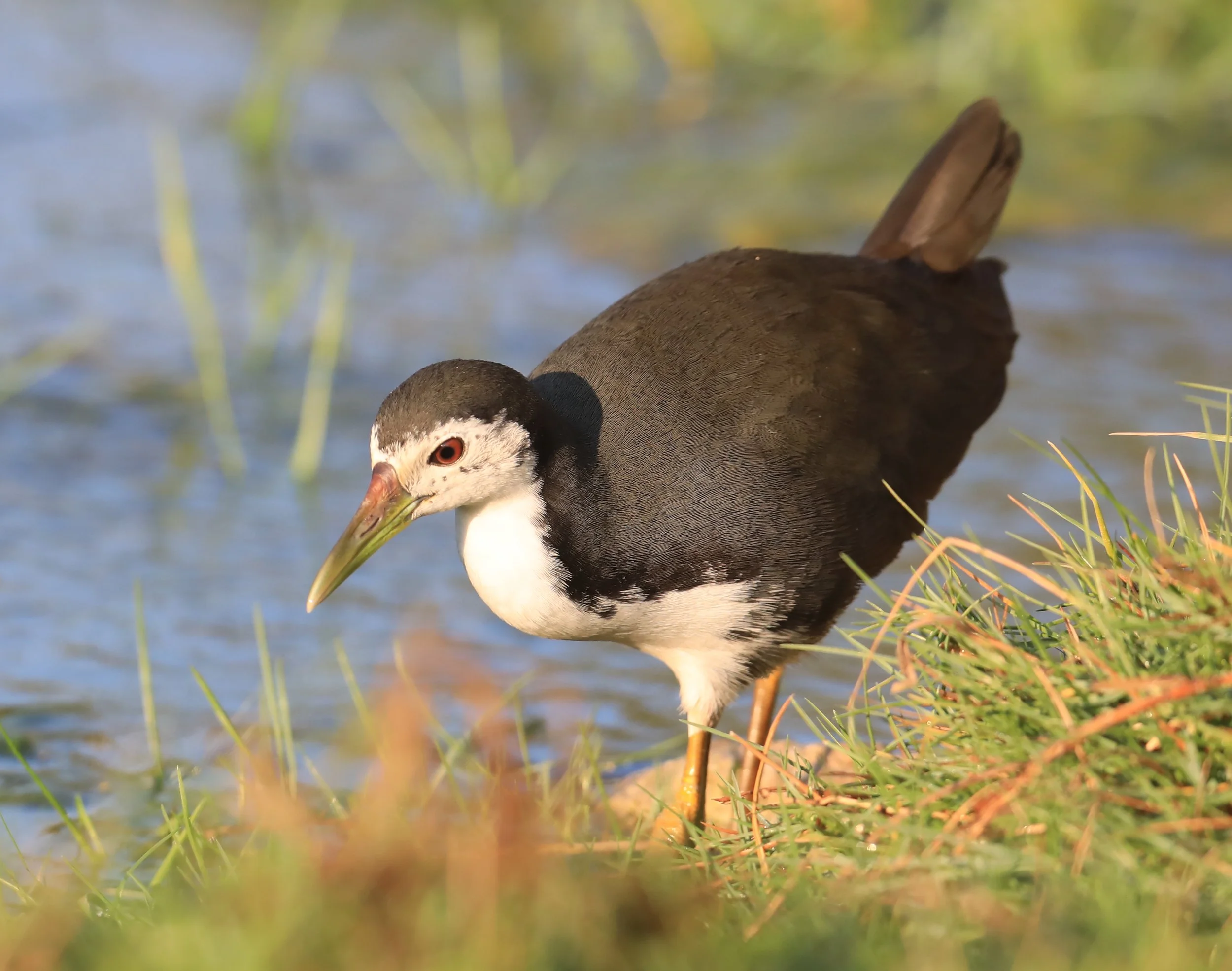
Photo Credit: Paul Kinnock
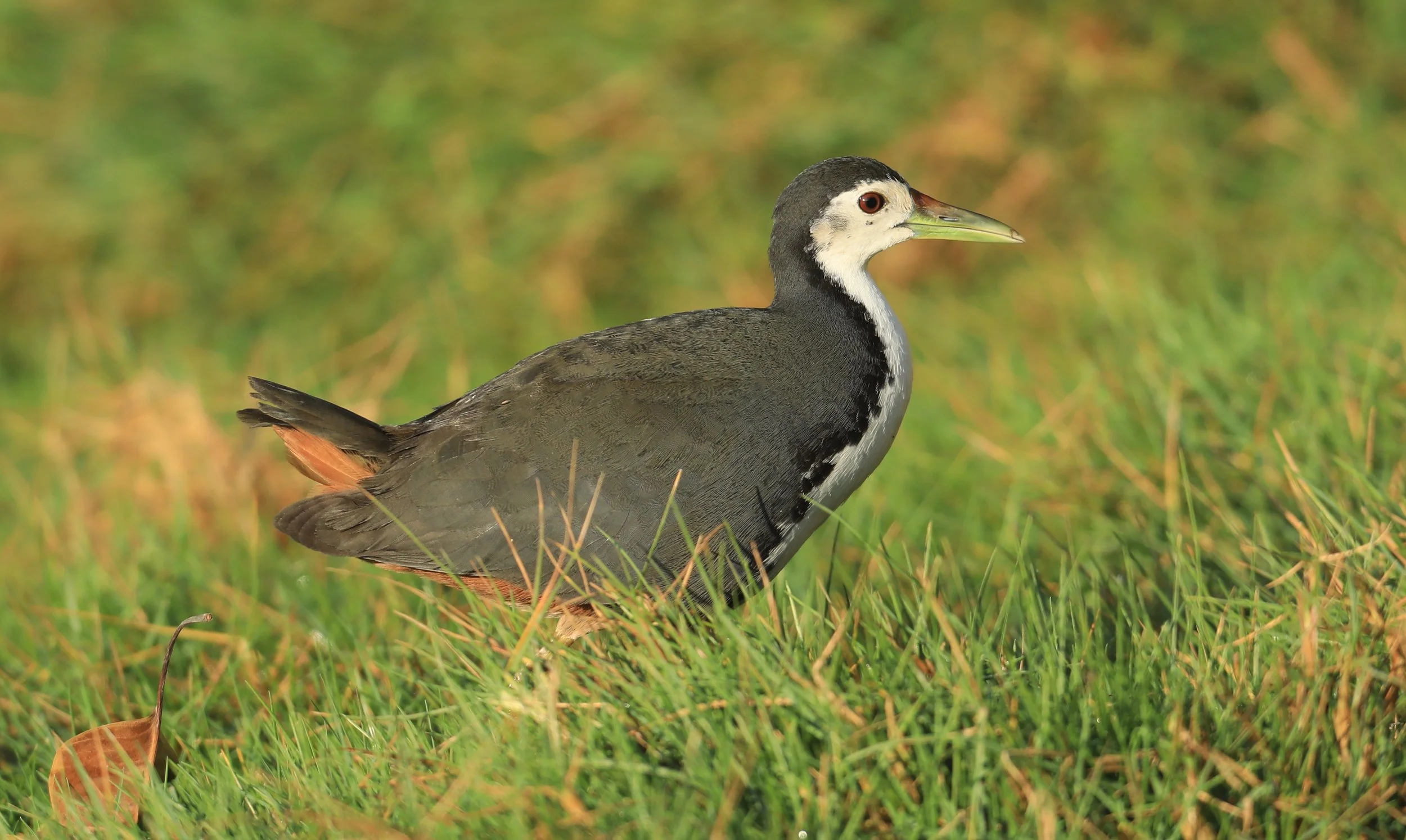
Photo Credit: Paul Kinnock
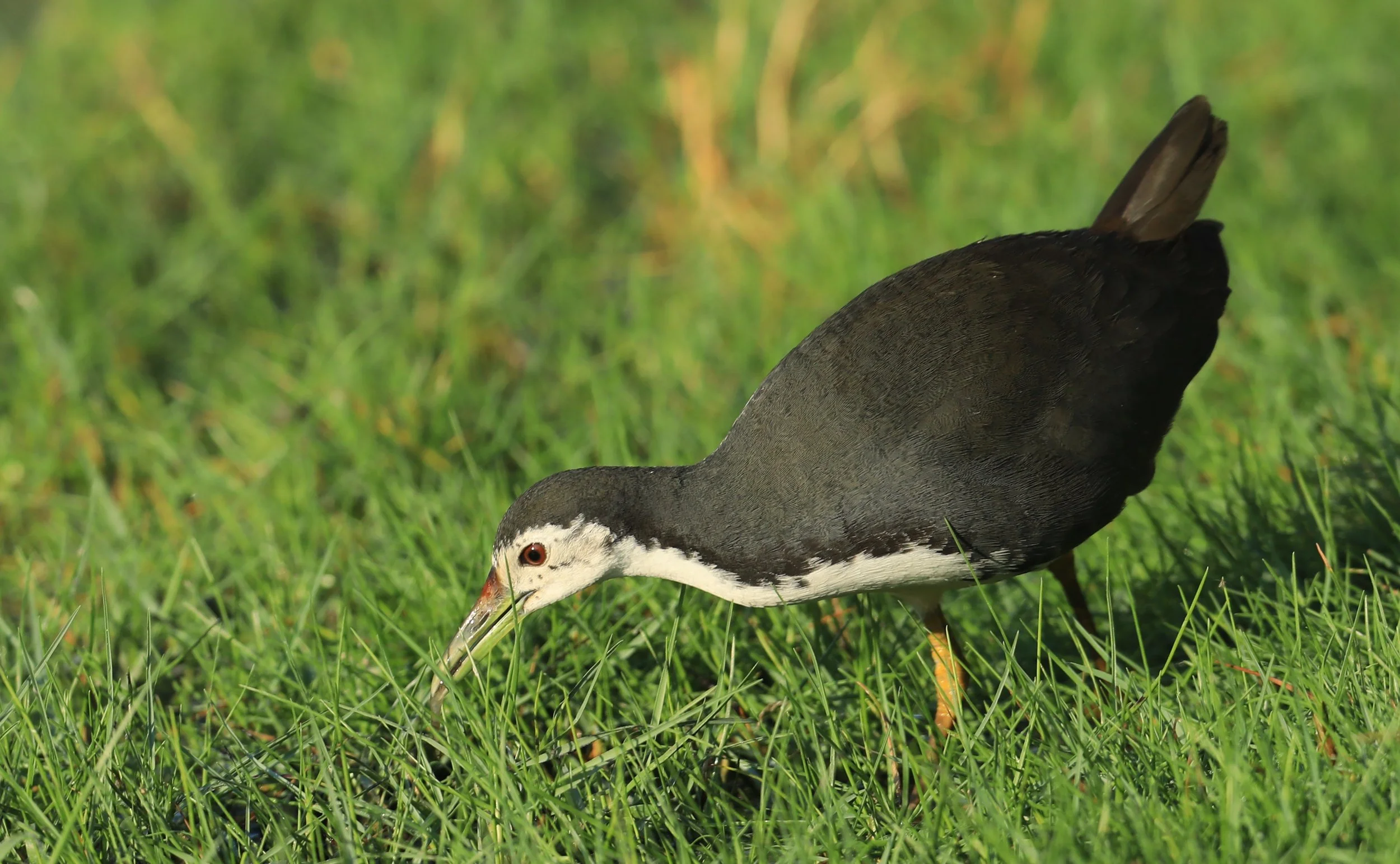
Photo Credit: Paul Kinnock
Other Species
-
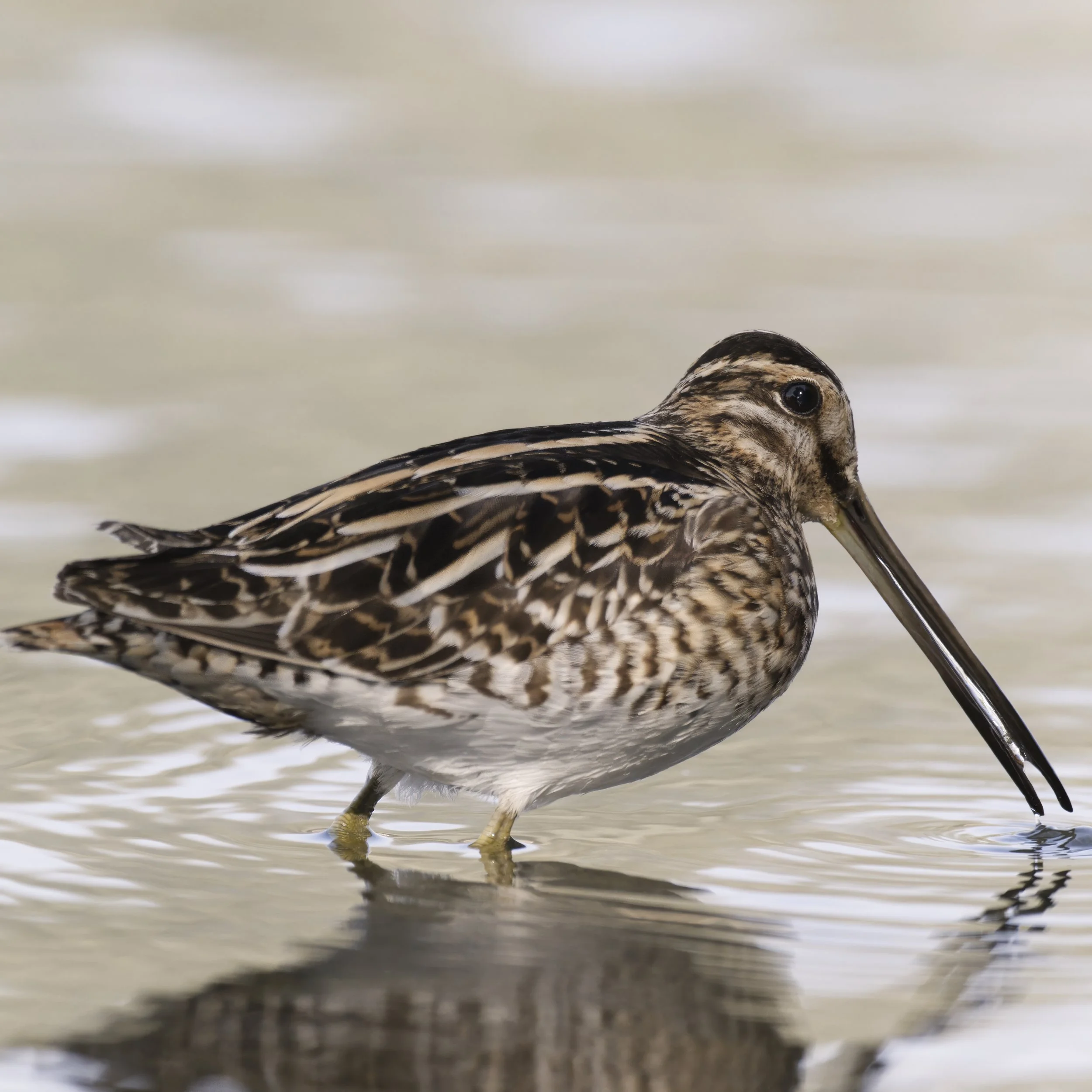
Common Snipe (Gallinago gallinago)
-
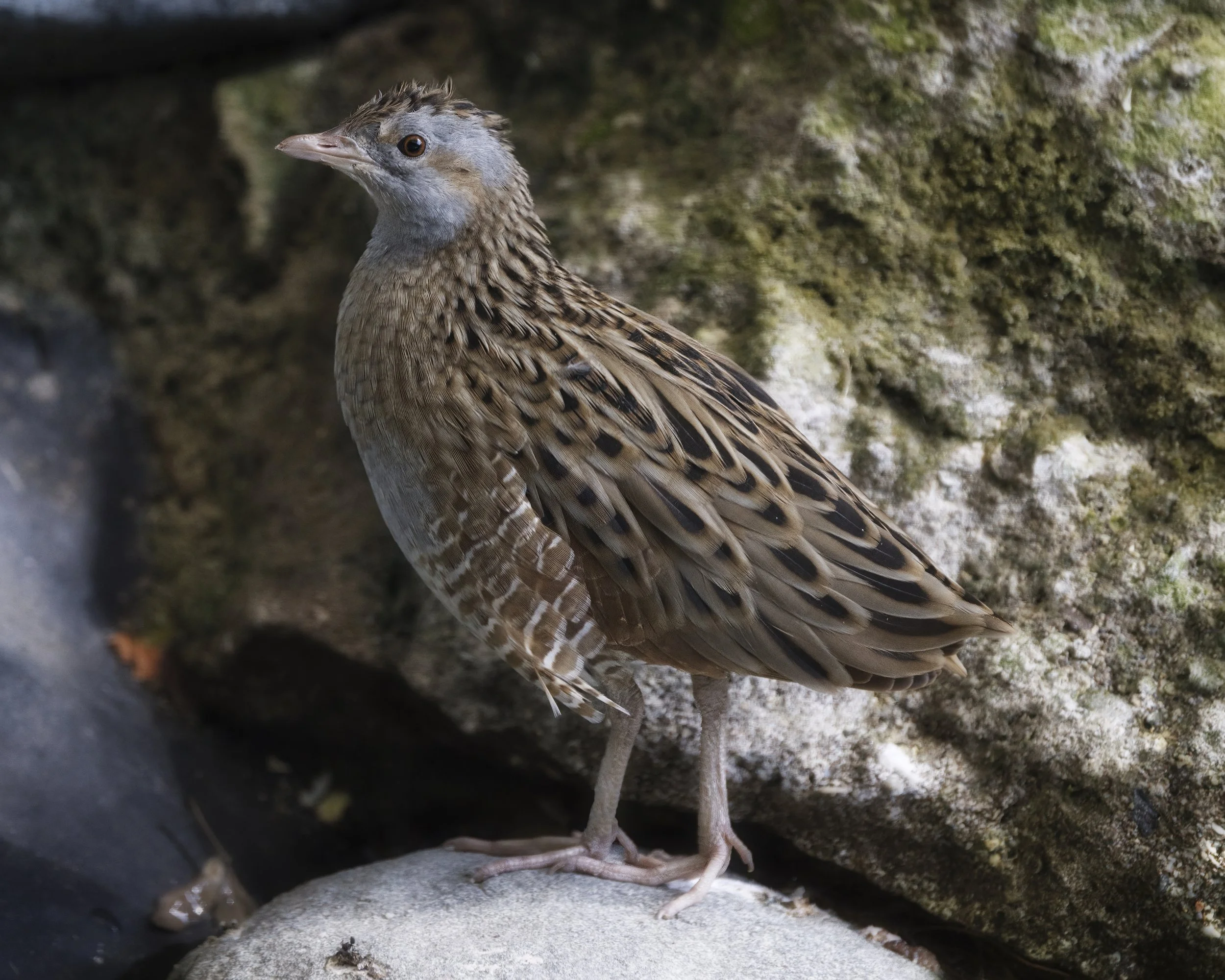
Corncrake ((Crex crex))
-
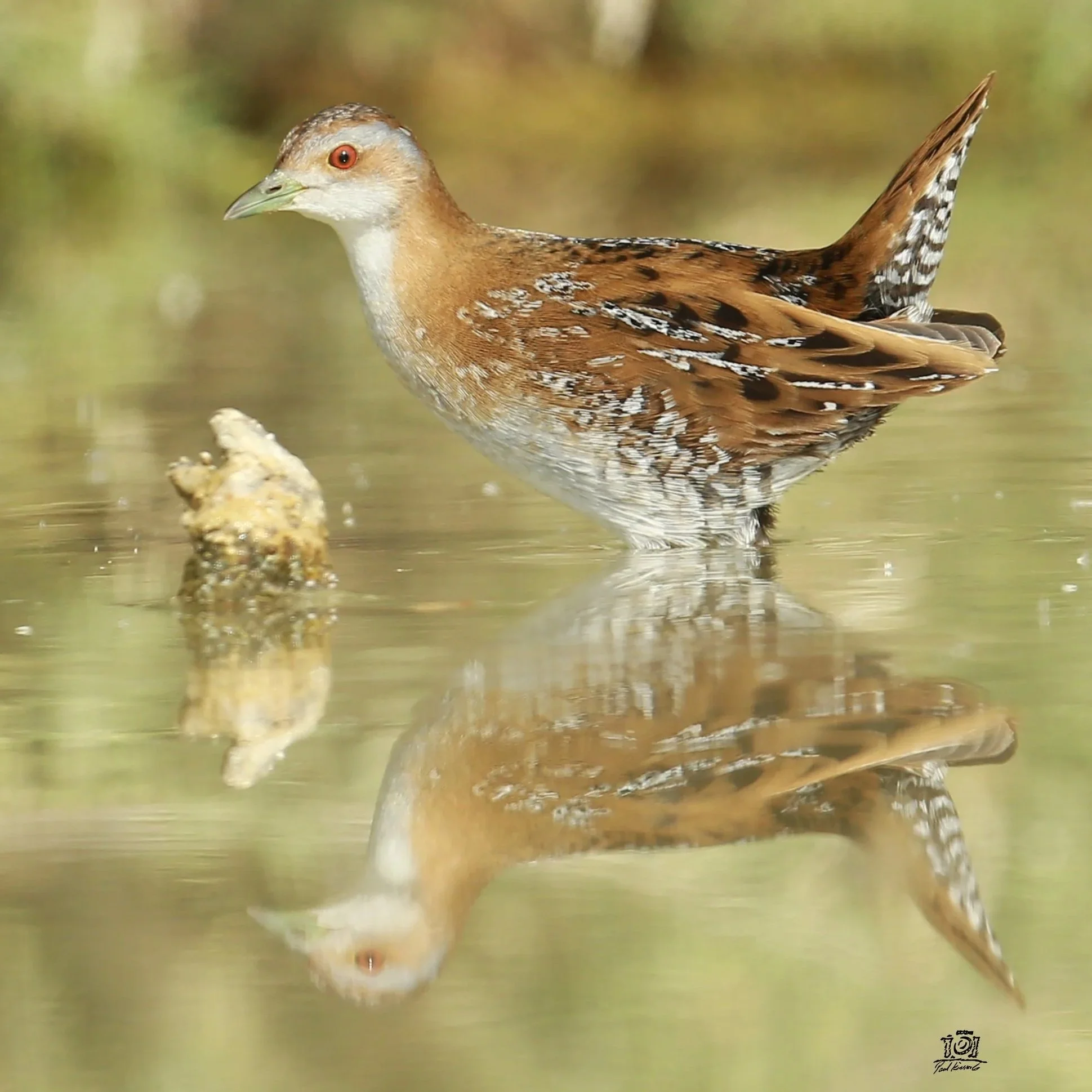
Baillon’s Crake (Zapornia pusilla)
-
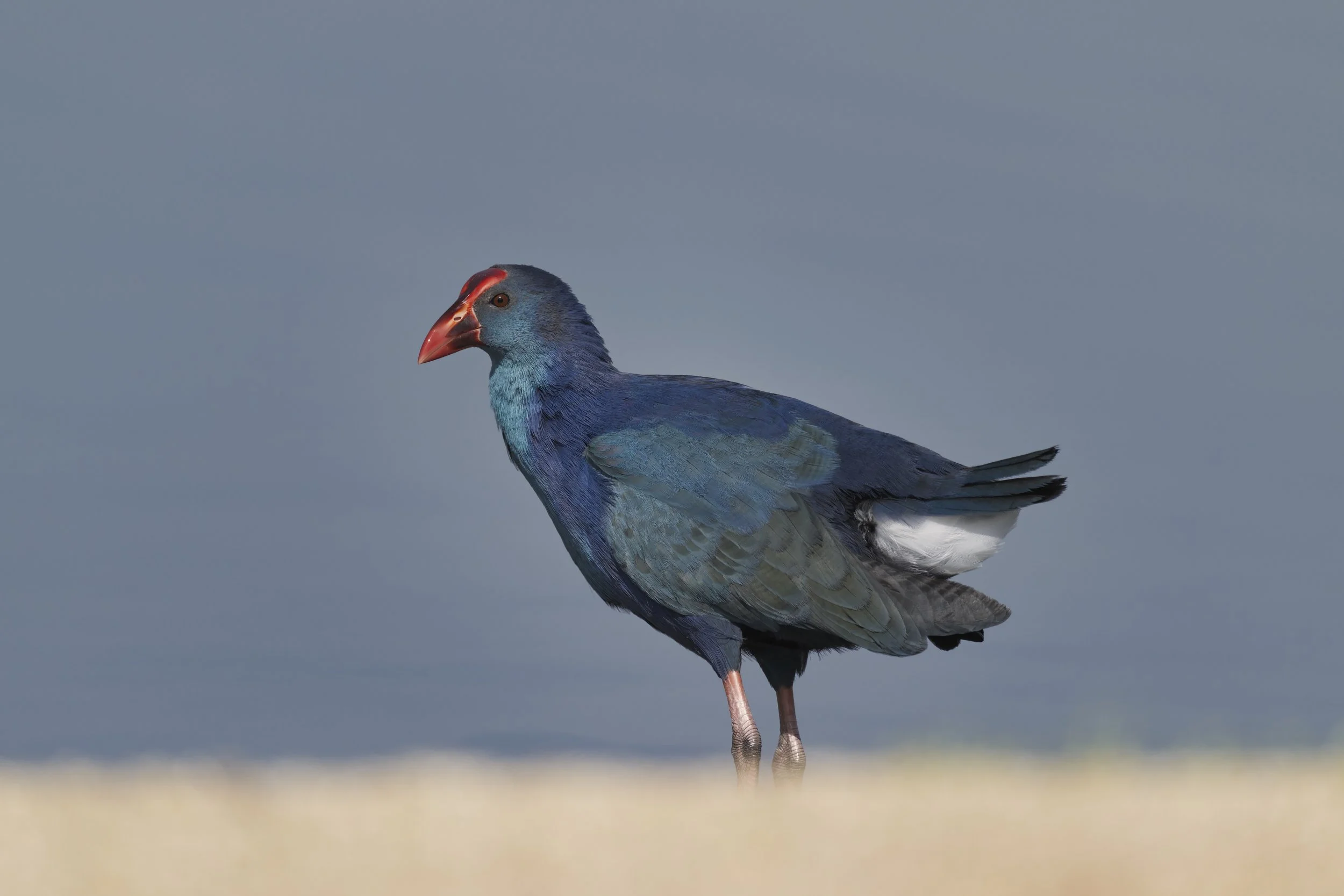
Grey-headed Swamphen (Porphyrio poliocephalus)