

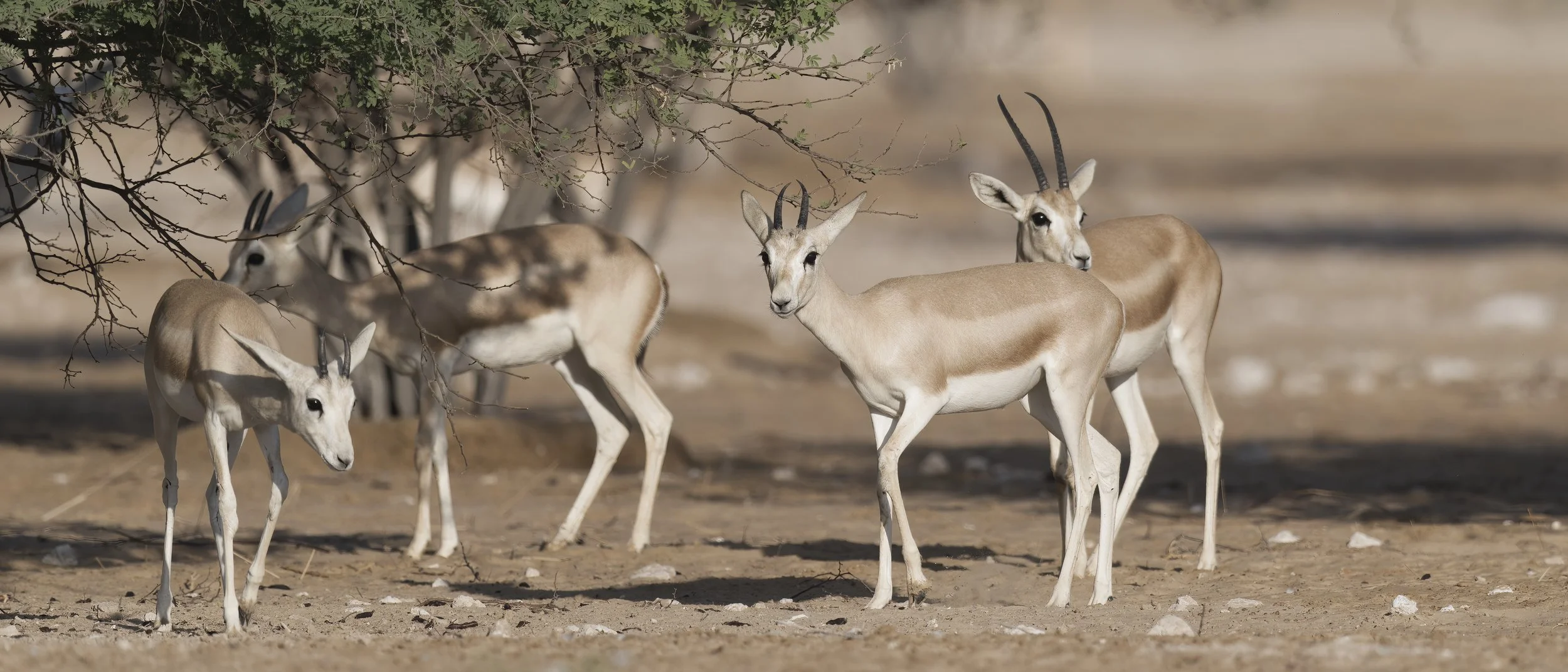
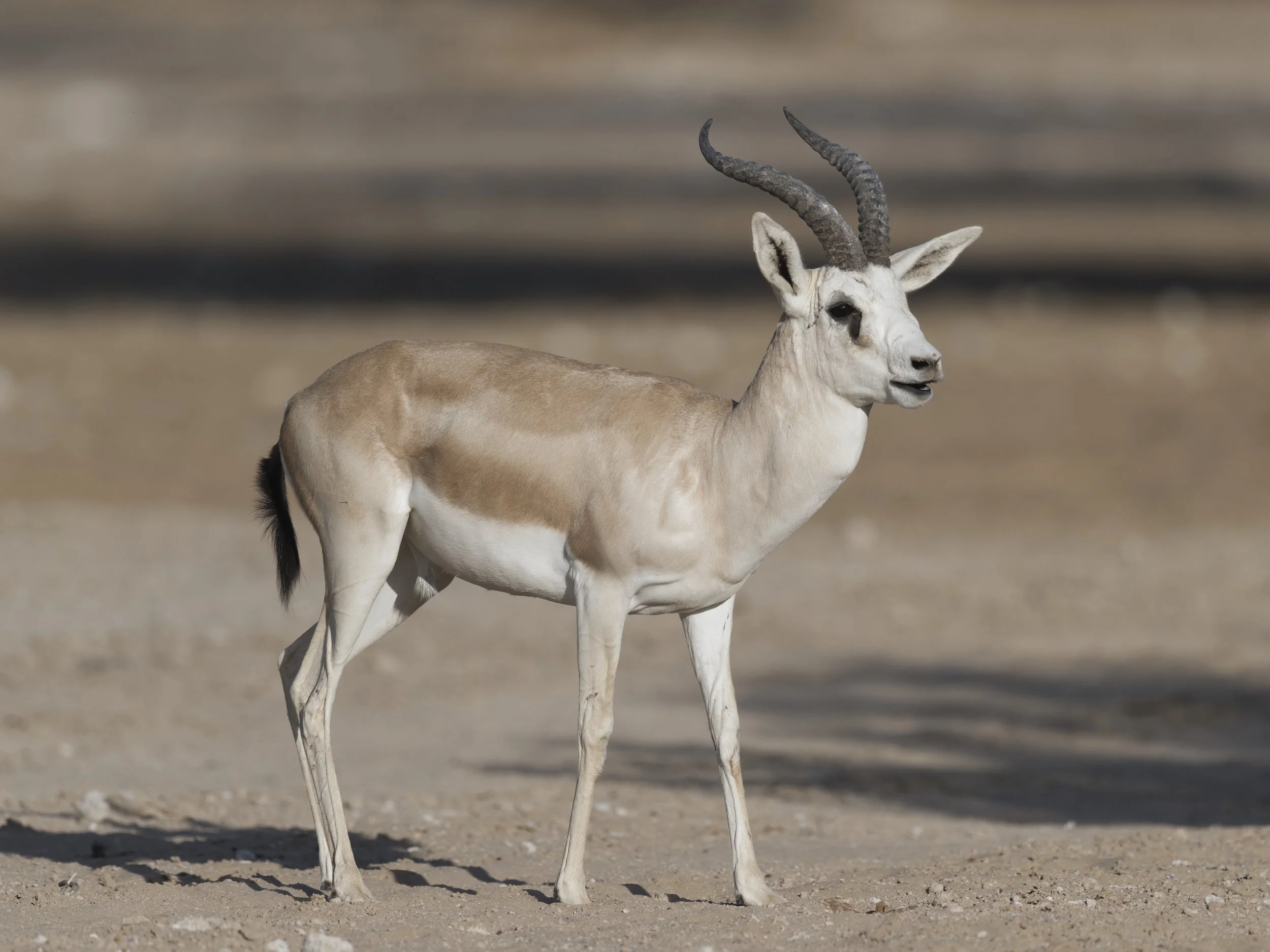
Arabian Sand Gazelle \ Gazella marica
(غزال الريم العربي)
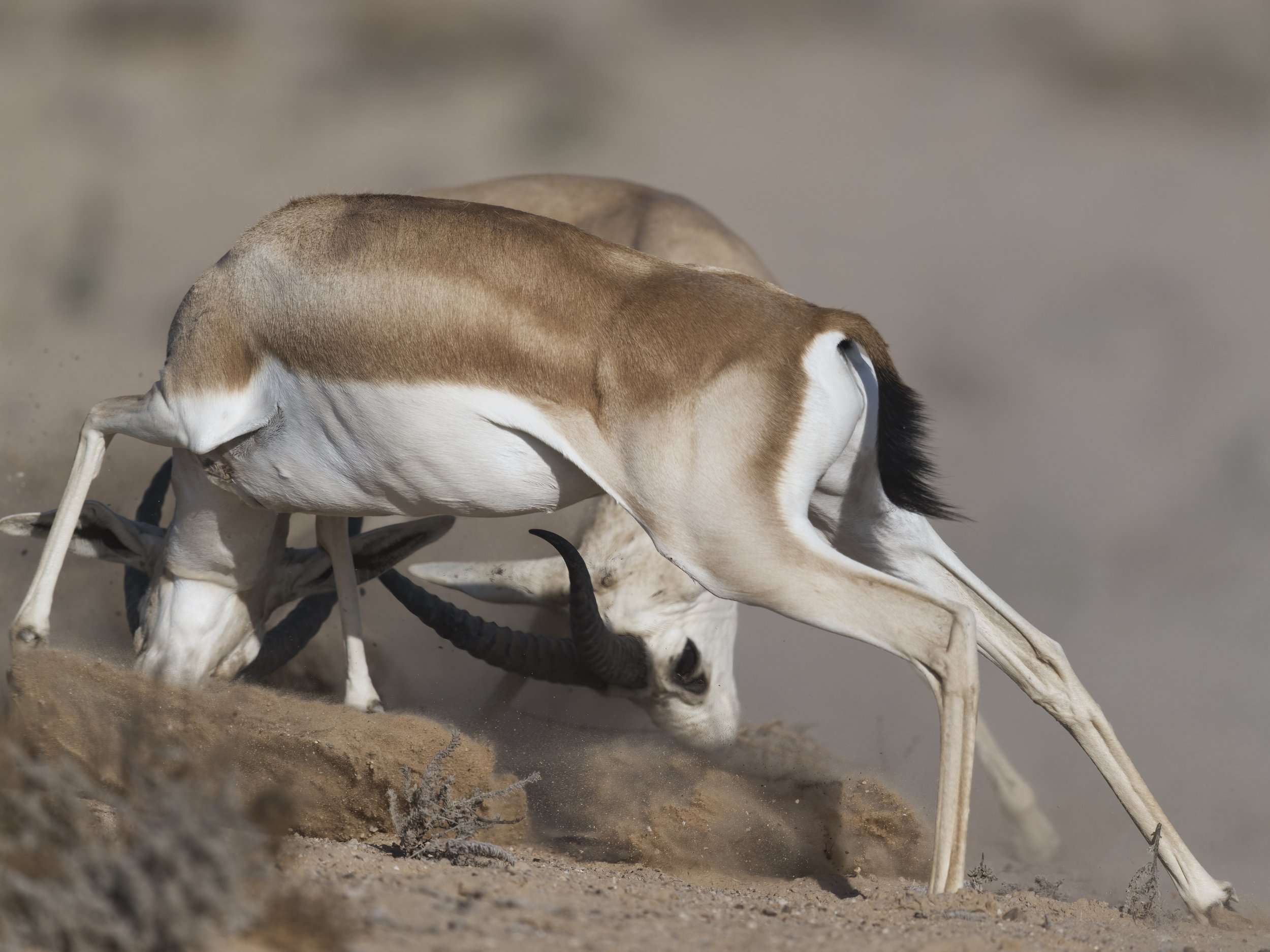
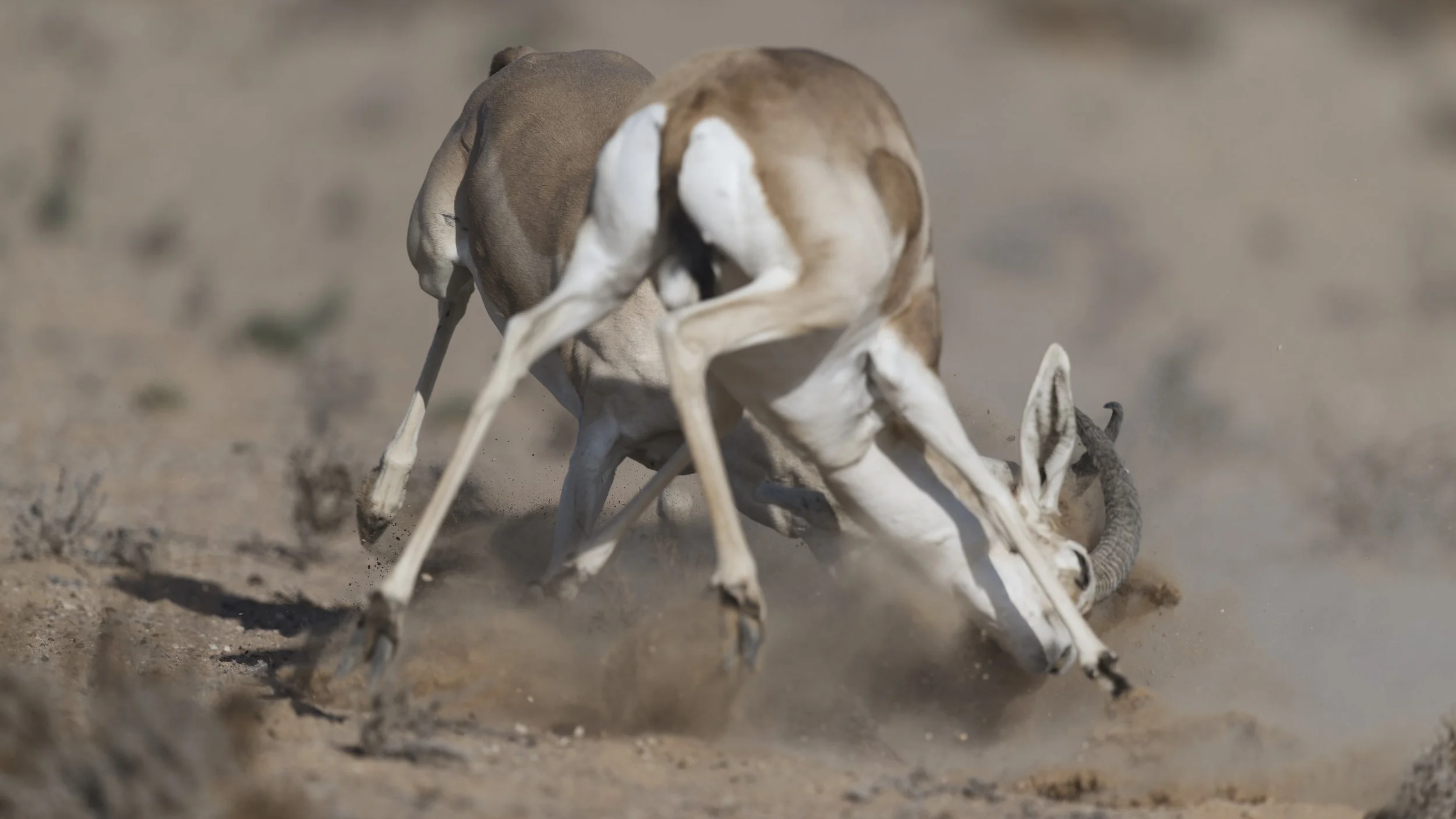
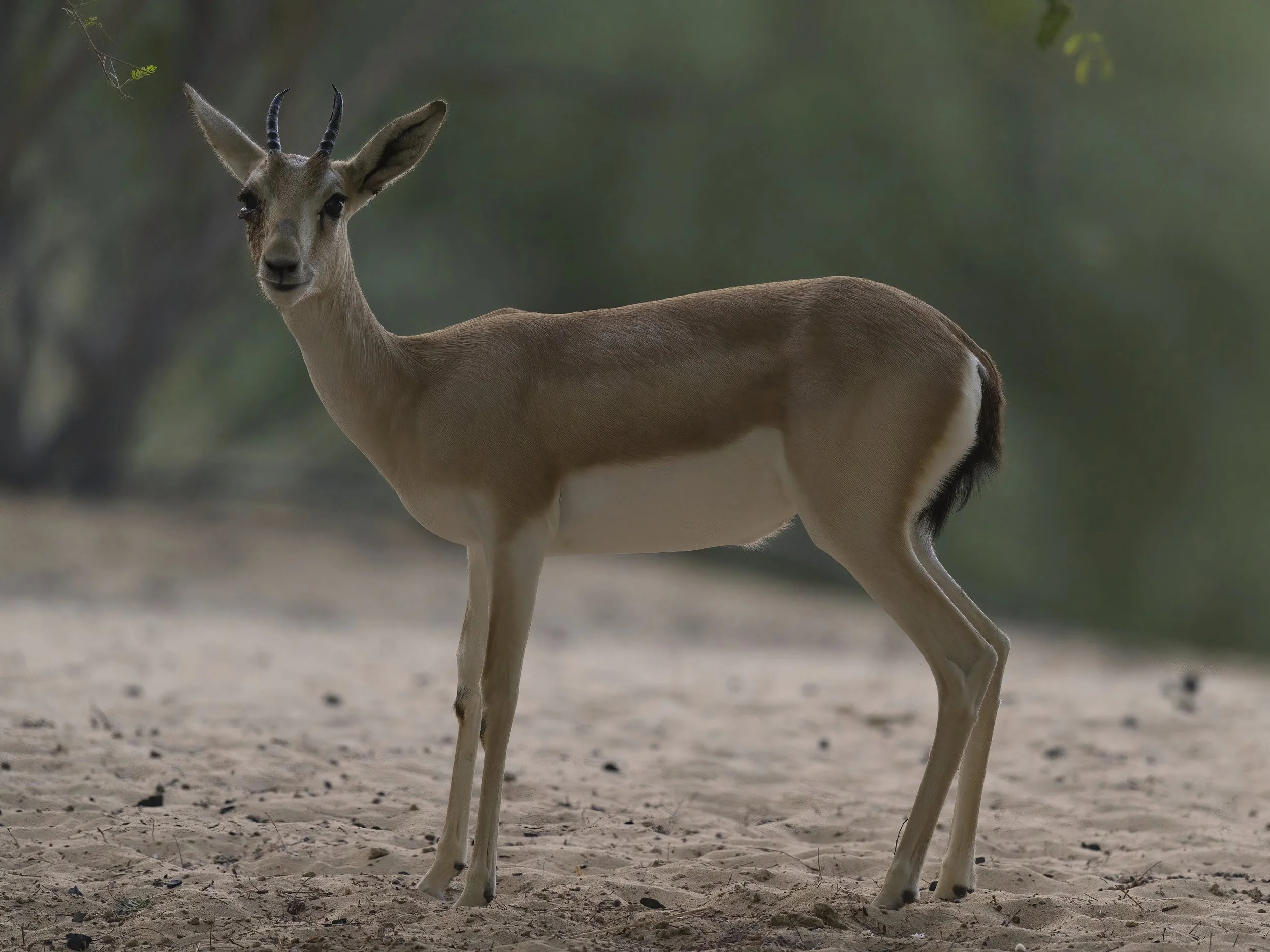
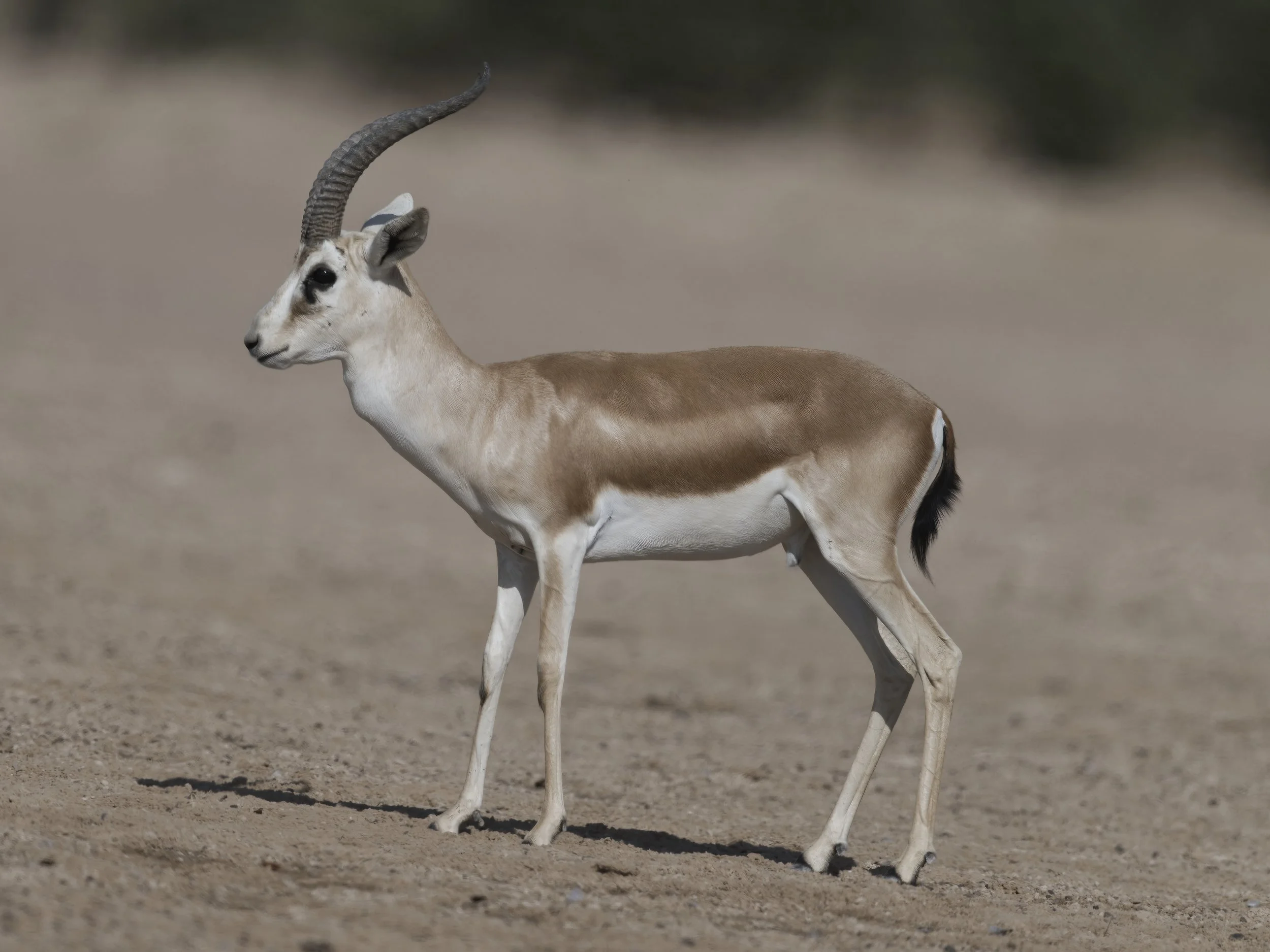
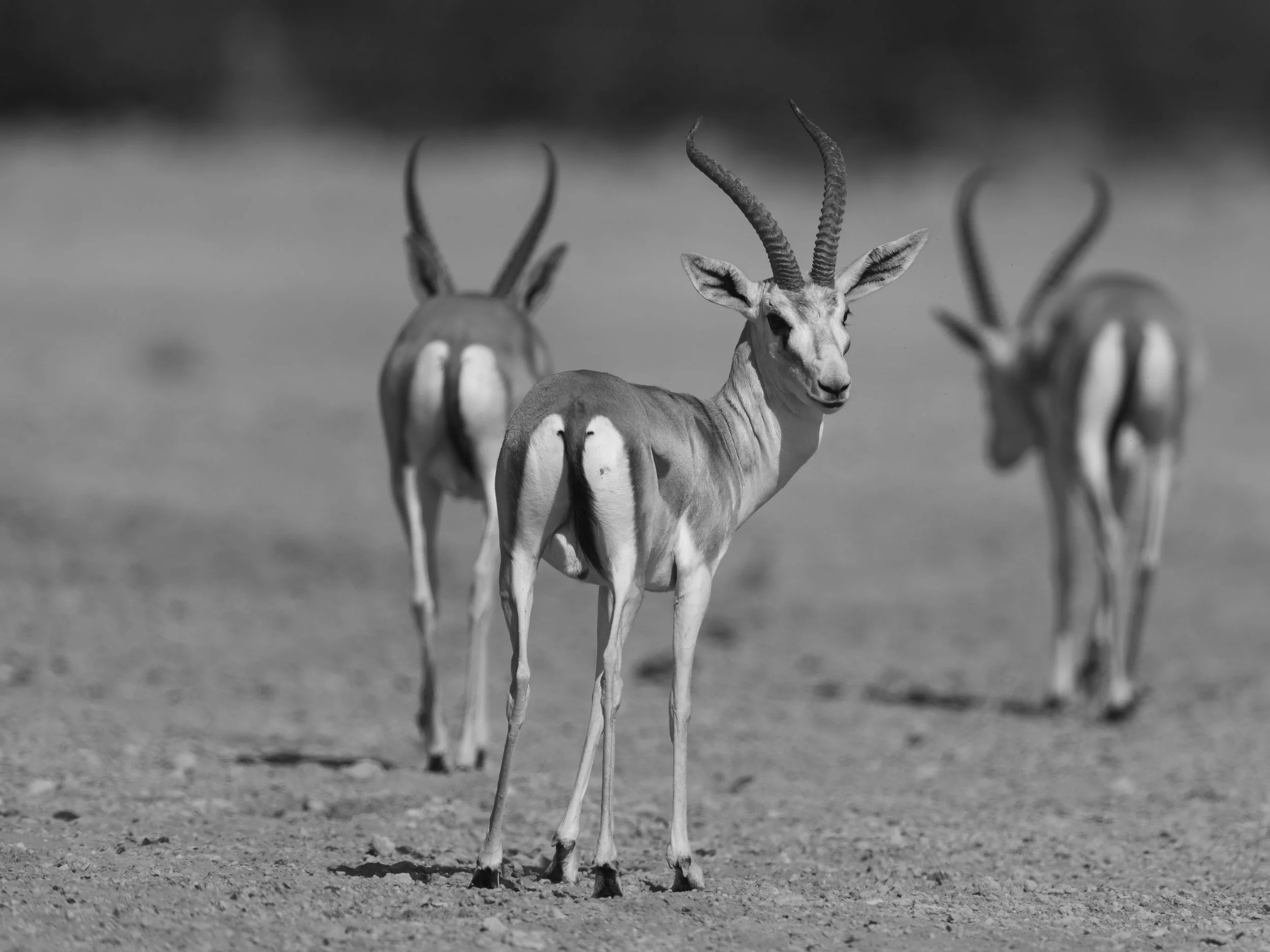
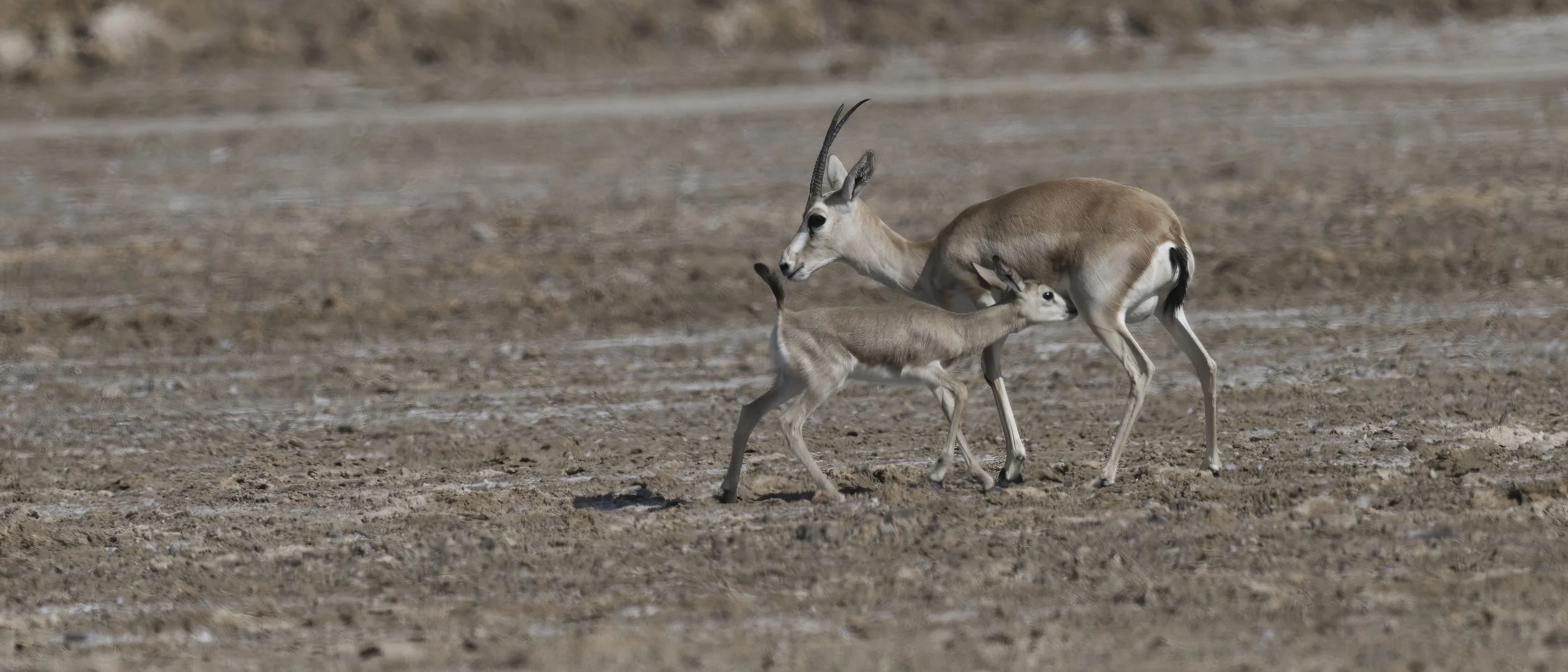
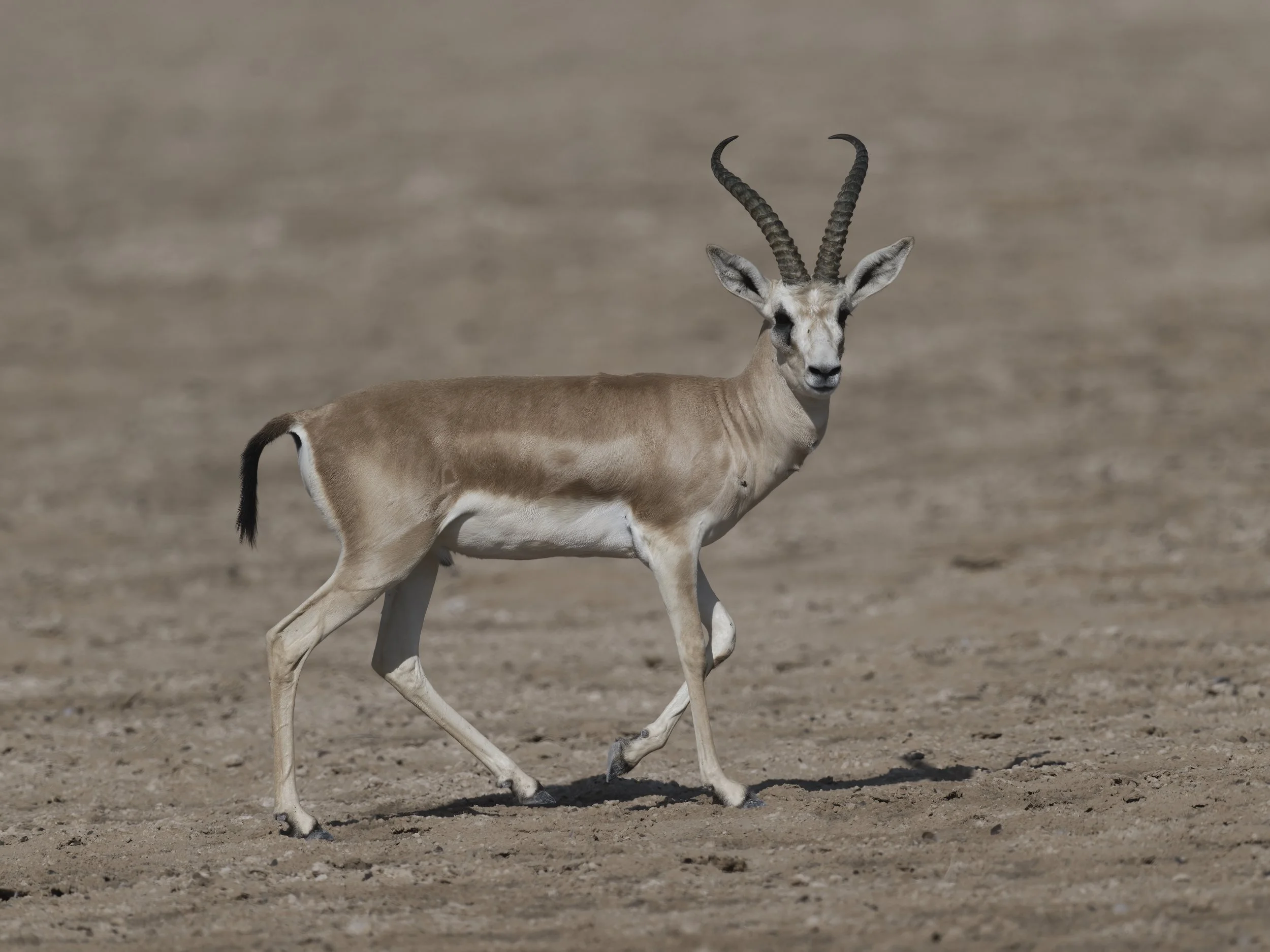
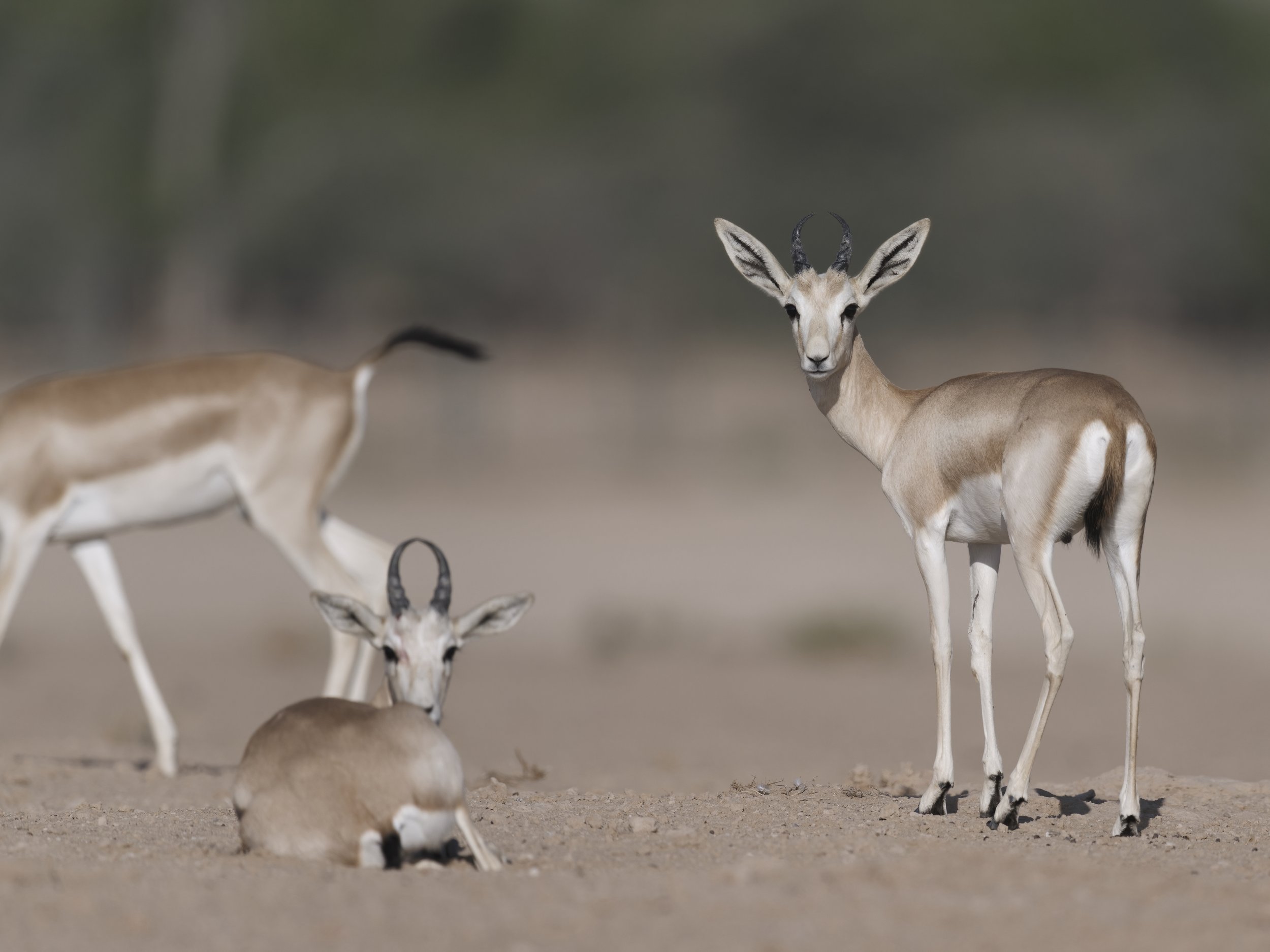
The Rhim Gazelle, also known as the Arabian Sand Gazelle (Gazella marica), is a graceful desert antelope native to the arid regions of North Africa and the Arabian Peninsula. Perfectly adapted to extreme desert environments, it has pale, sand-colored fur that reflects sunlight and provides excellent camouflage. Its long, slender horns curve gently backward, and its large eyes support its primarily crepuscular and nocturnal activity.
The species is highly adapted to desert life, obtaining most of its moisture from the plants it consumes and surviving for long periods without direct access to water. Although once widespread, populations declined significantly due to overhunting and habitat degradation. Today, the Rhim Gazelle is classified as Vulnerable on the IUCN Red List, with conservation and reintroduction programs playing a critical role in its survival. This elegant gazelle remains a powerful symbol of resilience in some of the world’s harshest landscapes.
غزال الريم، المعروف أيضًا باسم الغزال الرملي العربي، هو ظبي صحراوي رشيق موطنه المناطق القاحلة في شمال أفريقيا وشبه الجزيرة العربية. يتمتع بتكيف مثالي مع البيئات الصحراوية القاسية، إذ يمتلك فراءً بلون رملي فاتح يعكس أشعة الشمس ويوفر تمويهًا ممتازًا. قرونه طويلة ونحيلة وتنحني بلطف إلى الخلف، كما أن عينيه الكبيرتين تدعمان نشاطه الذي يتركز غالبًا عند الشفق وخلال الليل
هذا النوع متكيف بدرجة عالية مع الحياة الصحراوية، حيث يحصل على معظم حاجته من الماء من النباتات التي يتغذى عليها، ويمكنه البقاء لفترات طويلة دون الحاجة إلى شرب الماء مباشرة. ورغم أنه كان واسع الانتشار في الماضي، إلا أن أعداده تراجعت بشكل كبير بسبب الصيد الجائر وتدهور الموائل
اليوم، يُصنف غزال الريم على أنه مهدد بالانقراض وفق القائمة الحمراء للاتحاد الدولي لحفظ الطبيعة، وتلعب برامج الحماية وإعادة التوطين دورًا مهمًا في الحفاظ عليه. ولا يزال هذا الغزال الأنيق رمزًا قويًا للصمود في واحدة من أقسى البيئات على وجه الأرض


Other Species
-
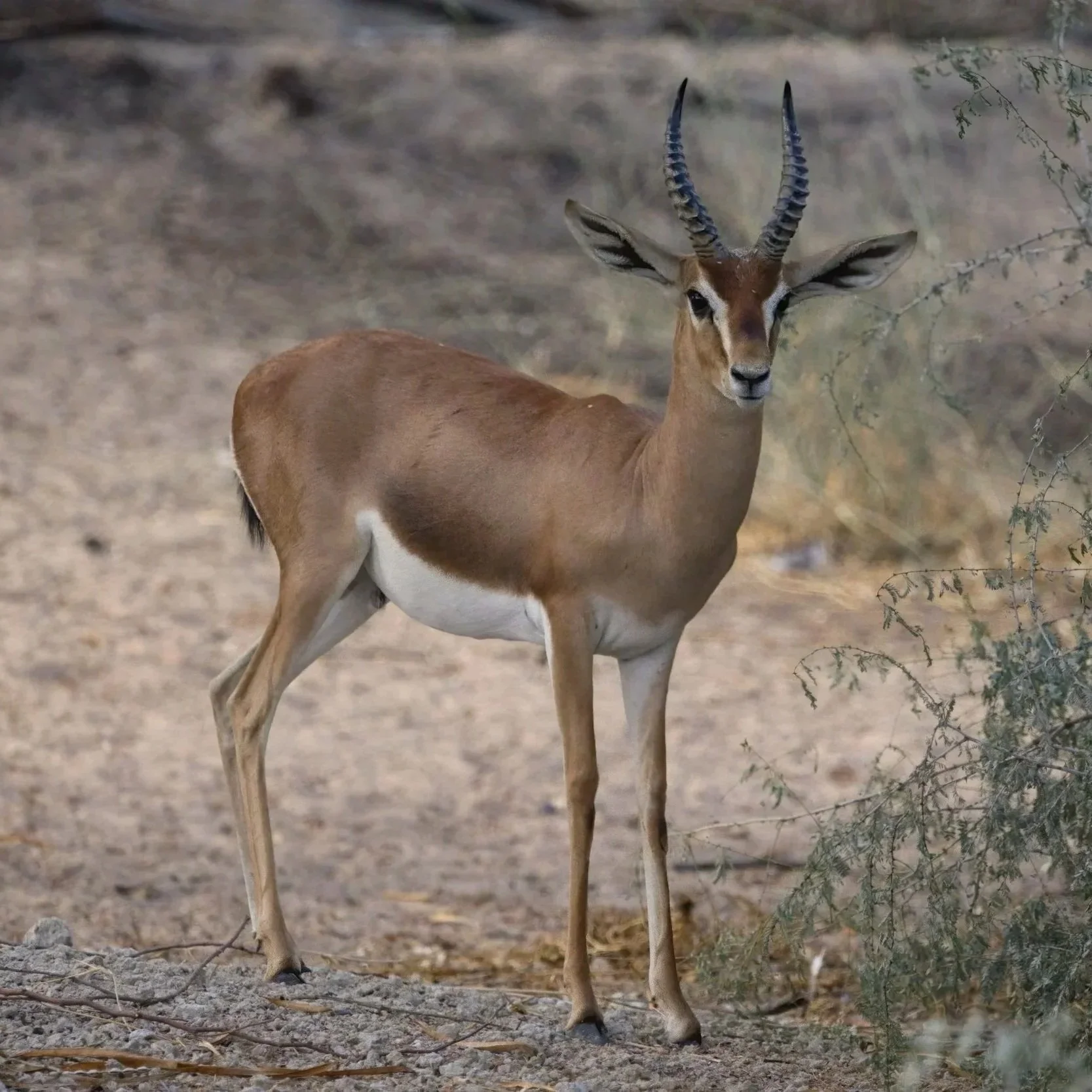
Arabian Gazelle (Gazella arabica)
-
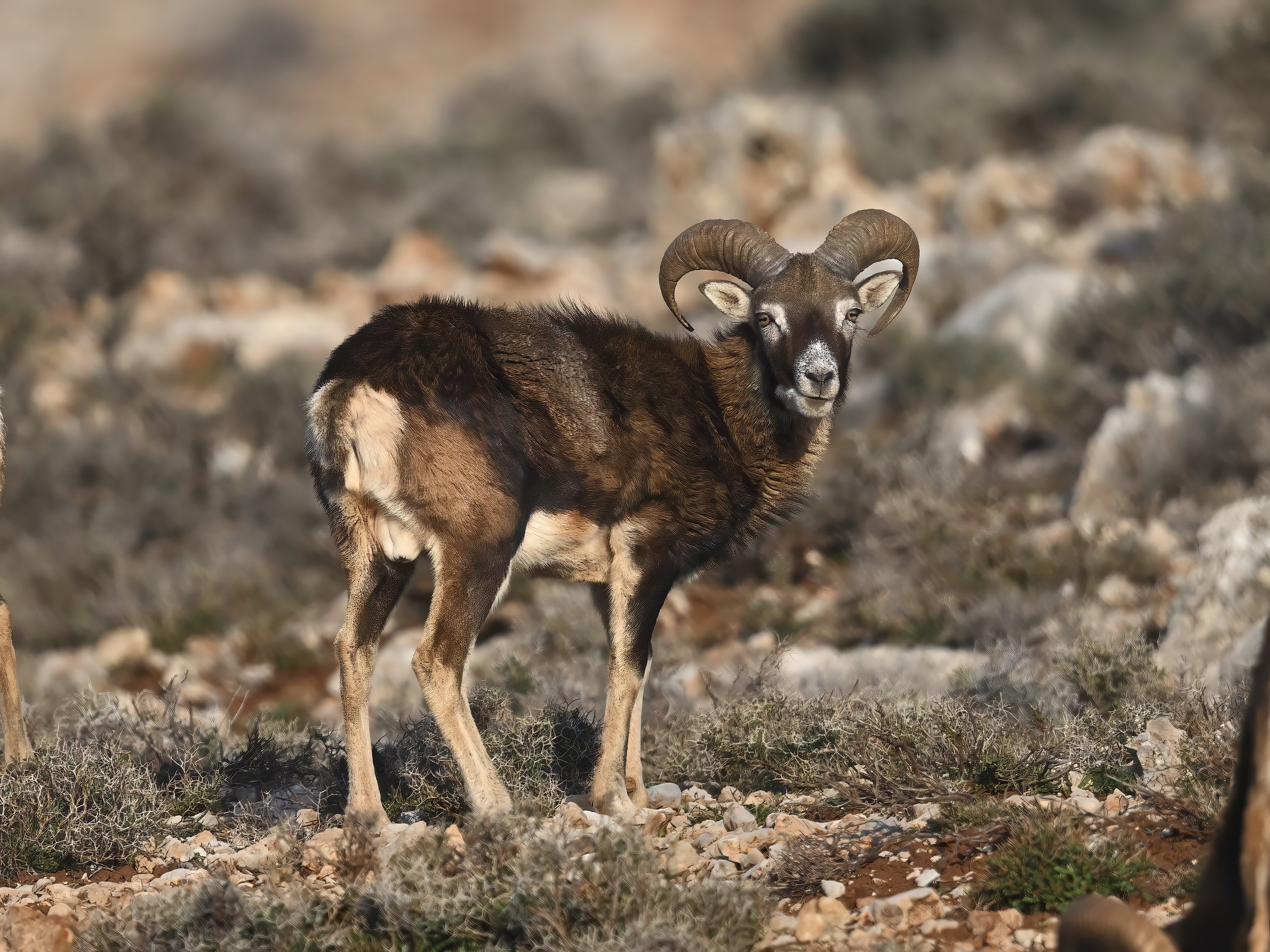
Corsican Mouflon (Ovis aries musimon)
-
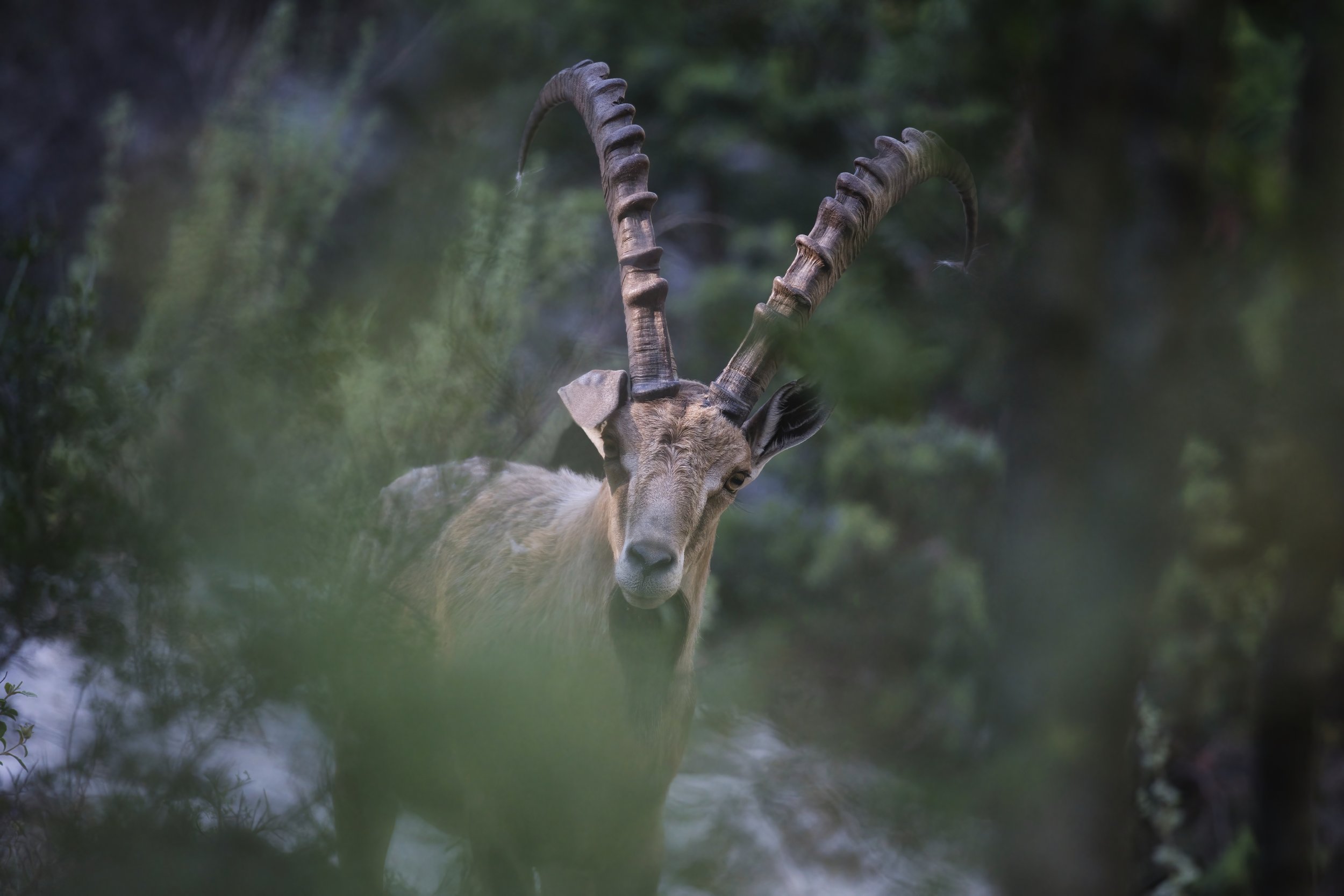
Nubian Ibex (Capra nubiana)
-
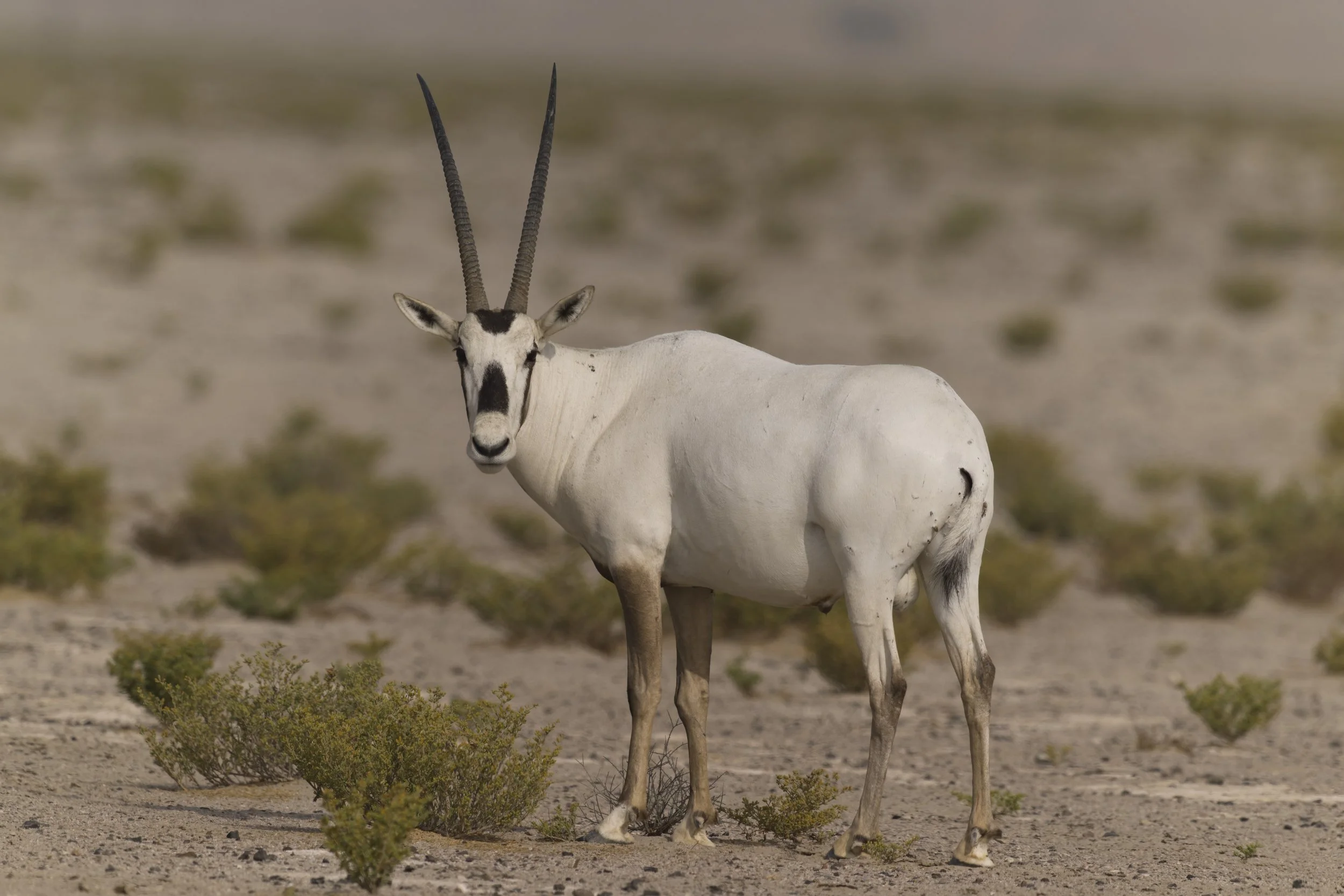
Arabian Oryx (Oryx leucoryx)