Do Wildlife Photographers Fuel the Pressure on Wildlife?
Wildlife photography is often presented as something positive.
It raises awareness.
It helps people appreciate species they may never see themselves.
It can support conservation, education, and scientific documentation.
But wildlife photography can also create pressure.
Sometimes that pressure does not begin when the photograph is taken.
It begins when the photograph is posted.
An owl is photographed near its nest. A fox den is discovered with young cubs. A reptile is found using the same burrow night after night. A photographer shares the image immediately, while the animals are still present and vulnerable.
Within days, more photographers arrive.
Then more people hear about it.
What began as one quiet encounter can quickly become an open season for photo hunters.
What Is a Photo Hunter?
A photo hunter is not simply someone who enjoys wildlife photography.
The term describes people who become more interested in obtaining the photograph than in protecting the animal.
Their priority is the image.
They want the rare species, the dramatic behavior, the nest, the newborn animal, or the photograph that others do not yet have.
They may arrive with good intentions. They may genuinely love wildlife. But when getting the image becomes more important than the welfare of the animal, the line between wildlife photography and wildlife pressure becomes very thin.
The problem is not always one person behaving badly.
The larger problem is accumulation.
One photographer may spend only ten minutes near a nest.
But if twenty photographers visit the same place over several days, the animal does not experience ten minutes of disturbance.
It experiences repeated pressure.
The Problem With Posting Too Soon
The excitement of finding something special is understandable.
After days, weeks, or even years of searching, most photographers want to share the result.
Social media rewards speed.
The first person to post a rare species often receives the most attention, questions, shares, and engagement. People begin asking where it was found. Friends message privately. Photography groups start discussing the location.
Even when the exact coordinates are not shared, enough information may escape.
A recognizable mountain may appear in the background.
A road, tree, fence, rock formation, or building may reveal the area.
Someone who already knows the region may identify the location immediately.
Once the location starts circulating, controlling it becomes almost impossible.
An experienced photographer can tell the location from a single image.
One Photograph Can Create a Crowd
Wild animals often choose nesting, breeding, denning, and resting locations because those places offer security.
A sudden increase in human activity changes that.
Photographers may gather near the same tree, burrow, den, cliff, or patch of vegetation. Cars stop repeatedly. Flashlights appear at night. People walk over the same ground. Voices, movement, and equipment become part of the environment.
Every person may believe they are causing little harm.
But the pressure comes from repetition.
One visit becomes five.
Five become twenty.
The animal is forced to deal with the combined presence of everyone who wants the same photograph.
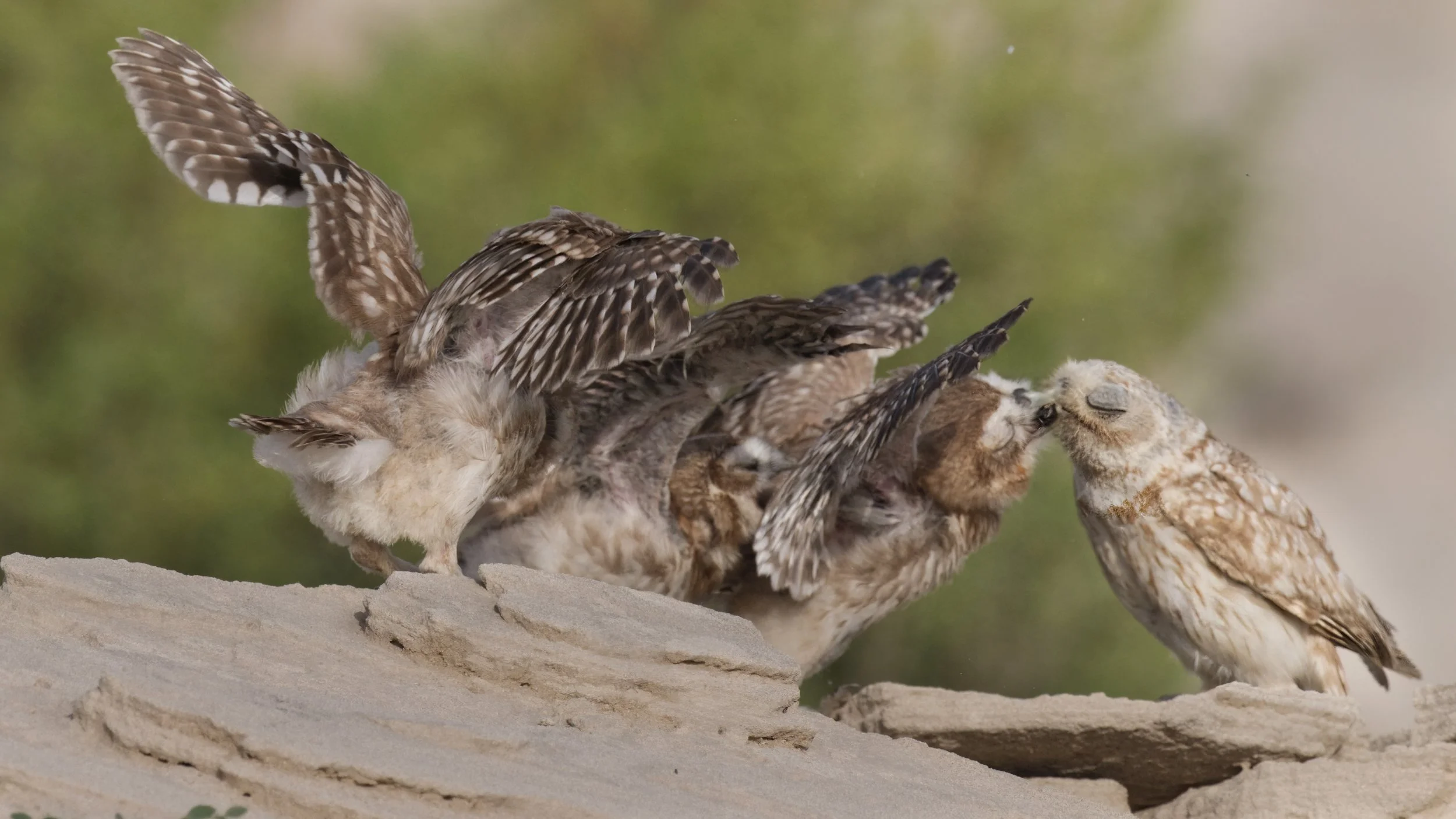
Nests, Dens, Burrows, and Young Animals
Some wildlife situations are far more sensitive than others.
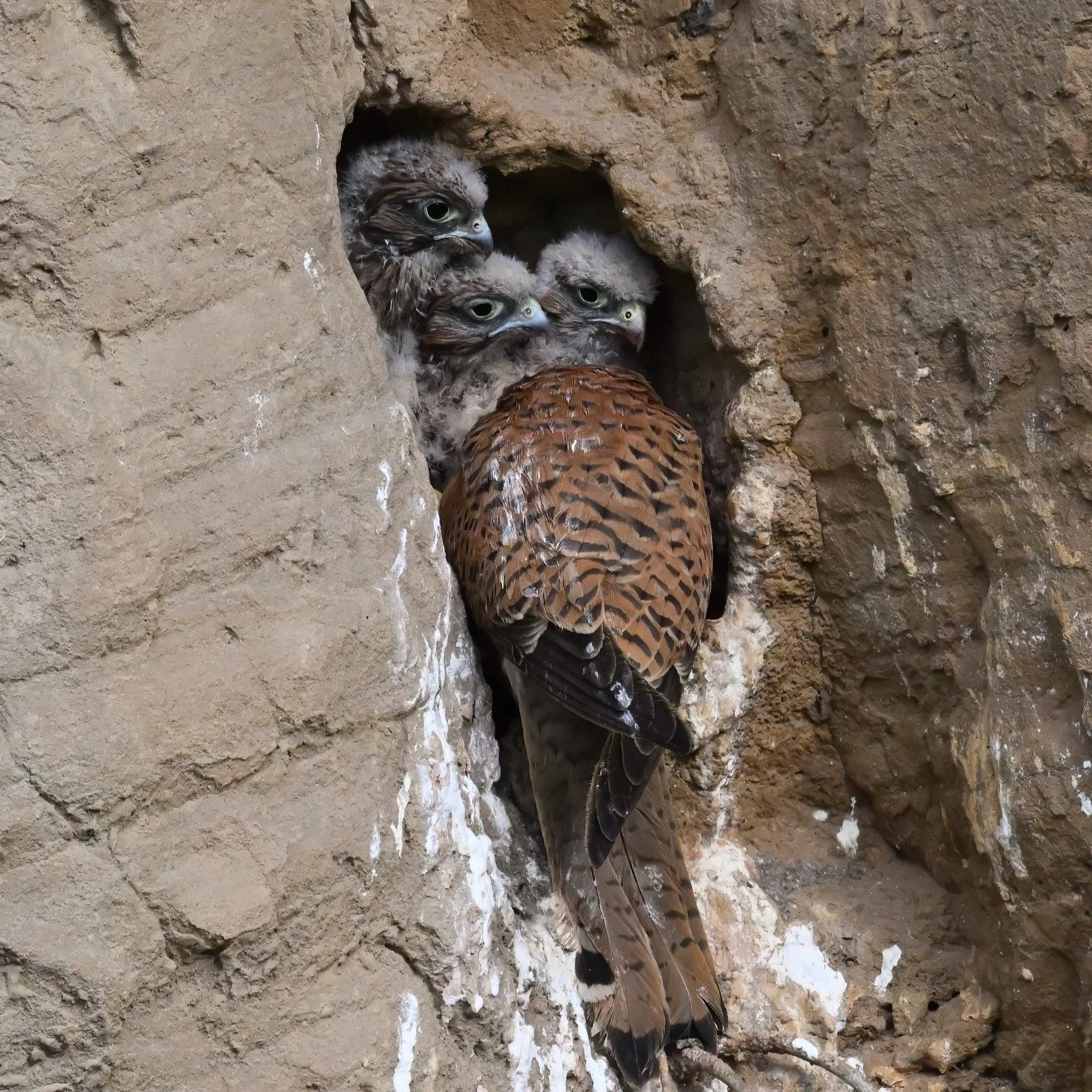
Active nests, dens, burrows, roosts, and sites containing young animals should always be treated with extra caution.
Adult animals may hesitate to return while people are nearby. This can reduce feeding opportunities or leave eggs and young animals exposed for longer periods.
Young animals may also react differently to disturbance. They may hide, flee, leave shelter too early, or become separated from adults.
Burrows and dens can also be damaged by repeated foot traffic, especially when people move closer in search of a lower angle or clearer background.
The photographer may leave with a successful image.
The animal remains behind to deal with the consequences.
The Rarer the Species, the Greater the Pressure
Common species usually attract less attention.
Rare species attract everyone.
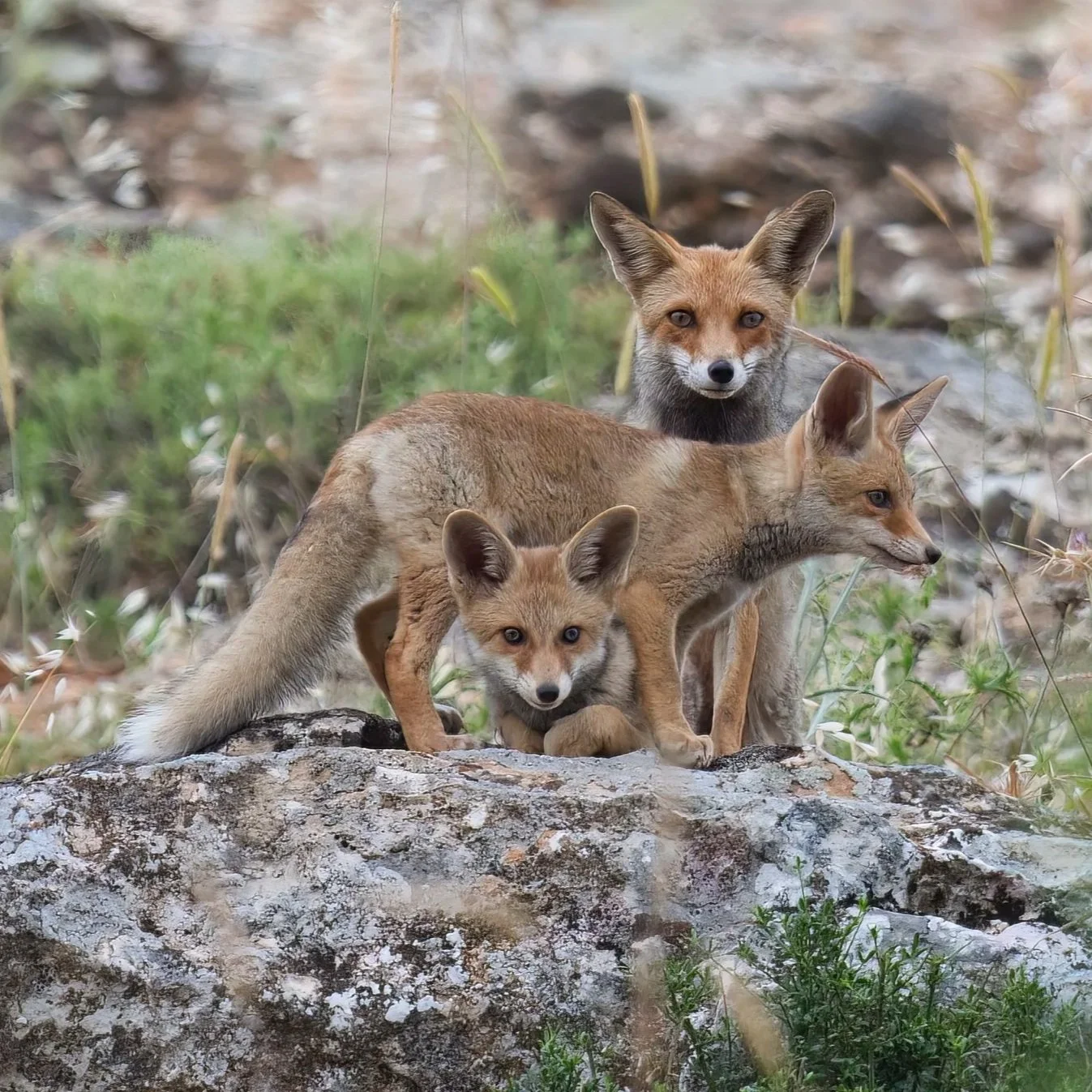
A rare owl, unusual snake, breeding raptor, fox den, or newly recorded species can become a destination almost overnight.
The more unusual the sighting, the greater the competition to photograph it.
This creates an uncomfortable reality.
The wildlife most deserving of protection often receives the greatest pressure from photographers.
Rarity increases the value of the image.
It also increases the risk to the animal.
“I Did Not Share the Location”
Not writing the exact location is a good first step.
But it is not always enough.
Wildlife photographers are often very familiar with the areas they visit. They recognize mountains, wadis, dunes, trees, fences, roads, abandoned structures, coastlines, and even specific rock formations.
A photograph may reveal more than the photographer realizes.
The caption can also provide clues.
Mentioning the emirate, habitat, time, recent weather, nearby landmark, or direction of travel may narrow the location considerably.
Locations also spread privately.
One trusted person shares it with another trusted person. Before long, the information reaches people the original photographer never intended to inform.
Once a sensitive location is shared, it rarely remains private.
The Pressure to Be First
Social media has changed the pace of wildlife photography.
Photographers often feel pressure to post immediately before someone else does.
There is a fear that the image will lose its value if another photographer shares the species first.
But wildlife photography should not be treated like breaking news.
A strong photograph does not become weaker because it was posted one month later.
A meaningful field story does not expire when the season ends.
The need to be first mainly serves the photographer.
Waiting often serves the wildlife.
What I Choose to Do
When I photograph a sensitive species, an active nest, a den, a burrow, or animals with young, I avoid posting the photographs immediately.
I wait.
Sometimes I wait until the animals have left.
Sometimes I wait until the breeding season is over.
Sometimes I wait until the weather changes and the species is no longer using the same location.
The photograph remains the same.
The difference is that the post is less likely to send people toward an active and vulnerable site.
Delayed posting is not secrecy for the sake of secrecy.
It is risk reduction.
It allows the wildlife to complete the most sensitive part of its natural cycle before the photograph begins attracting attention.
Delayed Posting Does Not Reduce the Value of the Image
Some photographers worry that waiting will reduce engagement.
Someone else may post first.
The moment may no longer feel new.
But the real value of a wildlife photograph should come from the encounter, the fieldwork, the behavior documented, and the story behind the image.
Not from being the first person to publish it.
A photograph can remain valuable for years.
A nest may have only one breeding season.
A litter may have only one chance to survive its first weeks.
When those two values conflict, wildlife should come first.
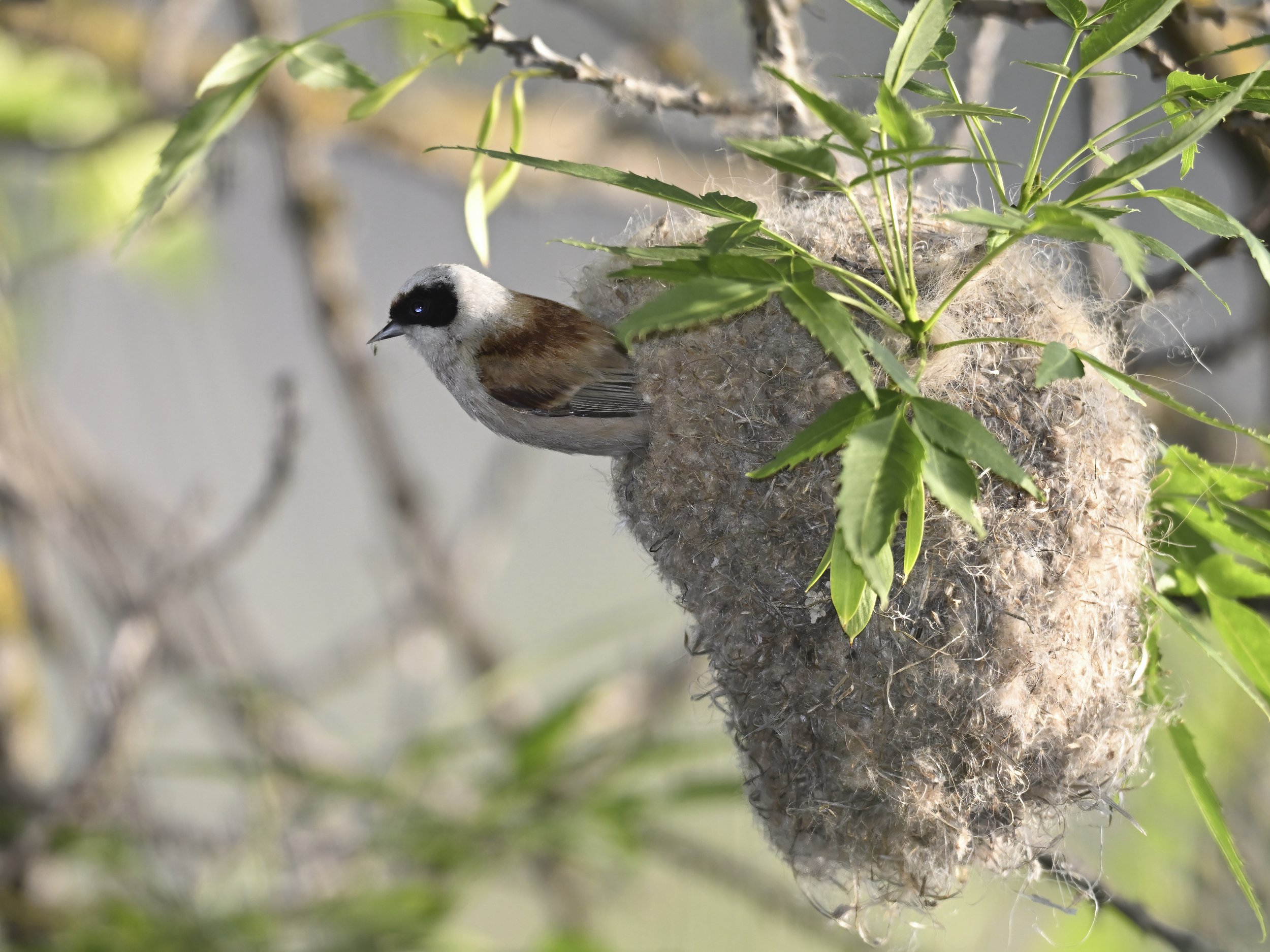
Ethical Photography Does Not End When the Camera Is Packed
Wildlife ethics are often discussed only in relation to field behavior.
Keep your distance.
Do not chase animals.
Do not block escape routes.
Do not disturb nests.
Do not force behavior.
All of this matters.
But ethical responsibility continues after leaving the field.
The decision to publish, when to publish, what to reveal, and who receives the location can influence what happens next.
A photographer may behave perfectly during the encounter and still create major pressure by posting the location too soon.
Ethics do not end when the shutter closes.
Photographers Can Help Reduce the Pressure
Wildlife photographers can still share their work without creating unnecessary risk.
Sensitive locations can be removed from captions and metadata.
Recognizable landmarks can be excluded when needed.
Exact dates can be withheld.
Descriptions can remain broad.
Most importantly, photographs of nests, dens, burrows, breeding animals, and vulnerable young can be delayed until the active season has ended.
These actions will not eliminate every risk.
But they can reduce the number of people arriving while the wildlife is still vulnerable.
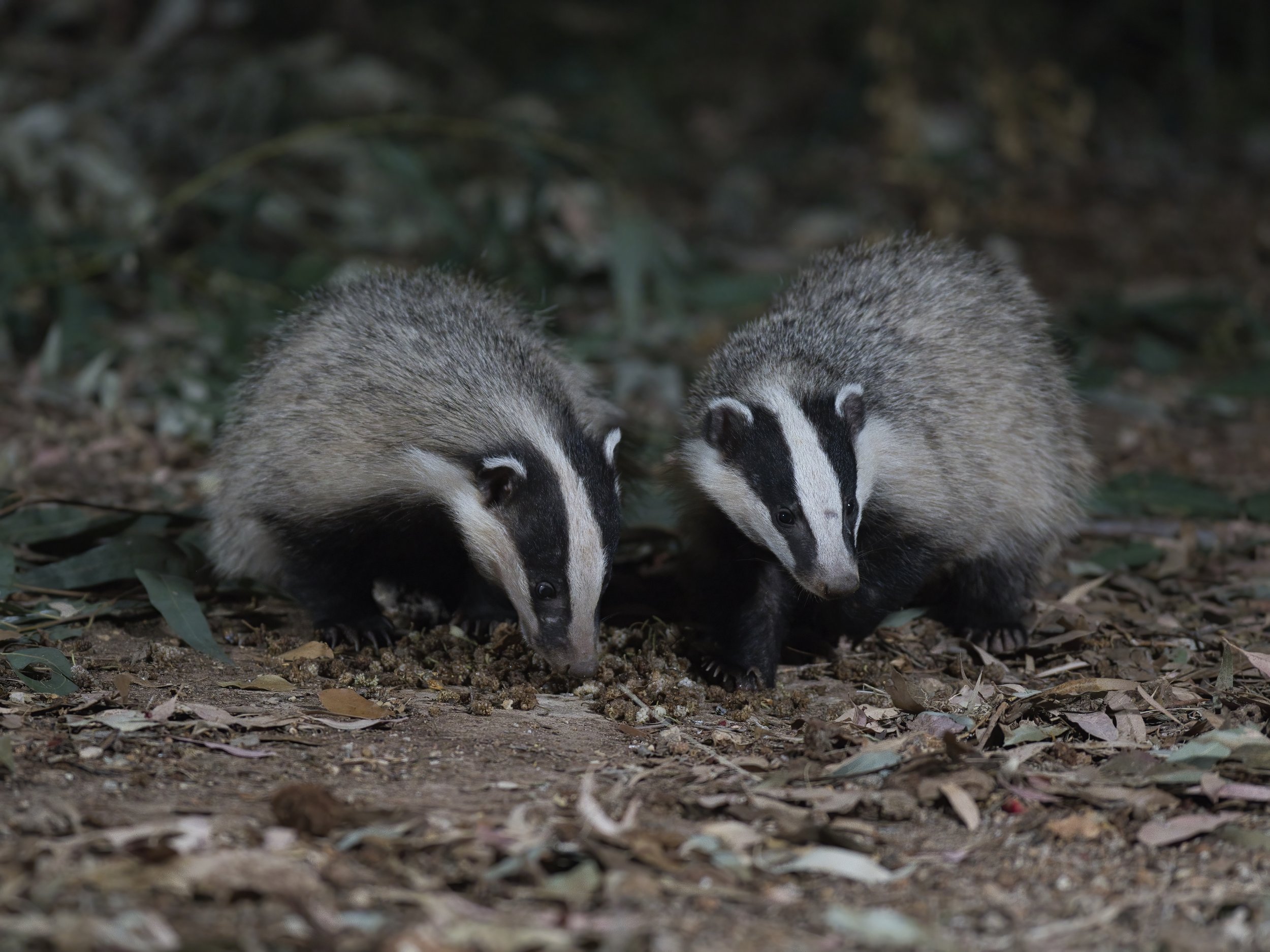
This Is Not About Attacking Photographers
Many harmful practices continue because people were never told that they could cause harm.
A photographer may post immediately without understanding how quickly the location can spread.
Someone may approach a nest without realizing that the adult is waiting nearby.
Another person may stand near a burrow believing that the animal is comfortable because it has not moved.
Education matters.
The goal should not be to label every mistake as cruelty.
The goal should be to build a stronger culture in which wildlife photographers think beyond the image.
The question should not only be:
Did I get the photograph?
It should also be:
What may happen after I share it?
Wildlife Before Recognition
Wildlife photography can inspire people to care about nature.
It can create records, preserve moments, and reveal behaviors most people never witness.
But it loses its meaning when the photograph becomes more important than the subject.
A rare image is not worth a failed nest.
A viral post is not worth an abandoned den.
Being first is not worth increasing pressure on vulnerable wildlife.
Before posting a sensitive wildlife photograph, every photographer should ask:
Will sharing this now benefit the wildlife, or only benefit me?
The photograph can wait.
The animal may not have that luxury.