

Caucasian Toad \ Bufo verrucosissimus
(الضفدع القوقازي)
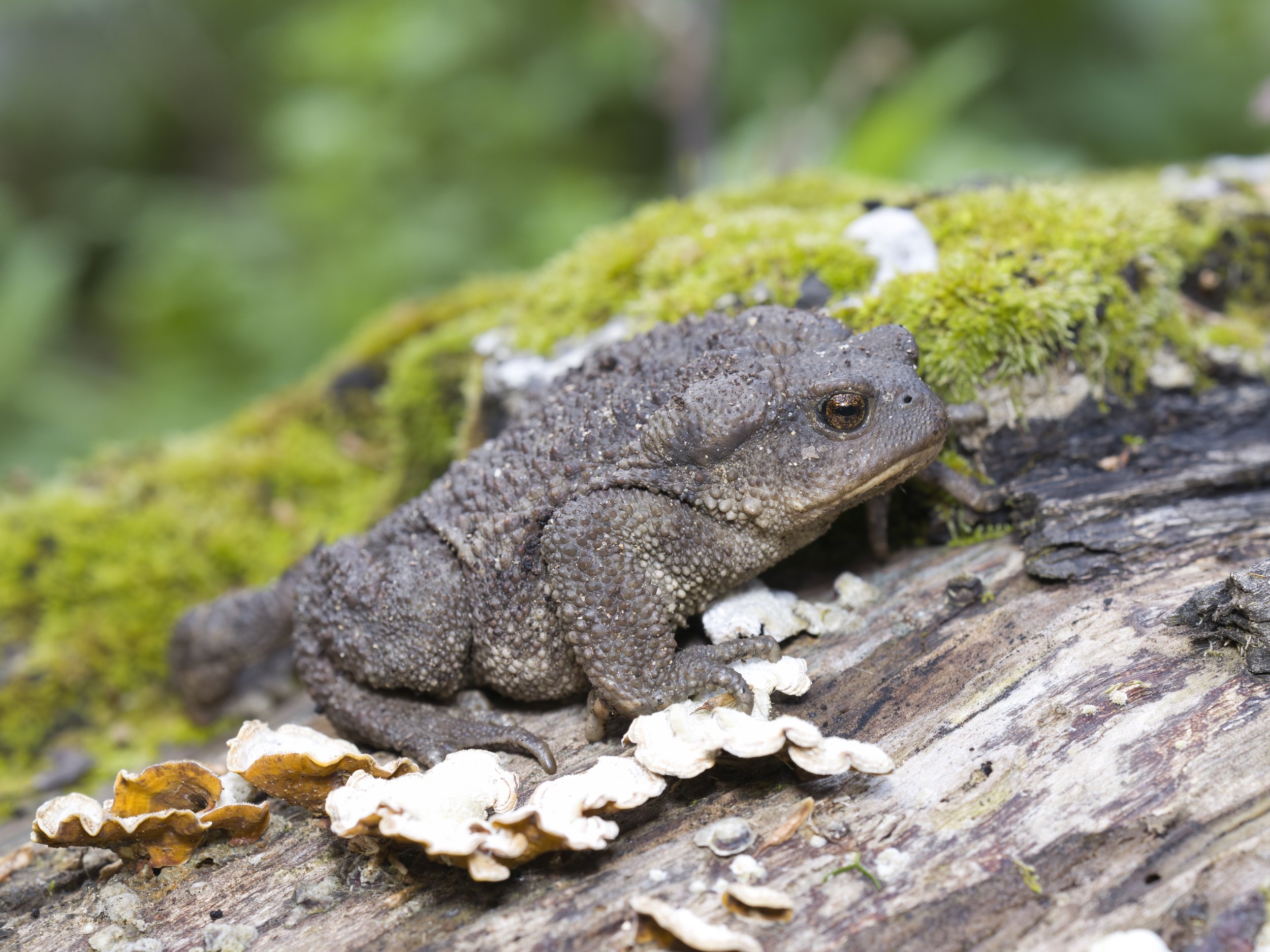
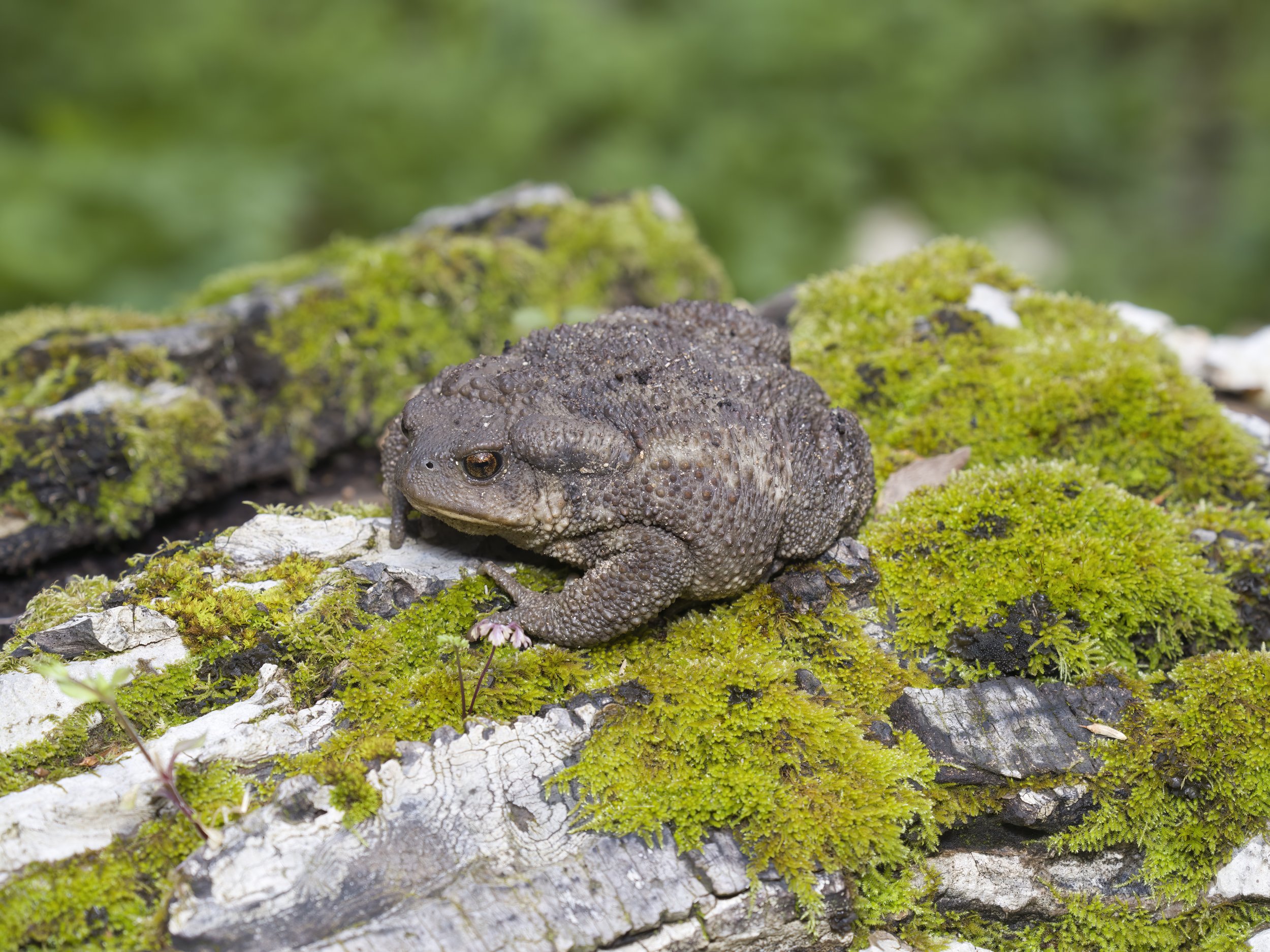
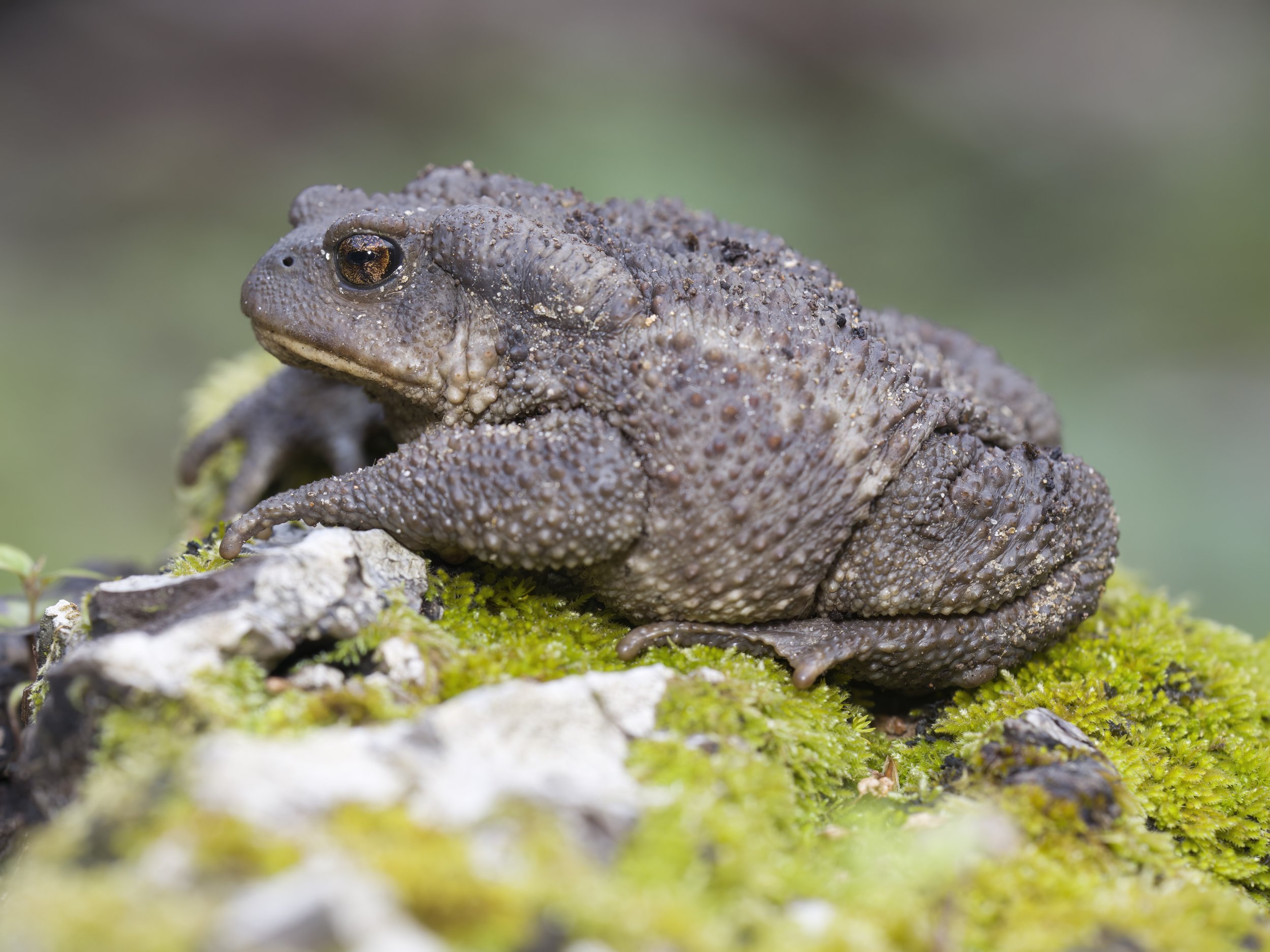
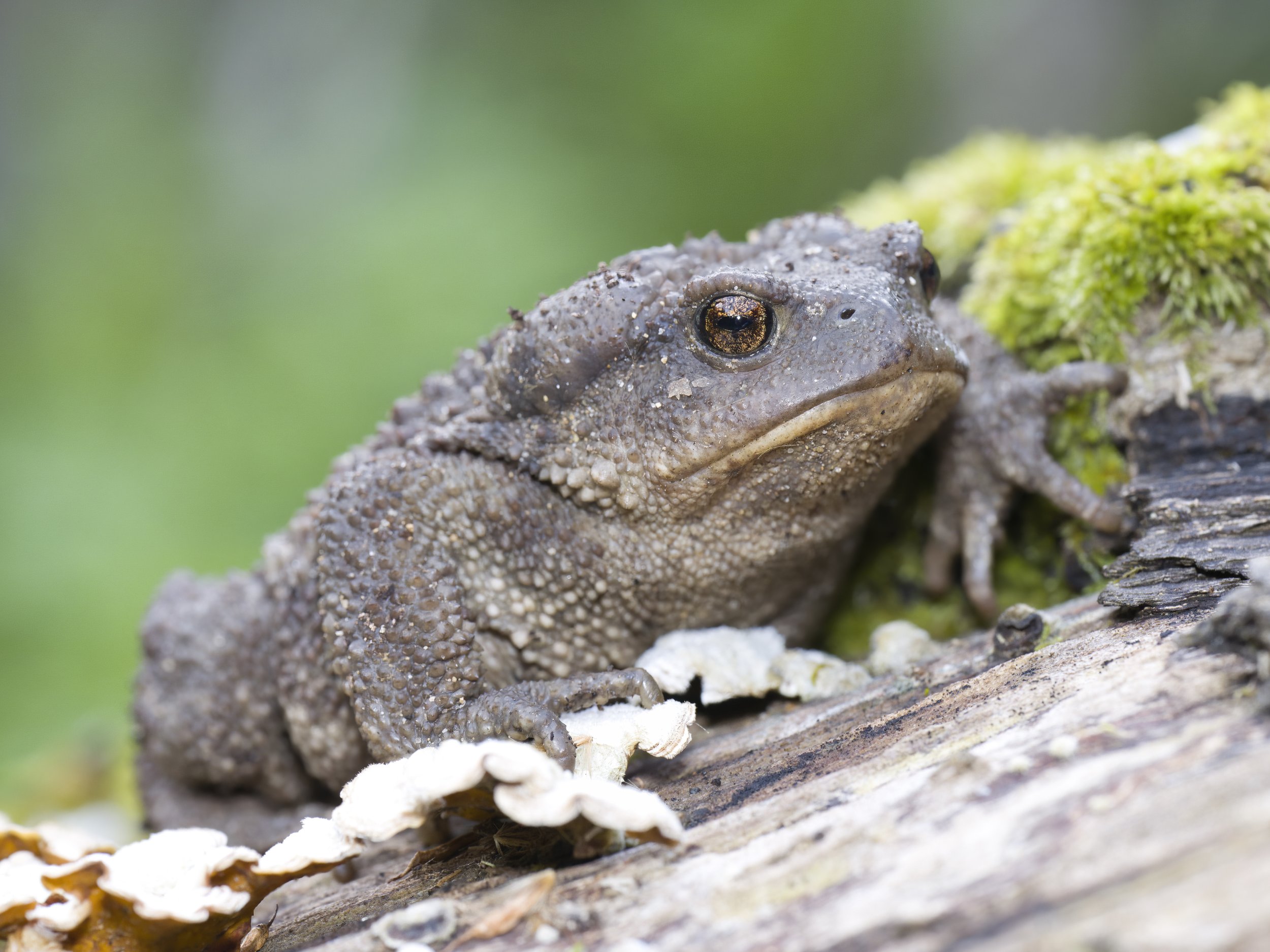
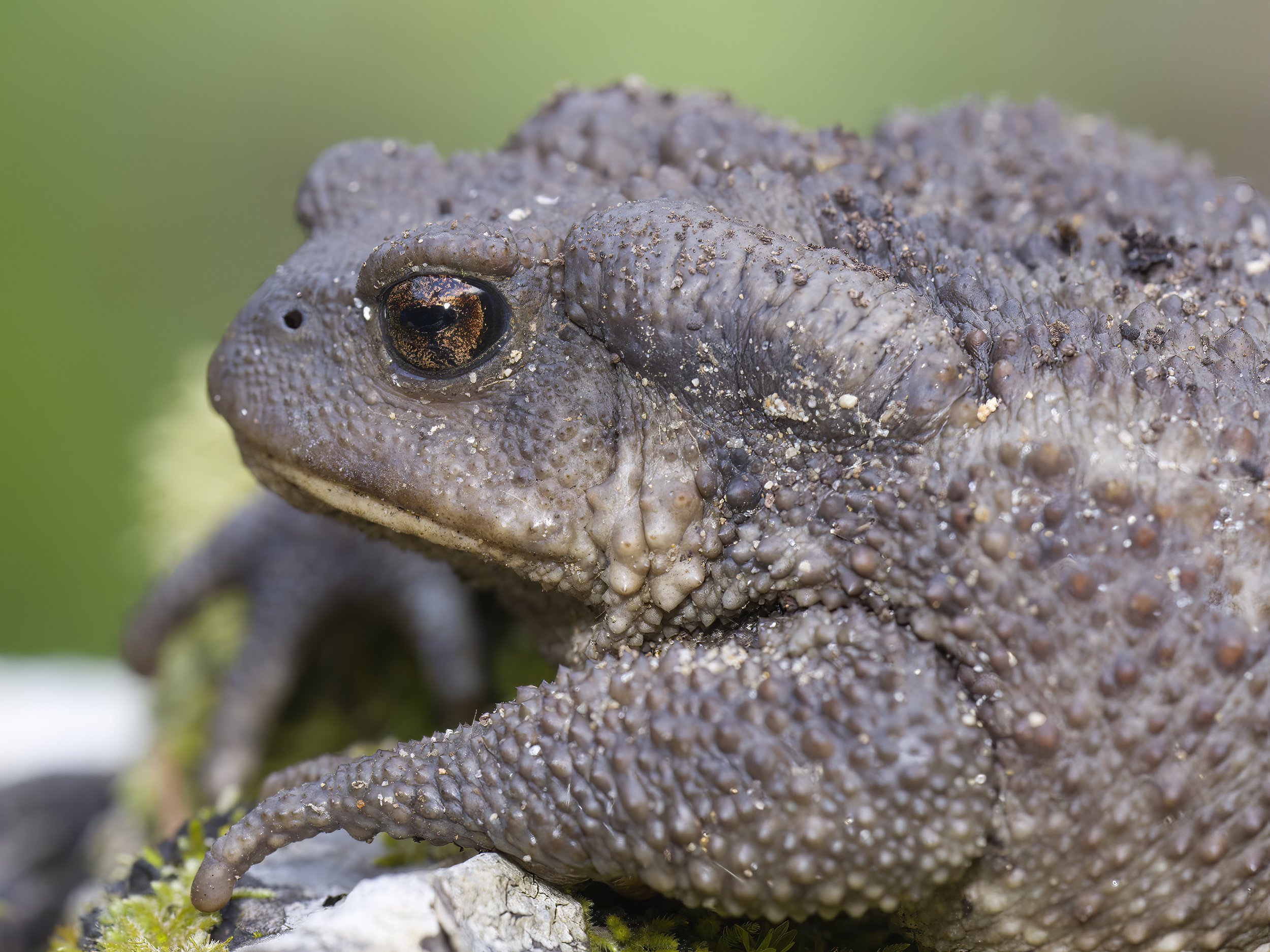
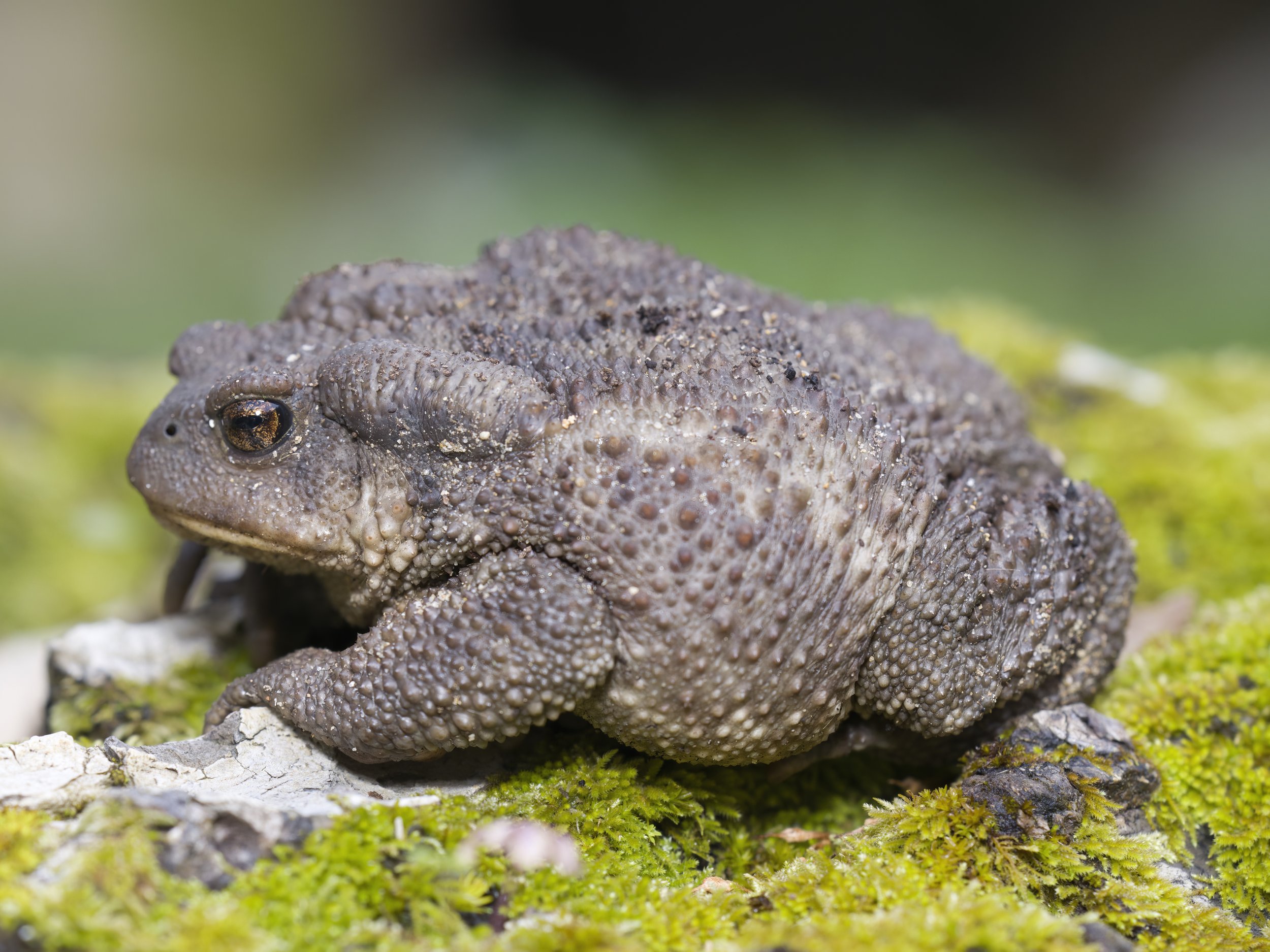
The Caucasian Toad (Bufo verrucosissimus), is a large, robust amphibian belonging to the family Bufonidae. It has a broad body, relatively short hind legs, rough, heavily warty skin, and earthy brown to greyish coloration that provides excellent camouflage among rocks, soil, and fallen leaves. Prominent parotoid glands behind the eyes produce defensive secretions that discourage predators. Unlike many frogs, the Caucasian Toad generally moves by walking or crawling rather than making long jumps. It is primarily nocturnal, feeding on insects, worms, spiders, and other small invertebrates.
In Lebanon, the Caucasian Toad is a rare and localized native species, restricted mainly to humid, wooded river valleys with permanent freshwater, dense vegetation, and abundant leaf litter. During the day, it shelters in cool, shaded places, becoming more active at night and during wet conditions. Breeding usually occurs in early spring, when females deposit long, gelatinous strings of eggs in slow-moving or nearly still water. The species has been documented in the Nahr Ibrahim valley and around the Awali River near Moukhtara.
The Caucasian Toad holds particular scientific importance in Lebanon. A 2019 genetic study by Daniel Jablonski and Riyad A. Sadek confirmed that Lebanese populations belong to Bufo verrucosissimus, revealing a close genetic relationship with populations from the Transcaucasian region. Globally, the species is classified as Near Threatened (NT), with habitat degradation, freshwater pollution, and the loss of humid forest environments posing concerns for its conservation.
الضفدع القوقازي هو أحد البرمائيات الكبيرة وقوية البنية، وينتمي إلى فصيلة العلجوميات. يتميز بجسم عريض، وأطراف خلفية قصيرة نسبيًا، وجلد خشن تغطيه نتوءات بارزة، وألوان ترابية تتراوح بين البني والرمادي، مما يساعده على التمويه بين الصخور والتربة والأوراق المتساقطة. ويمتلك غددًا بارزة خلف العينين تفرز مواد دفاعية تساعد على حمايته من المفترسات. وعلى عكس العديد من الضفادع، يتحرك العلجوم القوقازي غالبًا بالمشي أو الزحف بدلًا من القفز لمسافات طويلة. وهو ليلي النشاط بشكل رئيسي، ويتغذى على الحشرات، والديدان، والعناكب، وغيرها من اللافقاريات الصغيرة.
في لبنان، يُعَدّ العلجوم القوقازي نوعًا محليًا نادرًا ومحدود الانتشار، إذ يرتبط بشكل أساسي بالأودية النهرية الرطبة ذات المياه الدائمة، والغطاء الشجري الكثيف، والأوراق المتساقطة. وخلال النهار، يختبئ في الأماكن الباردة والمظللة، ويزداد نشاطه ليلًا وخلال الظروف الرطبة. ويحدث التكاثر عادة في أوائل الربيع، عندما تضع الإناث البيض في سلاسل هلامية طويلة داخل المياه الهادئة أو بطيئة الجريان. وقد وُثّق وجوده في وادي نهر إبراهيم، وبالقرب من نهر الأولي في منطقة المختارة.
ويكتسب العلجوم القوقازي أهمية علمية خاصة في لبنان، إذ أكدت دراسة وراثية نُشرت عام 2019 للباحثين دانيال يابلونسكي ورياض صادق أن التجمعات اللبنانية تنتمي إلى نوع مختلف ، وكشفت عن صلة وراثية وثيقة بينها وبين تجمعات منطقة القوقاز. ويُصنَّف هذا النوع عالميًا ضمن فئة قريب من التهديد ، بينما يشكل تدهور الموائل الطبيعية، وتلوث المياه العذبة، وفقدان البيئات الحرجية الرطبة تحديات مهمة أمام حمايته واستمراره
Other Species
-
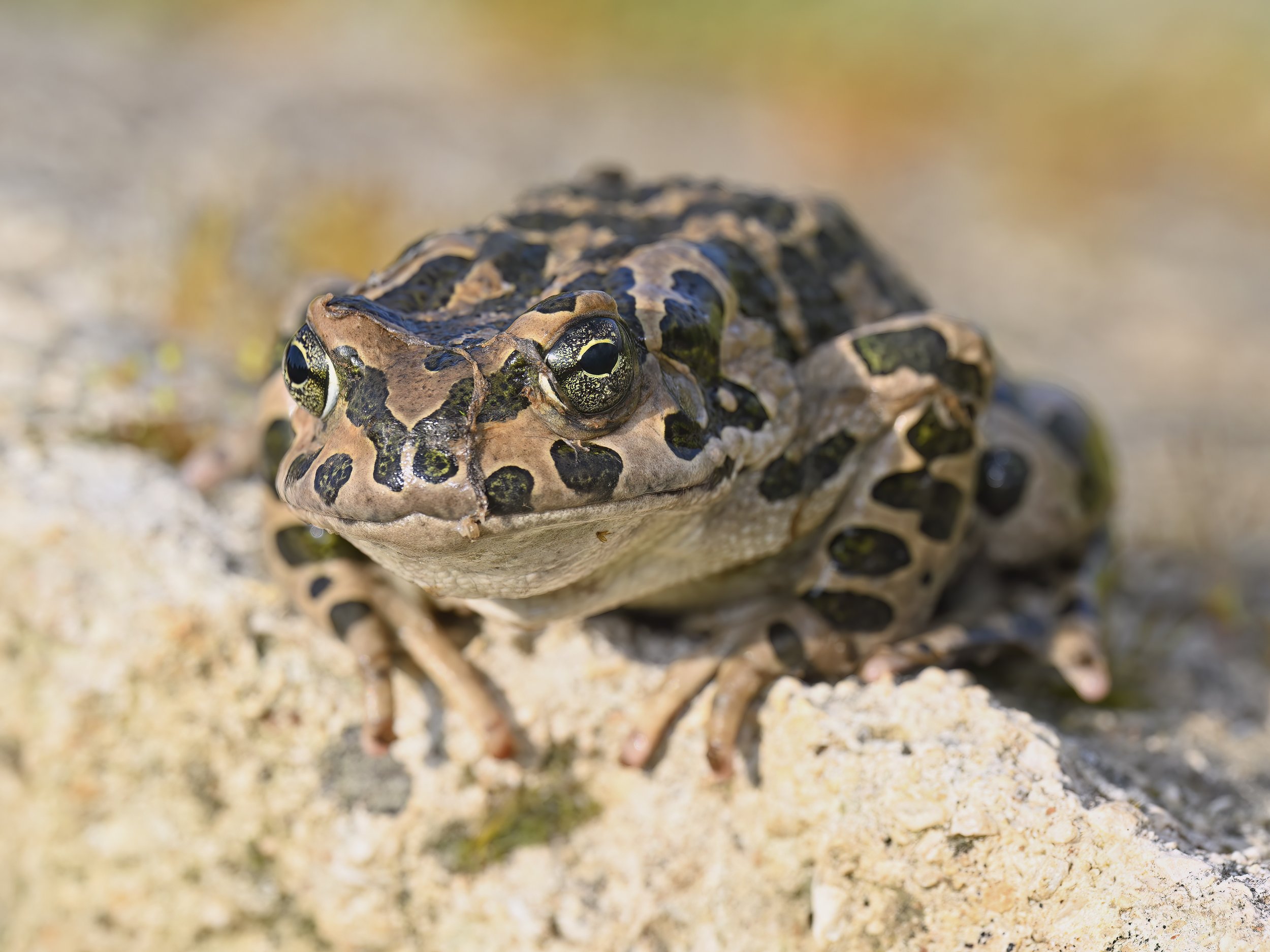
Variable Toad (Bufotes sitibundus)
-
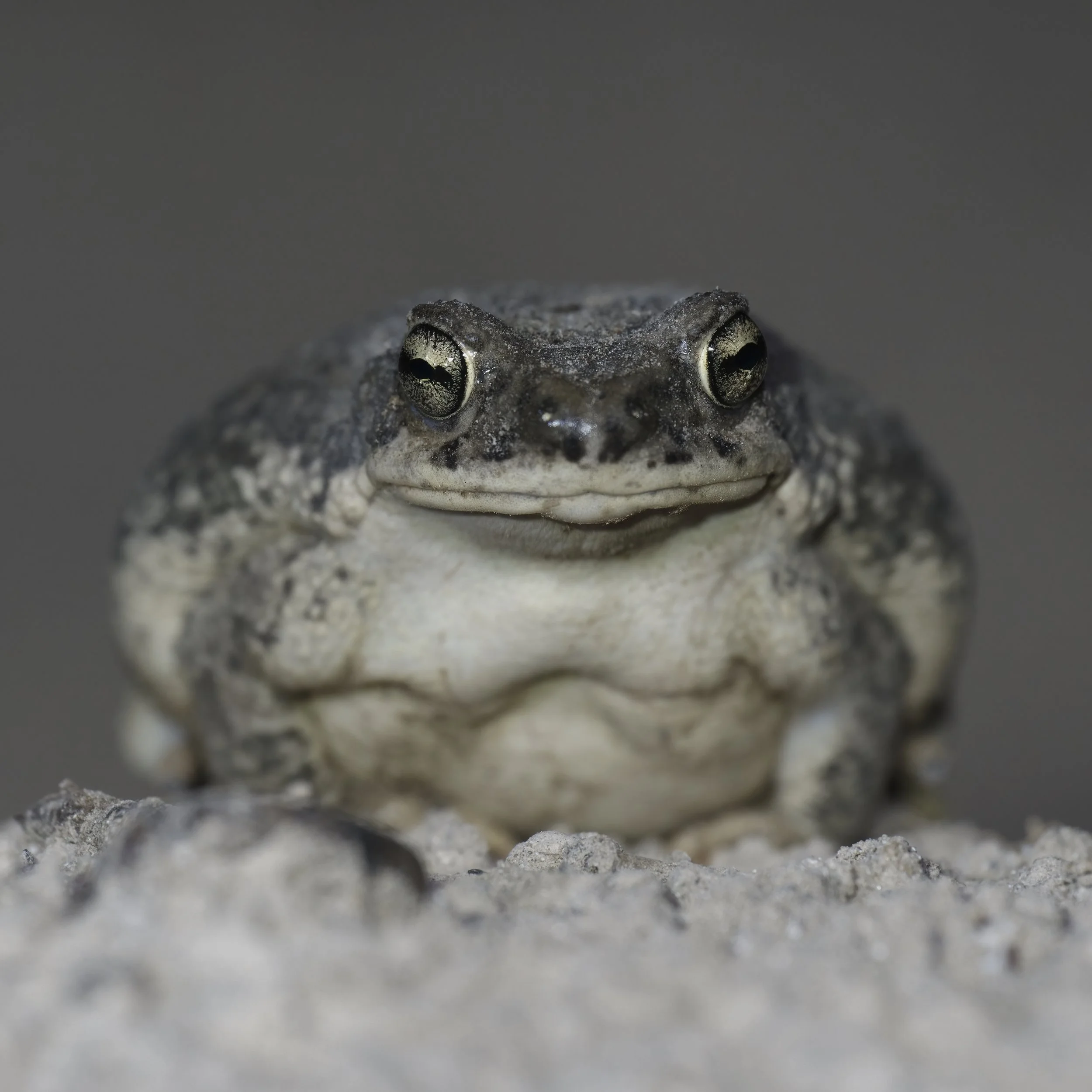
Dhofar Toad (Firouzophrynus dhufarensis)
-
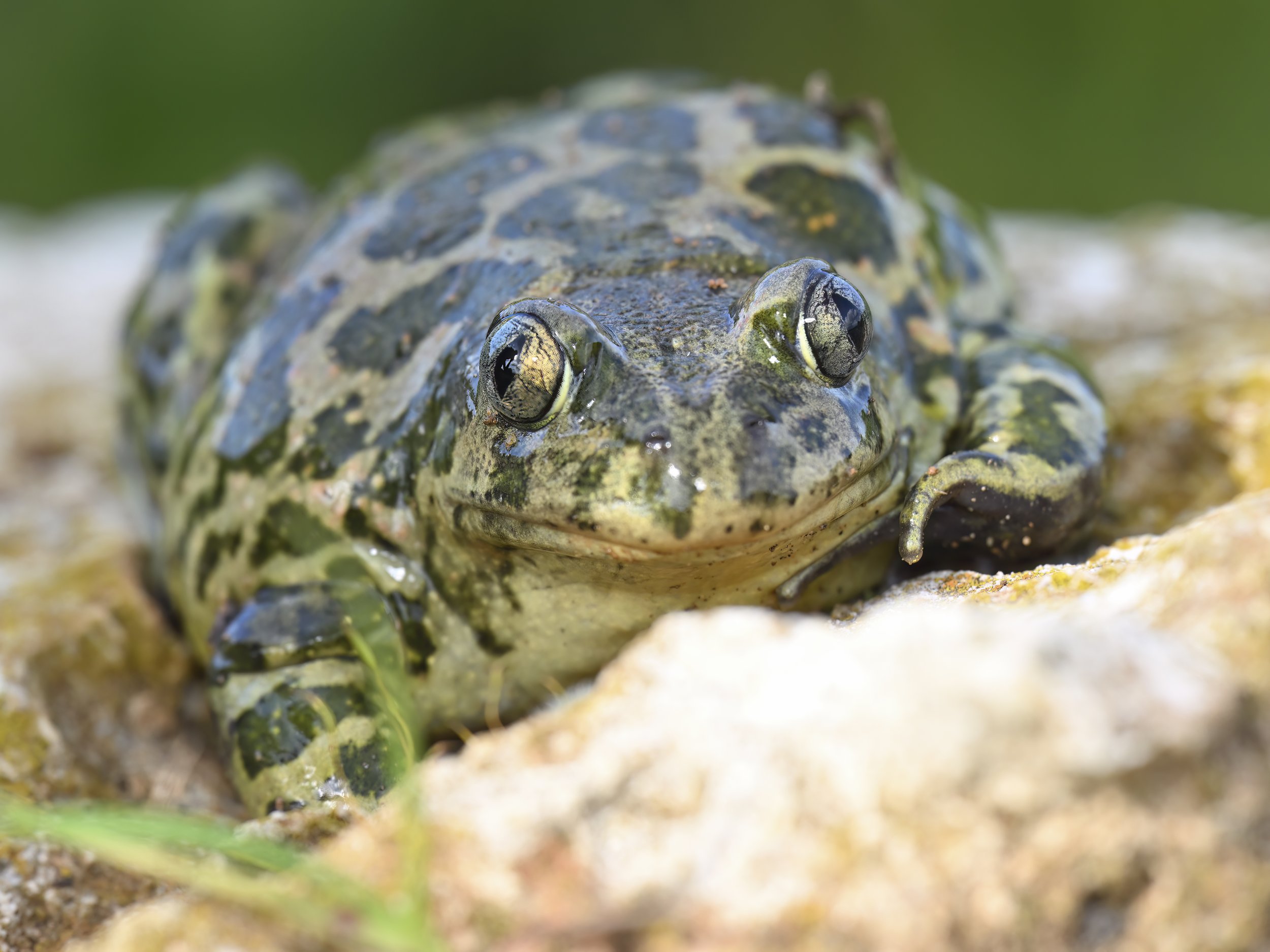
Syrian Spadefoot (Pelobates syriacus)
-
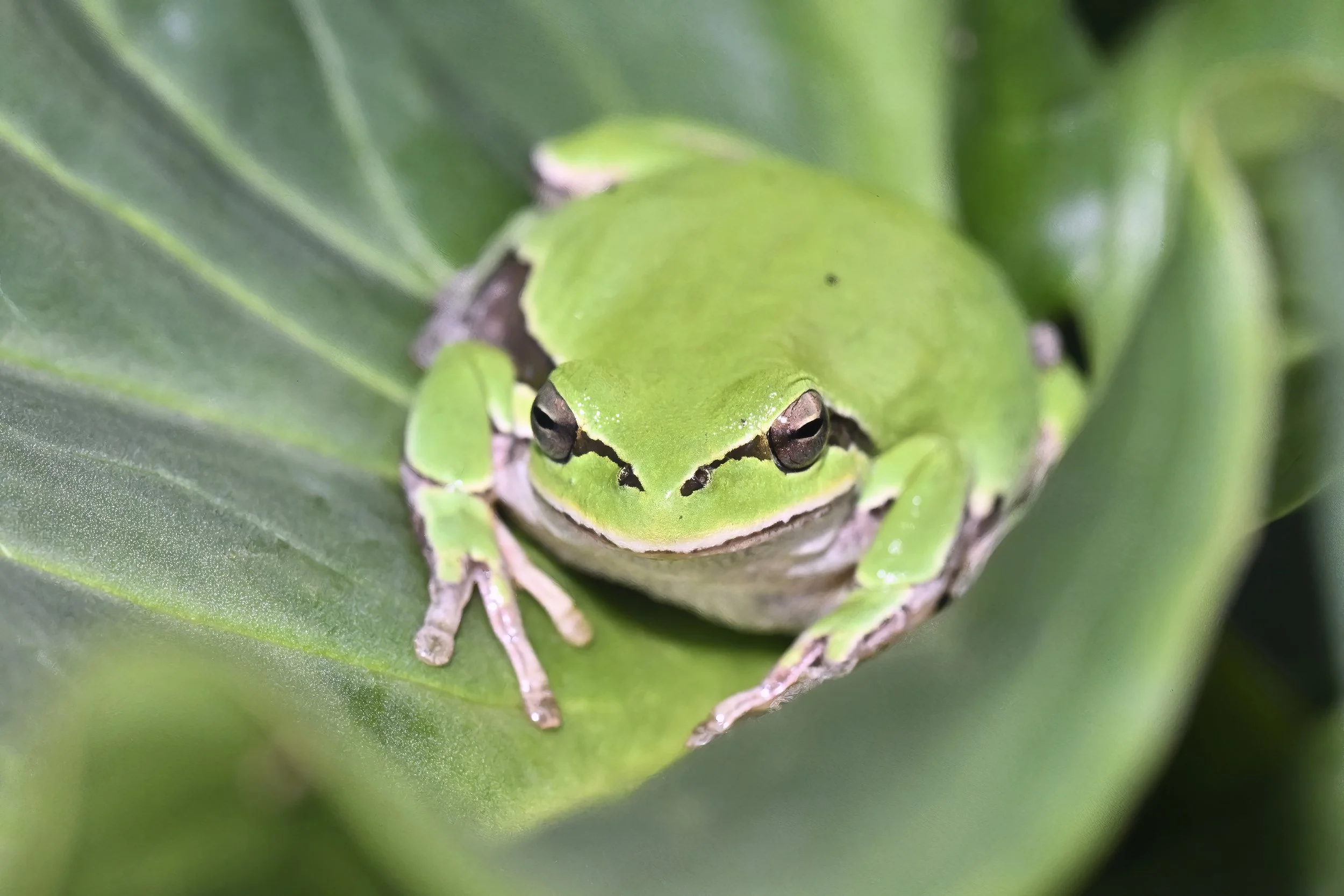
Lemon-Yellow Tree Frog (Hyla savignyi)