

European Turtle-dove (قمري أوروبي , القميري) \ Streptopelia turtur
Vulnerable **
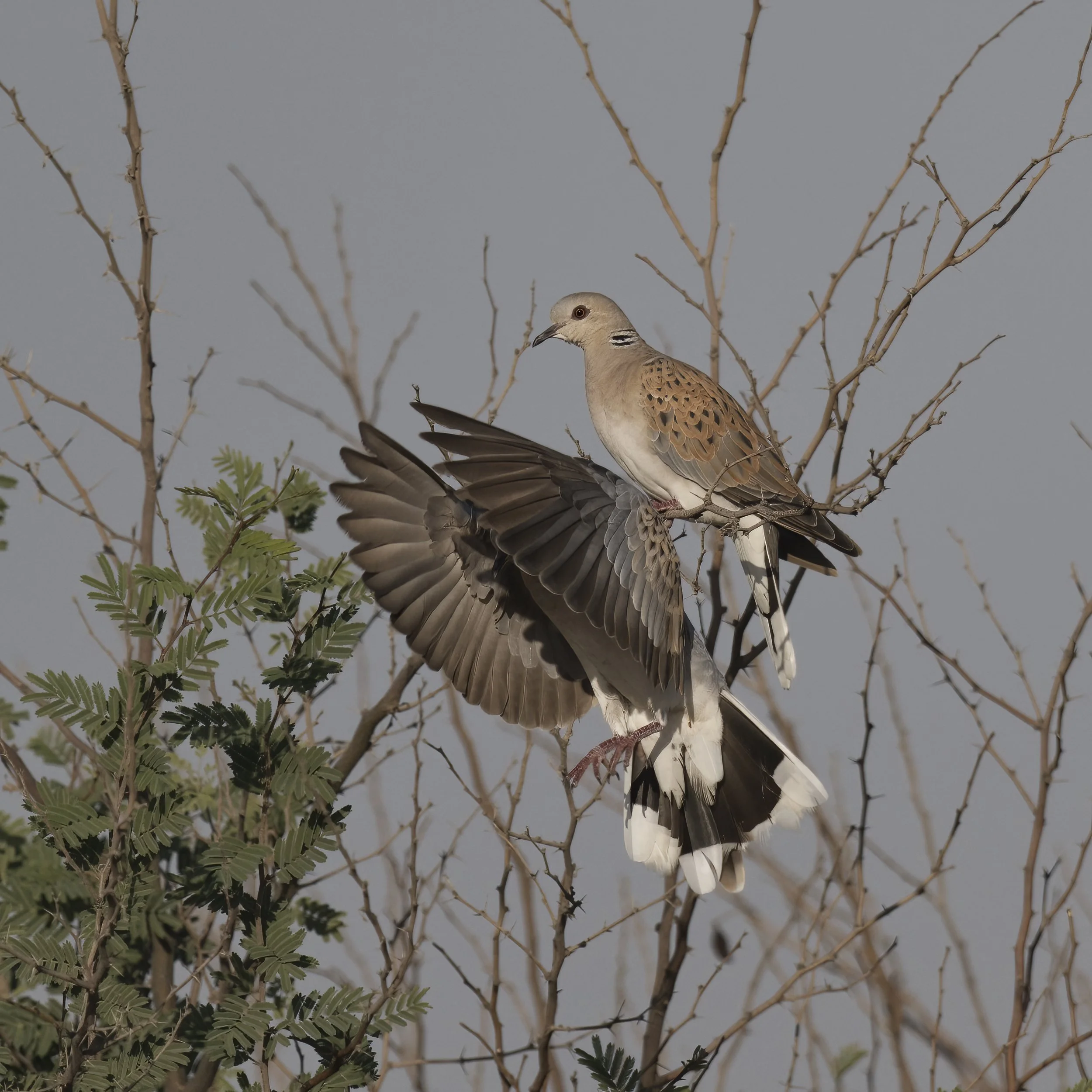
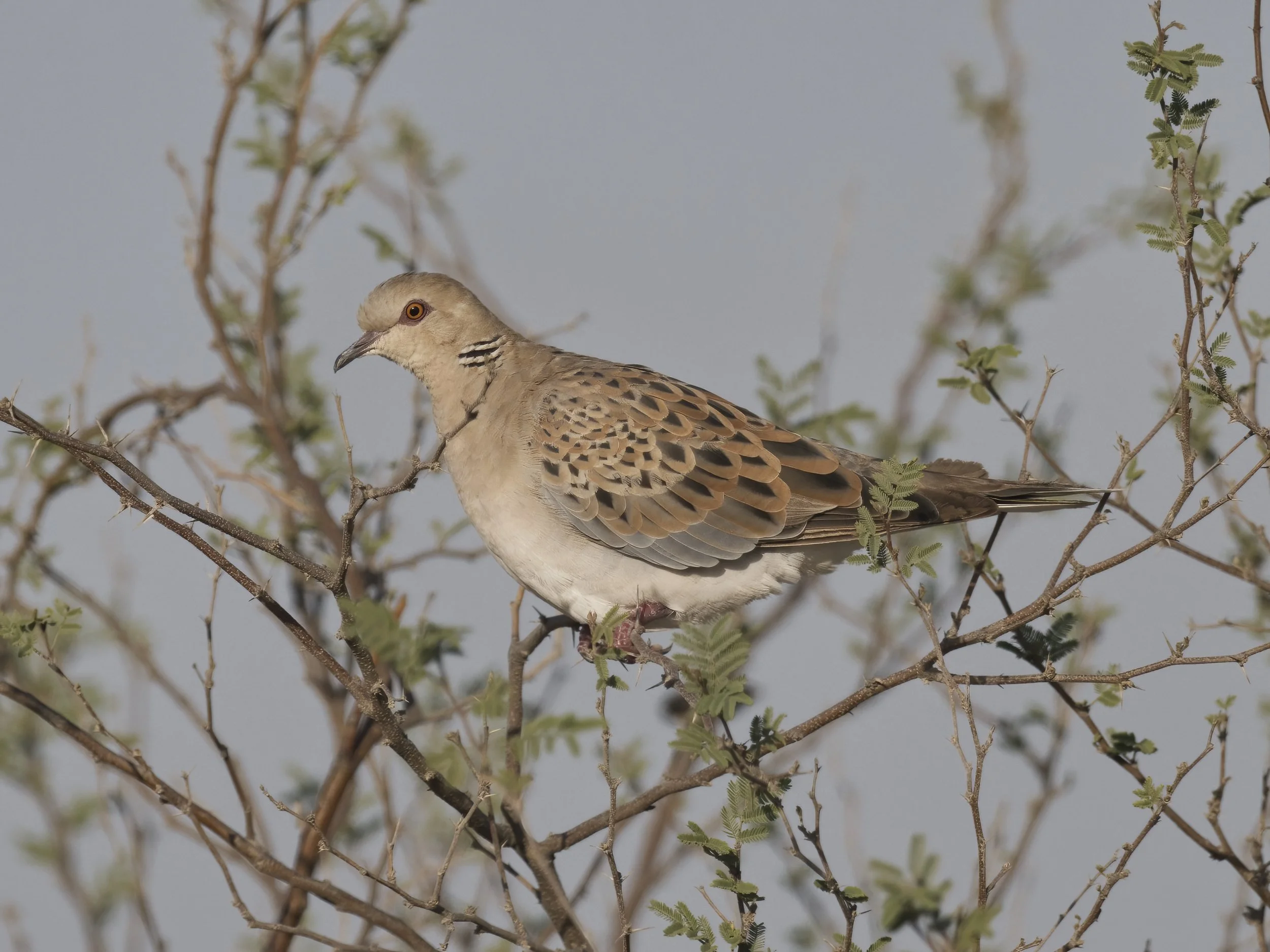
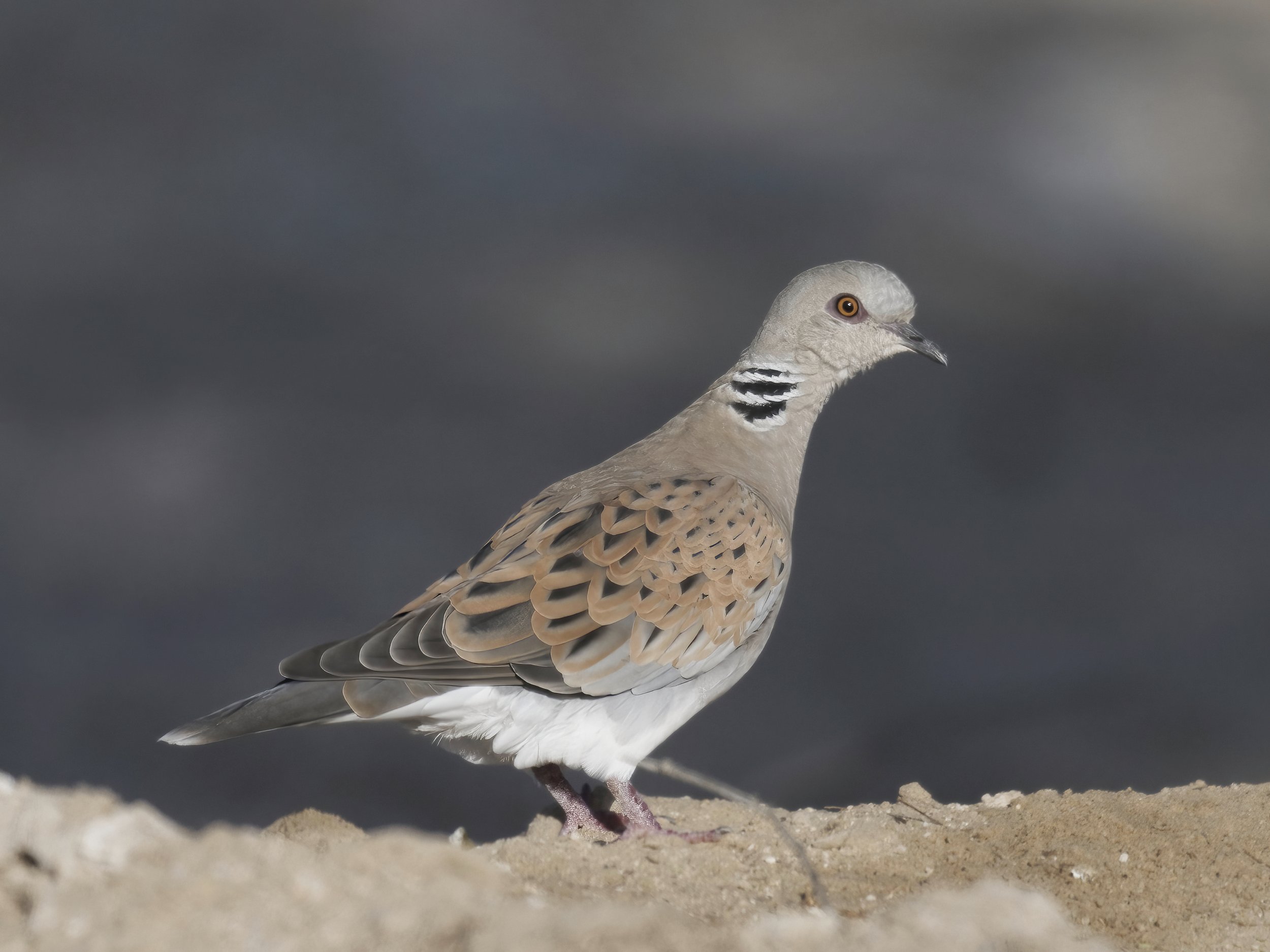
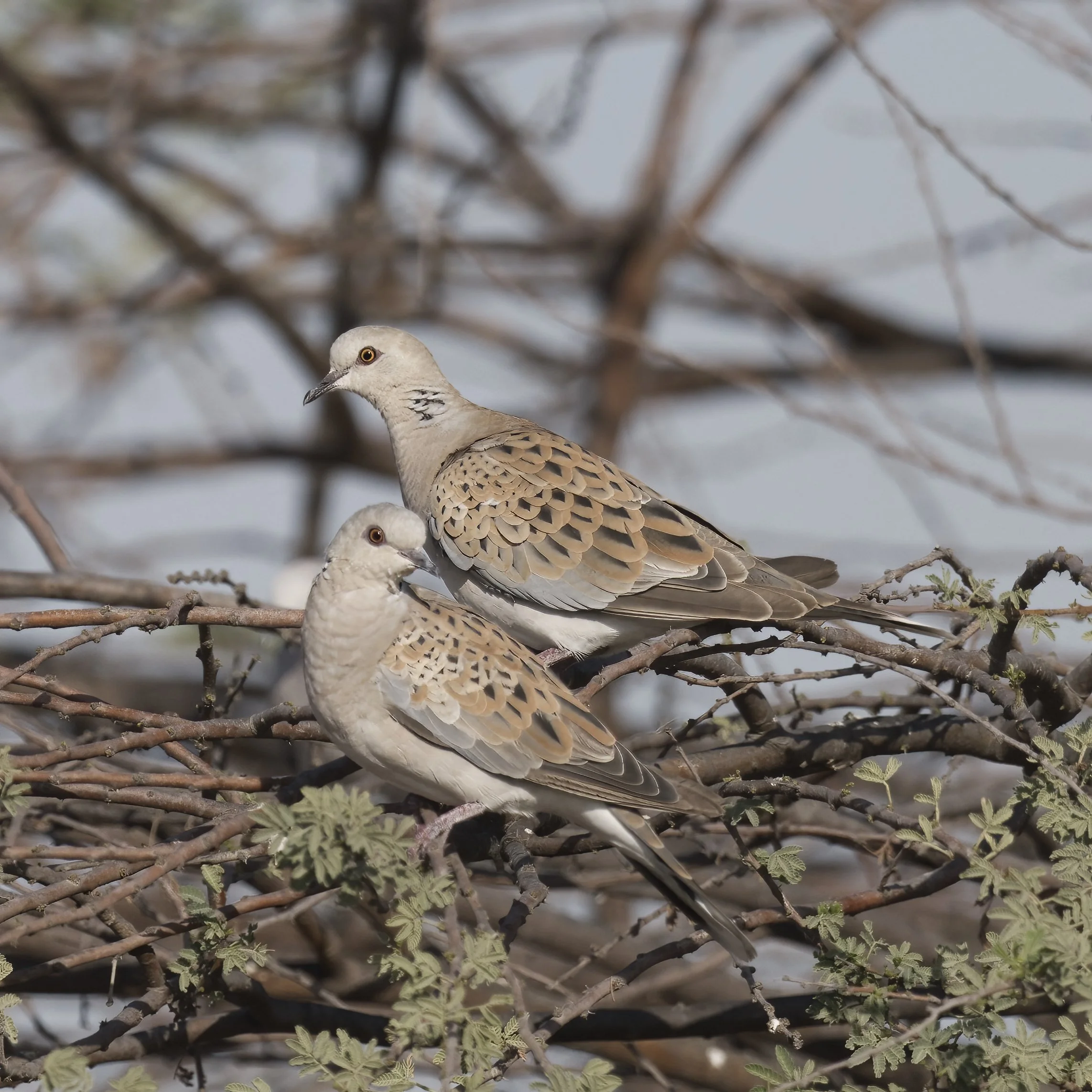
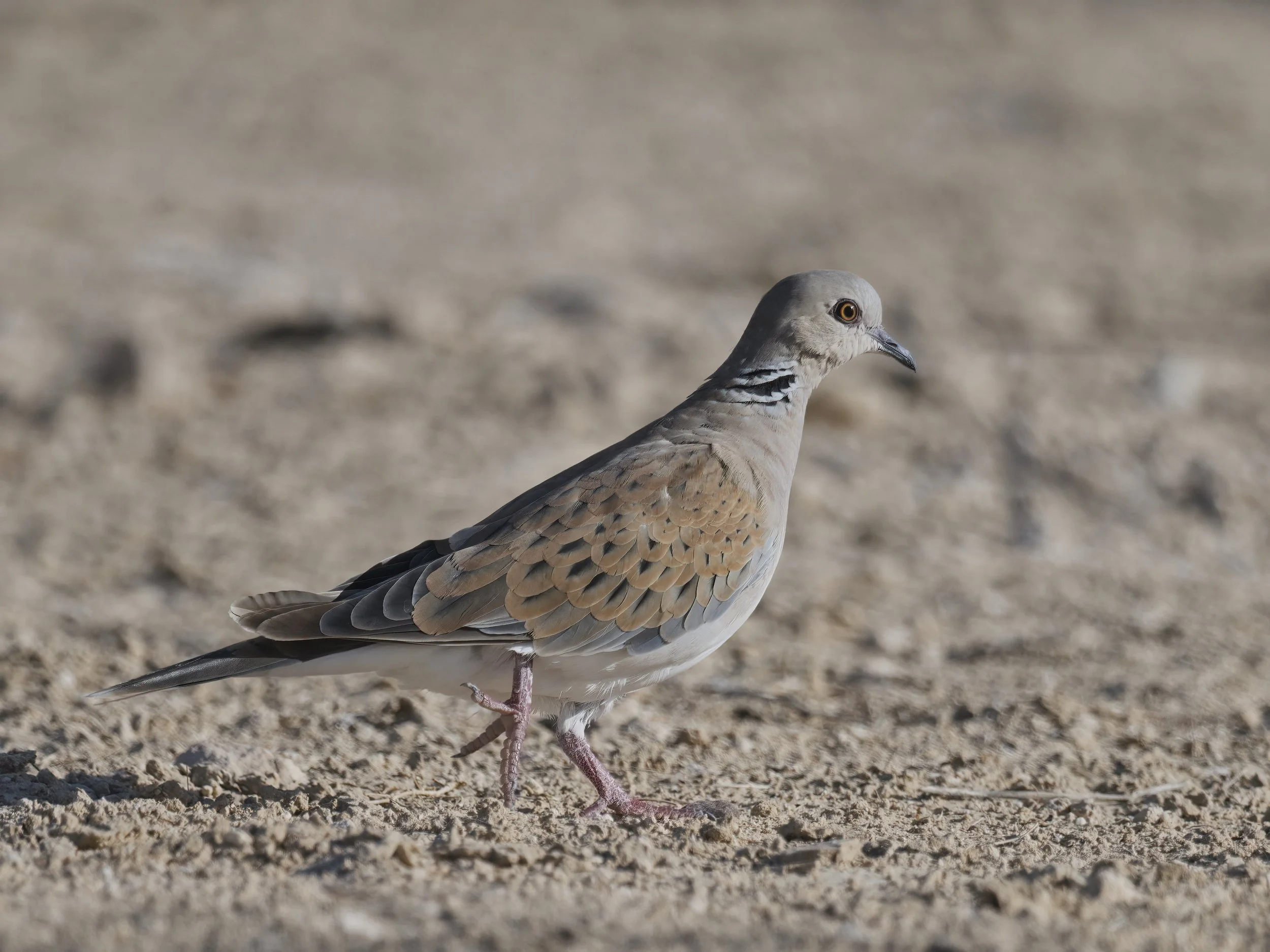
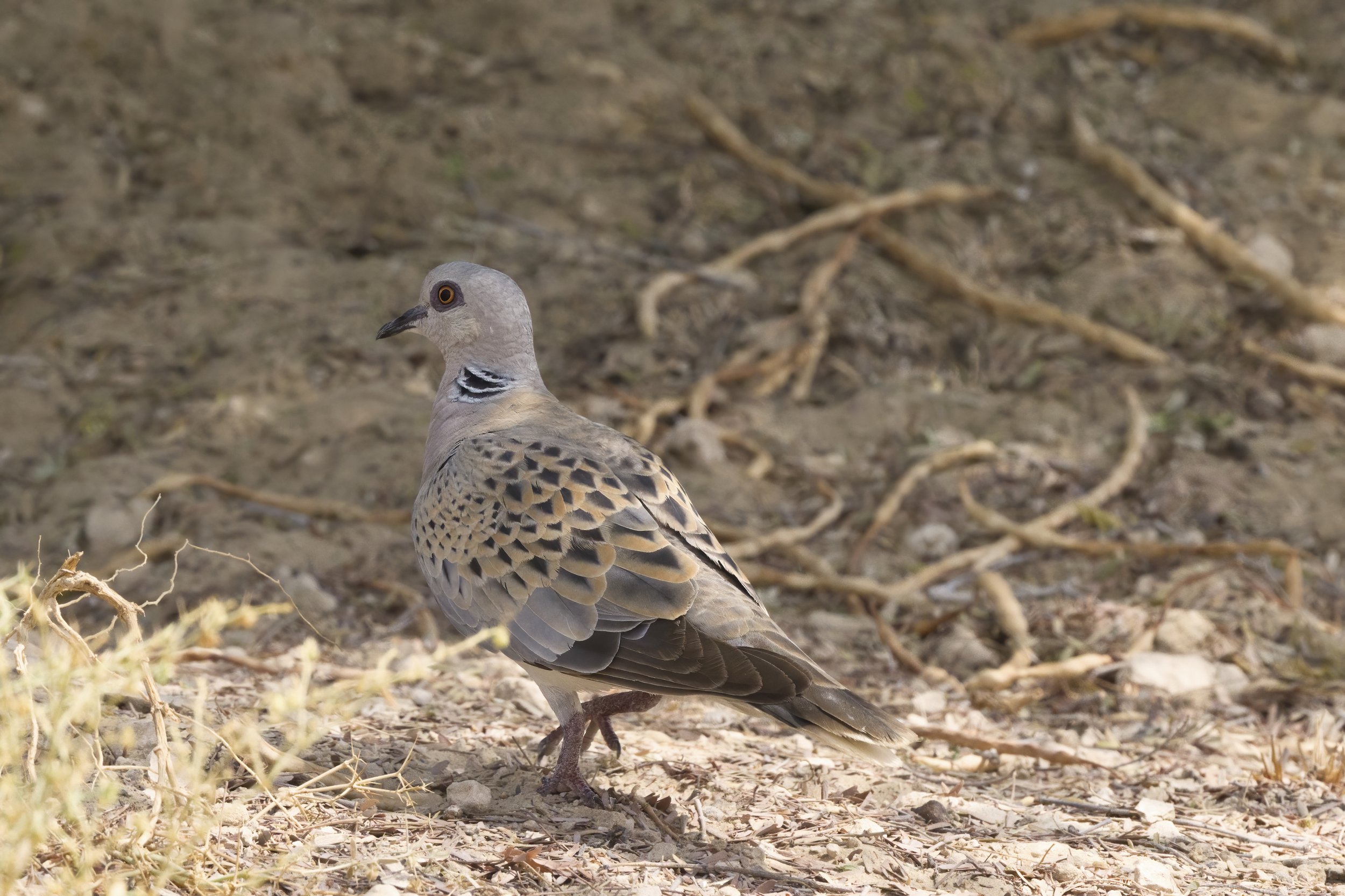
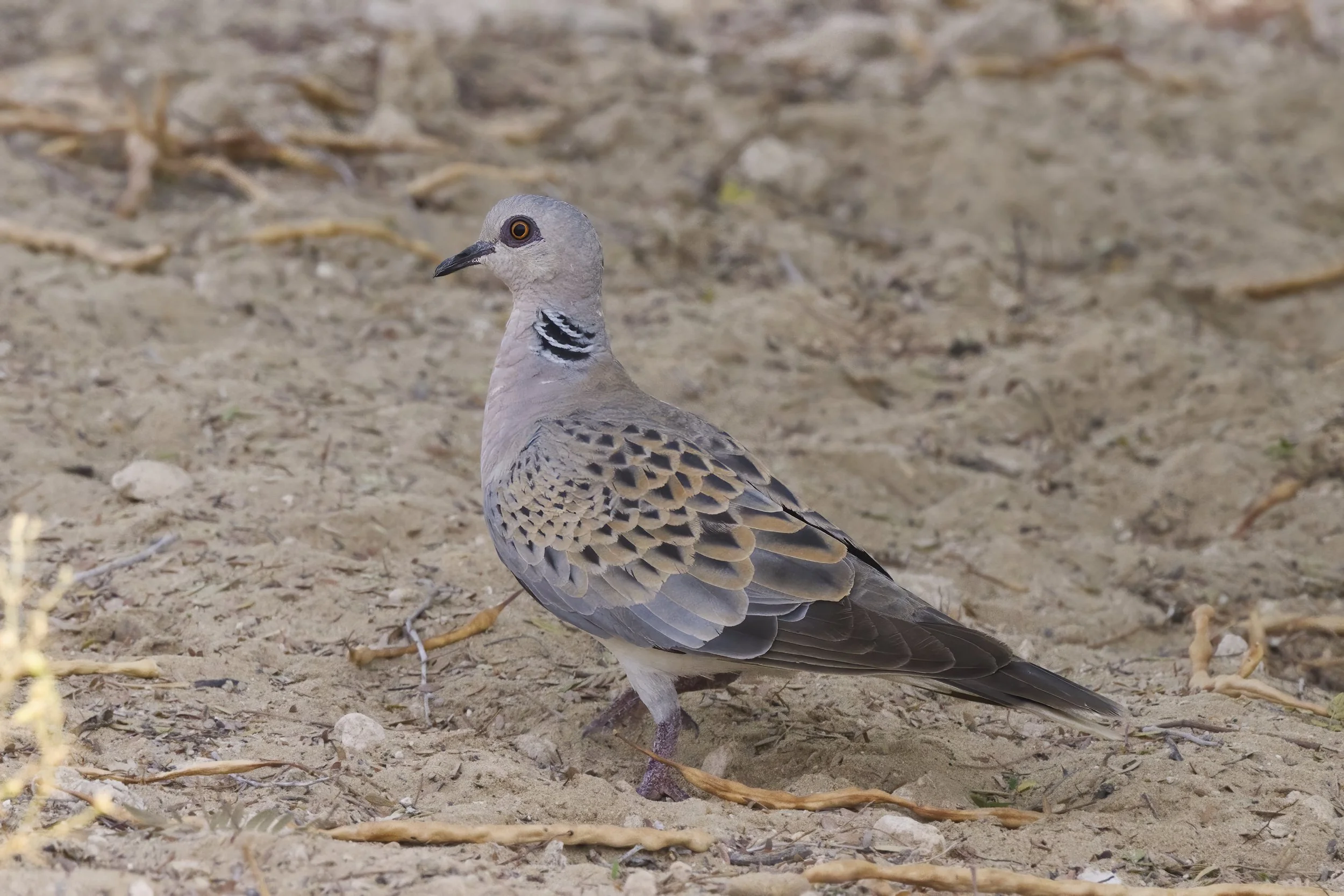
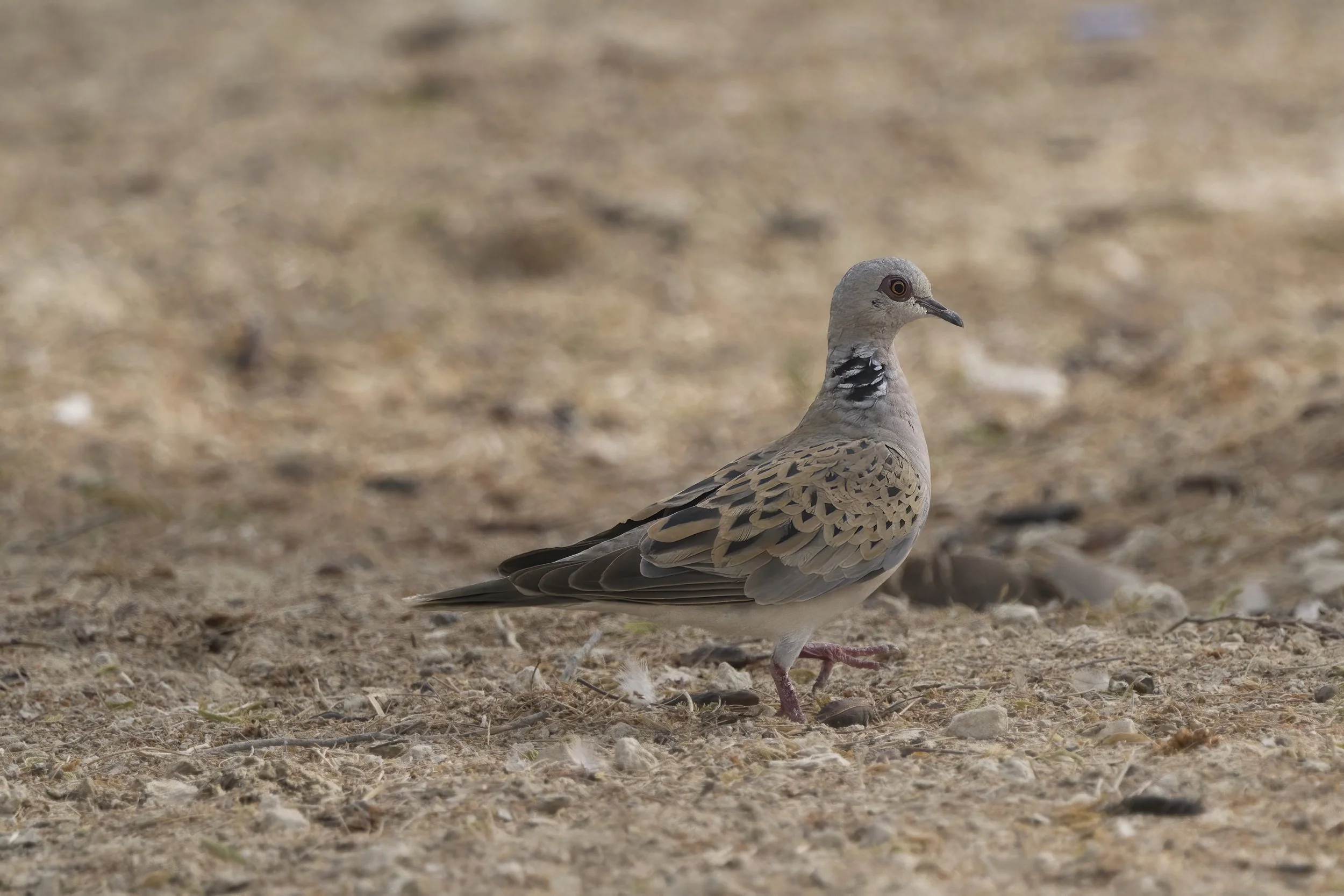
The European Turtle-dove (Streptopelia turtur) is a small, migratory dove admired for its gentle cooing and beautiful, warm plumage marked by a scaled, rufous-brown back and a distinctive black-and-white neck patch. Breeding across Europe, North Africa, and parts of Asia, this species undertakes long migrations to wintering grounds in sub-Saharan Africa. Unlike its urban-adapted relatives, the European Turtle-dove prefers open woodlands, farmlands, and hedgerows, where it feeds on seeds, grains, and small invertebrates. Despite its once-abundant populations, this dove is now classified as Vulnerable by the IUCN due to significant declines driven by habitat loss, hunting, and changes in agricultural practices. Conservation efforts are focusing on habitat restoration and sustainable agricultural practices to support this iconic species, whose presence is a symbol of the countryside and natural heritage of Europe.
تُعَدُّ القميري حمامةً صغيرةً مهاجرة، تُعرَف بهديلها الهادئ وريشها الجميل الدافئ، الذي يتميز بظهر بني محمر ذي مظهر حرشفي، مع بقعة سوداء وبيضاء واضحة على جانبي العنق. ويتكاثر هذا النوع في أوروبا، وشمال أفريقيا، وأجزاء من آسيا، ثم يقوم بهجرات طويلة إلى مناطق قضائه الشتاء في أفريقيا جنوب الصحراء. وعلى خلاف بعض أقاربه المتأقلمين مع البيئات الحضرية، تفضّل اليمامة الأوروبية الأحراج المفتوحة، والأراضي الزراعية، والأسيجة النباتية، حيث تتغذى على البذور، والحبوب، واللافقاريات الصغيرة. ورغم أنها كانت في السابق من الطيور الوفيرة، فإنها تُصنَّف اليوم ضمن فئة مُعرَّضة للخطر على القائمة الحمراء للاتحاد الدولي لحفظ الطبيعة، نتيجة التراجع الكبير في أعدادها بسبب فقدان الموائل، والصيد، والتغيرات في الممارسات الزراعية. وتركّز جهود الحماية حاليًا على استعادة الموائل وتعزيز الممارسات الزراعية المستدامة لدعم هذا النوع الرمزي، الذي تمثل رؤيته جزءًا من مشهد الريف والتراث الطبيعي في أوروبا
Related Species
-
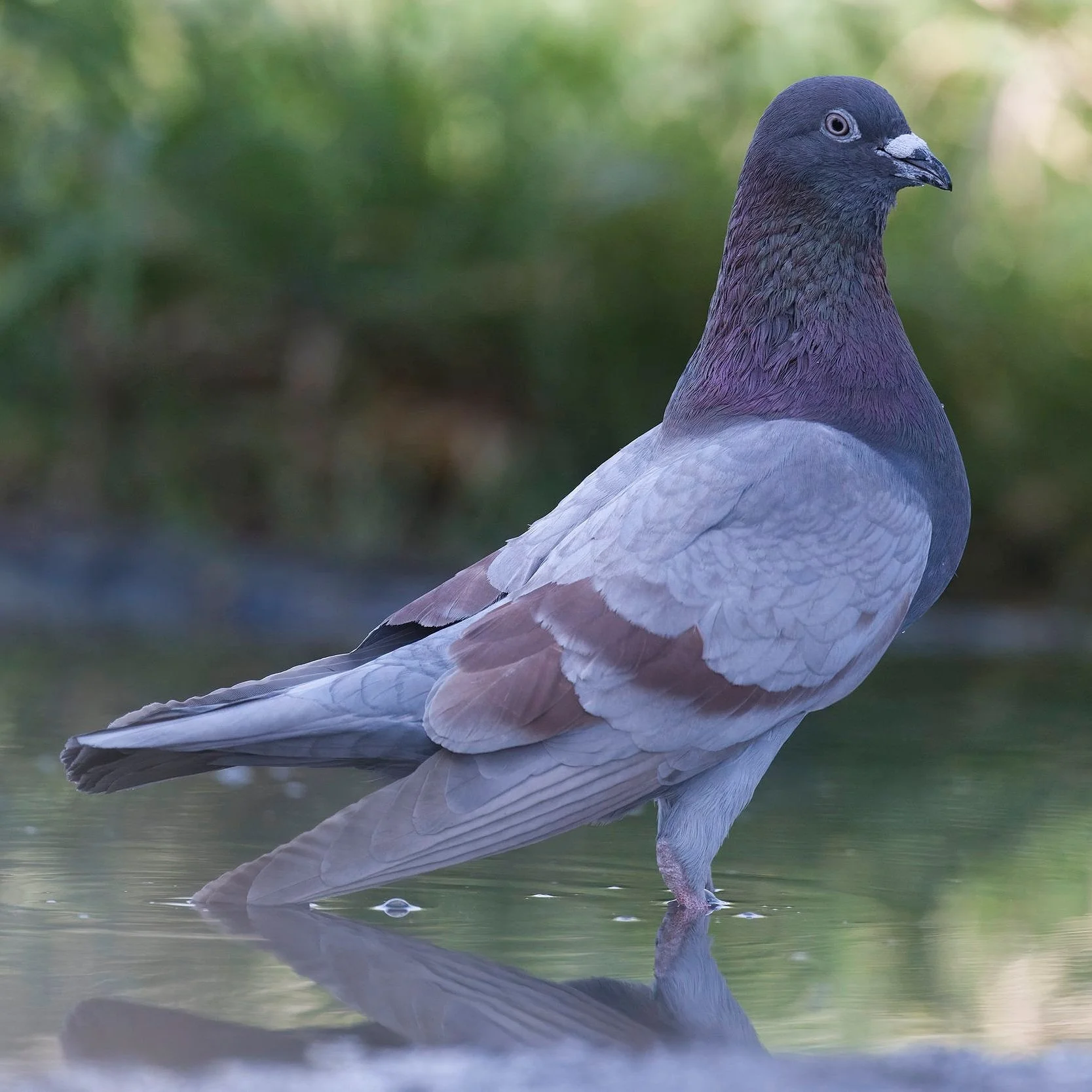
Rock Dove (Columba livia)
-
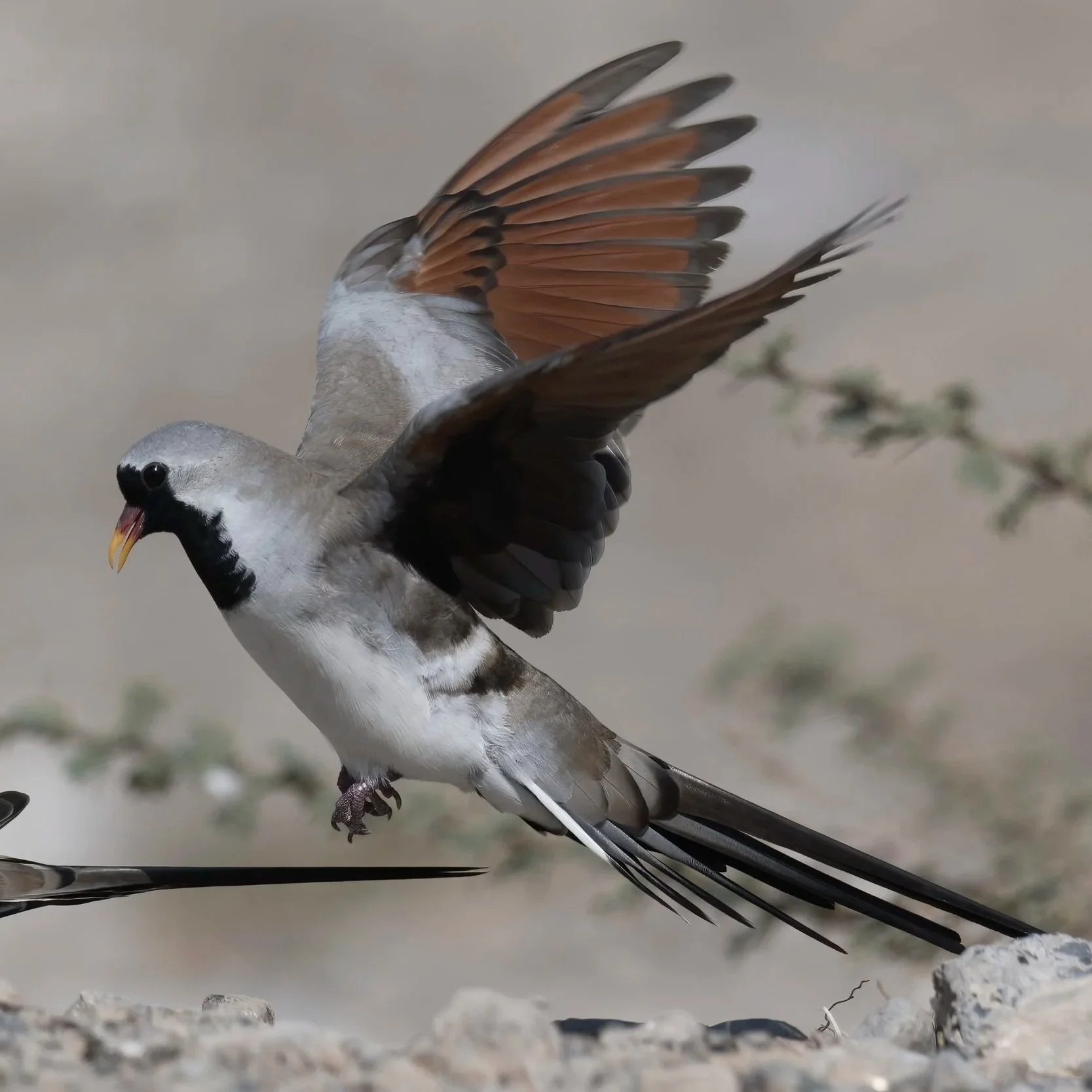
Namaqua Dove (Oena capensis)
-
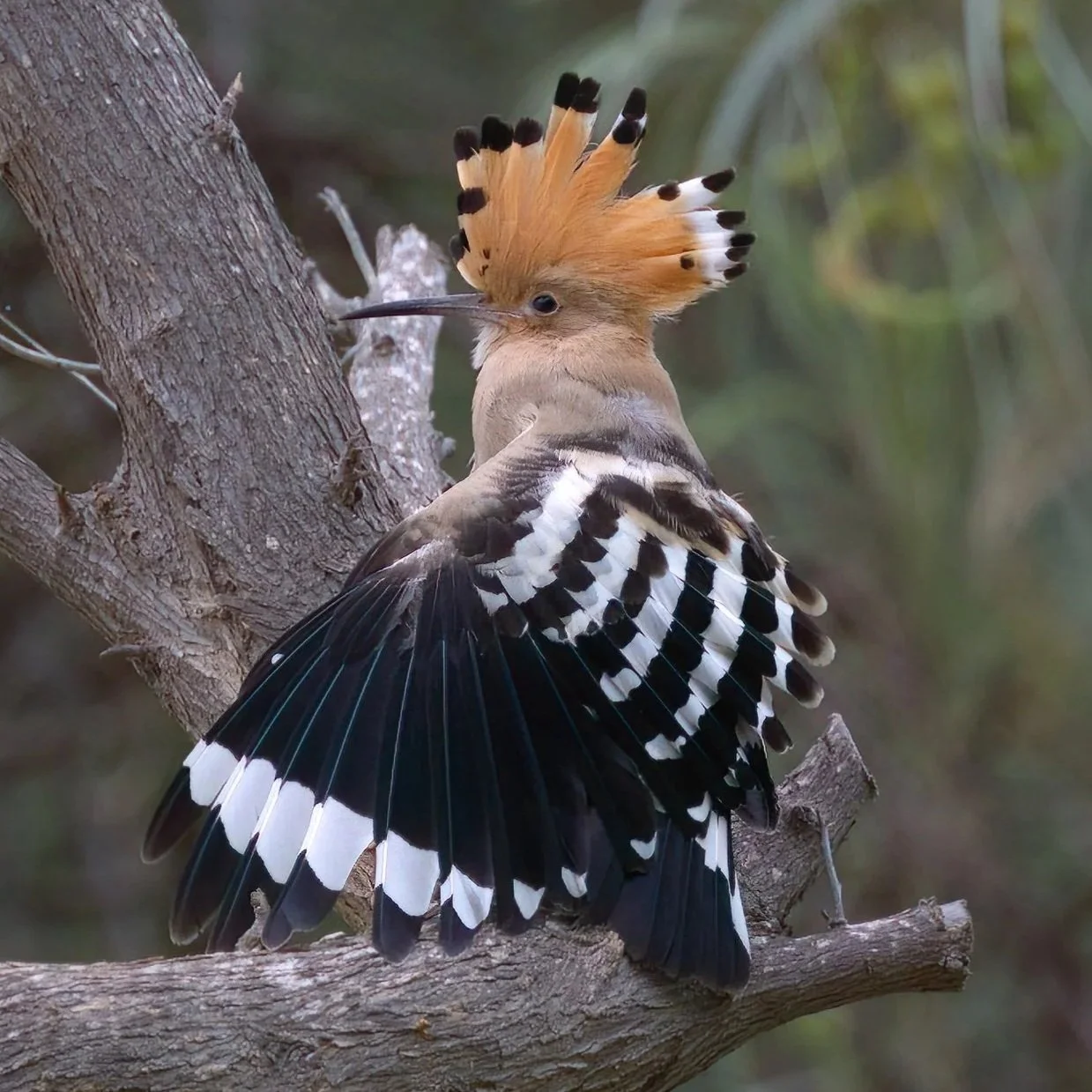
Eurasian Hoopoe (Upupa epops)
-
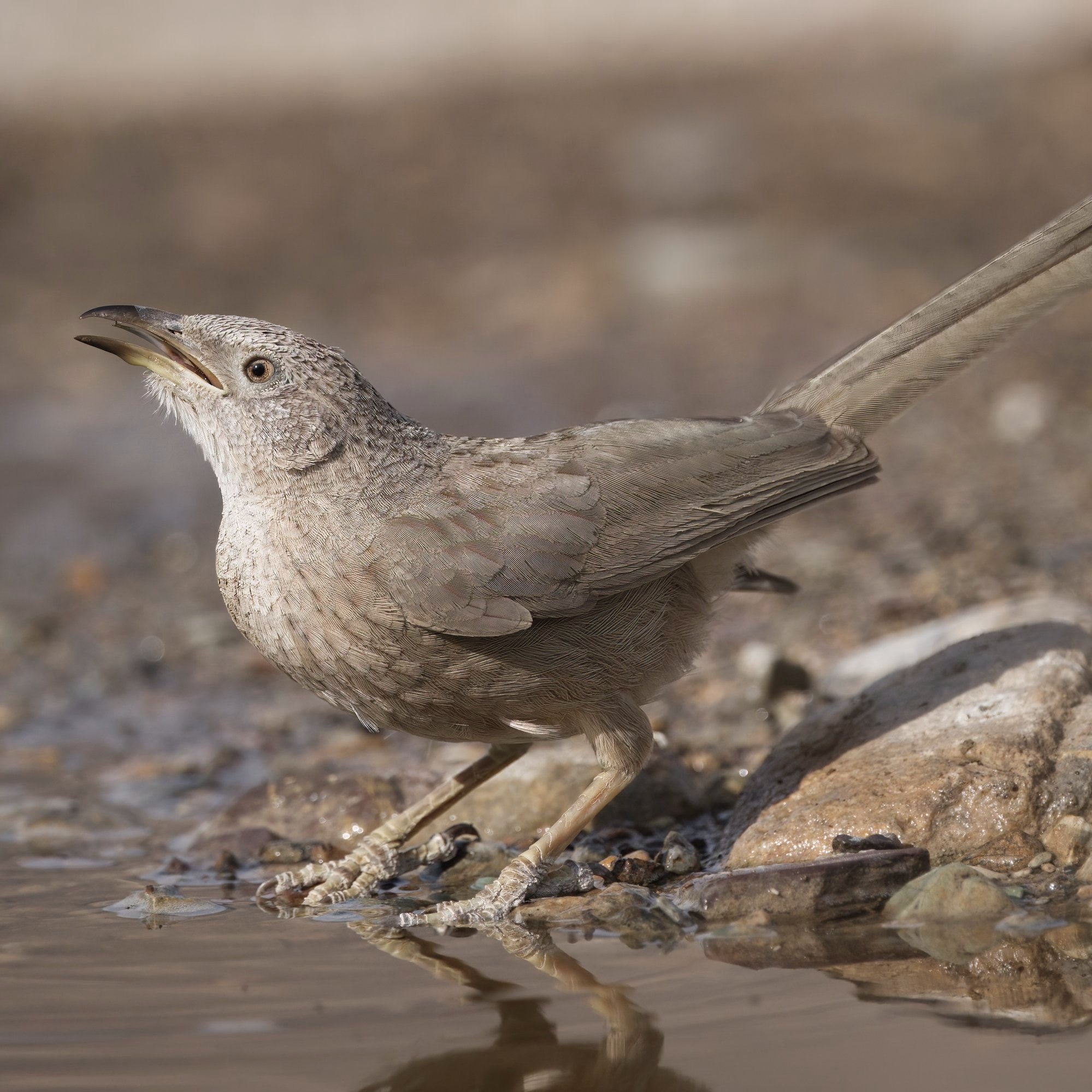
Arabian Babbler (Argya squamiceps)
| NOT EVALUATED | DATA DEFICIENT | LEAST CONCERN | NEAR THREATENED | VULNERABLE** | ENDANGERED | CRITICALLY ENDANGERED | EXTINCT IN THE WILD | EXTINCT |
|---|---|---|---|---|---|---|---|---|
| NE | DD | LC | NT | VU | EN | CR | EW | EX |