

Yellow-bellied House Gecko \ Hemidactylus flaviviridis
(وزغة المنازل صفراء البطن)
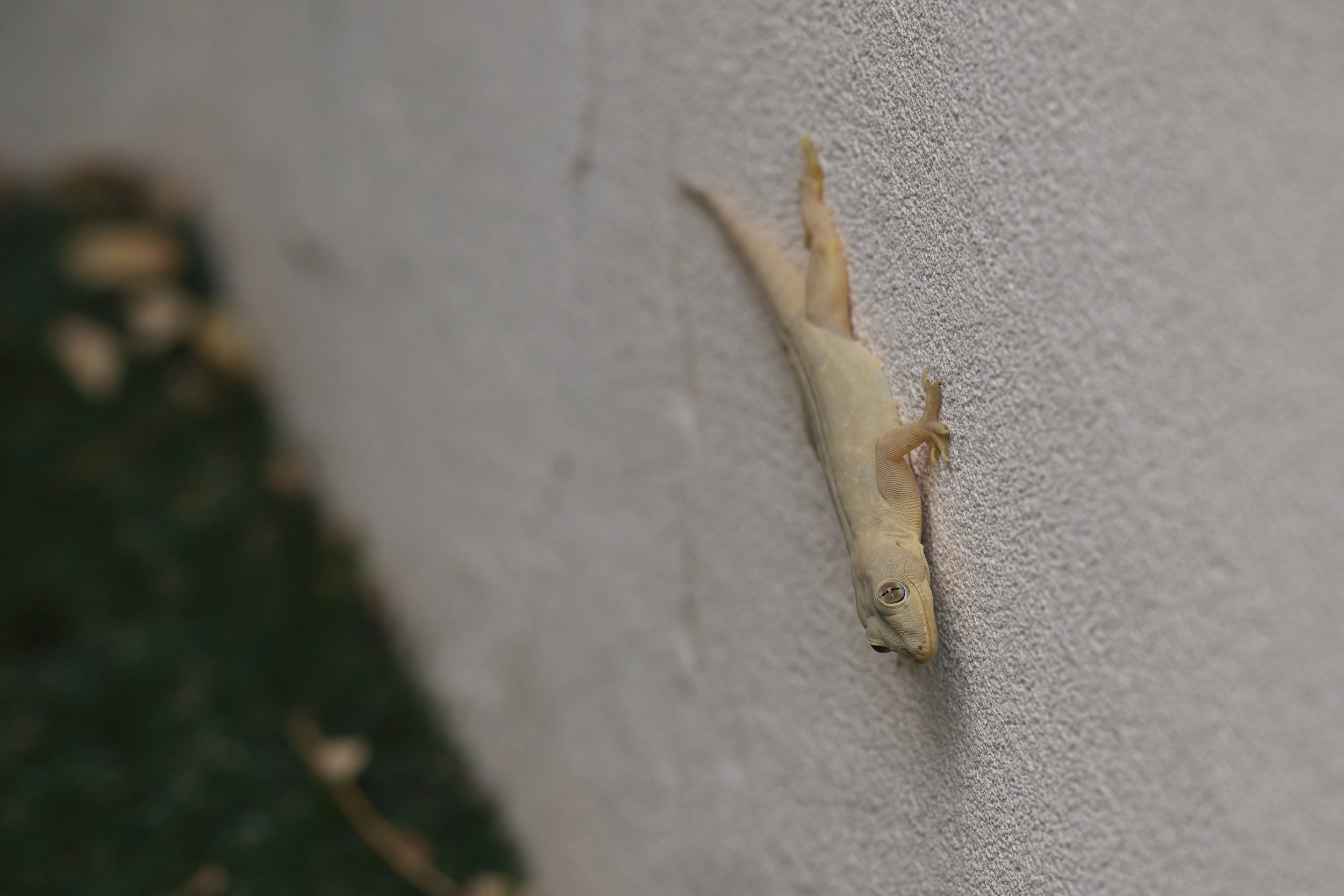
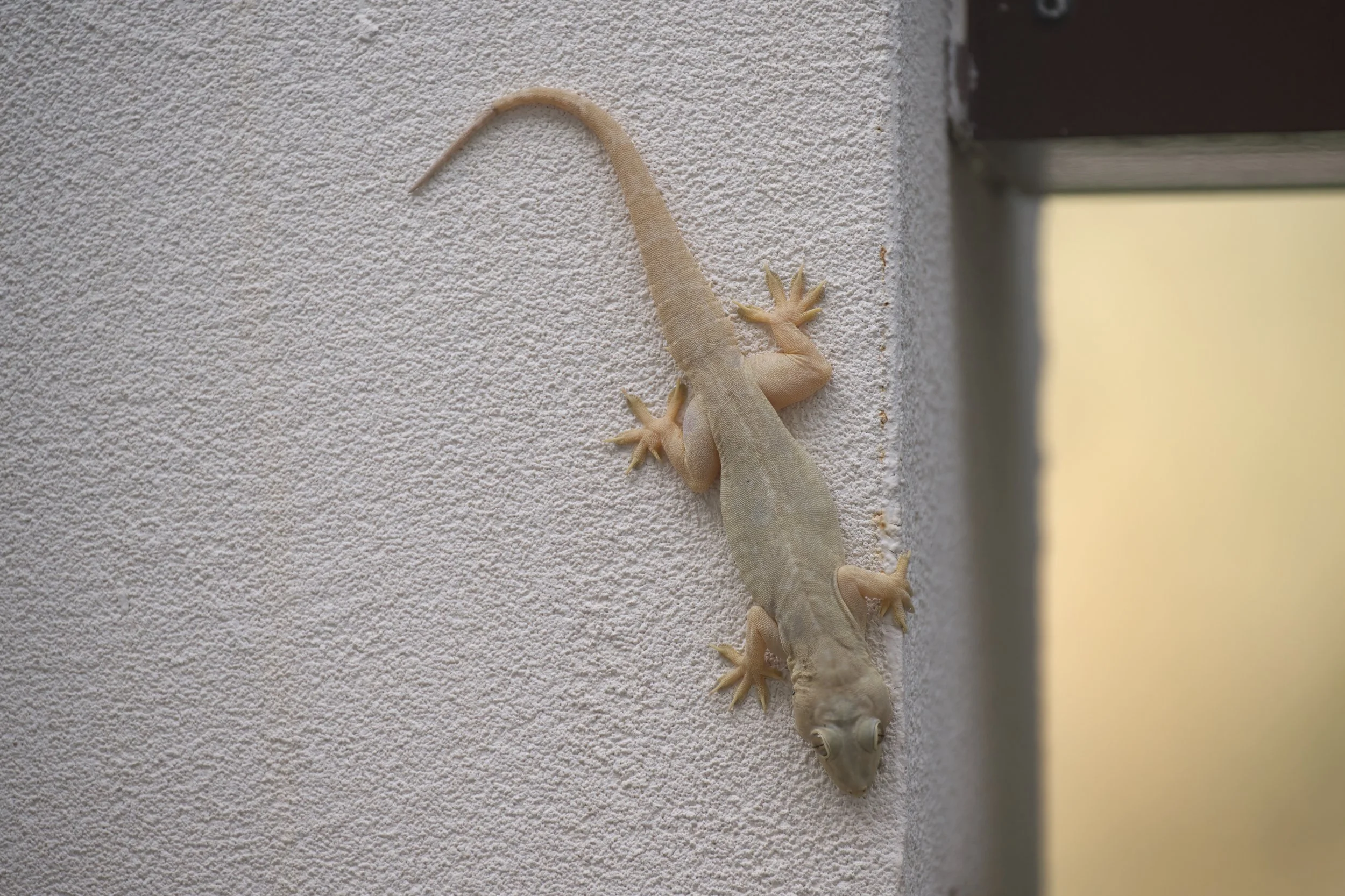
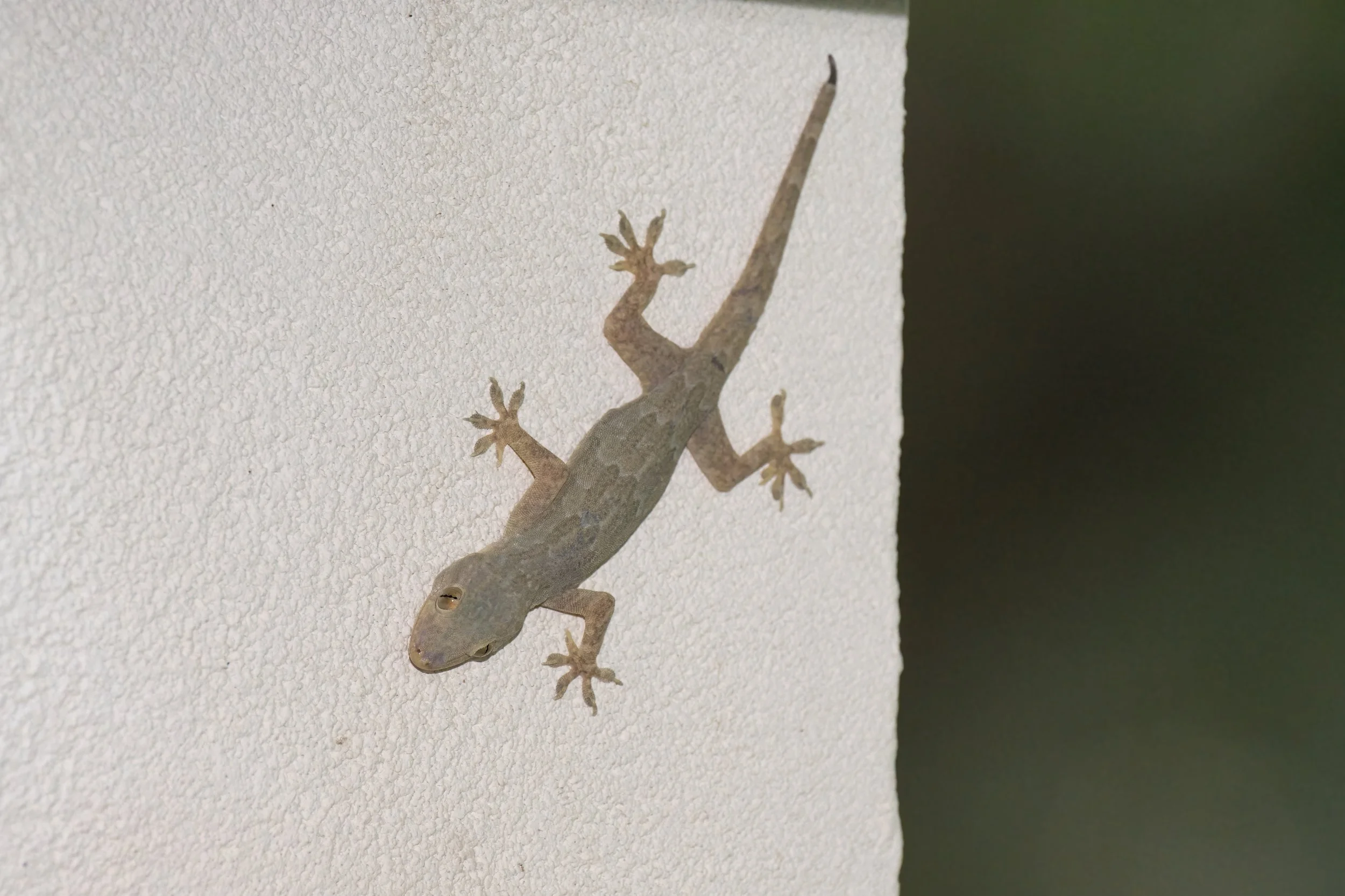
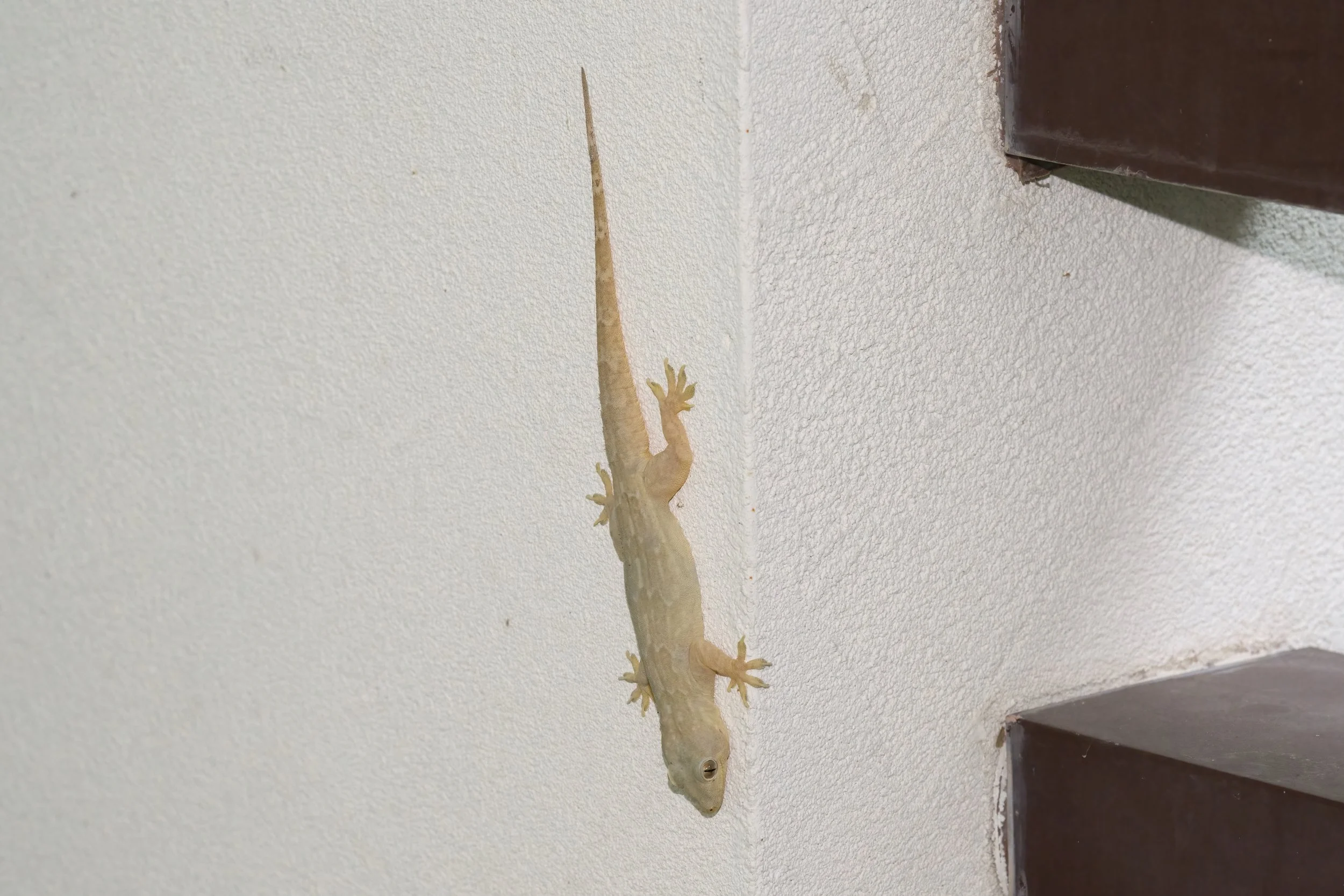
The Yellow-bellied House Gecko (Hemidactylus flaviviridis) is a medium-sized member of the gecko family Gekkonidae that now lives on the buildings of the United Arab Emirates. The Atlas of the Terrestrial Reptiles of the UAE lists it as introduced and not endemic. Its wider range runs from northern India and Pakistan west through Iran and Iraq, around the coasts of the Arabian Peninsula and into north-east Africa. Its presence in Arabia and Africa is thought to be the result of human introductions. These photographs were taken in the Orban area, where the geckos were clinging to house walls. Their colouring matched the buildings remarkably well. This gecko has a flattened body, a broad head and large eyes with vertical pupils. Its strongly expanded toe pads let it move quickly even across smooth walls and ceilings. The back is covered in small scales with no enlarged tubercles. The slender tail is about as long as the body or slightly longer. Its colour can change: animals active at night look yellowish-white, while those seen by day are darker grey or brown with five wavy dark crossbands. The underside is yellow or whitish. It is mainly active at night but can also be seen during the day. It lives in and around houses. After dark it gathers near wall lights to catch moths and other insects, and it also takes other arthropods. When disturbed it dashes for cover. Females lay two hard-shelled eggs, which hatch after five to seven weeks. Its habit of hunting under outdoor lights makes it a rewarding gecko to watch and photograph at night.
وزغة المنازل صفراء البطن وزغة متوسطة الحجم من فصيلة الوزغيات، وتعيش اليوم على مباني دولة الإمارات العربية المتحدة. يصنّفها أطلس الزواحف البرية في دولة الإمارات نوعًا دخيلًا غير مستوطن. يمتد نطاق انتشارها الأوسع من شمال الهند وباكستان غربًا عبر إيران والعراق، مرورًا بسواحل شبه الجزيرة العربية، وصولًا إلى شمال شرق أفريقيا. ويُعتقد أن وجودها في شبه الجزيرة العربية وأفريقيا جاء نتيجة إدخال الإنسان لها. التُقطت هذه الصور في منطقة أوربان، حيث كانت الوزغات متعلقة بجدران المنازل، وكان لونها متطابقًا مع المباني بشكل لافت. لهذه الوزغة جسم مفلطح ورأس عريض وعينان كبيرتان بحدقة عمودية. وتساعدها وسائد أصابعها شديدة الاتساع على التحرك بسرعة حتى على الجدران والأسقف الملساء. يغطي ظهرها حراشف صغيرة خالية من الدرنات الكبيرة. أما ذيلها النحيف فيعادل طول الجسم تقريبًا أو يزيد عليه قليلًا. ولونها قابل للتغير: فالأفراد النشطة ليلًا تبدو بيضاء مصفرّة، بينما تكون الأفراد التي تُشاهد نهارًا أغمق، رمادية أو بنية، مع خمسة أشرطة عرضية داكنة متموجة. أما البطن فأصفر أو مائل إلى البياض. تنشط هذه الوزغة ليلًا في الغالب، لكن يمكن مشاهدتها نهارًا أيضًا. تعيش داخل المنازل وحولها. وبعد حلول الظلام تتجمع قرب الأضواء المثبتة على الجدران لاصطياد العث والحشرات الأخرى، كما تتغذى على مفصليات أرجل أخرى. وإذا أُزعجت أسرعت إلى مخبئها. تضع الأنثى بيضتين بقشرة صلبة تفقسان بعد خمسة إلى سبعة أسابيع. وتجعل عادتها في الصيد تحت الأضواء الخارجية منها وزغة ممتعة للمراقبة والتصوير ليلًا
Other Species
-
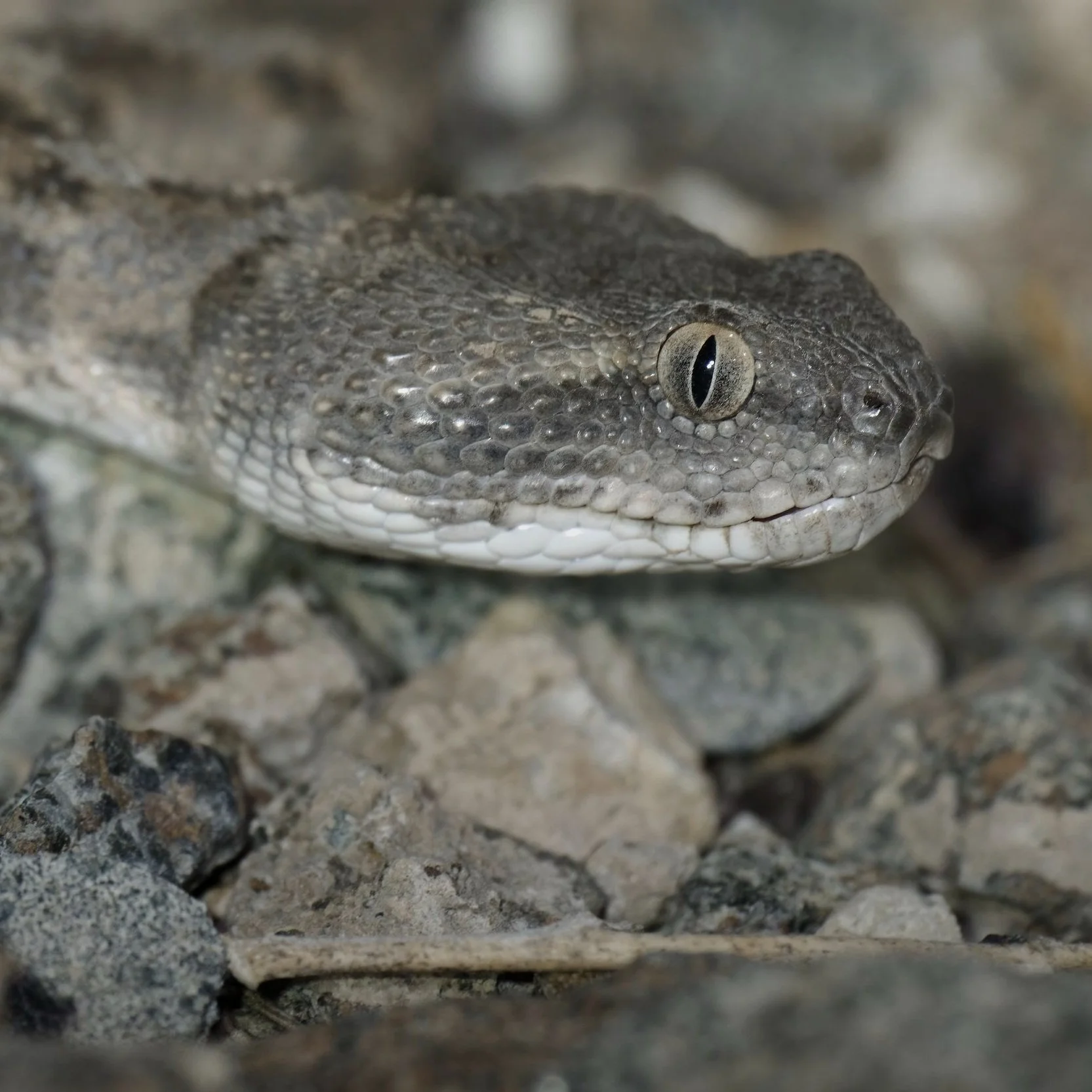
Hajar Saw-scaled Viper (Echis omanensis)
-
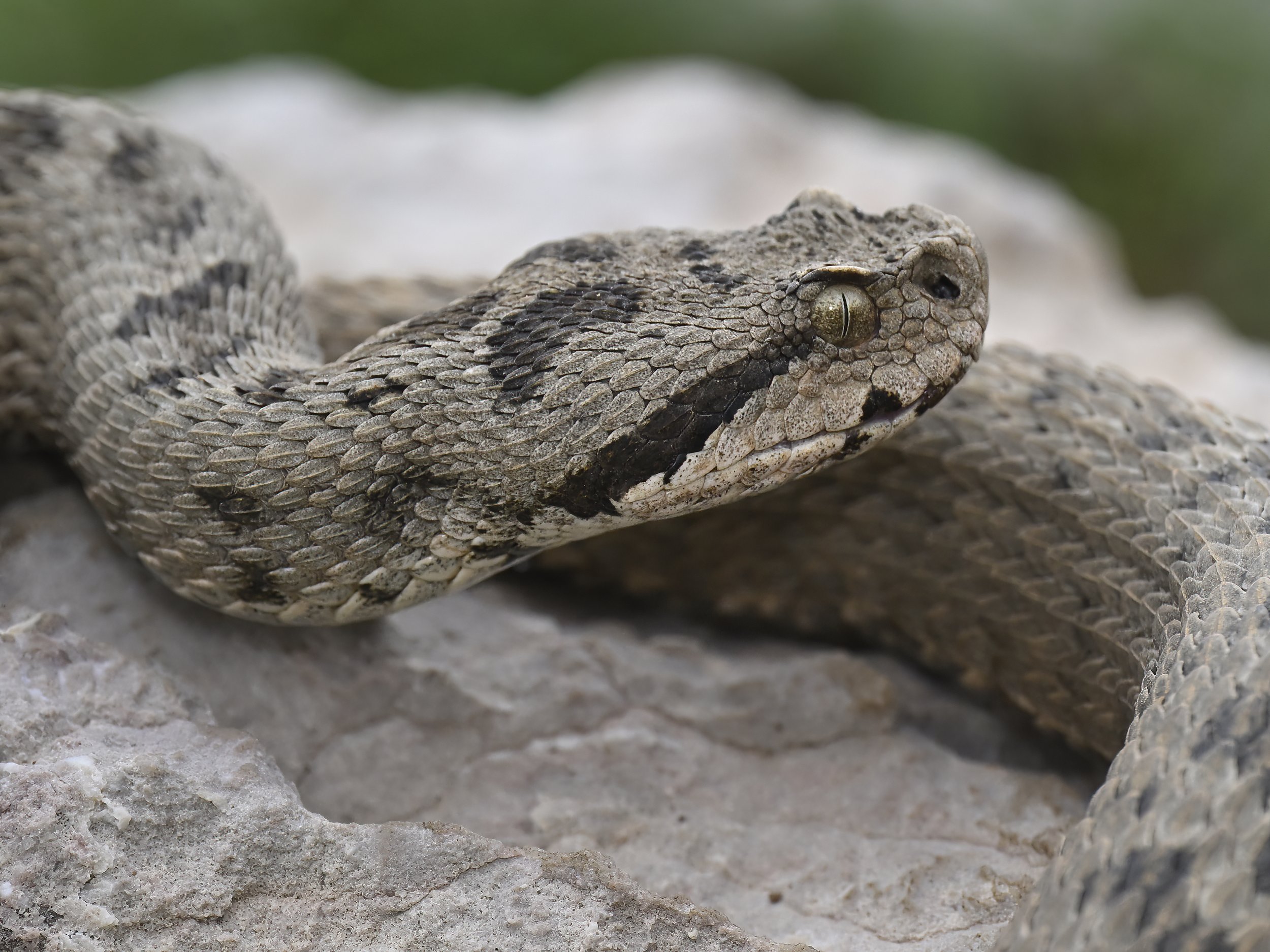
Lebanon Mountain Viper (Montivipera bornmuelleri)
-
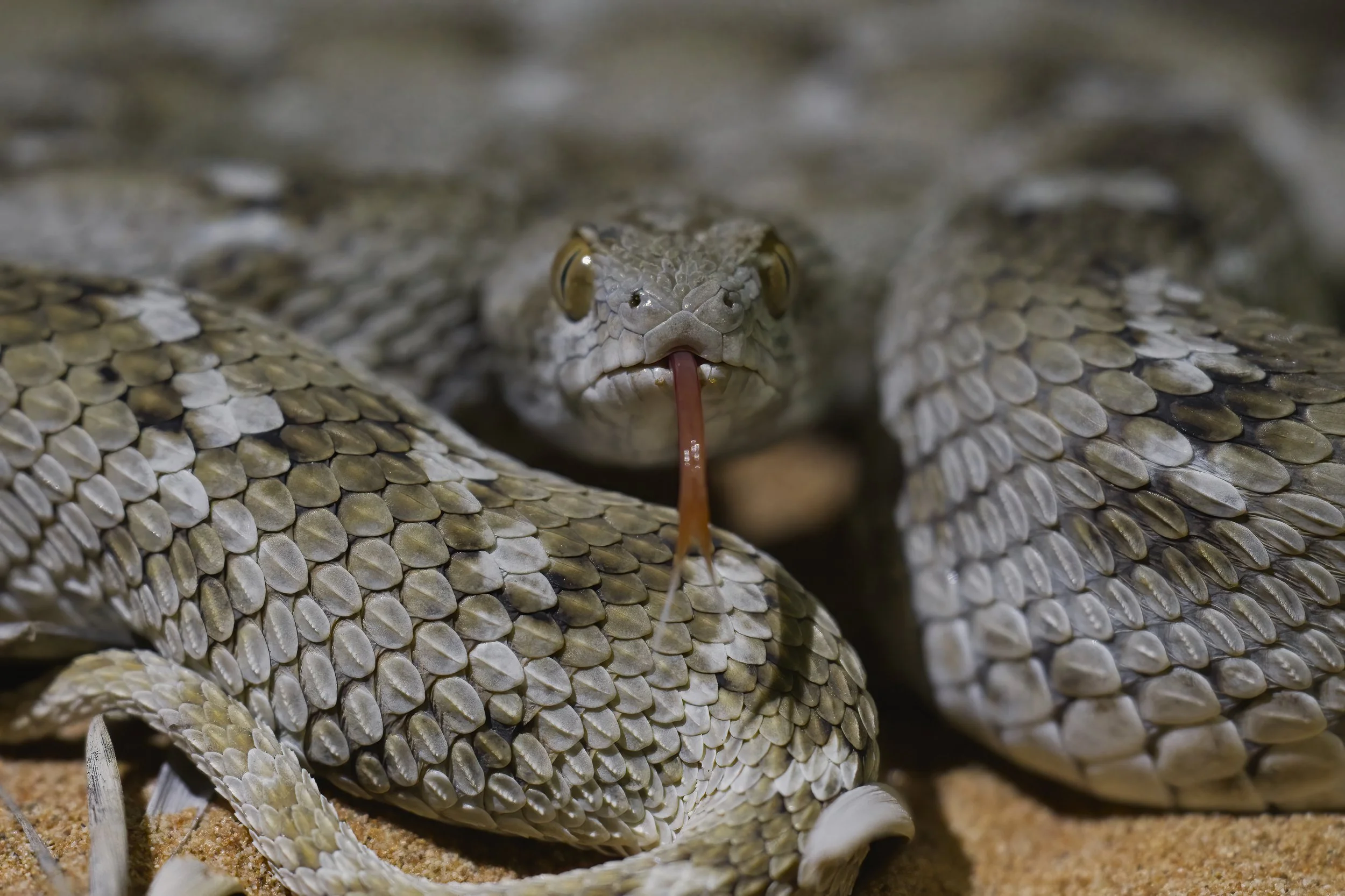
Sindh Saw-scaled Viper (Echis carinatus)
-

Mediterranean Cat Snake (Telescopus fallax syriacus)