

Long-eared Hedgehog \ Hemiechinus auritus
(قنفذ طويل الأذن)
The Long-eared Hedgehog (Hemiechinus auritus) is a small, hardy mammal of arid and semi-arid landscapes, recognized by its unusually large ears, pale spines, and ability to survive in harsh open habitats. In Lebanon, it was only recently confirmed for the first time (March 4, 2025), marking an important addition to the country’s known mammal fauna after a documented record from Ras El Assi in Hermel, in the northern Bekaa. This first national record was formally documented by Rami Khashab, Ehab Eid, and Johnny Baakliny, whose research showed that the species likely occurs in Lebanon’s drier eastern landscapes, where rocky shelter, sparse vegetation, and semi-desert conditions resemble habitats it uses elsewhere in the Middle East. Nocturnal and secretive by nature, the Long-eared Hedgehog feeds mainly on insects and other small invertebrates, and its presence highlights both the hidden biodiversity of Lebanon and the importance of continued field research in overlooked habitats.
القنفذ طويل الأذنين هو ثديي صغير قوي التحمّل يعيش في البيئات الجافة وشبه الجافة، ويتميّز بأذنيه الكبيرتين على نحو غير معتاد، وأشواكه الفاتحة، وقدرته على البقاء في الموائل المفتوحة القاسية. وفي لبنان، لم يُؤكَّد وجوده إلا مؤخرًا وللمرة الأولى (٢٠٢٥-آذار-٠٤) ، في تسجيل يُعَدّ إضافة مهمة إلى قائمة الثدييات المعروفة في البلاد، بعد توثيق وجوده في رأس العاصي في الهرمل، شمال البقاع. وقد جرى توثيق هذا السجل الوطني الأول رسميًا على يد رامي خشاب، وإيهاب عيد، وجوني بقليني، حيث أظهرت أبحاثهم أن هذا النوع يُحتمل أن يوجد في المشاهد الشرقية الأكثر جفافًا في لبنان، حيث تتشابه الملاجئ الصخرية، والغطاء النباتي المتناثر، والظروف شبه الصحراوية مع الموائل التي يستخدمها في مناطق أخرى من الشرق الأوسط. والقنفذ طويل الأذنين ليليّ النشاط وخفيّ بطبيعته، ويتغذى أساسًا على الحشرات وغيرها من اللافقاريات الصغيرة، ويُبرز وجوده في لبنان كلاً من التنوع الحيوي الخفي في البلاد وأهمية استمرار العمل الميداني في الموائل التي لا تحظى بالاهتمام الكافي
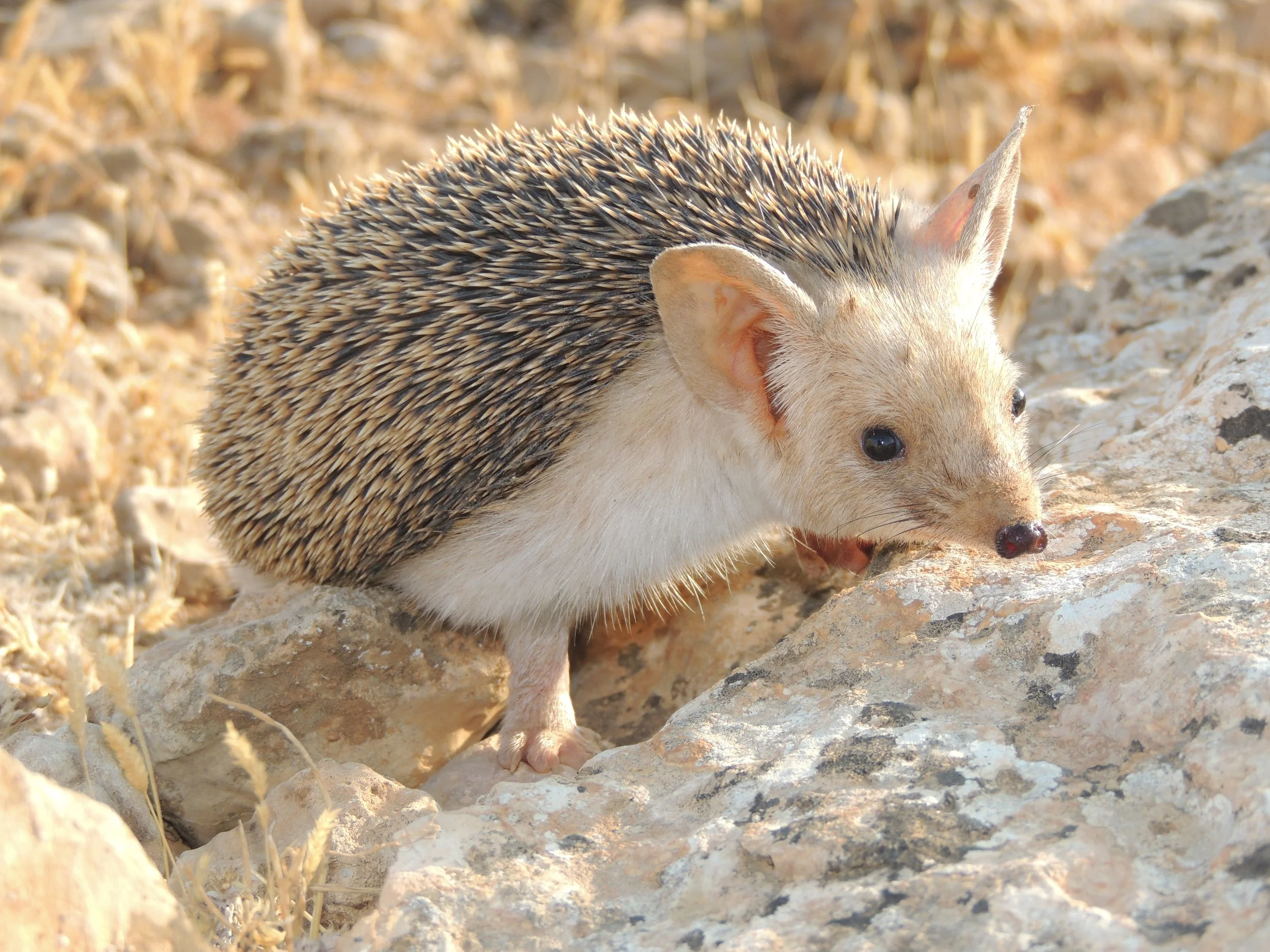
Photo Credit: Rami Khashab
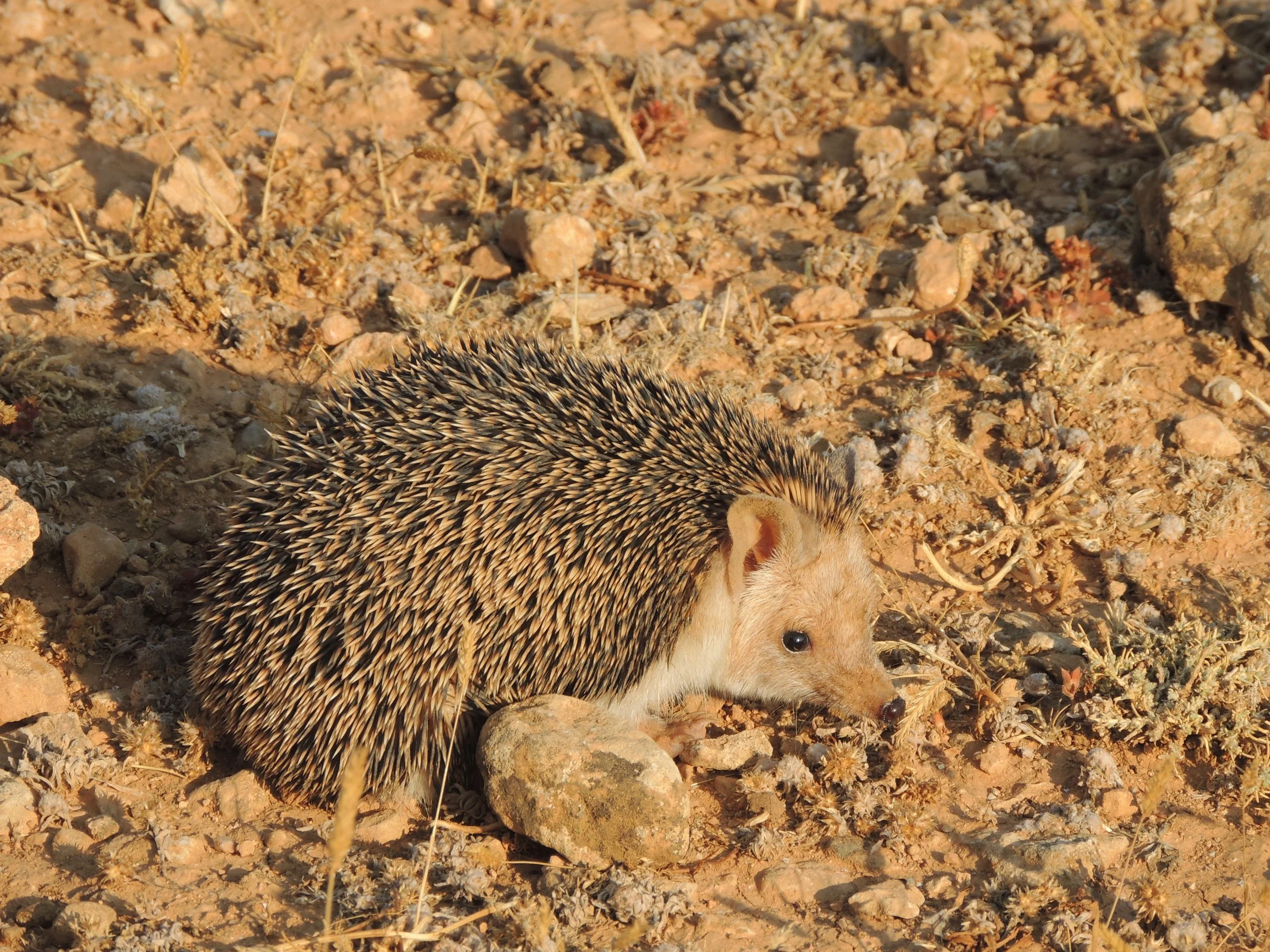
Photo Credit: Rami Khashab
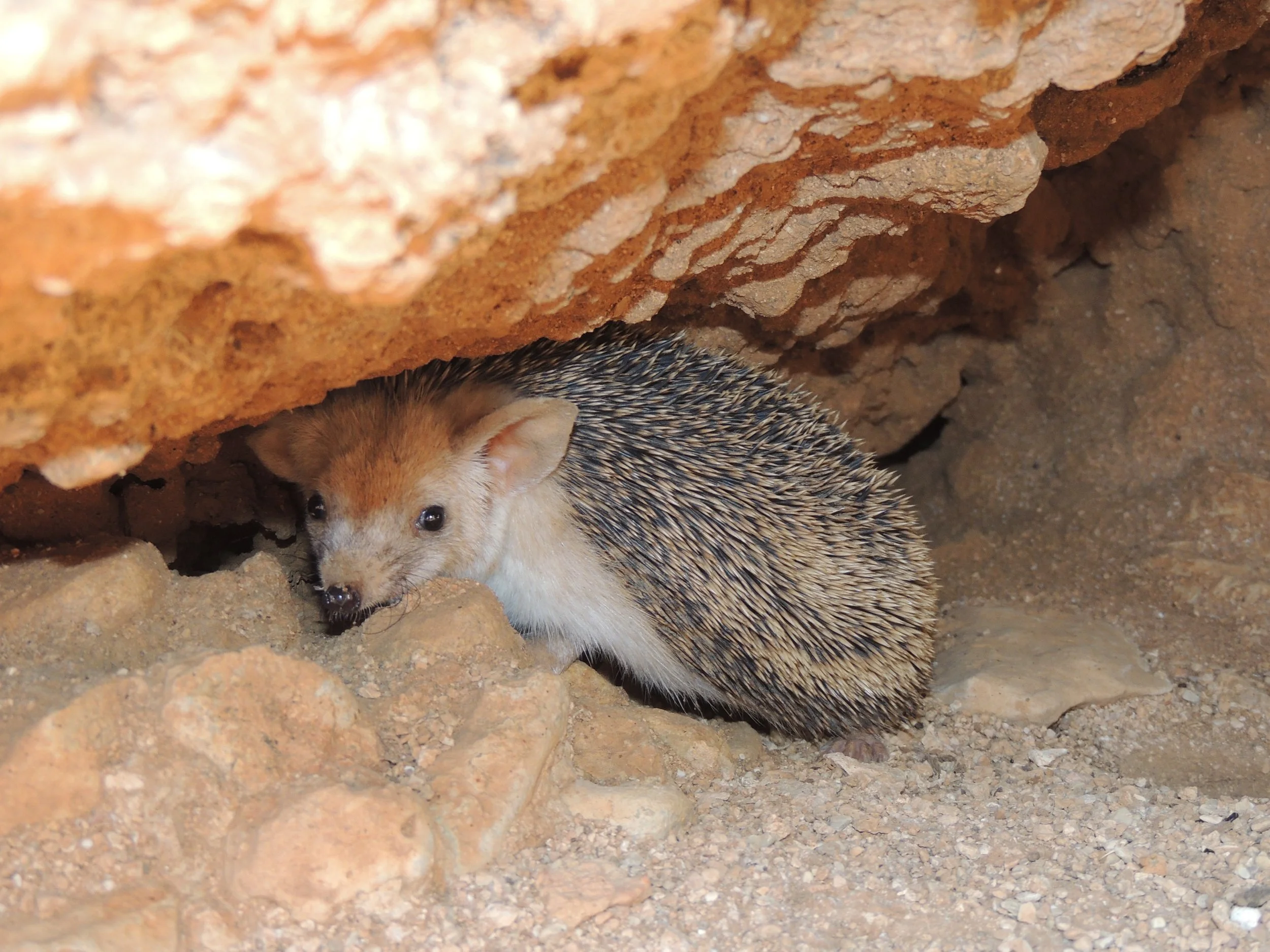
Photo Credit: Rami Khashab
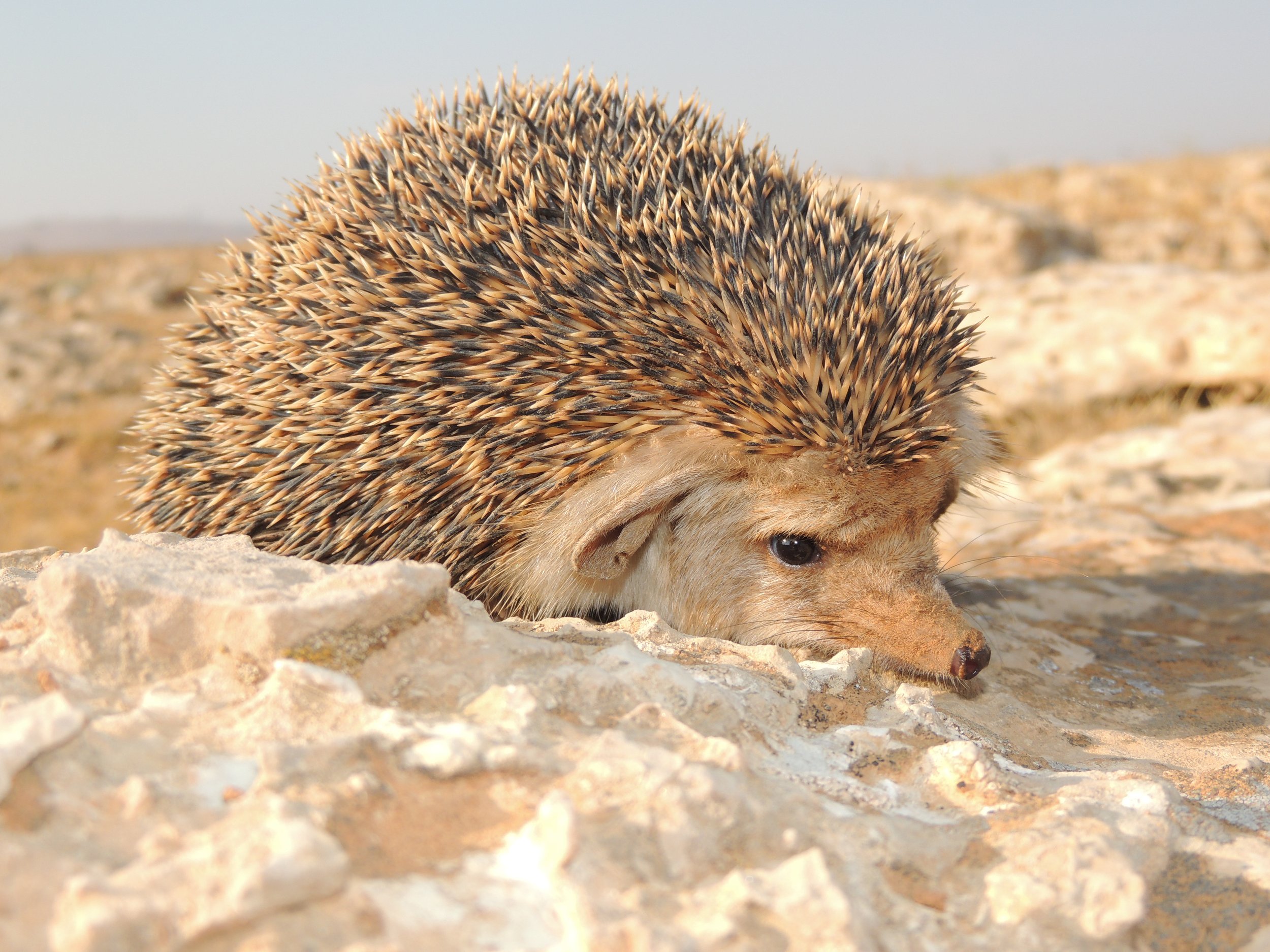
Photo Credit: Rami Khashab
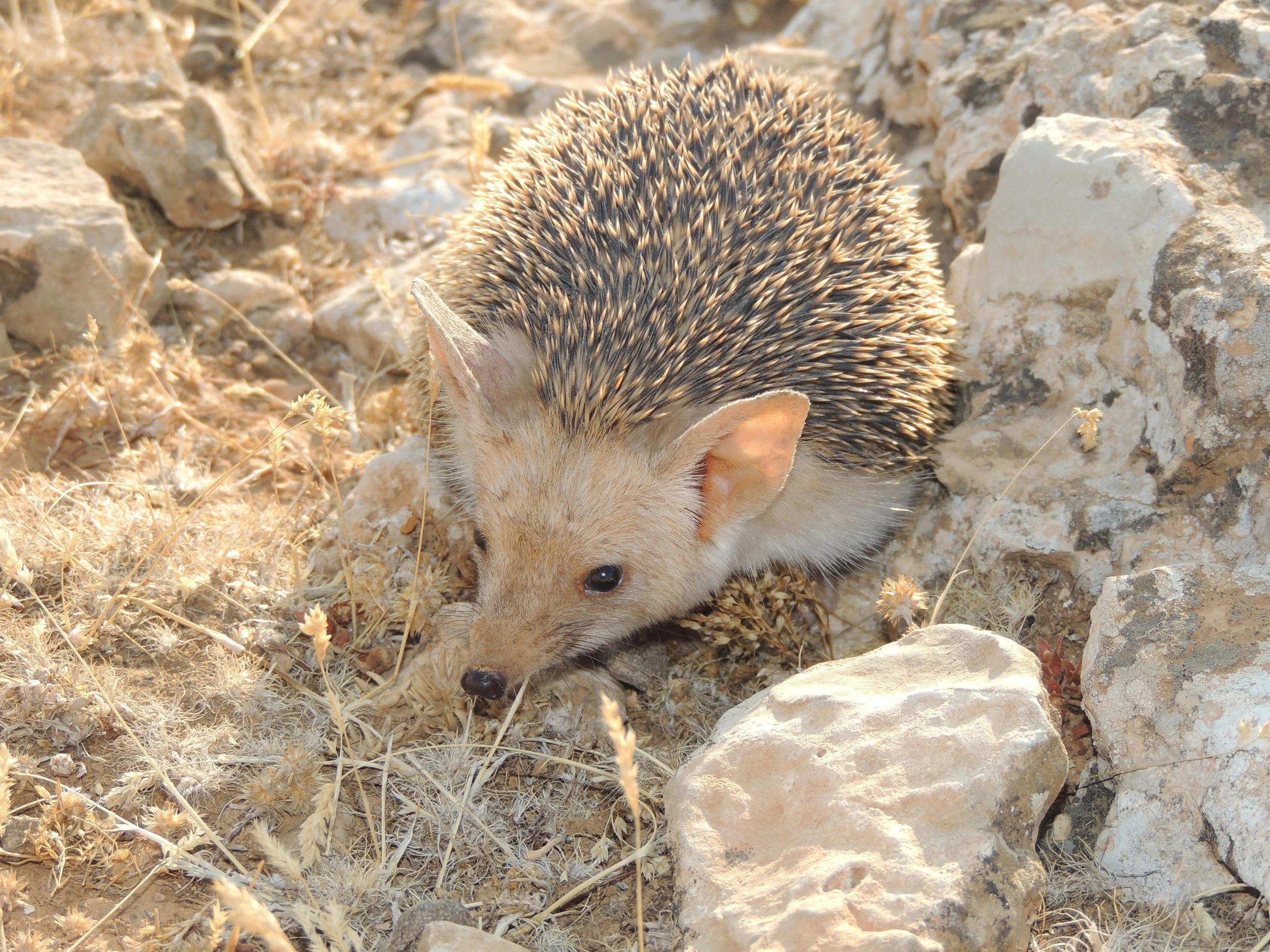
Photo Credit: Rami Khashab
Other Species
-
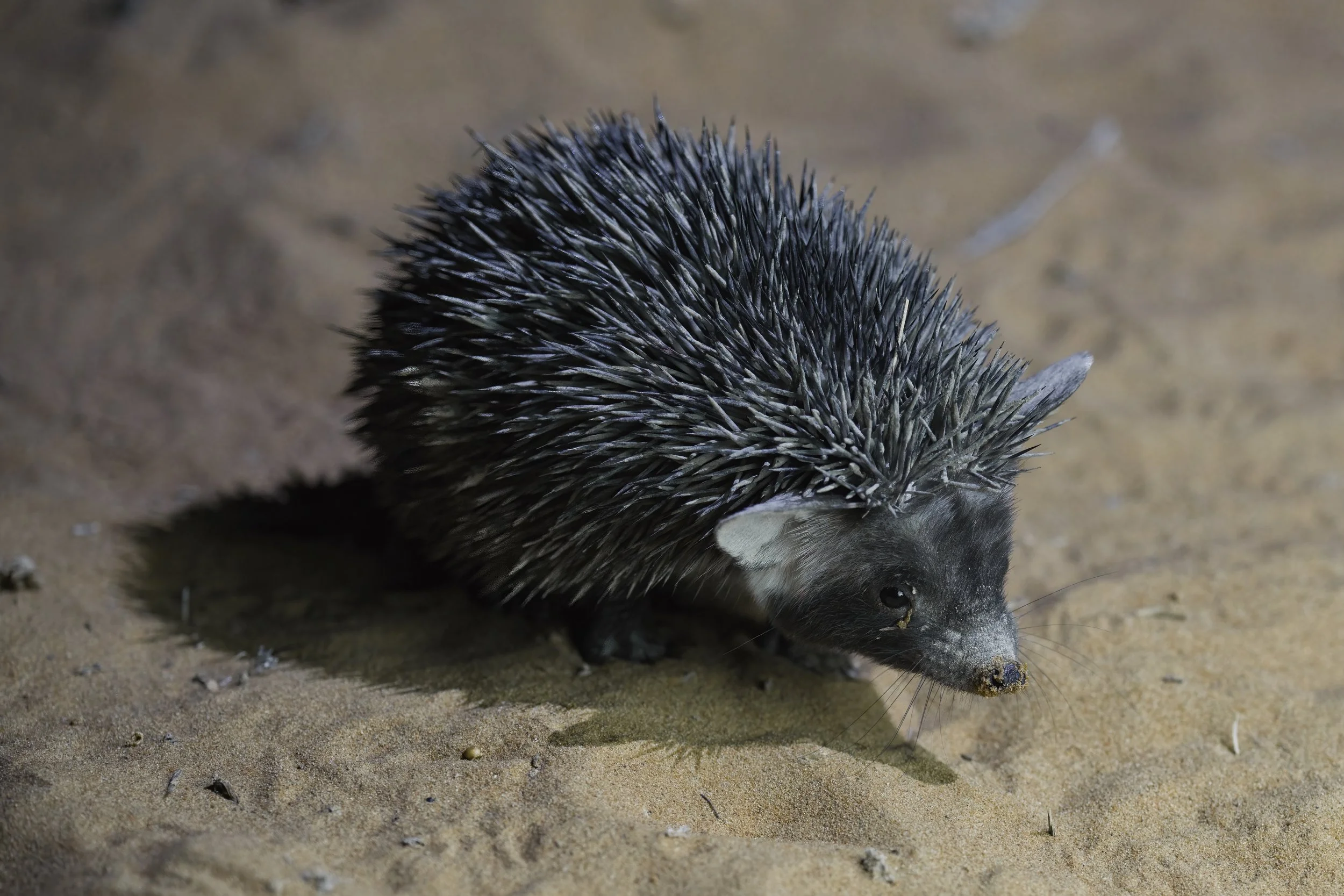
Desert Hedgehog (Paraechinus aethiopicus)
-
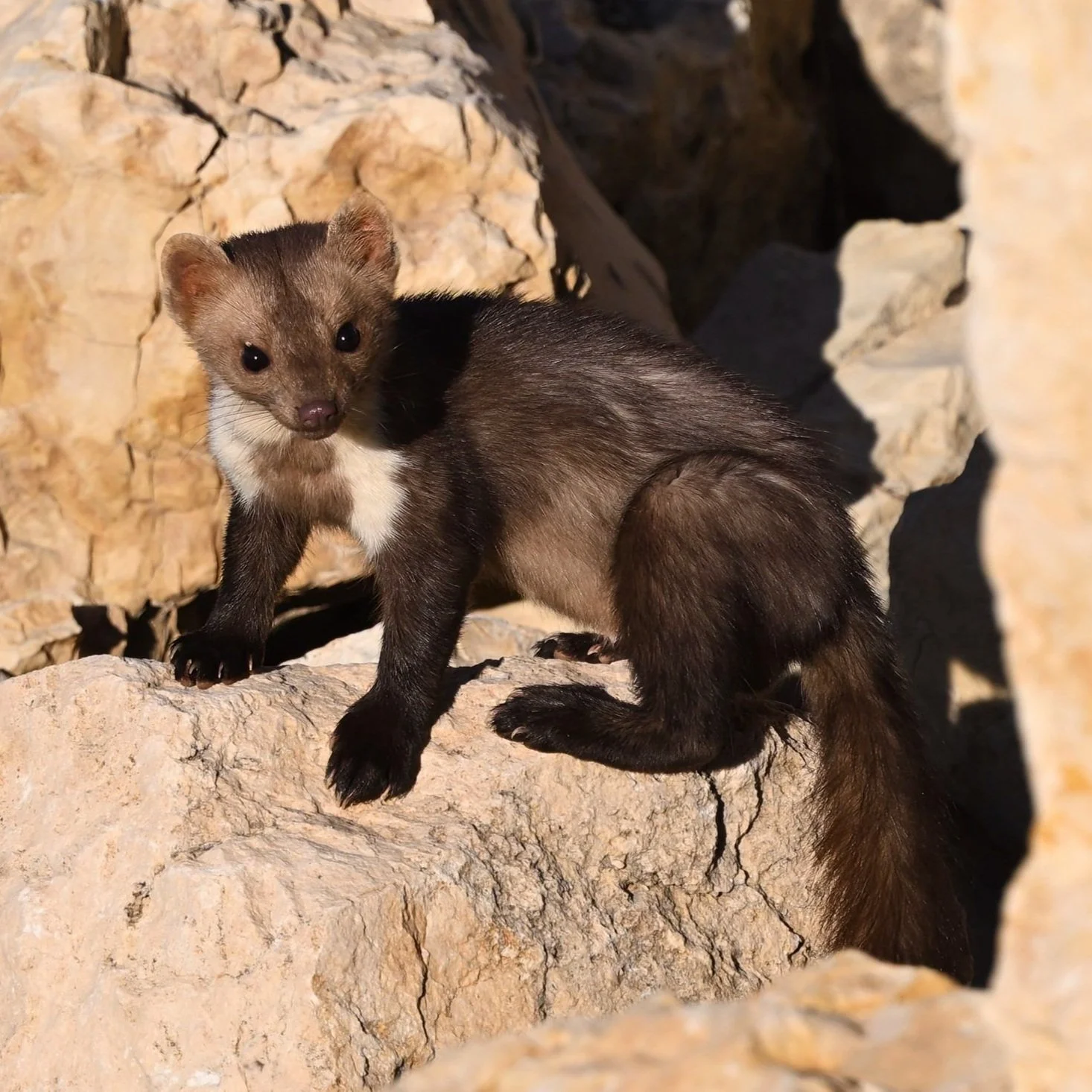
Stone Marten (Martes foina)
-
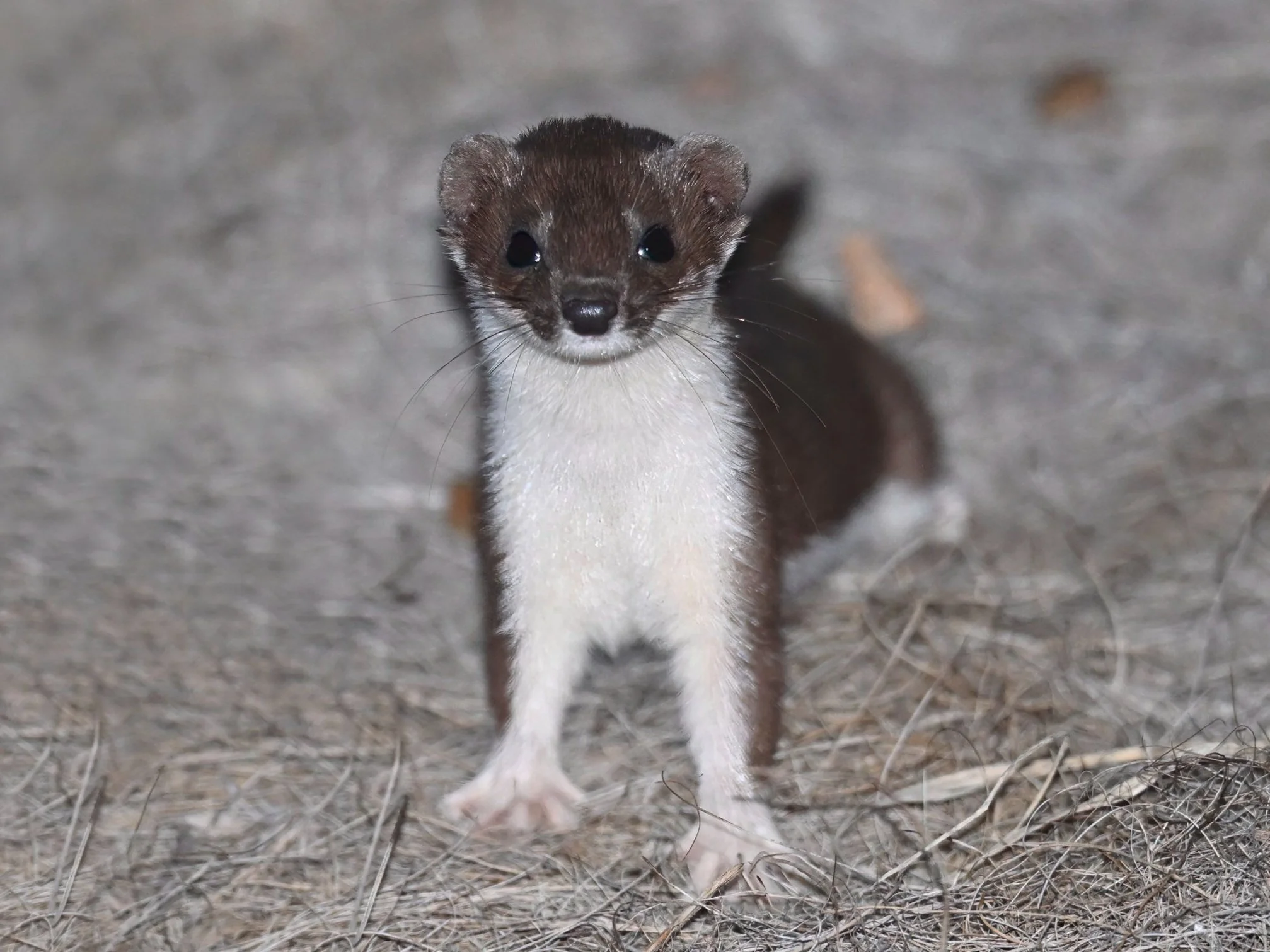
Least Weasel (Mustela nivalis)
-
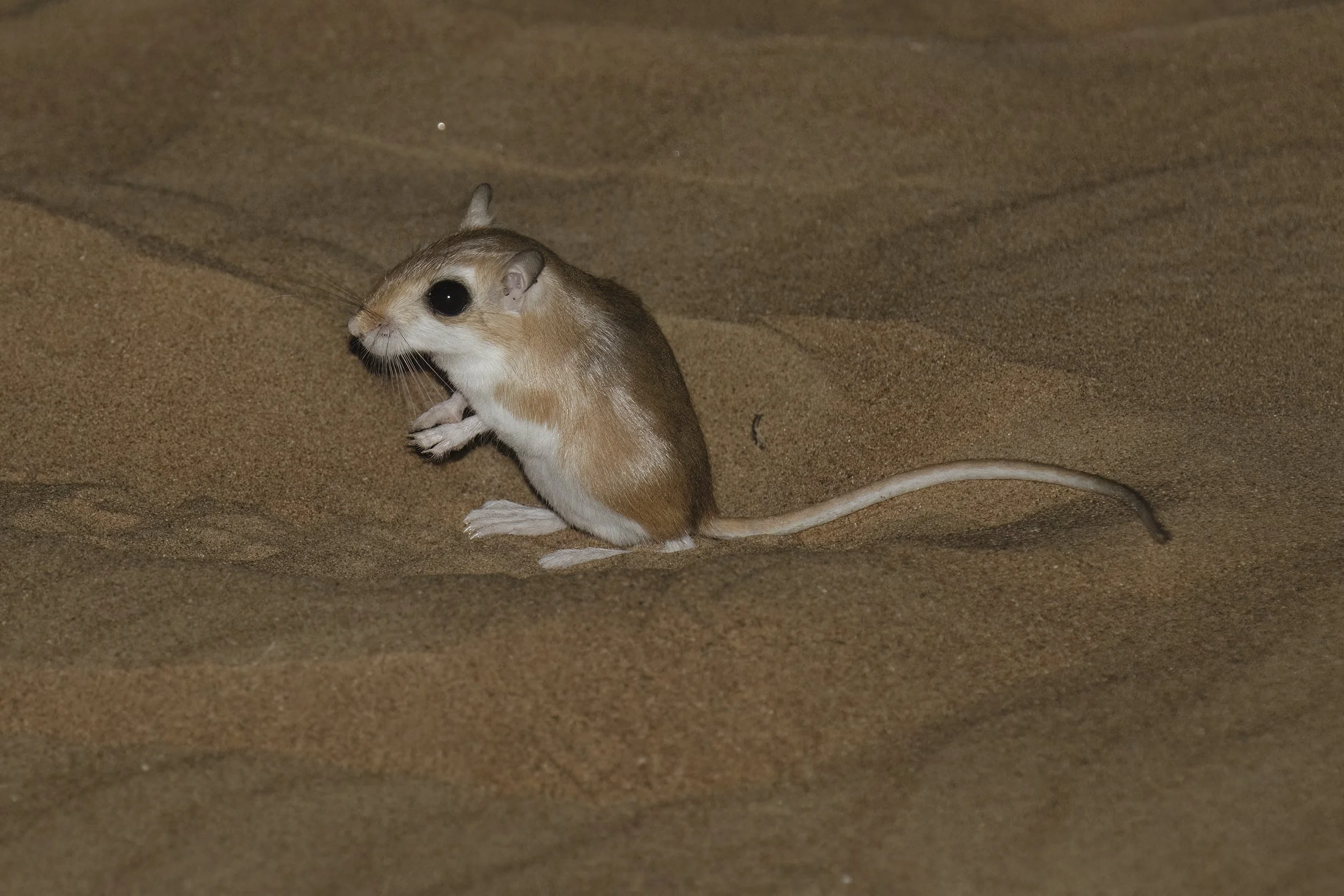
Cheesman's Gerbil (Gerbillus cheesmani)