

Mediterranean Thin-toed Gecko \ Mediodactylus orientalis
(أبو بريص متوسطي رفيع الأصابع)
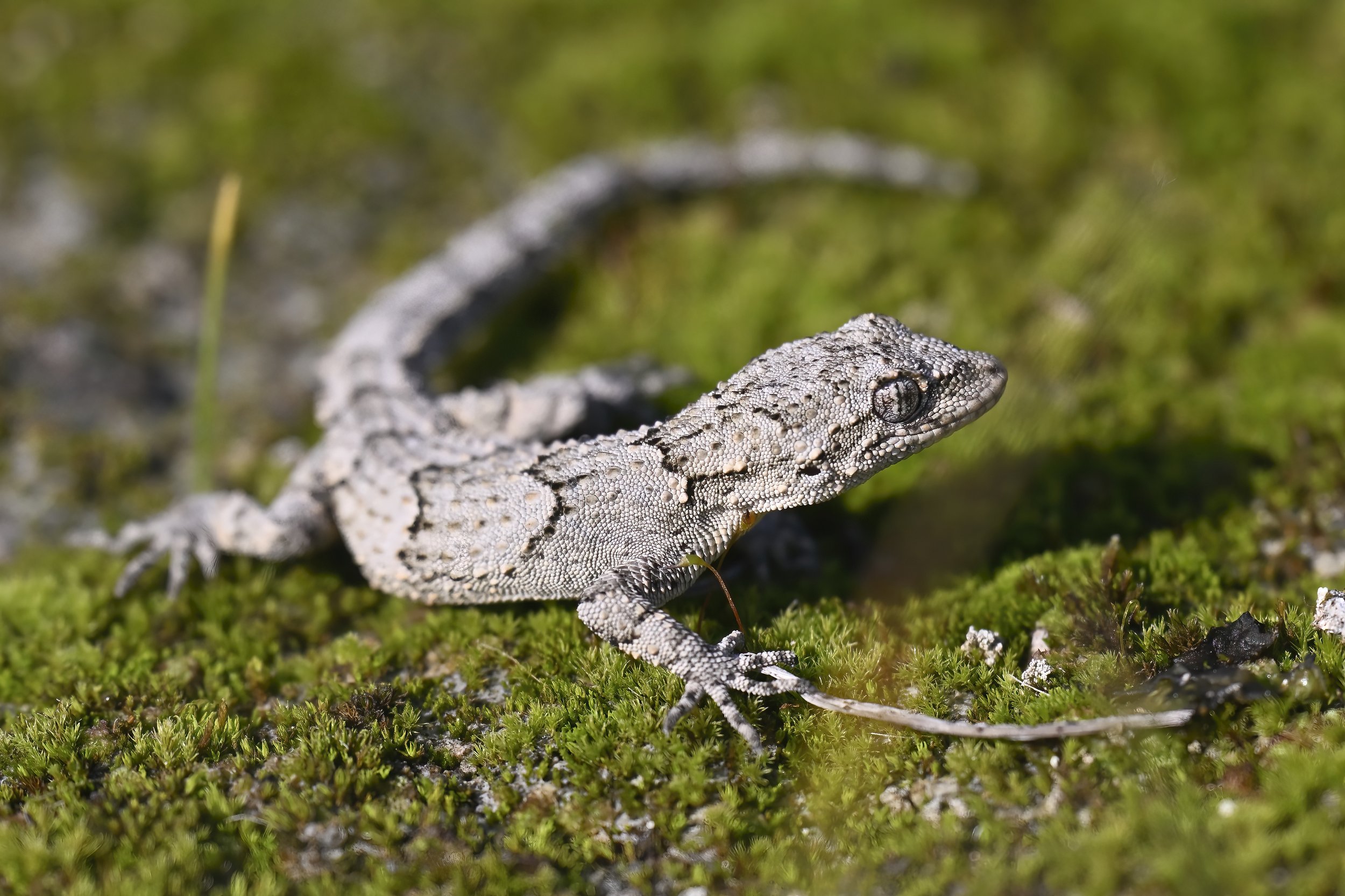
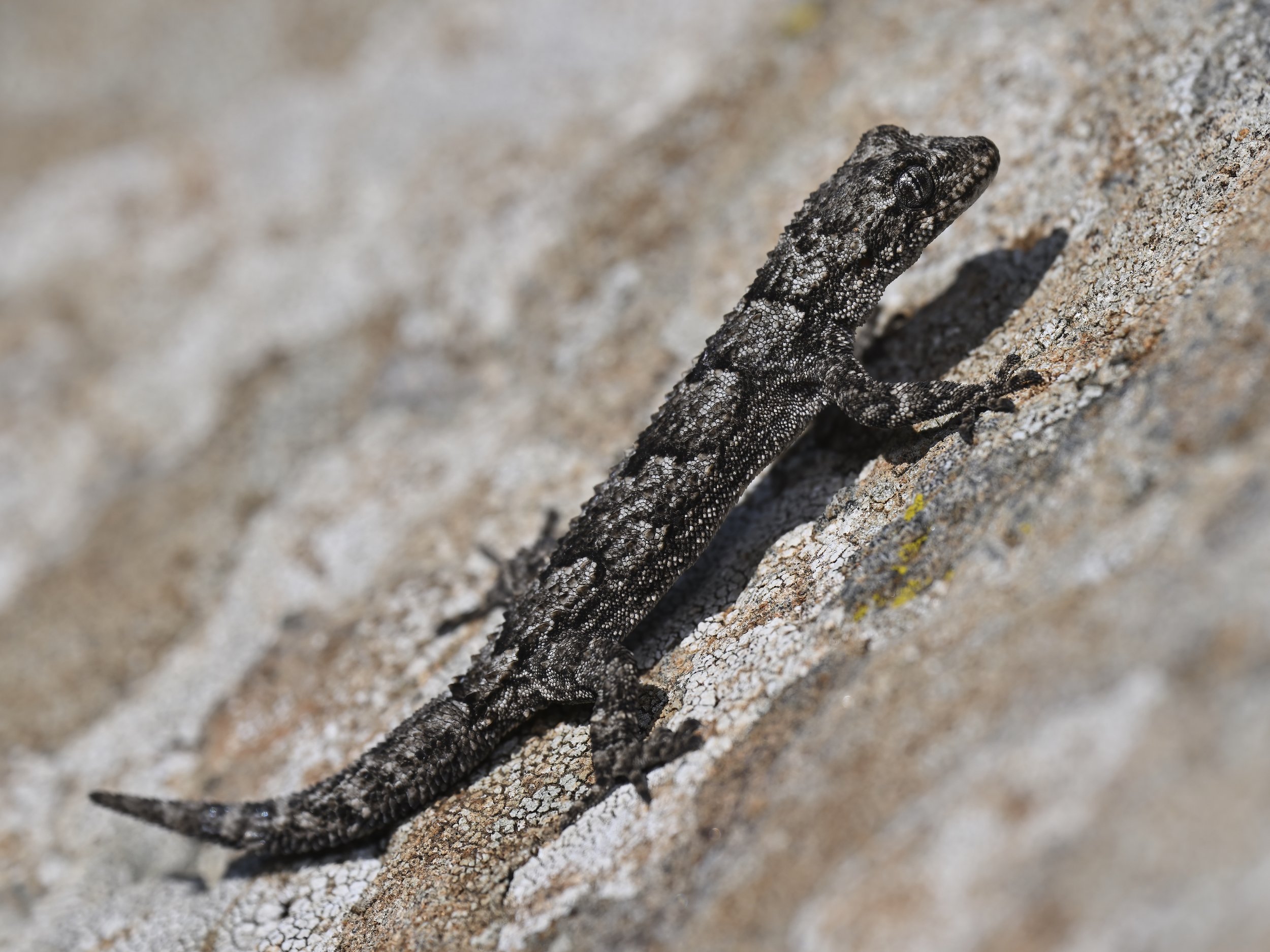
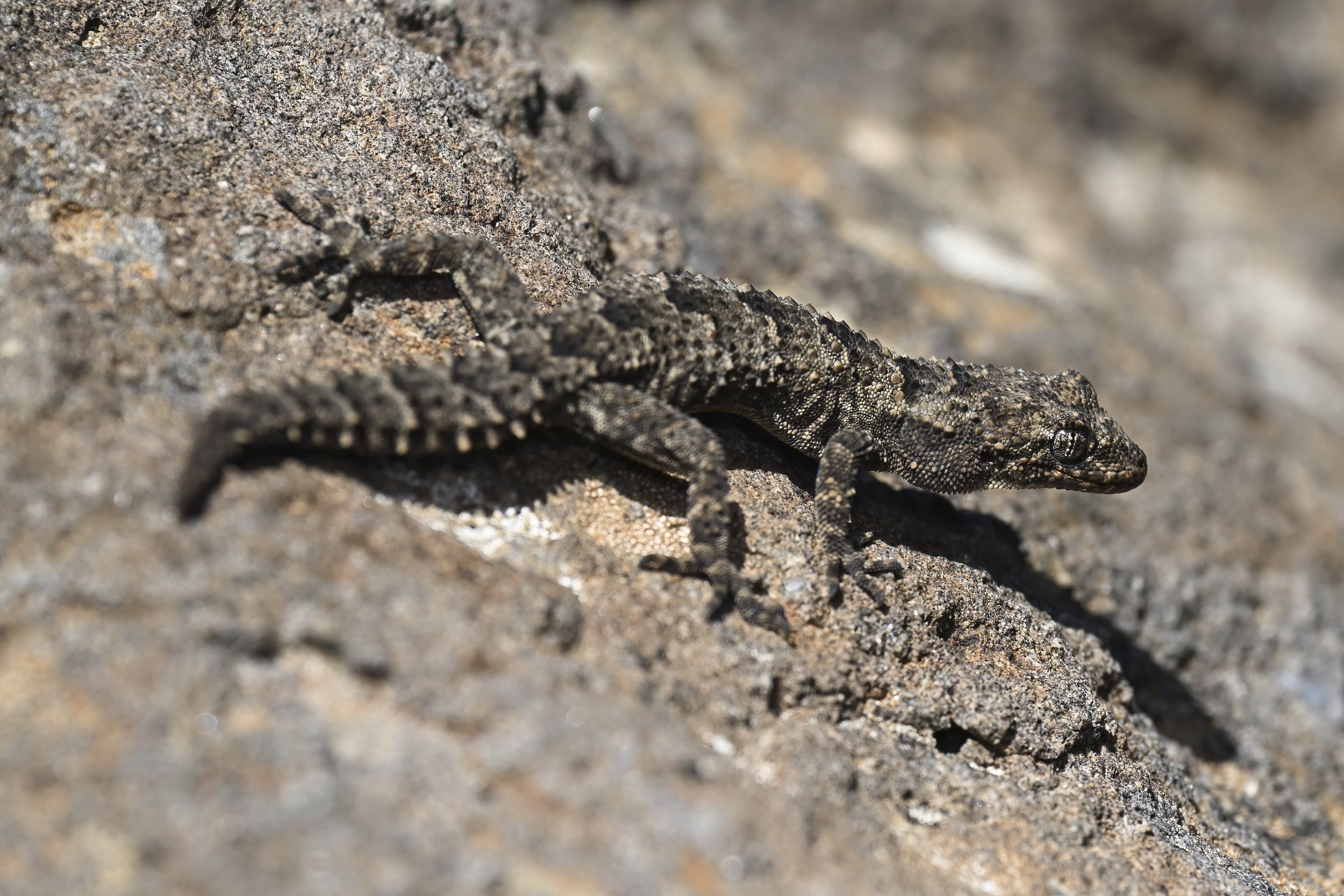
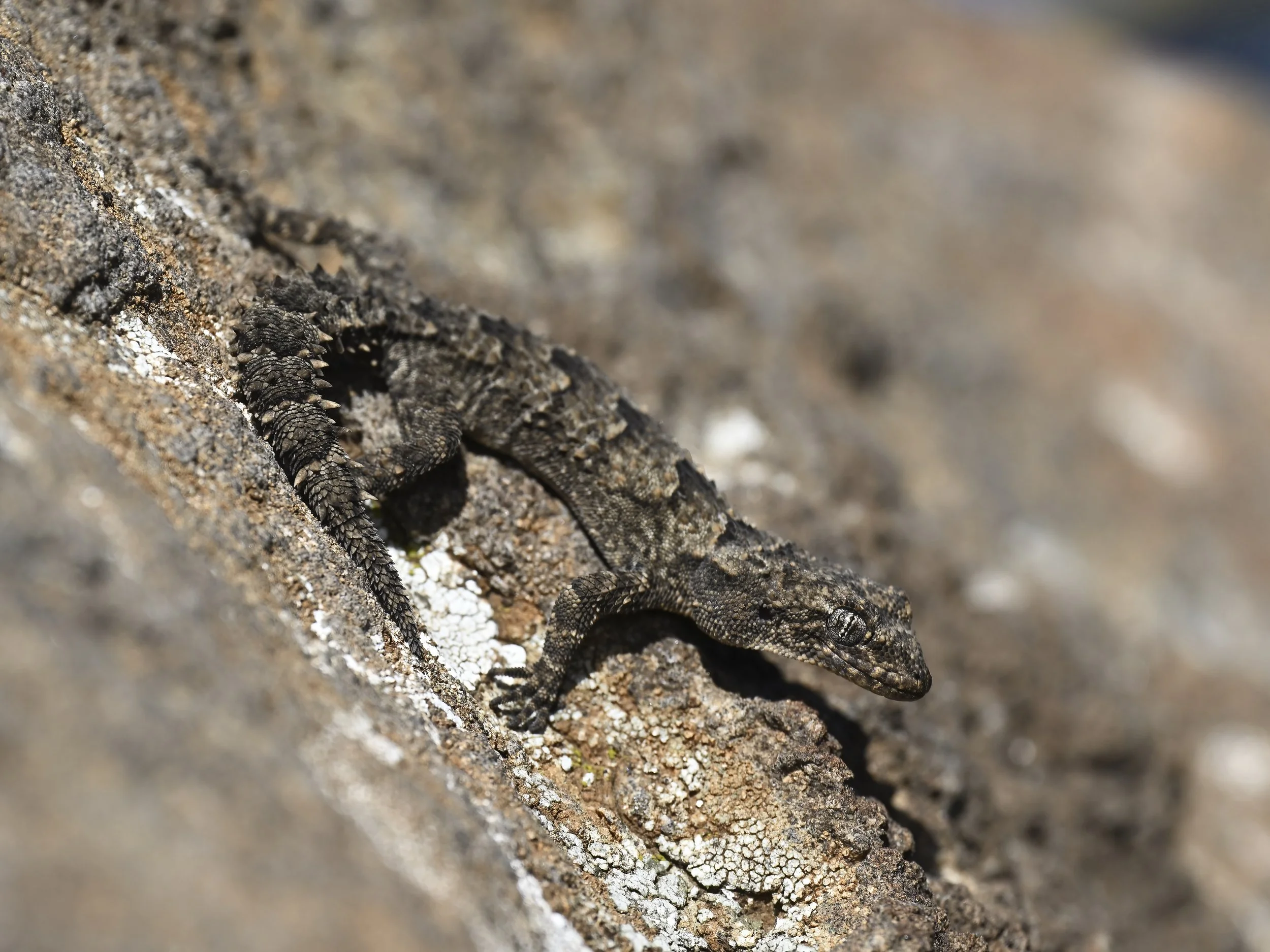
The Mediterranean Thin-toed Gecko, scientifically named Mediodactylus orientalis, is a small reptile native to the Mediterranean region, including parts of Europe, North Africa, and the Middle East. This gecko species is renowned for its slender body and distinctive toe structure, which aids in gripping various surfaces. With a mottled brown or gray coloration, it blends seamlessly into its rocky or urban surroundings, making it a master of camouflage. Nocturnal by nature, the Mediterranean Thin-toed Gecko emerges at dusk to hunt for insects and small invertebrates, using its excellent sense of smell and agility to locate prey. Despite its diminutive size, this gecko plays a vital role in maintaining ecological balance within its habitat. Its adaptability to urban environments has also made it a common sight in many Mediterranean cities, where it thrives amidst human habitation. Studying the behavior and biology of the Mediterranean Thin-toed Gecko offers valuable insights into the intricate dynamics of urban wildlife and the resilience of species in ever-changing landscapes.
أبو بريص متوسطي رفيع الأصابع هي زاحف صغير يعيش في منطقة البحر الأبيض المتوسط، بما في ذلك أجزاء من أوروبا، وشمال أفريقيا، والشرق الأوسط. ويشتهر هذا النوع بجسمه النحيل وبنية أصابعه المميزة التي تساعده على التمسك بمختلف الأسطح. ويمنحه لونه البني أو الرمادي المرقش قدرة كبيرة على الاندماج مع محيطه الصخري أو العمراني، مما يجعله بارعًا في التمويه. وهو ليلي النشاط، يخرج عند الغسق لاصطياد الحشرات واللافقاريات الصغيرة، معتمدًا على حاسة شم جيدة ورشاقة واضحة في تحديد موقع الفرائس. وعلى الرغم من صغر حجمه، يؤدي هذا الوزغ دورًا مهمًا في الحفاظ على التوازن البيئي داخل موائله. كما أن قدرته على التكيف مع البيئات الحضرية جعلته من الأنواع المألوفة في كثير من مدن البحر الأبيض المتوسط، حيث ينجح في العيش بالقرب من الإنسان. وتوفر دراسة سلوكه وبيولوجيته رؤى مهمة حول ديناميكيات الحياة البرية في المدن وقدرة الأنواع على الصمود في البيئات المتغيرة باستمرار




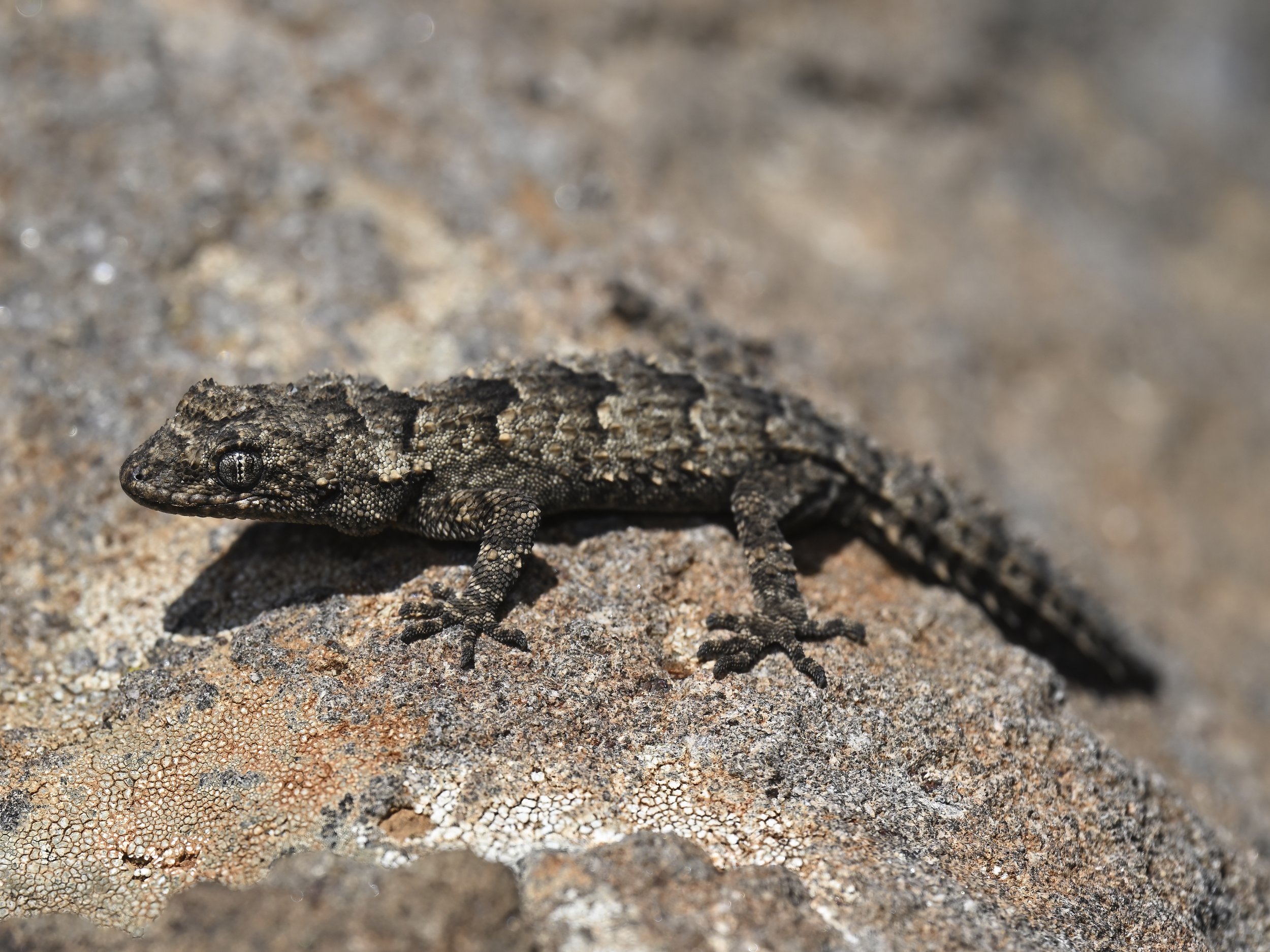
Other Species
-
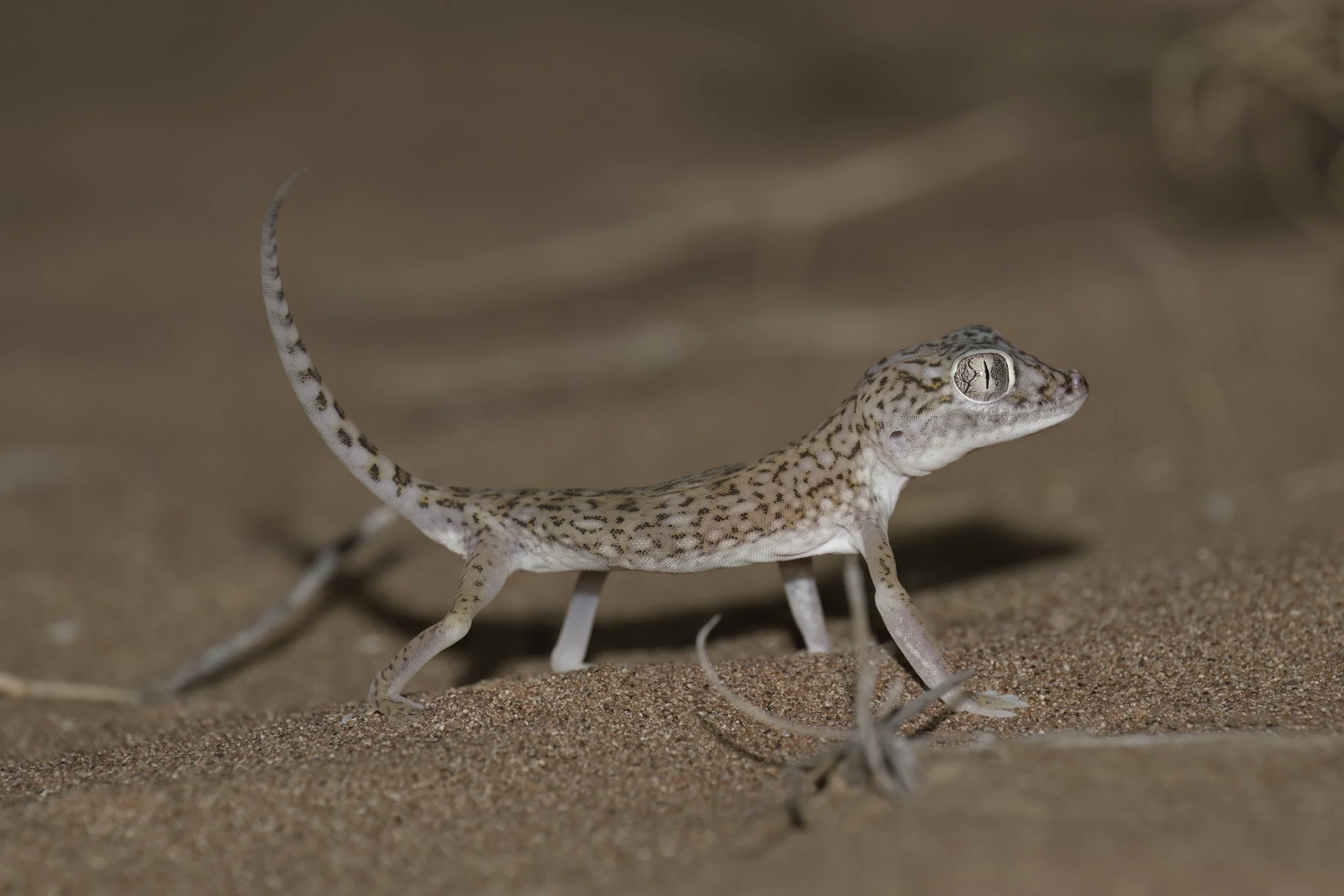
Dune Sand Gecko (Stenodactylus doriae)
-
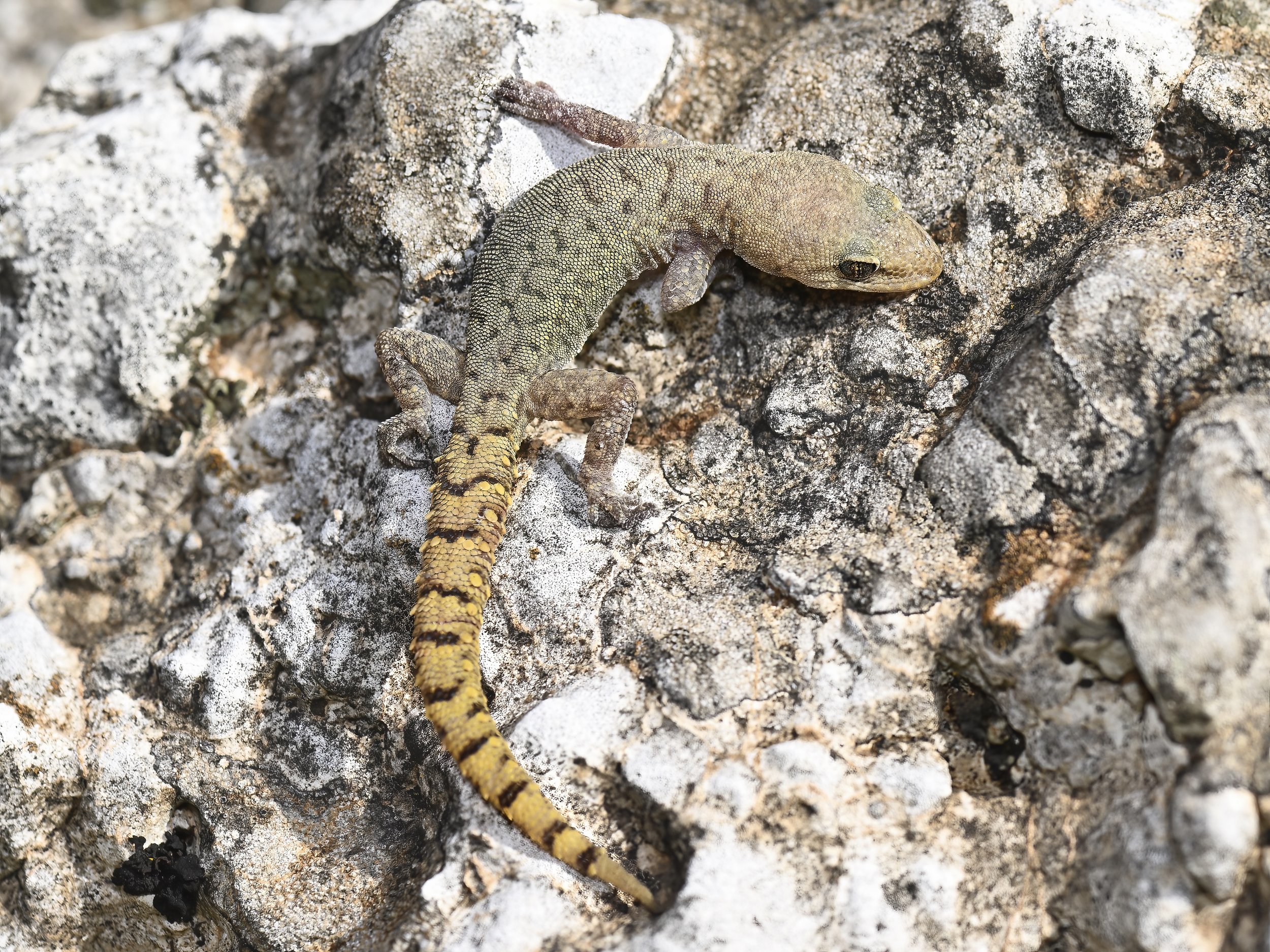
Lebanese Thin-toed Gecko (Mediodactylus amictopholis)
-
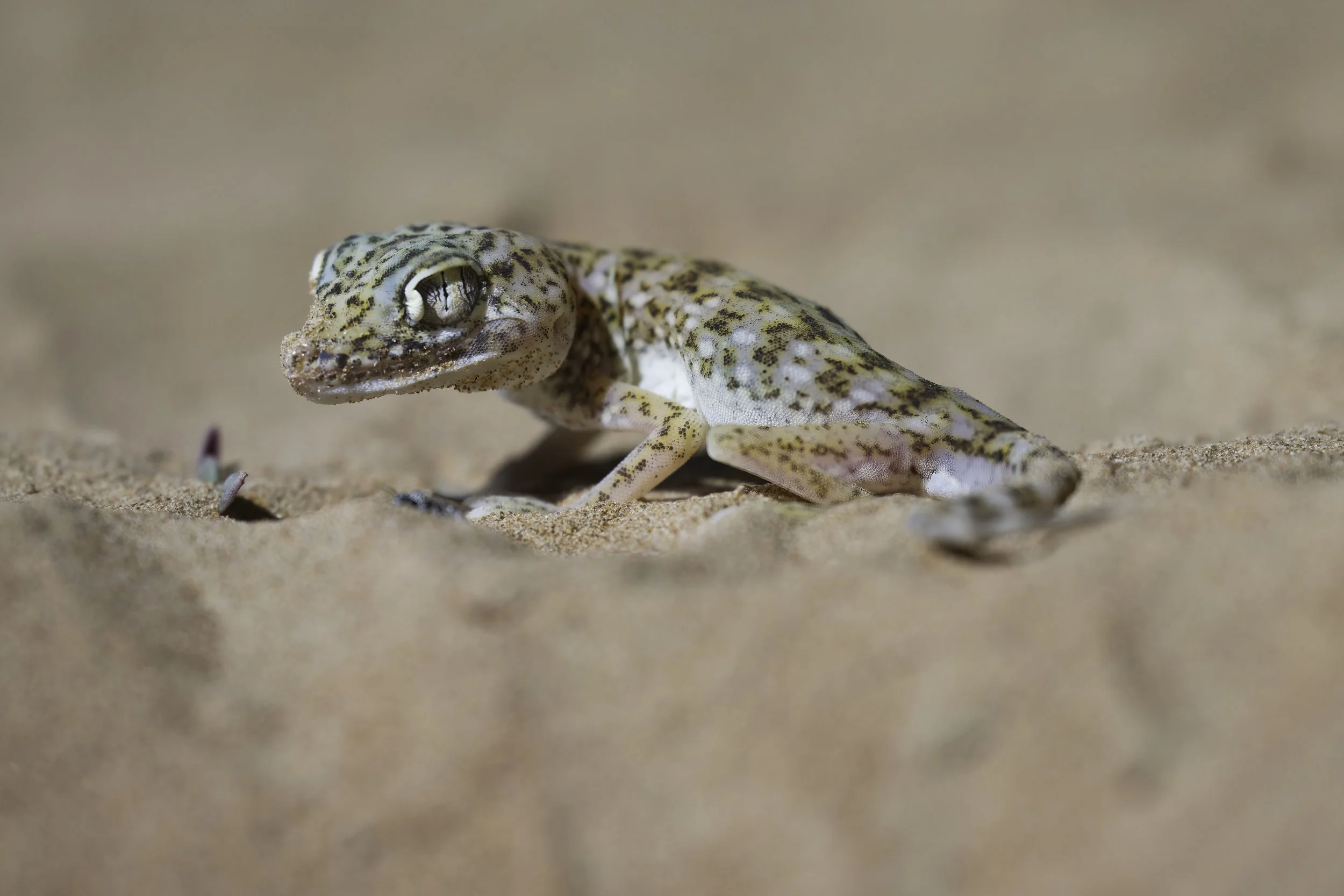
Eastern Sand Gecko (Stenodactylus leptocosymbotes)
-
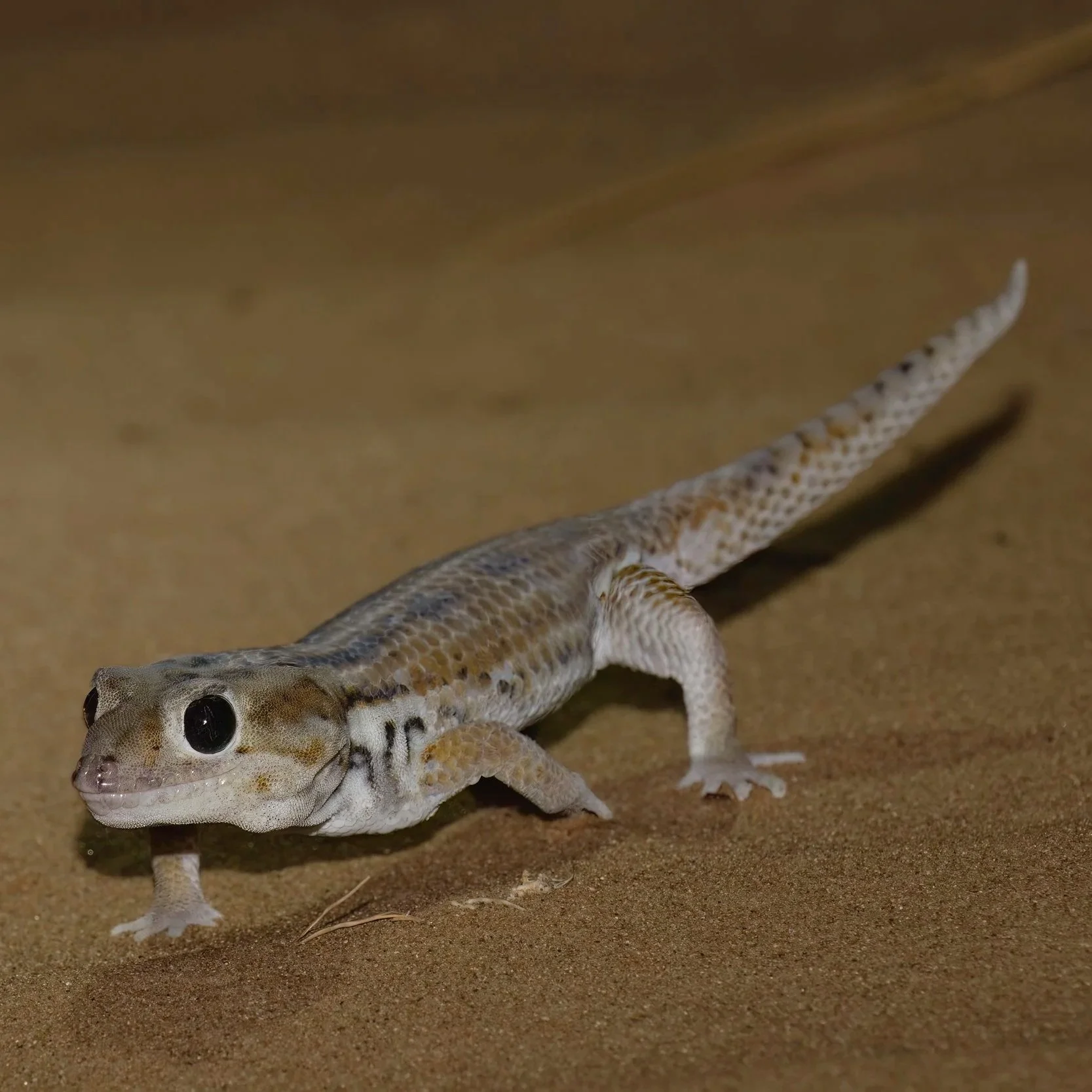
Keyserling's Wonder Gecko (Teratoscincus keyserlingii)