

Arabian Tahr \ Arabitragus jayakari
(الطهر العربي)
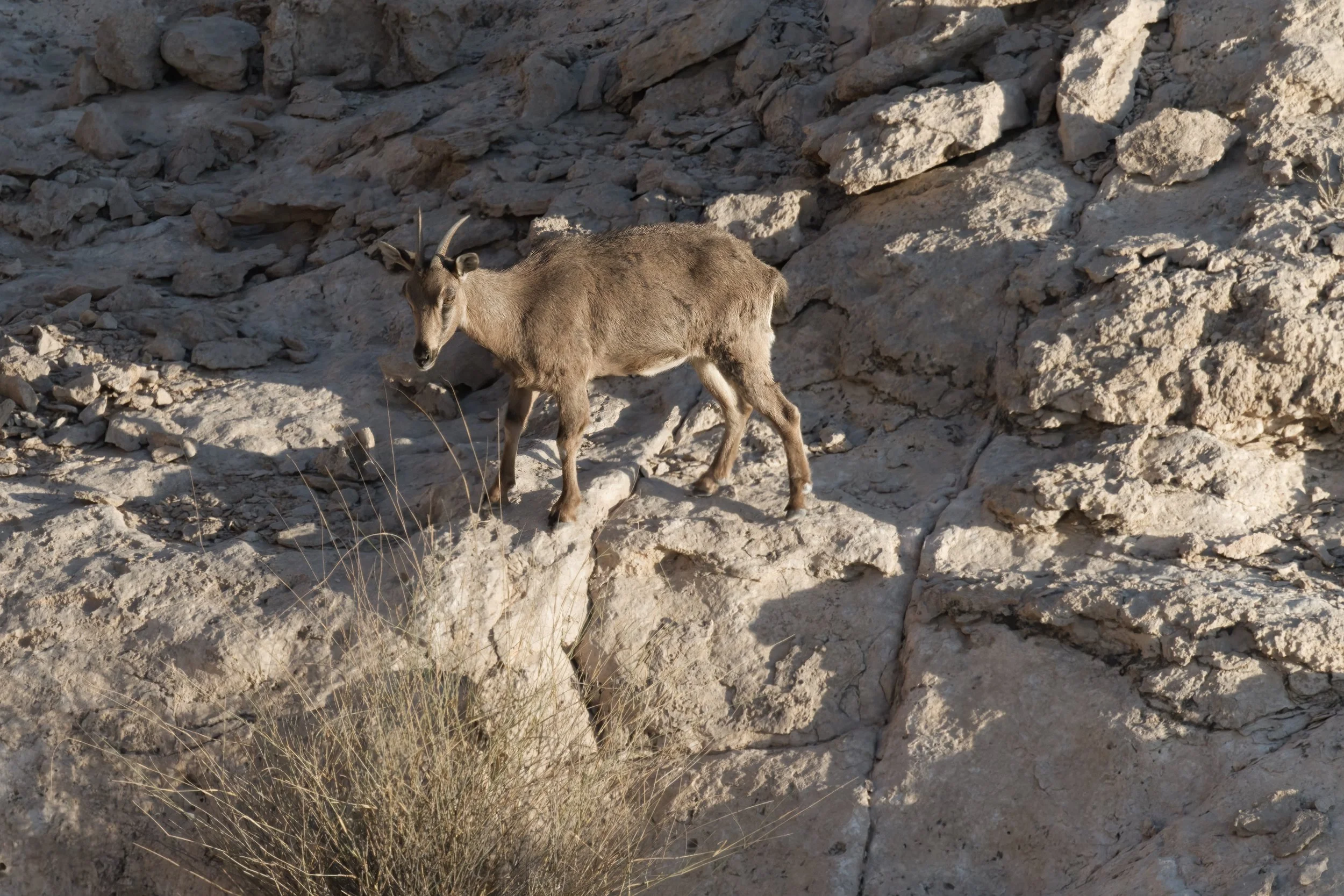
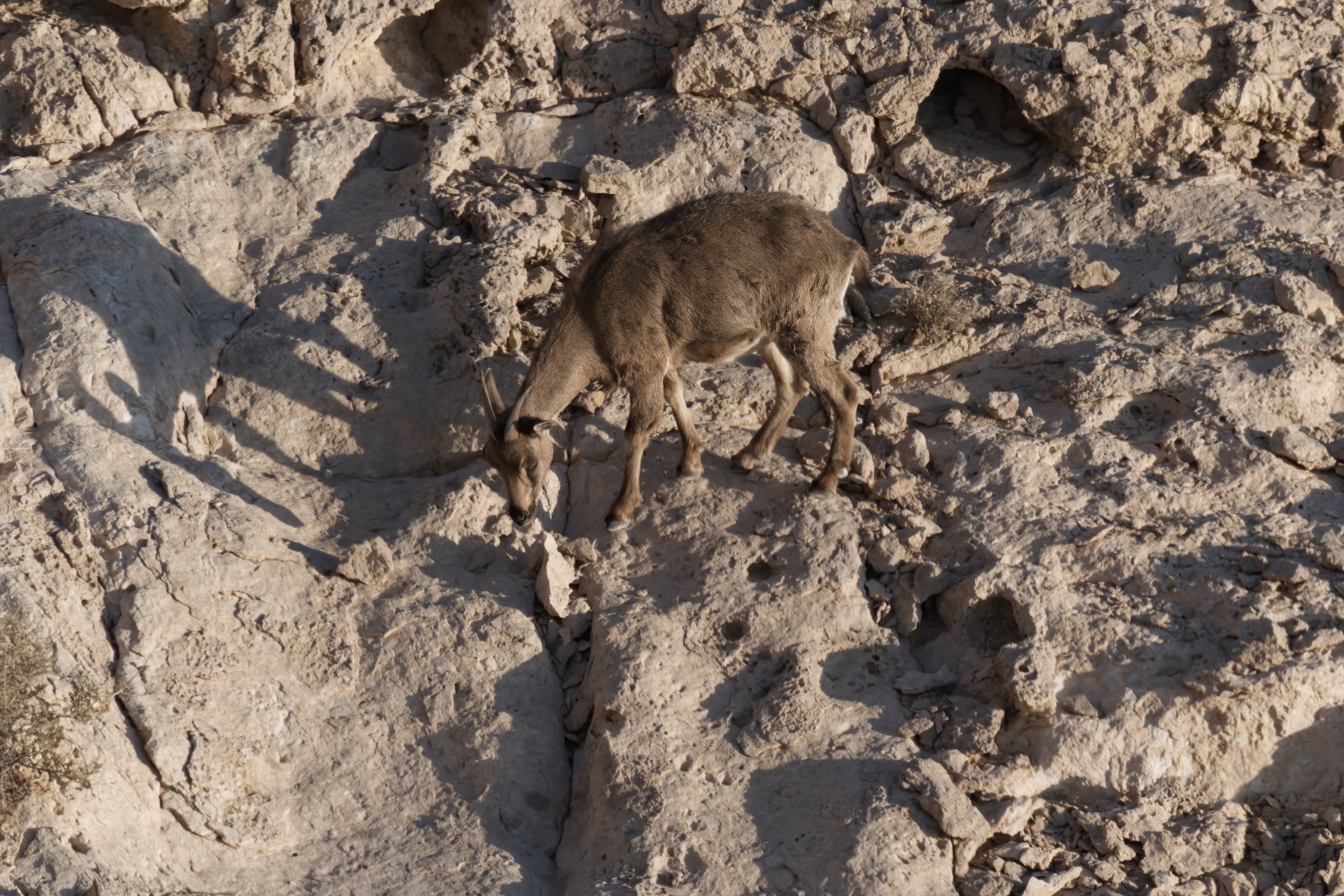
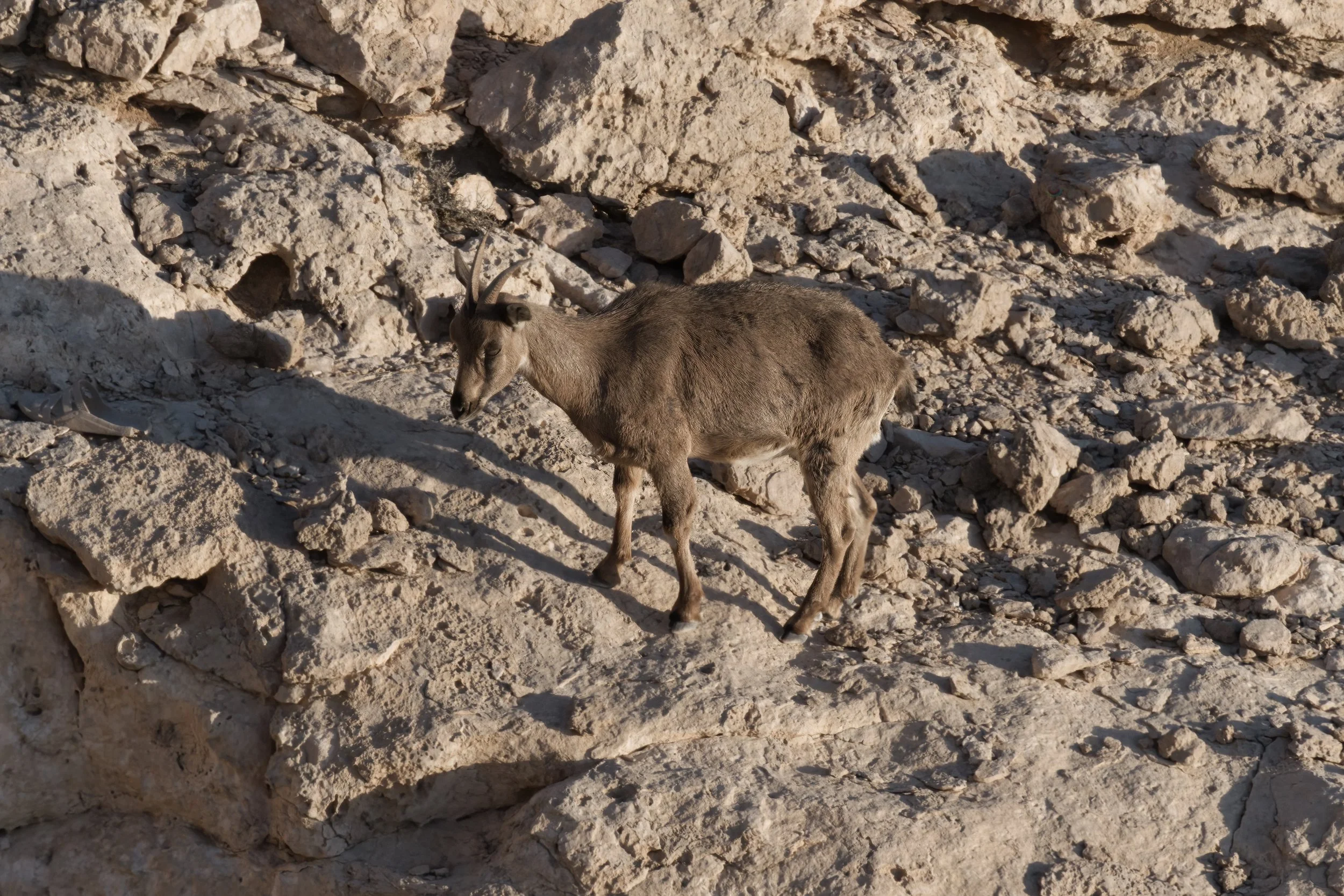
Arabian Tahr (Arabitragus jayakari) is a rare mountain ungulate and one of the most important native mammals of the United Arab Emirates. It is endemic to the mountains of northern Oman and the UAE, with a very limited range and a strong connection to steep rocky terrain. In the UAE, it is mainly associated with rugged mountain slopes and wadis, with an important small population recorded on Jebel Hafit in Abu Dhabi. The Abu Dhabi Red List notes that the species prefers north-facing slopes between 1,000 and 1,800 m, where cooler conditions, higher rainfall, and more diverse vegetation provide better feeding and shelter.
Built for life on cliffs and steep slopes, the Arabian Tahr has a compact body, strong legs, and excellent climbing ability. It feeds mainly on mountain vegetation, including grasses, shrubs, leaves, and seasonal growth after rainfall. Its survival in the UAE depends on quiet mountain habitats with enough vegetation and limited disturbance. The species is threatened by habitat loss, development around mountain areas, competition with livestock, and possible disease transmission from domestic goats. Globally, it is listed as Endangered (EN), while the Abu Dhabi assessment treats the Jebel Hafit population as Critically Endangered (CR) because of its very small and isolated population.
الطَّهر العربي هو حيوان جبلي نادر من فصيلة البقريات، ويُعَدّ من أهم الثدييات البرية الأصلية في دولة الإمارات العربية المتحدة. وهو نوع متوطن في جبال شمال سلطنة عُمان والإمارات، ويعيش ضمن نطاق محدود جدًا يرتبط بالمنحدرات الصخرية الوعرة. وفي الإمارات، يرتبط بشكل أساسي بالجبال والأودية الصخرية، مع وجود تجمع صغير ومهم على جبل حفيت في أبوظبي. وتشير القائمة الحمراء لإمارة أبوظبي إلى أن هذا النوع يفضّل المنحدرات الشمالية بين 1,000 و1,800 متر، حيث تكون الحرارة أقل، والأمطار أعلى نسبيًا، والغطاء النباتي أكثر تنوعًا
وقد تكيف الطهر العربي مع الحياة فوق الجروف والمنحدرات الحادة، إذ يمتلك جسمًا قويًا مدمجًا، وأرجلًا متينة، وقدرة عالية على التسلق. ويتغذى على النباتات الجبلية مثل الأعشاب، والشجيرات، والأوراق، والنموات الموسمية التي تظهر بعد الأمطار. ويعتمد بقاؤه في الإمارات على حماية الموائل الجبلية الهادئة التي توفر الغذاء والمأوى، مع تقليل الإزعاج والضغط البشري. ومن أبرز التهديدات التي تواجهه فقدان الموائل، والتطوير العمراني حول المناطق الجبلية، والمنافسة مع الماعز المستأنس، واحتمال انتقال الأمراض من المواشي. ويُصنَّف عالميًا ضمن فئة مهدد بالانقراض ، بينما يُقيَّم تجمع جبل حفيت في أبوظبي ضمن فئة مهدد بالانقراض بشكل حرج بسبب صغر حجمه وعزلته
Other Species
-
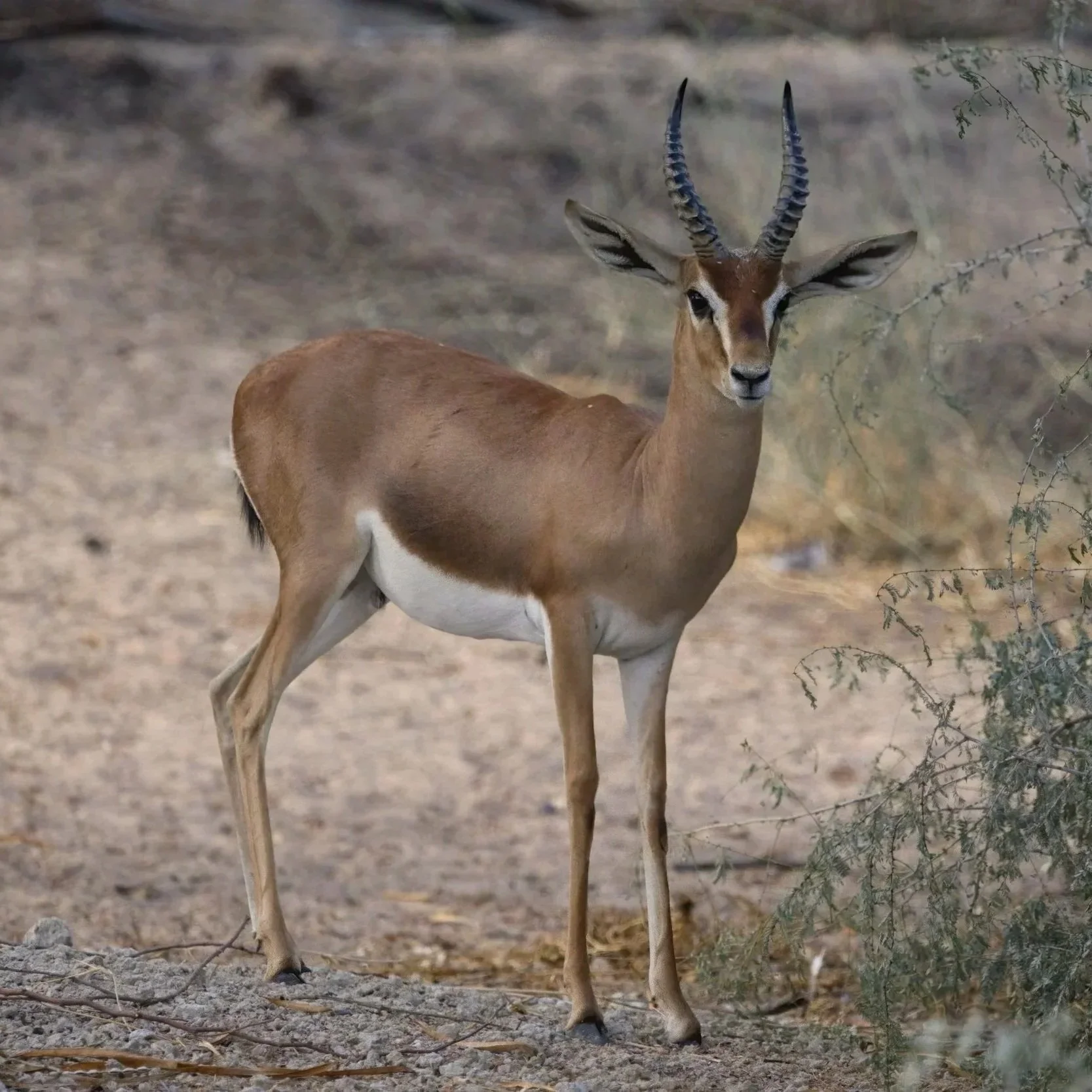
Arabian Gazelle (Gazella arabica)
-
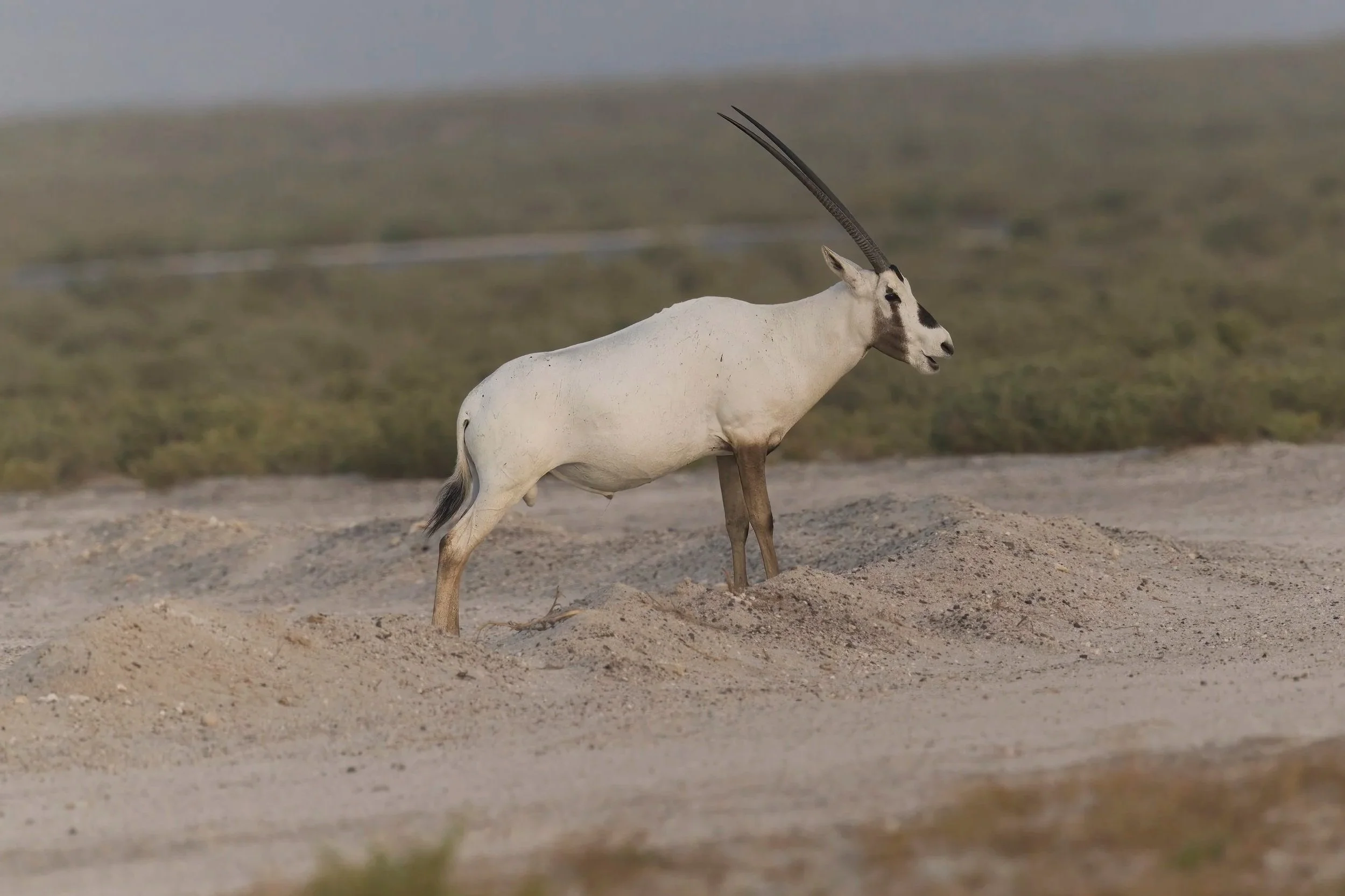
Arabian Oryx (Oryx leucoryx)
-
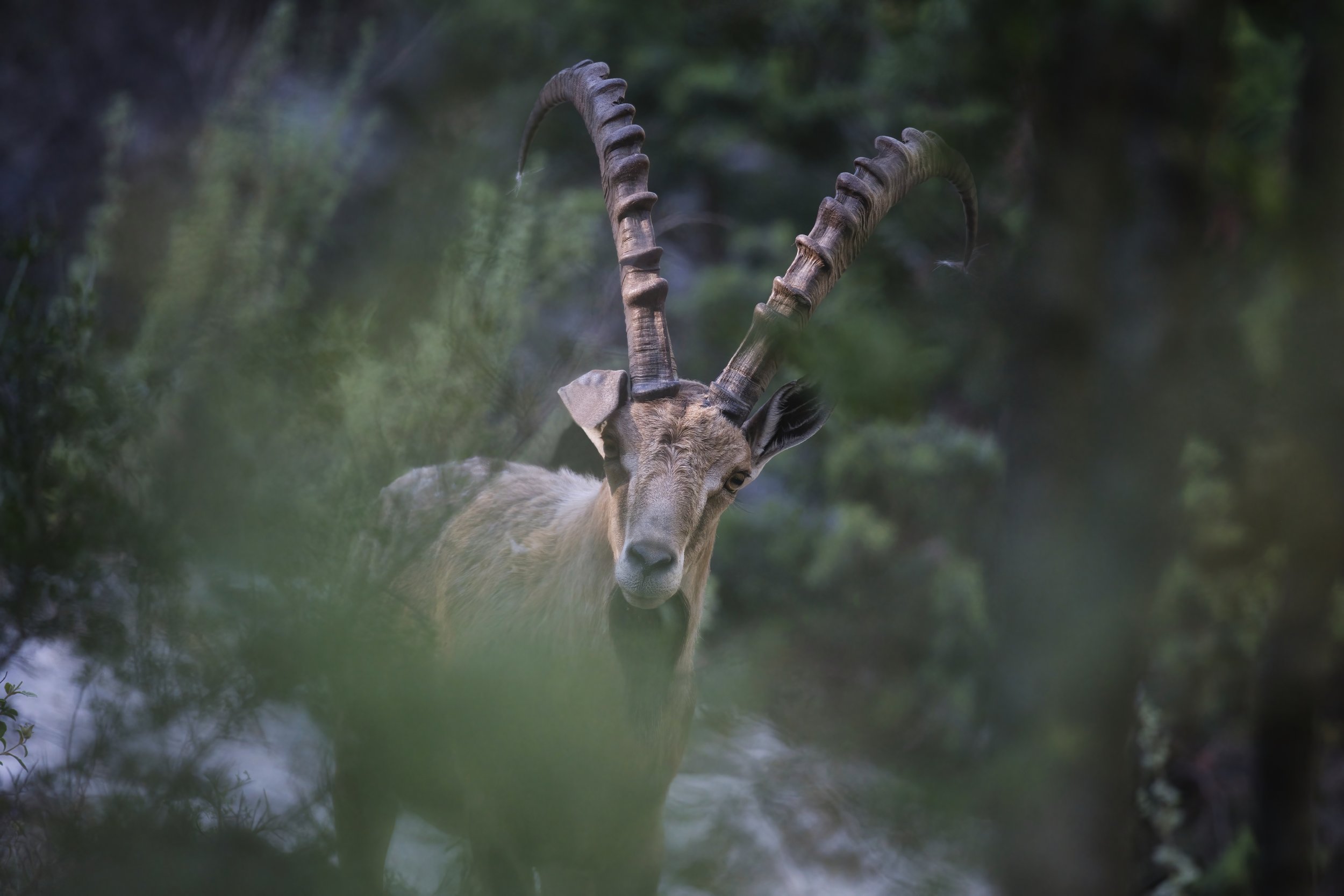
Nubian Ibex (Capra nubiana)
-
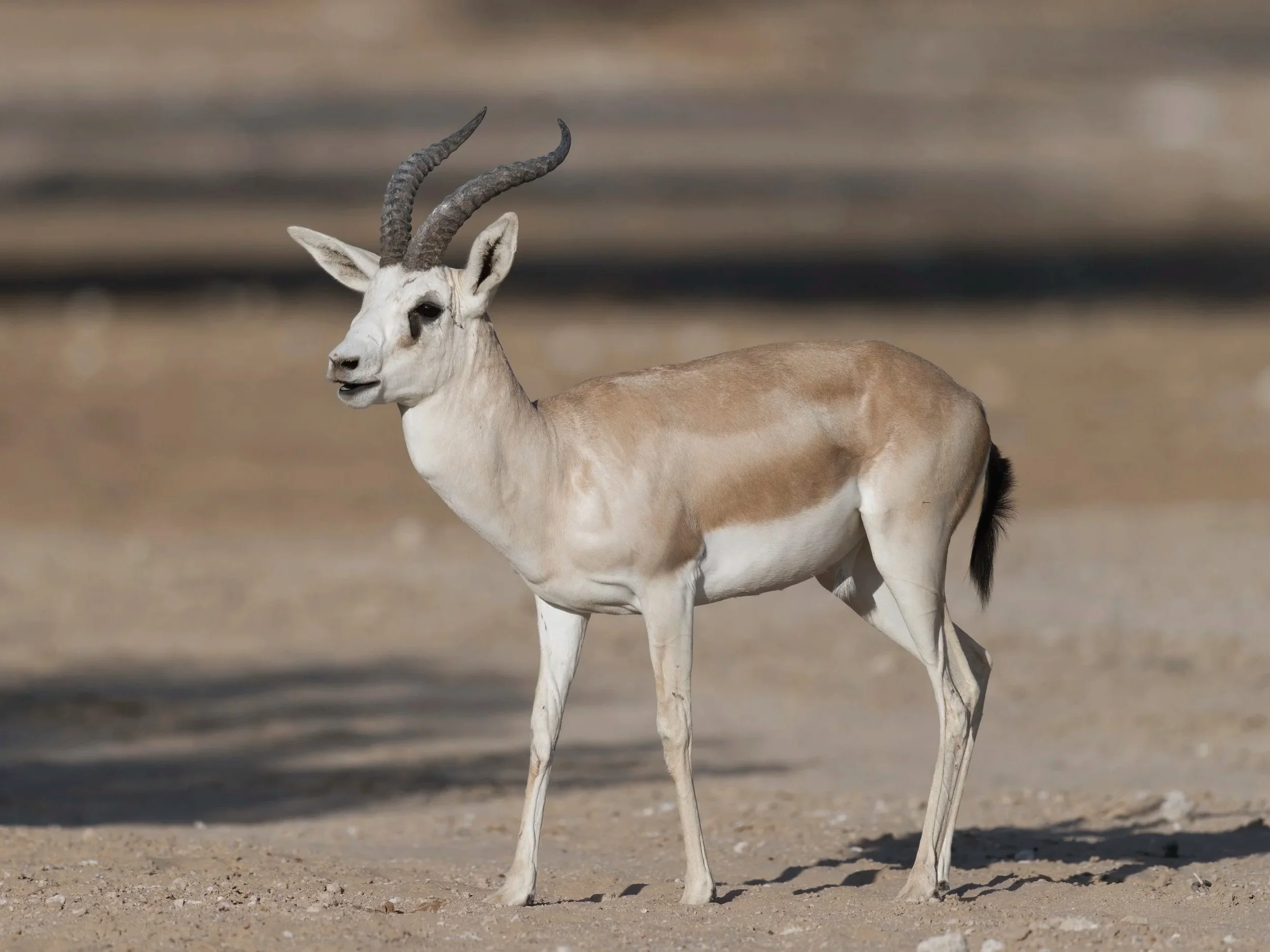
Arabian Sand Gazelle (Gazella marica)