

UAE Desert & Semi Desert Wildlife
Animals, birds, reptiles and other wildlife of the UAE desert
The deserts of the United Arab Emirates may appear empty at first glance, but they support a remarkable variety of wildlife adapted to life in one of the region's most demanding environments. Mammals, birds, reptiles, insects and arachnids occupy sand dunes, sandy plains, gravel areas and sparsely vegetated desert habitats across the UAE.
Many of these animals are difficult to see. Some remain underground during the hottest part of the day, while others become active around sunrise, sunset or after darkness. Tracks, burrows and marks in the sand often reveal their presence long before the animal itself appears.
This collection documents desert and semi-desert wildlife photographed in the field, with a primary focus on species found in the United Arab Emirates. Selected photographs from Lebanon are also included where they represent desert or semi-desert species.
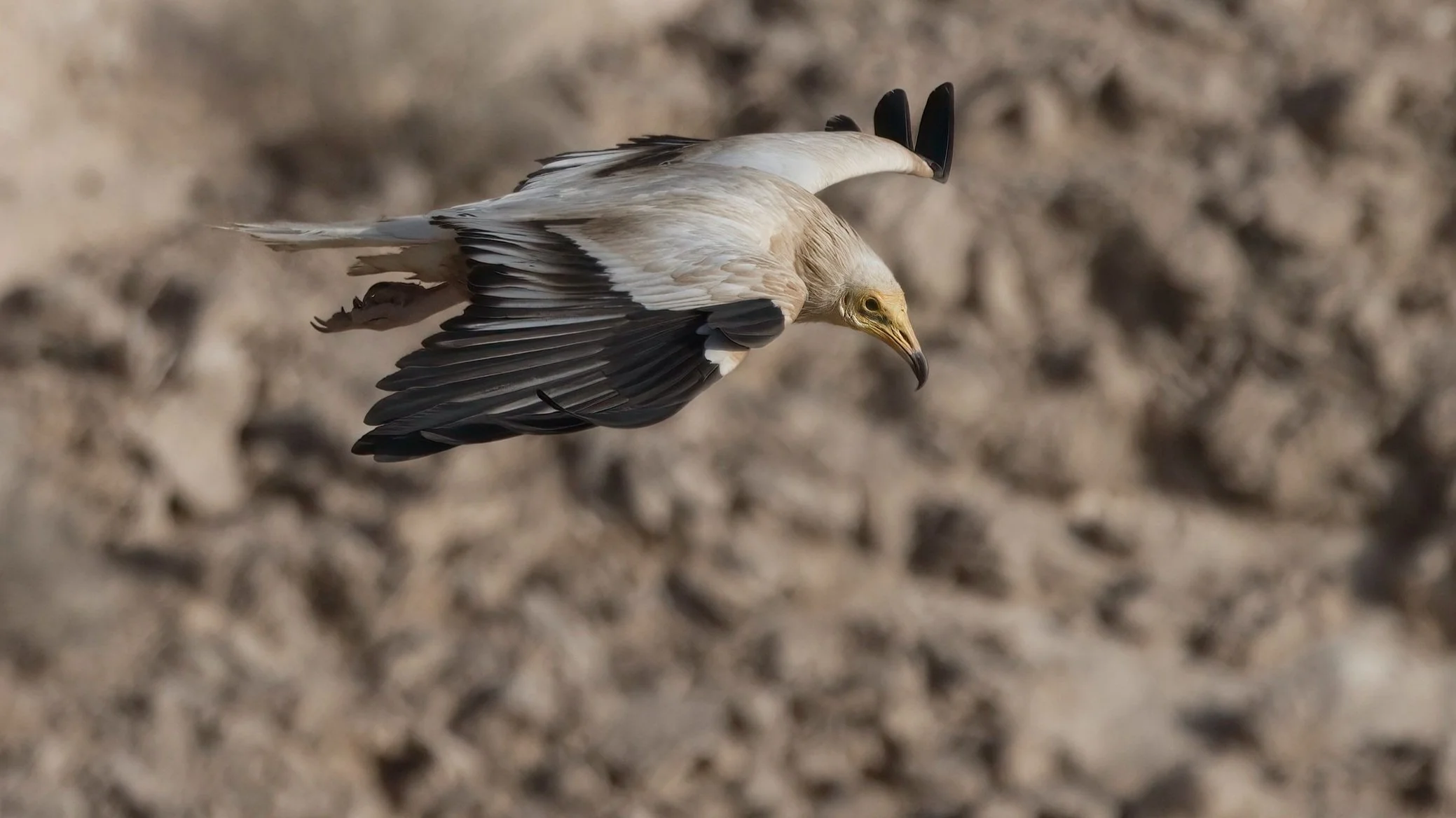
Egyptian Vulture (Neophron percnopterus) - United Arab Emirates
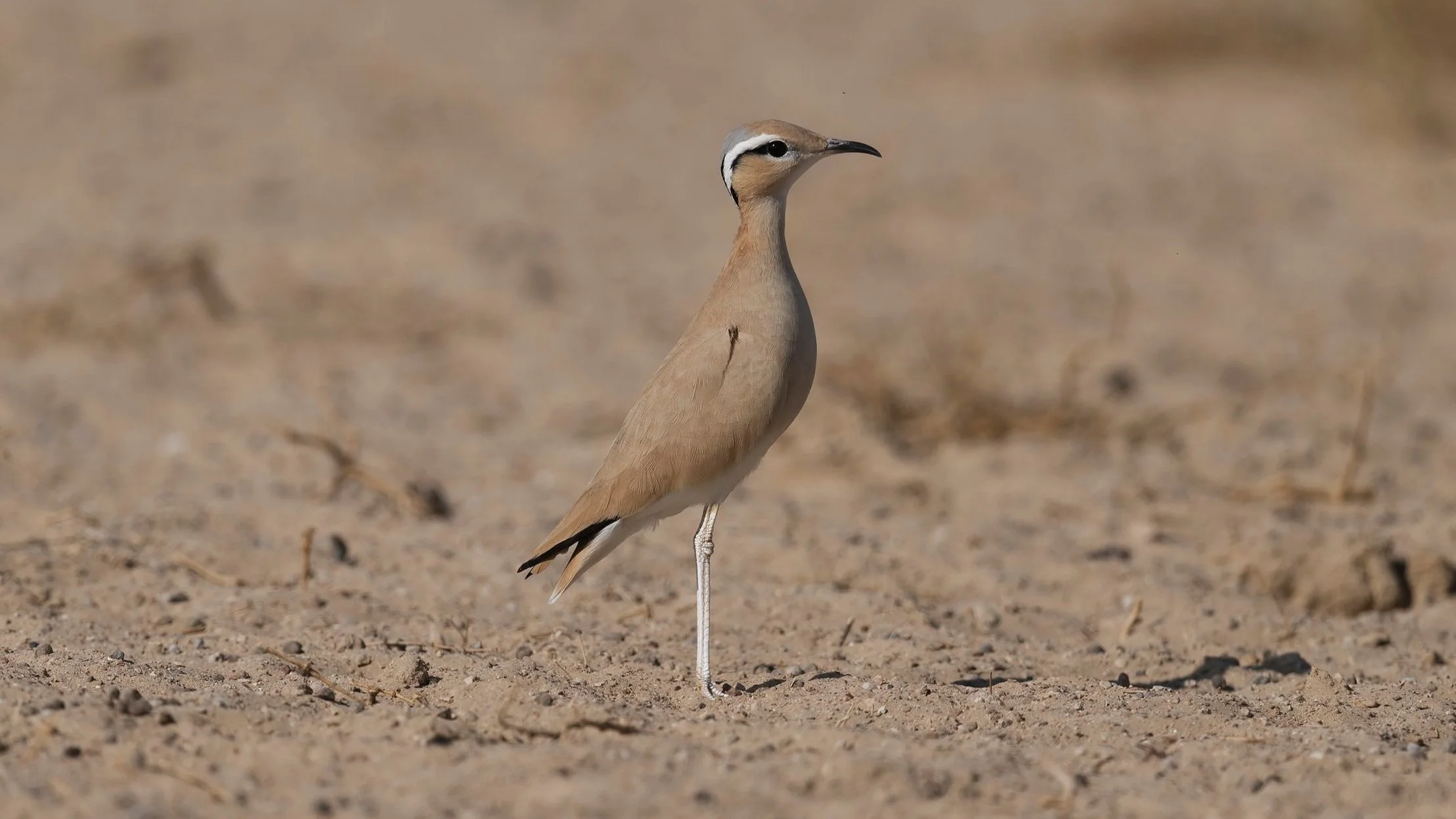
Cream-colored Courser (Cursorius cursor) - United Arab Emirates
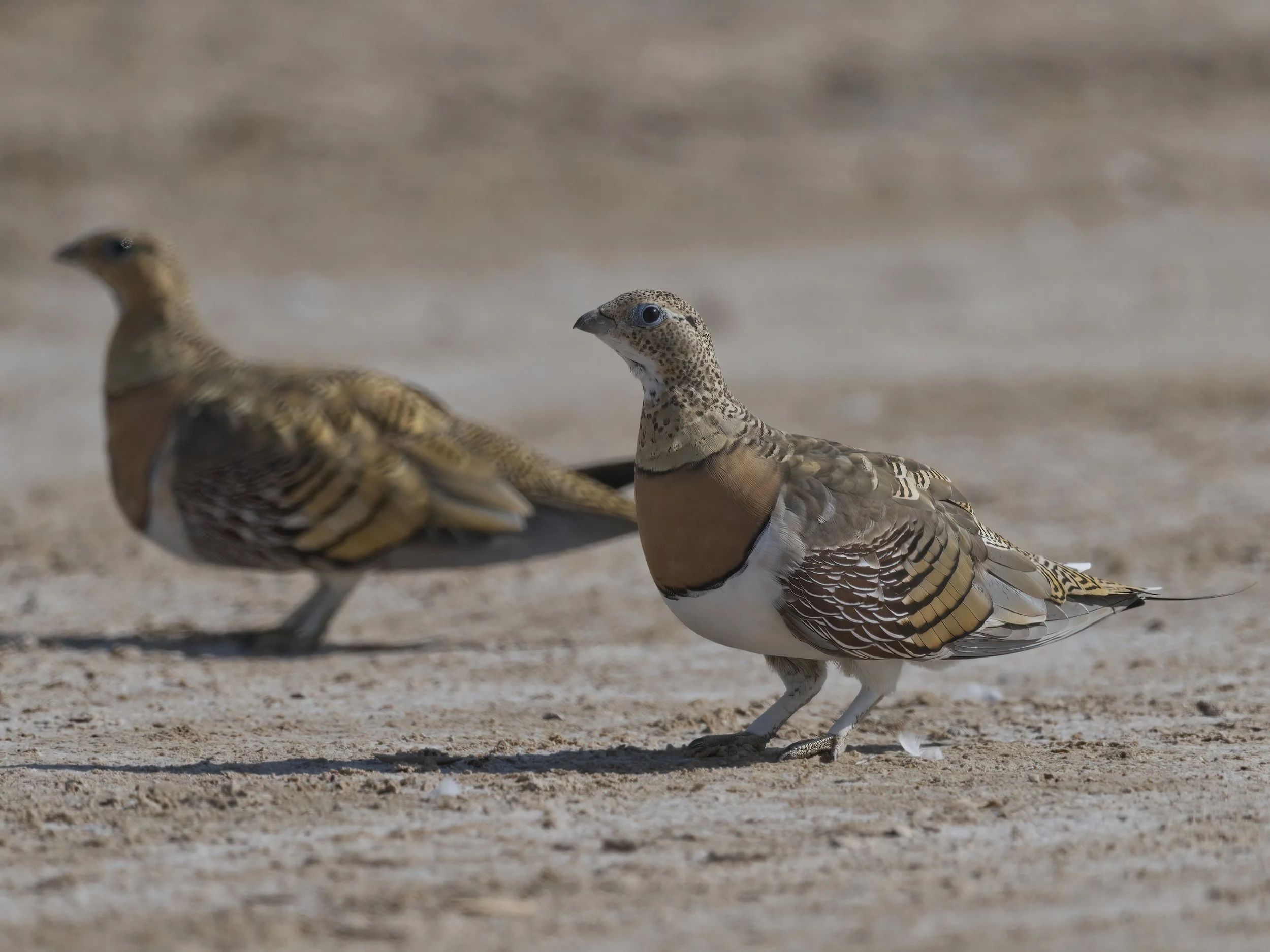
Pin-tailed Sandgrouse (Pterocles alchata) - United Arab Emirates
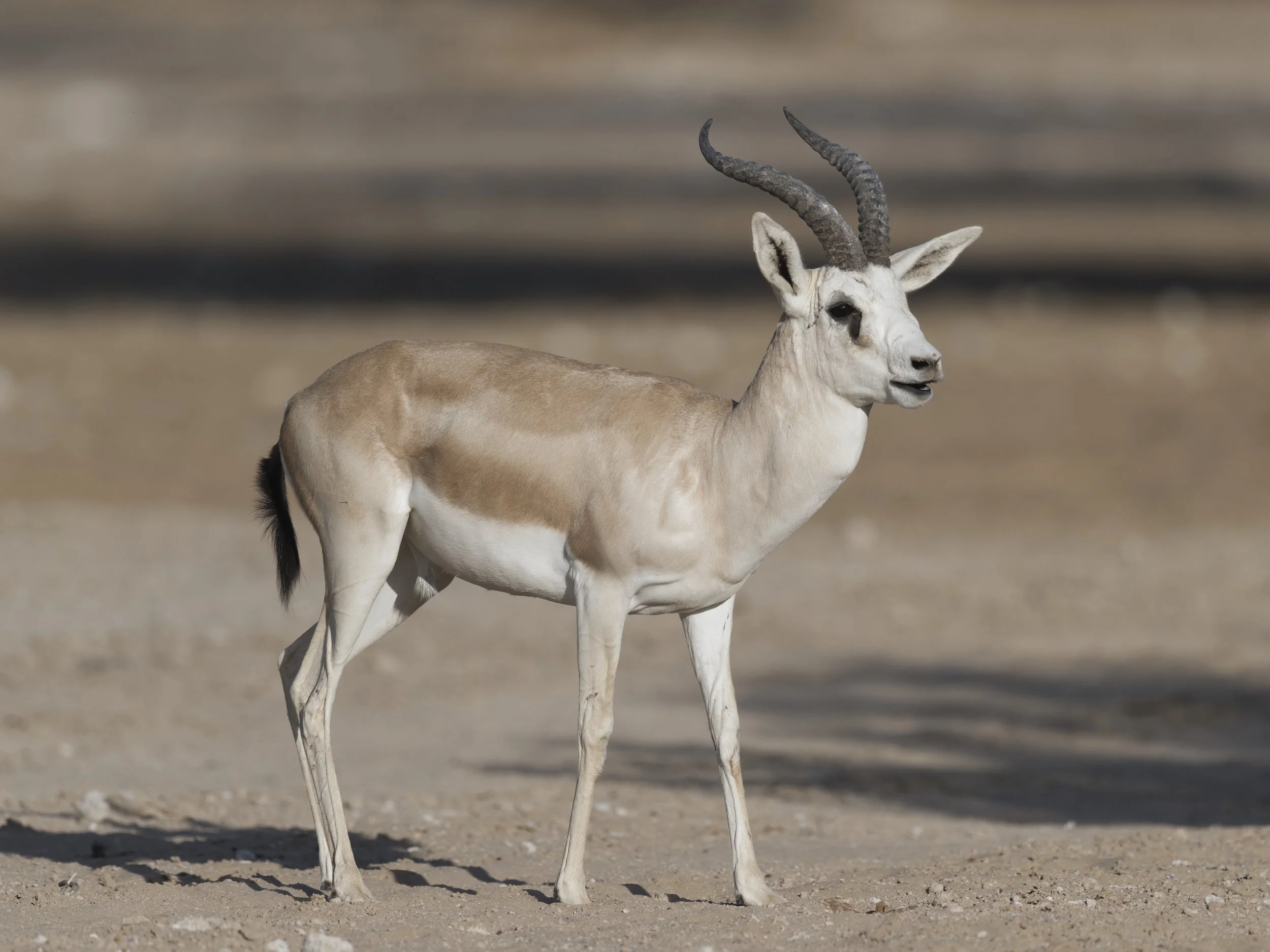
Rhim Gazelle (Gazella leptoceros) - United Arab Emirates
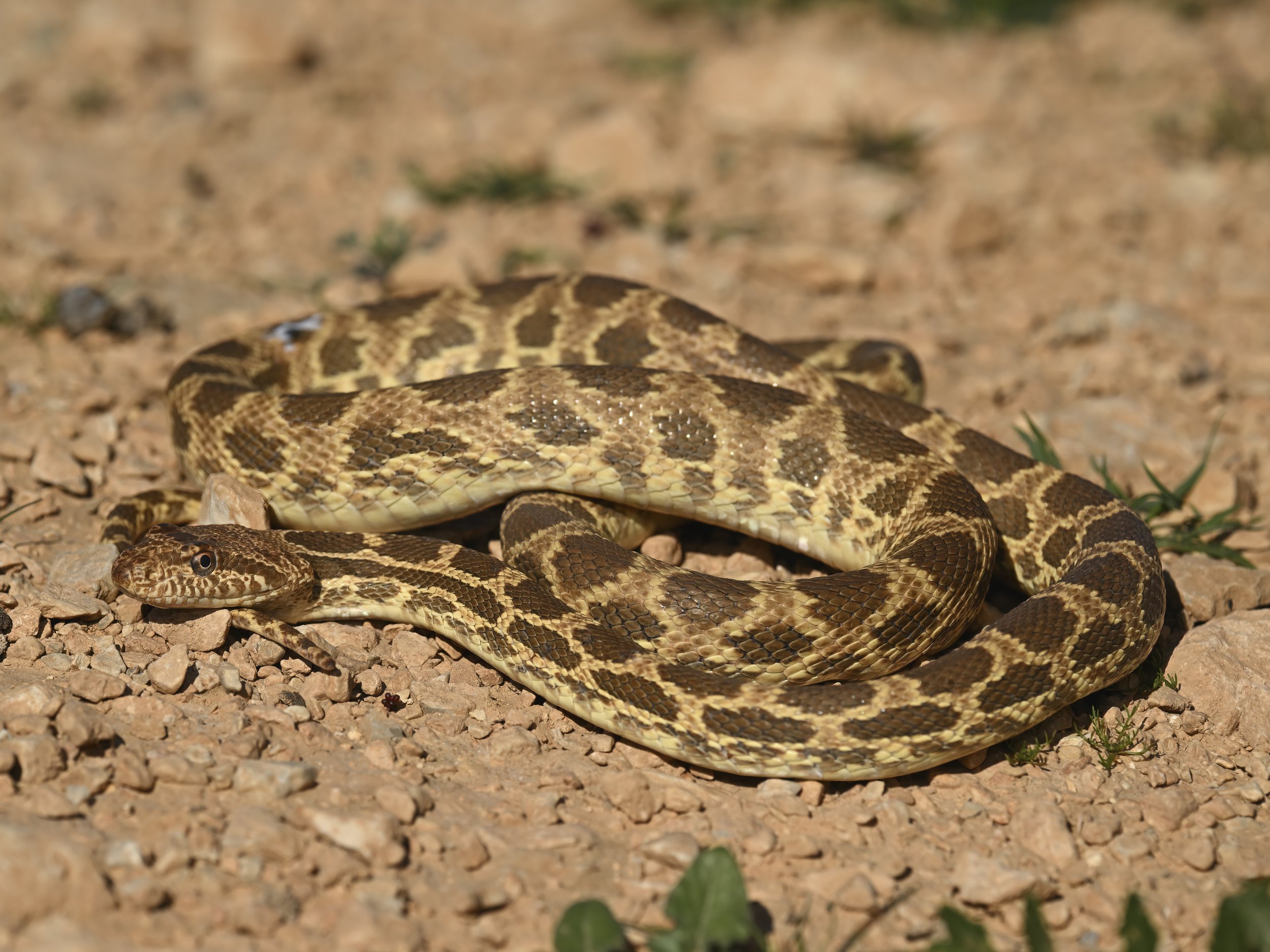
Diadem Snake (Spalerosophis diadema) - Lebanon
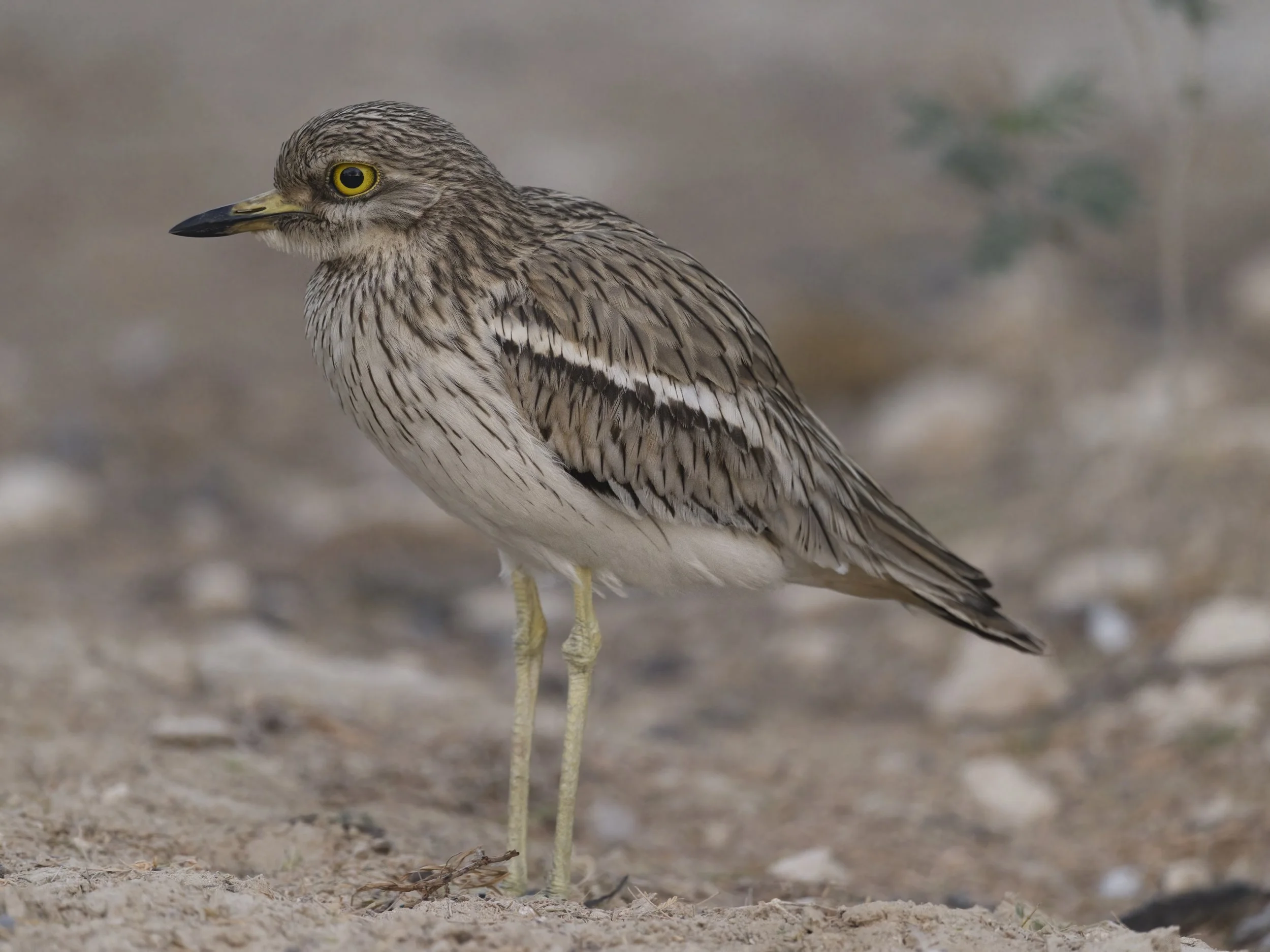
Eurasian Thick-knee (Burhinus oedicnemus) - United Arab Emirates
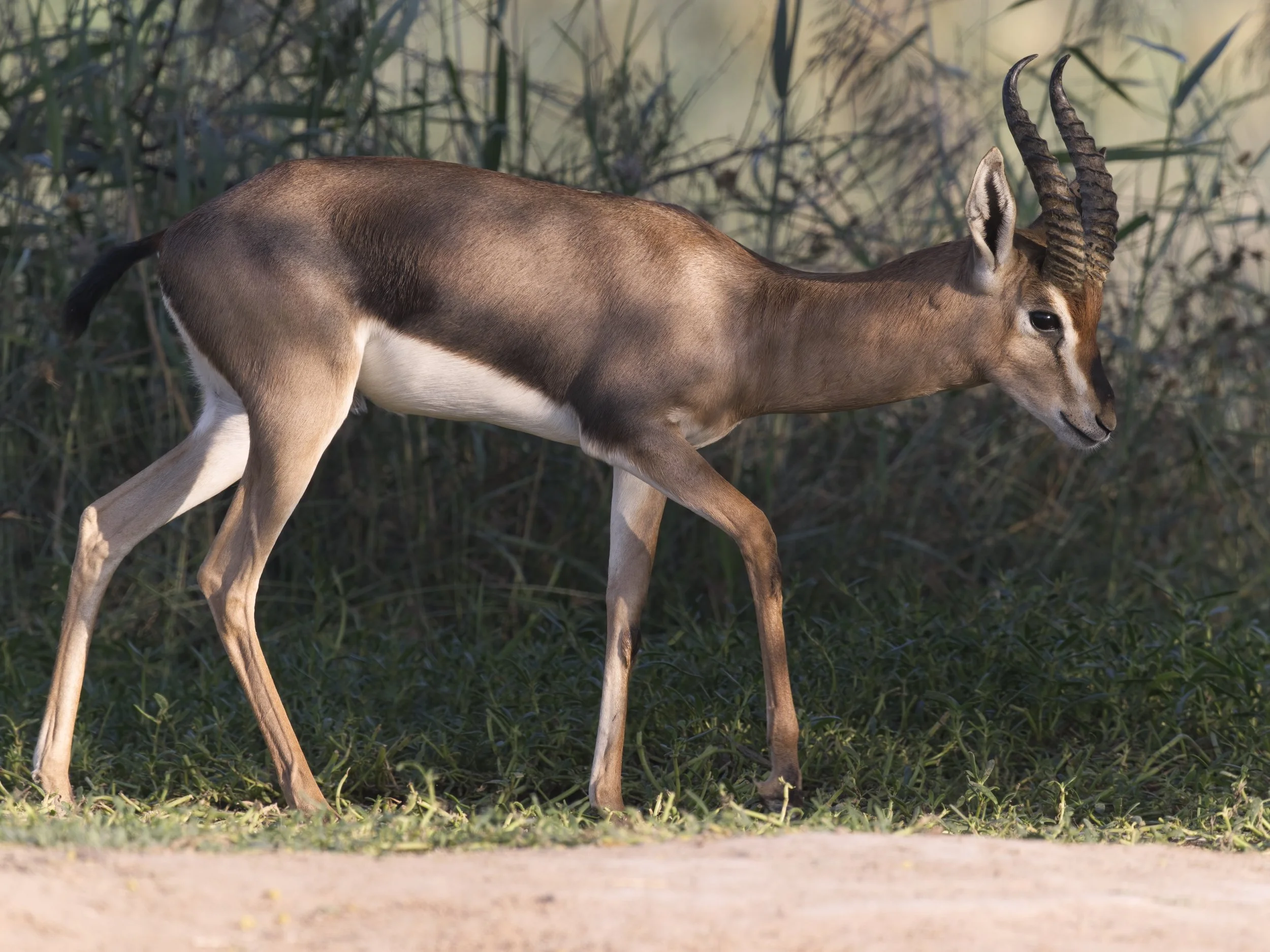
Arabian Gazelle (Gazella arabica) - United Arab Emirates
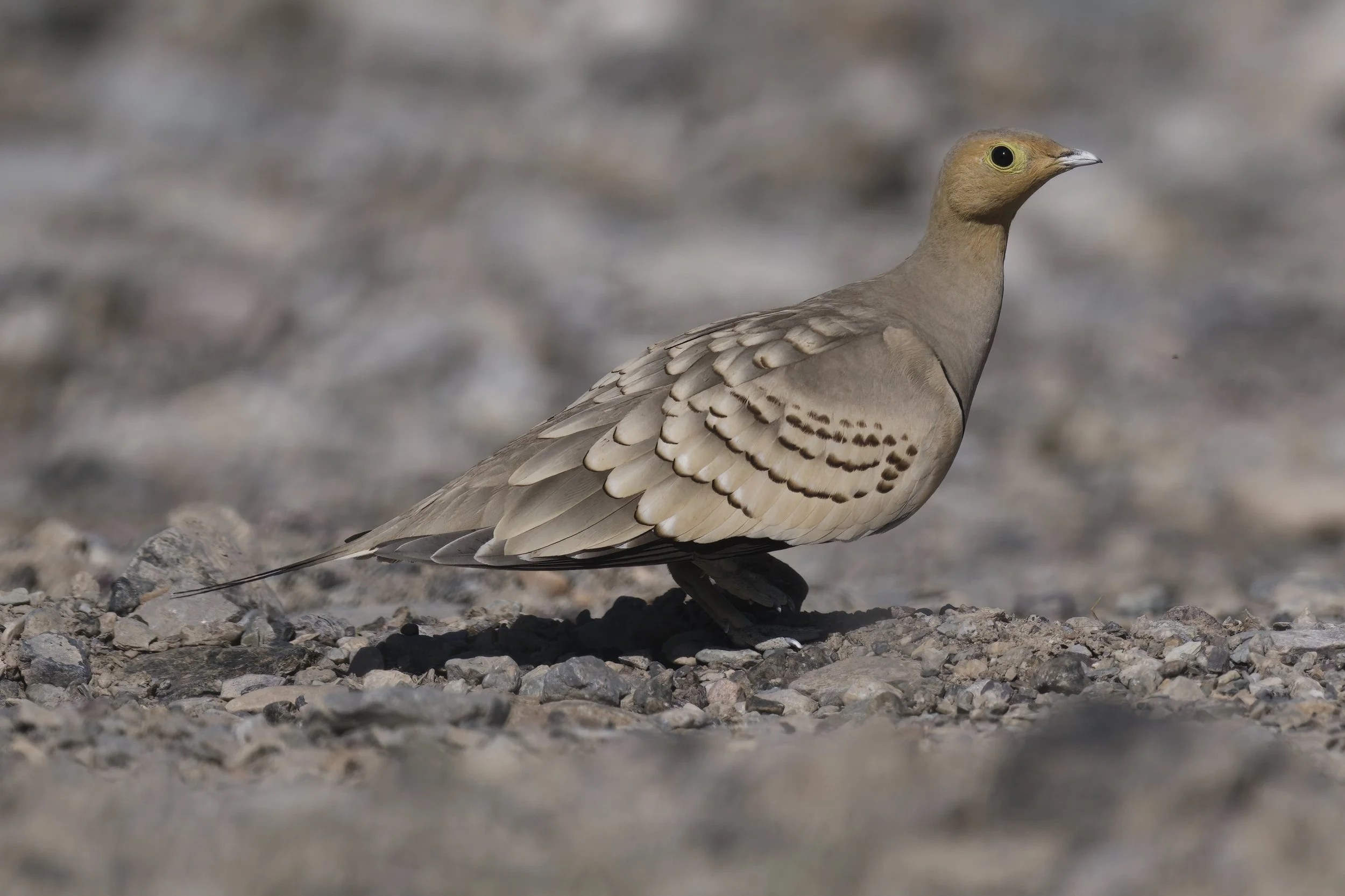
Chestnut-bellied Sandgrouse (Pterocles exustus) - United Arab Emirates
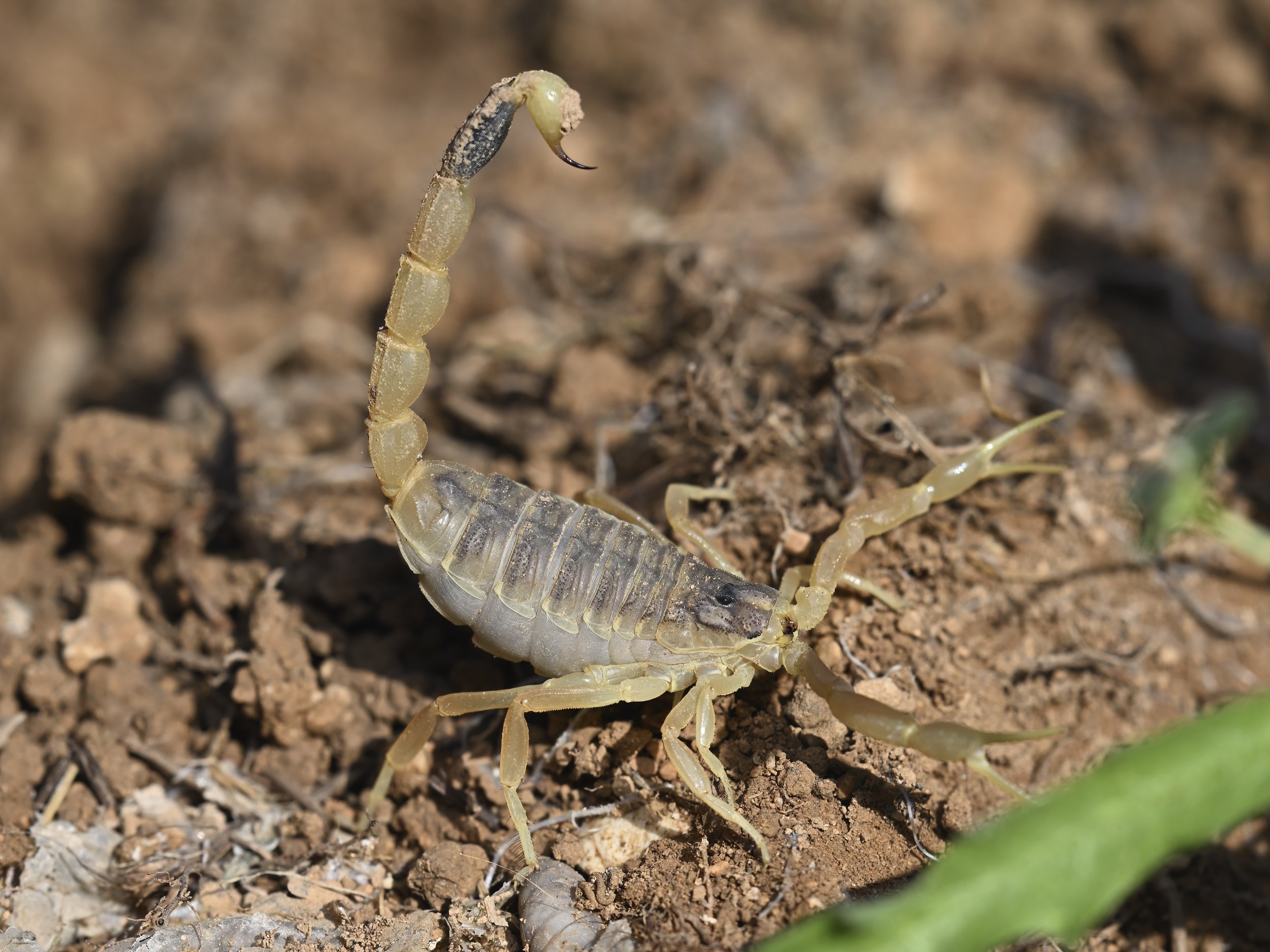
Deathstalker Scorpion (Leiurus abullahbayrami) - Lebanon
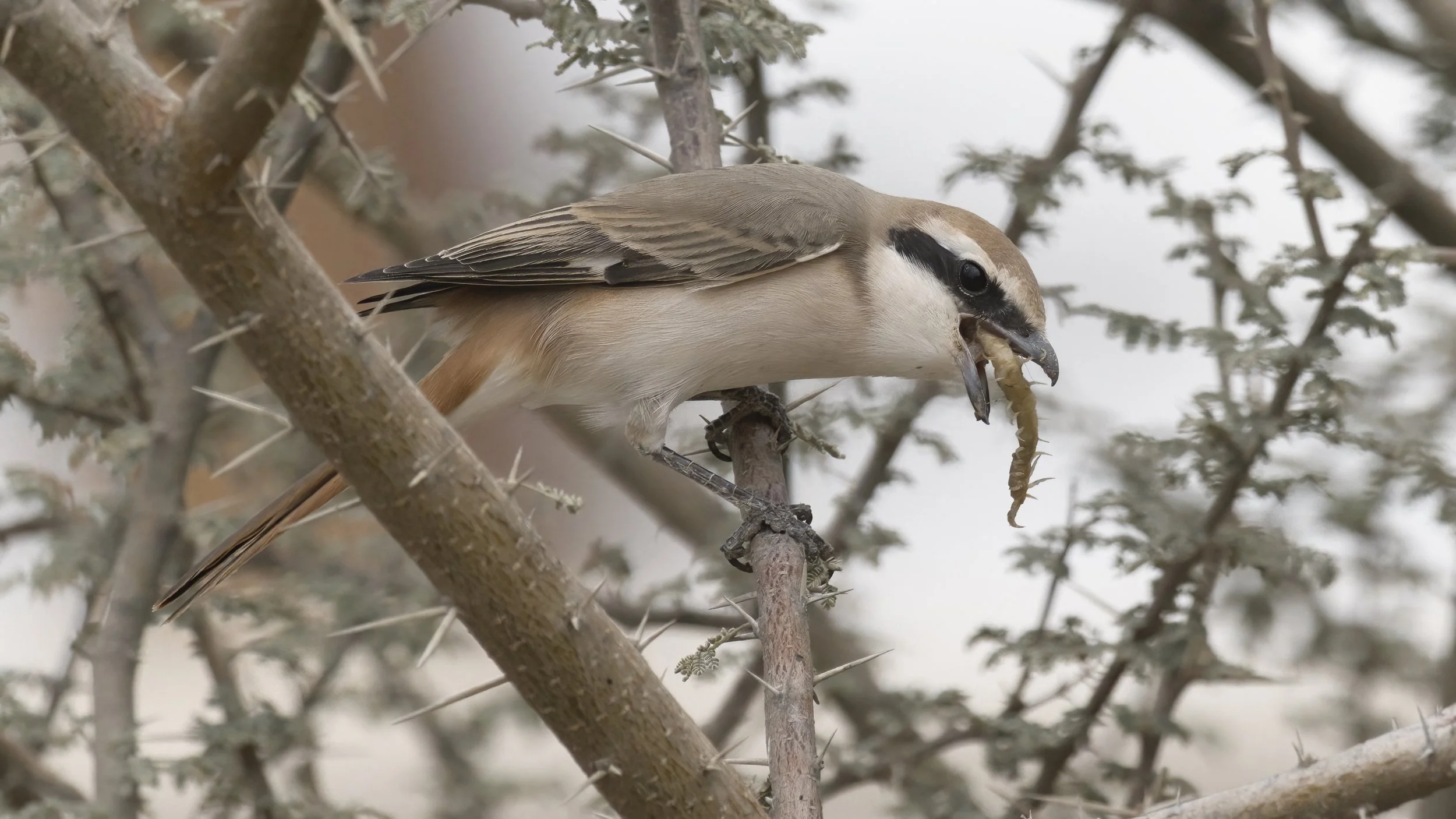
Red-tailed Shrike (Lanius phoenicuroides) - United Arab Emirates
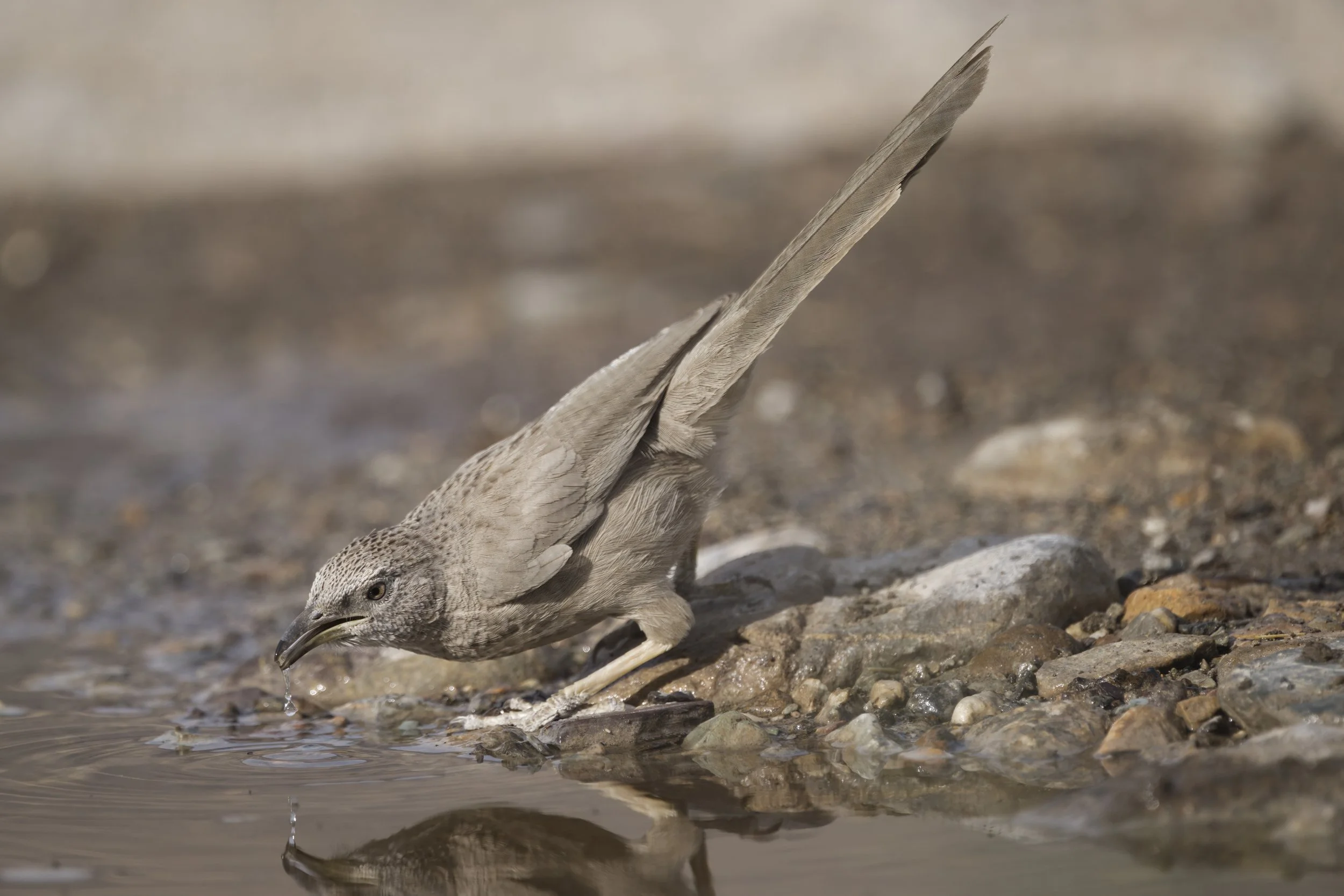
Arabian Babbler (Argya squamiceps) - United Arab Emirates
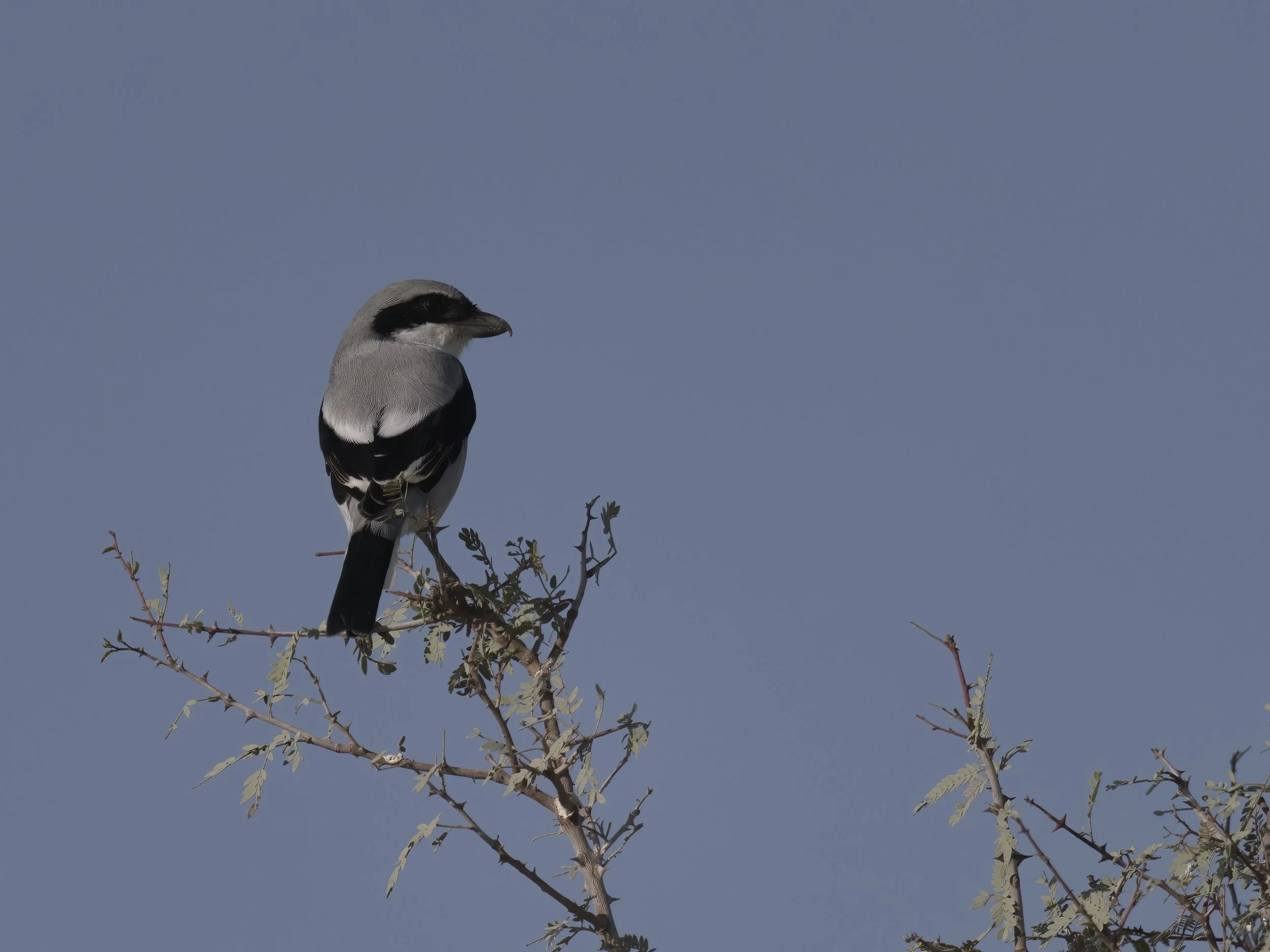
Great Grey Shrike (Lanius excubitor) - United Arab Emirates
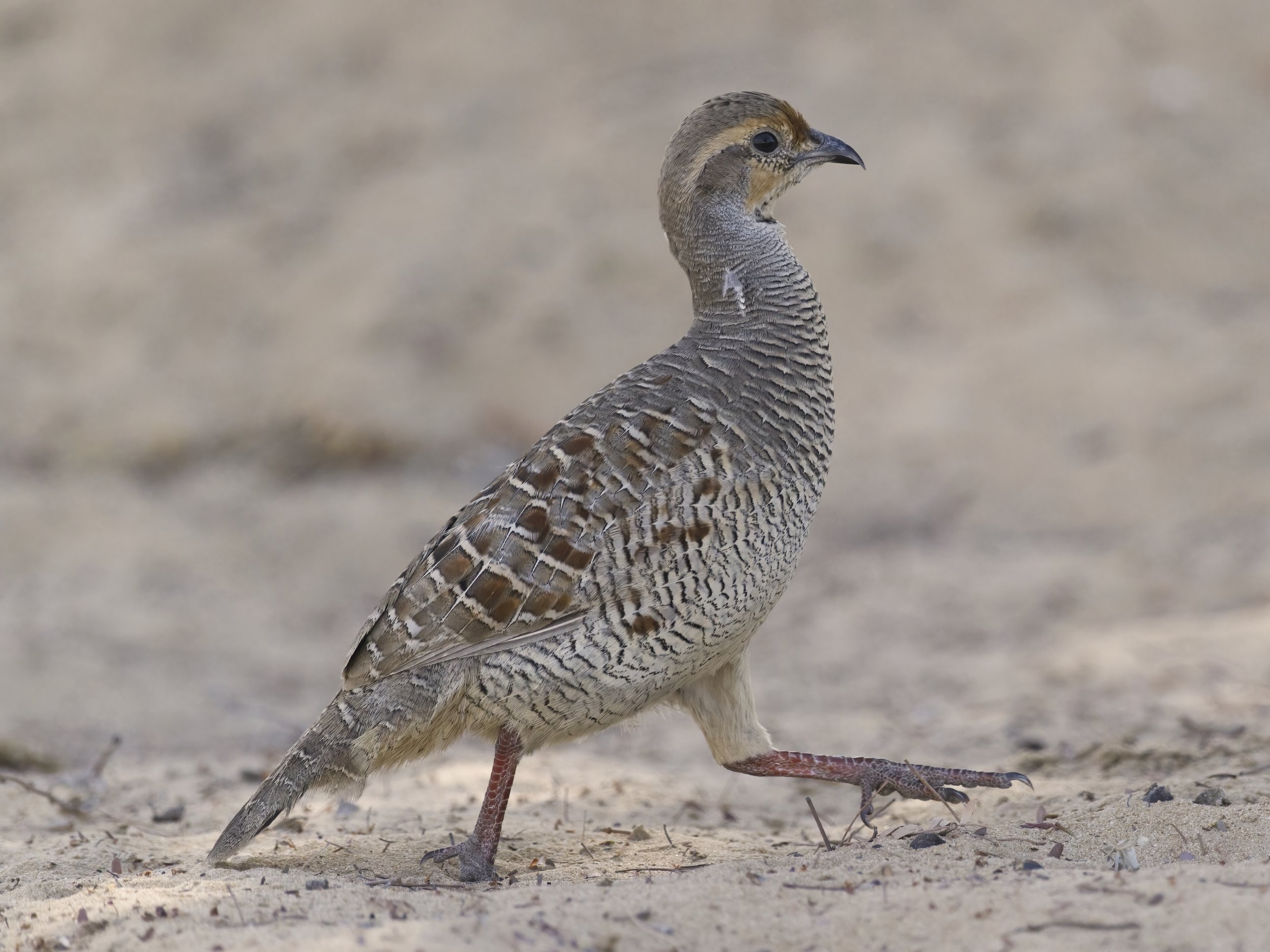
Grey Francolin (Ortygornis pondicerianus) - United Arab Emirates
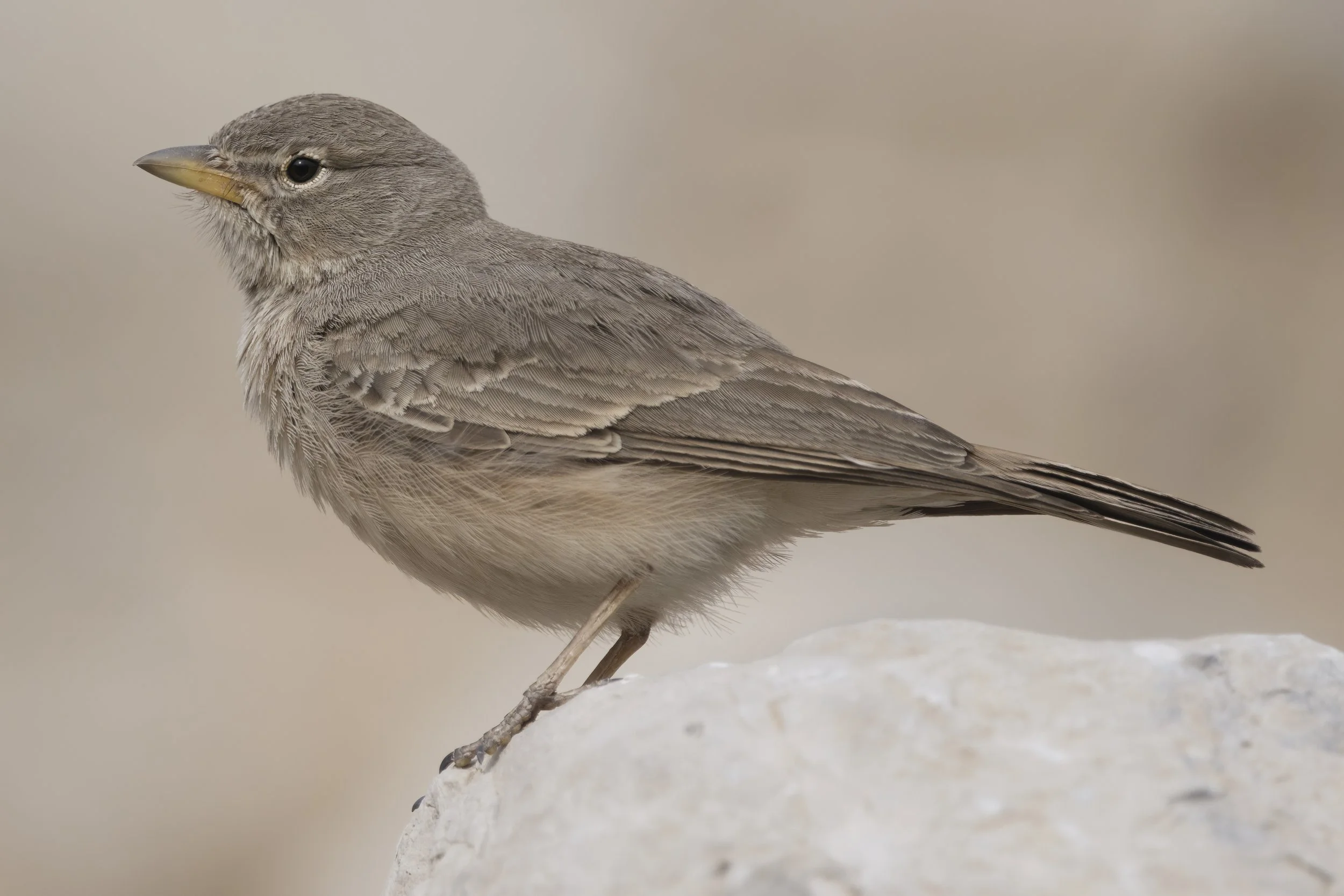
Desert Lark (Ammomanes deserti) - United Arab Emirates
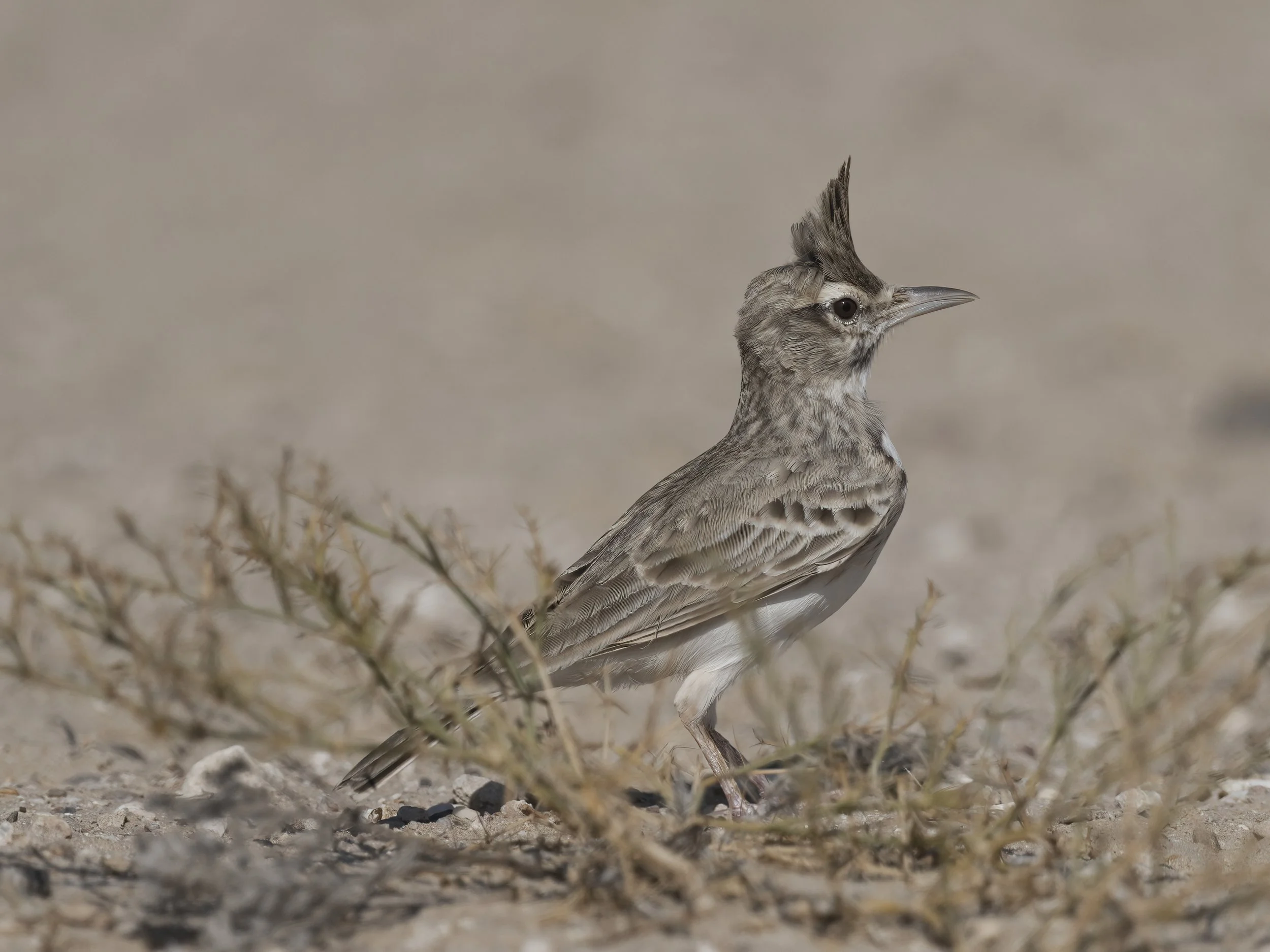
Crested Lark (Galerida cristata) - United Arab Emirates
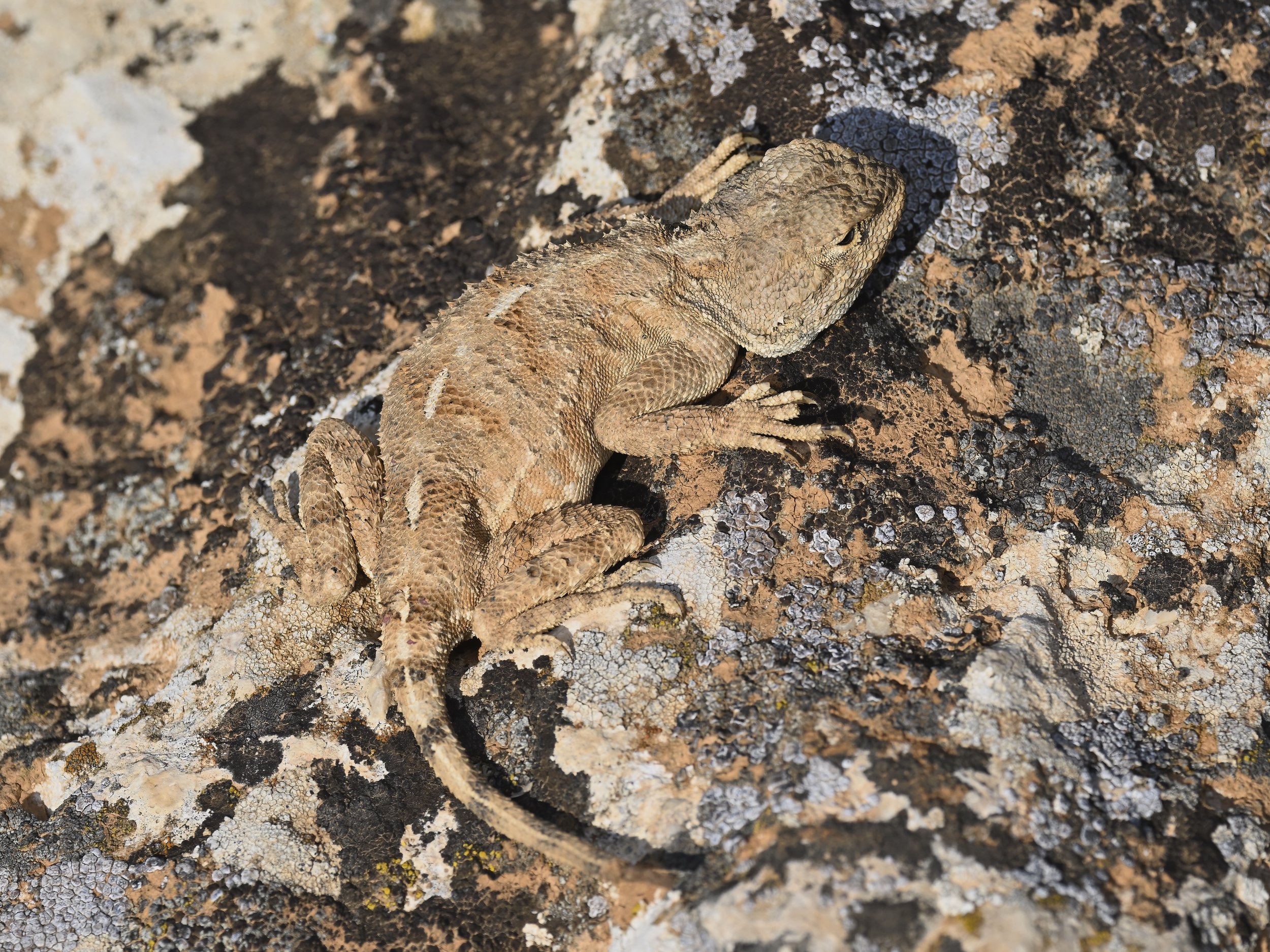
Horny Scale Agama (Trapelus ruderatus) - Lebanon
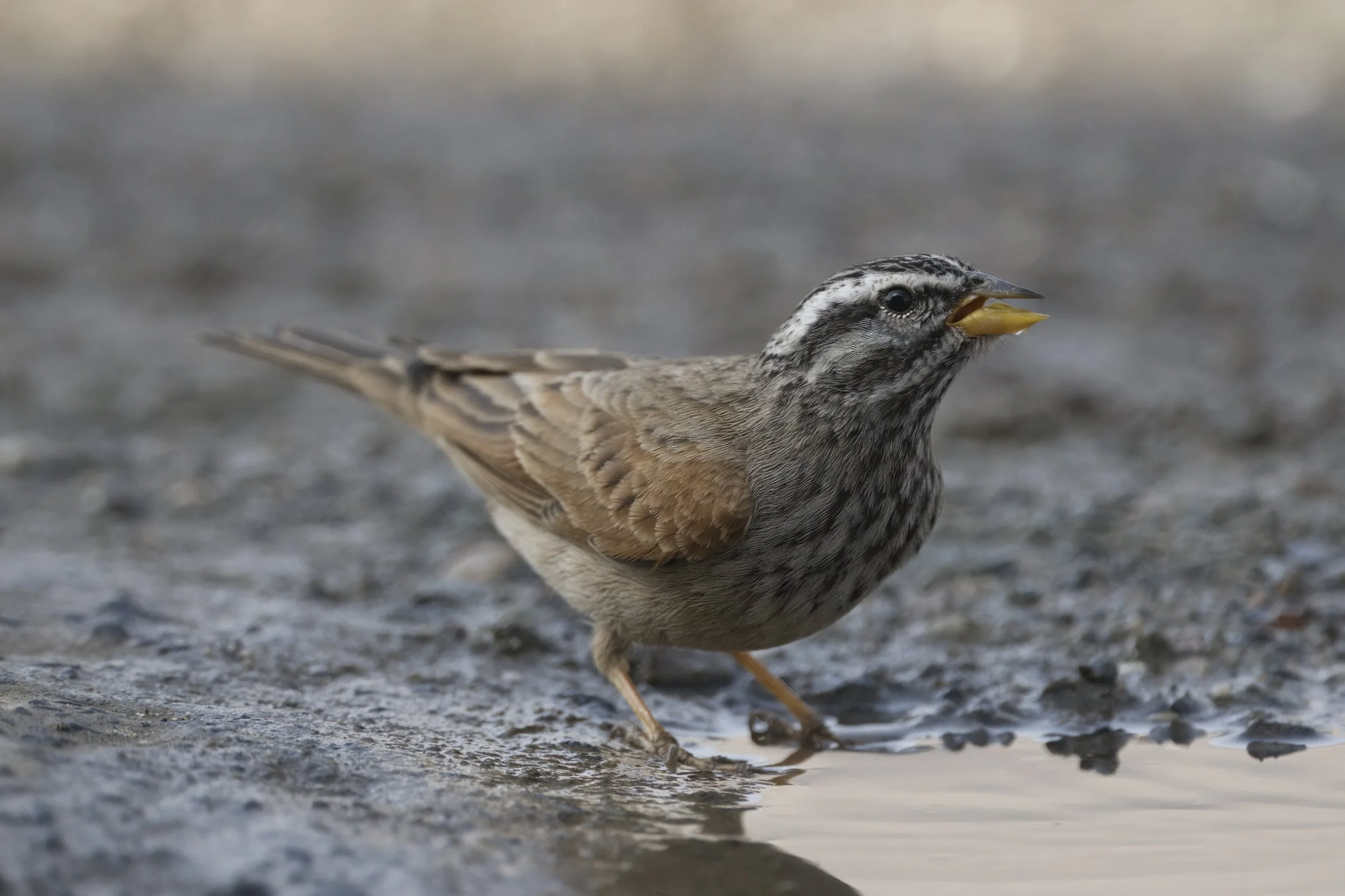
Striolated Bunting (Emberiza striolata) - United Arab Emirates
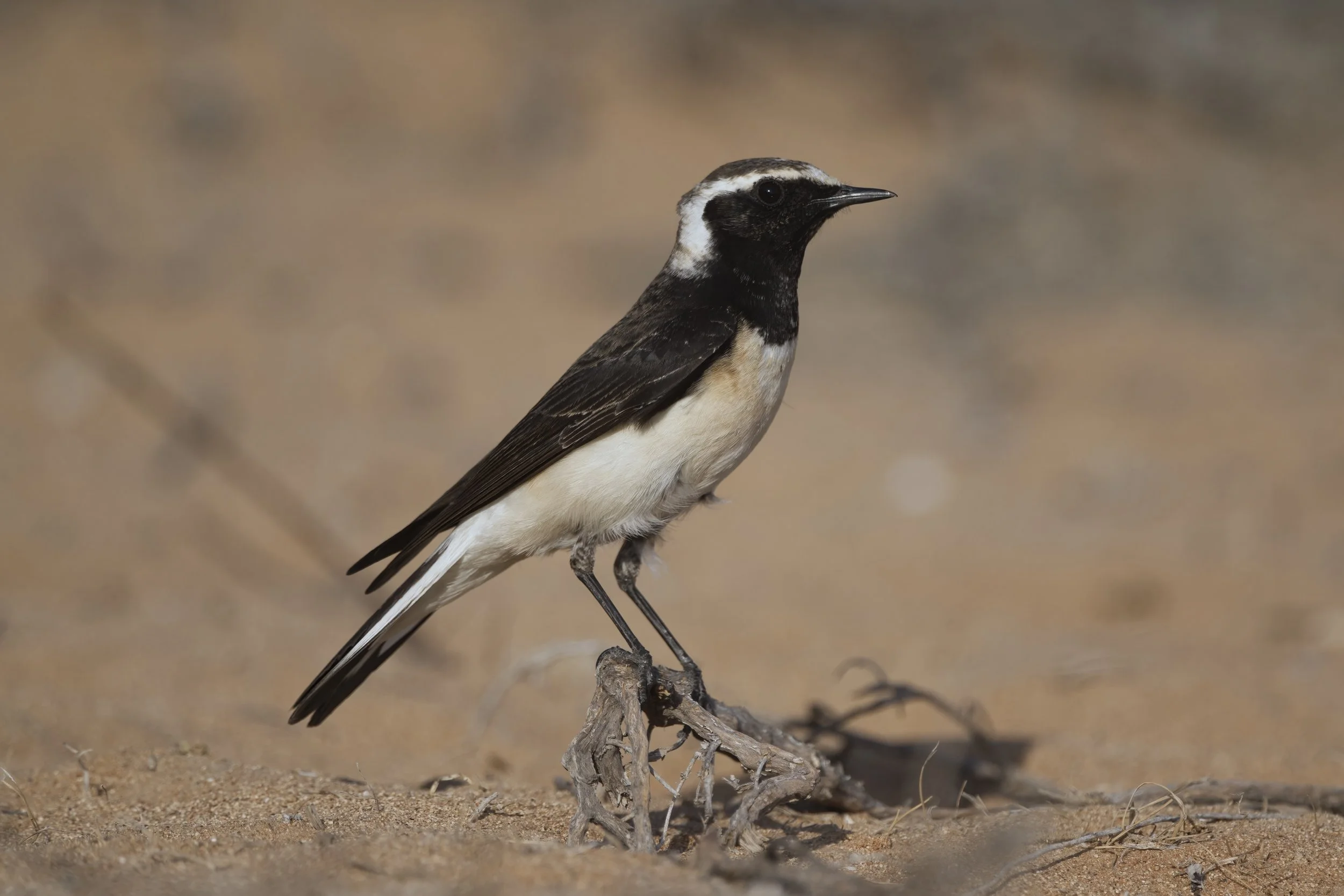
Pied Wheatear (Oenanthe pleschanka) - United Arab Emirates
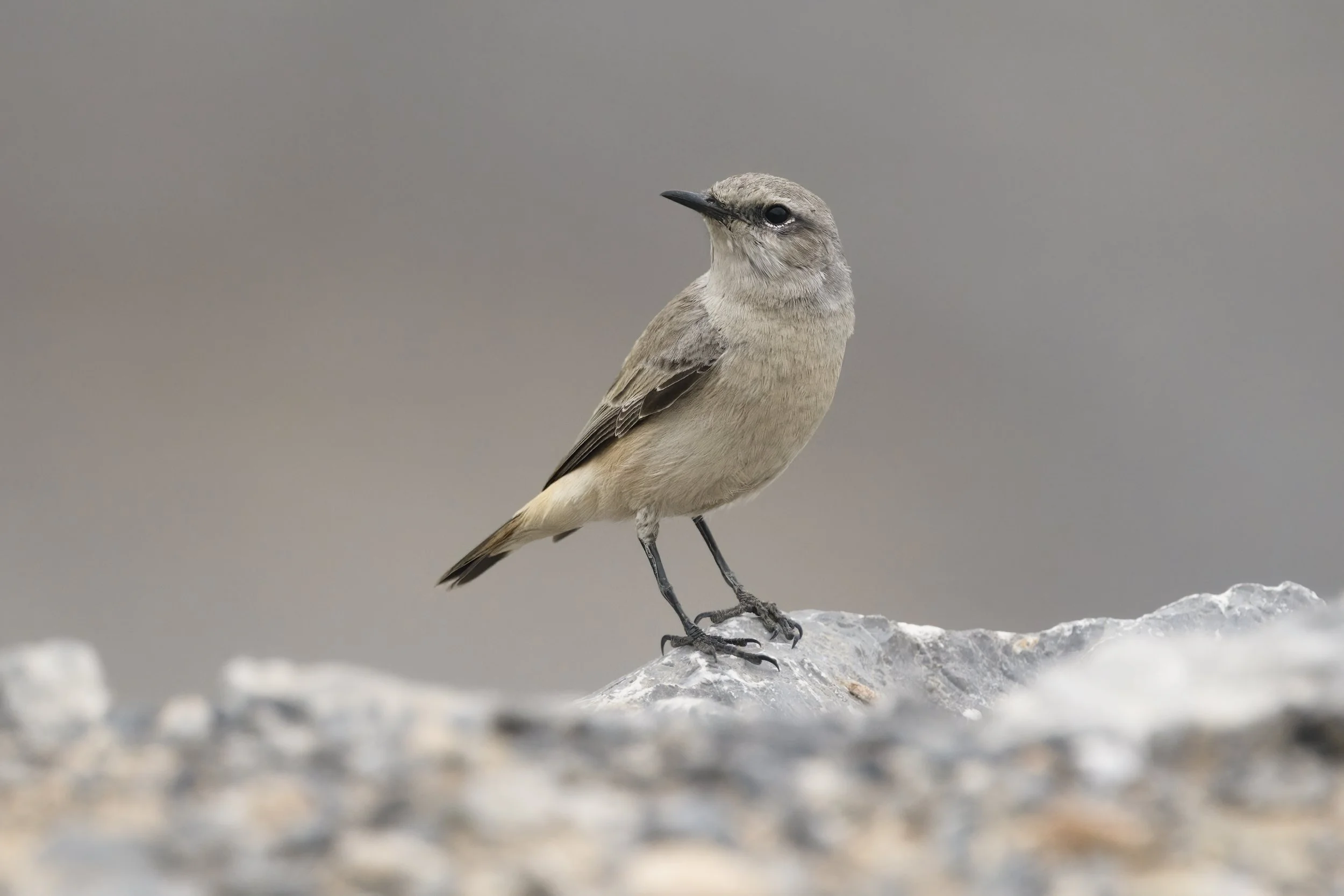
Red-tailed Wheatear (Oenanthe chrysopygia) - United Arab Emirates
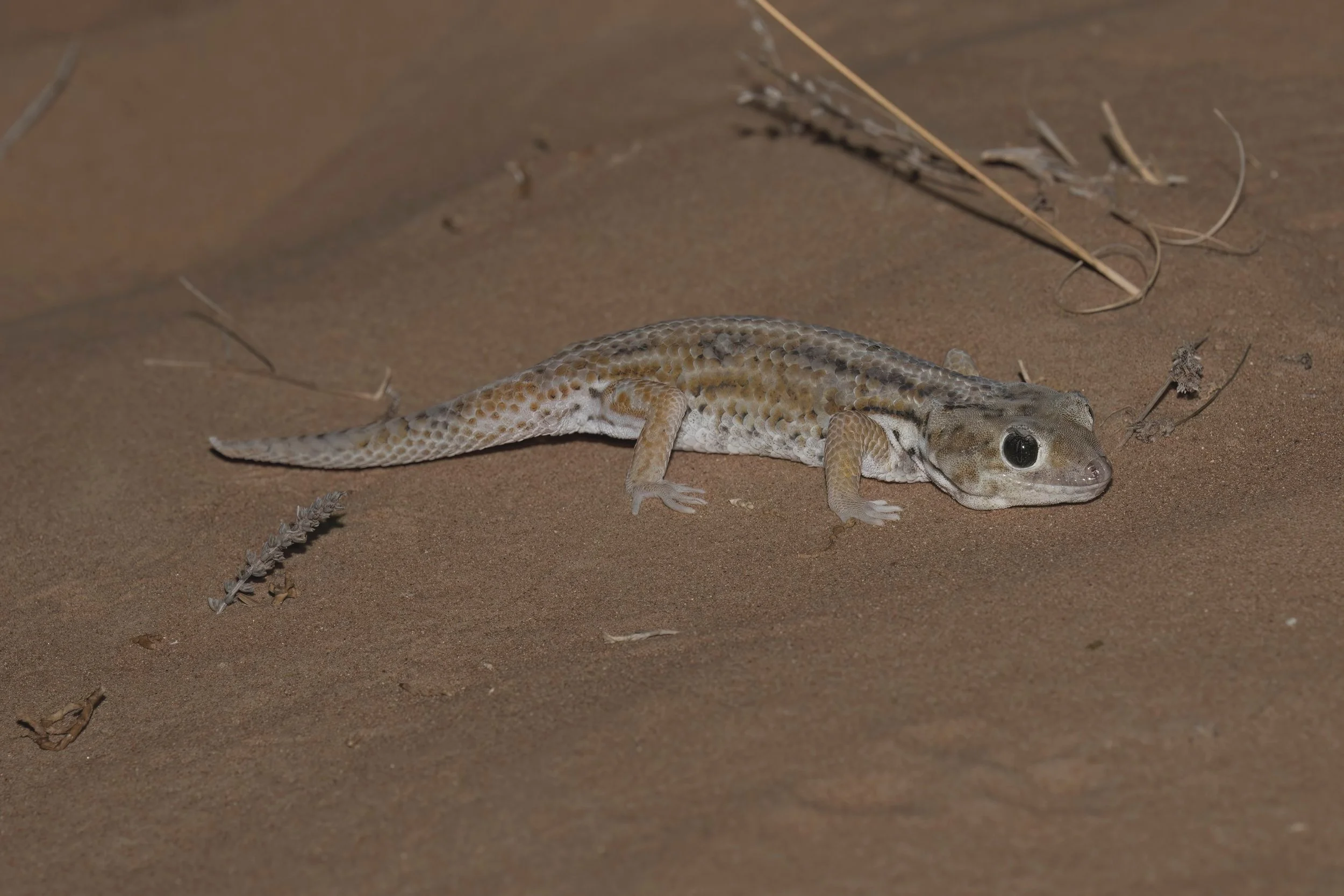
Keyserling's Wonder Gecko (Teratoscincus keyserlingii) - United Arab Emirates
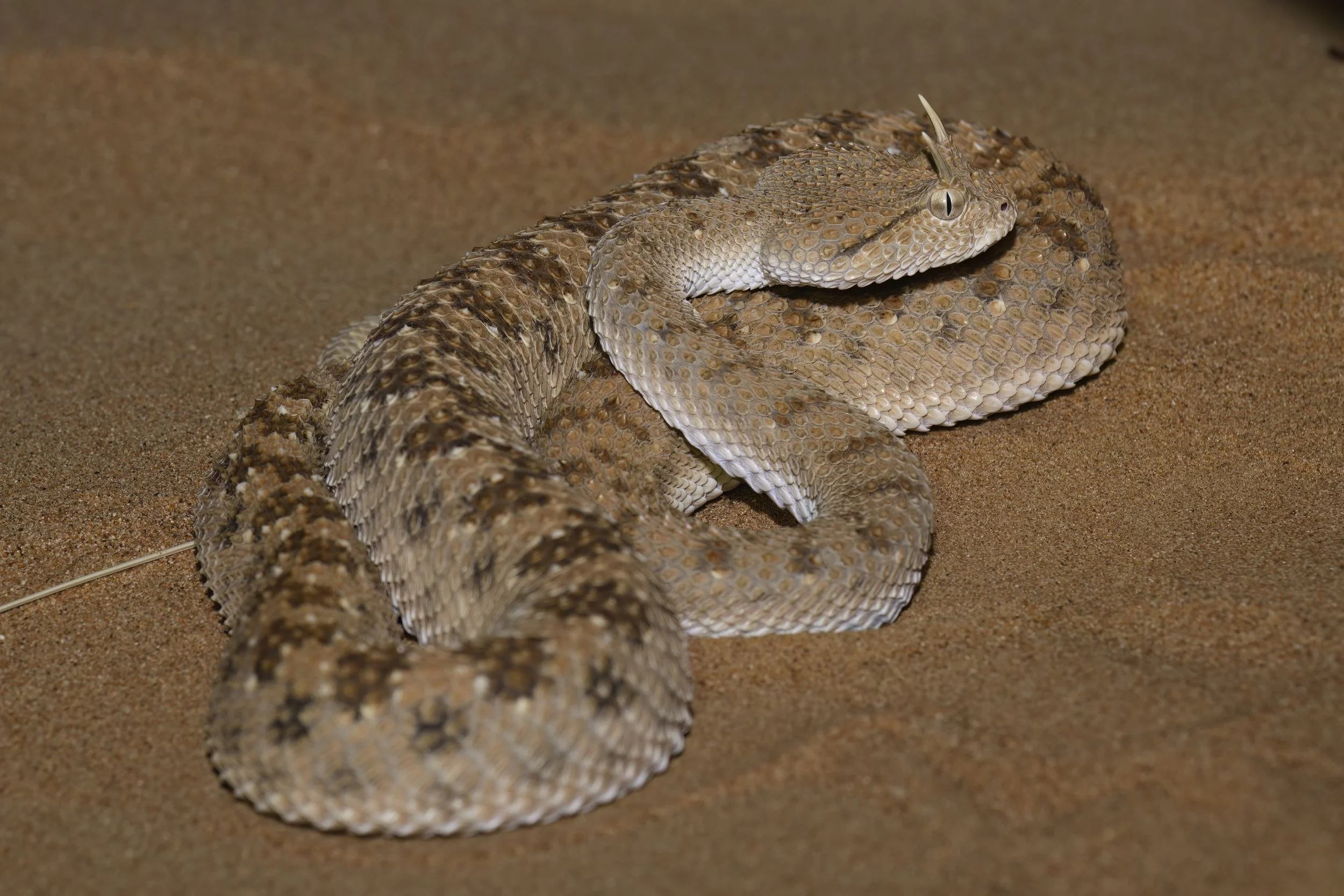
Arabian Horned Viper (Cerastes gasperettii) - United Arab Emirates
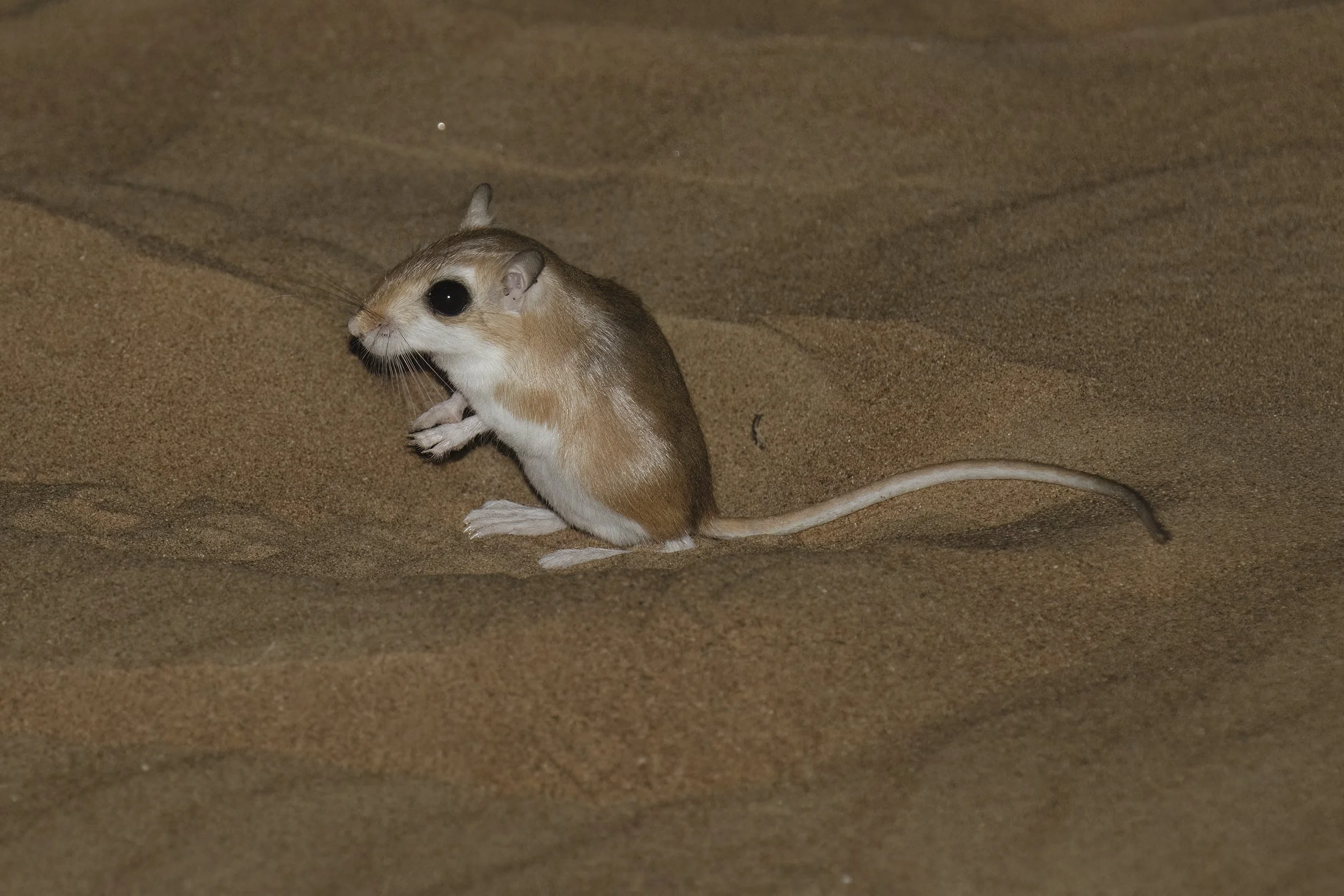
Cheesman's Gerbil (Gerbillus cheesmani) - United Arab Emirates
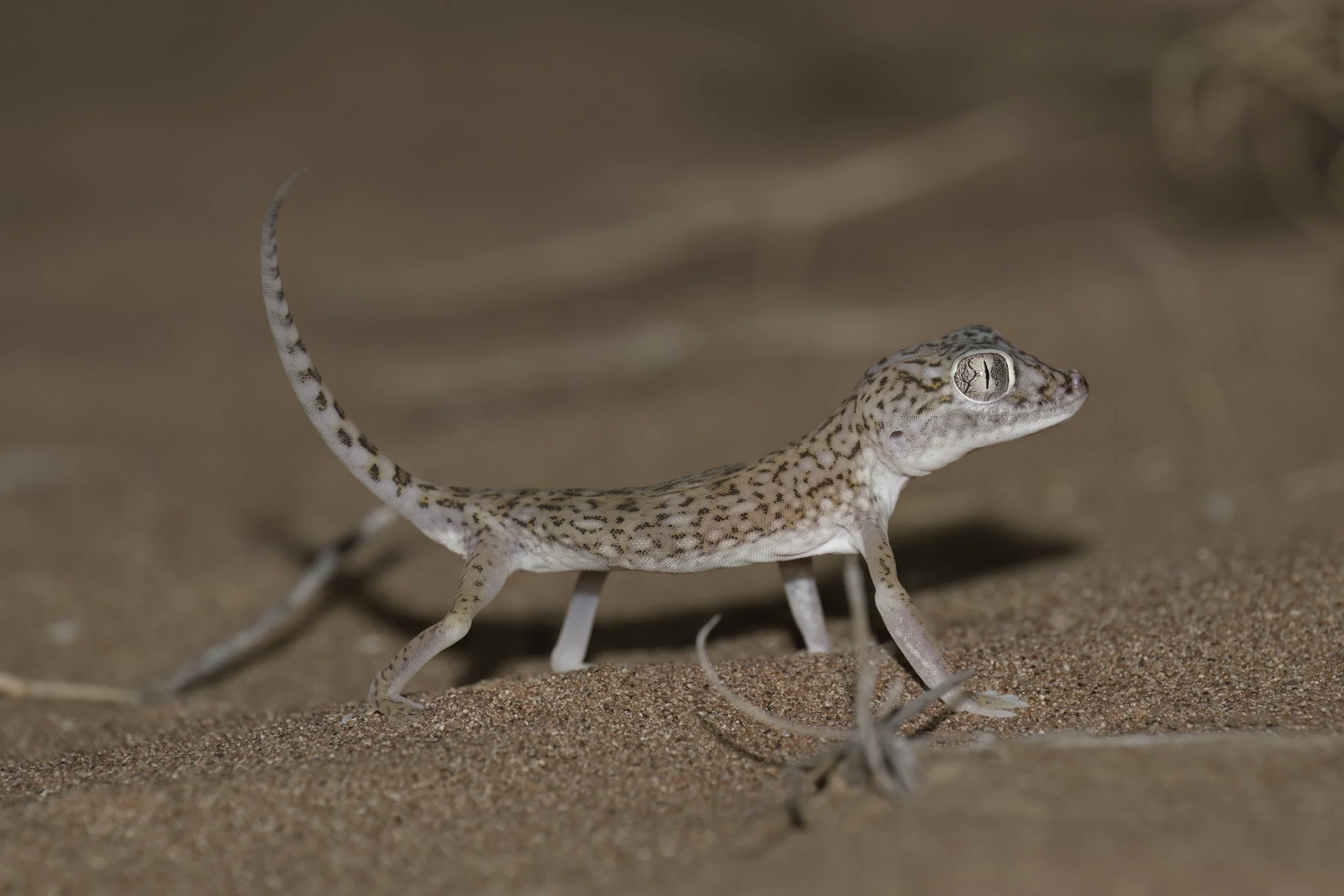
Middle Eastern Short-fingered Gecko (Stenodactylus doriae) - United Arab Emirates
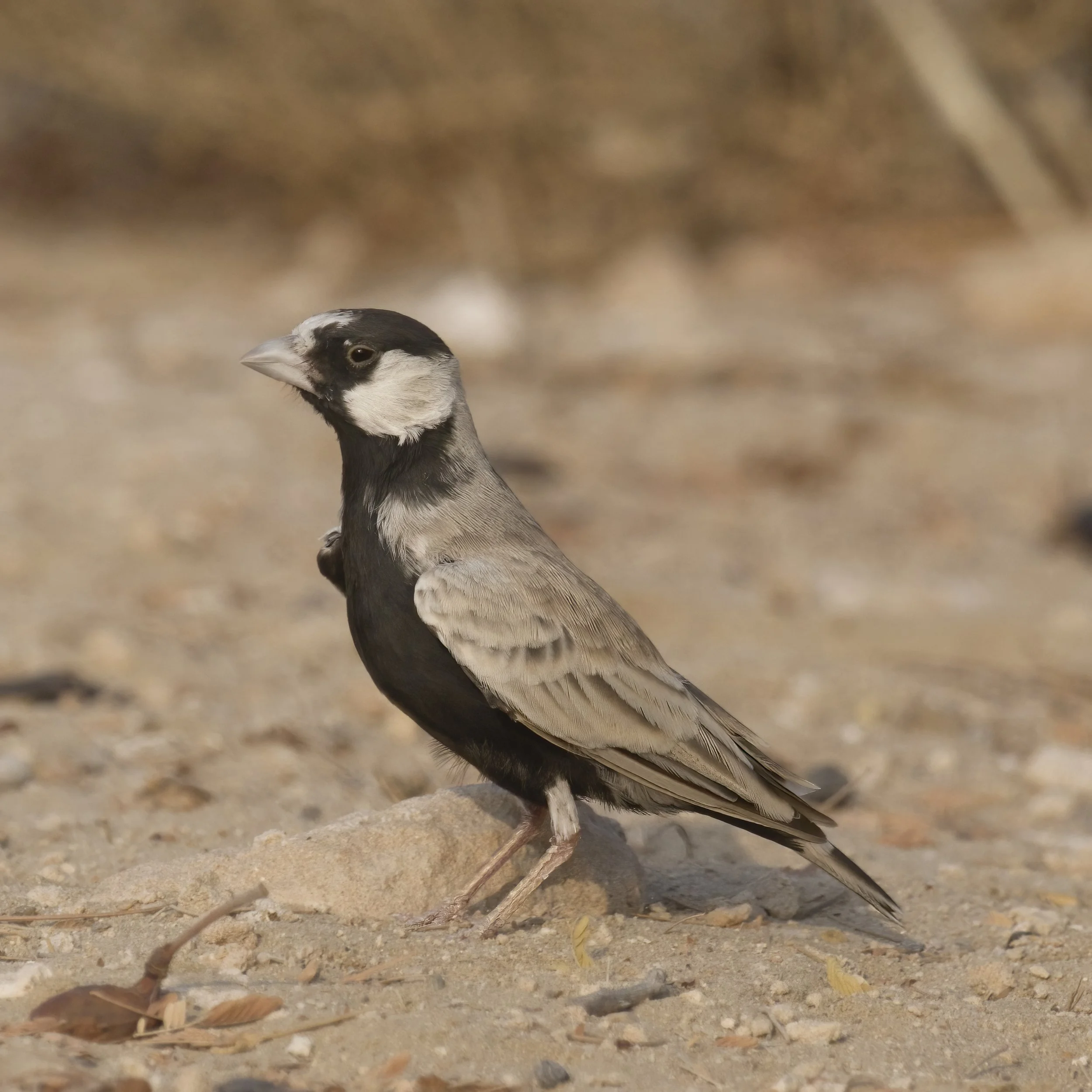
Black-crowned Sparrow-lark (Eremopterix nigriceps) - United Arab Emirates
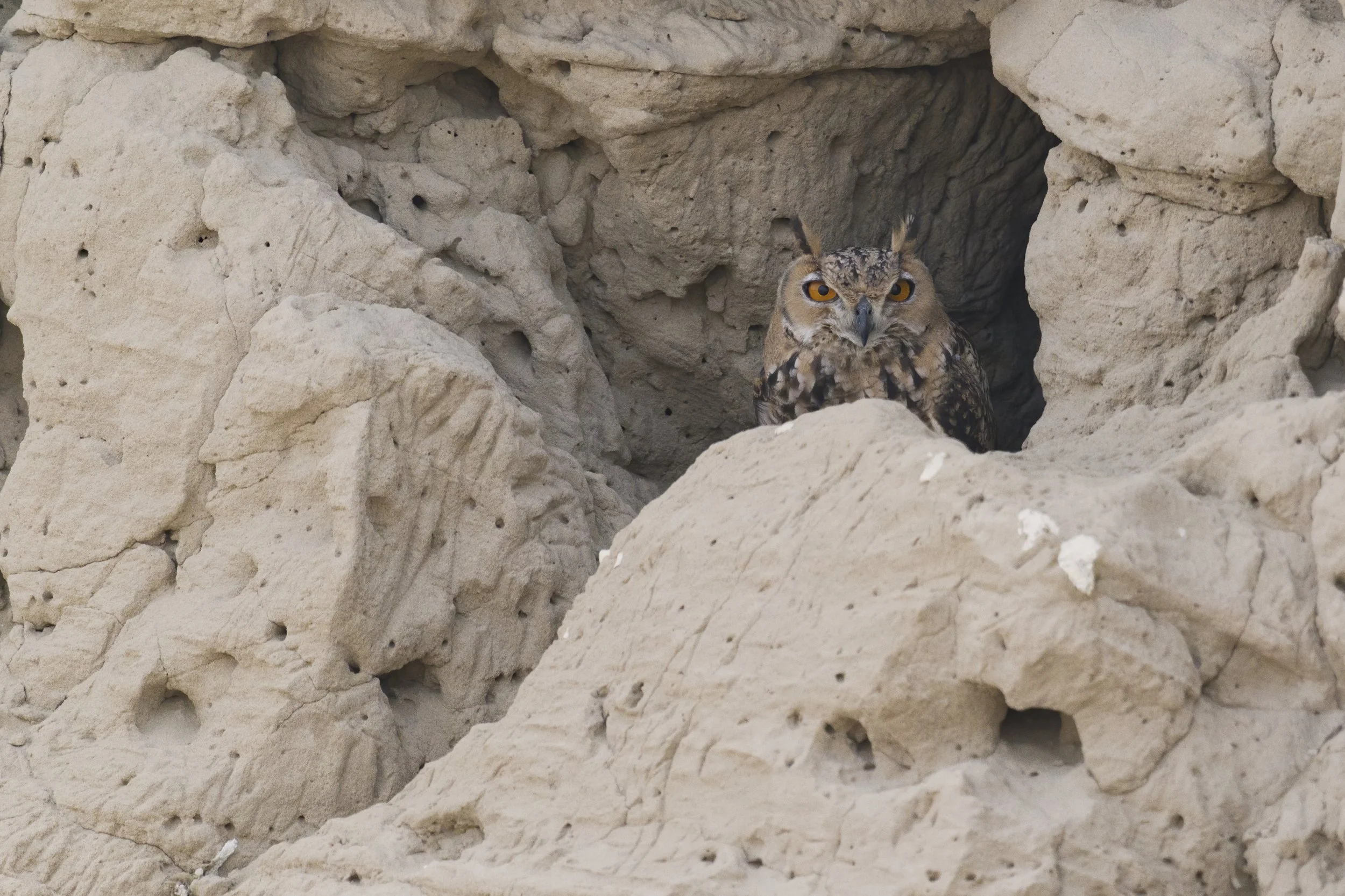
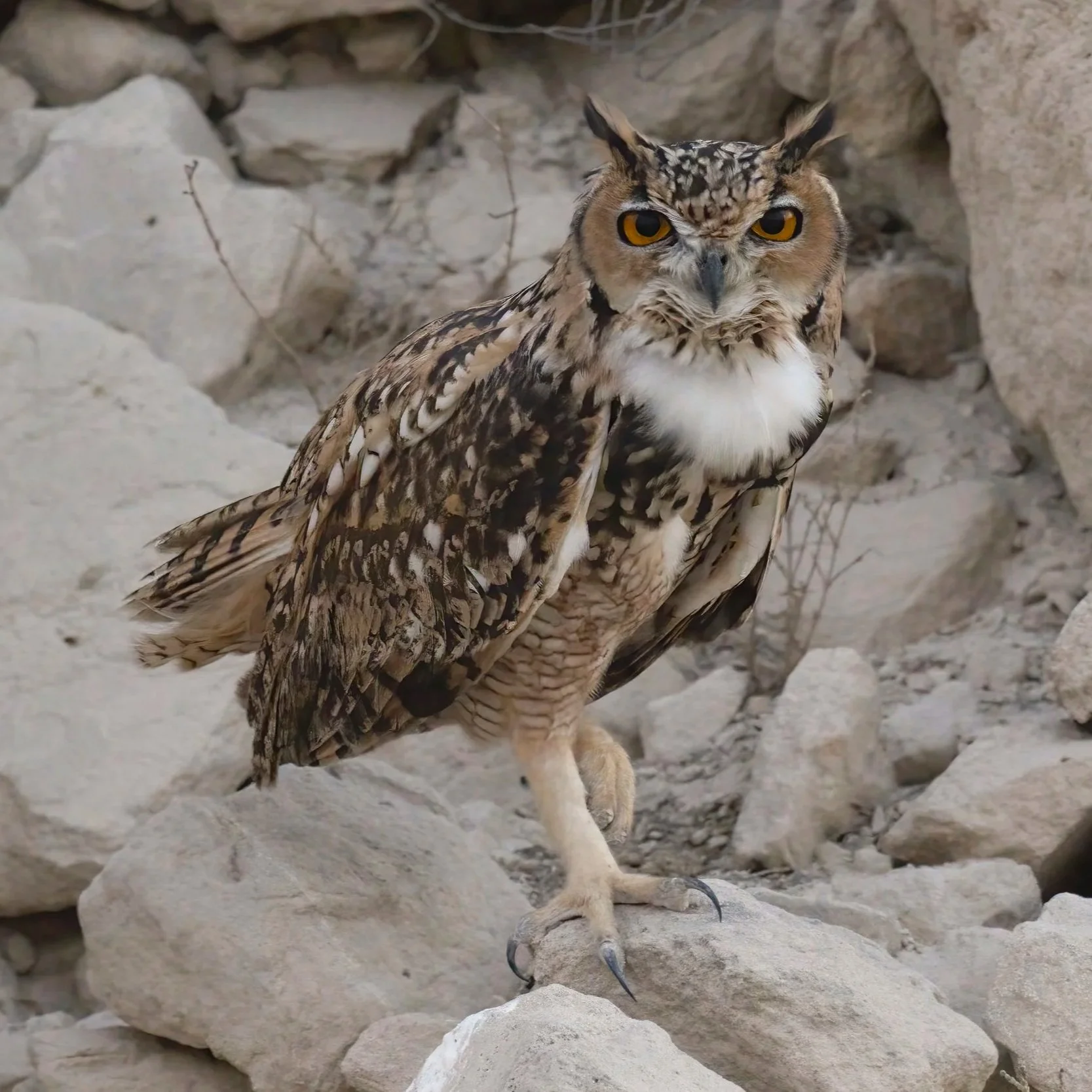
Pharaoh Eagle-owl (Bubo ascalaphus) - United Arab Emirates
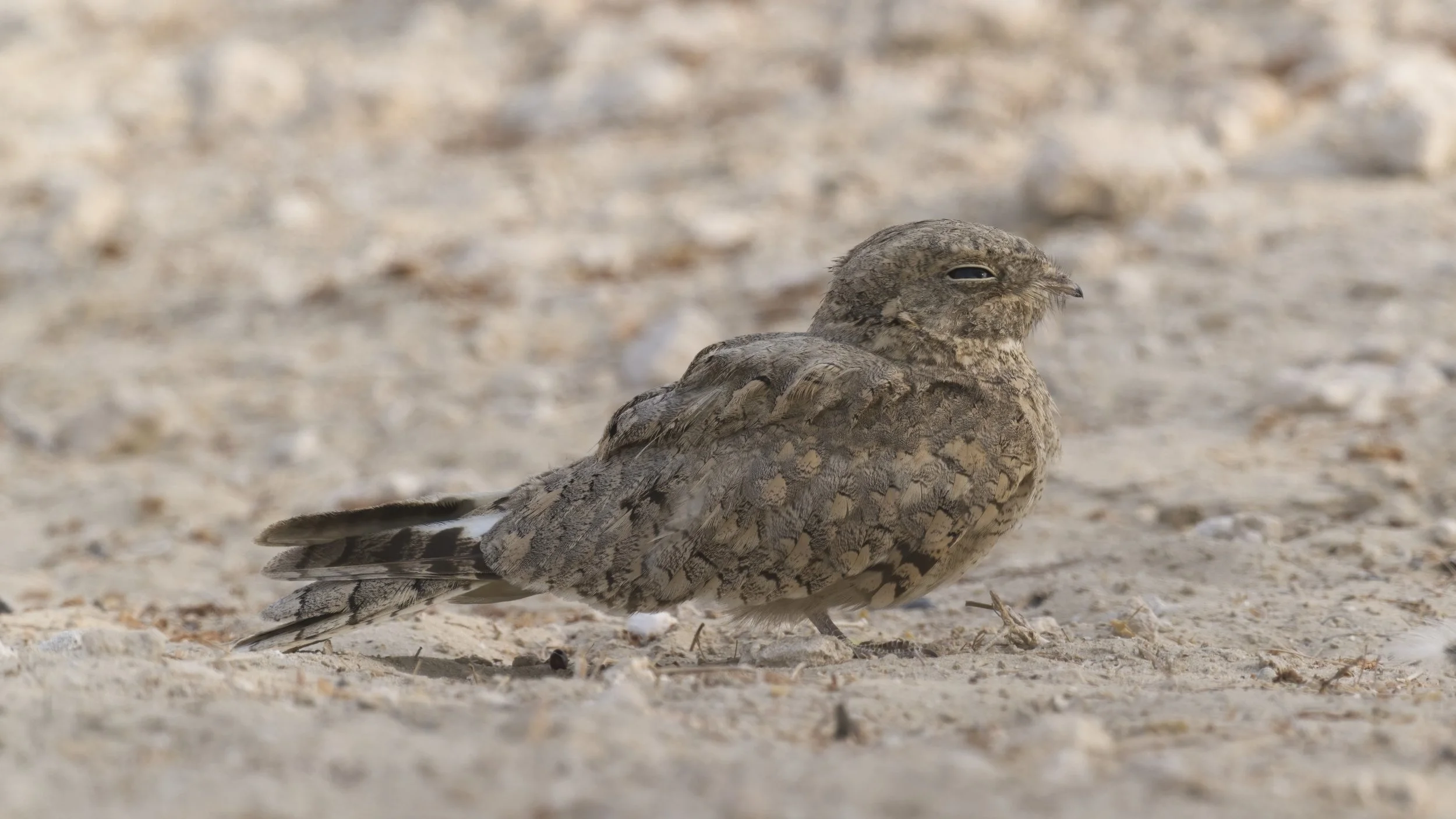
Egyptian Nightjar (Caprimulgus aegyptius) - United Arab Emirates
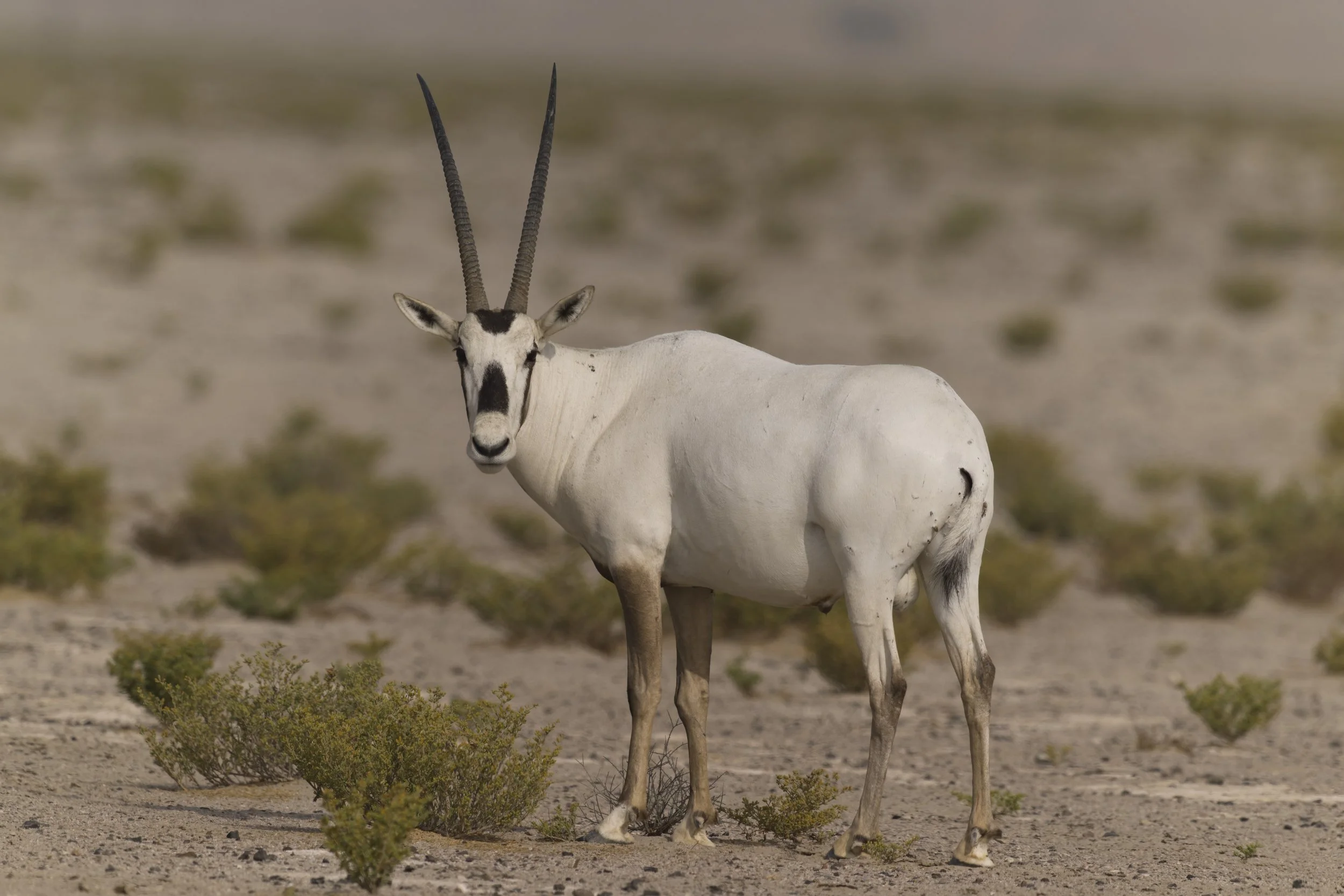
Arabian Oryx (Oryx leucoryx) - United Arab Emirates
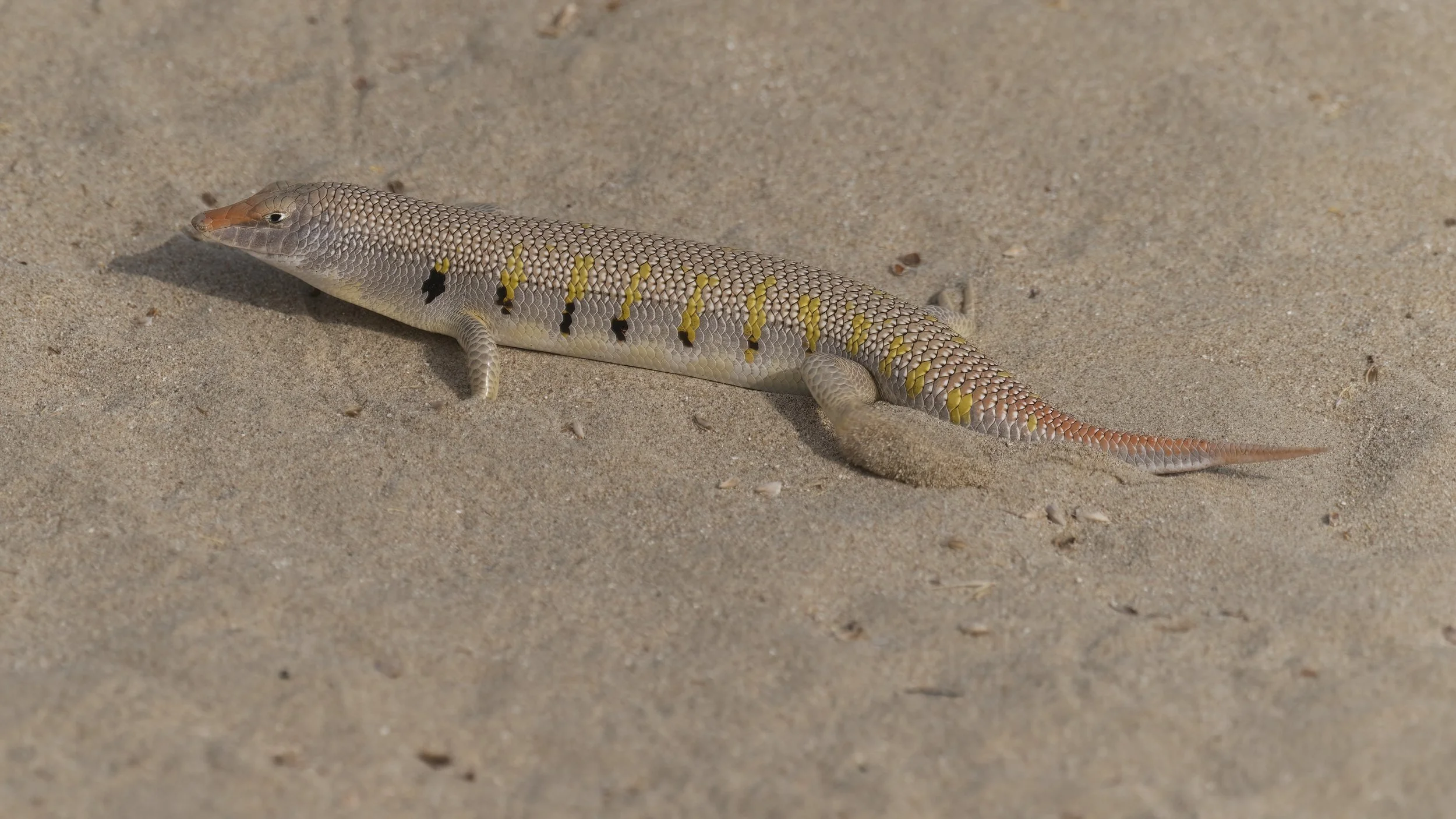
Arabian Sand Skink (Scincus mitranus) - United Arab Emirates
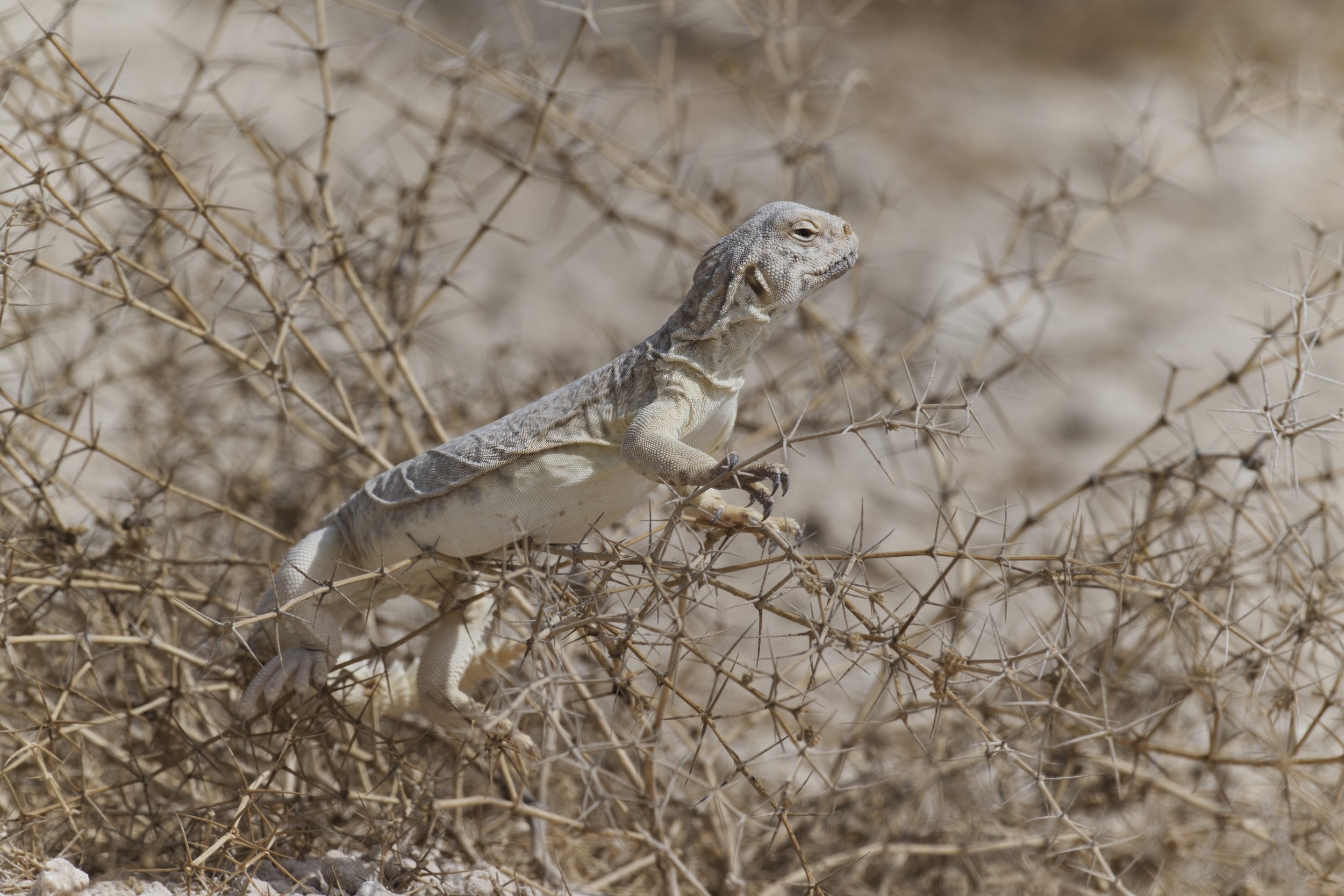
Egyptian spiny-tailed lizard (Uromastyx aegyptia) - United Arab Emirates
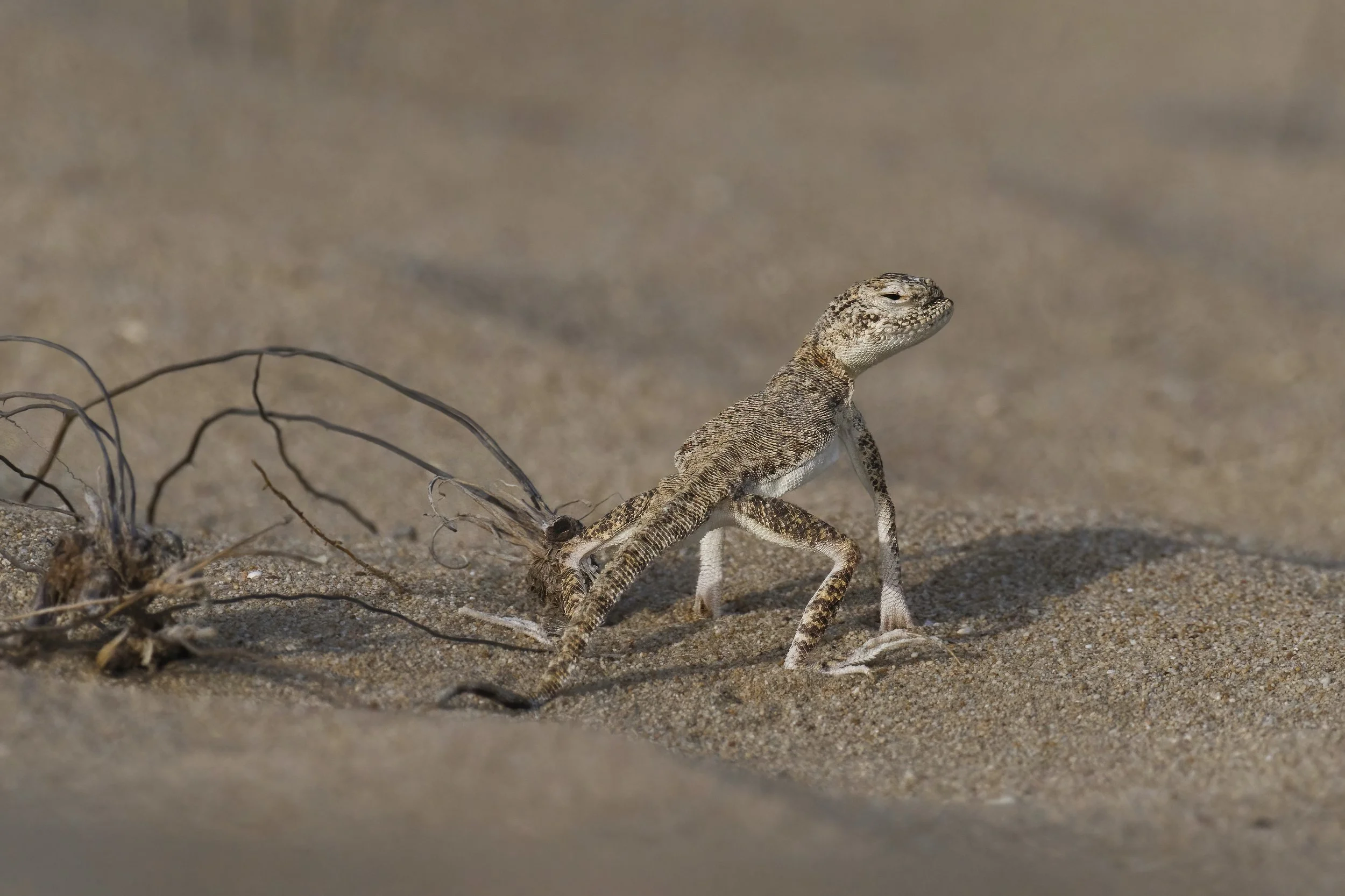
Arabian Toad-headed Agama (Phrynocephalus arabicus) - United Arab Emirates
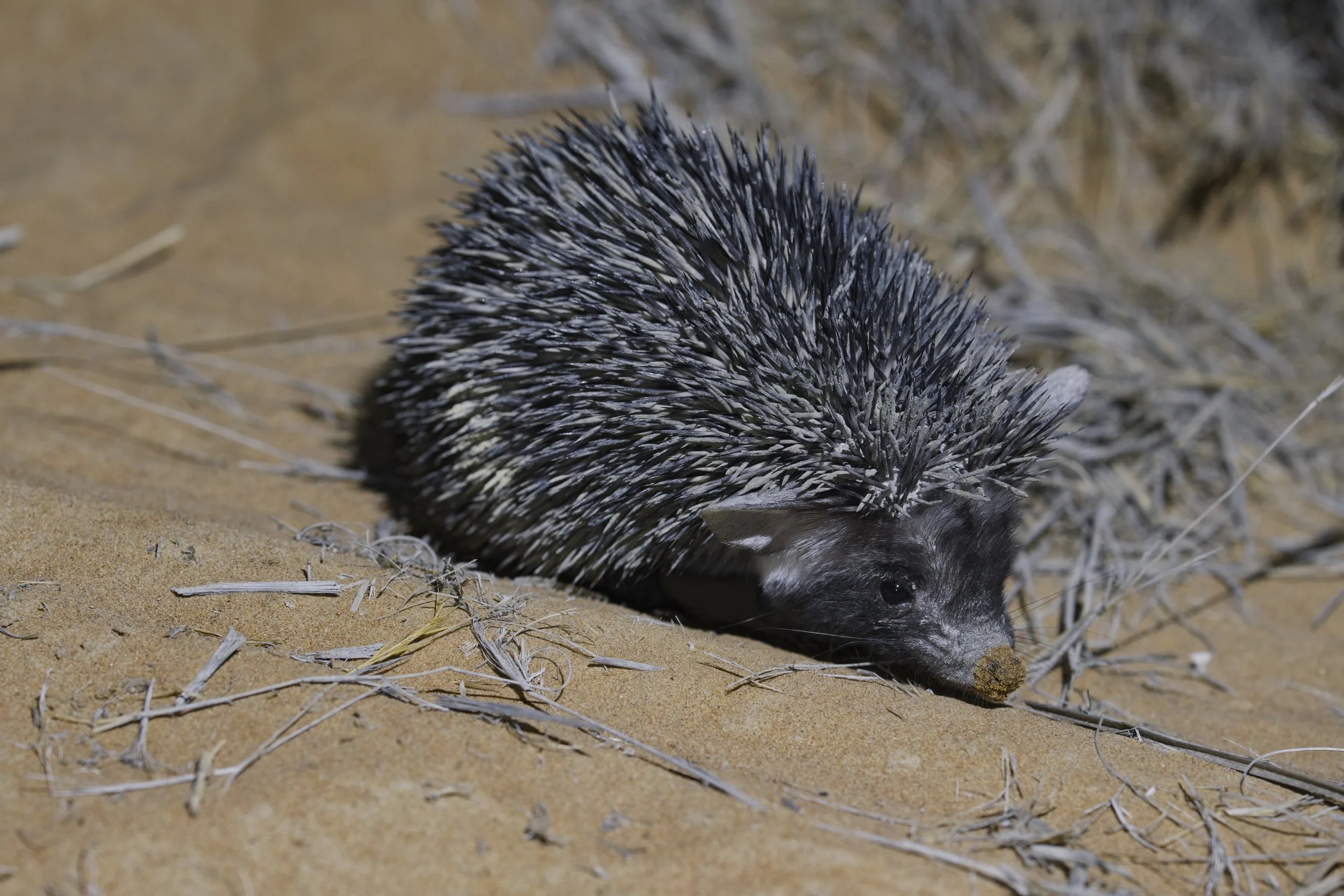
Desert Hedgehog (Paraechinus aethiopicus) - United Arab Emirates
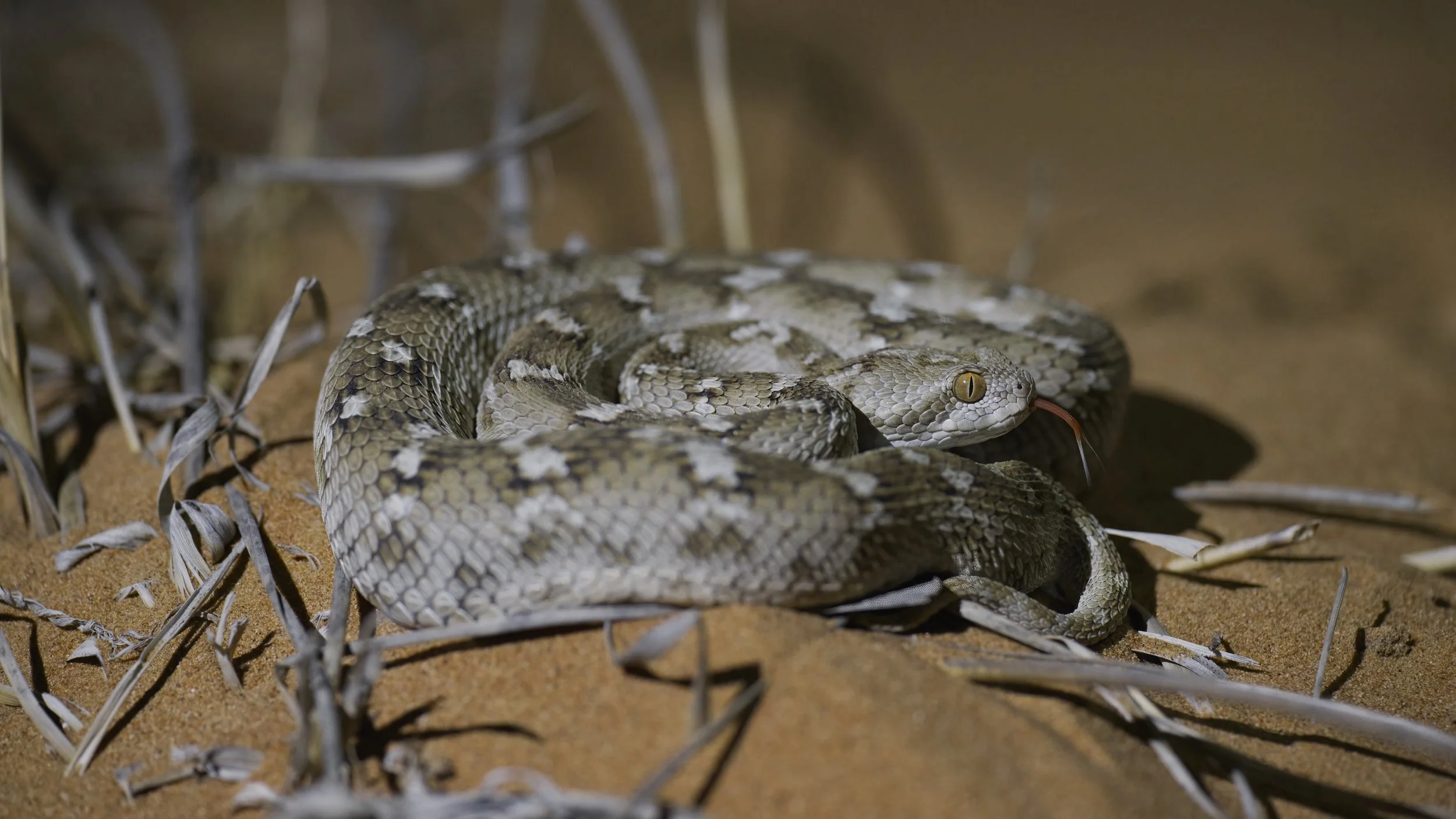
Sindh Saw-scaled Viper (Echis carinatus)- United Arab Emirates
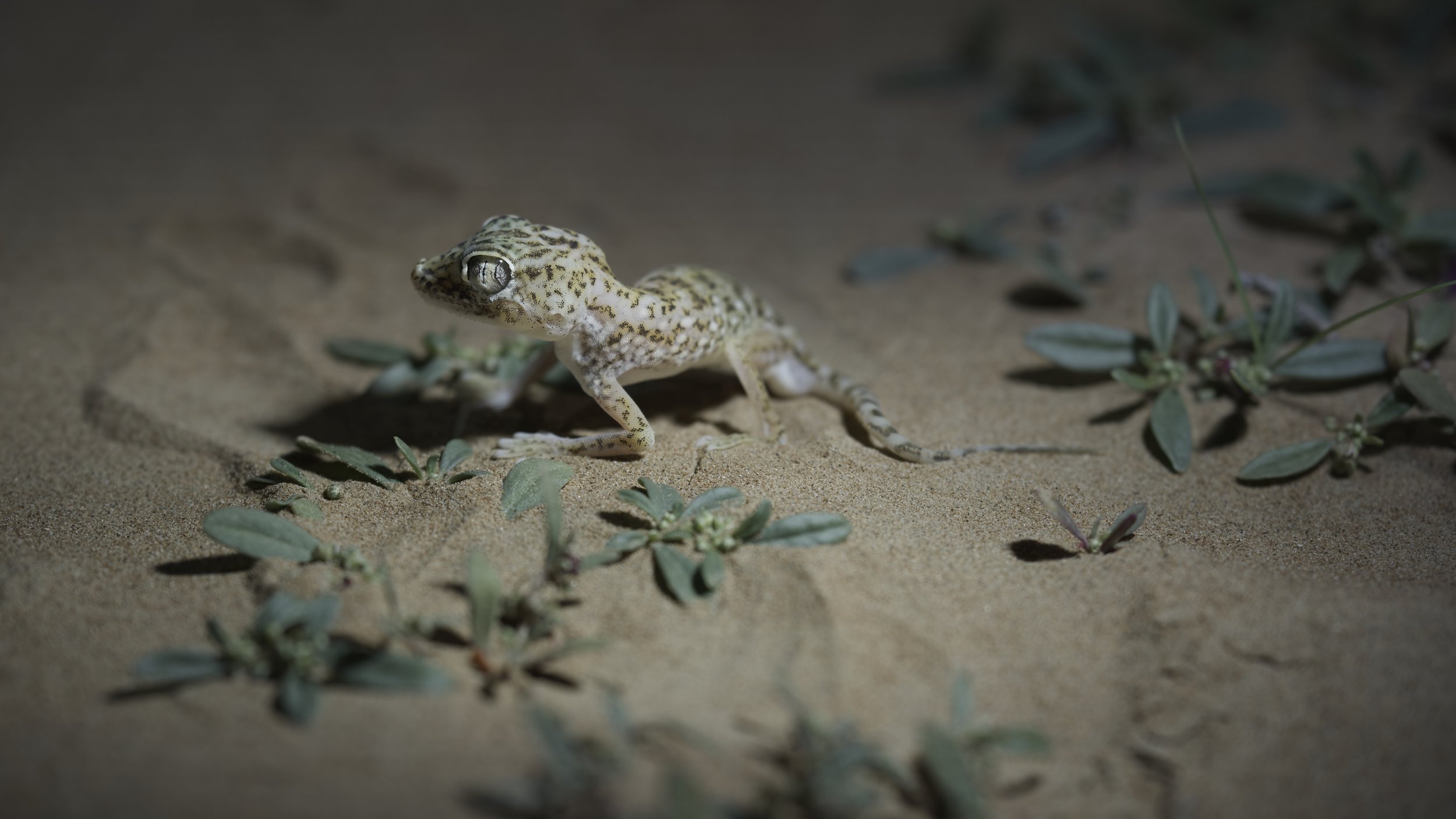
Middle Eastern Short-fingered Gecko (Stenodactylus doriae) - United Arab Emirates
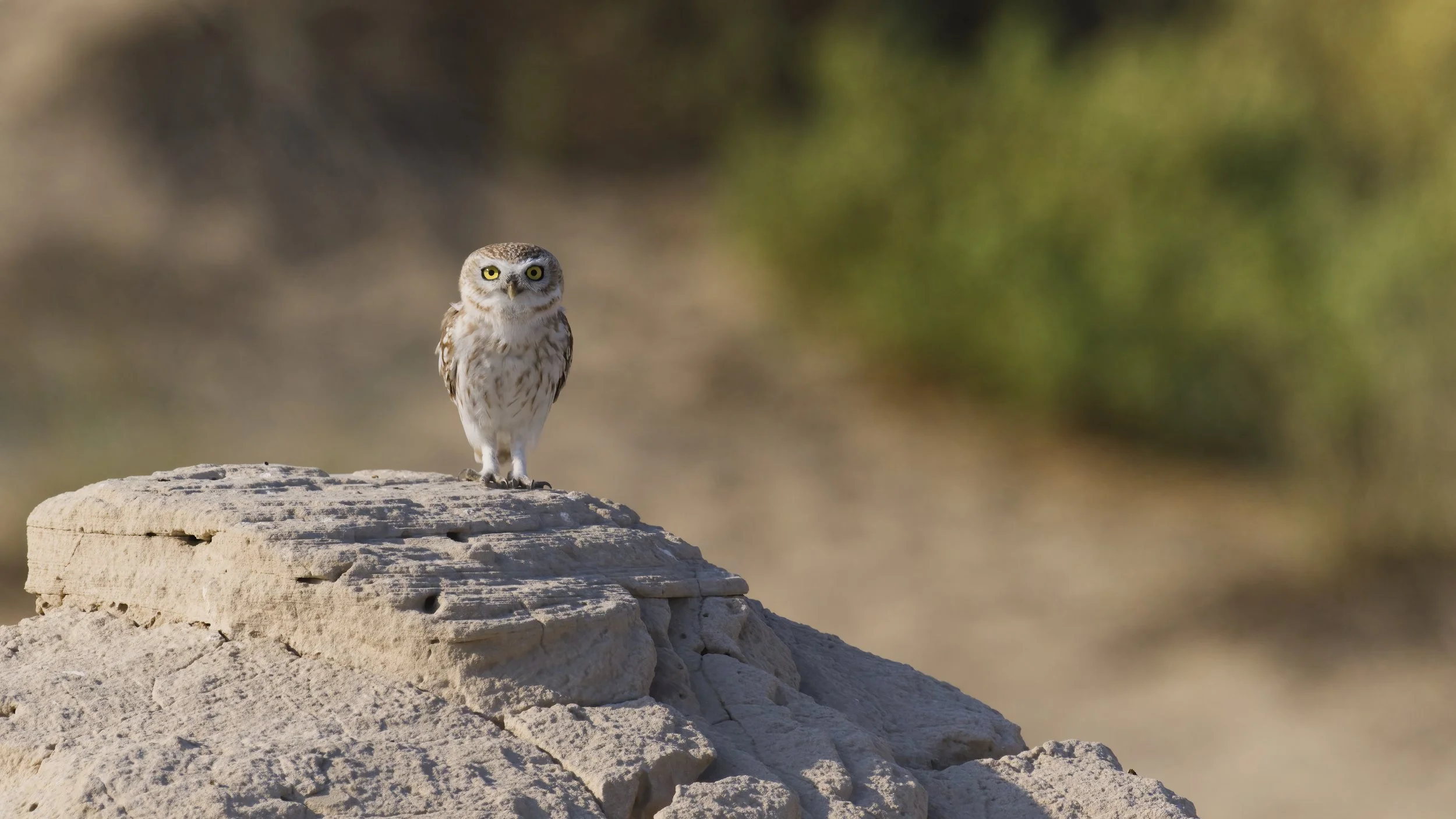
Little Owl (Athene noctua) - United Arab Emirates
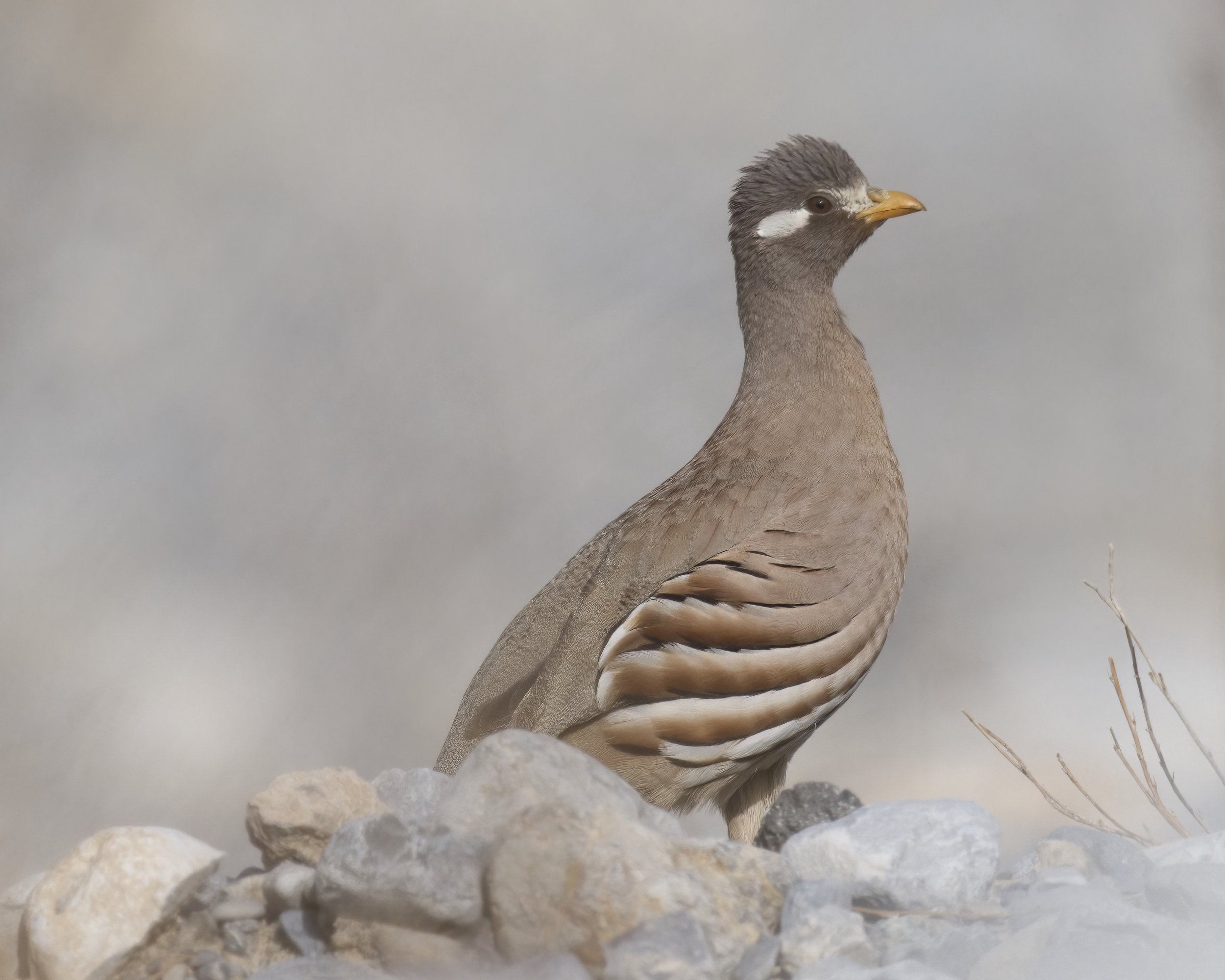
Sand Partridge (Ammoperdix heyi) - United Arab Emirates
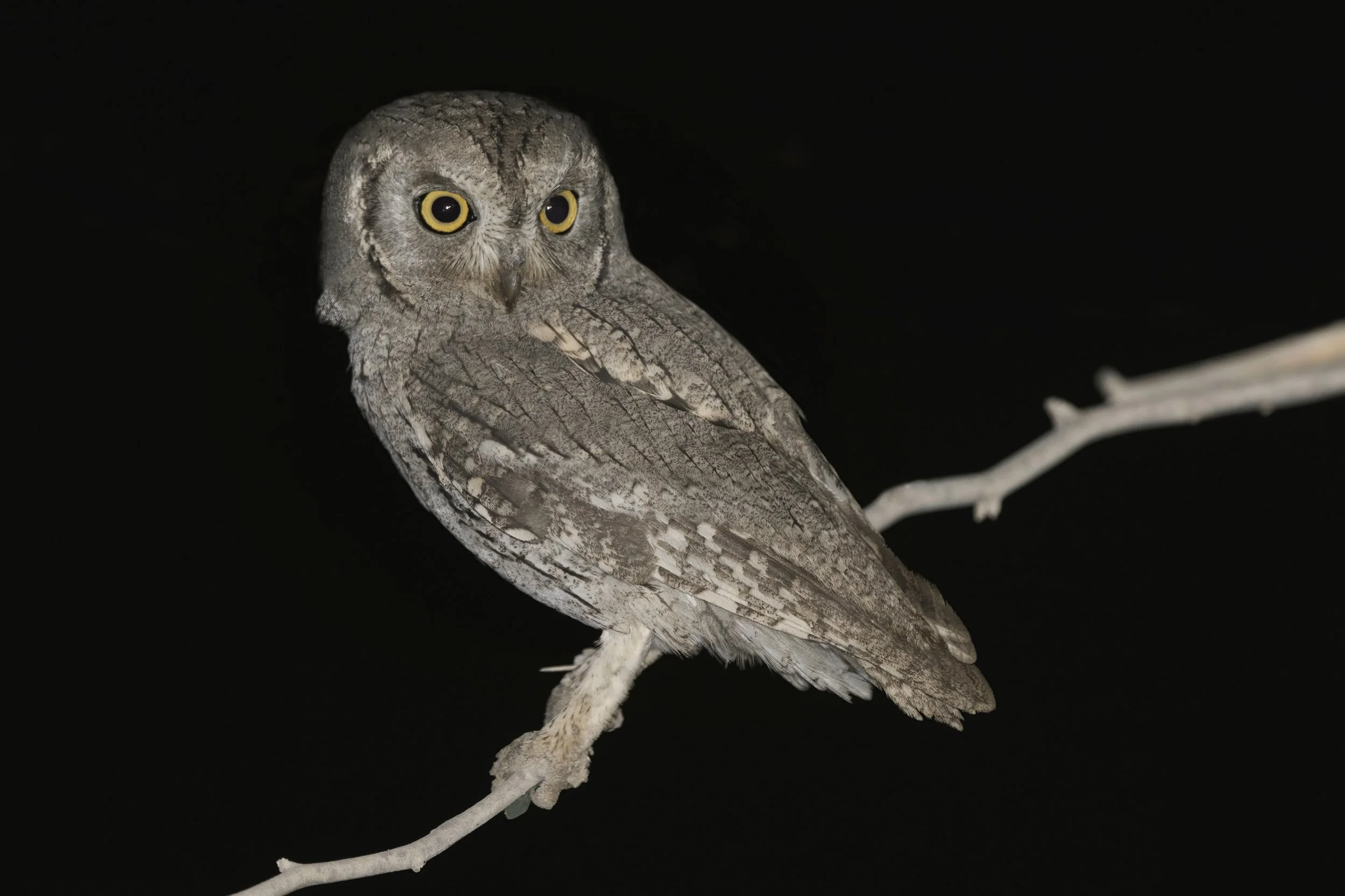
Pallid Scops-owl (Otus brucei) - United Arab Emirates
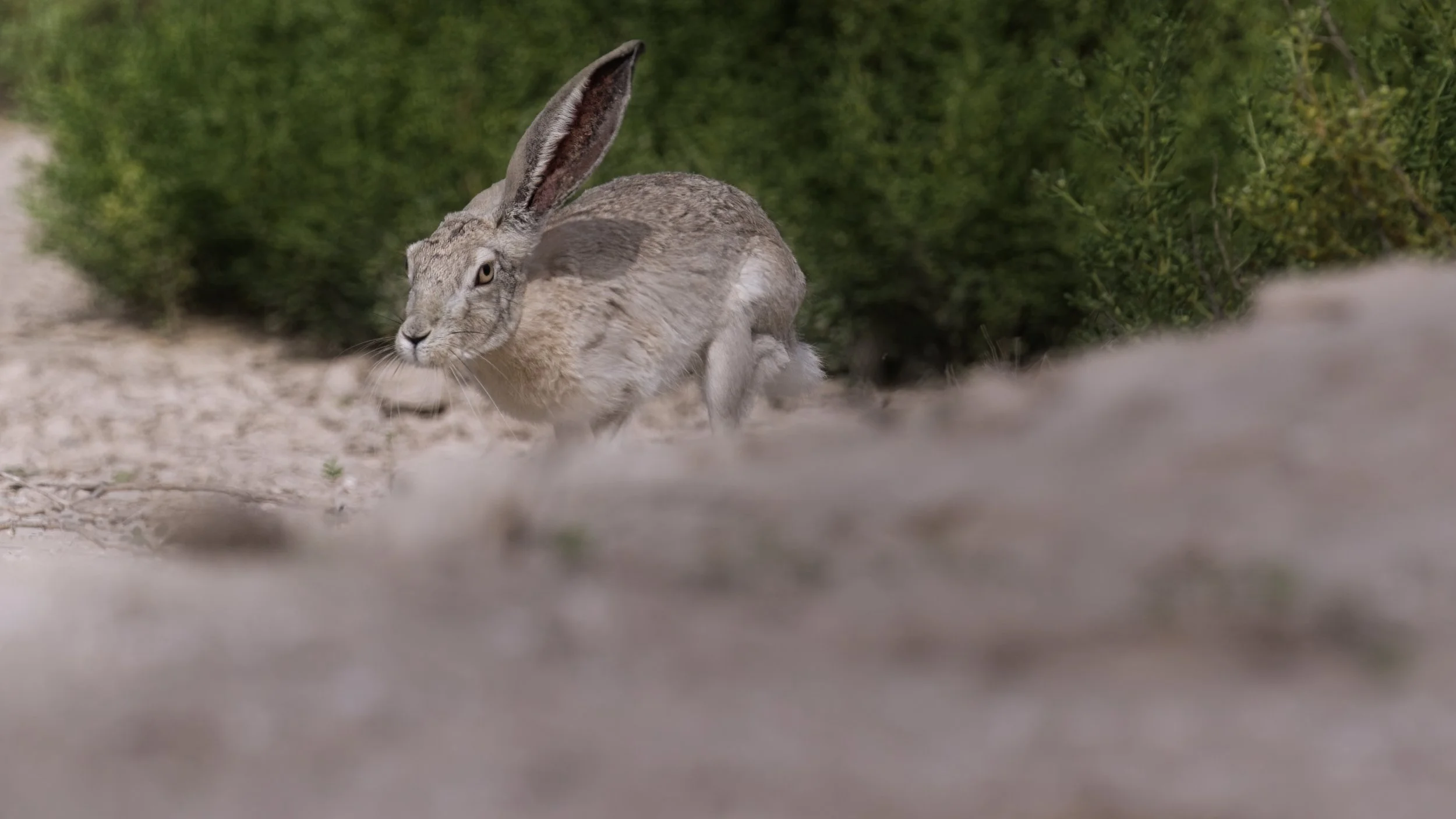
Cape Hare (Lepus capensis) - United Arab Emirates
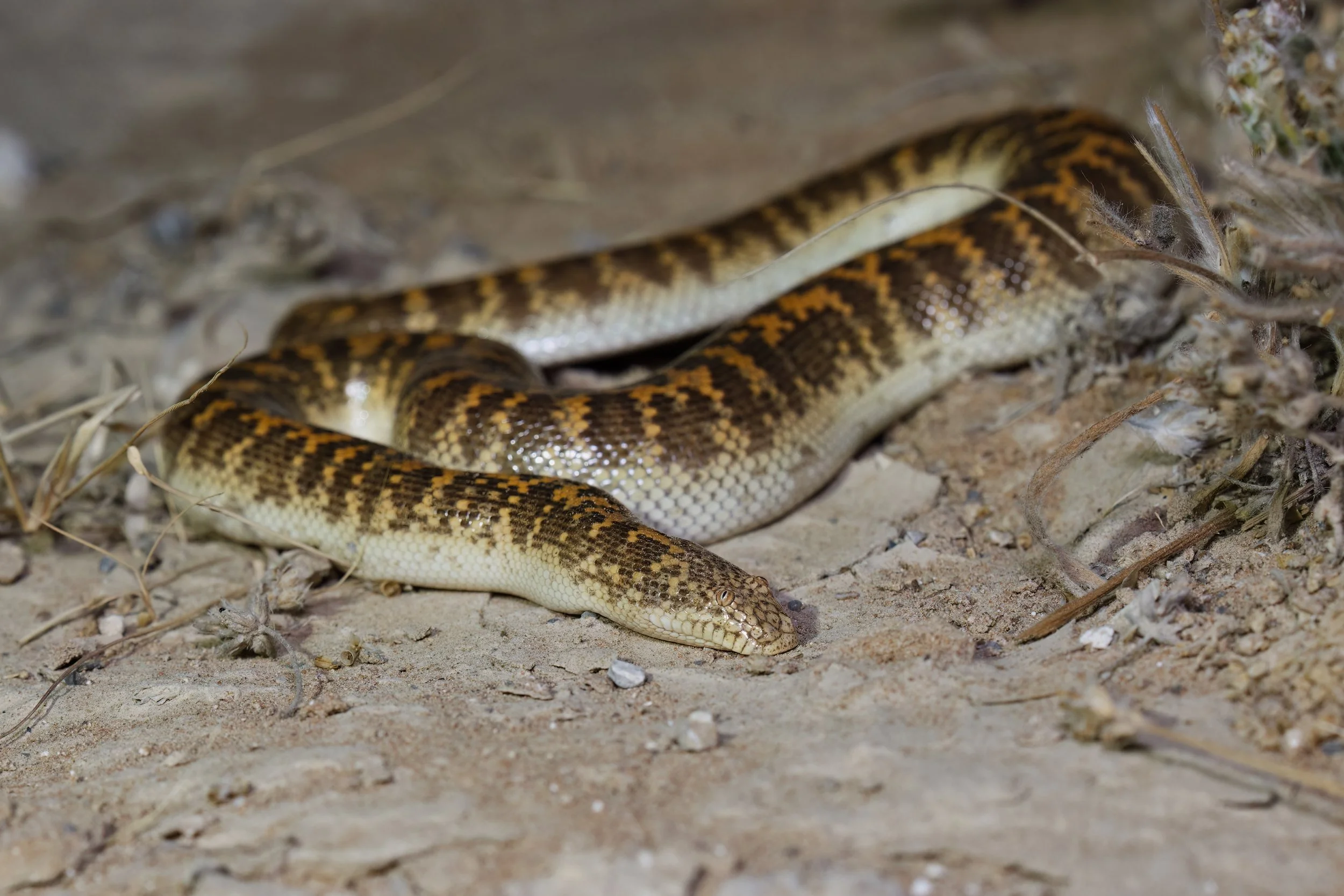
Arabian Sand Boa (Eryx jayakari) - United Arab Emirates
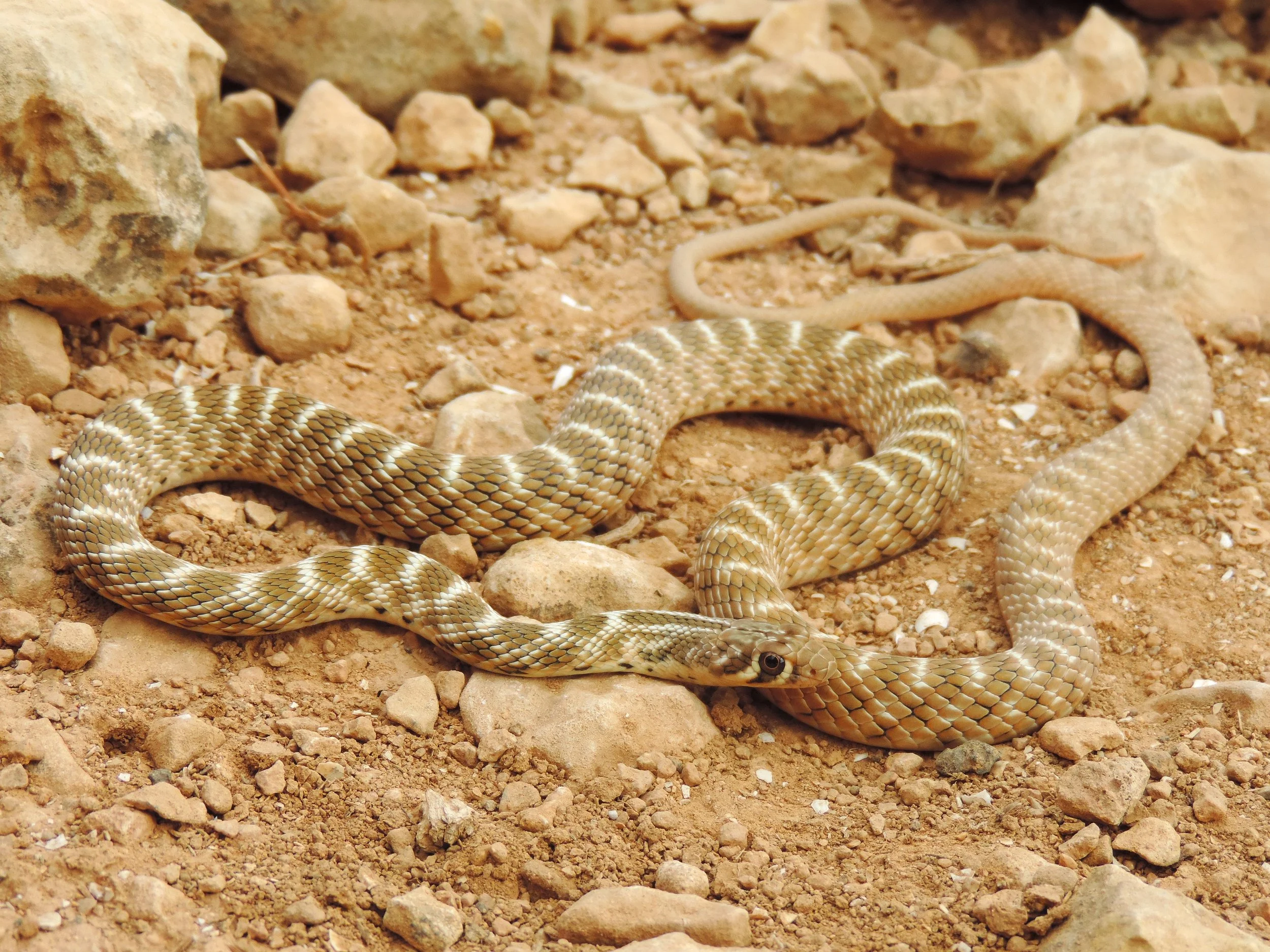
Roger’s Racer (Platyceps rogersi) - Lebanon
Desert Animals of the UAE
The UAE desert supports mammals ranging from large herbivores to small nocturnal species.
The Arabian Oryx (Oryx leucoryx) is one of the most recognizable animals associated with the Arabian desert. Gazelles also inhabit open desert environments, while smaller mammals such as Cheesman's Gerbil (Gerbillus cheesmani), Desert Hedgehog (Paraechinus aethiopicus) and Cape Hare (Lepus capensis) can be considerably harder to observe.
These smaller desert animals are an important part of the ecosystem and often become most active after temperatures begin to fall.
Reptiles of the UAE Desert
Reptiles are among the most specialized inhabitants of the UAE desert.
Species documented in this collection include the Arabian Horned Viper (Cerastes gasperettii), Arabian Sand Boa (Eryx jayakari), Sindh Saw-scaled Viper (Echis carinatus), Arabian Sand Skink (Scincus mitranus), Arabian Toad-headed Agama (Phrynocephalus arabicus), Egyptian Spiny-tailed Lizard (Uromastyx aegyptia) and several desert geckos.
Some spend much of their lives beneath the sand or inside burrows, while others emerge after sunset to hunt, forage or move between shelters.
Birds of the UAE Desert
Desert habitats also support a diverse bird community.
Among the birds documented here are the Cream-colored Courser (Cursorius cursor), Chestnut-bellied Sandgrouse (Pterocles exustus), Desert Lark (Ammomanes deserti), Black-crowned Sparrow-lark (Eremopterix nigriceps), Egyptian Nightjar (Caprimulgus aegyptius) and Pharaoh Eagle-owl (Bubo ascalaphus).
Some are permanent residents of arid landscapes, while others use desert and semi-desert habitats seasonally or as part of wider movements across the region.
Wildlife Photography in the UAE Desert
Photographing desert wildlife requires patience and an understanding of habitat and behaviour.
Rather than searching only for animals themselves, field observation often begins with evidence: tracks crossing a dune, fresh burrows, feeding signs or subtle movement around vegetation.
The photographs in this collection were created during wildlife fieldwork and targeted photography sessions across desert and semi-desert habitats. Together they provide a visual record of the diversity that can exist within landscapes that initially appear almost empty.
Discover other habitats
-
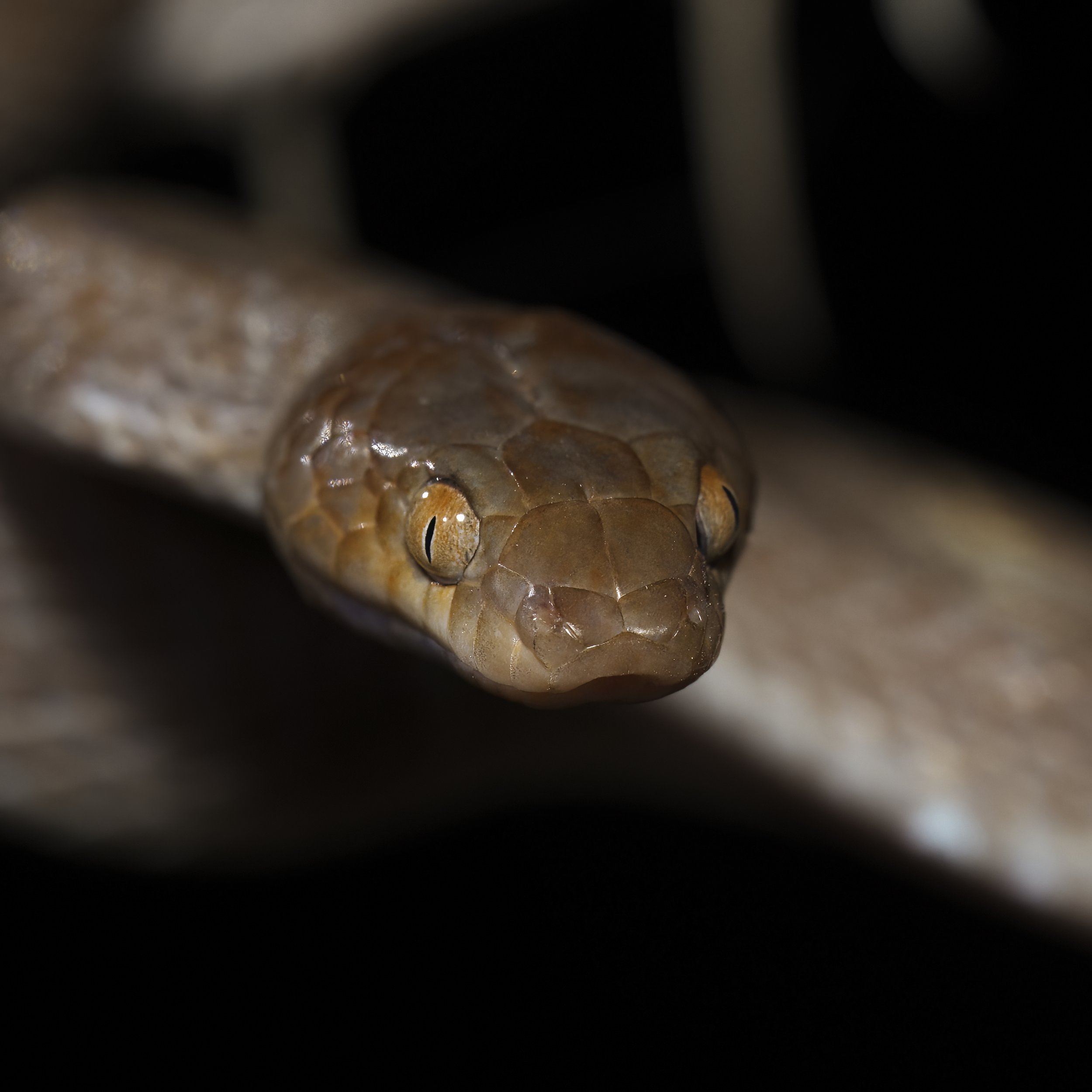
Gravel Plains
-
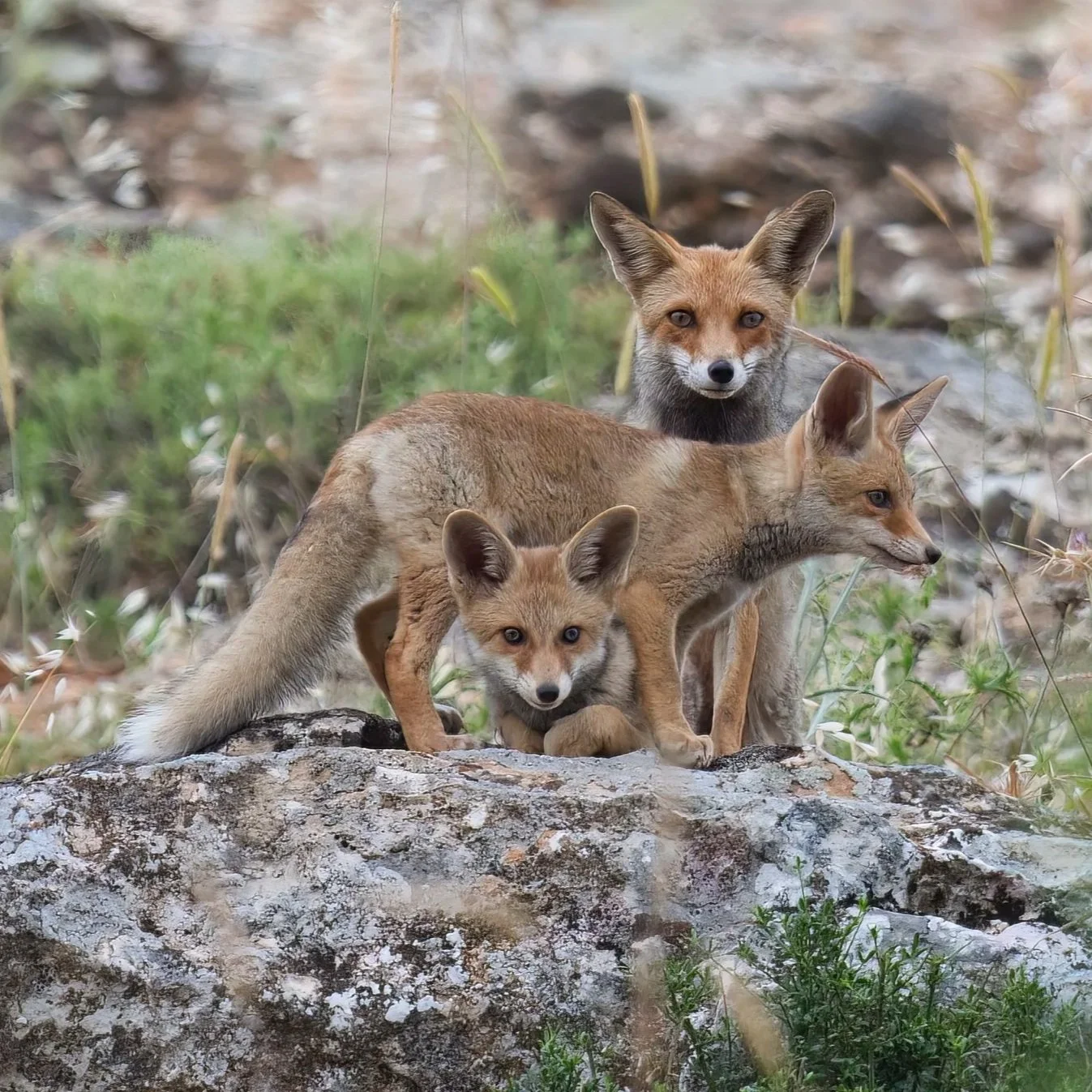
Mountains & Wadis
-
Forest
-
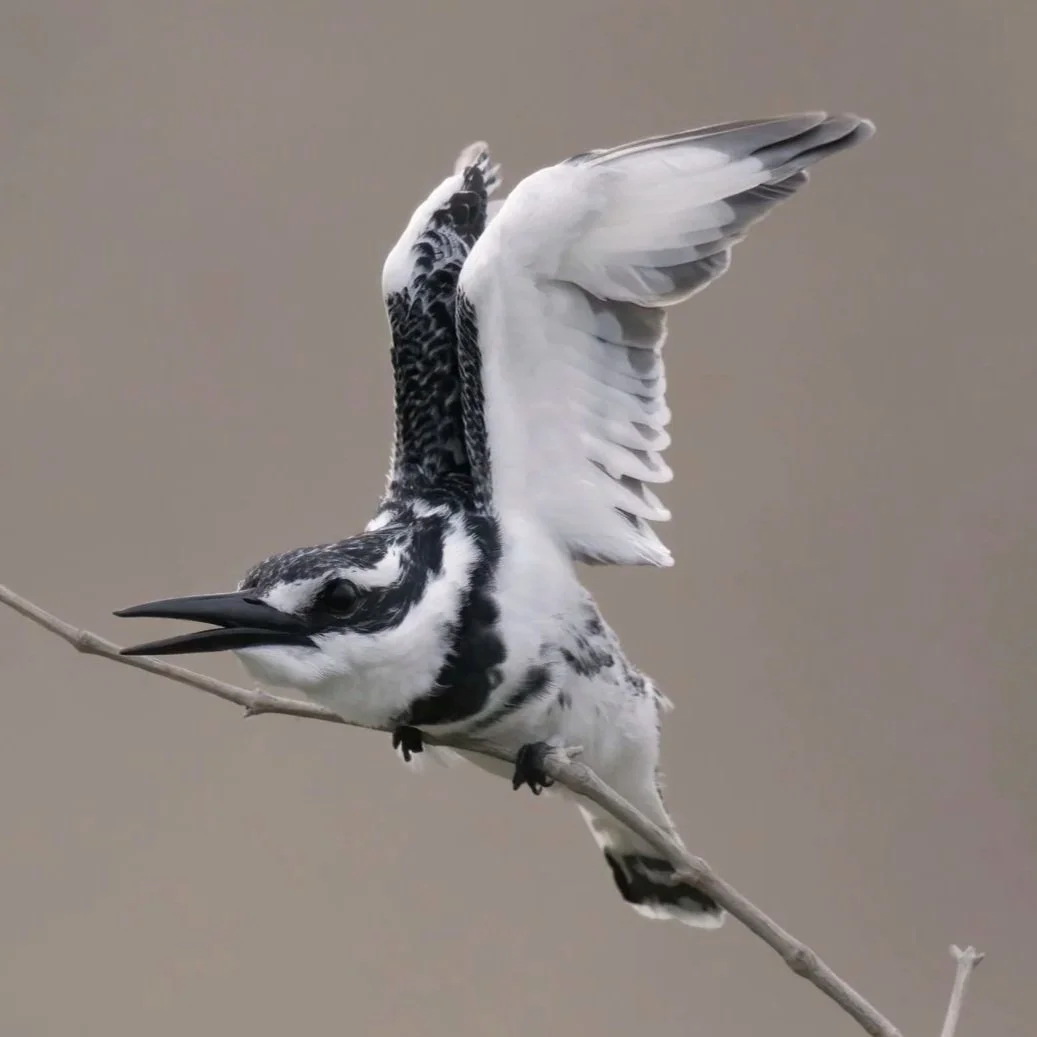
Wetland
-
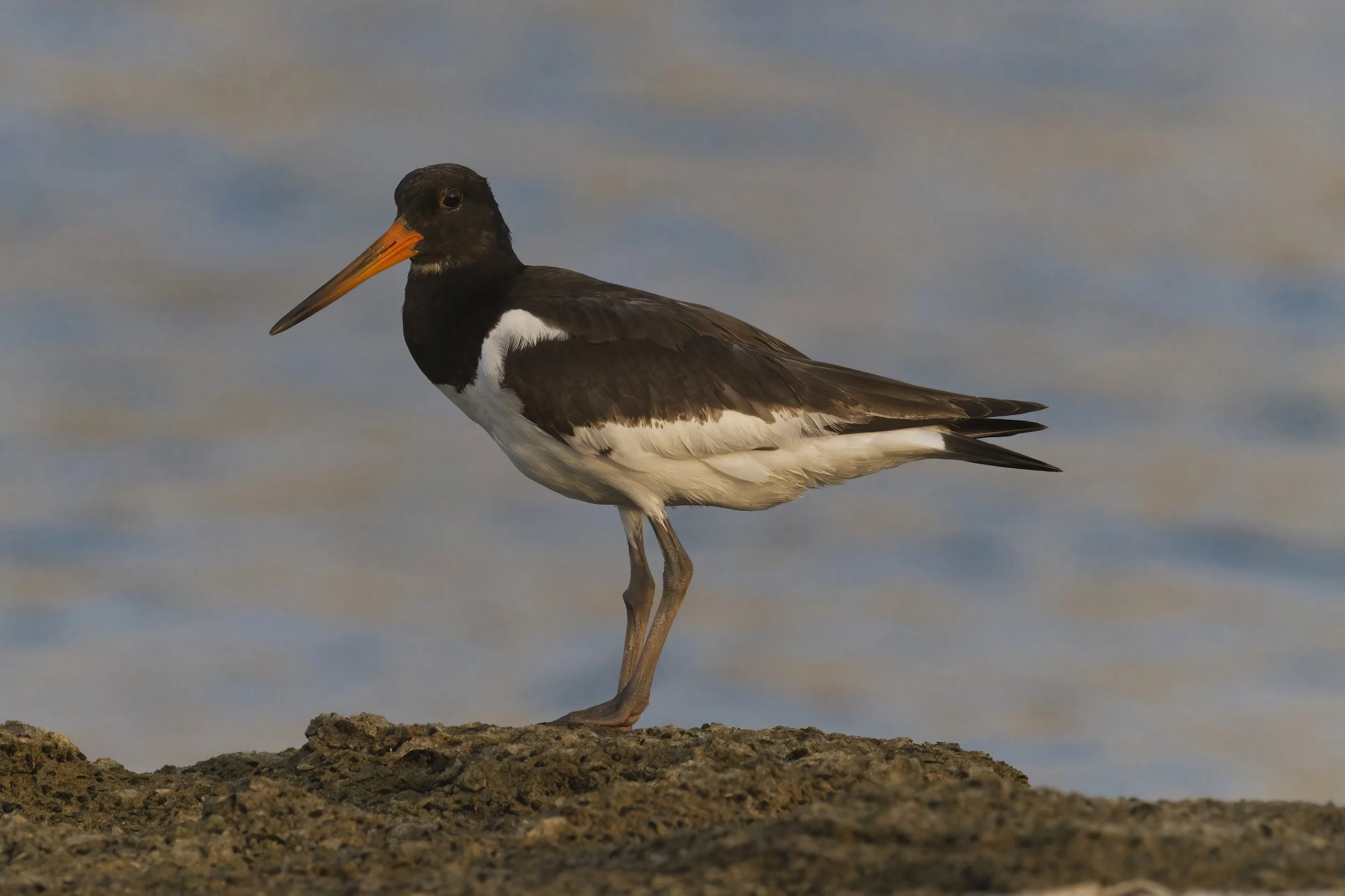
Coastline
Protecting UAE Desert Wildlife
Desert ecosystems can appear resilient, but many of the places used by wildlife are easily disturbed.
Burrows, nests and resting areas can be difficult to notice from a vehicle or while walking across open desert. Off-road driving, repeated disturbance and heavy recreational use can therefore affect wildlife even when no animals are visible.
Observing wildlife from an appropriate distance, reducing unnecessary disturbance and respecting protected areas helps preserve these habitats for the species that depend on them.